The history of culture in Greece spans several millennia. Come with us as we explore some aspects of this cultural legacy that are famous the world over.
Native to this land, the
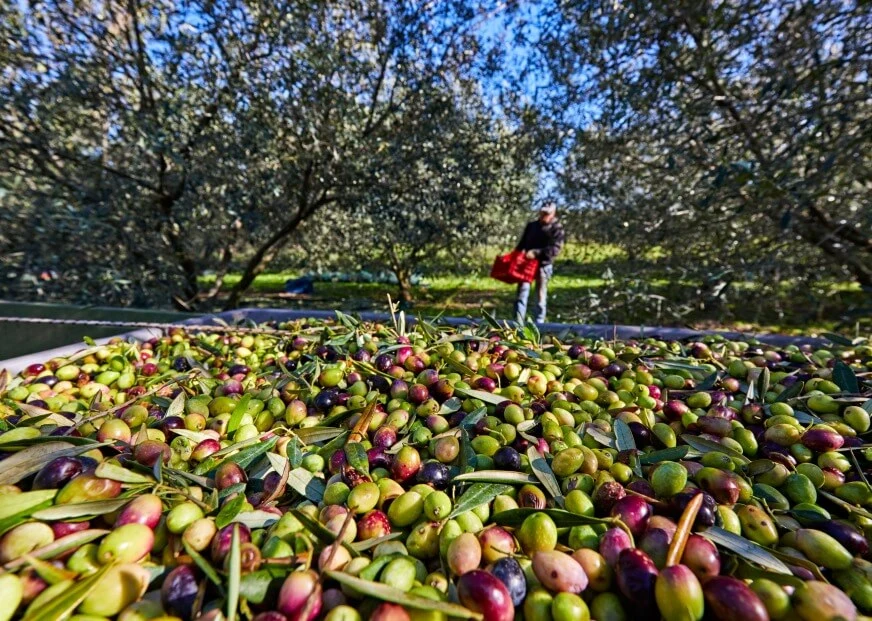
olive tree has shaped a cultural route that goes back to the Bronze Age Minoan palaces in Crete, where the precious olive oil was produced in oil presses and kept in big storage containers to be traded across the then known world. The Greeks used it in rituals, artworks, and for religious & healing purposes. The so-called
liquid gold of antiquity was also greatly valued for its medicinal properties that were known to promote good health, wellness, and beauty. According to the Greek Myth, goddess Athena presented the olive tree as a gift to the Athenians, and won the city over from god Poseidon who -like her- sought to become the sovereign deity of the city. The olive was the symbol of victory & peace, and it even appeared on Greek coins. So, it comes as no surprise that the
Olympic Games winners – the most esteemed athletes of the ancient Greek world- were crowned with an
olive branch wreath!
Across the ages, the
olive oil has been a staple food in Greece. In the olive mills across the country, you’re invited to take the tours & tasting trips offered in areas such as the Peloponnese, Crete, and Thessaly (Volos). Learn about the sustainable practices followed during the picking and milling process, the millennia-old history of the olive and the cultural impact on the local societies. To know more about it, visit the
olive museums in Sparta, Peloponnese; Andros Island; Corfu Island; Thassos Island; and Ano Gatzea, Mt Pelion.
To paraphrase a quote by Odysseus Elytis, a famous Greek poet and a Nobel prize winner,
‘If you were to take Greece apart, in the end you would be left with an olive tree, a vineyard, and a boat. That’s all you need to put it back together again’. The grapevine is a plant as old and celebrated as the olive tree. In ancient Greek mythology, Dionysus, son of Zeus, was the god of viniculture, feasting and fertility. The wine has been a part of the cultural heritage, religious traditions and popular customs of the Greeks, as far back as history records go.
Explore the
wine routes and visit wineries across the country. Discover natural sites of great beauty, enjoy wine tasting events, and try local cuisine dishes paired with palatable regional wines.
Savvy or not about wine, here are a couple of places worth visiting during your next trip in Greece. If you travel to the North,
the Wine & Vine Museum, in Naoussa, Macedonia and the
Gerovassiliou Wine Museum in Epanomi, Thessaloniki are not to be missed. If you’re in Athens, book a guided tour at the
Costa Lazaridi Wine Museum, in the northern outskirts of the city. On your next trip to Santorini Island, make sure you go to the
Santorini Wine Museum, housed in a natural labyrinth formed inside the island’s volcanic rocks. Further south, on Crete Island, the
Pnevmatikakis Winery and Wine Museum in Kissamos, Chania offers tours and insight on the local wine and spirit making traditions and techniques.
Cheers to flavour!