Travel Tips

Travel Tips

Travel Tips

Paradise Ermionida In Greece

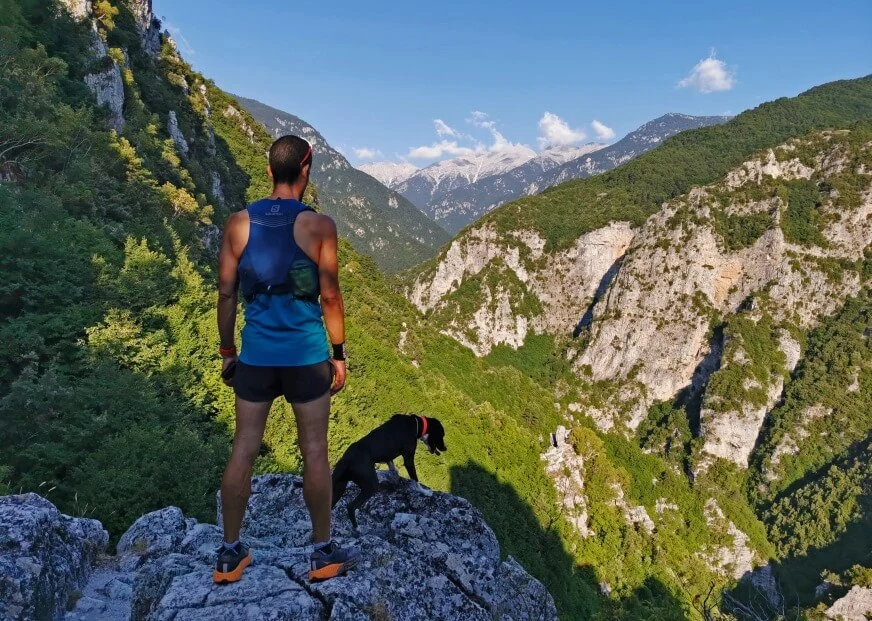
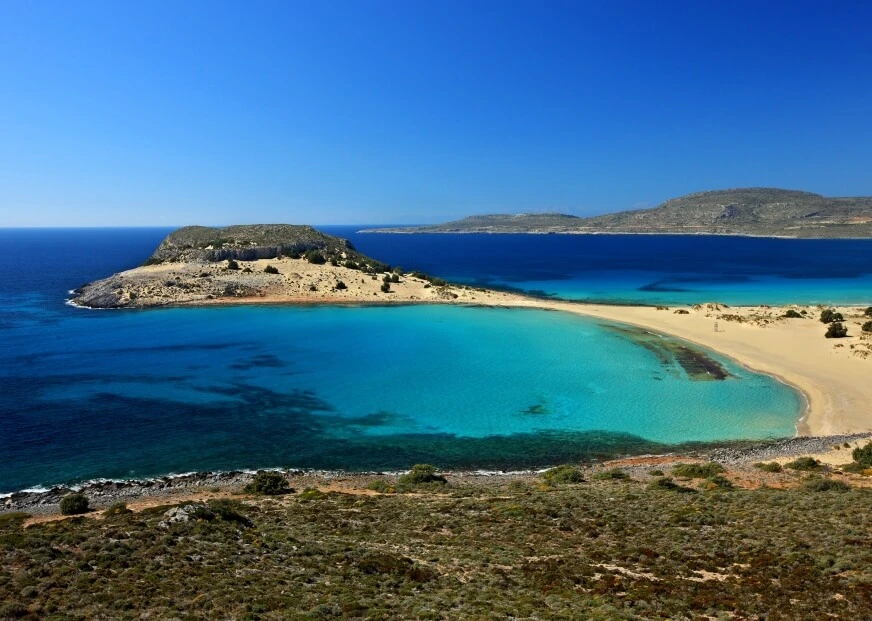
Ermionida in the Peloponnese region is a paradise for nature lovers with plenty of opportunities for hiking and exploring the mountains. Ermionida is also home to some of the most beautiful beaches in Greece, where you can enjoy swimming and sunbathing. The beaches in Ermionida are located in natural locations, with crystal clear turquoise water and are mostly protected by nature, which provides a comfortable environment for you as a beach visitor. The spacious coastline offers plenty of space to relax and enjoy the sun and sea. Ermionida has many beaches to choose from so here you can find the perfect spot for you to enjoy by the water. Discover Nature In Ermionida With over 3,710 trails offering stunning scenic views and waterfalls, you can choose from a variety of hiking trails. The mountains of Ermionida offer a unique opportunity to explore the beautiful landscape of Greece and experience the local flora and fauna. Hiking in the mountains is a great way to connect with nature and enjoy the fresh air and breathtaking views. In addition to hiking and beaches, Ermionida offers visitors the chance to visit natural springs and waterfalls. These natural wonders are a must for anyone visiting the area. The waterfalls and natural springs offer a peaceful environment where visitors can relax and enjoy the beauty of nature. The waterfalls of Ermionida are a popular attraction, as they provide a fantastic backdrop for photos and offer a unique experience for you as a visitor. Overall, Ermionida offers a variety of nature activities that are guaranteed to delight visitors of all ages. © First Class Magazine A Day At Sea In Ermionida Crystal clear water! Snorkeling and diving are popular activities in Ermionida due to the area's diverse marine life and underwater topography. Whether you are a beginner or an experienced diver, the waters of Ermionida offer an unforgettable experience. With its calm and clear waters, snorkeling in Ermionida is a great way to explore the vibrant marine life and colorful reefs. If you wish to experience a day where you explore the marine life under water, we recommend Ergodive in Porto Heli, Incredibly professional! Kayaking and paddleboarding are also popular sea activities in Ermionida. These activities give you an opportunity to explore the coastline and hidden coves that are difficult to reach on foot. Renting a kayak or paddleboard is a fun and adventurous way to discover the beautiful surroundings of Ermionida. This is an unforgettable experience for nature lovers. Fishing and sailing are also popular activities in Ermionida. The Aegean Sea, with its challenging winds and currents, is ideal for experienced sailors looking for an adventure. The Sporades and Dodecanese offer a combination of challenging and relaxing sailing experiences, while the Cyclades are mainly for experienced sailors. Fishing is also a popular activity in Ermionida, with the area's rich marine life providing an abundance of fish to catch. Whether you are an experienced fisherman or a beginner, fishing in Ermionida is an enjoyable and rewarding experience. © First Class Magazine Dining Experiences In Ermionida Take Greek Food To A New Level Ermionida is a coastal town known for its delicious seafood dishes. When visiting Ermionida, trying the local seafood is a must. The town is close to the ocean and provides access to a variety of fresh seafood options. A popular seafood dish is grilled squid, which is usually marinated in olive oil, lemon and oregano before being grilled to perfection. Other seafood dishes to try include fried squid, baked fish and seafood pasta. These dishes are often served with a side of fresh vegetables and a glass of local wine, providing a truly authentic Greek dining experience. Besides seafood, visitors to Ermionida should also try traditional Greek food. Greek cuisine is known for its use of fresh, local ingredients and simple but flavorful dishes. Some traditional Greek dishes to try include moussaka and souvlaki which are grilled meat skewers usually served with pita bread and tzatziki sauce. Vegetarian options such as spanakopita, a spinach and feta cheese pie, and dolmades, stuffed grape leaves, are also delicious options to try. No meal in Ermionida is complete without sampling the local wines and olive oils. Greece is known for its high quality olive oil, and Ermionida is no exception. Olive oil tastings are a popular activity in the city, where visitors can sample different varieties and learn about the production process. Local wines, such as the Agiorgitiko and Moschofilero varieties, are also a must try. These wines are made from grapes grown in the region and go perfectly with the local cuisine. Overall, the dining experiences in Ermionida are not to be missed, offering a delicious taste of the local culture and traditions.

05/11/2023
Paradise Ermionida In Greece
Travel Tips

The Cats Of Greece: The Purrfect Travel Companions

Greece is a popular destination famous for its myth and legend, its ancient history and breathtaking islands and beaches, but it is also famous for being home to a population of cats that hold a special place in the hearts of locals and visitors alike. These feline inhabitants have become an integral part of Greek culture, symbolizing the Greek way of life and the enduring spirit of the country, and are the purrfect temporary companion for any solo traveller. Greece is the perfect destination for any solo traveller, and the famously traditional Greek hospitality means that there is often no shortage of local company if you want it. From people watching whilst enjoying the country’s famous coffee culture and the historical sites where you can’t escape the crowds to its infamous nightlife, you are never really alone in Greece. But for animal lovers like myself there are other companions to find in Greece that are often overlooked by many tourists, companions that can often give the warmest and most meaningful welcome to travellers of all. The ubiquitous cats. Cats are everywhere in Greece, and I mean everywhere. Constant, silent companions watching over their human neighbours and allowing the occasional interaction for those who they deem worthy enough of their attention. And for those travellers who love cats and are smart enough to return that affection in kind, they open up a whole new world of cultural immersion that most tourists will never experience. Cats have a long and noble history in Greece dating back to at least the Minoan age. Initially – according to legend at least – coming over from Egypt where they were rightfully revered as gods, cats quickly adapted to the laid back Greek way of life and were welcomed as beloved companions to sailors, farmers, scholars and nobles and peasants alike. Their natural feline tendencies perfectly suited the slow, procrastinating Greek way of life. The days are long and hot, and just like a cat is naturally predisposed to do, there is no better way to spend your time than slowing down, enjoying your time with friends, lazing in the sun and living life in the moment. As cats adopted and came to symbolise the Greek attitude to life, Greek culture in turn embraced cats as the free spirits they are, allowing them to roam the streets and lounge near the ancient ruins, quaint tavernas, or basking in the sun on the island beaches. Many cat lovers simply leave food and drink out for them as they need or even toss them the odd fish from their catch of the day! © Bemused Backpacker A recent trip to Greece was filled with amazing parties, great nightlife, epic food and catching up with old friends. As travels tend to do they fill your social calendar up very quickly, and there is nothing wrong with that. I had a great time and am not complaining. Any and every traveller to Greece should fill their time up with as much food, drink and friendship as they can! But as someone who has spent the better part of the last 25 years travelling solo I am genuinely at my happiest when I am alone, taking an aimless walk around a new destination, getting lost occasionally, sitting with my thoughts at a coffee shop or two, it is a great way to travel and I always carve out some time to be alone during any trip when I can. It is my solace, my peace. But as anyone who knows me will attest to, the one and only thing I will allow to disturb that peace once I have it, are animals. Any animals, dogs and cats in particular, know they can come up to me and get the warmest of welcomes, and I think they sense that, because from my first day in Kalamata, the famous cats of Greece all wanted to say hello! I genuinely loved just sitting back and watching the cats living their best lives roaming around the docks of Kalamata, lazing under the tables of the tavernas, waiting for the inevitable scraps the fishermen or the restaurant cooks would happily and frequently leave out for them. Of course, I wasn’t going to snitch when occasionally seeing one run up and sneak off with part of the fisherman’s catch when they weren’t being fast enough for the cats liking! And this is where I spent most of my time in Greece, yes I explored the ancient ruins, went snorkelling in the crystal clear waters and enjoyed the museums and the tavernas, but I also took the time to sit back and just be with the cats that gave me the honour of a moment or two of their time. From the little ginger cat who decided to join me on my journey up and down the winding steps of Monemvasia, hopping between my legs and jumping up for the occasional head scratch to the kitten who joined me for a coffee at a taverna in a small fishing village, fascinated by the smell of the national drink (don’t worry, I didn’t let it have any and got her a small bowl of water and a fish snack instead), my time in Greece was filled with new feline friends. I have always loved animals, all animals, including cats, but have had an extra special relationship with my feline friends ever since one saved my life in Cairo many years ago, and I will never not slow down and give one the time of day when they decide to say hello. Greece is after all their country, I am merely a visitor. They own it and rule over it with a vaguely disinterested attitude and only say hello to a select, lucky few they deem worthy. It would be rude to not say hello back really. © Bemused Backpacker A cats affection, or even interest for that matter, is a true privilege that no one should take lightly. A true gift from the gods. It is a common misconception that cats were domesticated but in fact it is cats who domesticated themselves, and humans in the process, learning to meow only as a unique way to communicate with their human neighbours and purring as a Machiavellian tactic to get their own way, integrating themselves into a society that they deem as being built for their comfort and convenience. And they aren’t wrong! They know exactly how to wrap us around their tiny little paws so we may as well just accept it! When a seemingly lone cat can give you the big, sad eyes and convince you to share your seafood meal with him, and then run off to bring back five of his friends when you inevitably give in, you know you aren’t in charge any more! This time I spent with cats in Greece, quite apart from just being an enjoyable way to spend the time in general, allowed me to slow down far more than I would have otherwise. This gave me the chance to just be still, be in the moment with nothing but my thoughts and the cats presence, and that gave me a profound sense of appreciation for where I was and what I was doing at the time, enjoying life in the traditional Greek way. The cats of Greece, with their independent spirit and symbolic presence, have become an integral part of the country’s cultural fabric, so the next time you are in Greece spend some time with our cat friends. Appreciate them, learn from them, adopt their way of thinking and immerse yourself in the real Greek way of life. If nothing else, you will have spent some time making a little feline soul happy, and nothing is worth doing more than that.

04/11/2023
The Cats Of Greece: The Purrfect Travel Companions
Travel Tips

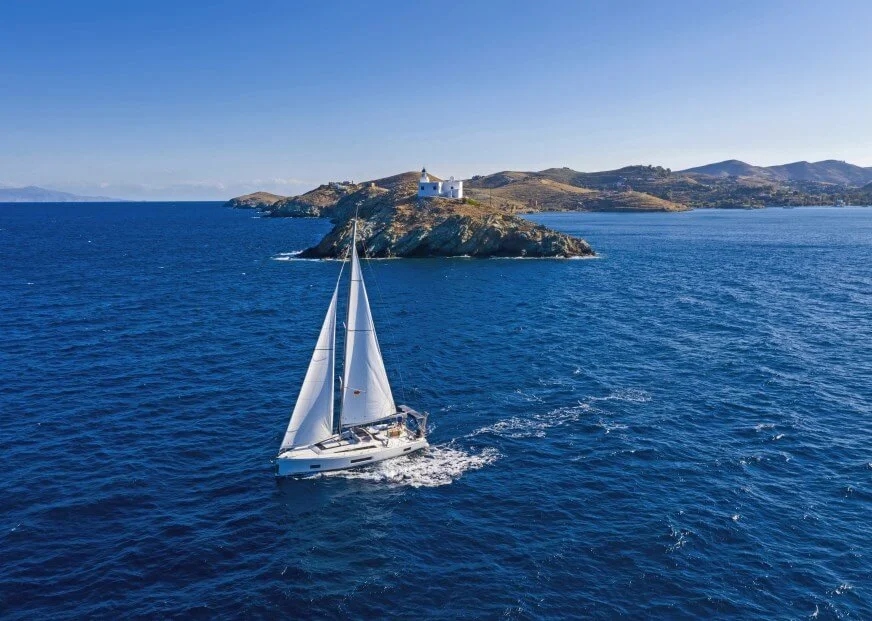
Sailing the Greek Islands: Rent a Boat in Greece with Skipper

We sat by the clock tower at the top of the hill on the Island of Poros Greece and watched the ships coming and going in the small harbor. This, my wife declared, was the “money shot”. This is what she had expected and desired in a sailing trip in Greece that had been planned for more than a decade. Back Story More than 10 years ago my wife decided that for her next “round number” birthday she wanted to do a small boat cruise with friends in Greece. It was a great idea, but that birthday came and went as did others after it. Our kids had weddings. One grandchild was born. There was a pandemic. Birthdays and anniversaries came and went. Finally, I had a travel blogging conference in Greece and declared to her that I was going to Greece in May and she should come along also. We started looking for options for boats and itineraries but it was all a bit overwhelming. Coincidently, I was approached by a yacht company Navigare Yachting that wanted me to write about their offerings. Would I be willing to take a week-long journey and write about it if they provided the boat? Well now… do you have boats in Greece? © Chris Christensen, Amateur Traveler Navigare Yachting Navigare Yachting started in Sweden but also has yachts in the Bahamas, Virgin Islands, Croatia, Greece, Seychelles, Spain, Thailand, and Türkiye. They have 40 boats based out of Athens alone. They paid for the cost of a boat for the week and we paid for the crew, provisions, docking fees, etc.  Our planning went into high gear once we had a charter company. We peppered them with questions. What itineraries did they recommend? We understand what the captain does, but what does the host do? What kind of electrical plugs are on the ship? See the answers below. Choosing a One Week Sailing Itinerary from Athens Sailboats don’t move as fast as fast ferries so you will need to be realistic with your schedule. If you want to sail down to some of the well-known islands in the Cyclades like Mikonos, that will work better with a two-week trip from Athens. With only a one-week itinerary we opted for the much closer Saronic Islands and the coast of the Peloponnese Peninsula (the southern part of Greece south of Corinth). We visited the islands of Aegina, Poros, Hydra, and Spetses as well as the mainland ports of Monemvasia, Kyparissi, and Epidaurus. Monemvasia was amazing to see but it did mean we traveled further than they often do on a one-week charter. That meant we cruised more than we sailed and we did have high fuel costs… but totally worth it. An alternative that Navigare suggested was the northern part of the Cyclades visiting the islands of Kithnos, Serifos, Siros, and Kea. These are the closest islands in the Cyclades to Athens. Because you are sailing, you should assume any itinerary is a plan, but that the plan might change. We were sailing in early May when the water was still chilly and the weather was a bit rainy, so one night the captain suggested that our visit the next day to an uninhabited island to swim could be changed to a visit to the ancient theatre of Epidaurus instead. It was a great change… for our group… in that week. © Chris Christensen, Amateur Traveler Aegina - Perdika We arrived at the Navigare port in the mid-afternoon as instructed. We paid for the groceries and meat deliveries, filled out paperwork in triplicate, and waited for our clearance to leave. While we waited we had an introduction to the boat. We were reminded that nothing that didn’t come out of us goes into a marine toilet and received a safety talk from our captain Kostas. Our host Panos stored groceries into every nook and cranny including compartments in the floor you open with a pair of suction cups. Then we sailed out to our first port of call. We motored directly into a 15 km/hour breeze from the south so the seas were choppy. Just because you are on a sailboat does not mean you will always have the sails up. Because of the weather and itinerary, we motored most of the time. As we were trying to get our sea legs Kostas told us that he will typically lose 10 kg over the course of a season because of the different muscles you use on a boat for balance. When you are on the Parthenon in Athens and you look out to sea, you can easily see the large island of Aegina just off the coast of Athens. We stopped by Aegina both at the beginning and the end of our trip. Our first stop was the tiny port of Perdika where we arrive just as night was falling on the first day of our sail. Perdika is a small fishing village. After our boat docked we “walked the plank” from the back of the boat onto the dock and strolled around to the brightly lit tavernas on the water’s edge for dinner. © Chris Christensen, Amateur Traveler Hydra Our cruise to Hydra was in a flat sea and 3km winds so we ate breakfast while we cruised – eggs, fruit, bread, bacon, coffee, yogurt, juice. It was the start of what turned out to be a delicious trip. We would often cruise for 3 hours a day. For me, that usually meant one hour of sightseeing and just marveling at the beauty of the area, one hour working on Amateur Traveler, and one-hour napping. I can’t say that I have ever been on a more relaxing trip. The island of Hydra has a beautiful but incredibly compact harbor. Kostas had only managed to find space in the harbor maybe 3 times in 100 trips. This was his 4th successful effort. As the “Ocean’s Twelve” was moored directly looking at the beautiful town it was definitely one of those, “well… I guess this is my life now”. All of the Saronic Islands and the Peloponnese Peninsula that we visited were very hilly with rocky peaks behind the ports. The typical hike on many of these islands is up into the hills to a monastery. On Hydra that is a one-hour climb and then 450 steps up to the Prophet Elias Monastery. After hiking the hills of Athens for a few days before our sail we were satisfied with the coastal walks instead. Kyparissi On Day 3 we stopped in Kyparissi on the way to Monemvasia on our longest day on the water. Kyparissi is a tiny village at the base of impressively rugged mountains on the mainland. Until the 1960s there was no road into town at all and all commerce was done via boat. We had lunch on the boat before proceeding on to Monemvasia. © Chris Christensen, Amateur Traveler Monemvasia Monemvasia was easily my favorite stop on our trip. It is sometimes called the “Gibraltar of the east”. It is one of the oldest continually-inhabited fortified towns in Europe… although the permanent population of the lower town is only about 10 people now. The old town is at the base of a huge rock which is covered by the ruins of the upper town. During the 6th century the inhabitants of ancient Sparta finally abandoned their city in the face of an invasion by Slavic people and started fortifying Monemvasia. There is no port in the old city so we docked in the new city which is the other end of the bridge from the island and a 35-minute or so walk to and from the old town. There is a shuttle that runs from the new town to the old town’s gates if you prefer. The lower town is a warren of cobblestone passages built on a hill. The main passage goes from the main gate out through the back of the city to a second gate on a path that leads to an old lighthouse. The paths are very hard on a wheeled suitcase as I would learn when I returned to the city the following week as part of a press trip. They also can be quite slick. The day that we were visiting on the sailboat we did not make the hike all the way to the top of the rock to see the ruins at the top. It was not so much that the hike up was difficult as the hike down was a bit treacherous with the slick stones that day. We saw at least one tourist with her arm in a makeshift sling who learned that the hard way. I was pleased to get back to the city when I could make that climb on a day when the steps were dry to see the view and visit the few remaining buildings on the top, including the Hagia Sofia church. © Chris Christensen, Amateur Traveler From Monemvasia, we did a bit of night sailing back to Kyparissi to avoid some back weather the following morning. Kyparissi again We awoke on the 4th day back in a harbor opposite the town of Kyparissi with the rugged mountains framed behind it. Our boat was parked next to a boat with high school students from St George’s prep school in Rhode Island. The kids were on a 4-week trip. That sure seemed better than any field trip I did in high school. © Chris Christensen, Amateur Traveler Spetses Our next stop was the island of Spetses which also does not allow cars, but only in the city center. Spetses was the first island to raise the flag of independence in the 1821 Greek War of Independence. It supplied many ships for the new Greek Navy and still has small shipyards that produce wooden boats. The weather caught up with us again in Spetses and we hung out in the boat waiting for some of the rain to pass before we explored the main harbor. We were glad we had thought to pack some small games to pass the time. Poros The weather the next day on the Island of Poros was spectacular. We tied up right on the main promenade. The owner of the local Oasis Tavern is a friend of Kostas. Not only did he help with the lines but he brought out a pitcher of wine to greet us. We reciprocated by having a lovely dinner at his tavern. It feels like when you are on a boat you are part of a community that you may not have known existed. The next day Poros was having a boat show featuring all the different yacht rental companies and the different types of boats they have. We were able to see a couple of the boats that Navigare has that are even larger than our “Oceans Twelve”, not that we regretted our choice. © Chris Christensen, Amateur Traveler We hiked up to the clock tower where this blog post started and then out from the smaller island of Poros to the larger one to one of the nearby beaches with the youngest of our crew heading on to Love Beach for a quick swim. Epidaurus Our original itinerary was to go to an uninhabited island where we could swim and picnic on the beach, but the weather in May was still a bit too cold for that so Kostas recommended we instead detour to Epidaurus with its ancient theatre. The theatre is inland from the port so we grabbed a couple of taxis that took us to the archeological site and then agreed to meet us a couple of hours later. Two hours turned out to be a bit rushed for all there was to see. The ancient theatre was part of the ancient center of healing at the site. The theatre is renowned for its acoustics. The theatre was part of the healing center with the understanding that watching dramatic performances were good for your health. The healing center is dedicated to the Greek god Asclepius whose serpent entwined staff is still a symbol for medicine. My fellow travelers may claim that I gave them a short impromptu performance of “Amazing Grace” to test the acoustics… but they have no proof of this. Aegina – Aegina We sailed from Epidaurus back to the island of Aegina on the last day, to the city of Aegina which is the main port of the island. I enjoyed Aegina which was a little bigger with some better shopping than some of the other ports we had visited. We anchored off the harbor and took the small inflatable boat into the harbor. © Chris Christensen, Amateur Traveler We visited the ruins of Apollo’s temple on the hill above the town. Human habitation in this location can be traced back 7000 years and the small museum has a great collection of pottery and other items going back to the many civilizations that were on this hill over that span of time. Athens We sailed back to the port south of Athens to check in the boat and do the last bit of paperwork. We stayed on the boat one more night before catching our shuttle in the morning. By this time we already considered ourselves to be “boat people” and were talking about the next trip. Frequently Asked Questions… at least by us When is the best time to go? We did our trip at the first part of the season at the start of May. While this was the best time for us, it is probably not the best time for you. The ports were less crowded but the weather was still a bit rainy and the water a bit too cold still for swimming. The Greeks don’t usually swim in the sea until the first of May. Kostas, our captain, said his favorite time is late September when the water is still warm, the weather is still good, the crowds are less than they would be in July and August and the restaurants and services on the islands are still open. Do I need a crew? If you are an accomplished and certified sailor, you can certainly save money by crewing the boat yourself. Once you’re out of port, sailing the boat will be about the same as sailing wherever you are familiar with. You need an ASA 104 and a European license to charter in Europe. Only the skipper needs to be certified. The challenge with Greece, however, will be getting in and out of port. In most ports in Greece, there will not be a marina and you will not tie up alongside the dock. Instead, the process is a bit more complicated as you drop your anchor maybe 100 feet out and back your boat back into the dock. You then tie up the back of the boat at two or more mooring cleats, loops, or bollards. You will have to deal with crossed anchor chains and crowded ports, especially in August. Also in summer, the tiny ports on some islands will get a lot more crowded. There always seems to be someone I’m sure willing to grab a line and help you tie up, but this won’t come without advice. And as we watched some people who were bare boating, pull away from the port of Poros, it was clear that not everyone is up to the challenge of sailing in Greece. Also be aware that as we sailed out of Athens, we were crossing major shipping lanes. We had to cross the path of container ships, fishing vessels, and at least one cruise ship. What is the role of the captain? The captain’s job is fairly straightforward. He gets you there safe and back again. Obviously, a good captain does that with good humor and skill. Our captain, Kostas, showed the required skill to parallel park a 45-foot catamaran in a crowded port. As we entered every port he would welcome us to Mykonos (not on our itinerary). He told us the apocryphal story of a captain hired to take a charter to the Cyclades Islands who just sailed to the Island of Aegina off Athens and sailed around the island all week welcoming his passengers to a “new” island each night. What is the role of a cook or host? We opted for a second crew member called a host. We understood what a cook would do (cook 3 meals a day) but the role of a host was a bit more confusing. Our host was a chef named Panos, who owns and runs his own restaurant, but does this part-time. With some guidelines from us on what we eat and don’t eat, he did the meal planning and shopping, and cooking for two meals a day. This is usually breakfast and the midday meal. We were told that many hosts would make that a light lunch but Panos made our lunch meal the largest meal of the day. The food was wonderful and he figured out how to best use the leftovers into imaginative meals throughout the voyage. © Chris Christensen, Amateur Traveler Your second crew member is also helping you get in and out of port by manning the lines and the anchor. He helped us get in and out of the boat and the dinghy when we use that. If you don’t have a second remember then someone in your group will have to take on those responsibilities. Where does the crew sleep? Our boat was configured as a 4+2 meaning there were 4 guest cabins and 2 crew “coffins” in the front of the boat with no windows. Our captain preferred to just sleep on the couch in the kitchen area. Our boat had 4 toilets but none in the crew area so one of our toilets was used by the crew for showers, etc, usually when we were ashore. As you choose a boat with a crew, this is one of the considerations you will have to take into account. When do we contact the skipper and host? In our experience, you will get contact info for your crew a week or two before your cruise. This is when you can start talking to the skipper about what you are interested in for your itinerary and when you can start talking to your host or cook about food. We had read on the Navigare site that we would expect to go shopping with the host but that was not our personal experience. We gave Panos an idea of what our group liked to eat and didn’t (not big seafood eaters and one who didn’t eat chicken). Panos then did the shopping and by the time we arrived the groceries had mostly been put away and the meat delivery was just arriving. Should I get a monohull or a catamaran? If you really like to sail, then you might want to get a monohull sailboat. Kostos told us that they are more fun to sail and are the choice of the majority of people who are barebooting. As with most crewed charters, we opted for a catamaran, which has significantly more space. Outside of the cabins, our catamaran had an inside dining area that would seat all 8 passengers, an outside dining area that would also seat the whole group with some additional seating, an area on top that would also seat all 8 people and an area on the front of the boat that could hold all 8 as well. So while sailing cabins are small, the communal space on a catamaran is significant. The monohulls we saw had one cockpit area in the back. What should I pack? Pack as little as possible. A sailboat, even a catamaran, has small cabins. Each of our cabins had a small closet, some had more overhead storage and a storage space at the foot of the bed but not a lot of extra space. We each had a backpack for the plane and a wheeled carry-on suitcase. There would not have been much room for much else. Navigare recommends: • 3 swimsuits (I only brought 1 and my wife brought 2) • 3 pairs of shorts (in May we needed long pants more than shorts) • 7 t-shirts (we brought about 7 shirts, not all t-shirts, and also washed some out as we went) • sandals and walking shoes (either tennis shoes or boat shoes) which can get wet (I just brought water shoes with closed toes) • swimsuit cover-up (for me that’s a t-shirt) • enough underwear for the week • sleepwear if people other than your spouse or partner are on the cruise (don’t ask) • a light windbreaker for quick downpours – in May we also needed a sweatshirt • a beach towel (we didn’t bring one, there were towels on board) • toiletries • sunscreen I would add: • Apple AirTag – if you are going to check your bag on the airline • Camera / Smartphone • Camera recharger / Smartphone cables • plug adapter for Europe Will I have Wi-Fi and Internet? Surprisingly we did have access to a Wi-Fi hotspot which had connectivity most of the way. While I had my work laptop with me I intentionally did not do work work on the cruise… but I could have most of the time. This was included as part of the Navigare Carefree Pack (which also included damage waiver insurance/full coverage, welcome package, final cleaning, bed sheets & towels, dinghy, outboard engine & fuel, gas, full water tanks, snorkeling equipment). You are sailing so close to the shore that you are usually in cellular range as well. I also had a data plan and an e-sim for my iPhone. What can I expect for Power in the cabin? This is going to depend on the boat so you should ask in advance. Some boats have DC plugs (those of us with a few more years think of them as cigarette lighter plugs) and some have standard European type C and F plugs with round pins 230V supply voltage and 50Hz. We checked with Navigare and found that our boat had a standard USB-A and a European C plug. We also had a second USB-A on each reading light, one on each side of the bed. To be sure we brought a DC plug adapter which we did not need. I also usually travel with a small Anker travel power strip which is capable of handling the 220-230V used in Europe. That came in handy to plug in multiple devices. I also bought a portable charger which I did not use as much as I anticipated. How can I get to and from the Dock? At the beginning and end of the trip, you can take a cab or an Uber to the port. Navigare operates from the port near Glyfada Beach, south of the main port of Piraeus. You can also book a van from Navigare for an additional cost which is what we opted to do. The cost will depend on the location of your hotel. What Marine Life will I see? Seeing whales off Greece we were told is pretty rare on these trips but that dolphins are more common. We had an encounter with dolphins that our Captain Kostas was able to capture on video. Do we need cash? We ended up bringing more cash than we needed. We thought we would have to pay cash for the groceries but were able to charge that. We did know that the crew tips are usually given in cash in an envelope to the captain. The boat, crew costs, Carefree package, and transfers were paid for ahead of time. Port fees and fuel will be paid at the end of your trip as they will vary. If your boat sits at anchor instead of at a dock then there will be no port fees. Fuel will depend on how much you sail and how far you go. How much does a chartered yacht trip cost in Greece? Not counting flights and hotels on the mainland, these would be the costs for the trip we did with Navigare. Our fuel total was a bit more because we did not sail as much and went pretty far for a one-week itinerary. I have divided this by 6 since we have 6 of us on our boat, but there are 4 cabins so you can easily have 8 people. The food here covered 2 meals a day. Our 3rd meal was usually about $10-20 a person. As mentioned above, Navigare did cover the cost of the boat for us, but even with that cost these prices did not seem bad to us compared to other less personal “it’s my boat and I can go where I want” trips. We immediately started talking about where we would want to go the next time. Kostas pitched us a two-week trip down to the Cyclades… and that sounds pretty good.

03/11/2023
Sailing the Greek Islands: Rent a Boat in Greece with Skipper
Travel Tips

A Brief History Of Greek Folk Art: Visual Arts

Greece is a land known for its rich cultural heritage and artistic traditions and its Greek folk art is a testament to the creativity and craftsmanship of its people. Among the various forms of Greek folk art, the visual arts hold a special place, showcasing the diverse and vibrant artistic expressions found throughout the country. In this article, we will explore the fascinating Greek visual arts through history and focus on four prominent styles: pottery and ceramics, embroidery, woodcarving, and icon painting. We will also discuss the various Greek folk art techniques that have contributed to Greece’s art as we know it. © Albion Gould What Types Of Greek Folk Art Techniques Are There? Pottery and Ceramics: Pottery making has been an integral part of Greek culture for thousands of years, dating back to ancient times. Greek pottery is renowned for its exquisite craftsmanship and distinctive styles. Two notable techniques are black-figure and red-figure pottery, which emerged during the 6th century BC. Black-figure pottery featured black figures on a reddish background, while red-figure pottery reversed the colors, depicting red figures against a black background. These techniques allowed artists to depict intricate mythological scenes, everyday life, and important events. Each region in Greece developed its unique pottery styles, such as the black-glazed pottery of Corinth, the red-figure pottery of Athens, and the decorative pottery of Crete. The art of pottery and ceramics continues to be a vibrant folk art tradition in Greece. Skilled artisans create handmade ceramic items, such as bowls, plates, and decorative pieces. Many regions in Greece have their distinct styles and techniques, preserving the heritage of Greek ceramics. Embroidery: Embroidery is a cherished folk art in Greece, reflecting the country’s rich cultural tapestry. Greek embroidery is renowned for its intricate needlework and vibrant colors. Passed down through generations, each region has its distinct embroidery style and motifs. Traditional Greek embroidery often features geometric patterns, floral designs, and symbolic motifs inspired by nature, mythology, and daily life. Skilled artisans employ techniques such as cross-stitch, satin stitch, and backstitch to create stunning textiles used for clothing, household items, and decorative purposes. Embroidered garments, including traditional costumes, are treasured for their beauty and cultural significance. The art of embroidery and weaving continues to thrive in modern Greece. Skilled artisans create intricate designs and patterns using traditional techniques passed down through generations. Embroidered textiles and woven fabrics are used for clothing, home decor, and ceremonial purposes, maintaining the rich tradition of Greek needlework and textile arts. Woodcarving: Woodcarving holds a prominent place in Greek folk art, showcasing the talent and skill of Greek craftsmen. This traditional craft involves the intricate carving of wood to create decorative pieces and sculptures. Woodcarving in Greece often features religious and mythological themes, with craftsmen expertly sculpting figures, patterns, and intricate details. These wooden masterpieces are used as decorative elements for furniture, architectural embellishments, and religious artifacts. The artistry of Greek woodcarvers is celebrated for its precision, creativity, and ability to breathe life into the wood, resulting in stunning works of art. Icon Painting: Icon painting is a sacred art form deeply rooted in Greek Orthodox tradition. Icons are religious images that hold significant spiritual and cultural importance. Greek icon painters, known as iconographers, follow specific techniques and strict iconographic rules to create these sacred works of art. The process involves using natural pigments and egg tempera to paint religious figures, saints, and scenes on wooden panels. Greek icons are known for their spiritual depth, attention to detail, and symbolic representations. They serve as objects of veneration, aiding in worship and contemplation. Icons are found in churches, monasteries, and homes, acting as a visual connection to the divine. Icon painting remains an important art form in Greek Orthodox tradition. Skilled iconographers continue to create sacred images using ancient techniques and materials. These icons are highly valued within the church and among collectors, and they play a significant role in religious ceremonies and private devotion. The visual arts of Greece encompass a rich tapestry of creativity, craftsmanship, and cultural heritage. Pottery and ceramics, embroidery, woodcarving, and icon painting are just a glimpse into the diverse and captivating world of Greek folk art. These art forms have not only preserved the traditions and stories of Greece but also served as expressions of identity and spirituality. Exploring the history and beauty of these visual arts provides a deeper understanding of Greece’s artistic legacy and the enduring impact of its folk art traditions. © Albion Gould Where Can I Explore Folk Art Traditions In Greece? There are several places in Greece where you can explore Greek folk art in person. Here are some notable destinations: Athens: The capital city of Athens is home to various museums and cultural institutions that showcase Greek folk art. The Benaki Museum and the Museum of Greek Folk Art are excellent places to explore a wide range of folk art objects, including pottery, textiles, woodcarvings, and icons. Thessaloniki: Located in northern Greece, Thessaloniki is known for its rich cultural heritage. The Museum of Byzantine Culture and the Folklore Museum of Macedonia-Thrace are worth visiting to discover traditional crafts, including pottery, embroidery, and textiles. Cyclades Islands: The Cyclades Islands, such as Mykonos, Santorini, and Paros, have a strong tradition of folk art. You can find local artisans who specialize in ceramics, producing beautiful pottery inspired by ancient Greek designs and techniques. Crete: The island of Crete has a distinct folk art tradition. The Heraklion Archaeological Museum and the Historical Museum of Crete offer insights into Cretan folk art, including pottery, textiles, and iconography. Pelion: The region of Pelion in central Greece is known for its wood carving traditions. The village of Makrinitsa is particularly famous for its skilled woodcarvers, and you can find intricately carved wooden objects and artwork there. Zagorohoria: The traditional villages of Zagorohoria in the Pindus Mountains are renowned for their stone architecture and local craftsmanship. Here, you can find handmade textiles, woodwork, and other folk art objects. Greek Festivals and Cultural Events: Attending Greek festivals and cultural events throughout the country is another way to experience Greek folk art firsthand. During these events, you can witness traditional music, dance performances, and browse local crafts and artwork. These are just a few examples, and there are many more places in Greece where you can explore Greek folk art. Whether in major cities, islands, or rural areas, you will find opportunities to immerse yourself in the vibrant and diverse folk art traditions of Greece.

02/11/2023
A Brief History Of Greek Folk Art: Visual Arts
Travel Tips

Uncover Ancient Corinth And Acrocorinth In The Peloponnese

Roughly halfway between Athens and Sparta on the Peloponnese Peninsula of Greece is Corinth. It’s a famous city, though not for the modern city that now sits on the Isthmus of Corinth (the narrow stretch of land that joins the Peloponnese to mainland Greece) but for the ancient city it once was. Visiting Corinth and the Acrocorinth is a must-do for history buffs and fans of ancient Greek mythology. These two important historic sites are some of the most important in the Peloponnese and can easily be seen together in one day. I saw them on my way from Athens to Nafplio on my 7-Day road trip of the Peloponnese. In this guide, I’ll be showing you how to explore the ruins of ancient temples of Corinth, take you on a step back in time and give you the best tips for how to immerse yourself in the rich history and culture of Greece. Is Ancient Corinth and the Acrocorinth Worth Visiting? I mentioned earlier that Corinth and the Acrocorinth are two of the most important sites in the Peloponnese, not just for their historic importance but also their religious. Heard of St Paul anyone? If you’re of the Christian faith then you certainly have heard of his letters to the Corinthians. Ancient Corinth is where he lived for a time on his mission to convert the Gentiles to the Corinthians, and those letters he wrote came after once he moved to Ephesus in Turkey. I knew that when I started planning my Peloponnese road trip. Since I visited the place where Jesus was baptized in Jordan last year, and Ephesus many years ago I felt it was a great addition to my own personal travel journey to also visit here. I was baptized a Catholic and attended Catholic schools all the way up to University, but am no longer practicing. But it’s not just Christians and Catholics who will find Corinth and the Acrocorinth worth visiting, it’s also located in a stunning natural location. I had no idea of the beauty of not just Ancient Corinth, but Acrocorinth that stands guard over the city high above on a mountain peak. Acrocorinth is one of the best places to visit in the Peloponnese for travelers with an adventurous spirit and curious nature. Whether you’re a history enthusiast, a culture lover, or simply seeking a unique experience, Ancient Corinth and Acrocorinth are must-visit destinations. A Brief History of Ancient Corinth The ancient city of Corinth holds a significant place in Greek history for its strategic location, prosperous trade, and influential culture. Situated between the Ionian Sea and the Aegean Sea, Corinth controlled the narrow Isthmus, a key trade route connecting the Mediterranean and the Black Sea and founding location of the Isthmian Games. It had a strong military presence as a strategic location for many wars over its ancient history and it experienced a series of political changes, alternating between periods of independence, Spartan control, and domination by other regional powers. Even after a period of decline during the Roman Conquest, it maintained its cultural importance until it underwent a significant urban renewal project initiated by Julius Caesar and later completed by Emperor Augustus. The city was rebuilt with a Roman architectural style, including temples, basilicas, and a forum. It became the capital of the Roman province of Achaea and a bustling cosmopolitan center. Corinth continued to thrive through the Roman period and during the early Christian era. The Apostle Paul visited Corinth in the 1st century CE and established a Christian community there. It was said he arrived in Corinth in 49 or 50 AD and created the first Church of Corinth, where he met Priscilla and Aquila, who became two of the Seventy Disciples. His letters to the Corinthians, known as the First and Second Epistles to the Corinthians, form an integral part of the New Testament. Ancient Corinth Wars Ancient Corinth was a city-state that played a significant role in many of the major wars of Ancient Greece. One of the most famous wars involving Corinth was the Peloponnesian War, which lasted from 431 – 405 BCE and pitted Corinth, Sparta and other allies against Athens and its allies. Corinth also played a leading role in the Corinthian War (395–387 BC), which saw an alliance of Greek city-states go to war against Sparta. Additionally, Corinth was involved in the famed Battle of Leuctra (371 BCE), where Thebes defeated Sparta and marked a turning point in Greek history. These conflicts helped shape ancient Greece and are important events in the history of Corinth. Temple of apollo | © Ytravel Ancient Corinth Mythology Ancient Corinth is also steeped in mythology and religious belief, with many stories and legends associated with the city. One of the most famous myths is that of King Sisyphus’s Grandson, the ancient ruler of the city and a hero who tamed the winged horse Pegasus and defeated the fearsome Chimera, a monster with the body of a lion, head of a goat, and tail of a serpent. Another myth involves the god Poseidon, God of the Sea, who is said to have visited Corinth and blessed the city with his presence. The goddess Aphrodite was also revered in Corinth, and her temple there was one of the most famous and well-visited in ancient Greece. Where is Corinth and How to Get There? Ancient Corinth is about an hour’s drive from Athens – depending on traffic. Follow the A8/E94 highway towards Corinth, and then take the Corinth Canal Road (EO8) to reach the archaeological site. Parking is available near the entrance. There is a train from Athens to Corinth, where you can take a taxi or bus. You will need a car to get to Acrocorinth, which is located ten minutes from Ancient Corinth. While it is a windy road to the top of the mountain, it’s not overly scary or steep. Buses do not go up here, so you will need your own car, or hire a taxi from Ancient Corinth. You can also hike up to the top. Note, it will be a steep hike, and there are a lot of trails once you get to the top to see the expansive area, so it could be tiring combining the two. Alternatively, there are tour options from Athens to visit Ancient Corinth. I visited Ancient Corinth and Acrocorinth on my way to Nafplio from Athens on my 7-day Peloponnese road trip. I spent about three hours exploring this area. I could have stayed longer in Acrocorinth, but being honest here, I desperately needed a bathroom break and there were no facilities up here! So now you know to take care of that before coming up! I make the mistakes to help you avoid them! What to Do in Ancient Corinth You’ll need 1-2 hours to explore the archaeological site of Ancient Corinth. Best news is, it’s a free Peloponnese attraction! One thing I noticed at the tourist attractions in Greece, there are not a lot of great informational boards. I was disappointed to learn of the CULTURE APP self-guided audio tour of Old Corinth after my visit. I loved the one I had for the ancient history sites in Athens and think it would be a great addition to your visit at this important historical site. You may even want to join a guided tour, so you don’t miss some of the stories, can understand what you’re looking at in the excavations, and learn about the highlights. There is a small museum you can begin or end your visit with. Beside the museum on this slightly elevated level are more ruins of Ancient Corinth that I only saw as I drove away! And it’s where some of the top highlights, like the Odeion and the Theatre are!! Simply wandering through the archaeological park allows you to appreciate the layout and organization of ancient Corinth. The remains of various buildings, streets, and monuments provide a tangible connection to the city’s past, offering a fascinating journey through time. I also loved the many beautiful trees in the archaeological park, giving you a shady place to rest and ponder should you wish. Here are some of the highlights. Temple of Apollo One of the few standing Archaic Greek Temples in the world, this Doric temple, dedicated to the god of light and music, is the poster child for Archaeological Site of Ancient Corinth. It’s said to be one of the oldest temples in the complex and dates back to the 4th century BCE. Take your time to walk around its perimeter and admire imposing monolithic columns. The views from the front with the mountain behind it are extraordinary. Peirene Fountain Fountain of Peirene is a well-preserved ancient spring. It was a vital water source for the city and holds mythological significance as it was believed to be the spot where Pegasus, the winged horse, struck the ground with its hoof, causing the water to gush forth. Myth also says that after one of her children was killed by Artemis, the nymph Peirene Peirene was consumed by grief to such an extent that she underwent a remarkable metamorphosis—she dissolved into tears, ultimately transforming into a flowing spring. Whatever, it may be, the fountain is a beautiful site. Imagine what it must have looked like when it was decorated with vibrant frescoes depicting ocean creatures like fish, shrimp, and lobsters. Lechaion Road This ancient Roman road connected the city of Corinth to its port of Lechaion on the Corinthian Gulf. Walking along this well-preserved road, bordered by what was once shops and public buildings, offers a glimpse into the infrastructure and urban planning of ancient times. Bema of St Paul The Berna is a large elevated rostrum standing prominently in the center of the Roman Forum and is where the city’s officials once addressed the public. It’s of large historical significance for Christians as it’s said to be the place where St Paul was put on trial for illegal religious teachings. He was found not guilty because he was just having discussions. Probably because of the monument’s connection to Saint Paul, the Bema was transformed into a Christian church during the Byzantine period. Lunch Break Outside the Gates Outside of the Ancient Corinth Gates are a row of restaurants to fuel up with coffee and lunch before driving up the mountain. I enjoyed sitting at a cafe enjoying lunch in the sun while looking up at the Acropolis of Ancient Corinth above. My meatballs were just okay – a little on the dry side – but I loved my haloumi, cucumber, and tomato drizzled in balsamic! Visiting Acrocorinth All good things come to those who are prepared to climb. Acrocorinth is where you can escape the crowds as few dare. I was undecided on whether to visit Acrocorinth until I saw it from Ancient Corinth. I’m so glad I followed that curiosity because it quickly became one of my favorite attractions in the Peloponnese. It is considered to be the largest, highest, and most spectacular akropolis of Ancient Greece. © Ytravel A Brief History of Acrocorinth Acrocorinth is the ancient fortress perched on a 575 meters above sea level table mountain. As any good acropolis its purpose was to protect the city below. Its elevated position enabled the military to monitor the isthmus of the Gulf of Corinth and protect Ancient Corinth below. Its history spans several millennia, and the site has played a significant role in various periods of Greek, Roman, Byzantine, and Ottoman history. Over time, Acrocorinth gradually lost its military importance, and the fortifications fell into disrepair. Today, you can clearly see the influence of the different ruling eras in the fortress’s interior: walls of Byzantine houses and churches stand next to ruins of old temples, Venetian towers and Ottoman mosques. 17th Century travelers reported that houses occupied the area close to the gates were inhabited by Muslims and Christians. The population of the castle and lower city was under 1,500. Three to four mosques and five to six small churches were inside the castle grounds, some of which the remains of are still visible today. What to Do at the Castle of Acrocorinth I would allow for 1-2 hours to explore this ancient site of Greece. I wish I stayed longer than an hour. Spend time hiking the trails to see the remnants of ancient walls, towers, byzantine springs, gates, churches, and mosques, and temples, reflecting the diverse cultural influences that have shaped the hilltop fortress throughout the centuries. Not only did I get extraordinary views of the Corinth countryside and Gulf of Corinth but, on my May visit, the grounds were vibrant with wildflowers, and lush greenery. Here are a few of the highlights of an Acrocorinth Visit. Upper and Lower Gates Firstly, you’ll be swept away by the steep ascent up the cobblestone path through the impressive gates of the fortress on its west side. This is basically the only entrance to the fortified citadel and was heavily fortified by three huge walls, defensive towers and a moat. These unstable, rocky, steep slopes continue as you explore the fortress. Ensure you wear grippy, supportive shoes. Check out the Fortifications The extensive fortifications of Acrocorinth take up a wide circle on the edge of the rocky outcrop. You can walk along the well-preserved walls, which showcase various architectural styles from different historical periods. The fortified gates, towers, enclosures, and bastions provide insights into the defensive strategies employed throughout the centuries. The remarkable defensive wall system has a total length of almost 2 km, and was built to incorporate into the natural monolith face. On the north, east, and south sides of the mountain the site is protected by steep, rocky slopes and cliffs. Temple of Aphrodite Located near the highest point of Acrocorinth, the Temple of Aphrodite was a prominent sanctuary dedicated to the goddess of love and beauty. Though now in ruins, you can still see the foundations of the temple and appreciate its significance as a place of worship in ancient times. This was the most famous and important sanctuary of Aphrodite, known for the alleged practice of “sacred prostitution”. Agios Dimitrios Church Don’t miss the Venetian church, Agios Dimitrios Church. It’s one of the only largely intact buildings inside the castle grounds. You can go inside to see its wall frescoes and ring the bell on the outside if you wish! There is a path going behind here leading to the fortress walls and another viewpoint! Fountain of Upper Peirene The Fountain of Upper Peirene is an ancient spring located within Acrocorinth. It is believed to be the upper part of the spring associated with the mythological nymph Peirene, who turned into tears and transformed into a spring. (You’ll see the lower part down in Ancient Corinth!) Others say that Sisyphos witnessed Zeus “ravish” the daughter of Asopus, Aegina. He told Asopus about the abduction, and in return for the information, Sisyphos requested a spring. And that’s how the spring in the fountain of Upper Peirene came to be. Whichever story you believe, the fountains archaeological remains are a testament to the importance of water sources in ancient fortresses. Regretfully, I did not make the trail out here but could see it in the distance. If you have time, I highly recommend it! Acrocorinth Mosque Constructed during the Ottoman period, the domed Acrocorinth mosque is an impressive structure within Acrocorinth. It represents the influence of Islamic culture and architecture in the region and offers a unique blend of styles. Frankish tower acrocorinth peloponnese | © Ytravel The Frankish Tower One of the most prominent structures in Acrocorinth, which you’ll see from every trail is the Frankish Tower. Perched on top of the smaller of the citadel’s two peaks, it keeps watch over the surrounding countryside. You can climb up this two-story observatory tower for a view. Views and Panoramas in Acrocorinth One of the highlights of Acrocorinth is the breathtaking panoramic views it offers. From the elevated vantage points, you can enjoy stunning vistas of the Corinthian Isthmus, the surrounding countryside, and the Aegean Sea. The views provide a remarkable perspective on the geographical significance and strategic location of Acrocorinth. The maps on the informational boards are a little confusing and trails are running everywhere. Just follow the trails pointing to the fortification walls, for amazing views. My favorite was right in the northeastern corner – it involved a slightly steep climb. You’ll have 360 gorgeous views of ancient Corinth, the olive grove covered slopes and plains sprawling below including a great view of the isthmus which this fortress was designed to monitor. Visiting Penteskoufi / Montesquieue Castle On the other side of the acropolis is another fortress sitting on a small peak called Penteskoufi or Montesquieue Castle. It was built by the Franks in 1205 when they were attempting to overthrow Acrocorinth. I could see a trail going there but did not see where it began in the parking lot. It looks steep and challenging but may be an option if you want more adventure. Tips for Visiting Ancient Corinth and Acrocorinth Apart from my aforementioned bathroom tip, here are a few more suggestions to help ensure you’ll have a great time exploring these ancient historical Greek sites. Plan your visit: Before heading to Ancient Corinth and Acrocorinth, take the time to research and plan your trip. Look into the opening hours, ticket prices, and any guided tours available. This will help you make the most of your time and ensure you don’t miss any important landmarks or sites like I did. Although this post will be a big help to you! Wear comfortable shoes: Exploring Ancient Corinth and Acrocorinth involves walking and climbing, so it’s essential to wear comfortable shoes that provide good support. The terrain can be uneven, so sturdy footwear is recommended. Bring water and snacks: It’s important to stay hydrated and energized during your visit, especially in the warm weather. Carry a bottle of water and some snacks to keep yourself refreshed throughout the day. I did not take my water bottle with me to Acororinth thinking it would be a short visit. I regretted it after the first hill in the beating sun. You’ll spend longer than you think there. Sun protection: The Greek sun can be intense, so don’t forget to bring sunscreen, a hat, and sunglasses to protect yourself from harmful UV rays. Consider bringing an umbrella or seeking shade during the hottest hours of the day. Learn about the history of Corinth: Familiarize yourself with the history of Ancient Corinth and Acrocorinth before your visit. This will enhance your experience and allow you to appreciate the significance of the ruins and archaeological sites you encounter. Take your time to explore: Ancient Corinth and Acrocorinth are rich in historical and archaeological treasures. Take your time to wander through the ruins, admire the architecture, and soak in the atmosphere. Don’t rush through the sites; instead, allow yourself to be transported back in time. Enjoy the panoramic views: Acrocorinth offers breathtaking panoramic views of the surrounding area. Take a moment to appreciate the stunning vistas and capture some memorable photos. Follow the rules and respect the sites: Ancient Corinth and Acrocorinth are important historical sites, so it’s crucial to respect the rules and regulations. Avoid climbing on restricted areas, touching the artifacts, or littering. By being a responsible visitor, you contribute to the preservation of these ancient sites for future generations. Engage with a guide: Consider hiring a knowledgeable guide or joining a guided tour. They can provide valuable insights, share fascinating stories, and help you gain a deeper understanding of the sites. Visit early or late in the day: To avoid crowds and the midday heat, plan your visit to Ancient Corinth and Acrocorinth during the early morning or late afternoon. This will allow you to enjoy a more tranquil and comfortable experience. There were few visitors when I visited Ancient Corinth in the early morning (only some school groups) but the crowds were coming in later that afternoon when I passed through here after Acorcorinth (on my mad dash to find a bathroom!) Stay in Nafplio: It’s only 45 minutes from here and is a stunning Venetian coastal town with many things to do. It was my favorite place on the Peloponnese. I loved Kapodistrias Hotel in the Old City. At €65 a night, it was a great deal especially for its location, and patio with views. Other Nearby Attractions Take advantage of the location and explore other nearby attractions, such as the Corinth Canal, the ancient city of Mycenae and Nemea, Epidaurus or the beautiful seaside town of Nafplio. I found the engineering marvel of the Corinth Canal to be underwhelming, but you will pass through it if coming from Athens, so you might as well stop for five minutes to see it. Final Thoughts on Visiting Ancient Corinth and Acrocorinth Ancient Corinth and Acrocorinth was an unexpected surprise on my Peloponnese vacation. It’s well worth a visit either on a day trip from Athens or part of a larger holiday in this region. It’s hard to believe that Acorcorinth is a lesser known and visited historical site in Greece. It was very impressive and if you have an interest in Ancient Greek, this is one of the must-see places in the Peloponnese to give you an insight into the layers of history and the cultural influences that shaped this ancient fortress. Spend time immersing yourself in the captivating history, and archaeological wonders of Ancient Corinth and Acrocorinth. By following these tips, you’re sure to have an unforgettable and enriching experience that will transport you back in time to the glory days of ancient Greece. Happy exploring!

01/11/2023
Uncover Ancient Corinth And Acrocorinth In The Peloponnese
Travel Tips

13 Top Reasons to Add Sparta to Your Greece Bucket List

Wondering if it’s worth visiting Sparta, Greece? You might be surprised to discover that there’s a wealth of fascinating things to do in Sparta! With the ruins of its ancient Acropolis, proximity to the UNESCO World Heritage site of Mystras, delicious regional cuisine and beautiful scenery dominated by the forested Taygetos mountains, Sparta is one of the most overlooked and appealing destinations in Greece. It’s Worth Exploring Greece Beyond the Obvious When it comes to travel in Greece, popular places like Athens and the Greek islands tend to rise to the top of people’s itineraries. While I’d never recommend skipping such cultural centres and beautiful hot spots, other, less obvious, places can be equally rewarding. Especially if you may not have considered them in the first place! Visiting Sparta was a surprise for us. It exceeded our expectations in many ways. We arrived in Sparta midway through a 7-week journey through Greece. The city was part of a post-TBEX Kalamata FAM tour hosted by JayWay Travel, a boutique tour operator specializing in custom tours in Europe. Founded in 2006, JayWay works with travellers to craft bespoke itineraries and then takes care of planning and logistics. Our 3-day tour was designed to give us a taste of the activities, excursions and experiences they can set up. It’s safe to say that we would have missed much of this special region of Greece had we been left to our own devices. Sparta takes up only a paragraph in many guidebooks to Greece. It deserves so much more! Why Visit Sparta, Greece Venture to this city in the heart of the Peloponnese and you’ll be rewarded with views of towering mountains, fields of wildflowers, seas of shimmering olive trees and the stone ruins of a civilization descended from ancient gods. You’ll dine on unique regional cuisine beneath the stars and sip wine from vineyards cultivated in centuries past. It’s an incredible destination that should be experienced at least once in a lifetime! We can’t wait to return! Maniatiki salad with oranges from Laconia | © Michele Peterson This travel guide to Sparta (Sparti), Greece will help you see all the attractions, soak up its rich culture and experience the best this historic destination has to offer. We’ve also included some insider tips on local food and drink you don’t want to miss. Location of Sparta Sparta is located in the region of Laconia within the southwestern area of the Peloponnese. It refers to both the modern city of Sparti and the archeological site of ancient Sparta. Sparti (and ancient ruins of Sparta) are 220 kilometres (132 miles) west of Athens, around a 2.5 hour drive. Be sure to factor in a few days in Athens. We stayed at and recommend the InterContinental Athenaeum Athens. It’s also easy to combine Sparta with a trip to Kalamata, the capital of the Peloponnese or Monemvasia (the picturesque castle town) or Areopoli, as they’re each a 1-1.5 hours drive away. We rented a car in Athens and drove to Kalamata. Spartans in History and Modern Culture Early Greek mythology shows the Spartans as descendants of Heracles. The first king of Laconia was even said to have been the son of Zeus by the mountain nymph Taygete. This pedigree of strength was built on through a social system that emphasized military proficiency, obedience and loyalty. By the 5th century BC, Sparta was the dominant military power over its main rival Athens. The effectiveness of Sparta’s elite professional soldiers combined with their valor in battle led to Spartans being held in high esteem by Greeks and other non-Spartans. This admiration increased exponentially after the Battle of Thermopylae which took place in 480 BCE. In the battle, 300 Spartans held off up to one million invading Persian forces for three days, choosing to die–under a volley of spears and arrows–rather than surrender. ‘Come and take them’ is said to have been King Leonidas’s response to the enemy when they demanded his army lay down their weapons. The fascination with Spartan military courage and society has endured to modern times, influencing political belief systems and popular culture. For example, the movie ‘300’ (and the earlier Marvel comic series) is a retelling of the Battle of Thermopylae starring actor Gerard Butler in the title role of King Leonidas. Top Things to Do in Sparta Marvel at Acropolis Hill in Ancient Sparta One of the top things to do in Sparta is to visit the archeological site of ancient Sparta. While much of the ruins are still being restored, it’s possible to see the remains of the Agora, the Theatre and the Temple of Artemis. You’ll also gain a new understanding of who the ancient Spartans were. ‘In Athens they make art. In Sparta, we make men.’ This saying, recounted by my father, a retired professor of political science, is said to capture the differences between the two rival city-states. But during our guided tour, I learned that the role of arts, culture, music and theatre in ancient Sparta may have been understated. Spartan society was much more than a brutal militaristic state. It was comprised of more than the fearless warrior class. Women enjoyed more rights and autonomy than any other Greek city state in the Classical Period. Even the belief that Spartans practiced eugenics by infanticide may have been a myth. No mass graves with skeletons of children with deformities have ever been found. Exploring this site is made all the more memorable since its free of the crowds you’ll see at many other archeological sites in Greece. Pay Homage to the Statue of Leonidas the Lacedaemonian At the northern edge of the city in front of the ruins of ancient Sparta, a towering statue of Leonidas the Lacedaemonian depicts the Spartan leader looking defiantly towards Thermopylae, the location of his last stand. One leg is thrust forward, his shield and sword at the ready. For many people, the statue is more than a monument. Leonidas (and Spartan soldiers of antiquity) have long been admired for being honourable members of society, demonstrating courage, kinship and loyalty in battle, and fighting for one’s beliefs against all odds. One famous saying ‘Come back with your shield – or on it‘ is attributed to Spartan mothers sending their sons off to battle. Touching the statue’s bronze foot is a way to pay respect to the fallen hero and Spartan ideals. And earn good fortune perhaps. In fact, runners who complete the Spartathlon, a gruelling 246 kilometre (153 mi) ultramarathon race from Athens to Sparti, earn the right to touch and then kiss the feet of the statue of Leonidas. They’re also presented with an olive wreath and a bowl of sacred water. Marvel at Antiquities in the Archeological Museum of Sparta To get the most out of a visit to the small but important Archeological Museum of Sparta, it’s best to go with a qualified guide. Founded in 1875, this attraction contains artifacts from the sanctuaries of Sparta as well as findings from important sites across Laconia. Spending a few hours in this museum is one of the best things to do in Sparti. During our visit, the professional archeologist drew our attention to antiquities we likely would have missed and explained their historical significance. Highlights in the museum include early mosaics from the Hellenistic (3rd to 2nd centuries BC) and Roman periods, votive figurines and terracotta masks. Also remarkable is the mural crown of the Goddess Tyche (Fortuna), who was worshipped as the personification of a city and its fortune. This statue shows her crown or headpiece with warriors, city walls, towers and fortifications. Pro Tip: The most notable statue within the museum is the bust of Leonidas. It’s located in the far exhibit hall. Gaze at Ancient Mosaics within the House of Mosaics Another compelling reason to visit Sparti, Greece is to see the exceptional collection of mosaics unearthed during archeological excavations in 1872 and 1897. In total, 170 mosaic pavements were discovered in Sparta’s ancient neighbourhoods. A select few are now on display in situ at the House of Mosaics museum in the heart of modern Sparti. Dating from the Roman (3rd century AD) period, when Sparta was held in high esteem, the mosaics once decorated the floors of villas, baths and public buildings. Made of coloured stone, marble, glass and tiles, the mosaics depict geometric patterns and figures from Greek mythology. It’s a remarkable experience to gaze on these ancient mosaics portraying Orpheus seated on a rock playing his lyre and the abduction of Europa (mother of King Minos of Crete) by Zeus. The vibrant colours of the mosaics, intricate patterns and expressiveness of the figures’ faces demonstrates the skill and creativity of the artisans who created these art works. That Roman emperors would have invested such hefty sums in public works also signals the economic and cultural power Sparta yielded during this period. Fun Fact: A representation of the “Rapture of Europa” is also represented on the 2 EUR coin. Create your Own Mosaic at an Artisan Workshop If you were inspired by the ancient mosaics within the Archeology Museum of Sparta and House of Mosaics, a unique thing to do in Sparta is to channel your inner artist at a contemporary mosaic studio. Set in a wildly-lush garden of a neoclassical building in central Sparti, this multicultural space is hosted by acclaimed artist Dimitra Colomvakou. It’s a welcoming community hub for visiting artists, cultural events and the public. Things to do at Mosaic Art Greece include: Visit (free) and sit beneath the shade of the orange tree and watch Dimitra create works of art using pebbles, stones, stained glass, mirror and more. Shop for unique handcrafted jewellery and decor items. Book a 2-hour introductory mosaics session. Cost is 15 EUR (price subject to change). Book a 3-hour hands-on workshop and make your own stone mosaic. Cost is 70 EUR (price subject to change). Insider Tip: While at the studio, you might have the opportunity to sample a spoon sweet (fruit marinated in syrup). Or enjoy a sip of raki or tsipoura (a potent distilled spirit made of grape pomace) both symbols of Greek hospitality and friendship. Learn About Olive Oil at the Museum of Olive and Greek Olive Oil I’ve studied olive oil production and standards in Spain, Italy and other regions of Greece. But this modern museum in the heart of Sparti is the most comprehensive resource I’ve ever seen on the subject. Spend a few hours at the Museum of Olive and Greek Olive Oil and you’ll come away with a really good understanding of the uses of olive oil and the history and culture of olive oil production in Greece. While there, try your hand at pressing olives using a traditional stone olive mill, learn about olive cultivars and see scale models demonstrating the industrialization of olive oil production through the centuries. Make It: Kalamata olives are delicious as table olives but you can also cook with these Greek treasures. Make a delicious olive tapenade or a Greek village salad using kalamata olives. Dine on Delicious Laconian Cuisine Laconian cuisine is distinctive and delicious. Here are some must-try dishes to try in Sparta: Bouzopoula: Slow-roasted suckling pig. Bardouniotikos: Rooster baked in a clay pot with tomatoes and onions with melted cheese. Cheeses: Mizithra, sfella (dubbed ‘fire cheese’ due to its strong flavour), graviera and feta are the most popular. Kayanas: Scrambled eggs with tomato, cheese and syglino (smoked pork from the Mani Peninsula). Mountain Tea: Also known as Tea of Taygetos, this restorative brew is made of wild botanicals such as sage harvested from the Taygetos Mountains. Peloponessian Salad: Greens, Laconian oranges, pine nuts, shaved cheese and balsamic vinegar. Ktima: An appetizer salad of chopped tomato, Kithera (olive oil bread rusks made on the island of Kythera in the southern Peloponnese) and feta cheese. Taygetos Olives: Table olives of kalamata olives with dried thyme. Orange Pie: Cake made with Laconian oranges and phyllo rather than flour. Sample Fine Regional Beer and Wine Bottle of Sparta beer in Sparti, Greece. | © Michele Peterson No trip to Laconia (or any region of Greece!) would be complete without sampling the local wines, beer and spirits. You’ll appreciate the refreshing taste of the local beer after full days in the sun exploring the archeological sites of Sparta and Mystras. A must-try is the local Sparta beer, a 5% ABV lager brewed by Lakoniki Brewery, from spring water sourced from the Taygetos Mountains. Also worth seeking out is Nymph beer, a lager made of five different hops, from Thessaloniki. Viticulture in the region dates back to antiquity. So be sure to sample the fine-quality Peloponnesian white, red, rosé and dessert wines. Many, such as Monemvasia-Malvasia have PDO and PGI designations. Interesting regional varietals such as moschofilero (rosé), thrapsa (red from Laconia), kydonitsa and mavroudi (whites from Laconia) pair perfectly with a plate of mezes (Greek appetizers). Sip Potent Regional Spirits at a Local Taverna For another delicious taste of Laconian hospitality, head to a taverna to sample products produced by local distillers. There are quite a variety of potent concoctions to sample. But pace yourself. At 40-45% alcohol by volume they pack a potent punch! Tsipouro (distilled grape pomace), ouzo, tsikoudia and rakomelo are good places to start. Many contain aromatic herbs and flavours such as anise and wild botanicals. Enjoy a Tutoured Olive Oil Tasting Once you’ve learned about Greek’s liquid gold at the Museum of Olive and Greek Olive Oil, it will be time to try it for yourself. Participating in an olive oil tasting is an especially fun thing to do in Sparta and throughout the Peloponnese. The region produces PDO and PGI extra virgin olive oil that’s treasured for its biological and nutritional value. A tutoured tasting will help you understand the range and intensities of the aromas, fruit intensity, bitterness and phenols of Greek olive oil. It will also help you to be able to identify defects (such as rancidity) and provide tips on proper storage. During our tour we visited the Liotrivi Organic Estate near Monemvasia, a 70 minute drive from Sparta. After a tour of their verdant olive grove and onsite museum, we enjoyed a tasting of Athenoelia, Koroneiki, Myrtolia, Kalamata, a blend of Laconian varietals and even an olive oil harvested from wild olive trees. Once you’ve learned about the health benefits of Greek EVOO and tasted it, you won’t want to go back to your supermarket brand made of mystery olives at home. The good news is you can shop online for Liotrivi olive oil and get it shipped to your doorstep. Pro Tip: At the Liotrivi Organic Farm you can ‘adopt an olive tree’ and receive 5 litres of high quality, organic, cold-pressed extra virgin olive oil from your own tree annually. Explore the Mystic Archeological Site of Mystras Just five kilometres from the heart of Sparti you’ll find the Archeological Site of Mystras. Spending a day here is a must-do on every Greek itinerary. For us, exploring Mystras was a highlight of our trip to Greece. Set on a steep slope of Mount Taygetos overlooking the valley where Sparta lies, this UNESCO World Heritage Site is so vast you really need a plan to tackle it. Our guide suggested we begin at the top of the site and walk down rather than the bottom. That was a wise idea. Not only was it easier to climb down but we mostly avoid the busloads of tourists and school children. The site is composed of several zones. The oldest, a fortress dating to 1249, was built by the Franks but taken by the Byzantines, Turks and Venetians. It thrived economically due to trade in figs, olive oil and silk from the mulberry trees. But it was also important due to the renown of its libraries and philosophers. So, the site is a treasure trove of historical landmarks from different periods. Highlights include the Palace of the Despots, the cathedral of Agios Demetrios, church of Panagia Hodegetria and the archeology museum. Mystras is like a giant open-air museum with the remains of opulent palaces, frescoes, Byzantine churches, and fortified walls scattered across a hillside dotted with wildflowers, herbs and olive trees. It’s so vast that you can easily step away from the crowds, walk down a secret alley and soak up the beauty and magical atmosphere of this ancient site. Pro Tip: The rock stairs are slippery, steep and uneven. Be sure to bring water and wear hiking shoes or good footwear. Visit the Tomb of Leonidas If you’re sightseeing in Sparta and have a bit of extra time, another popular thing to do is visit the Tomb of Leonidas. The tomb is mostly in ruin and has no signage but is a must-do pilgrimage site for hard-core Leonidas fans. This historical landmark is located in the heart of Sparti, a five-minute walk from the statue of Leonidas. Soak Up Some Wellness at a Destination Hotel Set on 30 acres of gardens and olive groves, the Mystras Grand Palace Hotel & Spa is a stunning place to recharge and unwind after busy days tramping through archaeological sites. It features several outdoor pools, an indoor plunge pool, steam rooms, full-service spa and a fine-dining restaurant with a locally-inspired menu. The breakfast buffet is among the best we encountered in Greece. The elegant guest rooms and suites offer mountain and/or garden views with furnished balconies and terraces to soak up the pastoral atmosphere. Stone walls and wooden beams channel the historic architecture of the region but offer modern comforts such as AC, rainfall showers and luxury linens. Mani Sonnenlink is another good option for a wellness-focused getaway. One of the top vegan hotels in Greece it’s located in Pyrgos near the city of Kalamata. Final Thoughts on Things to Do in Sparta In summary, visiting Sparta offers a memorable experience for travellers looking for a glimpse into the ancient history of Greece. Mostly free of crowds, it’s especially scenic with the impressive Taygetos mountain range serving as a striking backdrop to fields of olive groves, orange trees and vineyards. And, as we discovered, Sparta also makes a handy gateway to other attractions in the Peloponnese such as the Mani Peninsula and beyond. Getting Around the Peloponnese Although there is a bus from Athens to Sparta, it’s better to rent a car or arrange a transfer with a car and driver so you can explore beyond the city of Sparta itself. During our tour, we appreciated our skilled driver (aptly named Leonidas) so we could focus on enjoying the scenery. And a wine-tasting or two! However, for much of our time in Greece, we did rent a car. Once you’re off the main toll highways, the roads in the Peloponnese are mountainous and narrow. The views are incredible and it’s fun to stop in the mountain villages on market days. We found the best car rental rates on Discovercars.com, an online reservation system that compares rates from different companies. Best Hotels in Sparti Greece Mid-range: For a centrally-located hotel in Sparti, try the Menelaion Hotel. Built in 1935, this Neoclassical building has been renovated and features spacious rooms (some with balconies), AC, and a swimming pool. Luxury: The Mystras Grand Palace Hotel & Spa is the best luxury hotel near Sparti. It features 2-storey stone villas with access to seasonal outdoor swimming pools set amid beautifully landscaped gardens. It’s an 8 minute drive from Mystras Grand Palace Hotel & Spa to the Archeology Museum (and other major attractions in town)

31/10/2023
13 Top Reasons to Add Sparta to Your Greece Bucket List
Travel Tips

4 Stunning Nafplio Beaches Not To Miss

Nafplio, a captivating coastal town in Greece, boasts a treasure trove of pristine beaches that will leave you in awe. You could keep driving all day down the west coast of the Peloponnese region and see beautiful beach after beautiful beach, but Nafplio beaches are arguably the best. However, like me, you could max out your driving time to about an hour and spend longer on four beautiful beaches near Nafplio (and one in town!). This is a relatively undiscovered part of Greece. In this comprehensive guide, we’ll explore the top beaches in Nafplio, highlighting why they are worth visiting, their proximity to Nafplio, how to reach them, and what exciting activities await you. But first… Does Nafplio have nice beaches? After an incredible morning hiking up to the Palamidi Fortress in Nafplio, I jumped in my rental car for a mini-beach road trip. I had not done any research on Nafplio beaches beforehand, I just wanted to drive and see what I could discover. Pristine beauty is what I found. From secluded coves to family-friendly stretches of sand, each beach offers its own unique charm. Three of the beaches are blue flag beaches – Karathona, Kondyli and Tolo – which is an award given for beaches that have excellence in water quality, cleanliness, and commitment to the environment. So, if you’re wondering whether Nafplio has nice beaches, the answer is yes; they have the flag to prove it. You don’t have to go to overcrowded Greek Islands to enjoy beautiful beaches in this European country. You may want to visit all these beaches like I did on a half day road trip, or you might want to choose just one of these to spend a few hours. You have options. Karathoas Beach | © Caroline Makepeace How to Visit Beaches in Nafplio: Get A Car Rental To visit the beaches near Nafplio, you’ll need your own vehicle. You still can explore two of the beaches mentioned in this post without one. So, keep reading! I rented a car from Athen’s airport which I used for my Peloponnese trip. You can also rent one from Nafplio. I searched and booked my car via DiscoverCars.com and had a positive experience. They are now my preferred rental car booking partner. I had an issue the other day with my Italy booking (for the summer) and the customer service in helping me fix it was outstanding. Make sure you have adequate rental car insurance. My annual travel insurance with Allianz Travel covers me for rental car loss/damage coverage. Fill your tank up with gas as well. There are small towns along the way but it’s one less thing for you to worry about on your day’s adventure. My rental car | © Caroline Makepeace The Best Nafplio Beaches First things first, sync your playlist up to Bluetooth, and blast your favorite road trip tunes. For me, it was Pearl Jam. For a heightened sense of freedom, I rolled down my windows and sang as loud as I wanted to. I was traveling for 10 days as a solo mom. This was a total bliss moment. Certain memories just stick, and for me, singing Just Breathe at the top of my lungs while enjoying this stunning scenery of the Aegean Sea and Argolic Gulf was a moment to savor. 1. Karathona Beach Your first beach in Nafplio to visit is only 3 km South of Nafplio, about a 10–15-minute drive from Old Town. Drive slowly as the expansive views are pretty as you come over the hilltop. There aren’t a lot of areas to pull over for photos. Karathona Beach is a popular choice for locals and tourists alike because of its proximity to Nafplio and its wide sandy beach. The long beach in town is tiny and filled with pebbles. The beach is quite shallow and clear for some way out, which families especially love. In the summer, there are a lot of watersports, including banana boats, jet skis, and an inflatable sea park. Karathonas beach | © Caroline Makepeace Karathonas beachfront is well organized with sun beds and beach umbrellas close to the bar and restaurant. There are also beach showers and public toilets that you can use. So, pack a picnic or buy something from the cafe. After a long day, grab a drink and watch a breathtaking sunset at the Big Fish Beach Bar. The beach is easily accessible by car, bicycle, or even on foot from Nafplio town and there is free parking. Before you settle in, drive around to the other side of the beach, where you can pull over and appreciate some stunning panoramic views of Karathona Beach. There was quite a breeze blowing here, which was unlike the other Nafplio beaches that were more sheltered. As it was May it made it a little too cool for me, so I kept driving on. Want to hike to Karathona Beach? I wish I knew about the hike to Karathonas Beach before arriving in Nafplio. I would have made time for it. There is a trail from Arvanitias Beach that goes around the coastline to Karathona Beach. It takes about 45 minutes and is meant to be a flat leisurely walk with beautiful views the whole way! 2. Tolo Beach Tolo beach | © Caroline Makepeace Tolo is a popular beach vacation town that has the spirit of a small fishing village. It’s only 11km, or 15 minutes’ drive from Nafplio. It’s a beautiful beach with smaller coves to the north and south. There are little islands offshore you can boat out to that would make a fun excursion. Tolo is clean and shallow and because it’s in an enclosed bay, the crystal-clear waters are often calm. Tolo beach is a terrific family swimming beach, a three-minute walk from many hotels. As this is a town beach, you’ll have convenient access to everything you require, ranging from suncream to grilled octopus. The area offers several amenities, including beachside cafes, comfortable sun loungers and umbrellas. However, there are no bustling beach bars that would disrupt the peaceful serenity of an idyllic afternoon by the shore. At the western end of the beach, the shore is lined with charming tavernas, their tables right at the blue water’s edge. It makes for some pretty views for lunch. Further south is a wider, sandier stretch of beach for sunbathing, swimming, and water sports. There are cafes and beach bars opposite here on the main road. I chose this spot for lunch and coffee break. Assini Beach | © Caroline Makepeace Just to the east of the main beach is a tiny rocky beach called Assini Small Beach with quite a picturesque view. There was a small restaurant, the bar Red Rock that had a prime position here! Right near Tolo is Ancient Assini, which was the port of Mycenae. Homer refers to Assinians in the Iliad, for their part in the Trojan War. I think Nafplio is a far more interesting and charming place to stay. But if you want a true beach holiday, you may want to stay in Tolo.  3. Kondyli Beach Agios Nikolaοs, or Kondyli Beach is known to be one of the best beaches in the area. It’s also known as Agios Nikolaos from the church on the opposite shore. The drive along the coast through Vivari is quite beautiful. Unfortunately, I had someone on my tail and couldn’t quite pull over to snap pictures of the view. There were several elevated taverns that would have been beautiful for a drink, especially with the magnificent schooner sailing by in Vivari Lagoon. This area is a little different as a lagoon comes in from the sea so offers you quite a calm, sheltered beach and swimming experience.  Panoramic View of Kondyli beach | © Caroline Makepeace The drive into Kondyli then swerves and narrows down to the beach. The view is spectacular. I was able to pull over on the way back up for these photos. It’s a wide stretch of beach that consists of part fine and coarse pebbles. There were few people on it when I visited. I’ve heard it can get terribly busy in the summer and will have beach bars, and water sports. There were no beach bars set up and no amenities. The only thing set up were a couple of tents beach camping on the left side of the beach. It doesn’t have campsites, but beach camping is allowed. I went for a walk along the beach to the point for a look back to Vivari and that boat. Nudism is popular here; there were a couple of nude bathers here. The beach in its largest part consists of fine and coarse pebbles. It’s meant to be beautiful at sunset. If you want to keep going, I heard Katsigianneika Beach and Lepitsa Beach were great. Porto Heli is also in this area a popular luxury resort town in the south-eastern part of the Argolis (40 kms southeast of Nafplion). It is one of the more cosmopolitan and upmarket destinations in Greece and is home to the incredible luxury Amanzoe resort, which has Acropolis style vibes and which is situated on a hilltop and offers panoramic views of the Peloponnese coastline, a private Beach Club in a picturesque bay. I considered driving all that way to Lepitsa but, after long travel days previously, decided to return to Nafplio and swim in Nafplio’s Old Town Beach instead. 4. Arvanitia Beach While this charming pebble beach is situated near the historic center of Nafplio, I saved it for the end of my road trip, so I could relax and swim there. There is a free parking lot above the beach where I had to park my car overnight anyway, as there is no hotel parking in Old Town. This is one of the Nafplio beaches you do not need a car for. Simply walk 15 minutes from Old Town and you’re there. It’s a pebble beach so wear shoes down to the edge and the beach is small so come early to avoid crowds. My icy swim here in the May waters was very refreshing after a near perfect day hiking and beach road tripping. It’s quite sheltered here so it was lovely and warm in the sun. During the summer there is a beach bar, Blublanc – the only true beach bar in Nafplio, it’s the perfect place to pair a cocktail with a sunset – they are meant to be pretty here. After an hour swimming and napping in the sun, I walked back into Old Town along the Arvanitias Promenade – a short 1km walk that hugs the coastline offering panoramic vistas of the sea and cliffs. Arvanitia Promenade | © Caroline Makepeace I ended this fantastic beach road tripping day with a cold glass of wine at the Mentor Bar while people watching in Syntagma Square. Be sure to read my guide to Nafplio, so you don’t miss all my other great suggestions for Greece’s first capital city, including the Palamidi Castle. It was my favorite place on my Peloponnese road trip. Where to stay in Nafplio Nafplio offers a range of accommodation options to suit various budgets and preferences. I loved my little pension at the Kapodistrias Hotel in the Old Town. I stayed in the Nafplion room, which was tiny, but adequate since I was rarely there. Thanks to the gorgeous views from my small balcony, easy access to walk to Nafplio attractions, and the price of sixty-five euro a night, I was very happy. Here are a few other recommendations: Hotel Grande Bretagne: Situated in the heart of the Old Town, this elegant hotel blends traditional charm with modern comforts. Its central location allows for easy access to Nafplio’s top attractions. Amfitriti Palazzo: This boutique hotel offers luxurious rooms with comfy beds and air-conditioning, and breathtaking views of the sea and the town. It’s located near the waterfront, ensuring a memorable stay. 3 Sixty Hotel & Suites is located in the centre of Nafplio, just 100 metres from the port. This 4-star property offers free WiFi throughout and elegant accommodation with a spa bath. The restaurant and bar here are popular. Nafplia Palace Hotel & Villas located on the slope of the ancient fortress of Akronafplia. It offers rooms with views of the Argolic Bay and villas and bungalows with private pools. In Summary Nafplio’s stunning beaches cater to all tastes, whether you seek vibrant seaside fun or secluded tranquility. With options such as Karathona, Arvanitia, Tolo, and Kondyli, each beach offers its own allure. There’s no need to keep driving to see all the beautiful beaches of the Argolid Peninsula. These four beaches will offer you the dream beach experience without having to spend too long in your car. Whether you’re a family, a couple, or a solo traveler, Nafplio’s beaches promise an unforgettable coastal experience, just a stone’s throw away from this enchanting Greek town. Kondyli Beach | © Caroline Makepeace

30/10/2023
4 Stunning Nafplio Beaches Not To Miss
Travel Tips

The Sunken City of Ancient Epidaurus – Wonders of the Past

Epidaurus is one of the places that brings back great memories from our road trip to the Peloponnese. In ancient times, Epidaurus was an important commercial center on the eastern coast of the Argolid, in the northeastern Peloponnese. Today the city is mostly famous for its well preserved Ancient Theater which sits near the sanctuary of Asclepius, the ancient Greek God of medicine. But few visitors know that just a little beyond the renowned Theater of Epidaurus there is an ancient sunken city. What Is the Sunken City of Ancient Epidaurus? If you dig around a little, you’ll discover that the Sunken City is actually not so much a city, but rather a small settlement which might have been a trading post in ancient times. The Sunken City was accidentally discovered in the 1970s due to an aerial photo taken from a hot-air balloon. The architectural remains include traces of an ancient port, various walls and a cluster of three buildings, the closest of which is located only 45 meters from the shore. This is the structure you’ll be seeing when visiting the site. Archeologists believe these are the remains of a rural Roman villa from the 2nd century, which was inhabited by a wealthy Roman family and their staff. Amphorae at the archeological site of the Sunken City | © Anda Galffy What to Expect at the Site Although not a huge site, the underwater city of Epidaurus is very unique and fun to explore. The ruins lie very close to the shore and just 2 meters below the sea level. They are relatively easy to visit when it’s warm enough to swim, or snorkel. And once you get into the water the true magic happens! Swimming between these vestiges for the first time feels almost surreal. It’s a special experience that you won’t soon forget. You can clearly distinguish building foundations, amphorae, remnants of the ancient walls and even floor sections which seem almost intact. Mementos of a forgotten city whose only residents today are the colorful fish and giant urchins that hide among the ruins! Snorkeling is the best way to visit the Sunken City, as floating above it will give you a pretty clear view of the ruins below. However, to get an overall perspective of the entire city you’ll have to look from a drone. Luckily we brought one with us, so we were able to film a few images. Paved road in the underwater ancient city | © Anda Galffy Best Time to Visit the Sunken City of Ancient Epidaurus We arrived at the Sunken City at around 3 pm, after visiting the Ancient Theater of Epidaurus. Although it was only mid May, the water was ok for swimming (around 19º-20ºC which is 66º-68ºF. Of course, during the summer months it gets much warmer, so it’s even more fun to soak in it. But even if you visit Epidaurus when it’s too cold to swim, you can still see the Sunken City by booking a kayak tour that will take you above the ancient ruins. We also noticed a scuba-diving boat that brought some people to the site, so diving trips are also available if you want to explore the underwater city. The area around is also very scenic, with a beautiful coastline and crystal-clear, blue waters. If you plan to spend some time on the beach, there are beach chairs available to rent, or you can bring your own towel. There is also a rustic taverna that serves simple but delicious Greek dishes and cold drinks. This is a great place to stop for a bite after visiting the ruins. We had some fried fish with chips and lingered there for a while. How to Reach the Sunken City The Sunken City is located in the bay of Agios Vlasios, on the beach of “Kalymnios” in Ancient Epidaurus. The location is at the end of a cul-de-sac road, where the road meets the sea. Park your car at the Athina Tavern, which is right next to the beach, and start walking towards the left, past the tavern. About 50 meters from the site you’ll notice a sign on the beach for the Sunken City. Finding Kalymnios beach was a little difficult, but once we found it the underwater area was easier to spot thanks to the drone that we flew over it. There are signs pointing towards the sea, but without the drone it would have been a little more difficult to find the exact spot. However, not having a drone shouldn’t be a deterrent. If you visit during the summer, you’ll most likely see many people in the water swimming over the ruins. Sing for the Sunken City | © Anda Galffy Getting There from Athens The Sunken city of Epidaurus makes an easy a day trip from Athens. So if you are in Athens for a few days and want to visit this site but don’t have a car, there are two other options to reach it. One option is to book a private boat tour that will take you there and let you snorkel among the ancient ruins. Although that’s an expensive option (it costs around €180 per person) it’s the fastest and most pleasurable one. The cheapest alternative is to take the bus from Athens to Epidaurus and get off at Palaia Epidavros. From there you can walk to the beach of Kalymnios, where the Sunken City is. The bus trip will take approximately 3.5 hours (one way), which is a rather long trip. Tips for Visiting the Ruins of the Sunken City Visiting the Sunken City is not difficult if you come prepared. So here are a few things to keep in mind if you are planning to come here: If the water is rough and you see big waves, don’t bother to go in as you may not be able to see much. Besides, it can also be dangerous as there are many rocks and sea urchins which can hurt your feet. You should’t touch or walk on the top of the walls when visiting the ruins, although you could. While there is nothing to stop you from doing it (other than the needle sharp sea urchins which are everywhere), stepping on the ruins will endanger the preservation of this site. Keep in mind that what you see today was barely discovered 50 years ago. These ruins are fragile and could easily disappear if we don’t protect them. Bring water shoes and snorkeling equipment. This beach has pebbles which makes waking on it and entering the water rather difficult without water shoes. Also, bringing a snorkel and some googles will help you see better under the water. If you visit Greece in fall or in spring, when the water it’s a little cooler, also bring a liner or a rash guard to keep you warm. If you plan to visit the Sunken City in summer make sure you come here early in the morning, before other people arrive. The locals told us this beach is very popular and can get crowded, especially on weekends.

26/10/2023
The Sunken City of Ancient Epidaurus – Wonders of the Past
Total 51 items<1...4567>

It takes a lifetime to discover Greece,

but it only takes an instant to fall in love with her.

—Henry Miller

Let Greece inspire you!

Subscribe to our newsletter and discover unique ideas and hidden treasures for your next trip.