One of Greece's earliest modern industrial settlements
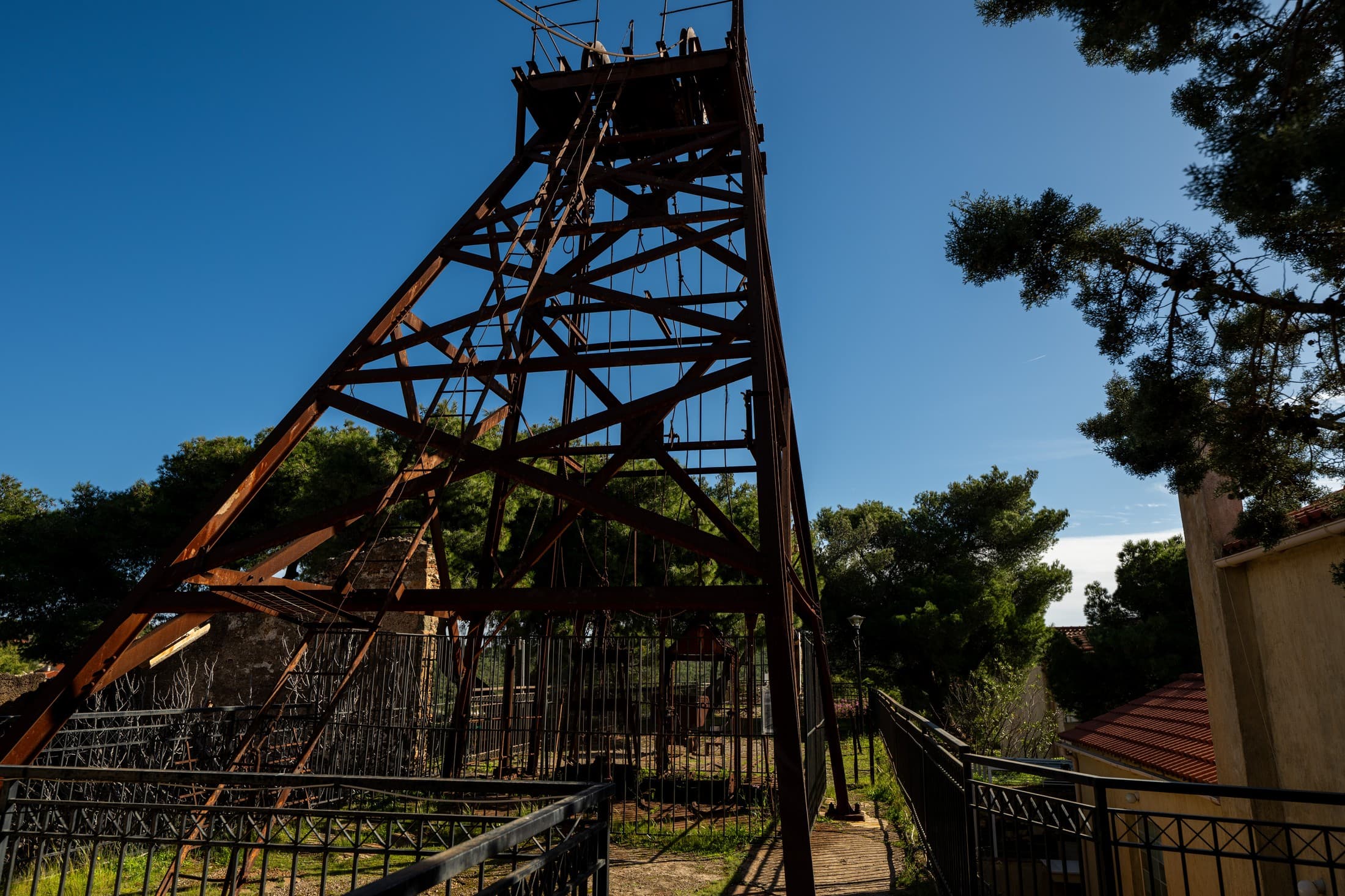
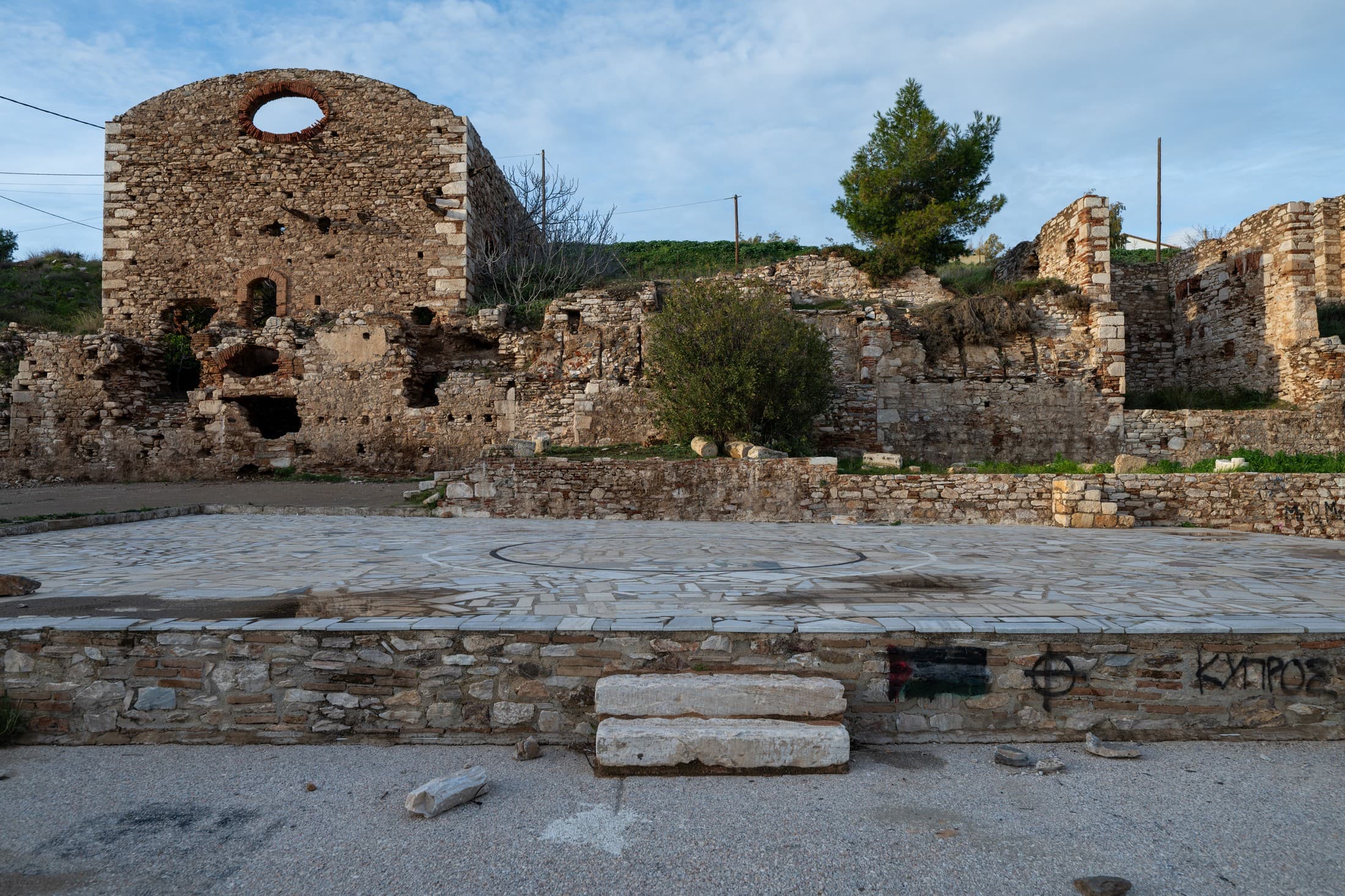
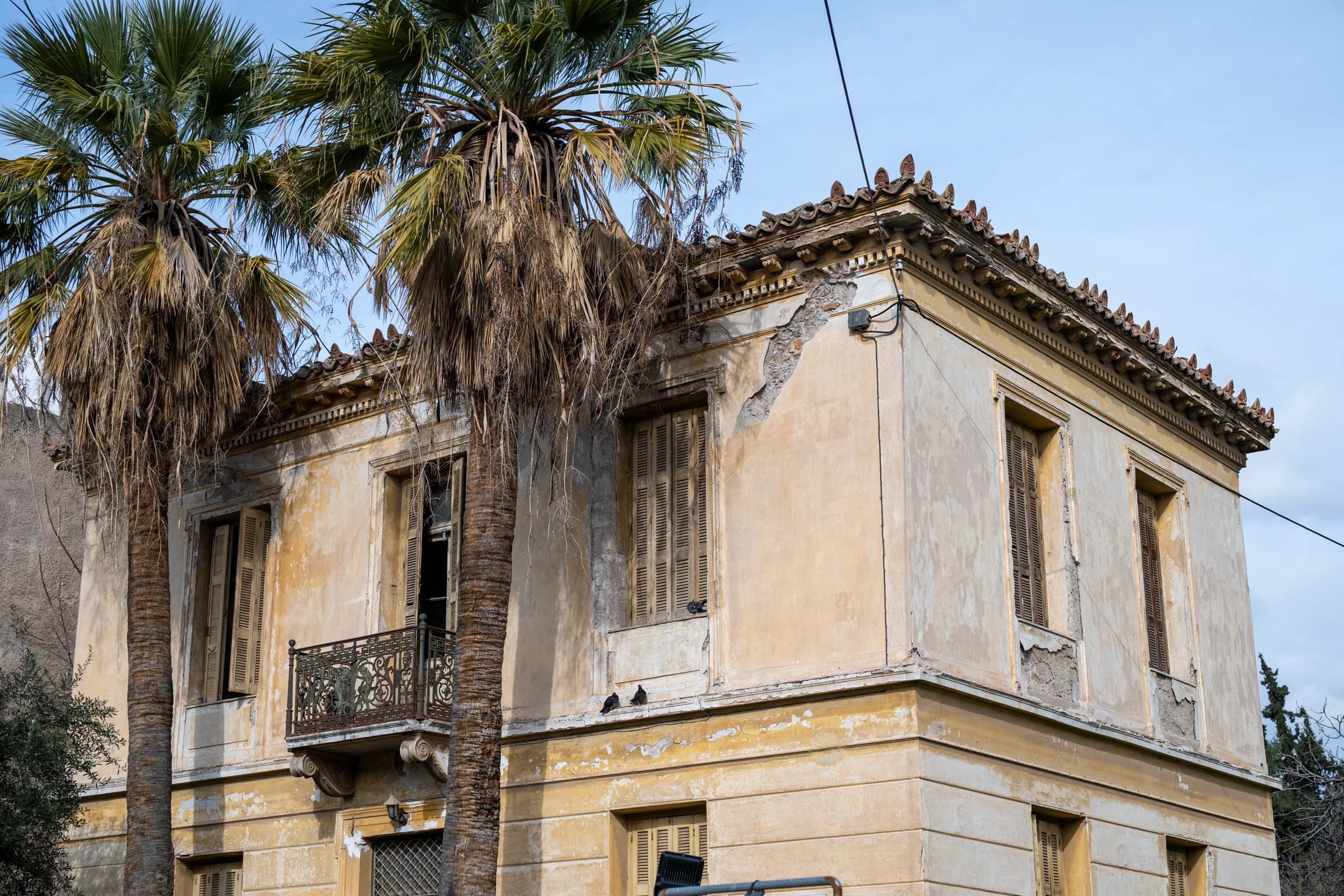
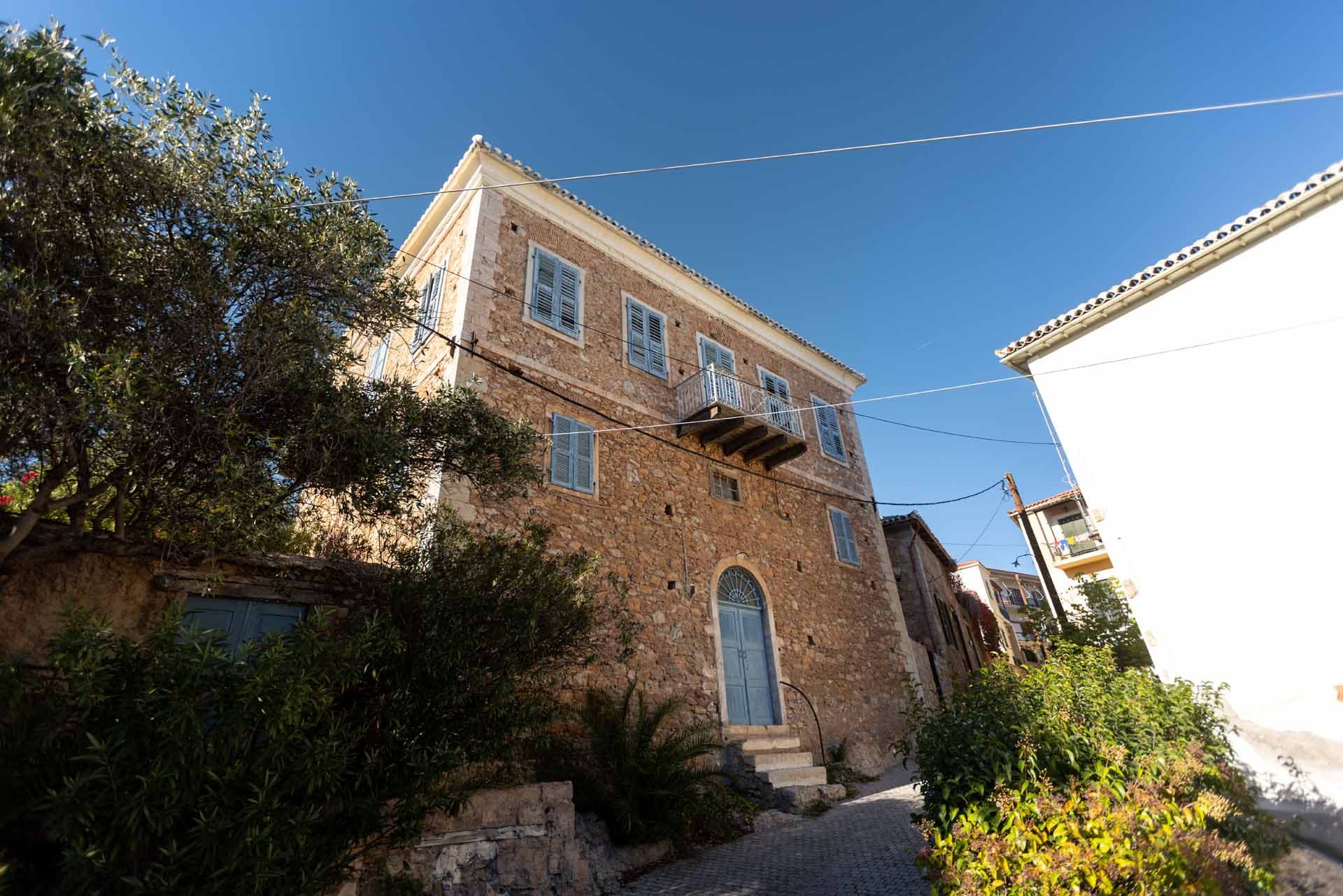
Lavrio is one of Greece’s most significant industrial heritage sites, where the architecture is directly linked to the history of mining and metal processing since the 19th century. The town itself took shape as an industrial settlement during that period, when the exploitation of rich lead and silver deposits led to the creation of organised facilities and infrastructure.
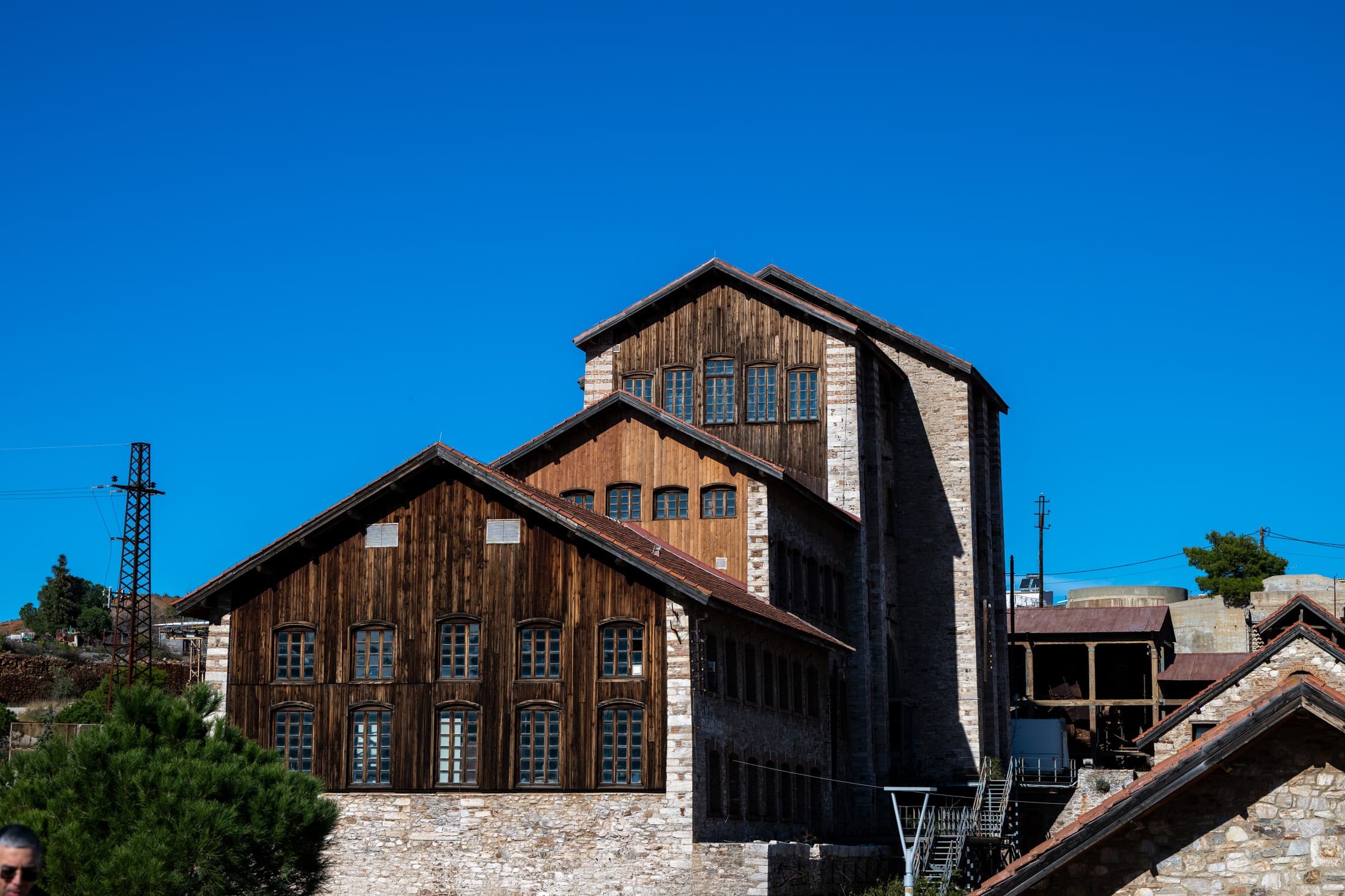
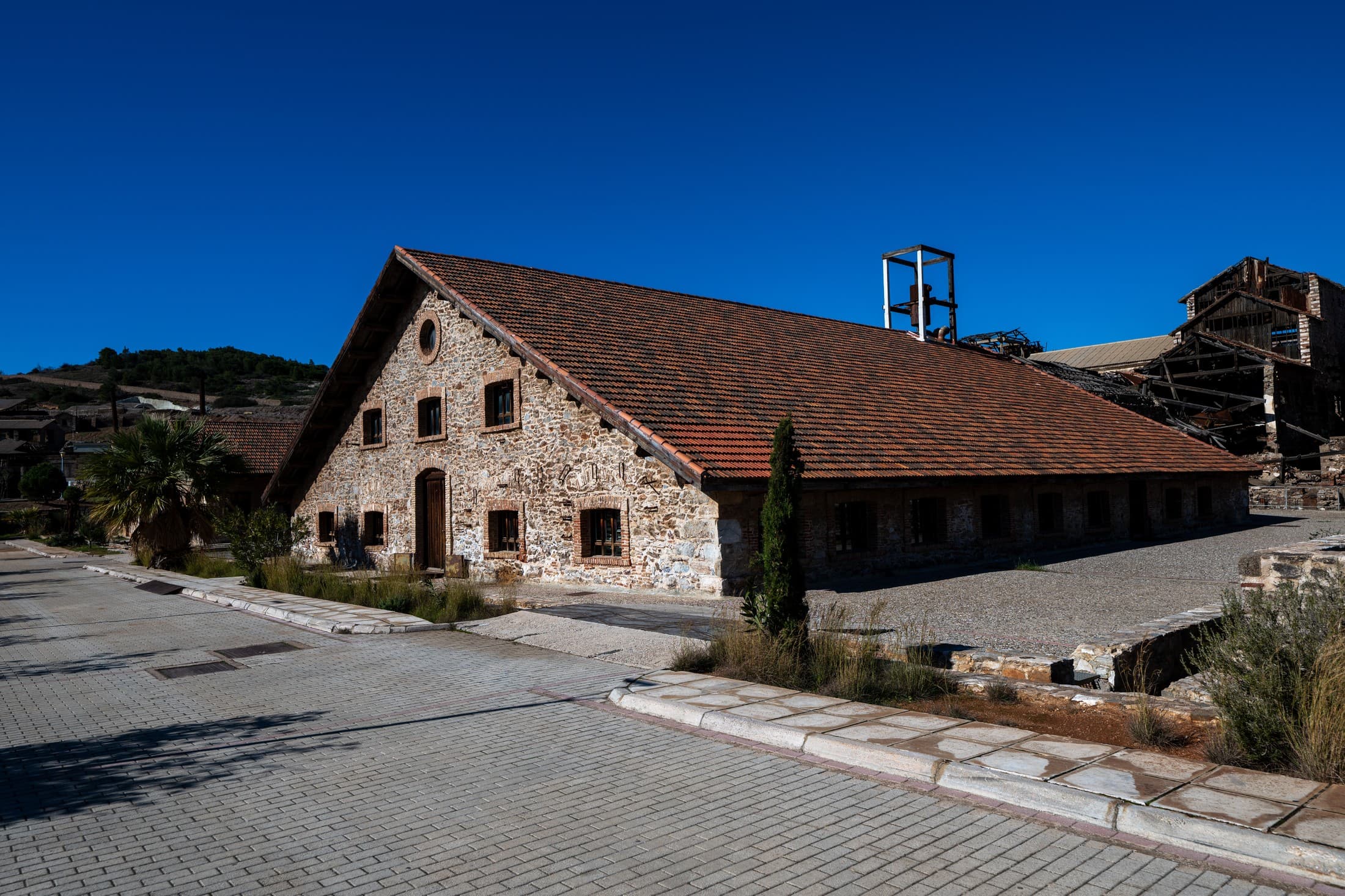
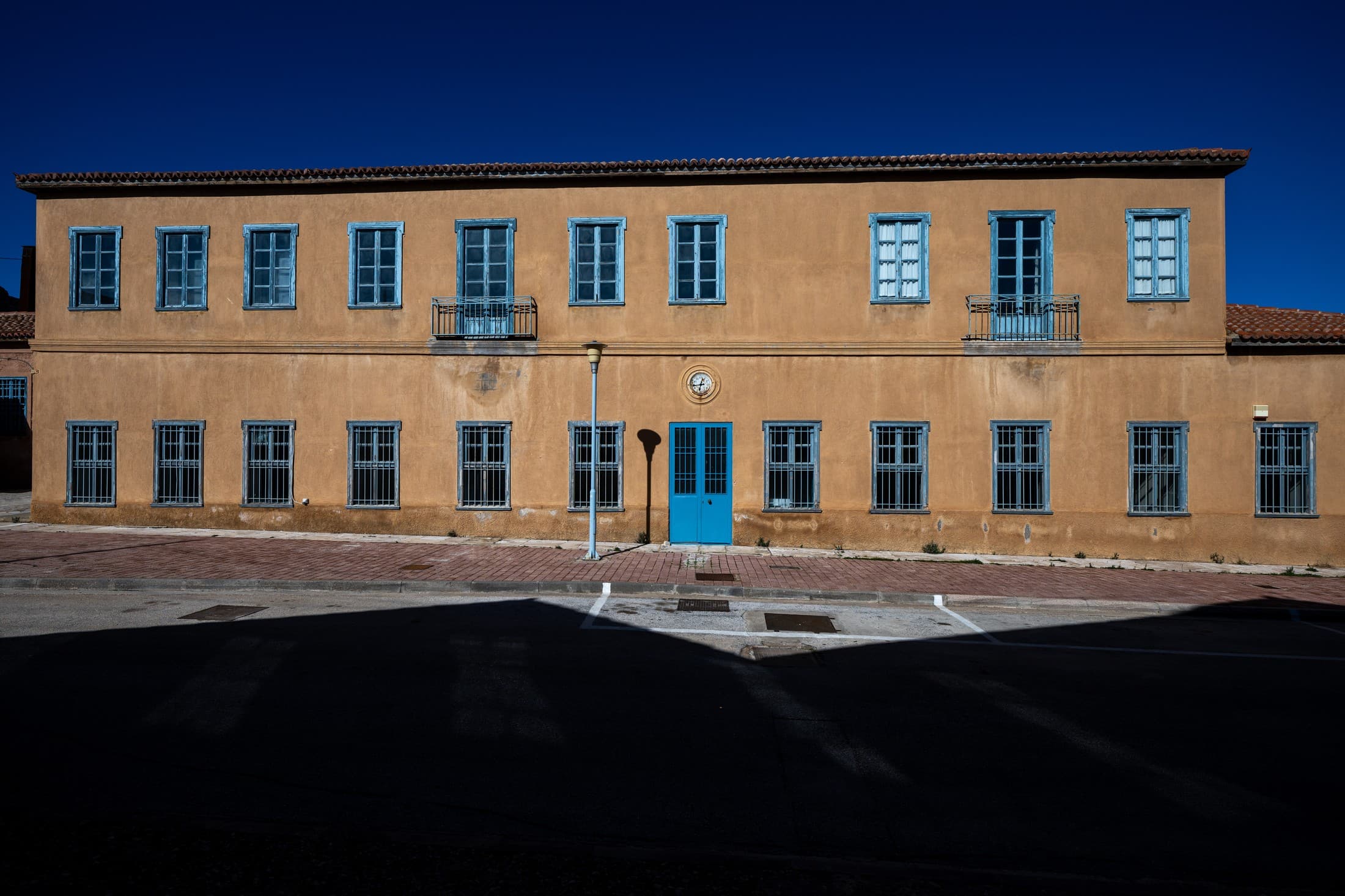
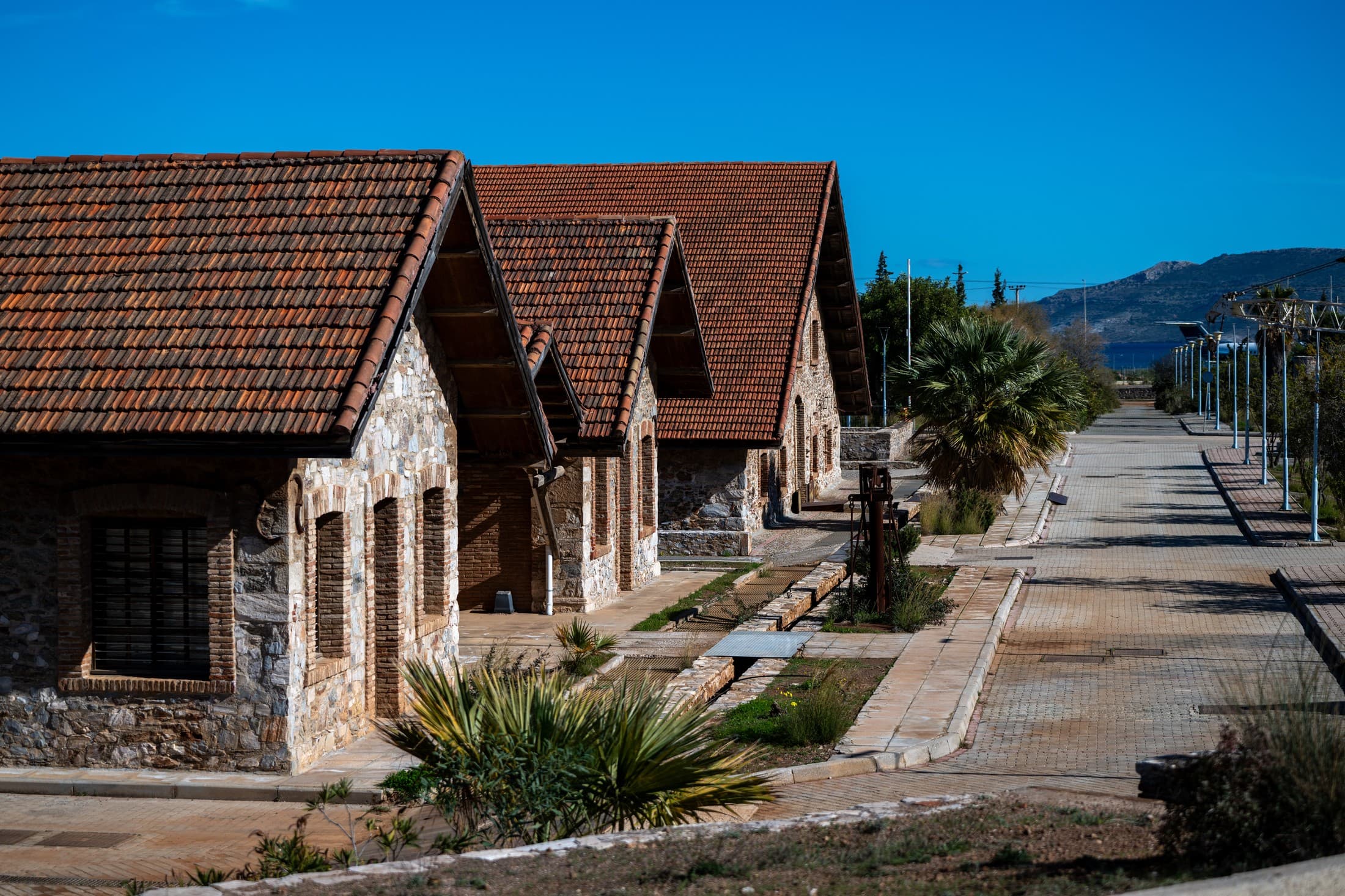
One of the most characteristic examples of industrial architecture in the area is the Lavrio Technological and Cultural Park, housed in the former metallurgical plants of the French Mining Company of Lavrio.
Most of its buildings date from between 1875 and 1940, combining a functional structure with aesthetic elements from their period of construction.
Another important example of late 19th-century industrial architecture is the building which today houses the Mineralogical Museum of Lavrio. It was originally part of the ore-washing facilities of one of the largest metallurgical units of the time. Its conversion into a museum has preserved its industrial character, with elements of its original layout and construction remaining visible.
Also part of this group are the preserved buildings of the old mining complex around the port and the Kyprianou district, where distinct features of industrial operations, such as clock towers, chemical laboratories and warehouses, have been integrated into modern uses or remain as historical evidence of the industrial era.
Complete your visit to Lavrio with a meal at the famous seafood tavernas —and more— along the seafront.
One of the most characteristic examples of industrial architecture in the area is the Lavrio Technological and Cultural Park, housed in the former metallurgical plants of the French Mining Company of Lavrio.
Most of its buildings date from between 1875 and 1940, combining a functional structure with aesthetic elements from their period of construction.
Another important example of late 19th-century industrial architecture is the building which today houses the Mineralogical Museum of Lavrio. It was originally part of the ore-washing facilities of one of the largest metallurgical units of the time. Its conversion into a museum has preserved its industrial character, with elements of its original layout and construction remaining visible.
Also part of this group are the preserved buildings of the old mining complex around the port and the Kyprianou district, where distinct features of industrial operations, such as clock towers, chemical laboratories and warehouses, have been integrated into modern uses or remain as historical evidence of the industrial era.
Complete your visit to Lavrio with a meal at the famous seafood tavernas —and more— along the seafront.