A monument linking Byzantine, Ottoman and modern heritage
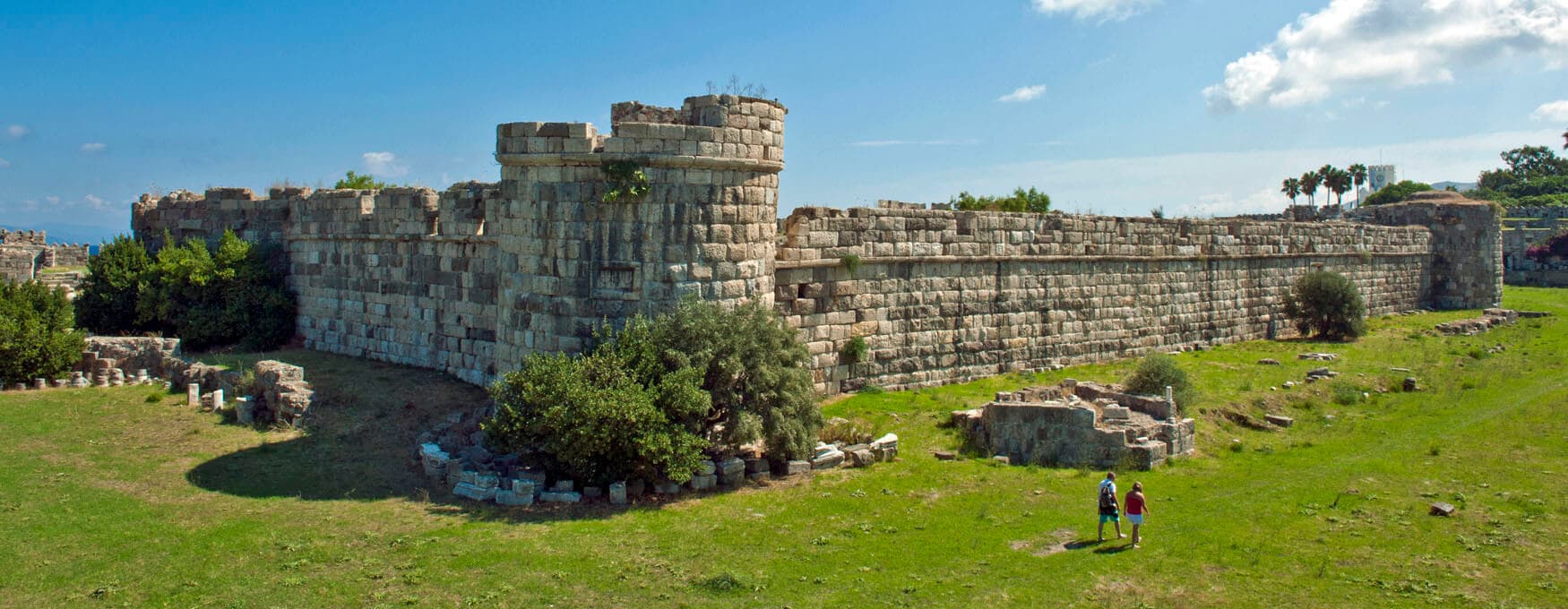
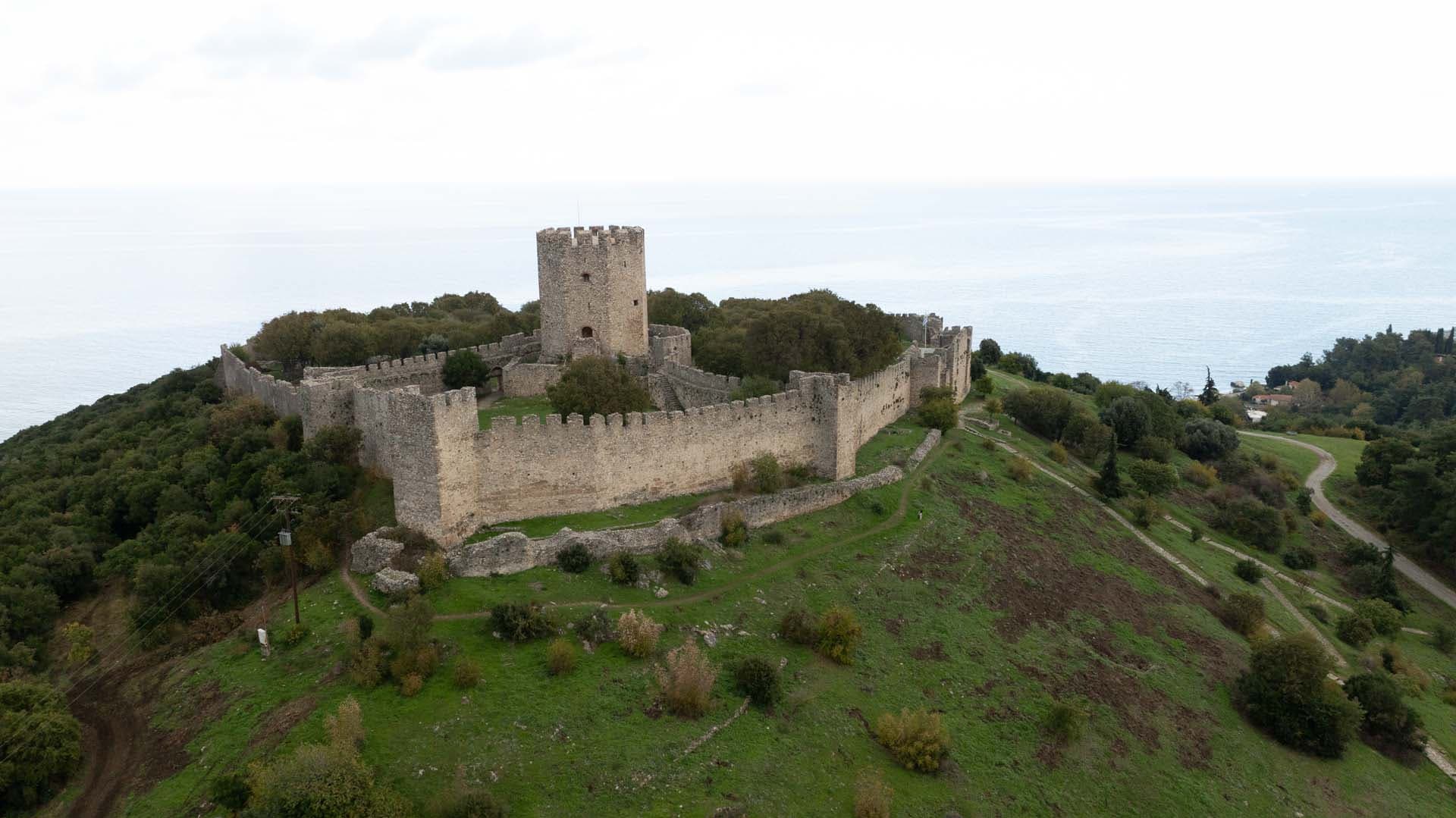
In the heart of Komotini’s historic centre, the Byzantine fortress stands as undeniable evidence of the city’s long history. It was built in the 4th century AD by the emperor Theodosius I, who recognised the strategic importance of the area along the Via Egnatia. The castle functioned as a strong defensive outpost and supply station, controlling the route from Constantinople towards the West.
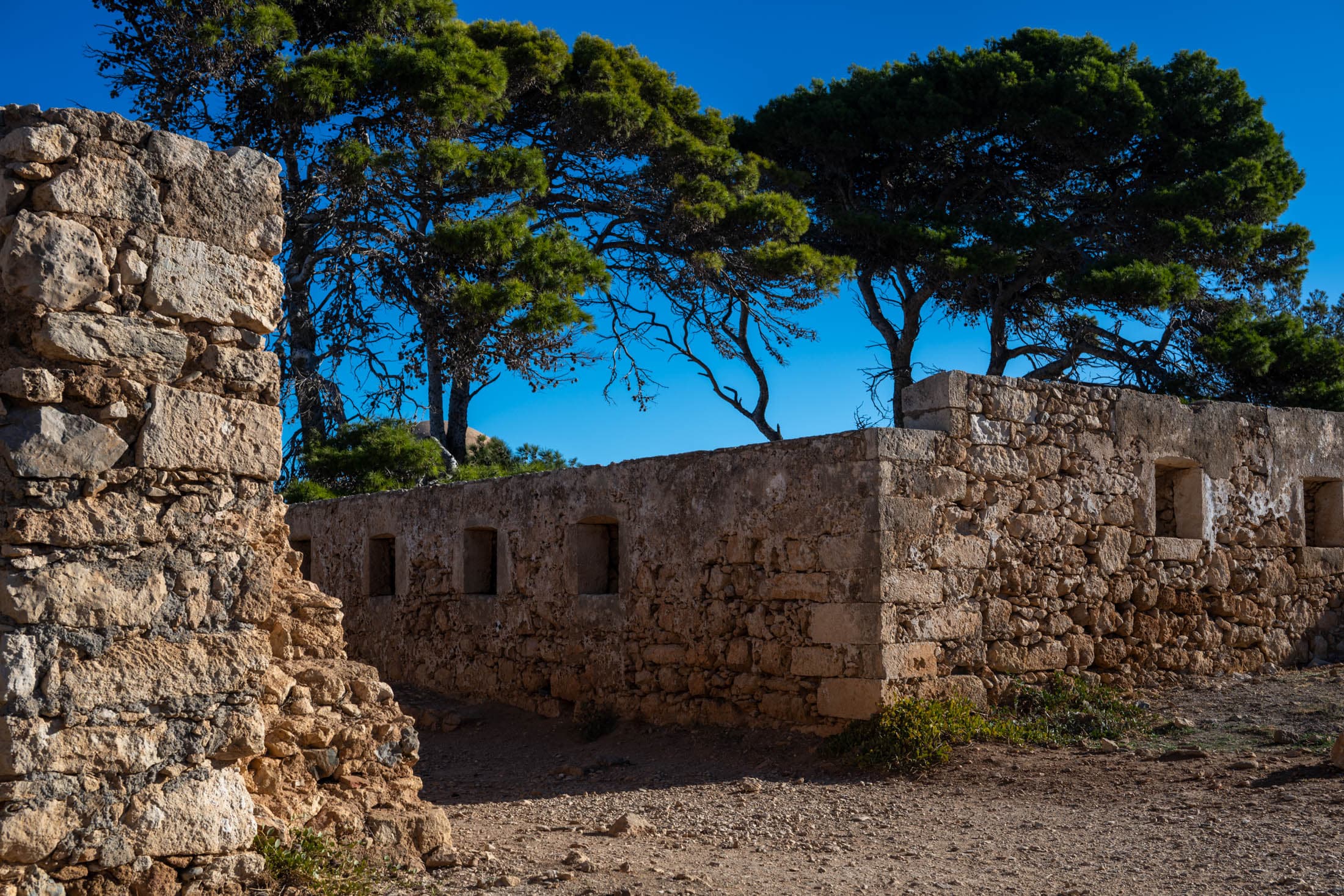
Observe its quadrilateral layout and the sixteen towers that once reinforced its defences. The walls originally reached a height of 9.5 metres and were constructed using the classic Byzantine technique of stone masonry interspersed with brick layers.
Within the fortifications, the earliest core of the city developed. During the Ottoman period, the Jewish quarter and the historic synagogue were located inside the walls. Today, the surviving sections of the fortifications surrounding the church form a living archaeological site, harmoniously integrated into the urban fabric.
There, you will discover the Church of the Dormition of the Virgin, built in 1800 upon Byzantine foundations. At the lower level of its floor, you can admire the intricate lace-like iconostasis of the Epirote school, as well as the miraculous 15th-century icon of the Virgin Mary.
Komotini’s multicultural identity is further revealed through its Ottoman monuments. The Yeni Mosque, with neoclassical influences, and the Eski Mosque, dating from the 17th century, remain prominent landmarks in the city centre.
Do not miss a visit to the Imaret, standing on Xenophontos Street since the late 14th century. It is one of the oldest Ottoman monuments in Thrace and today operates as an Ecclesiastical Museum, housing rare vestments and manuscripts. Nearby, the Clock Tower (1884) completes the city’s historical mosaic.
A particularly significant memorial site is the Central War Memorial (“Sword”), featuring a 14-metre marble column and serving as the focal point for national commemorations. The Old War Memorial, created by the local sculptor Petros Moschidis, stands opposite the Archaeological Museum of Komotini, commemorating the names of the 63 fallen soldiers of 1940.
As a protected monument, the fortress and its surrounding area remain Komotini’s foremost landmark, connecting the past with the present.
Observe its quadrilateral layout and the sixteen towers that once reinforced its defences. The walls originally reached a height of 9.5 metres and were constructed using the classic Byzantine technique of stone masonry interspersed with brick layers.
Within the fortifications, the earliest core of the city developed. During the Ottoman period, the Jewish quarter and the historic synagogue were located inside the walls. Today, the surviving sections of the fortifications surrounding the church form a living archaeological site, harmoniously integrated into the urban fabric.
There, you will discover the Church of the Dormition of the Virgin, built in 1800 upon Byzantine foundations. At the lower level of its floor, you can admire the intricate lace-like iconostasis of the Epirote school, as well as the miraculous 15th-century icon of the Virgin Mary.
Komotini’s multicultural identity is further revealed through its Ottoman monuments. The Yeni Mosque, with neoclassical influences, and the Eski Mosque, dating from the 17th century, remain prominent landmarks in the city centre.
Do not miss a visit to the Imaret, standing on Xenophontos Street since the late 14th century. It is one of the oldest Ottoman monuments in Thrace and today operates as an Ecclesiastical Museum, housing rare vestments and manuscripts. Nearby, the Clock Tower (1884) completes the city’s historical mosaic.
A particularly significant memorial site is the Central War Memorial (“Sword”), featuring a 14-metre marble column and serving as the focal point for national commemorations. The Old War Memorial, created by the local sculptor Petros Moschidis, stands opposite the Archaeological Museum of Komotini, commemorating the names of the 63 fallen soldiers of 1940.
As a protected monument, the fortress and its surrounding area remain Komotini’s foremost landmark, connecting the past with the present.