An Underground Wonder in Drama
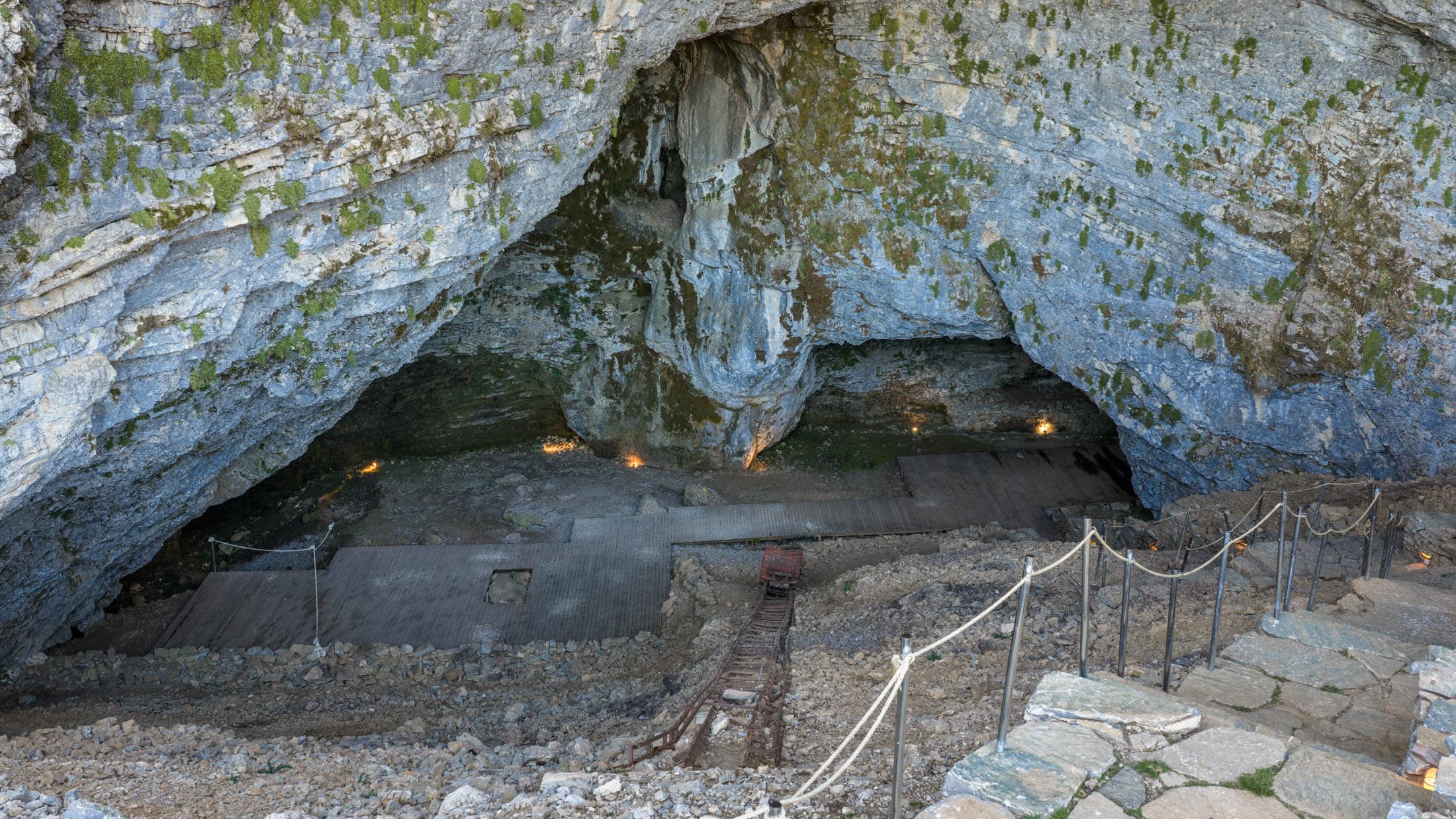
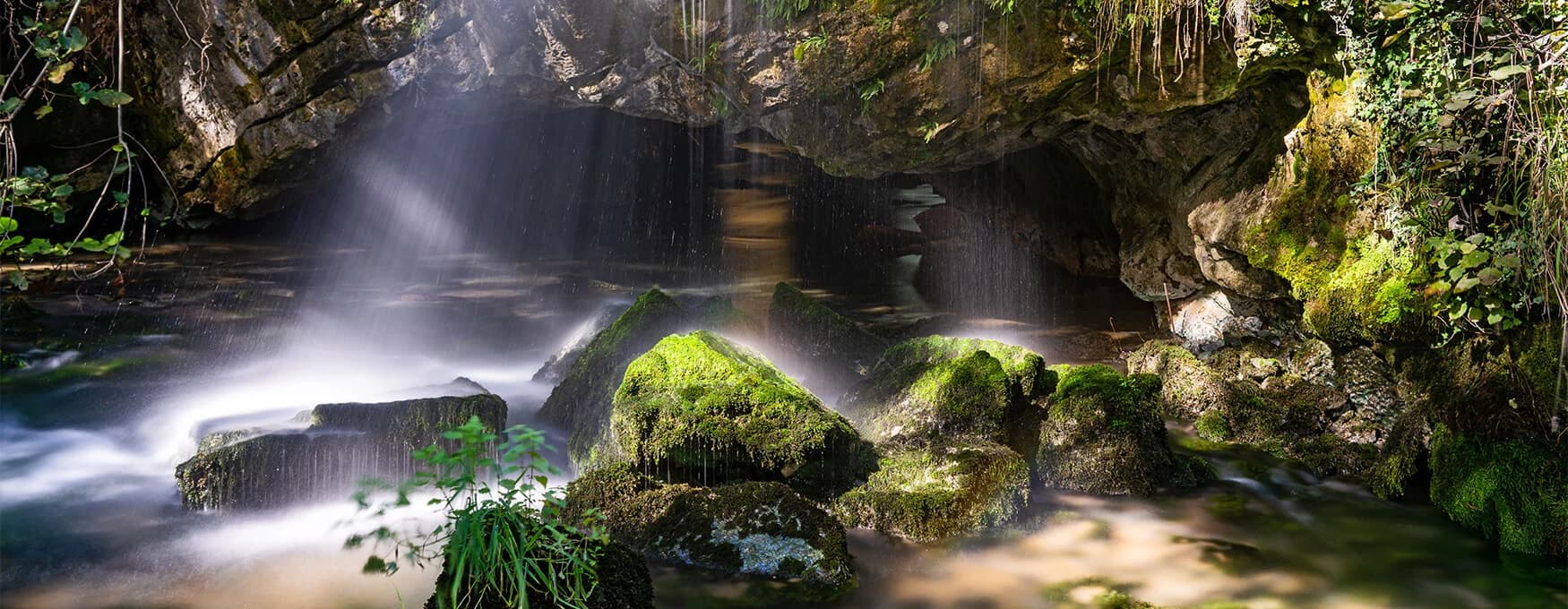
25 kilometres from Drama, near Prosotsani and at the foot of Mount Falakro, lies Greece's longest and largest cave. Maara Cave is unique, as the icy Aggitis river springs from within its depths, creating a rare geological phenomenon.
Its Discovery and Speleothems
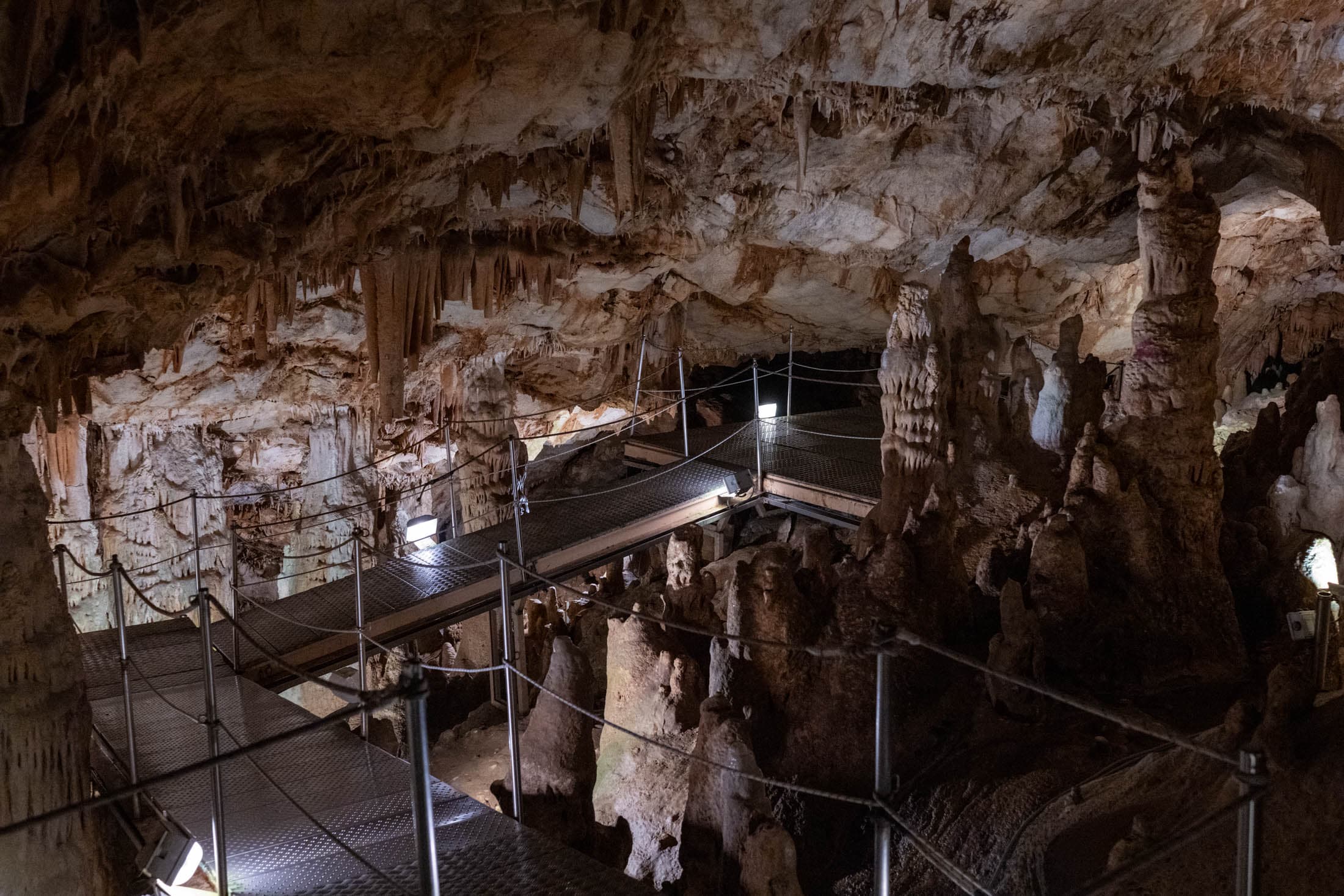
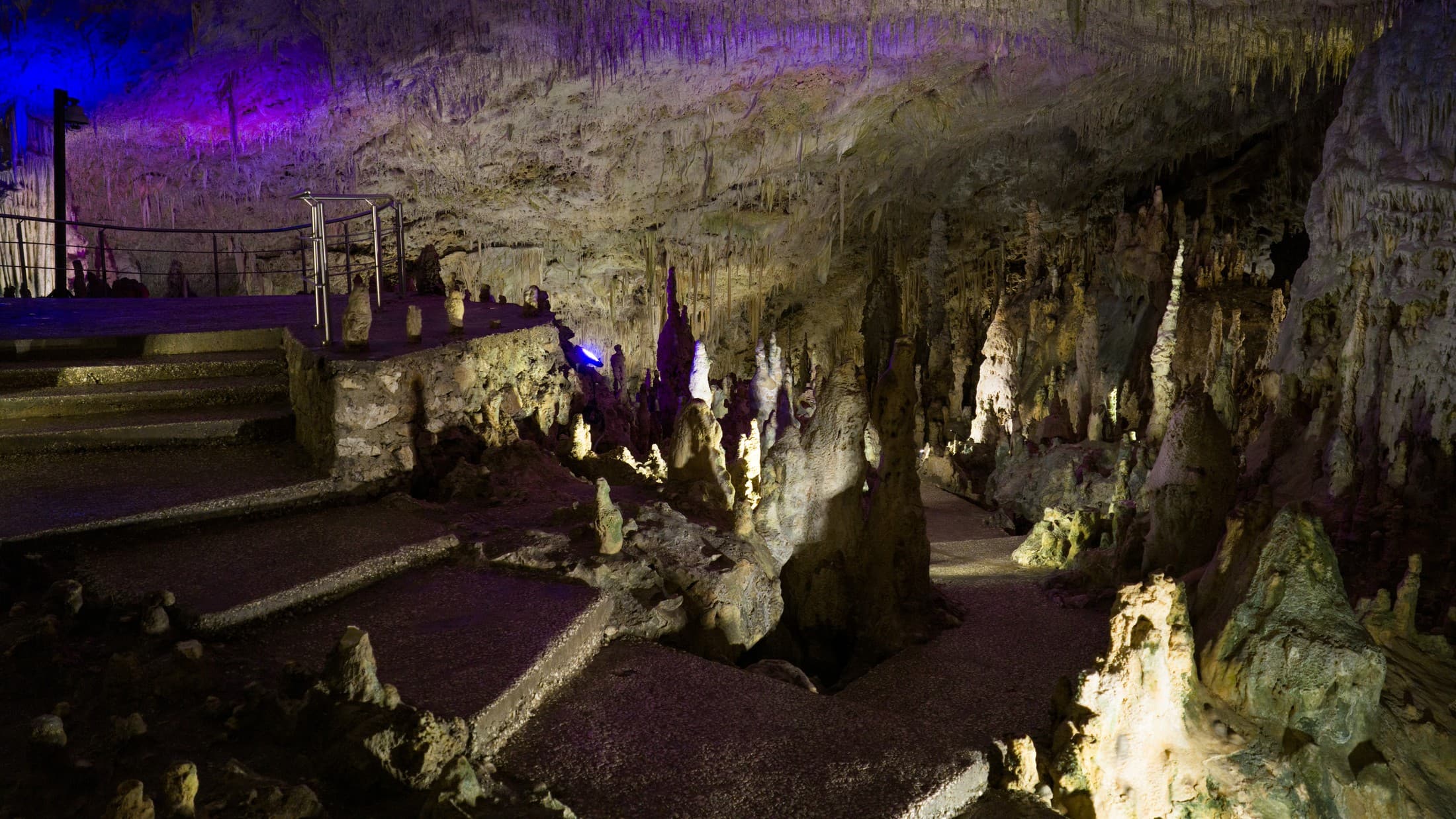
The cave was discovered in September 1978 by a team of Greek and French speleologists. During a dive into the springs at a depth of 7 metres, the researchers located a passage leading to a vast chamber 500 metres long. Its ceiling is adorned with impressive stalactites, some of which have a diameter of 2 metres. Their colours are captivating, the result of the presence of minerals such as copper, iron, and manganese.
Prehistory and Archaeological Finds
The cave's history dates back 30,000 years. Excavations have unearthed stone tools and the bones of prehistoric animals, such as mammoths and rhinoceroses, which are exhibited at the Archaeological Museum of Drama. In the Hall of the Wheel, remains of Neolithic installations (3,000 BC) were discovered, while a historic water mill bears witness to the area's water supply system during the 20th century. The highlight is the Acropolis Hall, the largest in any Greek cave, creating an ethereal setting with its underground riverbanks.
Useful Information
Maara Cave remains open 365 days a year. The entrance fee for the developed section is 6 euros (3 euros for students). During the winter months, opening hours are from 10:30 to 17:00, Monday to Saturday, while on Sundays and public holidays, the opening hours are from 10:00 to 16:30. For further information, interested parties can contact 25220 60460.
Its Discovery and Speleothems
The cave was discovered in September 1978 by a team of Greek and French speleologists. During a dive into the springs at a depth of 7 metres, the researchers located a passage leading to a vast chamber 500 metres long. Its ceiling is adorned with impressive stalactites, some of which have a diameter of 2 metres. Their colours are captivating, the result of the presence of minerals such as copper, iron, and manganese.
Prehistory and Archaeological Finds
The cave's history dates back 30,000 years. Excavations have unearthed stone tools and the bones of prehistoric animals, such as mammoths and rhinoceroses, which are exhibited at the Archaeological Museum of Drama. In the Hall of the Wheel, remains of Neolithic installations (3,000 BC) were discovered, while a historic water mill bears witness to the area's water supply system during the 20th century. The highlight is the Acropolis Hall, the largest in any Greek cave, creating an ethereal setting with its underground riverbanks.
Useful Information
Maara Cave remains open 365 days a year. The entrance fee for the developed section is 6 euros (3 euros for students). During the winter months, opening hours are from 10:30 to 17:00, Monday to Saturday, while on Sundays and public holidays, the opening hours are from 10:00 to 16:30. For further information, interested parties can contact 25220 60460.