An ideal destination for hiking and more
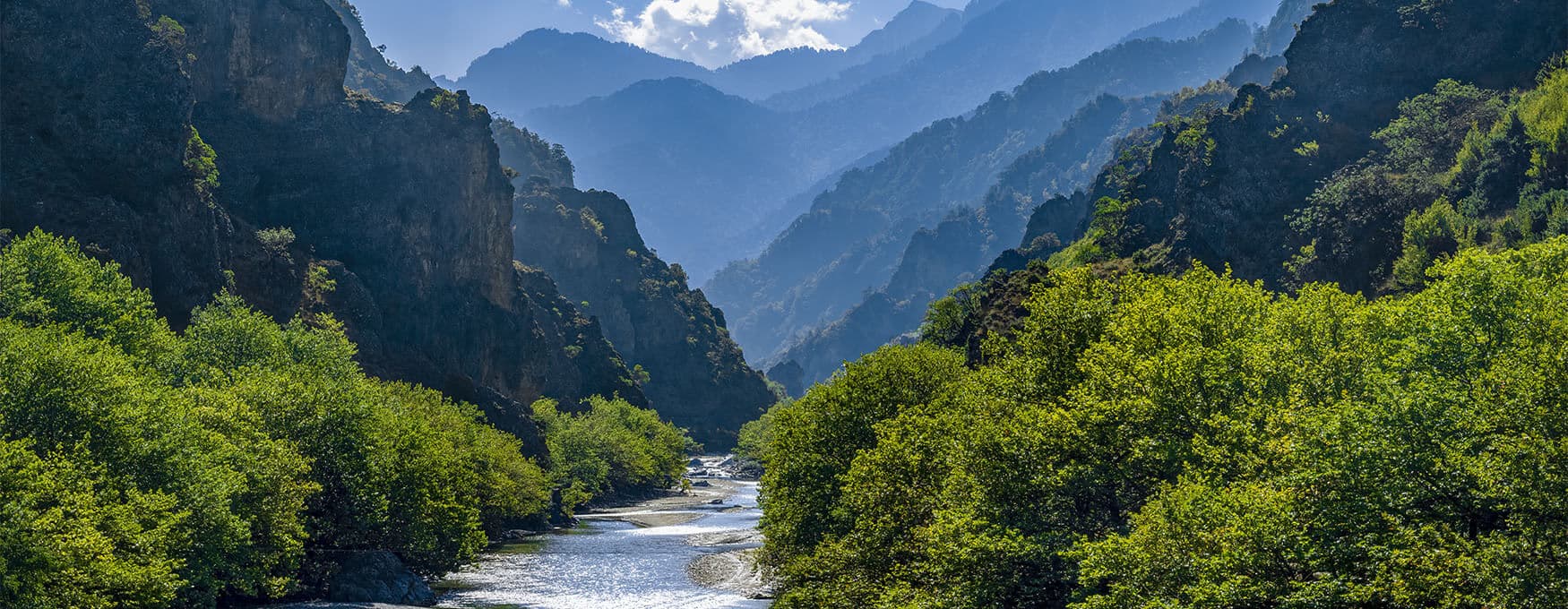
In mountainous Arcadia, the Lousios River carves out one of the most impressive gorges in the Peloponnese, a place that combines intense natural beauty with profound history. The Lousios flows from the Karkalou plateau and, after approximately 23 km, joins the Alfeios River near Karytaina.
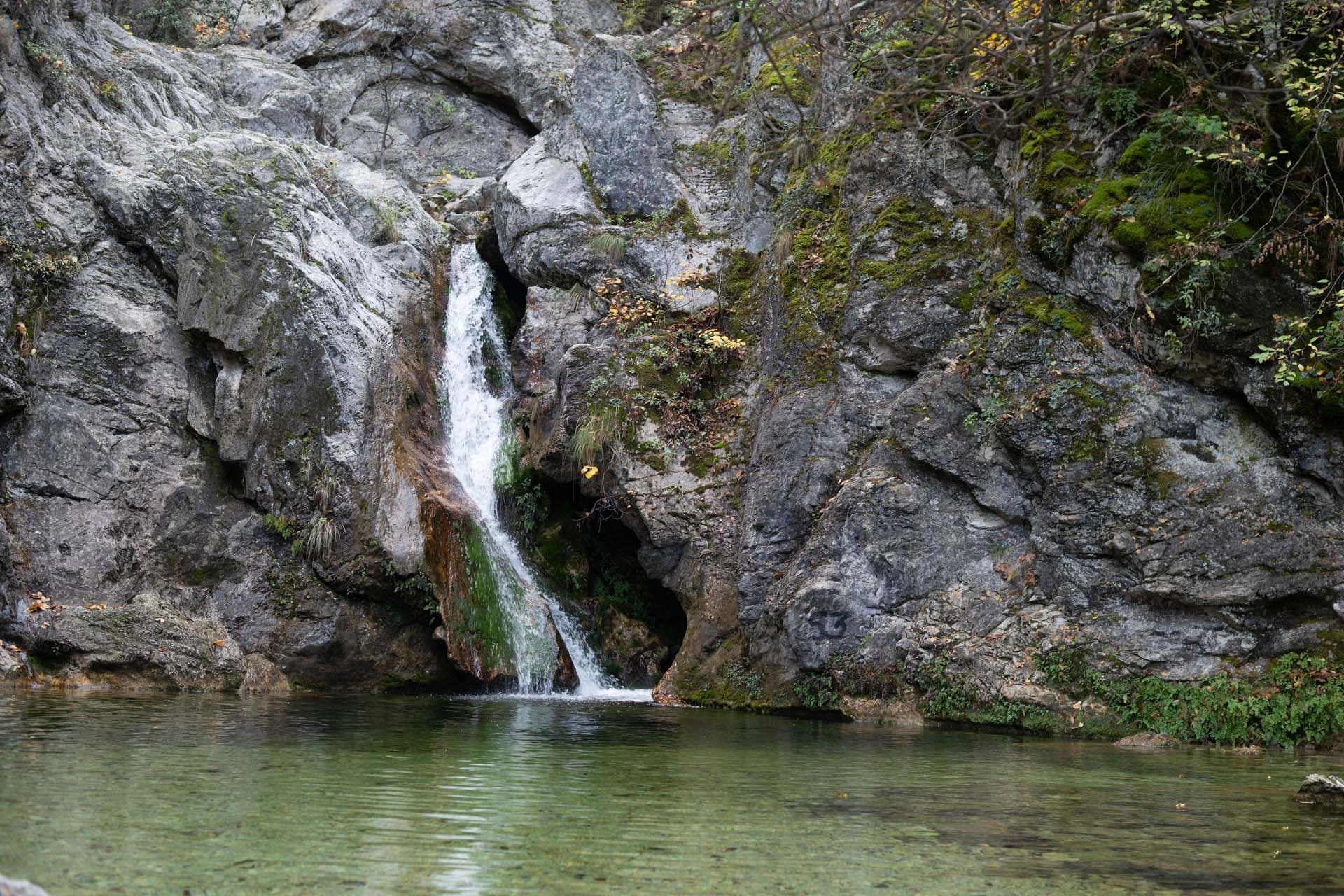
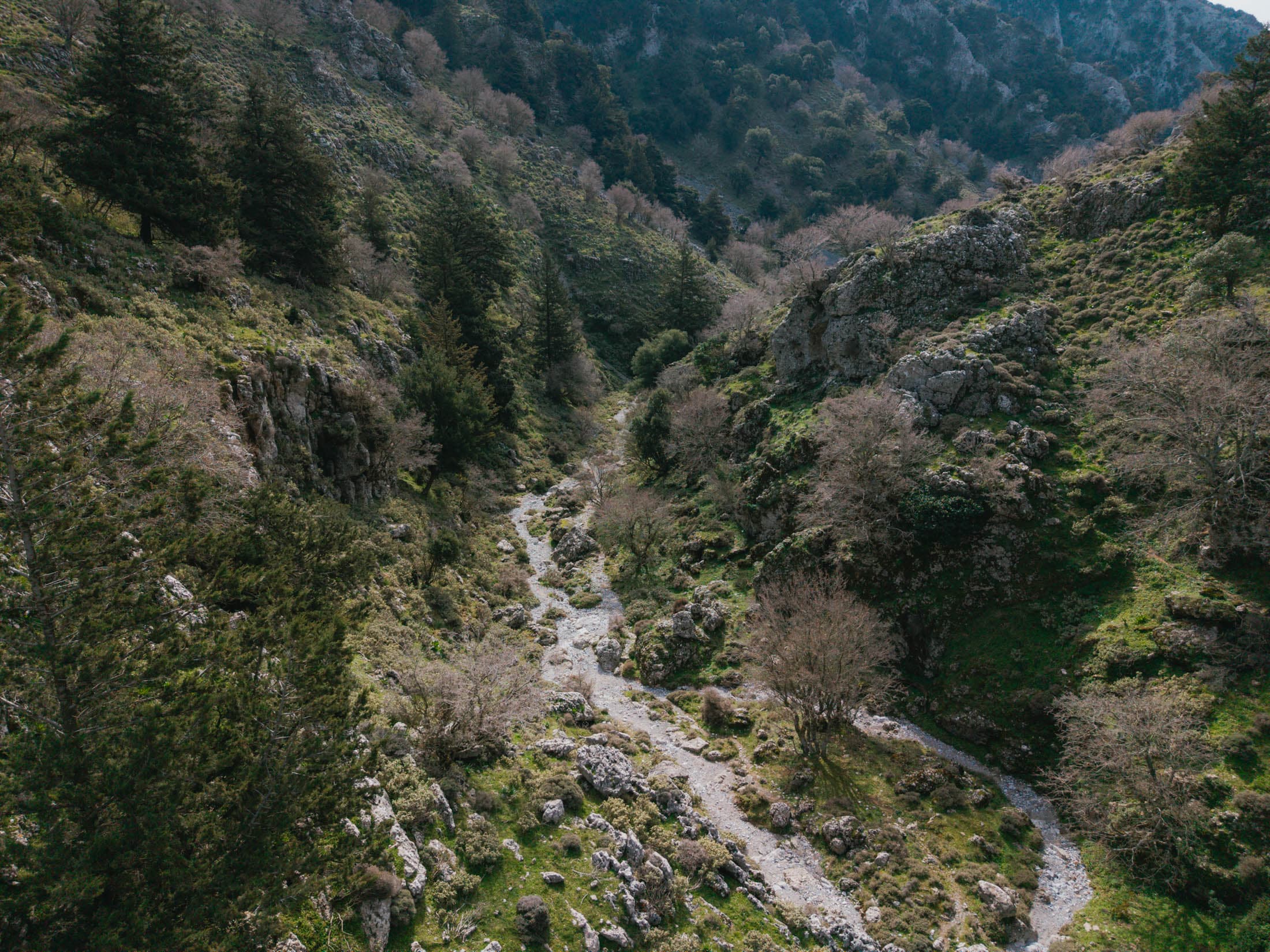
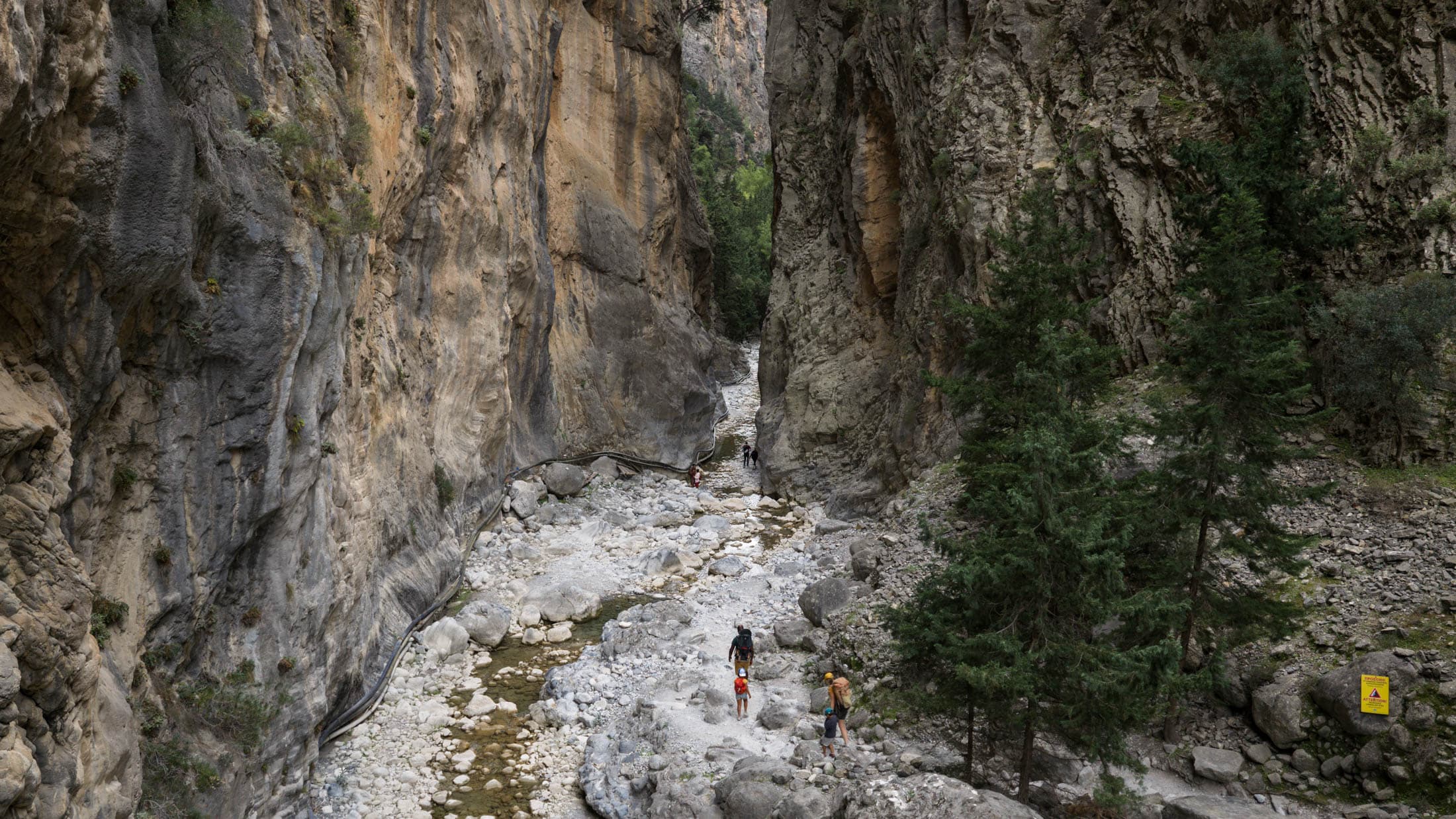
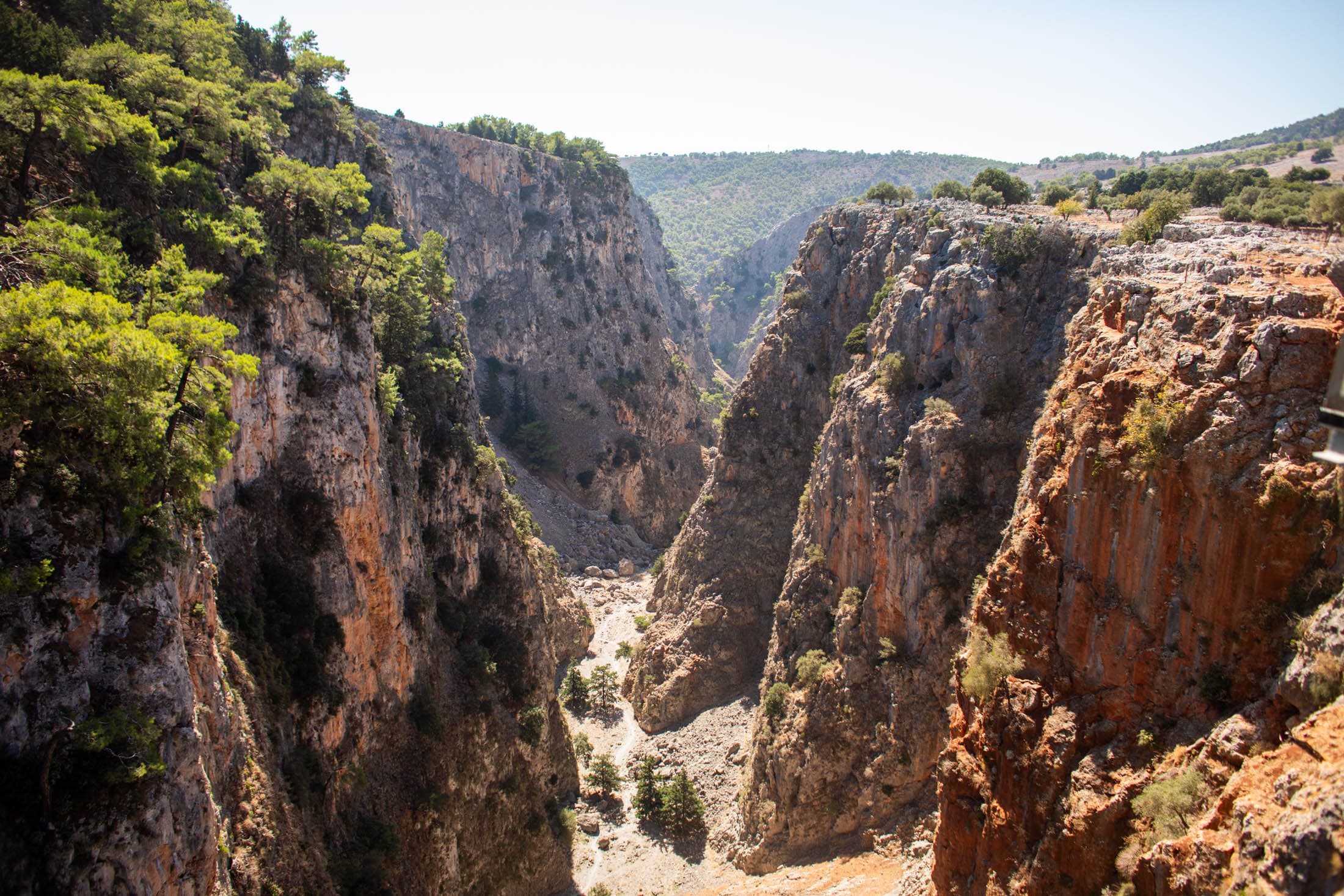
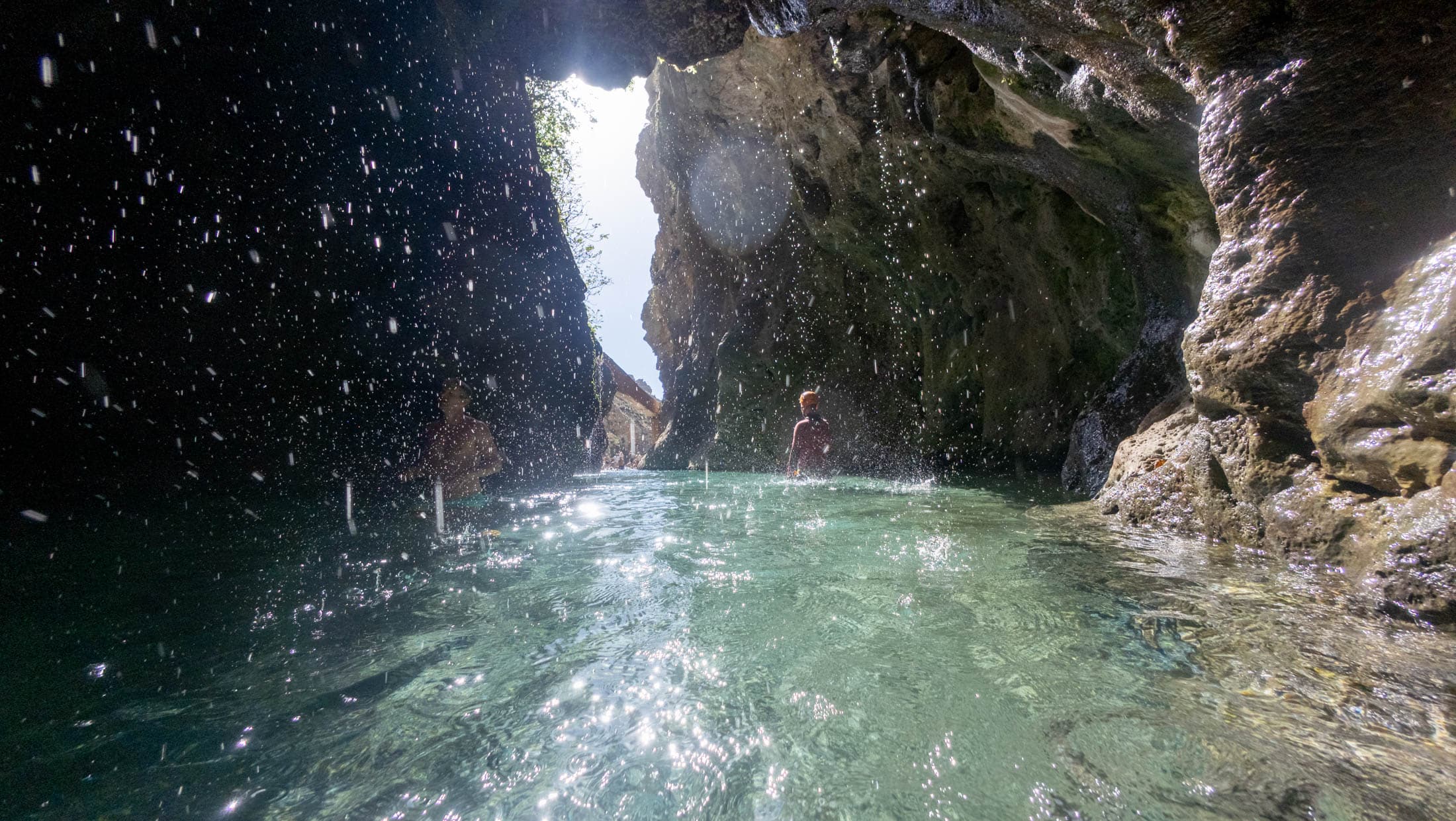
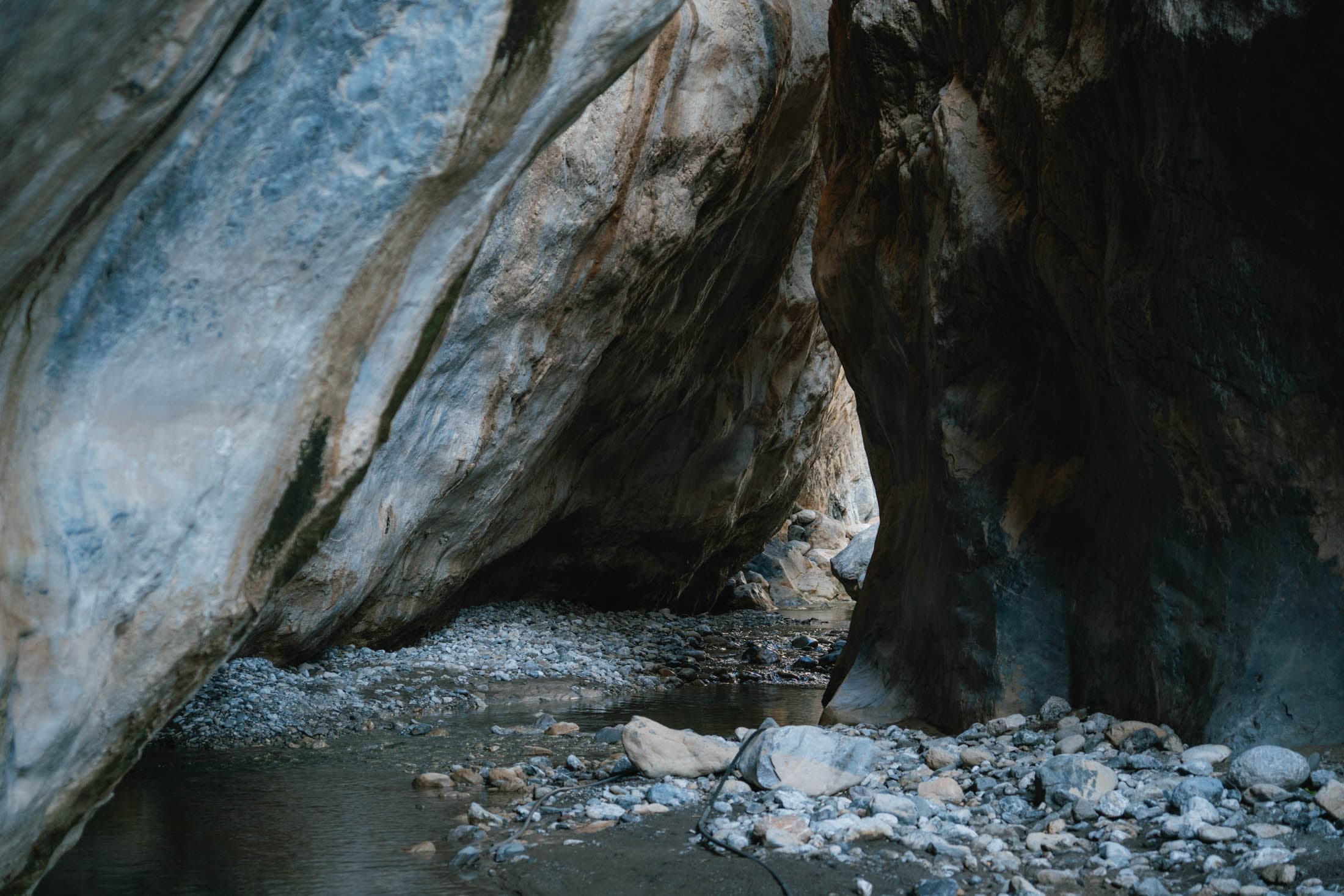
Its most enchanting section is the gorge itself, stretching about 15 km, where towering limestone cliffs, sculpted by water and time, rise amidst dense vegetation. From early on, hermits settled on its precipitous slopes, and from these hermitages, iconic monasteries were later born, such as the Old Philosophou Monastery and the Holy Monastery of Timios Prodromos, which appear to hang suspended over the river.
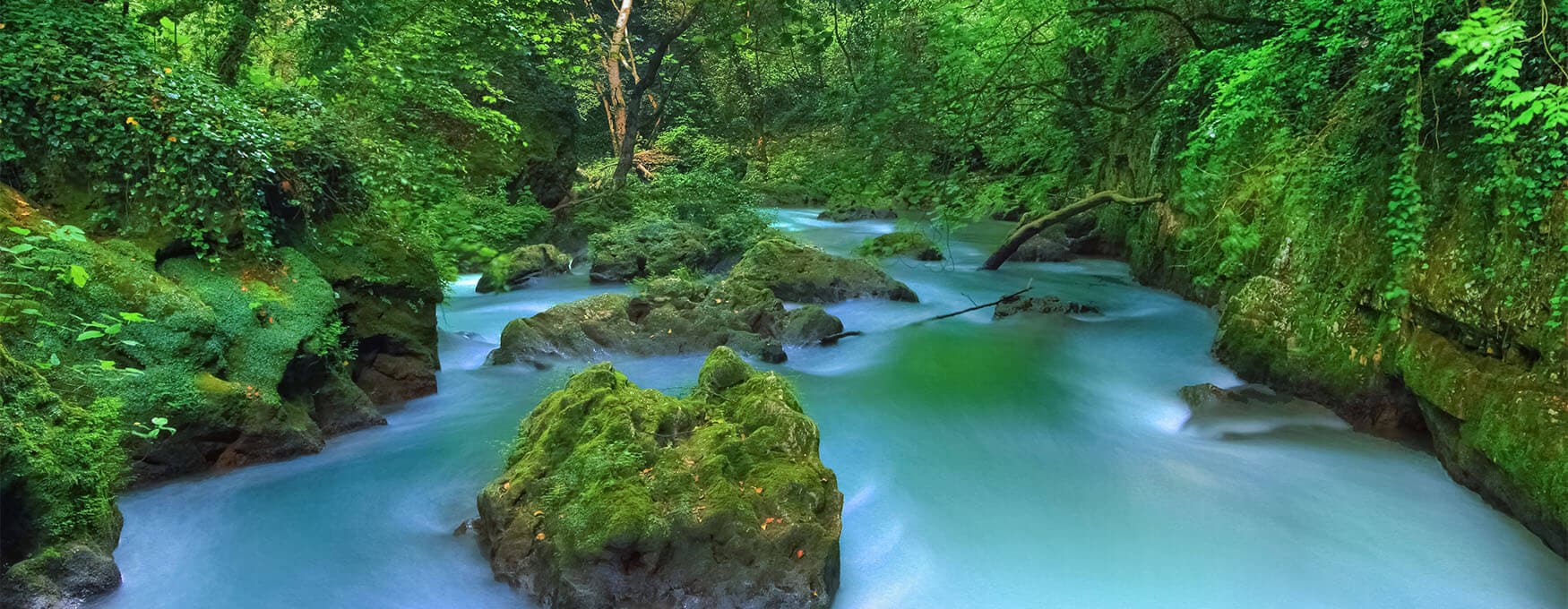
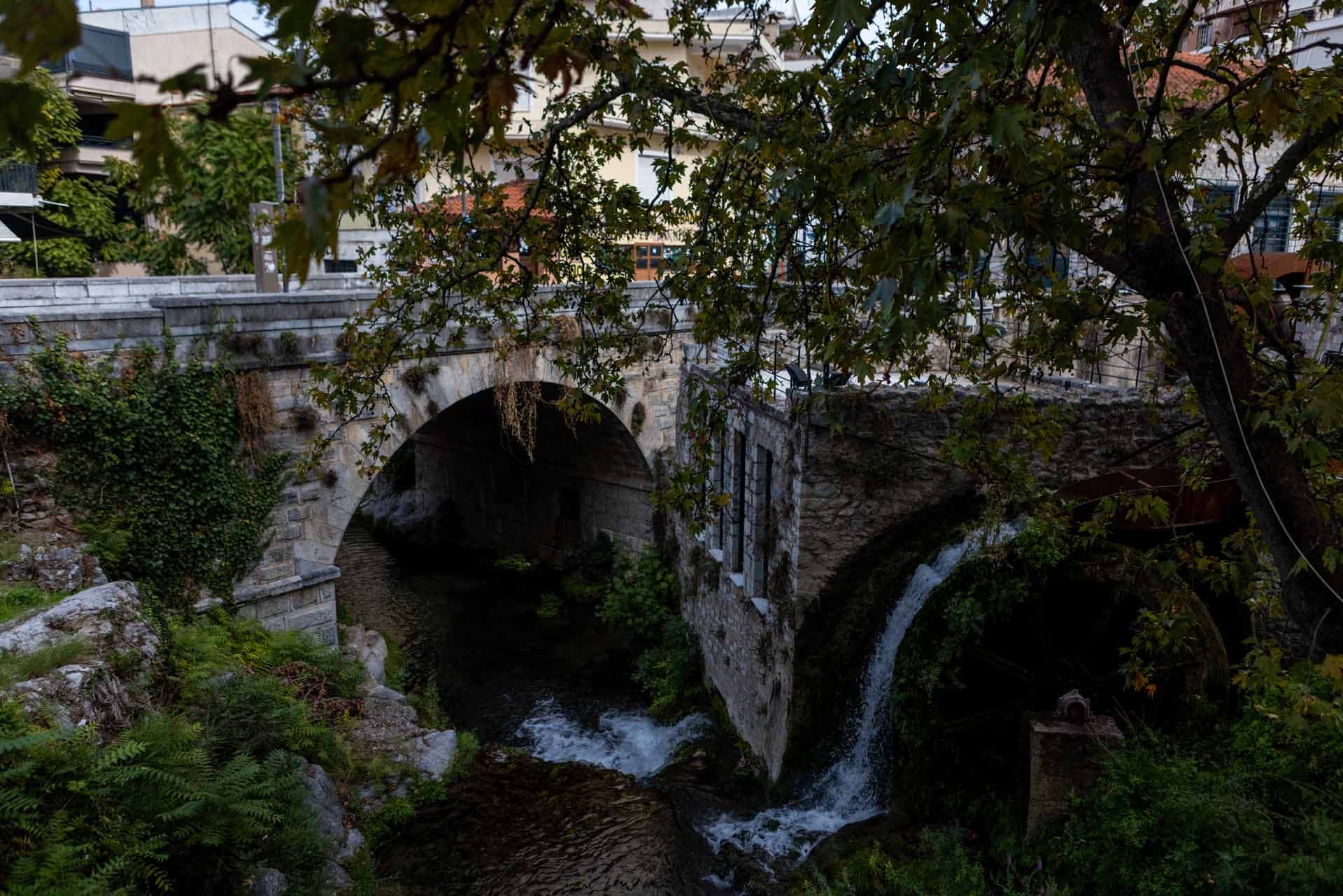
The gorge is home to laurels, plane trees, maples, myrtles, willows, and firs, while the fauna includes various birds, reptiles, fish, and small mammals. Along the river, one encounters impressive arched bridges, such as the Kontos Bridge.
Hiking is the ideal way to experience the Lousios. The shortest and most popular trail connects the Prodromos and Philosophou Monasteries (45 mins–1 hour) and follows the river's flow through lush greenery and the constant sound of water.
Equally beautiful is the Stemnitsa – Ancient Gortys route, which passes by the Prodromos Monastery and gradually reveals the gorge from above. Avoid descending into the gorge after heavy rainfall and ensure you wear hiking boots. The best seasons for hiking are spring and autumn.
For those seeking more action, the Lousios is ideal for rafting in the spring, when the water flow is at its best. The aquatic route starts from the bridge near Atsicholos and ends at the stone bridge of Koukos, offering mild to moderate flow suitable for beginners, always with organised providers.
In quieter moments, it is worth stopping at the old watermills and gunpowder mills, which serve as reminders of the river's role in the pre-industrial and revolutionary history of the region.
Its most enchanting section is the gorge itself, stretching about 15 km, where towering limestone cliffs, sculpted by water and time, rise amidst dense vegetation. From early on, hermits settled on its precipitous slopes, and from these hermitages, iconic monasteries were later born, such as the Old Philosophou Monastery and the Holy Monastery of Timios Prodromos, which appear to hang suspended over the river.
The gorge is home to laurels, plane trees, maples, myrtles, willows, and firs, while the fauna includes various birds, reptiles, fish, and small mammals. Along the river, one encounters impressive arched bridges, such as the Kontos Bridge.
Hiking is the ideal way to experience the Lousios. The shortest and most popular trail connects the Prodromos and Philosophou Monasteries (45 mins–1 hour) and follows the river's flow through lush greenery and the constant sound of water.
Equally beautiful is the Stemnitsa – Ancient Gortys route, which passes by the Prodromos Monastery and gradually reveals the gorge from above. Avoid descending into the gorge after heavy rainfall and ensure you wear hiking boots. The best seasons for hiking are spring and autumn.
For those seeking more action, the Lousios is ideal for rafting in the spring, when the water flow is at its best. The aquatic route starts from the bridge near Atsicholos and ends at the stone bridge of Koukos, offering mild to moderate flow suitable for beginners, always with organised providers.
In quieter moments, it is worth stopping at the old watermills and gunpowder mills, which serve as reminders of the river's role in the pre-industrial and revolutionary history of the region.