A beacon of research into bird migration
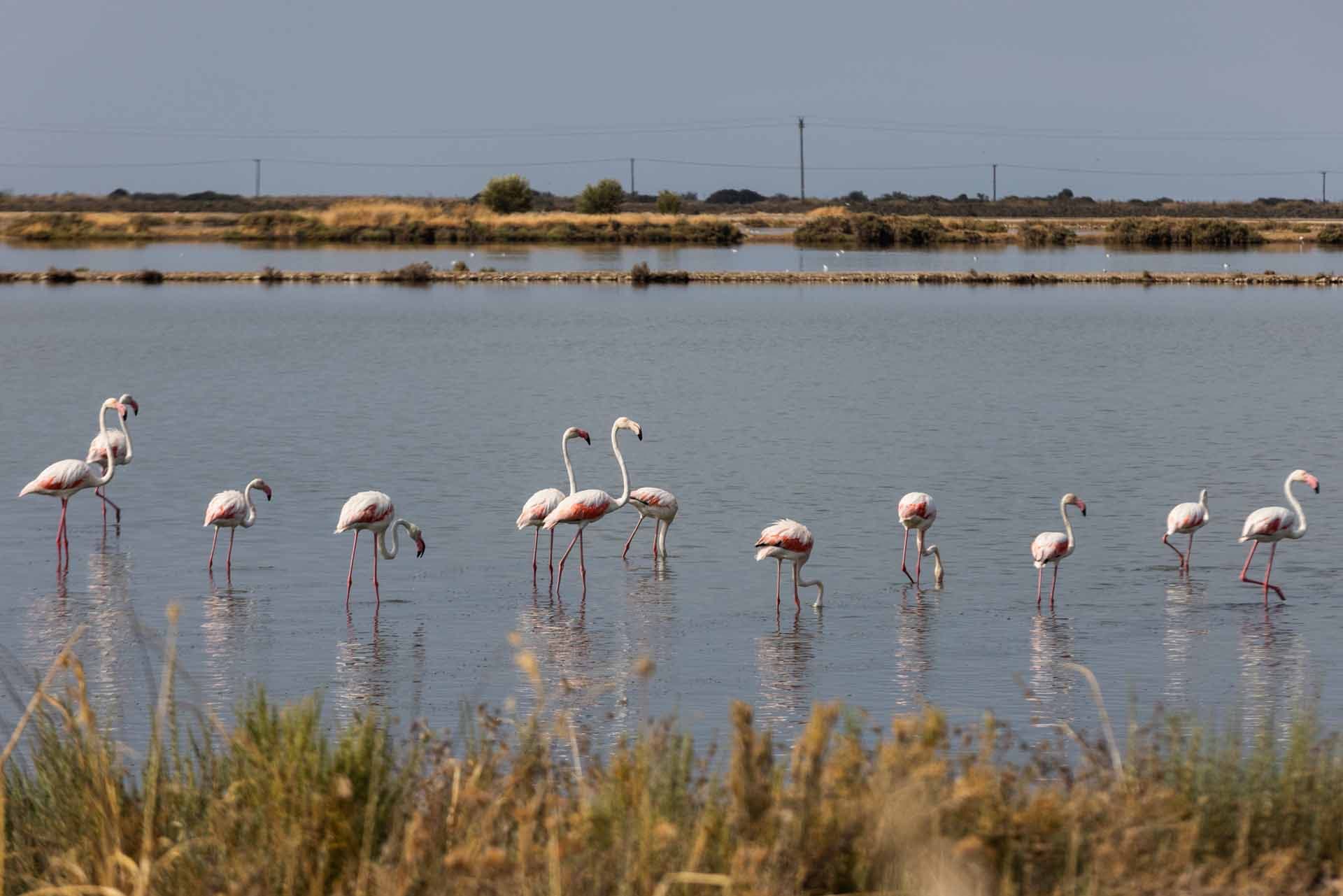
On remote Antikythera stands one of the most important bird observatories in the Eastern Mediterranean. The island lies on one of the main migratory corridors linking Africa with Europe and serves as a natural refuelling stop for thousands of migratory birds every spring and autumn.
To date, around 250 bird species have been recorded on Antikythera, making the island a valuable biodiversity hub. The Observatory is a key site for research and monitoring of migration, ecology and bird behaviour, with systematic records and scientific documentation.
Of particular importance is the presence of the Eleonora’s falcon (Falco eleonorae), a rare and protected species of falcon that nests mainly on Mediterranean islands. Antikythera supports one of the largest colonies in the world, making it a critical geographical location for the conservation of the species. Its steep cliffs, the absence of intense human activity and the abundance of migratory birds create ideal breeding conditions.
The Antikythera Bird Observatory operates with the support of the Hellenic Ornithological Society and collaborates with Greek and international research institutions. At the same time, it serves as a centre for environmental education, hosting students, scientists and educational programmes aimed at understanding and protecting migratory species.
Getting to know the Observatory’s work offers a rare opportunity to understand the importance of small islands within vast ecosystems. If you are interested in taking part actively, you can join one of the programmes run through the Hellenic Ornithological Society.
In Antikythera, nature reminds us that the protection of biodiversity is not a local matter, but a global responsibility.
To date, around 250 bird species have been recorded on Antikythera, making the island a valuable biodiversity hub. The Observatory is a key site for research and monitoring of migration, ecology and bird behaviour, with systematic records and scientific documentation.
Of particular importance is the presence of the Eleonora’s falcon (Falco eleonorae), a rare and protected species of falcon that nests mainly on Mediterranean islands. Antikythera supports one of the largest colonies in the world, making it a critical geographical location for the conservation of the species. Its steep cliffs, the absence of intense human activity and the abundance of migratory birds create ideal breeding conditions.
The Antikythera Bird Observatory operates with the support of the Hellenic Ornithological Society and collaborates with Greek and international research institutions. At the same time, it serves as a centre for environmental education, hosting students, scientists and educational programmes aimed at understanding and protecting migratory species.
Getting to know the Observatory’s work offers a rare opportunity to understand the importance of small islands within vast ecosystems. If you are interested in taking part actively, you can join one of the programmes run through the Hellenic Ornithological Society.
In Antikythera, nature reminds us that the protection of biodiversity is not a local matter, but a global responsibility.