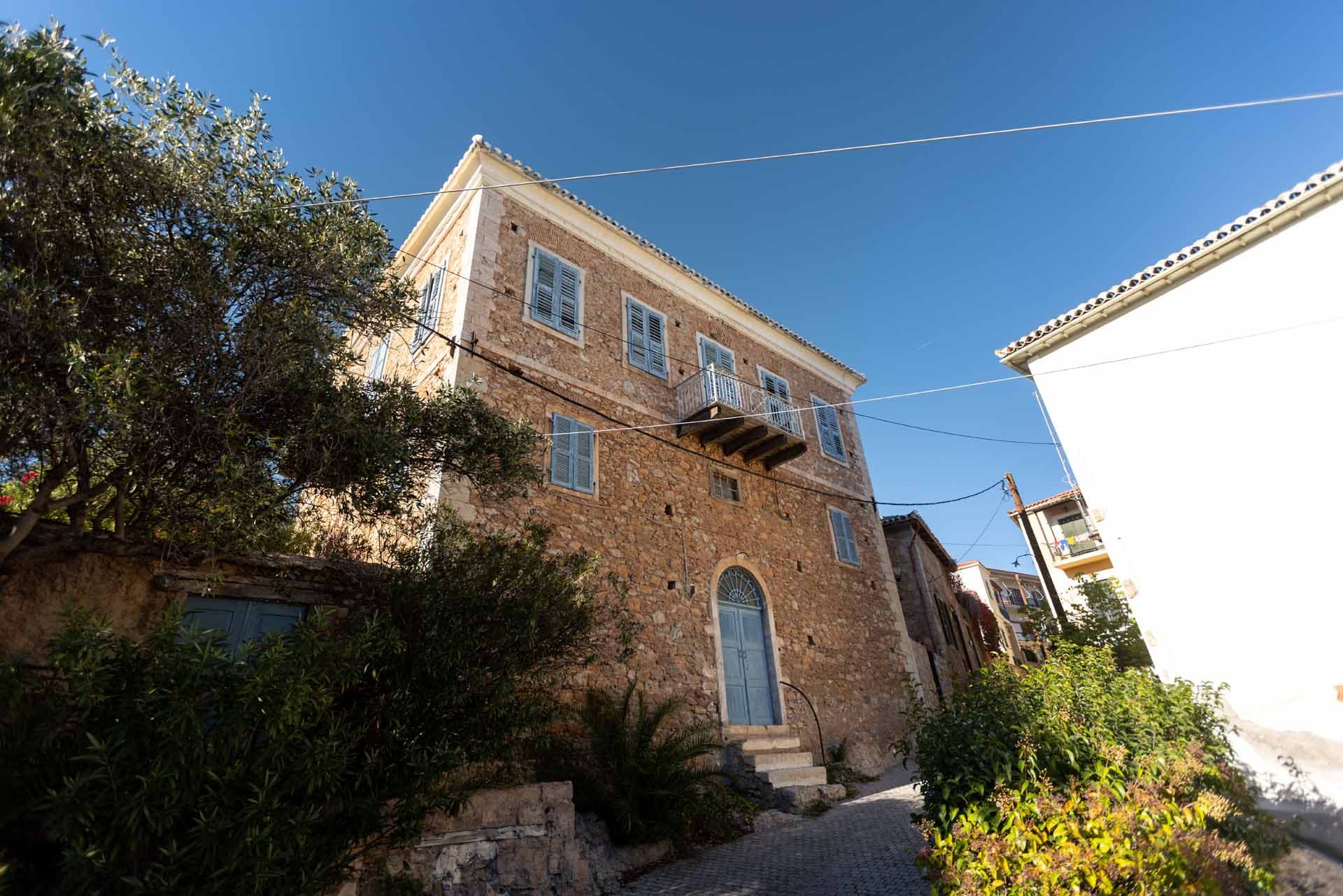
Traditional buildings and historic works on an island of many influences
Kythera stands out for the diversity of its architecture, reflecting the succession of different powers that ruled the island. Venetians and British rulers left a strong mark, creating a mosaic of monuments that coexist harmoniously with the natural landscape.
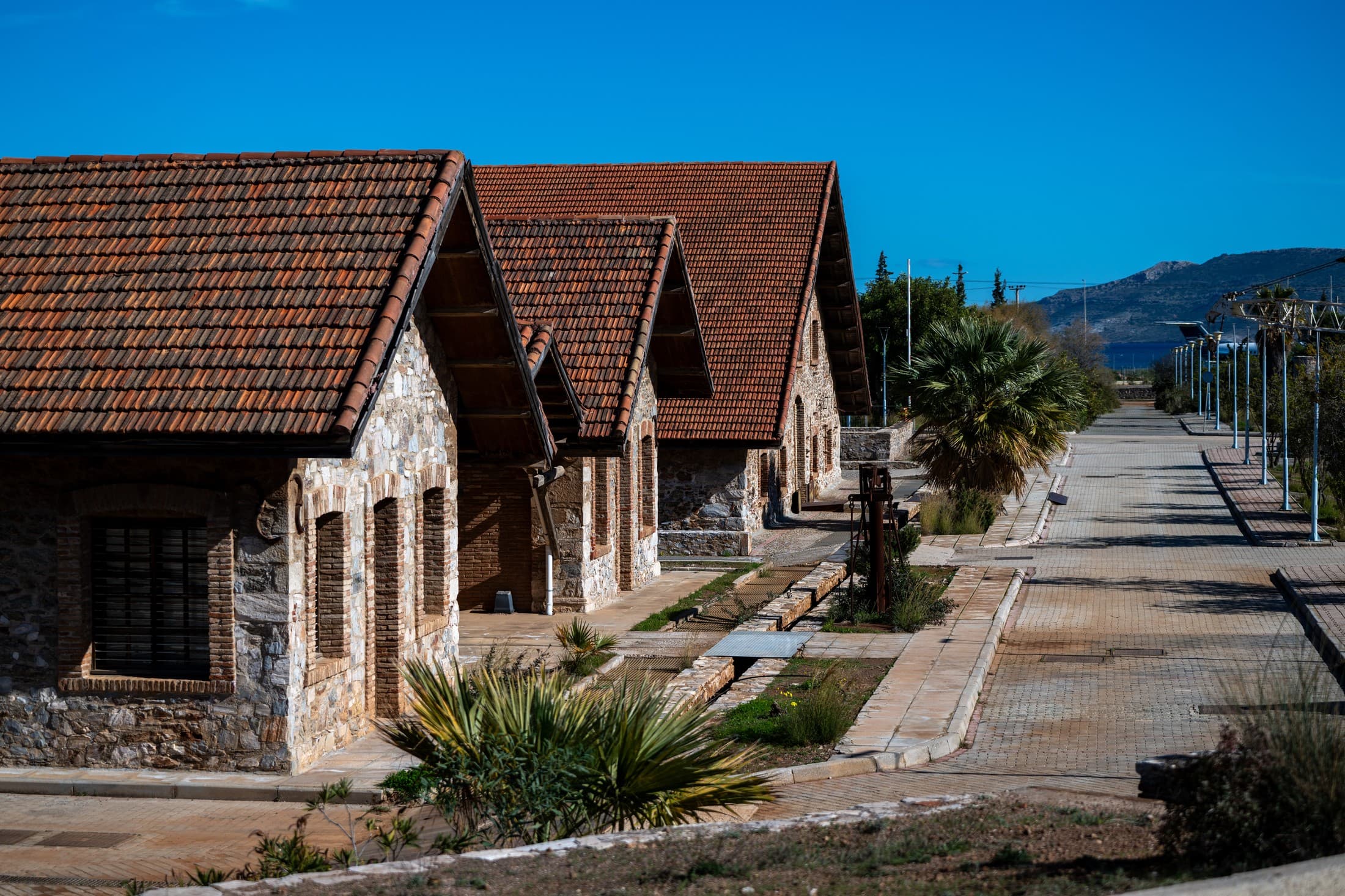
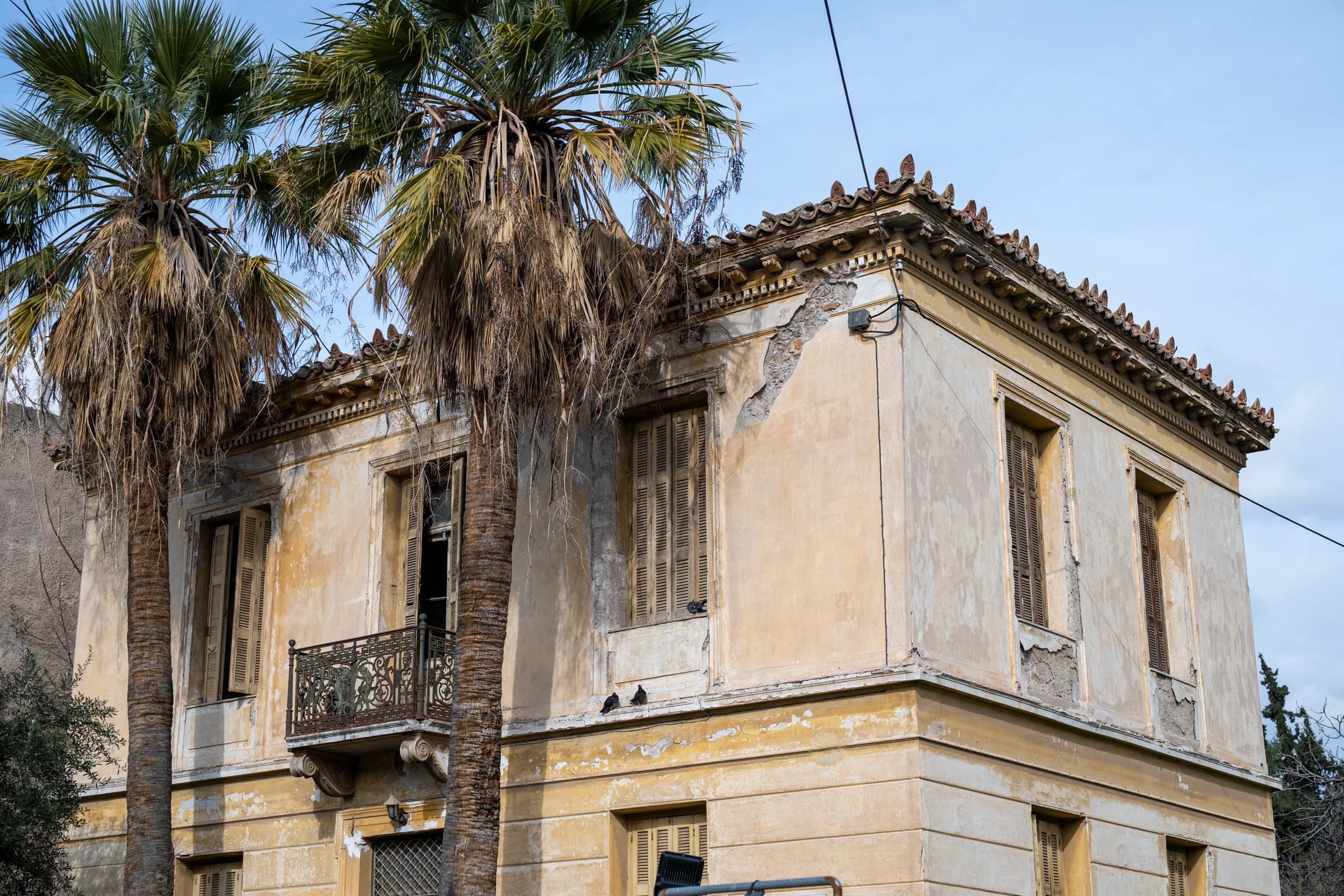
The island’s architecture is a distinctive blend of austerity and pluralism, combining influences from the Aegean, Venice and Mani. You will see two-storey buildings in the Maniot style with tiled roofs in the north and flat roofs for collecting water in the south. In traditional settlements such as Chora, Aroniadika and Mylopotamos, you will notice characteristic features including arches, porous limestone, coats of arms and imposing bell towers.
Particularly interesting are the windmills and watermills, the Market (Mercato) in Chora, as well as the Quarantine Station (Lazaretto), which recalls the public health practices of earlier times.
The Mesa Vourgo (Borgo Serato), the Signal Telegraph and the Aqueduct reveal the island’s organisation and defensive planning, while the imposing Karavas Lighthouse continues to guide ships.
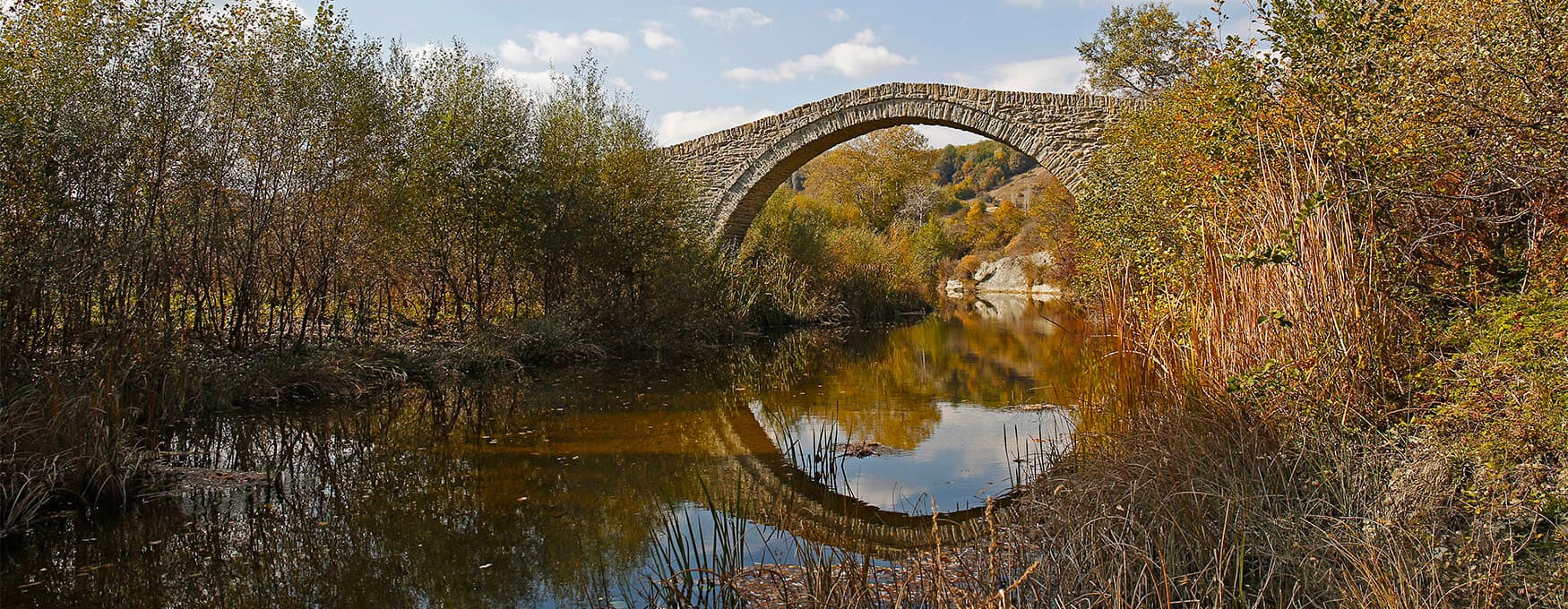
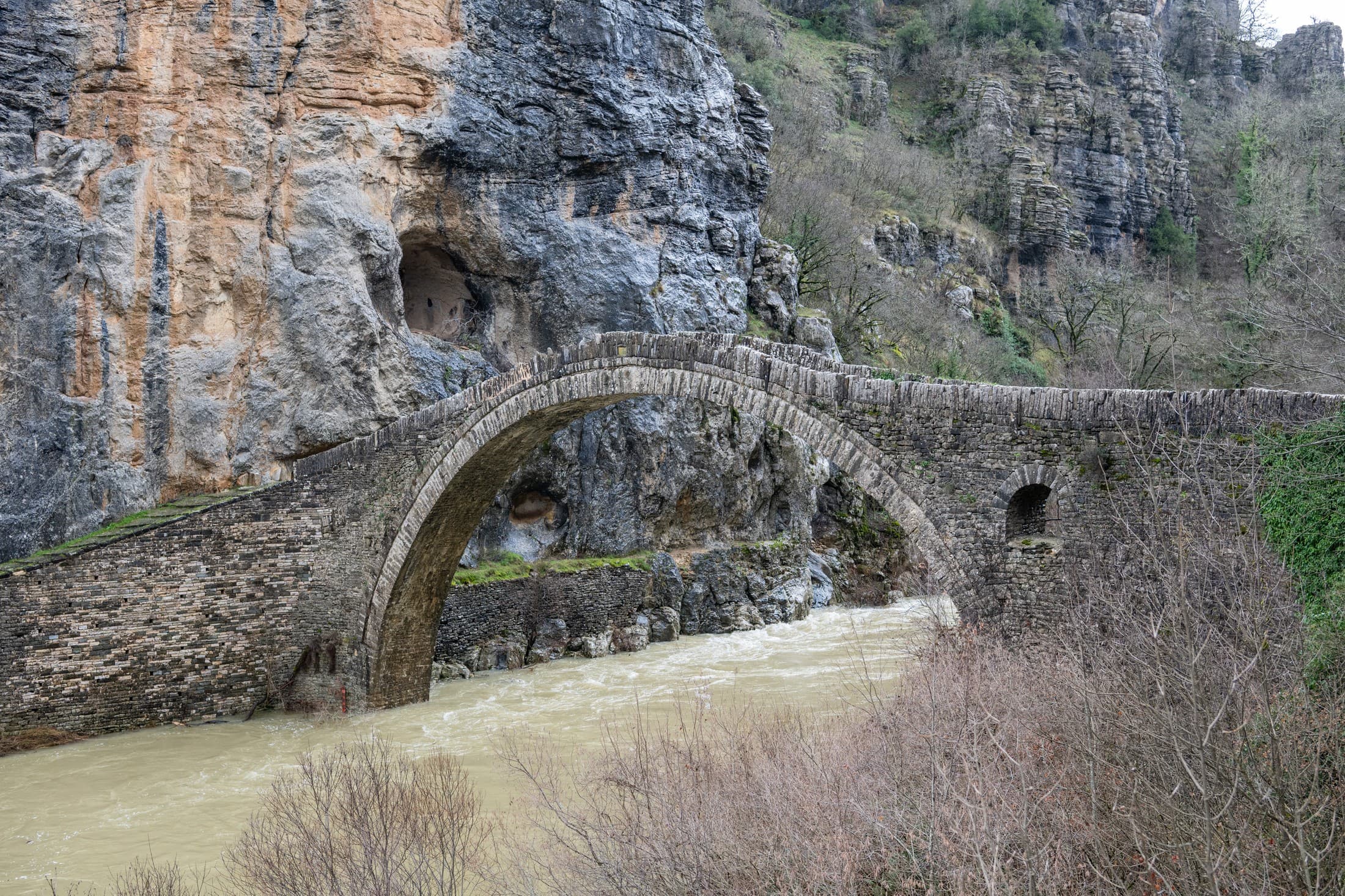
The British bridges at Katouni and Potamos are characteristic examples of 19th-century public works. The stone bridge at Katouni was the largest engineering work of the British Protectorate on the island and rests on 13 symmetrical arches and 12 openings. Built in 1826, it is linked to a local legend according to which the British governor Macphail had it constructed there to remain close to his beloved, a beautiful young woman from Lefkada.
The British schools in settlements such as Mylopotamos, Potamos and Milapidea testify to the importance attached to education during the British period. The school at Milapidea, built in 1825, stands out for its vaulted roof and eleven imposing Gothic windows.
Finally, explore the northernmost tip of Kythera and, at Cape Spathi, see the impressive Moudari Lighthouse, built by the British in 1857 and rising to a height of 25 m.
The island’s architecture is a distinctive blend of austerity and pluralism, combining influences from the Aegean, Venice and Mani. You will see two-storey buildings in the Maniot style with tiled roofs in the north and flat roofs for collecting water in the south. In traditional settlements such as Chora, Aroniadika and Mylopotamos, you will notice characteristic features including arches, porous limestone, coats of arms and imposing bell towers.
Particularly interesting are the windmills and watermills, the Market (Mercato) in Chora, as well as the Quarantine Station (Lazaretto), which recalls the public health practices of earlier times.
The Mesa Vourgo (Borgo Serato), the Signal Telegraph and the Aqueduct reveal the island’s organisation and defensive planning, while the imposing Karavas Lighthouse continues to guide ships.
The British bridges at Katouni and Potamos are characteristic examples of 19th-century public works. The stone bridge at Katouni was the largest engineering work of the British Protectorate on the island and rests on 13 symmetrical arches and 12 openings. Built in 1826, it is linked to a local legend according to which the British governor Macphail had it constructed there to remain close to his beloved, a beautiful young woman from Lefkada.
The British schools in settlements such as Mylopotamos, Potamos and Milapidea testify to the importance attached to education during the British period. The school at Milapidea, built in 1825, stands out for its vaulted roof and eleven imposing Gothic windows.
Finally, explore the northernmost tip of Kythera and, at Cape Spathi, see the impressive Moudari Lighthouse, built by the British in 1857 and rising to a height of 25 m.