The Mythical Abode of the Gods
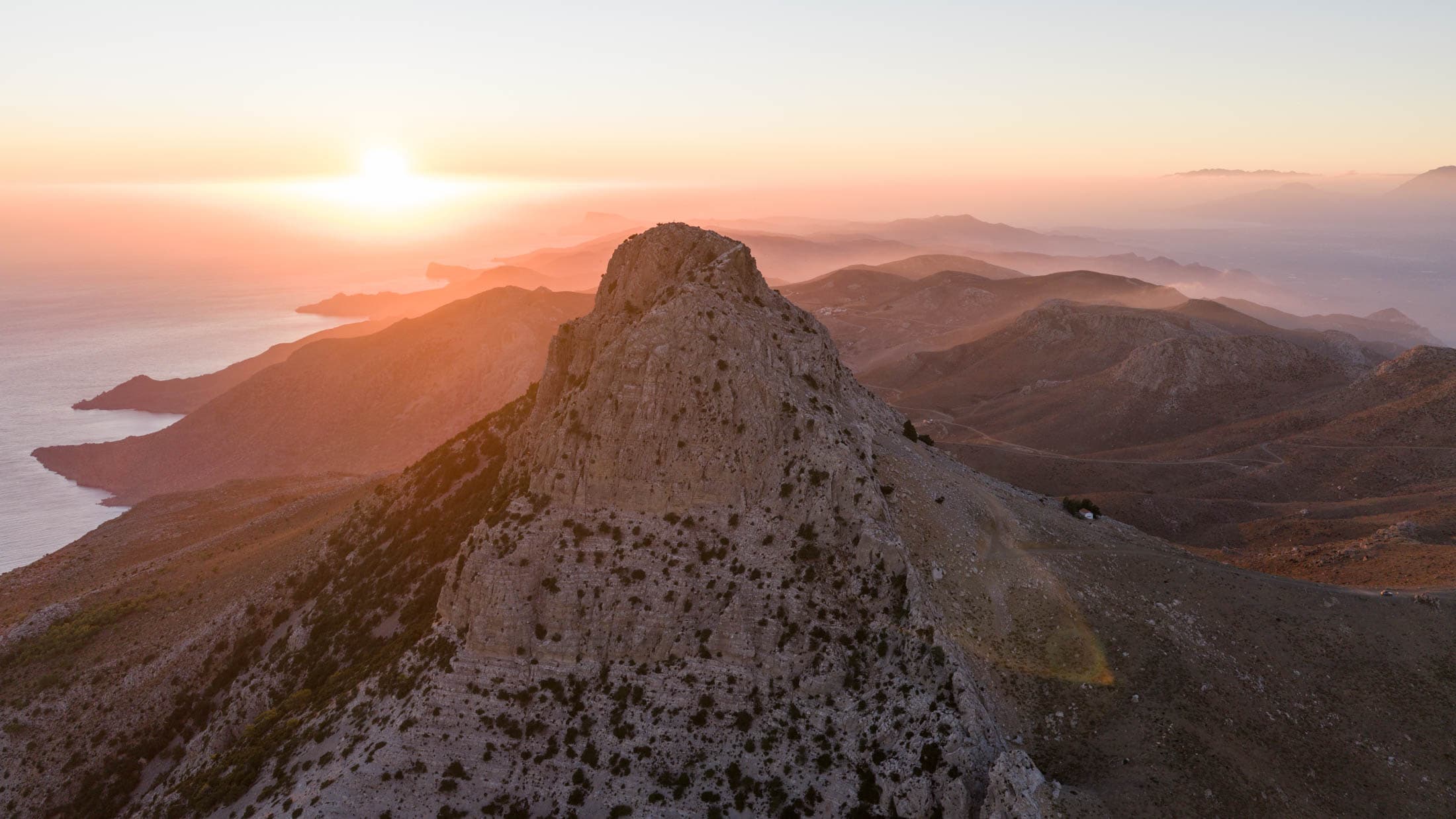
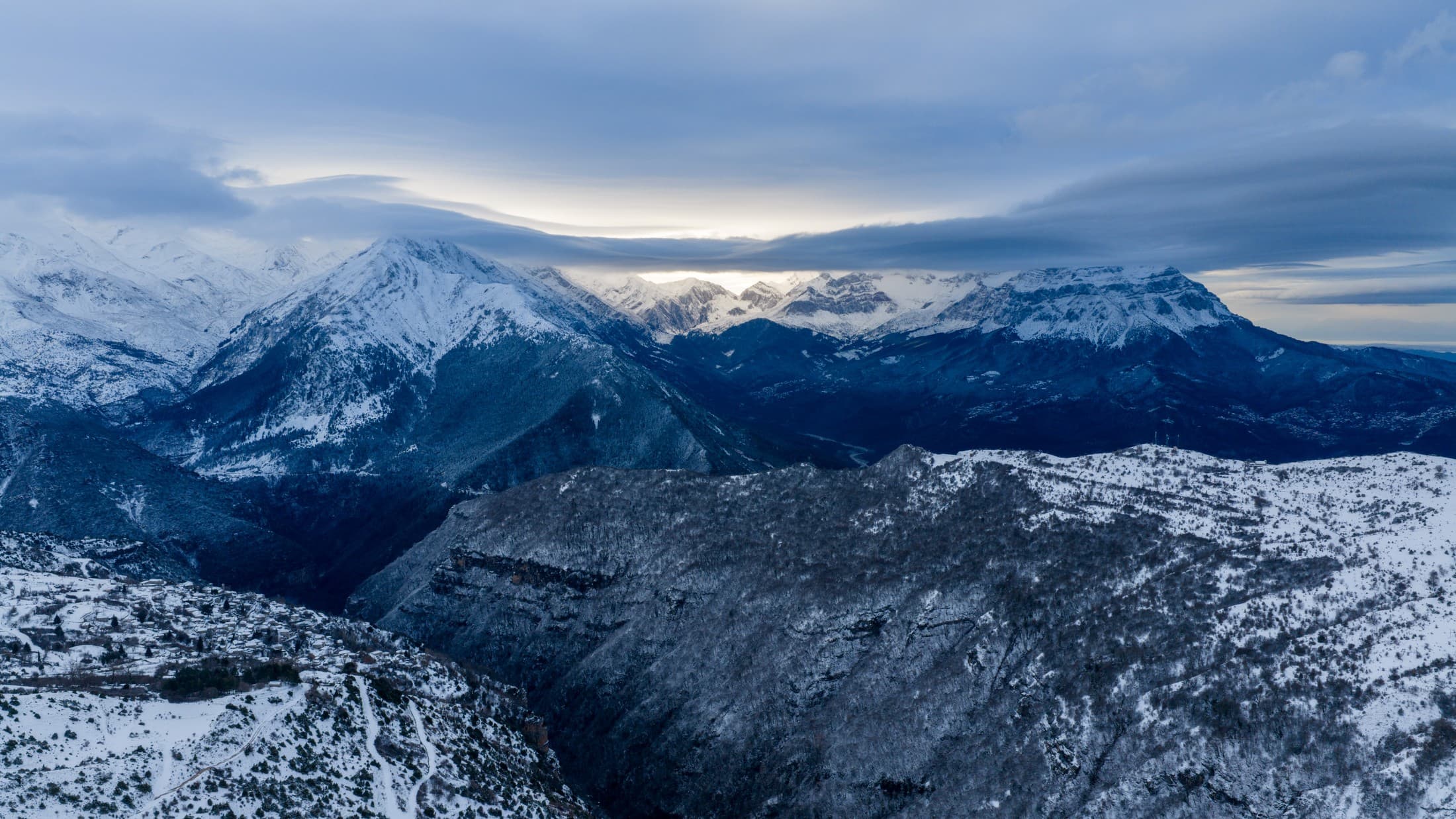
Mount Olympus is the sacred mountain and a landmark of Greek mythology, a universal symbol, and a global cultural monument. Thousands of mountaineers from around the world seek its secrets in the mist-shrouded peaks of Mytikas (2,917 m) and Stefani, the throne of Zeus (2,909 m). There, amidst impenetrable clouds, the ancient Greeks placed the palaces of the twelve gods.
Nature and Climate
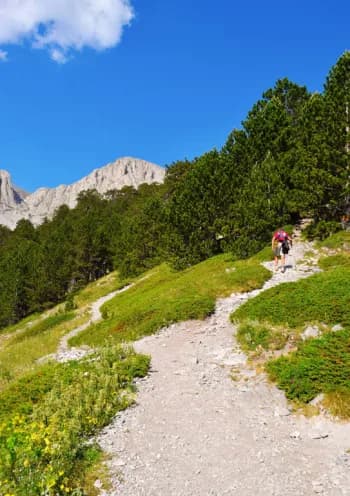
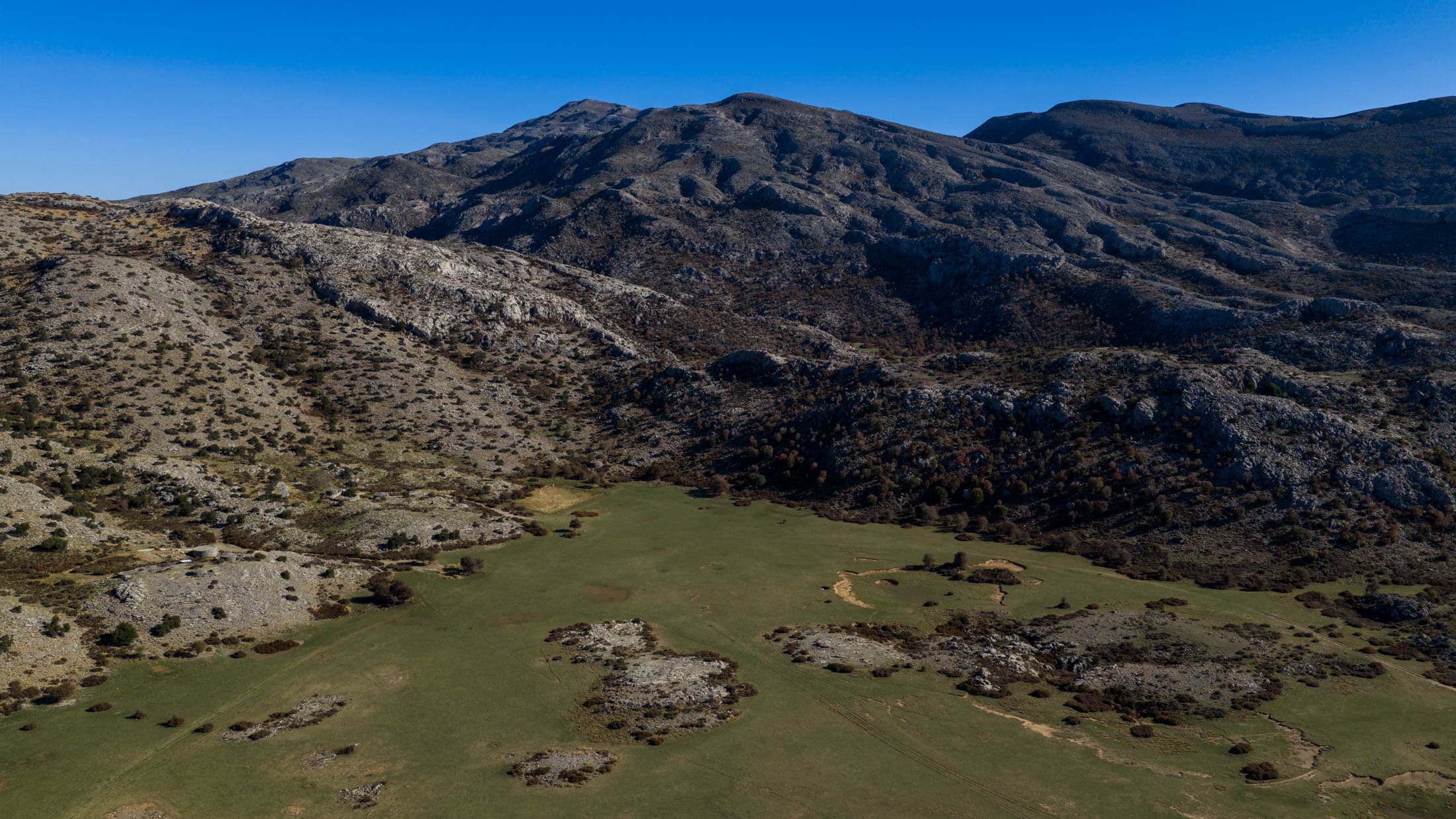
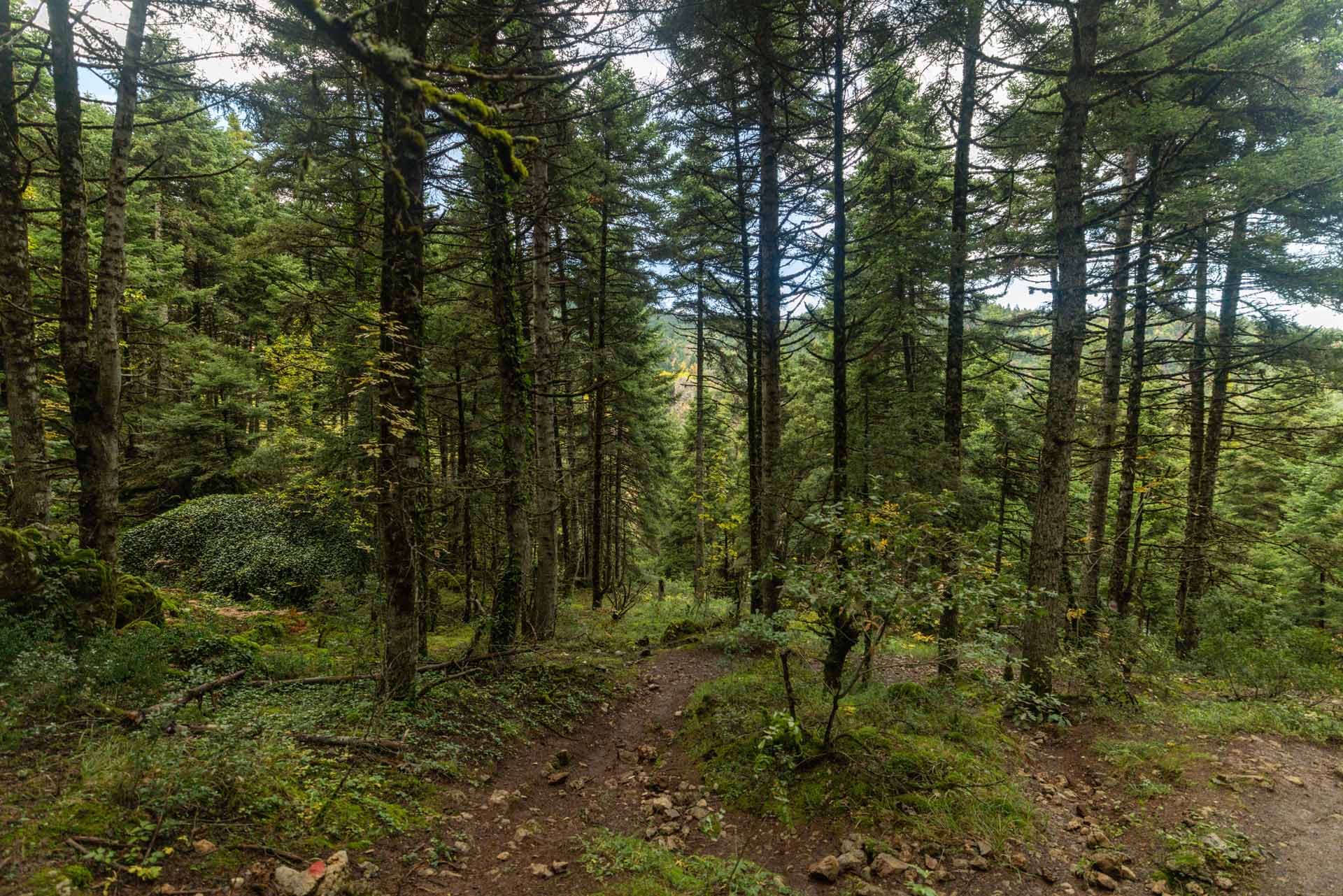
The mountain boasts mixed forests of pine, fir, Bosnian pine (robola), and beech, offering sanctuary to rare flora and birds of prey. The king of the mountain is the wild goat, encountered on the rugged slopes of the alpine zone. Due to its location, Mount Olympus enjoys a unique microclimate with sudden storms, fog, and strong winds. The most accessible period for climbing is from June to October, as in winter the mountain requires specialist experience and equipment.
Journeys and Refuges
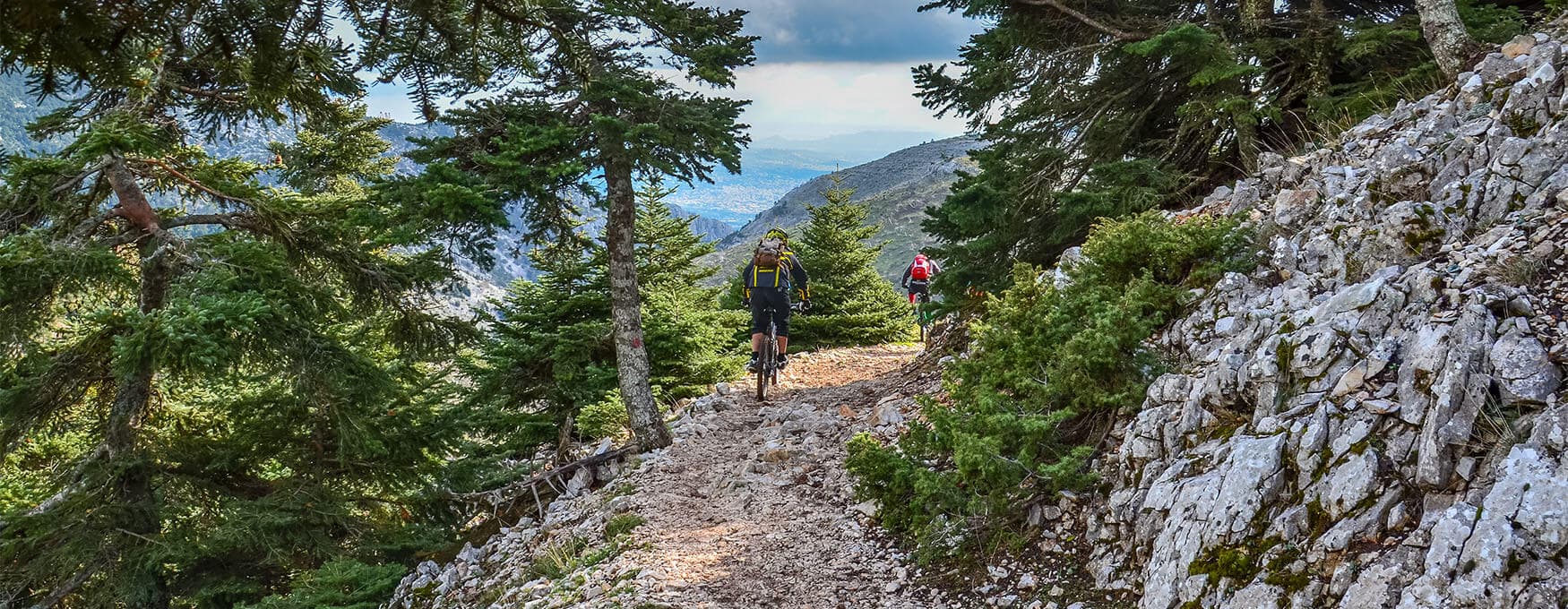
The options for mountaineering are plentiful, depending on visitors’ fitness levels. Suggested routes include:
At the Foot of Mount Olympus: Sacred Dion and Pieria
Your exploration is completed with a visit to Dion, the sacred city of the Macedonians, where the Olympian gods were honoured. The archaeological site reveals a fortified city, temples, theatres, and the impressive public bath (thermae) complex dating back to AD 200, where the statues of Asclepius and his family were found.
Also worth visiting:
Nature and Climate
The mountain boasts mixed forests of pine, fir, Bosnian pine (robola), and beech, offering sanctuary to rare flora and birds of prey. The king of the mountain is the wild goat, encountered on the rugged slopes of the alpine zone. Due to its location, Mount Olympus enjoys a unique microclimate with sudden storms, fog, and strong winds. The most accessible period for climbing is from June to October, as in winter the mountain requires specialist experience and equipment.
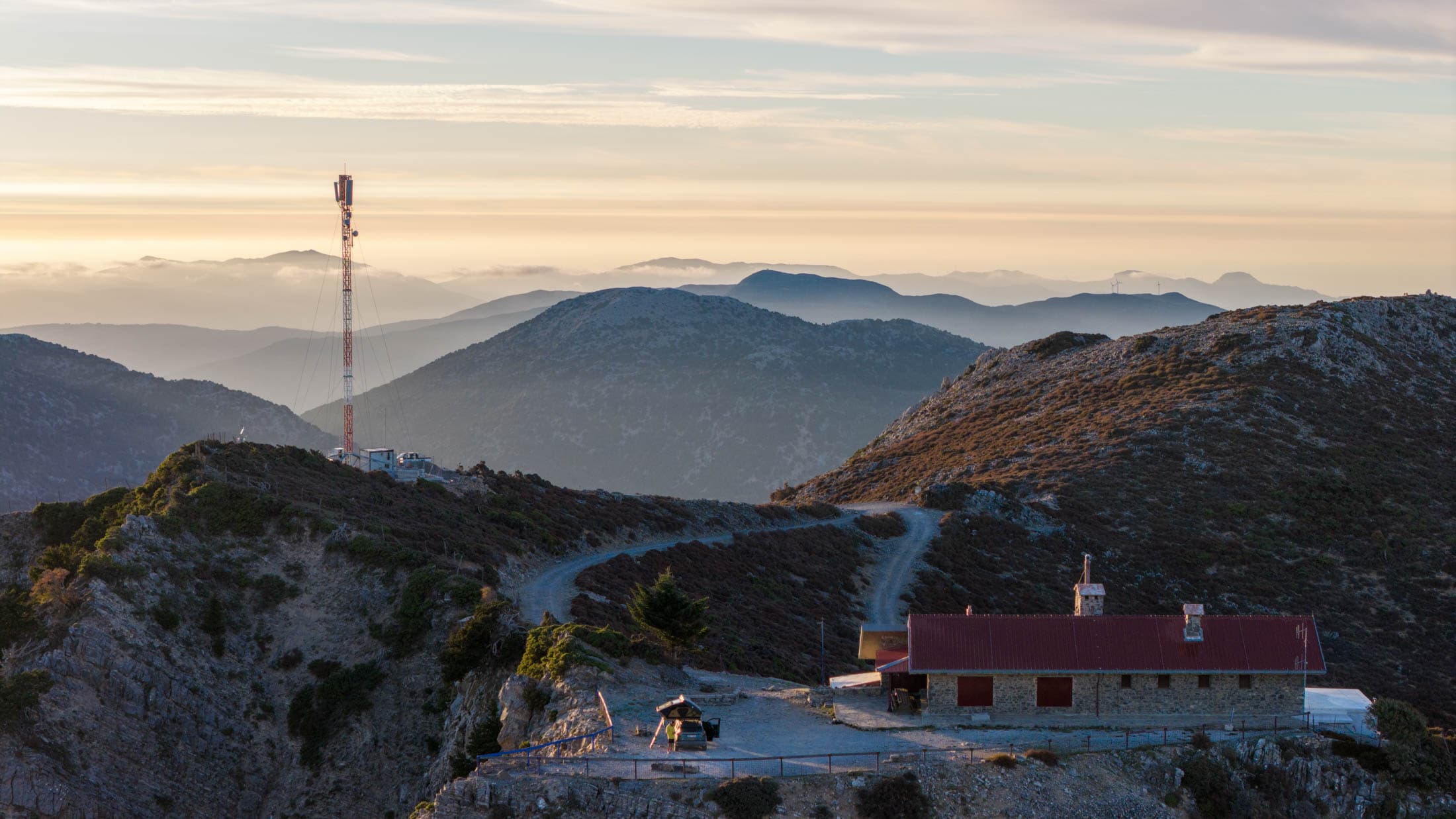
Journeys and Refuges
The options for mountaineering are plentiful, depending on visitors’ fitness levels. Suggested routes include:
- Litochoro – Golna – Kastana Spring – Litochoro
- Krevatia Vrontou – Papa Aloni – Agia Triada
- Gortsia – Petrostrouga – Plateau of the Muses
- Plateau of the Muses – Koryfes (Peaks)
- Xerolakki – Naoum Stream – Plateau of the Muses
At the Foot of Mount Olympus: Sacred Dion and Pieria
Your exploration is completed with a visit to Dion, the sacred city of the Macedonians, where the Olympian gods were honoured. The archaeological site reveals a fortified city, temples, theatres, and the impressive public bath (thermae) complex dating back to AD 200, where the statues of Asclepius and his family were found.
Also worth visiting:
- The Archaeological Museum of Dion.
- The 11th-century Church of Panagia Kontariotissa, the oldest Byzantine monument in the prefecture.
- The sacred spring of Agia Kori in Vrontou, with its emerald pools and small waterfalls.
- Explore Palia Vrontou, with its hermitages and the church of Agios Nikolaos.
- Orlias Gorge, where the ancient Helicon River flows.