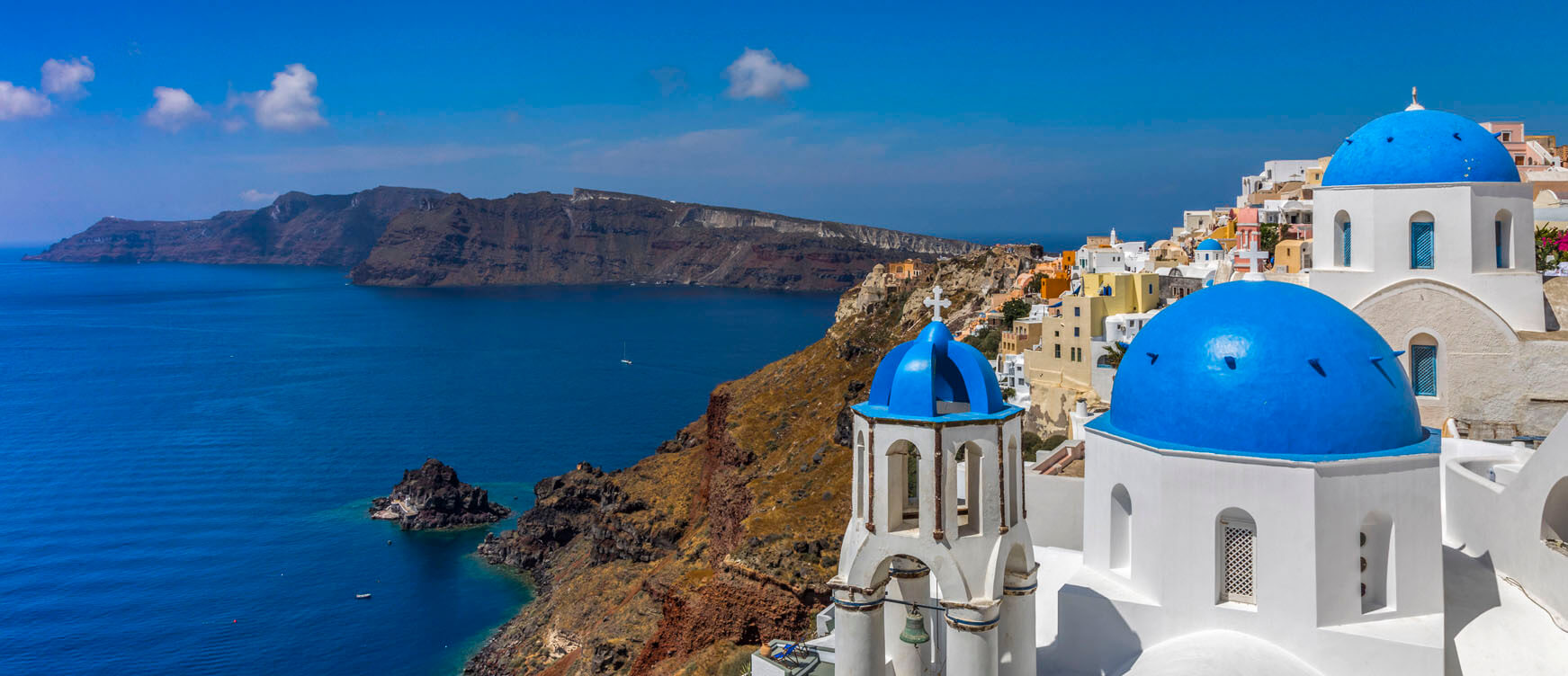
Santorini: Sunset overlooking the caldera
Stand in awe before one of the most breathtaking volcanic landscapes in the world. The caldera of Santorini, the huge underwater crater formed by the eruption of its volcano at the end of the 17th century BC, when three quarters of the island sank beneath the sea, offers a spellbinding travel experience, worth living at least once in your life. Board one of the boats departing from the bay of Fira, the port of Athinios, Ammoudi (Oia) or Vlychada and enjoy a mesmerizing cruise to the impressive caldera and its small volcanic islets.
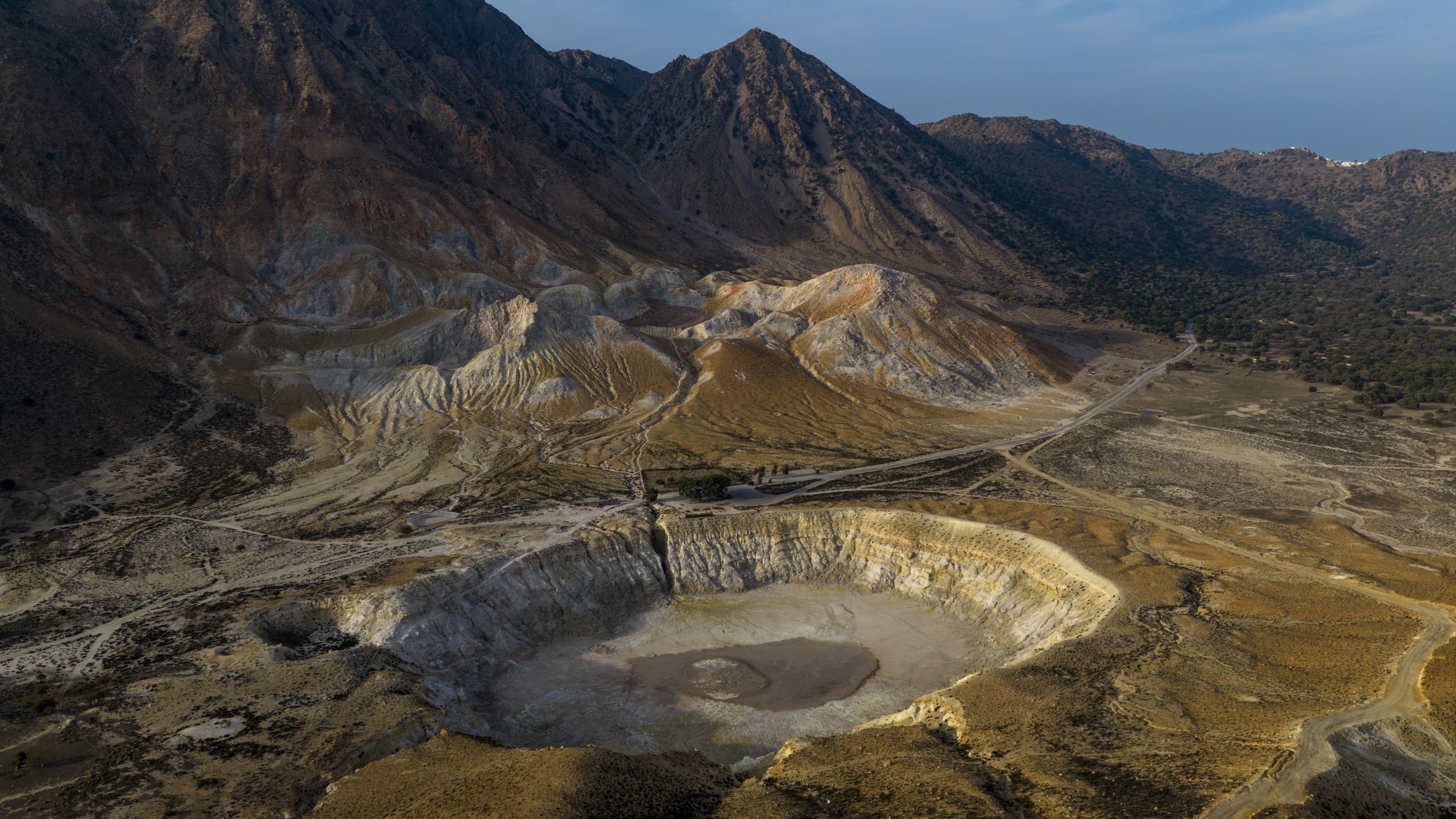
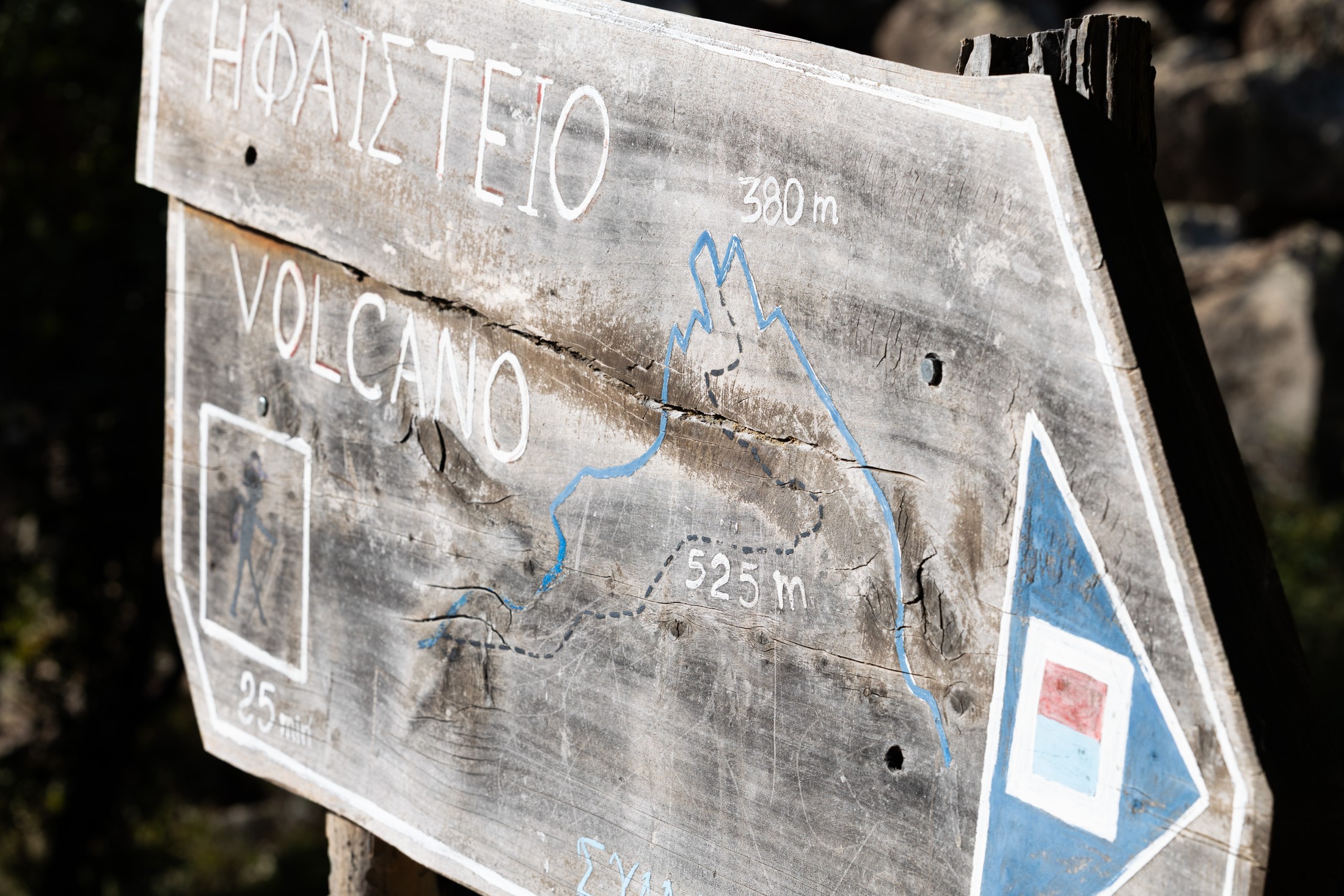
Wear comfortable closed shoes and cross the lunar landscape of Nea Kameni reaching crater Georgios, where you will see hot gases emitted from its active fumaroles (openings in the ground that release hot volcanic gases). Then, enjoy a dip in Palaia Kameni, in the thermal waters of the hot springs where sulfur rises! Conclude your day on Thirasia Island, just opposite Oia, with the whitewashed Cycladic houses and the incredible views of the caldera. After strolling through Manolas (Chora), swim in the black beach of Agia Irini (Riva) and then explore Potamos, the traditional settlement of the island with the beautiful cave houses.
In Akrotiri you will travel back in time. This prehistoric city, which was one of the most important urban centres and ports of the archipelago in the Bronze Age, was buried beneath volcano ash during the eruption of the volcano in the last quarter of the 17th century BC. The volcanic ash covered the streets, the houses, the exquisite frescoes, the objects, preserving everything intact. At the archaeological site, there is a bioclimatic shelter, which ensures pleasant visiting conditions even during the height of summer.
An "extension" of the archaeological site is the Museum of Prehistoric Thera in Fira one of the most important museums in the country. A variety of exhibits in excellent condition, from the famous frescoes of Akrotiri to household items, Linear A signs, tools, etc., reveal the everyday life of the people of the time. Through its modern museological narrative, you will feel as if you are wandering around the prehistoric settlement just before its final abandonment due to the eruption of the volcano.
The volcanic activity is also evident on the colourful and mysterious beaches of the island. Near the archaeological site of Akrotiri, seek out Kokkini Paralia (Red Beach), where the red of the rocks meets the blue of the Aegean in an impressive palette of colours. On Mavri Paralia (Black Beach), one of the most photographed in the Aegean, you will enjoy the sun lying on the exotic jet-black sand, swim in crystal clear waters and raise your adrenaline by doing water sports in the most evocative landscape. Perissa, Perivolos and Agios Georgios form a continuous five-kilometer stretch of coastline, inviting you to find your perfect spot.
The architecture of the settlements of Santorini was adapted to the volcanic origin and morphology of the soil. Sometimes they unfold linearly, on the rim of the caldera, such as Oia, Fira and Imerovigli, sometimes they develop around a fortified core, such as Pyrgos and Emporio. Elsewhere they develop underground, such as Vothonas, Foinikia and Karterado, with houses carved into the volcanic Theran land.
Each village has its own unique story to tell, yet all routes ultimately lead to Oia and its mythical sunset. Be sure to be there at sunset, when nature paints the horizon with the most intoxicating colours and the sun dives into the sea, behind the volcanic islets of Palea and Nea Kameni. Experience the breathtaking spectacle that unfolds before your eyes: this is the most beautiful sunset in the world.