Visit Greece

Visit Greece

Visit Greece

Delectable Greek Spirits

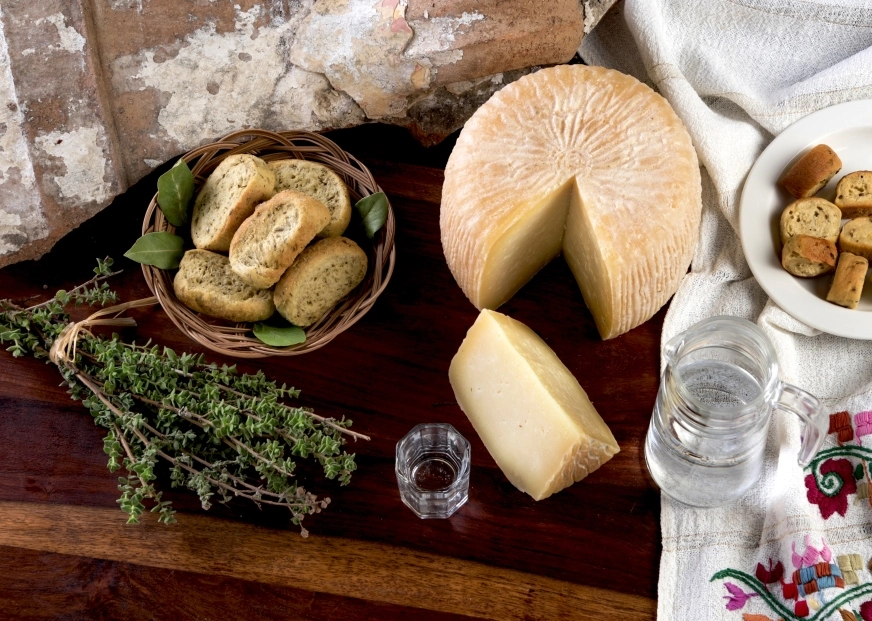
Cheers to Flavours that Linger The production of traditional spirits and liqueurs in Greece is based on age-old practices, which involve the use of parts of aromatic plants, such as their flowers, leaves, stalks, seeds or roots. Many of these products are PGI tagged (Protected Geographical Indication), because of their unique character or origin.  The most famous of all is, of course, ouzo. The basic ingredient for this fragrant spirit is anise (and/or star anise), followed by smaller quantities of Mastic (a tree resin produced on Chios Island), fennel, coriander, cardamom, nutmeg, angelica root, etc. Greece’s so called ‘national drink’ is produced across the country, but the region that is best known for its ouzo making is Lesvos Island (North Aegean Sea), and the ouzo spirits produced in Mytilini and Plomari towns bear PGI labels. You will best enjoy it with one or two ice cubes or some chilled water, which will cloud your drink and make it all the more enjoyable. It’s the best way to accompany seafood titbits, as an aperitif.  Tsipouro and tsikoudia are two hard liquors, very similar to each other. Tsipouro recipes may include anise or not; this will change how your drink looks, as the added aniseed will give it a lovely milky hue, whereas the one without it will remain transparent. The regions of Thessaly & Macedonia are traditional producers of this double distilled liquor (three varieties are PGI tagged), made with grape pomace and must. In Volos, Thessaly, eating out in a tsipouradiko (a restaurant serving tsipouro to accompany mostly seafood & vegetable dishes) is a must for locals and visitors alike! Tsikoudia is produced on Crete and it is the regular treat for any occasion, enjoyed as a digestif after a hearty meal, as a drink any time of the day among friends and family. It is even used as a medicine! Among the best known and most fragrant Greek sweet spirits is Mastic Liqueur, produced on Chios Island (North Aegean Sea). The resin (mastiha) of the local mastic tree (a PDO product) is mixed with alcohol, sometimes with the addition of mastic oil during the distillation process that takes place in large traditional copper stills. The only other allowed ingredient is sugar.  For those of you with a preference for the woody flavour of cinnamon and clove, there is a Greek liqueur that will delight your palate. It’s called tentoura and it’s a PGI product of Patras, Peloponnese. This strong liquor also contains sugar or honey, and may contain flavourful PDO local wines, such as Mavrodaphne, and spices. Enjoy it as an aperitif with ice or as a digestif after a good meal. For the citrus lovers among you, Corfu Island (Ionian Sea) is the place where the fragrant gold-coloured kumquat citrus fruit variety is grown. The local flavourful like-named liqueur is a PGI product made with the extracts from the flowers, fruit, stalks, and leaves of the kumquat plant and added sweetenings. If you visit Corfu, make sure you try this traditional drink, that is produced only on this island.
10/03/2023
Delectable Greek Spirits
Visit Greece

Eleusis European Capital of Culture 2023

The biggest cultural event in Europe begins in the historic city of Elefsina! 130 artworks | 465 cultural events | 30 venues | 17 different type of art | 192 Greek & 137 International Artists from 30 countries in 1 city The European Capital of Culture returns in 2023 to its native land. With culture and art, the city of Elefsina and Greece in general, emerges as a source of social development, innovation and collectivity. The 2023 Eleusis Cultural Capital of Europe presents a rich and innovative artistic, research and educational program titled MYSTERIES OF TRANSITION, which develops in three central thematic axes: People/Society, Labour and Environment. a sustainable legacy beyond the boundaries of the title year. Much like every city chosen to be a new Capital of Culture, Elefsina seems to constitute a field of research, a Model for studying contemporary European issues concerning society, people and relationships, Labour, the Environment, and sustainable Development, as these all appear to connect, collide, or cross within a modern-day city. The Opening Ceremony constitutes the official and emblematic launch of the artistic program of the 2023 Eleusis European Capital of Culture. A celebration open to all, which will take place on Saturday, February 4, 2023, at 19:00, on the city’s seafront with a central event, “Mystery_0 Mysteries of Transition”, in the conception of the General Artistic Director, Michail Marmarinos and directed by distinguished British director, Chris Baldwin. The MYSTERIES OF TRANSITION programme draws inspiration from Elefsina, its history, as well as the contemporary challenges that govern it, presenting throughout 2023, a total of 465 productions in 30 different venues in the city, hosting more than 300 distinguished artists from Europe, America and Asia. Among others, the 2023 Eleusis program includes: Romeo Castellucci, Sasha Waltz, Jochen Sandig, Heiner Goebbels, Katerina Gregou & the National Museum of Contemporary Art, Theodoros Kourentzis, TimeCircus, Evripidis Laskaridis, Eleni Karaindrou, Haruka Hirayama, Yannis Houvardas, Juan Sandoval, Patricia Apergi, Nikos Navridis, Vana Xenou, Roxane Revon, Lina Bertucci, Menelaos Karamaggiolis, Maria Papadimitriou, Eva Stefani, Nikita Milivojević, Thodoris Economou, Eleftheria Deco, Thierry De Mey & Percussions de Strasbourg, Syllas Tzoumerkas, Lena Kitsopoulou, Marina Satti, Philippos Koutsaftis, Evi Kalogiropoulou, Navine G. Dossos, Athens State Orchestra, Marina Fokidi, Dresden Symphony Orchestra, Yolanda Markopoulou, Christodoulos Panagiotou, Novoflot, Humanhood, Argyro Chioti, Dome Wood & Sam Steverlynck, Angela Bruscou, Steven Berkoff, Intercultural Alternative Stage Orchestra National Opera, Stereo Nova. Eleusis hosts world premiere artworks, highlights artists from the local community, plans educational and urban reconstruction programs, all the while transforming the city into a cultural hub with daily events and activities throughout 2023. The realisation of the program has taken place by collaborating with national institutions - such as the National Museum of Contemporary Art (EMST), the Benaki Museum, the Athens Epidaurus Festival and the Thessaloniki Film Festival – as well as with 137 international partners. An international networking strategy has been implemented which contributed decisively to the creation of a multifaceted program. Watch the highlights of the Opening Ceremony. For more info: 2023eleusis.eu

26/01/2023
Eleusis European Capital of Culture 2023
Visit Greece

Carnival Events in Greece

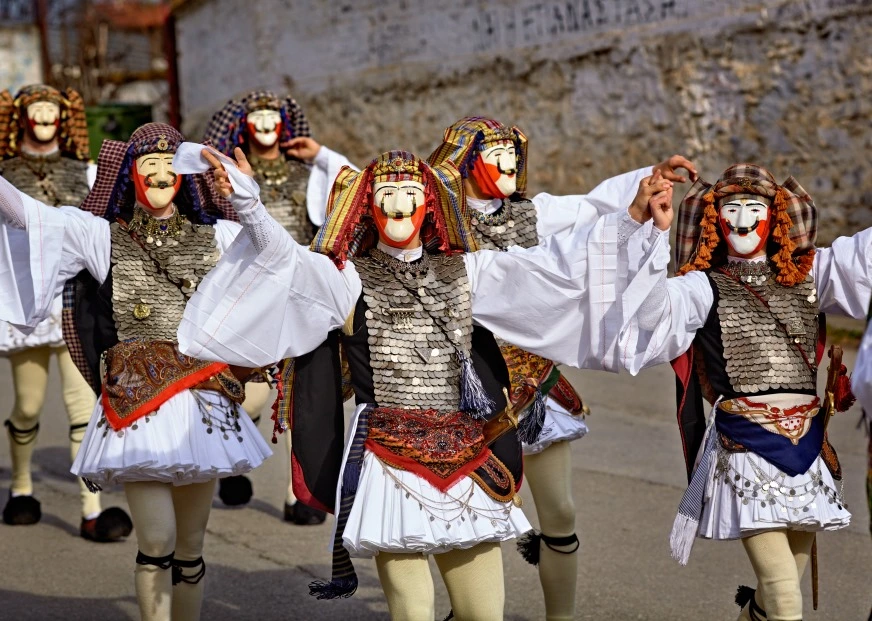
Festival Traditions & Merrymaking The Carnival festivities in Greece are a great opportunity for people to get together and enjoy themselves in the good old traditional way. The Patras Carnival is a very popular event in Patras town, N. Peloponnese, with visitors from Greece and abroad. The whole town follows the rhythm of the festivities, where locals & visitors enjoy watching the Opening & Closing Ceremony, the Treasure Hunt Game, the Night Parade, the Big Parade, the Carnival of Children, and more.  In Thrace region in the Greek north, Xanthi town hosts Xanthiotiko Carnival – Thracian Folk Art Festivities, with visitors from inside and outside the country. The events include folk art performances, dancing, visual art exhibitions, concerts by famous Greek artists, and local traditional dishes on offer to everyone. The Children’s Parade is made up of schoolchildren, and the Big Parade is the last one, taking place on the last Carnival Sunday, with masquerades, dancing in the streets and partying all day long.  Other Carnival customary practices & traditions of a more particular nature take place in other smaller towns. In Galaxidi, a coastal town in Central Greece, Alevromoutzouromata is a very old tradition and the last Carnival celebration to take place on Clean Monday, the first day of the Lent Period before Easter. Locals get in groups out in the streets, armed with bags of flour & soot, streamers and confetti, wearing bells around their waists! They dance on the streets as they head for the harbour area. Once they get there, the battle begins! The participants target each other with the contents of their bags, while dancing to folk tunes.  In Naousa, Macedonia, Genitsari and Boules is a centuries-old celebration that involves masquerading, full face masking, and patinades (instrumental folk tunes played on weddings). Groups of young unmarried men (genitsari) dress in traditional costumes, and escort Boula (a young man who is impersonating a woman, dressed in a bridal traditional costume), fully masked, across the streets. There’s dancing and teasing along the way, particularly in squares with players of traditional pipes & drums following them all day long. On the last Carnival Sunday, at dusk, the masks are removed and the identity of frolickers is revealed.  In Zante Island, an elegant Carnival event takes place. It’s the Venetian Wedding, a revival of a 16th century traditional ceremony, a theatrical performance given on the streets. Participants wear beautiful costumes that the then local gentry used to wear and the company is headed by the bride and groom who are announced by drum beaters and flag carriers, while Renaissance music is played. Locals and visitors cheer and clap their hands along the streets as the couple heads for San Marco Square, where the happy event will take place in the presence of the notary, and as per the 16th century customs & traditions. The wedding party follows with more music, dancing and traditional local dishes & confections for everyone.

24/01/2023
Carnival Events in Greece
Visit Greece

Athens under the Michelin Stars Spotlight

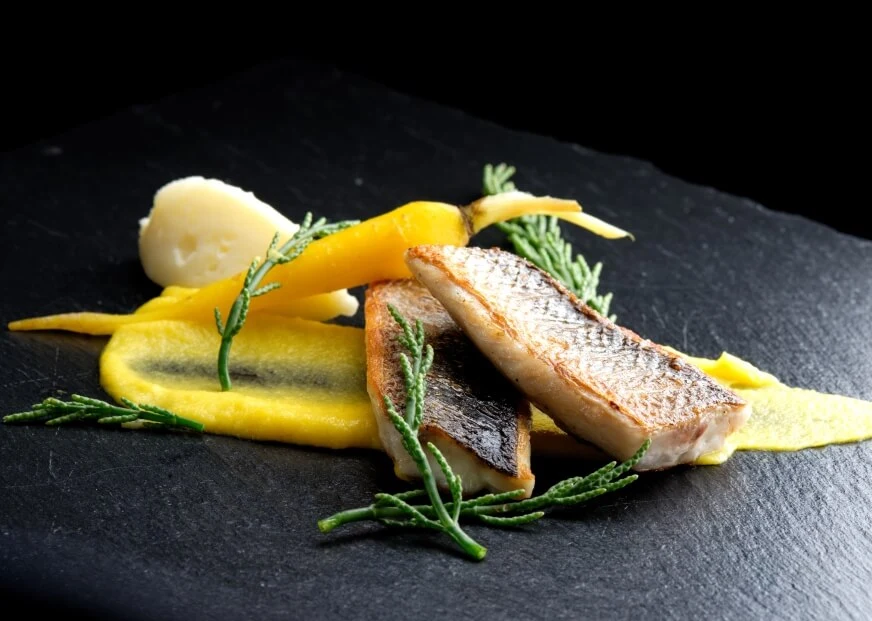
MICHELIN Guide Selection Athens and Athenian Riviera Sample Athens' delicious food revolution The first MICHELIN Guide on Athens and the Athenian Riviera will be published, reflecting on the diversity and openness of the local culinary tradition and fine dining. In the culinary world, a distinction by the Michelin Guide is most esteemed, as is by travellers who are looking for a one-of-a-kind haute cuisine experience. The Guide’s Point Of View selection of restaurants found in the Athenian culinary scene offer unique experiences for international gourmets. Either assessed with a Michelin Star rating, a Bib Gourmand designation or just being listed in the guide is an honour in itself. The Michelin guide started in 1900 yet its three-stars rating system began in 1931. This iconic red guide has had a certain amount of mystique among its followers these past 100 years. It is high time the readers were introduced to the exquisite Michelin Guide’s Point of View restaurants in Athens and the Athenian Riviera area, whose settings are often as intriguing as what is served on the plate. MICHELIN Star restaurants in Athens and its environs in a glance Delta restaurant has two MICHELIN Stars & one MICHELIN Green Star. Its chefs make use of Greek ingredients and apply Scandinavian techniques and concepts. Their sustainable approach is based on a creative omnivore tasting menu along with vegan and vegetarian options. It is located in the Athenian Riviera, on the fifth floor of the building of the Stavros Niarchos Foundation Cultural Centre (SNFCC). Its triangular interior shape relates to the name of the restaurant Delta, which in the Greek alphabet is the fourth uppercase letter (Δ), a triangle with three sides in perfect harmony. It has an impressive bronze sculpted design bar and a stunning sea view. More info here. Hytra restaurant is found on the sixth floor of the Stegi Onassis Cultural Centre, overlooking the Acropolis. It has one MICHELIN Star and serves classic Greek recipes given a modern touch. More info here. Botrini's one MICHELIN Star restaurant is housed in a former school in the district of Chalandri. The chef offers two extensive tasting menus that showcase creative Mediterranean-focused cuisine with constant references to Greece and Italy alike. Local ingredients are used to create several dishes with a connection to the island of Corfu. More info here. Varoulko Seaside is a one MICHELIN Star restaurant offering unique recipes, mainly focusing on fish, combining traditional and modern tastes. More info here. Spondi restaurant is located on a busy square behind the Panathenaic Stadium. Its Mediterranean-inspired terraces and the french-influenced cuisine based on ingredients from both Greece and France have granted one MICHELIN Star. Enjoy one out of two menus; an à la carte with a number of plates to choose from or a “Discovery” tasting menu. More info here. The Zillers restaurant, housed in a historic building, boasts a rooftop terrace and a multi-purpose Roof Garden in the Zillers Boutique Hotel with fine views of the city’s Orthodox cathedral and the Acropolis. The restaurant gained one MICHELIN Star serving light meals and snacks during the day and an international menu with a few Greek twists in the evening. More info here. Pelagos restaurant has one MICHELIN Star and is located in the Athenian Riviera in the luxury resort Four Seasons Astir Palace Hotel. It boasts a sea-view terrace with Mediterranean fusion cuisine influenced by Italy and France alike. Enjoy one out of two tasting menus; “The Classics 360o” and the Pelagos on Tour”. More info here. Soil restaurant obtained one MICHELIN Star & one MICHELIN Green Star for its Greek based and Nordic touch cooking offering small plates that reaffirm the restaurant’s “farm to table” concept focusing on vegetables, herbs, and edible flowers. It is located a stone’s throw from the Panathenaic Stadium. More info here. CTC restaurant attained one MICHELIN Star for its Mediterranean-based cuisine, according to seasonality of ingredients, featuring modern techniques and meticulous presentation, showcased on a single 11-course surprise menu. Having a delightful terrace with trees and bushes it is sought after during the hottest months of the year. More info here. As for the Bib Gourmand restaurants in and around Athens, they may not have gotten a star but most definitely caught MICHELIN’s attention such as Oikeîo, Nolan and Cedro Negro 1985. They are considered as friendly establishments that serve good food at moderate prices. Finally, don’t miss out on savouring exquisite fine dining around Athens and the Athenian Riviera in all of the Michelin Guide recommended restaurants. More info here.

16/11/2022
Athens under the Michelin Stars Spotlight
Visit Greece

Greek Wellness Spots

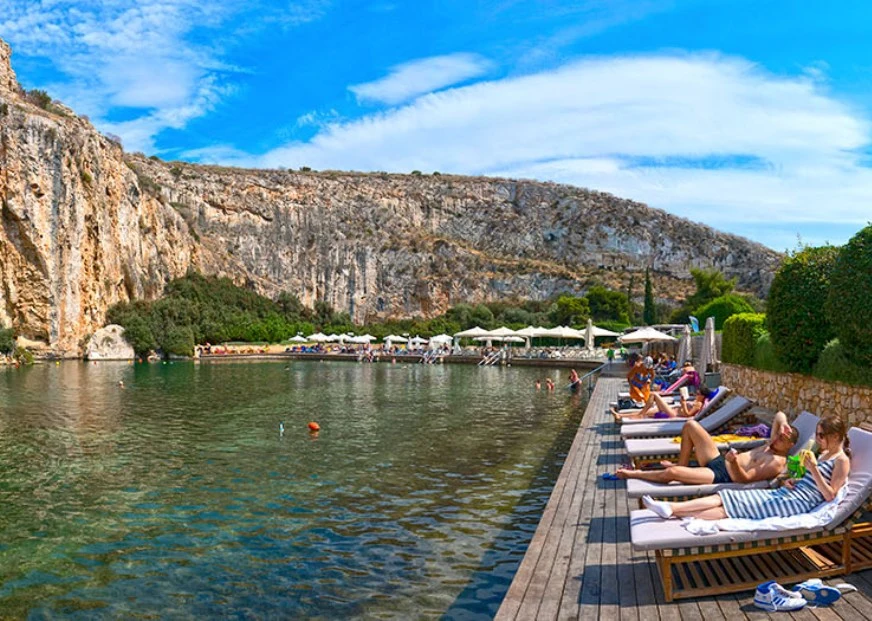
A holistic approach to treat your body and mind For the Greeks, “thermae” is an ancient word. God Apollo and his son, Asclepios, were regarded as the patrons of the numerous hot springs [thermae], across the Greek territory. Mortal men and heroes (such as Hercules) visited the various thermae to cleanse their body and mind, and seek advice or a cure for their ailment. In time, thermal towns were built around these hot springs. Loutraki is such a town (ancient name “Thermae”), located very close to Corinth city in the Peloponnese region. In antiquity, the area’s thermal waters were used by Spartan troops, who bathed there after battle, to restore their body strength. It’s a short trip from Athens, well worth taking, whether you’re seeking a cure for a medical condition or you simply want to enjoy the rejuvenating treatments offered in the town’s spas. Closer to Athens, in the southern suburb of Vouliagmeni, Lake Vouliagmeni is a must-visit location in the beautiful Athenian Riviera. In prehistoric times, this place used to be a cave whose roof collapsed due to the water’s high temperature, creating a beautiful lake of very deep thermal waters. The landscape includes imposing sheer rocks which rise by the lakeside, and add to its beauty. The surfacing underground hot springs are rich in minerals and salts and they mix with the nearby seawaters, so there’s a constant renewal of the lake’s brackish waters. While you swim you will get an extra treatment from the local small fish, called Garra Rufa: you’ll have a tingling sensation as they offer you skin exfoliation services! The location is a natural monument that is part of the European Natura 2000 network of protected areas. It’s the ideal natural environment for relaxing, swimming, snorkelling, training inside the water or by the lakeside, or enjoying a rejuvenating massage. On Evia, an Aegean Sea Island very close to the Greek mainland, there’s Aidipsos, a seaside spa town in the NW. The hot spring waters rise to the surface from as deep as 2.5 km inside the earth’s crust, and their temperature ranges from 34 - 82 C°. These mineral-rich waters come up on the ground and inside the sea, or cascade into it from seashore rocks. So, book your holiday by the sea and enjoy the treatments on offer in the spas – there are several facilities to suit your taste, whether you want to treat a medical condition or just to pamper yourself! In the Greek North, just 40km off Edessa Town, Pella district, Macedonia, there’s a true gem, located by the foot of Mt Kaimaktsalan (or Mt Voras): the Pozar Thermal Baths are surrounded by luxuriant nature and steep rocks; their warm spring waters drop down the cliffs forming waterfalls and then a river, or gather in natural pools. Enjoy your bathing in the outdoor and indoor pools of the facility and choose among the other treatments on offer, such as the hammam bath & the jacuzzi. Visit the Greek spa facilities and enjoy the combination of soothing treatments in hot spring waters against magnificent natural settings.

15/11/2022
Greek Wellness Spots
Visit Greece

World Tourism Day 2022

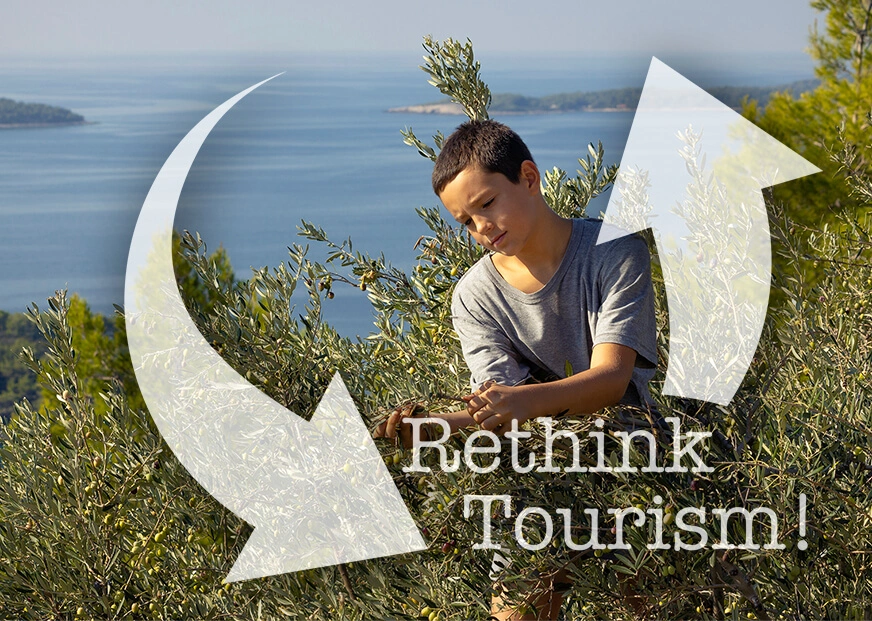
#RethinkTourism Rethinking Greece’s major economic sector is not an easy task but the pandemic emphasized how critical it is to do so. We should all seize the opportunity to rethink how we do tourism by protecting nature, fostering inclusion and promoting cultural understanding. It’s all of our duty to rethink tourism and act upon it. As the quote says: take only memories, leave nothing but footprints. Greece is a country with many a charm: its long and winding coastline, the numerous islands, and its Mediterranean climate can provide you with marvellous beaches to enjoy and sun to bask in. Its forests harbour a rich biodiversity. Greece has made great strides in sustainability, and some of its features that make it a hit with ecotourists are inherent in its culture. Explore the Greek mainland & islands that offer a greener, sustainable and closer-to-nature holiday experience. Chalki Island is at the forefront of energy transition. ChalkiON is the first energy community to own and operate a solar park along with the local authority. The design of Chalki’s initiative covers the energy needs of the island. Based on data obtained from the electric bills of Chalki’s residents, the island proceeded with the installation of the 1MW solar park, thus making it the first energy autonomous island in Greece. The town of Trikala, in the Thessaly region, is Greece’s first smart city. To reduce traffic, pollution and CO2 emissions, the city offers its citizens the Smarta 2 app, which allows users to request on-demand bus & taxi services. Green transport options include two driverless electric buses. The city also runs a smart system that uses sensors to inform the waste collection centre about waste levels in rubbish bins. Astypalaia Island, in the SE part of the Aegean Sea, has adopted a sustainable approach in tourism. Chosen by the vehicle brand Volkswagen to establish a groundbreaking mobility system, the island has implemented a plan to transition to renewable power generation, mainly using power produced by wind and solar panels, and the operating electric vehicles, e-bikes and e-scooters. Tilos Island only has few inhabitants but when tourist season arrives there is a peak in energy demand and the island’s supply was often not enough, resulting in frequent, prolonged blackouts affecting among other things refrigerators, which lead to food waste. The island was the first of 80 projects chosen to receive funding from the Horizon 2020 programme, which allowed the island to build a hybrid power station, with wind and solar farms, and batteries for storage. Tilos is now energy sufficient and has significantly reduced its carbon footprint, while bringing practical benefits and financial gain to both locals and tourists. The island is also a leader in recycling: Just Go Zero Tilos is a zero-waste programme, launched on the island, for recycling hazardous and non-hazardous material, with great success so far! The bare and imposing landscape of Sikinos Island can be explored by hiking its trails, which were signposted and cleaned thanks to the project “Paths of Culture” by the ELLINIKI ETAIRIA - Society for the Environment and Cultural Heritage along with the Municipality. Water scarcity is a serious issue on Sikinos Island, but in 2014, the Coca-Cola Community Water Partnership Programme helped the island integrate a rainwater harvesting programme, so water gets distributed to key locations around the island. As part of the ecological ‘Sea Change’ programme in 2018, the island became the first Aegean island to ban plastic straws and replace them with reusable or biodegradable alternatives. Last but not least, nearly 70% of Sikinos Island is part of the Natura 2000 network of nature protection areas.

23/09/2022
World Tourism Day 2022
Visit Greece

Coffee pleasure, the Greek way

Nourishing the body, mind, and soul Coffee drinking is a daily pleasure, a habit that most people love to practice every day. ‘Let’s go out for a coffee’ is what you’ll hear the Greeks say to friends, relatives, or colleagues after work. Hot or Iced coffee? It depends on the season and your preference. The traditional Greek coffee is prepared in a small pot (briki) and served hot in a thick-walled cup, next to a glass of cold water. The Greek coffee brewed in a pot placed on chovoli (charcoal ash covered by sand to keep it hot) is most flavourful and definitely worth a try! In the afternoon or evening hours a sweet treat will accompany your coffee very nicely: ask for a spoon sweet or an ypovrychio (a spoonful of a tasty gum-like paste, placed in a glass of cold water). The iced coffee that Greeks enjoy any time of the year is the so-called frappé, which -despite its name- is not French. It’s a frothy iced coffee prepared with cold water in a shaker (sugar & milk added to taste – if any) and served with ice cubes. Other popular types include the freddo espresso and the freddo cappuccino, made with espresso coffee blended with ice (and an added thick froth of chilled milk for freddo cappuccino), and served in a tall glass. Don’t let their Italian names fool you, they are Greek recipes! Whatever the type of coffee you choose, if you want to enjoy it the traditional Greek way, you must take your time with it. The Greeks like to sip it and savour the aroma while socialising; the longer it takes for them to drink it, the more they enjoy it! There are impressive traditional café-restaurants across the country, and it’s worth discovering them and their history. In Athens, follow us on a visit to the café Oraia Ellas (est. 1839), in Monastiraki. The eye-catching exhibits, the pictures on the walls, the traditional tables are all part of the old times atmosphere of this place. There’s a large variety of Greek tasty dishes and sweets to savour. For the chess lovers, there’s Café Panellinion (Exarchia, Athens), where apart from freshly brewed coffee and other titbits, there are chess boards and dedicated players who take part in games and tournaments, while the famous chess masters of old times watch them from their picture frames on the walls. On the Aegean Sea Island of Lesvos, Kafeneion O Ermis is one of the oldest existing coffee houses in Greece. Much of the original décor has remained almost intact and visitors will be impressed by the marble-topped tables, the velvet curtains and large mirrors, the gold-framed paintings, and the traditional wooden sofas. The local seafood dishes are a must-try. Café Kipos (est. 1870) is located in the Municipal Garden of Chania town, Crete. Once the haunt for princes, politicians and personalities of the arts & letters, this legendary café now hosts art, music & theatrical events, food festivals, and a photography exhibition about the history of Crete. The Greek historical cafés combine flavour with culture & history. Explore them and relish the experience!

16/09/2022
Coffee pleasure, the Greek way
Visit Greece

Taverna by the Sea

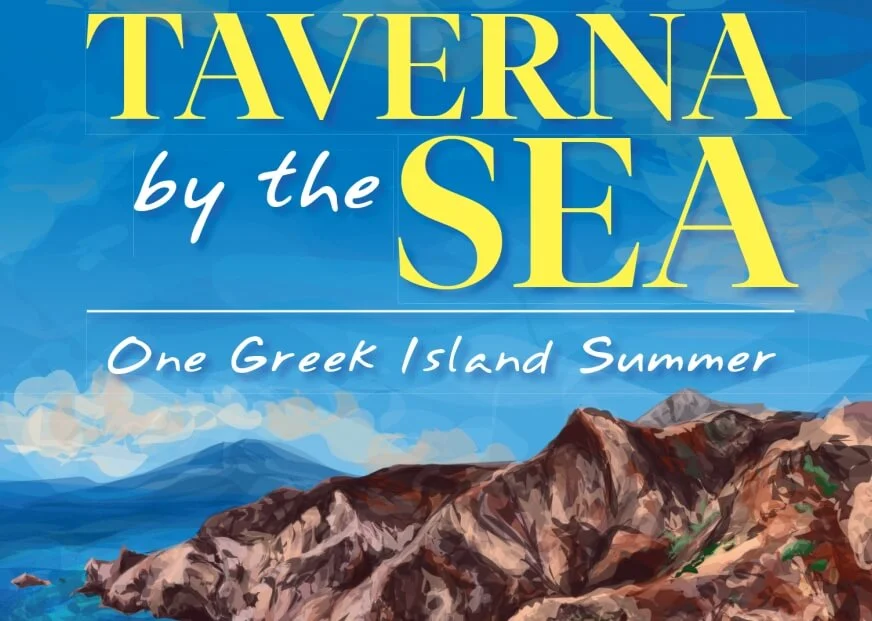
One Greek Island Summer From the author of Falling in Honey, An Octopus in my Ouzo and Wild Abandon Taverna by the Sea is an enchanting, funny and poignant memoir about answering the call of adventure by taking on a challenge: helping to run a taverna beside an idyllic beach. During a walking trip on the South Aegean island of Karpathos, a chance encounter with Minas, an unconventional Greek-American hotel owner, results in a once-in-a-lifetime experience. ‘Must be comfortable in beachwear,’ reads Minas’ ad for a waitress. Thinking it sounds dreamily perfect, Jen drops everything, returning with her dog to the remote bay that will be her home for the summer. Though the season begins peacefully, life at the taverna soon becomes absurdly busy and challenging. Days of no running water, mad guests, collapsing ceilings and and a goat tied to a tree. Yet it is exhilarating: waking to a pink dawn over the olive grove; swimming in the moonlight; music under the stars; feasting on freshly baked bread, local honey, warm figs – and wine on tap. With a colourful cast of characters, Taverna by the Sea reveals what happens behind the scenes of an apparently peaceful paradise, capturing both the difficulties and the magic of remote island life. An inspiring call to live life to the full – and even escape the rat race – it also conveys the life-affirming importance of trusting one’s instincts, taking risks and grasping opportunities.

13/09/2022
Taverna by the Sea
Total 38 items<1...345>

It takes a lifetime to discover Greece,

but it only takes an instant to fall in love with her.

—Henry Miller

Let Greece inspire you!

Subscribe to our newsletter and discover unique ideas and hidden treasures for your next trip.