More of Greece, coming soon...

Προτάσεις

Προτάσεις

Discover Macrozoe: Greece’s Path to Longevity Wellbeing Festival at Euphoria Retreat

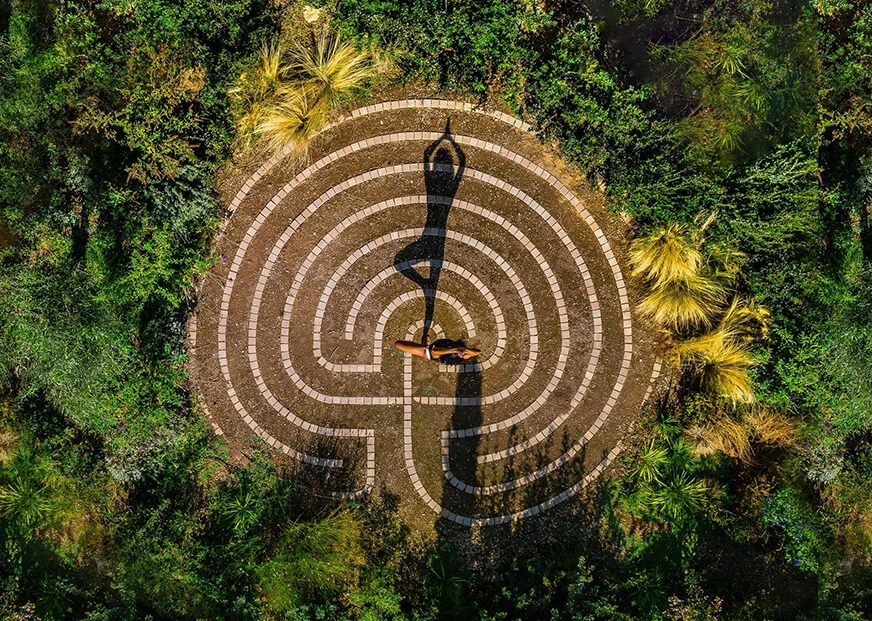
Euphoria Retreat, the multi-award-winning wellness sanctuary in the Peloponnese, has announced its first Wellbeing Festival: Macrozoe The Greek Path to Longevity, taking place July 3-13, 2025. The ten-day immersion, which is set to be the summer’s must-attend wellness event, explores “macrozoe”–the ancient Greek philosophy of living well for longer–through a blend of ancient wisdom and modern science. The Euphoria Wellbeing Festival blends ancient Greek healing traditions, modern science, and meaningful human connection in a setting unlike any other, at the foot of mystical Mount Taygetus in a UNESCO heritage site. Bringing together global experts in the field of longevity, medicine, mindfulness, yoga, and movement, the festival offers a fully integrative approach. “The Greeks never separated body from soul. For us, true longevity practices require a 360-degree approach–balancing physical health with mental clarity, emotional resilience, spiritual depth, a sense of purpose, and good relationships. Our mission is to empower people to embrace their fullest potential, age gracefully, live healthier and thrive with purpose, joy, and boundless energy” explains Marina Efraimoglou, founder of Euphoria Retreat. Guests can attend for as little as two nights, making the experience flexible, accessible, and adaptable to busy schedules. At the heart of the festival are seven core pillars: movement, science-led workshops, biohacking, mindfulness, nutrition, human connection, and extraordinary experiences. From nutrition and movement to neuroscience and emotional wellbeing, the programme features thought-provoking sessions led by specialists at the forefront of their fields. This 360-approach offers a multi-dimensional path to living – and ageing healthy – with energy, purpose and joy. What truly sets the Euphoria Wellbeing Festival apart is its unique fusion of science and soul. The workshops span a wide spectrum of disciplines—from Pythagorean nutritional philosophy and ancient Greek and Chinese teachings on longevity, to the latest breakthroughs in cellular health, mitochondrial research, and cutting-edge biohacking technologies. Participants will also explore neurofascial maneuvers for organ reset and other transformative tools designed to nourish both body and spirit. The Festival’s Core Pillars Movement, an integral element of the every-day schedule, will be manifested in many forms: energy through Yoga, Pilates, and Qigong, embodiment through somatic sessions, and passion through dynamic sequencing and cathartic dance. As the Mediterranean sun sets meditation, breathwork, and sound healing anchor the day. Workshops will translate the latest science into tangible lifestyle tools. Led by experts in longevity, metabolic health, medicine and more, these sessions will explore the regulation of sleep, hormones, stress and cells – making complex topics accessible and actionable. Biohacking will also take centre stage – from personalised diagnostics to real-time tracking tools and expert-led talks from experts including Rowena Gates, Jeff Lioon and others – giving participants the chance to try the latest equipment daily, at an affordable price. These interventions include NanoVi®, a cutting-edge technology using bio-identical signaling to enhance protein function, reduce inflammation and support cellular repair and performance. OligoScan, another advanced tool, uses light waves to measure the body’s absorption of minerals and heavy metals – offering rapid, in-depth insights into nutritional health and potential toxic exposures. Respiratory Equilibrium PNOE Testing is a non-invasive breath test that analyses 23 fitness biomarkers, including lung and cardiac health, to create custom fitness plans. Mindfulness helps guests quiet the noise and come back to themselves. Through guided practices and reflective techniques, they’ll learn how to relax the nervous system, reset their perspective, and become more present in the moment – creating space for clarity, renewal and manifestation. Nutrition plays a crucial role, too. Guests will walk through the retreat’s herb gardens with Euphoria’s chefs, picking ingredients for the day’s meals “They learn which herbs help digestion, which boost energy. Then we send them home with recipes that make healthy eating feel like a pleasure, not punishment” explains Efraimoglou. Human connection will be at the center. “We’ve watched what happens when people put down their phones and look each other in the eye,” says Efraimoglou. “They laugh more. They connect. They remember they’re human.” Evening gatherings without digital distractions will allow participants to share stories, music, and meaningful conversation around the fire – elements as vital to longevity as diet and exercise. Three unique night-time events will bring an extra sense of magic to the festival. These include a full moon hike* along ancient forest trails up the sacred peak of Mount Taygetus where guests will get to experience the remarkable natural phenomenon of the pyramid shadow cast upon the Messinian Gulf; an open-air concert* in the ancient theatre of Messini featuring a rare concertante style performance of Vincenzo Bellini’s Norma; a candlelit concert at Euphoria’s outdoor theatre celebrating the retreat’s seventh birthday. The festival draws impressive names from around the globe. Among others, Taryn Toomey, creator of The Class – an intense workout combining movement, breathwork, sound, strength training and emotional release – will guide participants to experience the alchemy of body, mind and spirit. Emily Fletcher, founder of Ziva Meditation, will teach simple, proven formulas, blending ancient wisdom and modern science, to help participants meditate and manifest their dreams. Human Garage founders Jason Van Blerk and Aisha Rodrigue will introduce their pioneering fascia-focused methodology, designed to help the body unwind tension patterns and return to its natural alignment. Renowned yoga teacher, wellness coach, and spiritual guide Janet Stone, will lead sessions on Yoga and Chanting, guiding participants on a journey inward to connect with their deeper purpose. Marina Efraimoglou and Mary Vandorou will host special sessions on the Euphoria Methodos, drawing from the wisdom of the Five Elements applicable tools for every-day longevity practices. Participants will also explore nutrition for macrozoe through interactive cooking lessons with Michelin award-winning Greek chef Lefteris Lazarou. Joining them are internationally recognised medical experts and Euphoria Retreat medical partners Dr. Ioannis Harizanis, Chief of Medical at IMON MED, and Dr George Leon, founder of EUCRASIA, who will share the latest breakthroughs in precision medicine, and the longevity practices. Importantly, the Wellbeing Festival has been thoughtfully created so that everyone feels welcome – with flexible booking options, inclusive pricing, and an open spirit that reflects Euphoria’s belief that wellbeing should belong to all. The Euphoria Longevity Festival aims to establish itself as Greece’s definitive destination for authentic longevity wisdom – one that guests return to, year after year. It’s the event everyone will be talking about this summer. Don’t miss it! For more information or to book, email reservations@euphoriaretreat.com or call +30 2731 306 111 / +30 695 661 2049‬.‬

20/06/2025
Discover Macrozoe: Greece’s Path to Longevity Wellbeing Festival at Euphoria Retreat
Προτάσεις

The Xerxes Project: Eastern Halkidiki, the place where the Persian King Xerxes passed

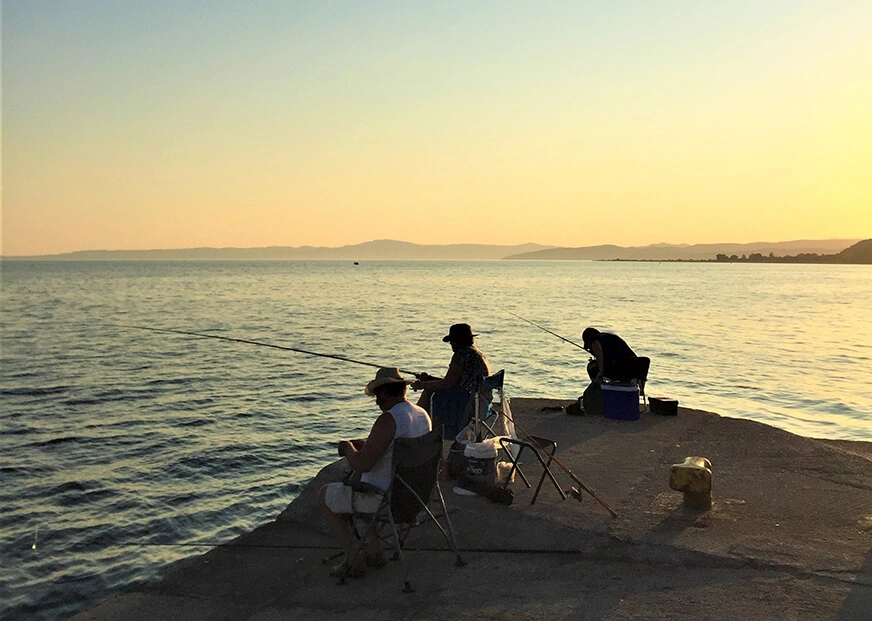
Fishing in the seas of the Persian King Xerxes! Seascapes. The two seas of Athos are also the seas of the Persian king Xerxes. Fishing in pristine, unpolluted and clean waters. The Aegean Sea. The Mediterranean. The smell of iodine. The morning air. The afternoon breeze. The fishing boats. As if from a painting. And you, a touch of carefreeness somewhere on a red boat in the Gulf of Athos. Fishing under the summit of Mount Athos. Where Xerxes was towing his fleet. Around you, green hills, small islands and a blessed peace. And Mount Athos is high, towering - the view of it is riveting. It captivates you. Everywhere you look, you end up drawn to its summit. And then you dive in. Lots of octopuses. Seashells. And then you start fishing again. Dusky groupers. Greater amberjacks. Fish big and small. All around you the locals are casting nets. Others are occupied with the fishing line. And you, a touch of carefreeness in their midst - in the sea of Xerxes and Athos. Come on! Experience it!

16/06/2025
The Xerxes Project: Eastern Halkidiki, the place where the Persian King Xerxes passed
Visit Greece

Blue Flags 2025

The Hellenic Society for the Protection of Nature has announced that, out of a long list of 52 countries, Greece ranked second this year in the Blue Flag programme awards, as 623 beaches, 17 marinas and 17 eco-friendly boats have earned the world’s most recognised eco-label. Greece received 15% of beach awards worldwide, the country’s top names on that list being the Region of Crete (153 flags) and Halkidiki Regional Unit (93 flags). The International Committee presented the label to 4.302 beaches, 736 marinas and 158 eco-friendly boats across the globe. For more information, click here. What is the Blue Flag Programme? The Blue Flag is a large-scale programme of environmental awareness and protection, which is implemented every year, in European countries and in other parts of the world by the Foundation for Environmental Education (FEE). The Blue Flag label is an international symbol of quality and is one of the best-known environmental labels worldwide. It has been awarded since 1987 to beaches and marinas, and since 2017 to eco-friendly boats that meet the strict requirements of the programme for sustainable boating tourism operators. It is aimed at making beaches, marinas and boats better and safer, while at the same time protecting the natural environment. The Hellenic Society for the Protection of Nature is the programme coordinator for Greece. It is the oldest conservation organisation in the country and it has been active in environmental education and the protection of nature since 1951. Did you know that... In order to receive a Blue Flag eco-label, a beach must not only be found to have an excellent water quality, it must comply with 33 criteria (38 for marinas and 51 for boat operators), concerning cleanliness, environmental management and awareness, various amenities and services, information, visitor safety and protection of the coastal area.

10/06/2025
Blue Flags 2025
Visit Greece

Explore the Greek Countryside: Sustainable Trekking & Biking Trips

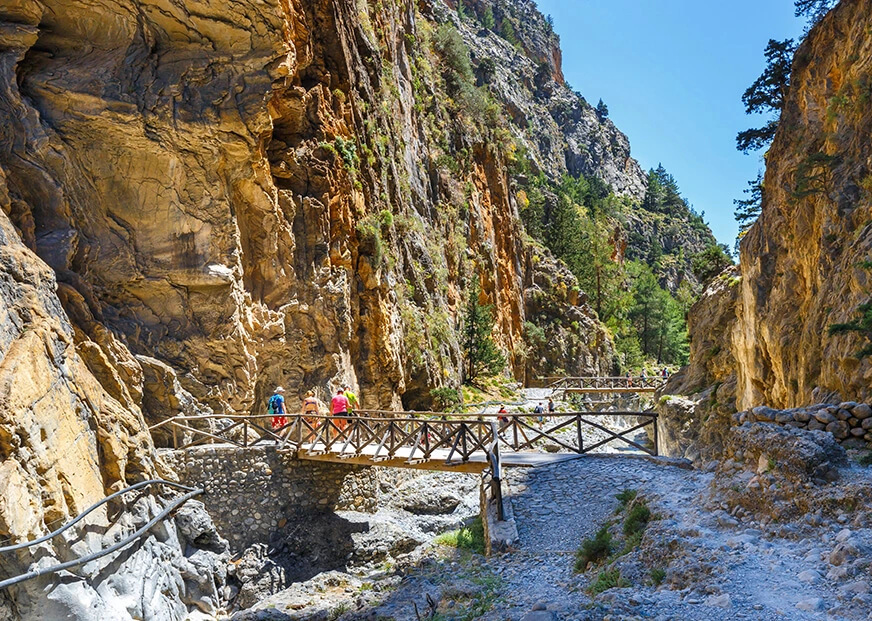
Greece, with its diverse geography, is a nature lover's paradise. The country offers outdoor enthusiasts many opportunities to explore its natural beauty while embracing green tourism practices. Follow us as we explore the world of eco-friendly hiking and biking tours, while highlighting must-visit destinations, and offering practical tips. National Parks and Island Adventures Greece is home to several national parks, each boasting its own unique characteristics and breathtaking scenery. The Parnassos National Park, located on the slopes of Mount Parnassos, Central Greece, is a haven for hikers, cyclists, and nature lovers. While you’re at the foot of the mountain, make sure you visit the Archaeological Site of Delphi, a UNESCO World Heritage Site. The mountain’s highest peak reaches 2457 m., so, if you climb to the top, you will be well into the alpine zone! The Ainos National Park, situated on Mt. Ainos, Kefalonia island, in the Ionian Sea, features stunning vistas, pristine beaches, and a diverse range of wildlife, such as the local fir species called Abies Cephalonica, and the small semi-wild horses, which you’ll see mostly on the SE side of the mountain. The Vikos-Aoos National Park in Epirus (northwest Greece) is characterised by its dramatic gorges, sparkling lakes – some of them alpine - and picturesque villages. You will enjoy exploring Vikos Gorge, a must-visit landmark, which is included in the Guiness World Records as the deepest canyon in relation to its width. In the Greek south, on the island of Crete, Samaria Gorge is a hiker's paradise, featuring stunning scenery, ancient ruins, and an incredible array of flora and fauna. The island of Evia, located east, off the coast of mainland Greece, is the second biggest Greek island. Its highest peak is on Mount Dirfys, a popular hiking and mountain biking destination, offering breathtaking views of the sea below. Steni Village (made up of Upper Steni and Lower Steni), and Pyrgos Village are must-visit destinations on the mountainside. Explore the nature reserve of Steni, with forests of plane trees, chestnut, fir, and oak, beautiful gorges, rivers and streams. The island's well-marked trails will take you through beautiful landscapes and traditional villages, ideal for your eco-friendly hiking and biking tours. Practical Tips for Eco-Friendly Travellers When embarking on our next adventure in Greece, make sure: * you always follow marked trails and respect protected areas to avoid damaging sensitive ecosystems; * you bring reusable water bottles and coffee cups to reduce waste and minimize your carbon footprint; * you support local communities by choosing family-run accommodation and dining at traditional tavernas. Greece's great natural beauty, rich history, and warm hospitality make it an ideal destination for a memorable holiday. By embracing sustainable tourism practices and respecting the environment, you can enjoy the country's breathtaking landscapes while leaving a positive impact on the local communities. Start planning your next adventure today!

26/05/2025
Explore the Greek Countryside: Sustainable Trekking & Biking Trips
Προτάσεις

Athens’ Top Tables for Sipping Greece’s Finest Wines

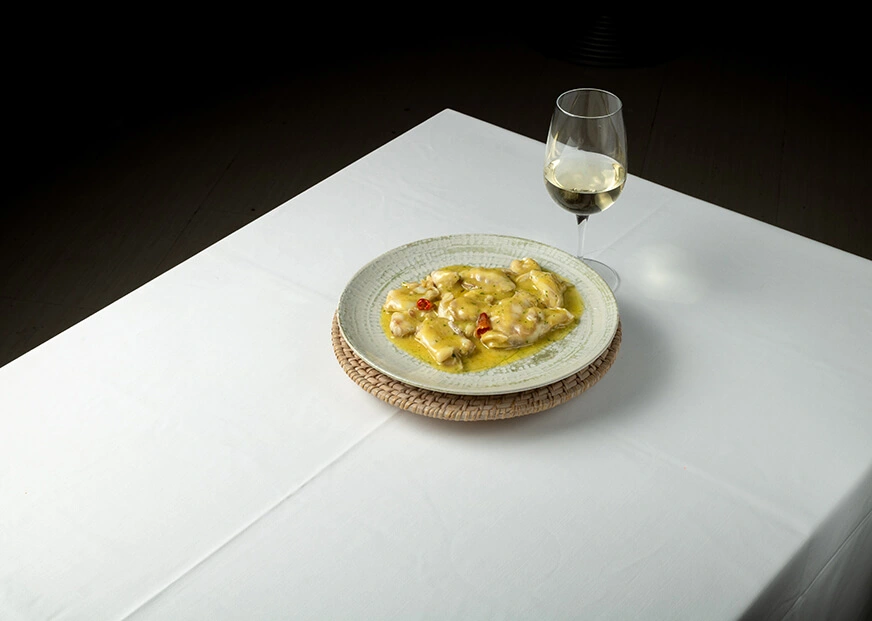
In recent years, Greek wines have emerged as standout Mediterranean contenders alongside Italian, French, and Spanish vintages. Hellenic winemakers have honed their craft, and today, their bottles grace fine dining tables around the world. Collectors and connoisseurs are taking note. With some of the world’s oldest terroirs and a remarkable array of indigenous grape varieties, Greece offers wine lovers much to discover. Here are The MICHELIN Guide’s top picks in Athens—restaurants where diners can sip outstanding Greek wines while savoring local dishes at their best. Pharaoh: Discovering the New Guard of Greek Winemakers Opened by a globe-trotting journalist, this trendy restaurant and bar in the Exarchia neighborhood is the perfect spot to sample wines from Greece’s new generation of producers. As a DJ spins funk or bossa nova vinyl, diners enjoy excellent wood-fired Mediterranean cuisine paired with a curated selection of natural and biodynamic wines. With over a hundred Greek labels—including rare finds—alongside a thoughtful mix of European vintages (mainly from France and Italy), the list is both original and full of surprises. Many are available by the glass, encouraging a spirit of discovery. All regions of Greece are represented, from the Cyclades to Thrace, passing through the Peloponnese. Don’t miss the wines from the island of Tinos, produced by Domaine de Kalathas on granite soils cultivated for nearly 6,000 years, using indigenous grape varieties such as white potamisi and red koumariano. The sommelier might suggest an old-vine malagouzia from Tatsis in Macedonia, with bright notes of white flowers and chamomile. These wines embody the renaissance of the Greek vineyard, where a new guard of winemakers is reimagining tradition and radically transforming their methods. Botrini’s: A Delicate Balancing Act A visit to One-Starred Botrini’s means venturing beyond central Athens and its famed monuments—a detour well worth making. Led by charismatic Corfiot chef Ettore Botrini, meals unfold as culinary odysseys through Greece in 10 to 13 courses. For the sommelier Alexandros Gkaraflis, it’s a balancing act to find wines that can pair with two or three dishes at a time—an art executed with finesse. The 100% Greek food-and-wine pairing alternates between established labels and hidden gems, offering a fantastic opportunity to discover the country’s diverse wine regions and wealth of indigenous grape varieties. With more than 350 Greek wines in the cellar, there’s much to explore. A recent meal opened with a surprising and delightful sparkling wine from the north, made using traditional methods. Then came a Santorini Assyrtiko from Argyros, which was aromatic and minerally, slightly reminiscent of a great Riesling, and paired beautifully with swordfish and bonito. The Syros rosé "Ousyra," an extremely rare production vinified with the Fokiano grape variety, made a daring yet successful match with carabinero shrimp in bisque. Foundi's classic Xinomavro de Naousa, often compared to Piedmont’s Barolo, was the perfect companion to local milk-fed lamb with eggplant. The symphony concluded with a Muscat from Cephalonia by Petrakopoulos. CTC Urban Gastronomy: Exploring Lesser-Known Wines At CTC, chef-owner Alex Tsiotinis’ elegant restaurant, set in a villa in the Keramikos neighborhood, wine is much more than an afterthought. The focus here is on celebrating the expertise of Greek winemakers and the diversity of the country’s vineyards, whether on the islands or mainland. The cellar features nearly 300 Hellenic wines, offered in two distinct pairings: one exclusively Greek and another that includes select bottles from across Europe. Sommelier Kanellos Triantafillopoulos favors small producers with whom he has cultivated relationships over the years. Take the Sclavos estate, a biodynamic pioneer on the Ionian island of Cephalonia, known for its remarkably fresh whites. Triantafillopoulos isn’t afraid to serve the once-controversial retsina—an ancient white wine infused with pine resin. Long associated with poor quality, it’s now being reclaimed by a new generation of producers, such as Kechris in Thessaloniki, who are reviving its noble heritage. Likewise, the aged muscat from Samos, matured for at least six years in barrels, is, in the sommelier’s opinion, an underrated gem for dessert. His ultimate dream? To one day cultivate his own vineyard and introduce his personal wines to CTC’s guests. Delta: Rare Wines for a Memorable Culinary Journey Located at the Stavros Niarchos Cultural Center, this Two MICHELIN Star restaurant offers a truly unique experience. Its technically impeccable culinary performance—rooted in the excellence of Greek terroir—calls for wines that are anything but ordinary. Here, the wine must adapt to the cuisine, not the other way around. "Wine should never dominate," says the young sommelier Dimitris Zannikos, who frequently visits vineyards to meet producers, sometimes bringing the Delta team along. As a result, the selection has been finely tuned to offer precise pairings. Special attention has also been given to vintages, ensuring that guests are often offered multiple expressions of the same wine. This long-term approach has built a cellar rich in rare and distinctive bottles. The wine list is particularly comprehensive, with many biodynamic labels and a variety of vinification styles. Indigenous grape varieties are celebrated, offering Greek wines that reflect the character of the local terroir. You won’t find Greek Chardonnay or Sauvignon Blanc here, but rather standout Assyrtiko or Xinomavro—like the 2013 Diaporos from Ktima Kir-Yianni in Naousa, the homeland of the latter variety, served alongside picanha of beef. Wines that transcend prejudices are also invited onto the menu, such as the Verdea from the Ionian island of Zante produced by Domaine Grampsas, known for its freshness and saline notes. Dessert wines are not overlooked either, like this Malvasia from Monemvasia (in the Peloponnese) from Tsibidis, with its sweet notes of candied fruit.

23/05/2025
Athens’ Top Tables for Sipping Greece’s Finest Wines
Προτάσεις

Athens: Top Restaurants for Vegetarian Food

Explore the Inspectors' picks for the best places to find a vegetarian meal in the vibrant Greek capital. Greek cuisine, like most Mediterranean fare, has a natural inclination towards plant-led dishes and delicious dairy produce. Any reputable taverna will offer enticing salads and delightful vegetable mezzes. But what about fine dining? Today, many establishments feature strictly vegetarian (and often vegan) tasting menus, or at least a variety of dishes free from meat and fish. Here are four standout venues from The MICHELIN Guide that cater to plant-powered diners. Aleria: Plant-Focused Gastronomy in a Charming Villa Located in a gorgeous neoclassical villa dating back to 1895, this gourmet restaurant in the Keramikos district has been offering a 100% vegetarian menu for several years. Presented in five to seven courses, with optional wine pairings, it delights diners of all dietary preferences — vegetarians, flexitarians, and omnivores alike. This bold and innovative approach is the brainchild of Gikas Xenakis, the establishment's affable chef. Having been vegetarian for part of his life and married to someone who doesn't eat meat, he excels at elevating plant-based ingredients, making them not just palatable but desirable. His menu creations, even those with animal proteins, are inspired primarily by vegetables, herbs, flowers, and fruits from his lush garden just outside Athens. His vegetarian cuisine draws from the rich Greek culinary tradition, abundant in vegetables, grains, herbs, and cheeses, yet he reinterprets it with a playful twist, offering genuine culinary dishes that are both accessible and surprising. His mission? To serve dishes where the absence of meat is never perceived as something lacking. A passionate mushroom forager, he enhances his plates with porcini, morels, and local truffles as alternatives to meat, complemented by richly concentrated sauces. Among his signature dishes are Hortopita, a Greek pie made with 12 varieties of herbs or green vegetables, and Mushroom Pastitsio, a vegetarian twist on a classic Greek dish traditionally made with braised oxtail. It's good to know that the menu can be easily adapted for a vegan diet too. Hytra: Mediterranean Essence with a Modern Twist For over a decade, Hytra, a MICHELIN-Star restaurant, has been offering its enticing vegetarian menu. Its success has consistently attracted a diverse clientele: "On certain summer days, nearly half the guests order this menu!" shares Chef George Felemegkas proudly. For him, it aligns perfectly with the restaurant's philosophy, which revolves around Mediterranean cuisine focused on carefully selected ingredients. The approach almost exclusively involves local, organic, and seasonal raw materials, addressing growing concerns over environmental conservation. The restaurant sources from three local farms around Athens, while awaiting produce from its own burgeoning garden. Served in seven courses, the vegetarian menu — which can also be made vegan — is always curated independently from other menus; it's never a mere adaptation of a meat-based menu! While the Mediterranean traditionally celebrates plant-based dishes, the chef also draws inspiration from recipes from his Peloponnesian village, Kalávryta. His time at Quique Dacosta in Spain taught him a strict respect for produce, exemplified by a dish where the tomato reigns supreme, elevated by wild strawberries, small peppers, and freshly harvested micro greens, adding a spicy punch to the smooth texture. Makris Athens: Dishes Resembling Vibrant Bouquets Makris takes its name from the antique name of the island of Corfu, where the establishment began its culinary journey in 2018 at Domes Miramare Corfu. Today, the elegant MICHELIN-Starred restaurant perches on Athens’ ancient Agora, a site with nearly three millennia of Greek history etched into its stones. There's even ancient remnants in the cellar of the restaurant, which was one of Athens' first hotels, opened over 200 years ago. However, the cuisine served here by Chef-Owner Peter Dimas is anything but archaic, wholeheartedly embracing the future, as reflected in his vegan "Physis" menu. Inspired by the family’s extensive garden in his hometown near Athens, his culinary creations revolve around exceptional produce that's often hard to find elsewhere. He cultivates dozens of different tomato species, up to 50 types of flowers simultaneously, rare or forgotten vegetables, and a dizzying array of herbs... All of this is organically and responsibly produced, respecting nature. Rather than sourcing from other suppliers when a product is unavailable, he prefers to adapt his menus. Naturally, winter yields fewer vibrant ingredients, but with root vegetables, salads, or mushrooms, he always has enough to offer an unforgettable experience. His plates, colorful and spectacularly arranged, are presented as generous bouquets to the guests, snapshots of the current season. To accompany the meal, there's a choice of 30 Greek olive oils — an extraordinary luxury! Additionally, an intriguing pairing of various juices and kombuchas is provided, superbly complementing the delicate and vivacious flavors of the vegetarian menu. Meanwhile, the house cellar includes a broad selection of Greek and European wines, with some certified vegan bottles. Ovio: An Italian Excursion in the Heart of Athens An Italian restaurant in Athens? Why not, if it's as good as Ovio. Located a stone's throw from Syntagma Square, it forms part of the local neighborhood's excellent dining scene. The setting is decidedly modern, far removed from the stereotypes often associated with Italian establishments and their inevitable clichés. On the menu, you'll find an impressive array of modernized Italian classics executed to perfection, including Caprese salad with ultra-creamy burrata, fresh pasta generously dusted with protected designation cheeses, top-tier grilled Florentine meats, or pizzas with dough that’s both airy and crisp. Many vegetarian dishes grace the menu, able to be enjoyed either indoors or on the terrace. The gnocchi with gorgonzola, pear, and walnut proves irresistible, as does the highly comforting chestnut risotto. These Italian recipes are occasionally infused with delicate Greek touches, like the spaghetti with savoro, a tangy tomato sauce with capers and vinegar. To accompany the meal, patrons can choose from one of the house's excellent cocktails or from a well-stocked wine list, featuring Italian classics as well as a few surprises from France. It's an establishment highly regarded by the locals in Athens.

15/05/2025
Athens: Top Restaurants for Vegetarian Food
Προτάσεις

Meat Lover’s Guide to Athens: The City’s Top Carnivore Restaurants

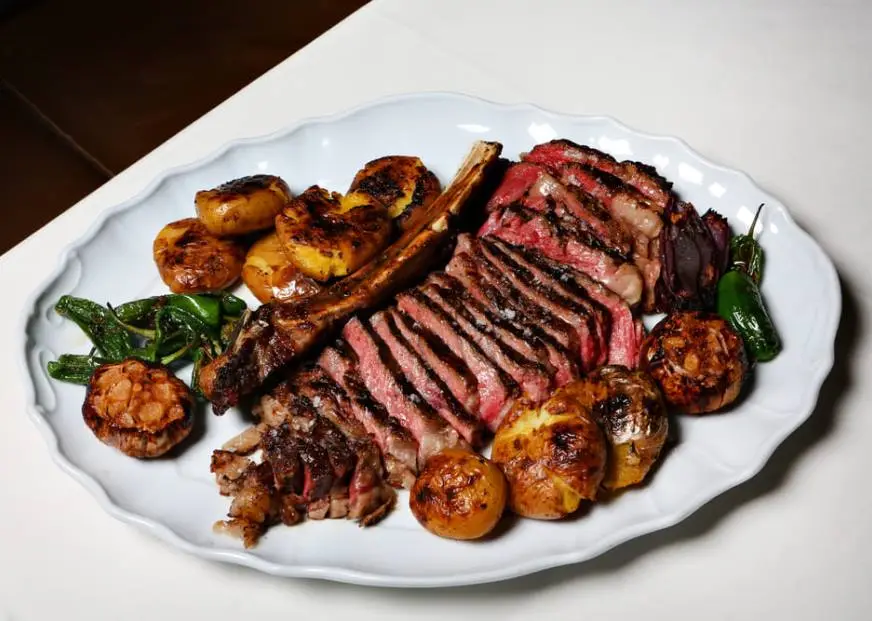
For a break from Greece’s traditional veggie- and fish-forward tavernas, carnivores can head to Athens' MICHELIN-recommended spots where meat takes center stage. Located on the Attica peninsula and bordered by sea, Athens is well-positioned for access to fresh, high-quality ingredients. While the city is known for its seafood and vegetable-forward fare, a walk through its bustling central meat market — one of the most dynamic in Europe — reveals another side of the capital’s culinary identity. For those seeking more than grilled fish and leafy greens, Athens offers a range of MICHELIN-recommended restaurants where meat takes the spotlight. Here are four spots for carnivores in search of satisfying dishes: Gallina: Shareable Plates in a Stylish Setting Founded by an art collector, this restaurant is located at the foot of Philopappos Hill, near the National Museum of Contemporary Art. The striking design is the first thing that draws diners in — marble tables, terrazzo floors, artful lighting, and contemporary tapestries create an atmosphere far removed from traditional taverna settings. And yet, despite the modern backdrop, the vibe remains convivial. We recommend nabbing a seat at the counter for a front-row view of the bustling open kitchen and its dynamic team. The menu features shareable dishes, with plenty of meats sourced from the restaurant’s carefully selected breeders. A perfect meal might look like this: start with Wagyu beef tartare paired with Aegean shrimp and finished with a tuft of Oscietra caviar. Then, move on to the truffle chicken with beurre blanc, the grilled duck, or the mouthwatering faux filet, served with a rich béarnaise sauce. Call it comfort food with a touch of decadence. The wine selection is equally compelling, skewing toward local natural wines and a few choice bottles from France and Italy. Fine Mess Smokehouse: A Texan-Style Barbecue Experience in Athens At Fine Mess Smokehouse, the birthplace of democracy gets a taste of the Lone Star State. Opened in 2019, this establishment on the slopes of Lycabettus specializes in Texas-style barbecue, with an emphasis on the Southwest state's signature hot-smoking techniques. On a road trip through 39 of the 50 U.S. states, Chef-Owner Elena Kaperda discovered the art of meat preparation. After returning to Greece, she set out to design her own barbecue and bring Texas-style cooking to Athens. Kaperda selects ideal cuts for the requisite low-and-slow cooking, working exclusively with trusted sources. While the extraordinary beef generally comes from the U.S., local farms supply the pork and poultry. The beef brisket is a standout, requiring 12 hours of careful cooking. More than just a steakhouse, the restaurant offers a fine dining vibe — you won't find any souvlakis here. Each meat is paired with its own garnish, akin to a composed dish. Smoke plays a central role, infusing oil, tomatoes, and mayonnaise with its fragrant touch. As for drinks, the house cocktails are impressive — especially the list dedicated to the Old Fashioned, which features eight different variations. Vezené: Dining That's Refined and Surprising Ari Vezené revolutionized the Hellenic dining scene. The Greek-American entrepreneur opened various restaurants that challenged the status quo, from traditional taverns and rotisseries to fine dining establishments. Located in the vibrant district of the Athens Concert Hall, the elegant Vezené, with its white tablecloths and attentive service, has made its mark. This restaurant, an essential part of the city's dining scene, embraces contemporary Greek cuisine with surprising touches. Here, Vezené reaffirms his obsession with sourcing pristine ingredients. At Vezené, the menu is versatile, offering delicate seafood dishes, as well as plenty of meats, primarily sourced from Greece. The magic lies in the preparation: flamed, barbecued, or baked in a wood-fired oven. Beef is aged to perfection (30 to 40 days). Star dishes include wood-fired lamb and the exceptionally tender Wagyu rib. The wine list features Greek varieties alongside international selections, each chosen with an eye toward complementing the chef's dishes. VERi TABLE: True Bistro Charm Veritable, or "true" in French, is the inspiration for this bistro just north of Athens city center, where honest, local, and seasonal cuisine is always on the menu. Led by Alain Parodi, a French chef with MICHELIN Stars under his belt, VERi TABLE presents daily dishes on a simple slate menu where meat takes center stage. While some ingredients come from the finest producers in France—such as Bresse chickens, quail, pigeon, and foie gras—the beef and decadent fresh truffles are sourced from local producers, breeders, gardeners, and gatherers. Diners, primarily Greek, appreciate the bistro charm and precise cooking. In the dining room, Alain’s wife, Christine, sets the tone, treating both regulars and newcomers with warmth. A hunter-chef, Alain doesn’t shy away from game. In season, snipe, thrush, and wild boar take center stage. The quail ballotine with asparagus is an Inspector favorite, as is the crusted squab. Special mention goes to the superb French cheese platter, perfectly curated. Lastly, the French wine list, embracing all the terroirs of the Hexagon, acts as a magnet for gourmets within and beyond Athens, including esteemed chefs.

08/05/2025
Meat Lover’s Guide to Athens: The City’s Top Carnivore Restaurants
Συνεντεύξεις

Moon Best of Greece: Joanna Kalafatis Talks Food, Sustainability, and Top Destinations

I am a Greek-American travel writer and actress who has lived and traveled between Greece and the U.S. my whole life, in addition to visiting over 50 countries for work and pleasure. It had always been my dream to write a travel book on my homeland; not only to showcase its stunning diversity of landscapes and culture to readers and potential visitors, giving them a glimpse of many different regions, but also to learn about and connect to every aspect of Greece and Greek life that I could. So when Moon Travel Guides put out a notice that the company was looking for travel writers for a guide to Greece, I responded immediately. After a lengthy application and interview process, I was informed I got the job! I appreciated writing this guide in collaboration with Moon, as they were very open to suggestions - like the inclusion of Epirus in the guide - and wanted a local perspective, which is the kind of book I had always wanted to write. 1. Greece is known for its culinary delights. How did you incorporate food and dining recommendations in your guide? When I visited each region, I used a combination of local suggestions - which were the most important - and prior research on forums and websites to discover what the likely candidates were for the area's best restaurants. I always tried to focus on locally-owned and operated establishments, so I could be sure my travel guide recommendations would benefit local businesses and keep tourist money in the Greek economy. I then visited as many as I could to experience them myself, and selected a handful for inclusion in the book. I also spoke with Moon about including a chapter on food in general - particularly regional specialties and cuisines around the country - so people around the world could get a sense of the wide variety of dishes Greece has to offer. Reflections in Ioannina Lake | © Joanna Kalafatis 2. Traveling responsibly and sustainably is increasingly important. Did you address this aspect in your guide, and if so, how? Very much so. On the most basic level, I included plenty of recommendations for how to care for the environment and ancient sites when hiking and visiting monuments. But on a larger scale, the most important thing to me was recommending locally-owned businesses in my guide, so the suggestions I included would benefit local business owners and families. That's one thing people tend to forget when talking about sustainability; economic and environmental sustainability are usually intertwined. Local, more small-scale enterprises statistically do a better job of operating efficiently and in an eco-friendly way; not only are they operating with lower margins than international conglomerates, and so can't afford to be as wasteful, but they also live in the area they operate in, so it's in their best interest to manage the environment in a better way. The great thing about Greece is that over 90% of tourism businesses - from restaurants and cafes to hotels and tour operators - are locally owned, which is uncommon for tourism-oriented economies. So it made it easy to make over 95% of my recommendations, local enterprises. I also believe a big part of making Greek tourism sustainable is directing people towards a variety of destinations, so you don't have a handful of places like Mykonos and Santorini getting overly crowded and pricing out locals, while other equally beautiful destinations fail to benefit from the tourism economy. A more equitable spread of tourism across the country helps to ease overcrowding and spread money around the different regions of Greece. Nafplio Square | © Joanna Kalafatis 3. With the rise of digital resources and apps, what role do you see traditional travel guides like yours playing in the modern travel landscape? Digital resources are a great way to get answers to specific questions about a destination and lists of places to visit. Strangely though, even with the rise of digital apps and sites, traditional travel guides are still going strong; in fact, they're making a bit of a comeback. In today's hyper-digital world, there's something that feels comfortingly old-school about a travel guide you can carry with you. People open travel guides and are transported to a whole new place, one they slowly get to learn about while leafing through the guide's pages, increasing enthusiasm for a potential trip there. 4. How did you decide which destinations and attractions to include in your guide, considering Greece's diverse offerings? The destinations were decided on in collaboration with Moon. They had a list of some of the most popular destinations around Greece they wanted covered - like the southern Peloponnese, Thessaloniki, and others - but were also very open to my ideas and suggestions. It's partly why they usually hire guide writers who are already familiar with a country, or live there and speak the language. I pushed for a chapter on Epirus - one of my favorite places in Greece and truly an undiscovered gem for most international tourists - and a food chapter. I also included places in the Peloponnese that are more popular among locals than international tourists, so it could be a real local-influenced guide to Greece. Joanna in Epirus

07/04/2025
Moon Best of Greece: Joanna Kalafatis Talks Food, Sustainability, and Top Destinations
Σύνολο 563 άρθρα<1...616263...71>

Χρειάζεται μια ζωή για να ανακαλύψεις την Ελλάδα,

αλλά αρκεί μια στιγμή για να την ερωτευτείς

Henry Miller

Άσε την Ελλάδα να σε εμπνεύσει!

Εγγράψου στο newsletter μας και ανακάλυψε μοναδικές ιδέες και κρυμμένους θησαυρούς για το επόμενο ταξίδι σου.