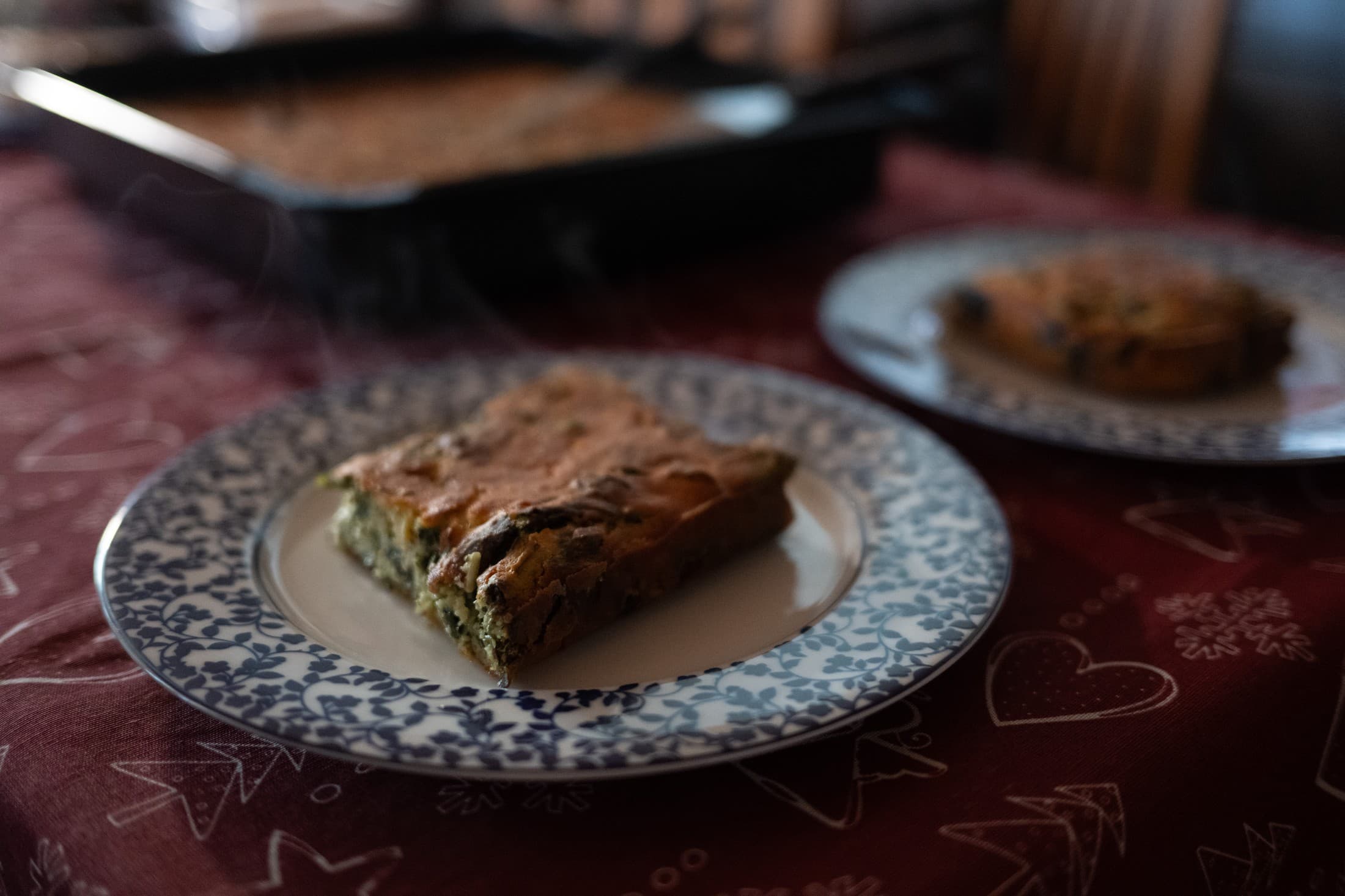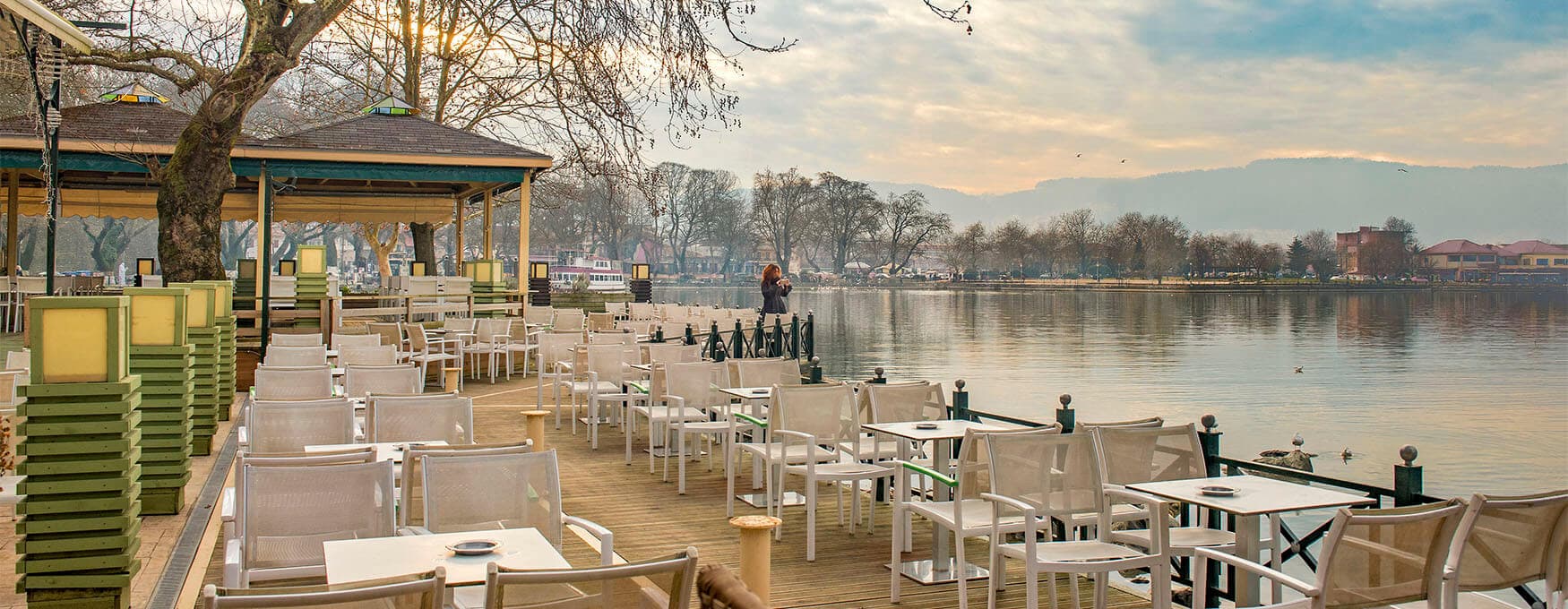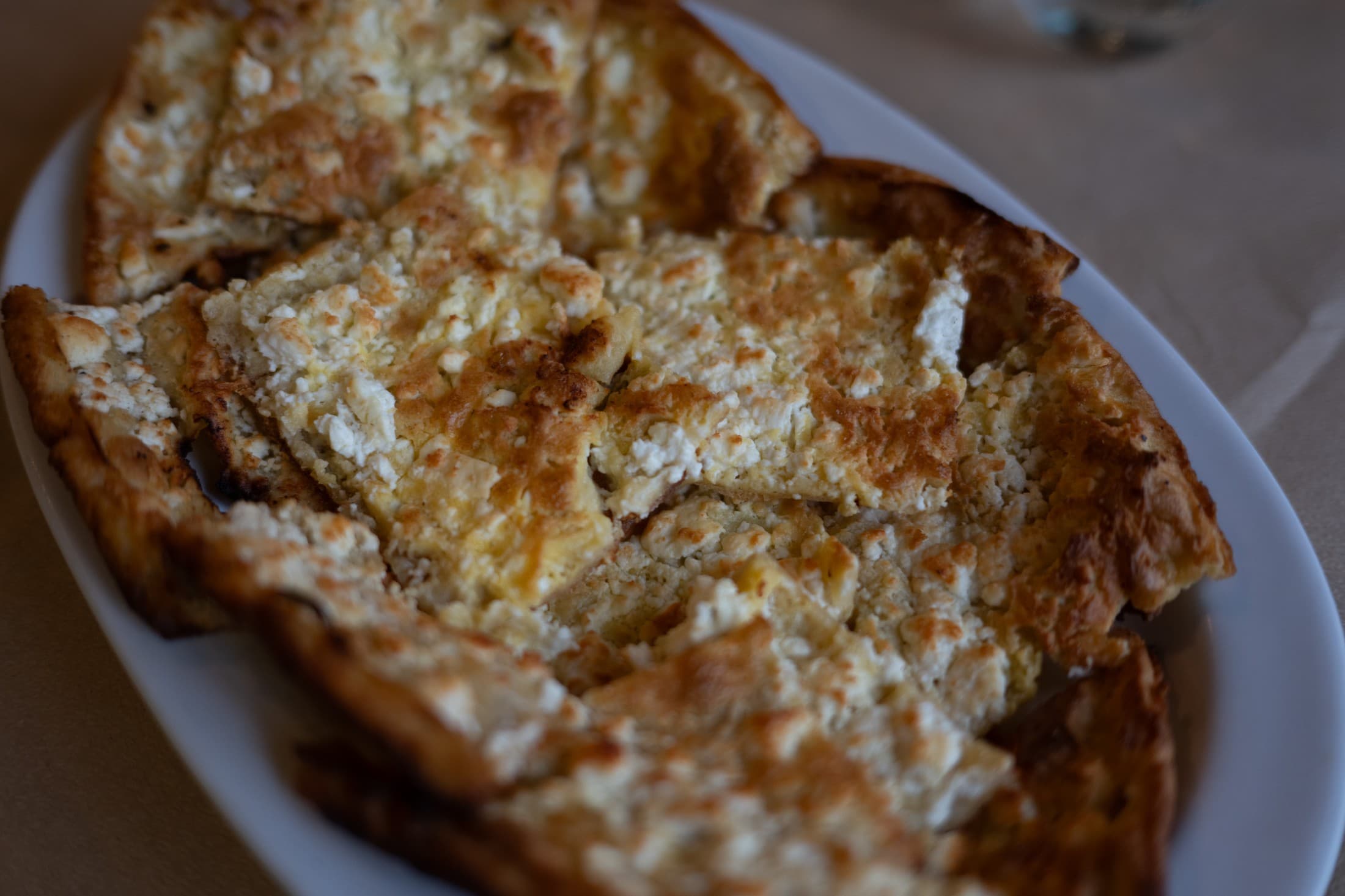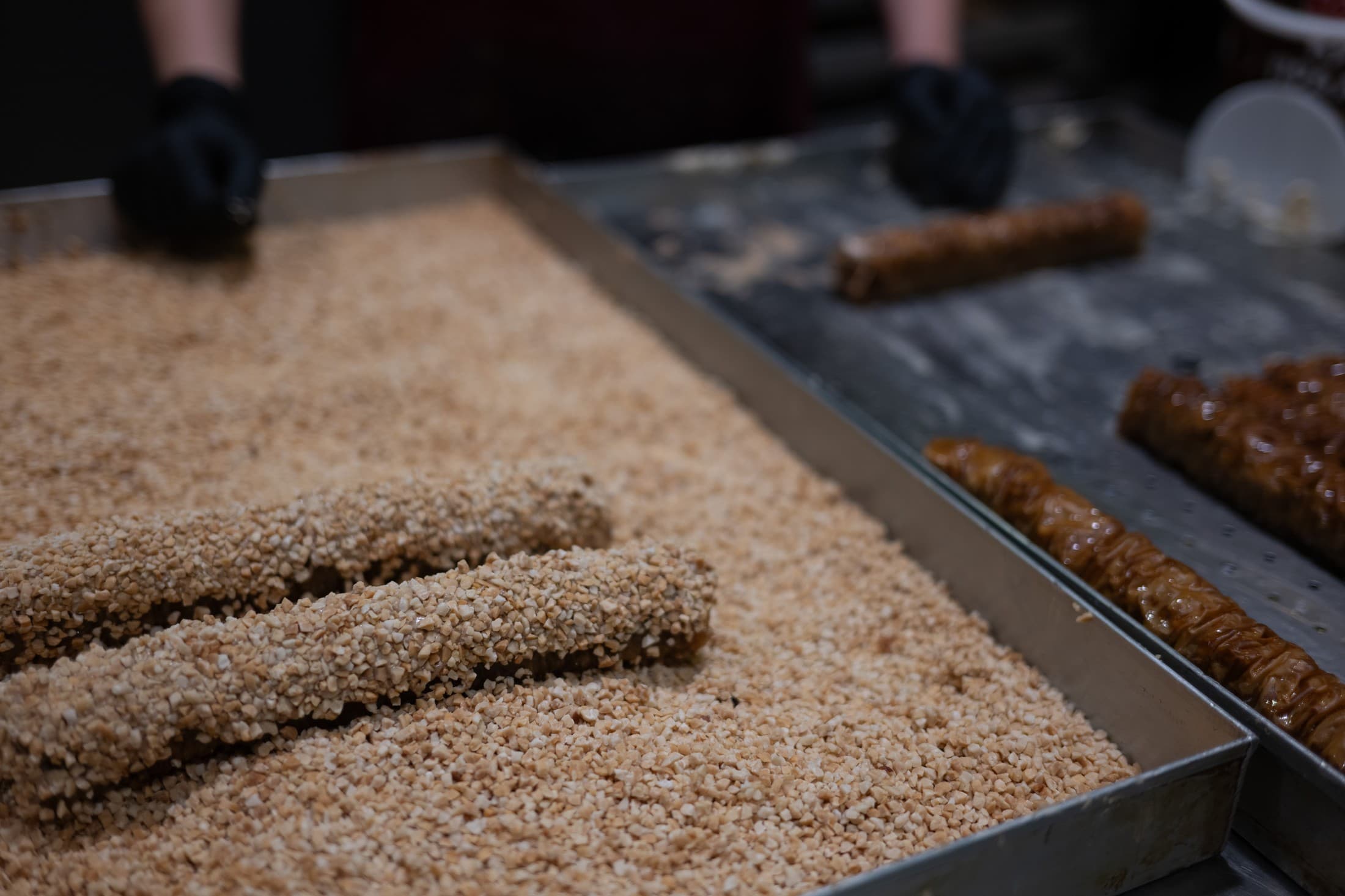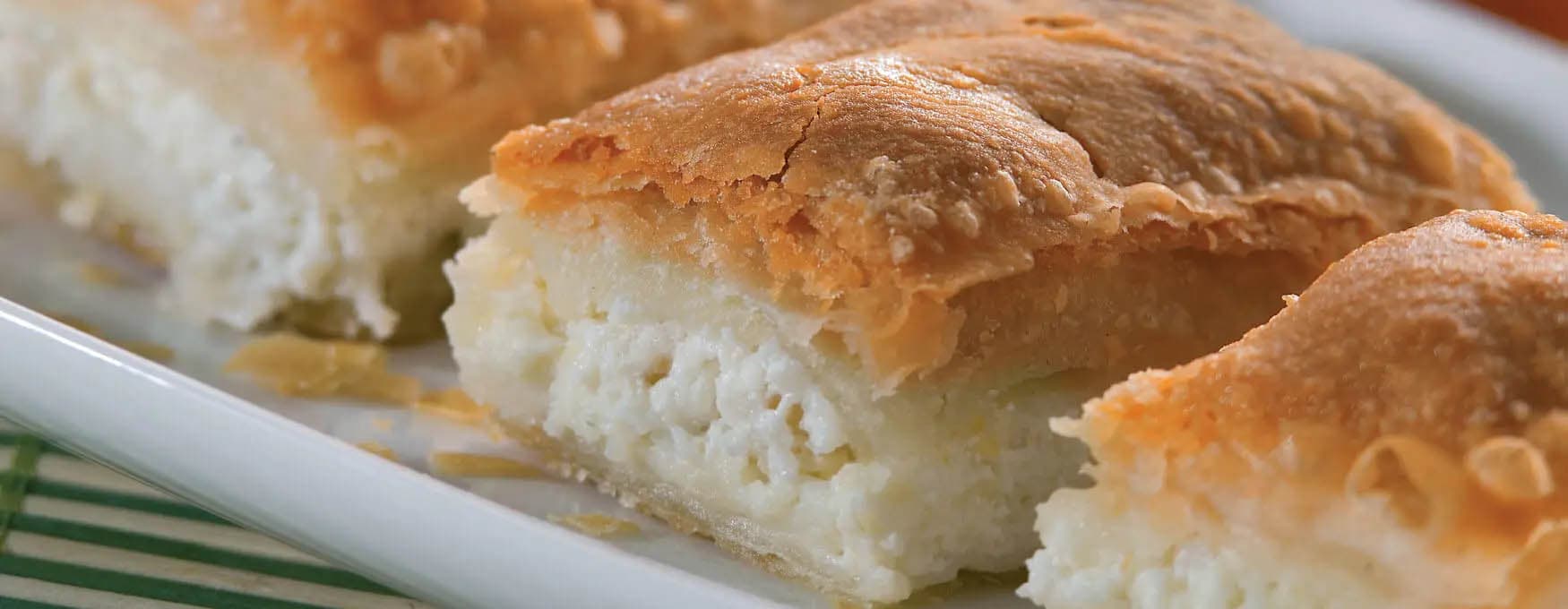
Travelling across the Aegean on a journey of flavours, intoxicating aromas of freshness take over the senses. Delicious white or red sauces, well-cooked creamy legumes, sun-dried vegetables, bread and rusks with a rich, hearty taste made from local varieties of wheat and barley, and fresh goat cheeses, perfect for fluffy pies with delicate pastry, come together to create an irresistibly enticing map of gastronomic exploration.
Flavours of Sun & Sea
The Aegean is a realm shaped by sunlight, sea, and refreshing winds. Its culinary tradition is ancient, reflecting the region’s cultural heritage. Across the islands, common elements include exceptional raw ingredients and the fragrant herbs of the land: oregano, thyme, bay leaf, rosemary, lemon, and, of course, olive oil. Yet, each island’s unique microclimate has contributed to the production of distinctive local products—some of which are truly one of a kind in the world.
Wild Greens & Aromatic Herbs
The seemingly barren mountains, dry olive groves, and even rocky coastlines often conceal botanical treasures. Wild mountain greens, simply boiled and dressed with a little olive oil and lemon, make an excellent accompaniment to grilled meat and fish.
An impressive variety of aromatic plants and herbs—such as oregano, savoury, marjoram, and thyme—infuse marinades and lemon-based stews with their distinctive fragrance. Capers and samphire, a unique group of wild plants that thrive along the coast, are often served as flavourful meze dishes, perfectly paired with a glass of tsipouro.
Fresh Fish & Seafood meze dishes
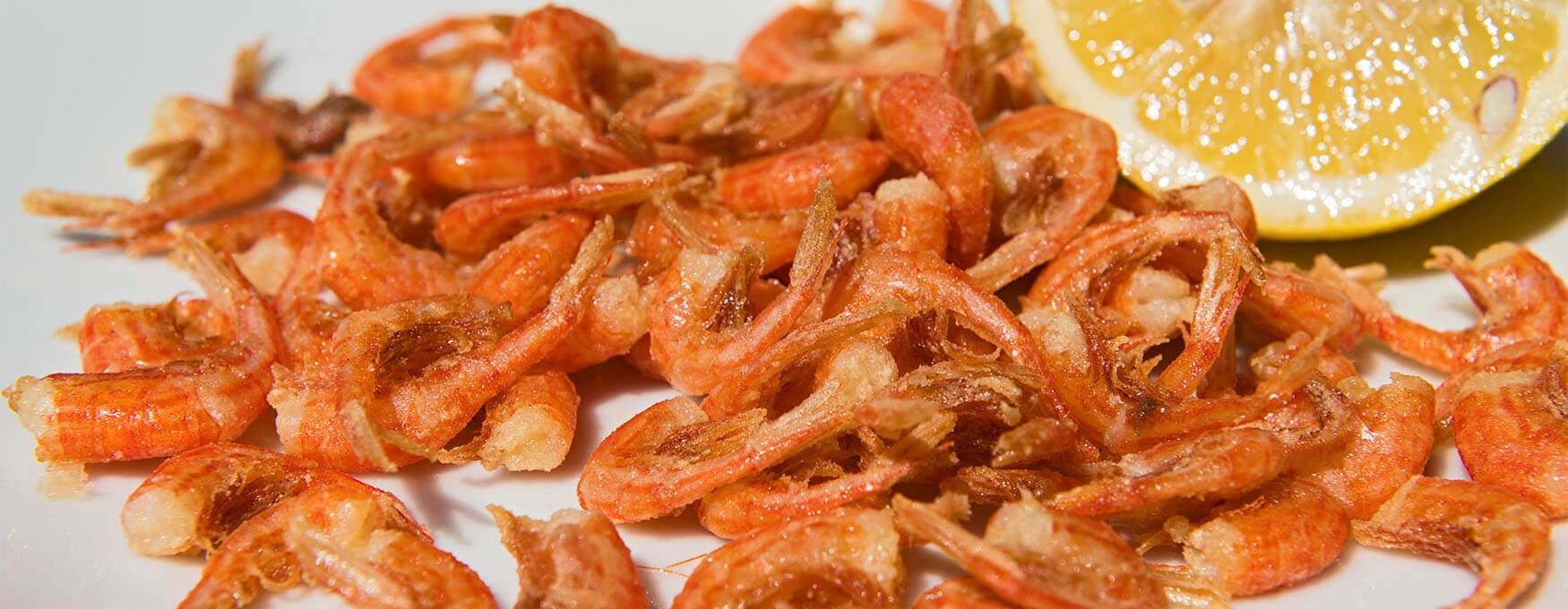
Beyond the classic methods of grilling over charcoal or frying in a pan, fish in the Aegean are prepared in dozens of creative ways. Small to medium-sized fish are often lightly floured and fried in hot olive oil, then topped with an aromatic mildly tangy sauce known as savoro. On most islands, this sauce includes olive oil, high-quality vinegar, and rosemary or oregano. On the island of Tinos, in particular, petimezi (grape molasses) is added, giving dishes a distinctive depth of flavour. Some characteristic dishes include red mullet with a barley rusk crust from Lesvos, oven-baked fish with tahini from Rhodes, mackerel with capers, grouper stifado (a rich onion stew), rock fish kakavia (traditional fish soup), omelette with whitebait from Santorini and Syros, the atherinopita (smelt pie) of Kimolos, stuffed squid with rice or feta, and cuttlefish cooked with fennel and olives…
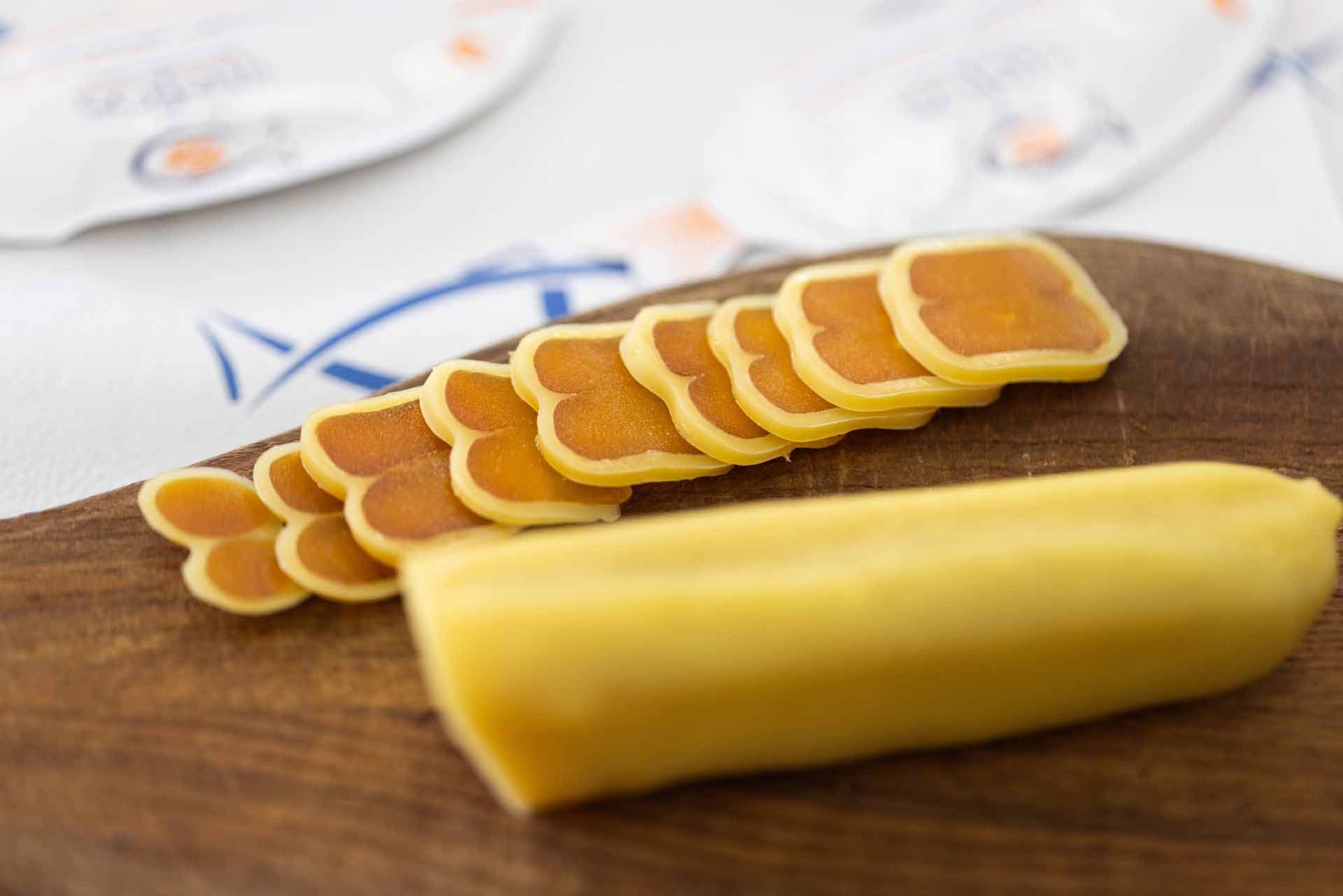
Distinctive meze dishes, perfect companions to a glass of tsipouro or ouzo, include salted sardines from Lesvos, gouna (sun-dried and charcoal-grilled mackerel) from Paros, herring roe salad from Syros, marinated anchovies, and lakerda.
Fine Meats
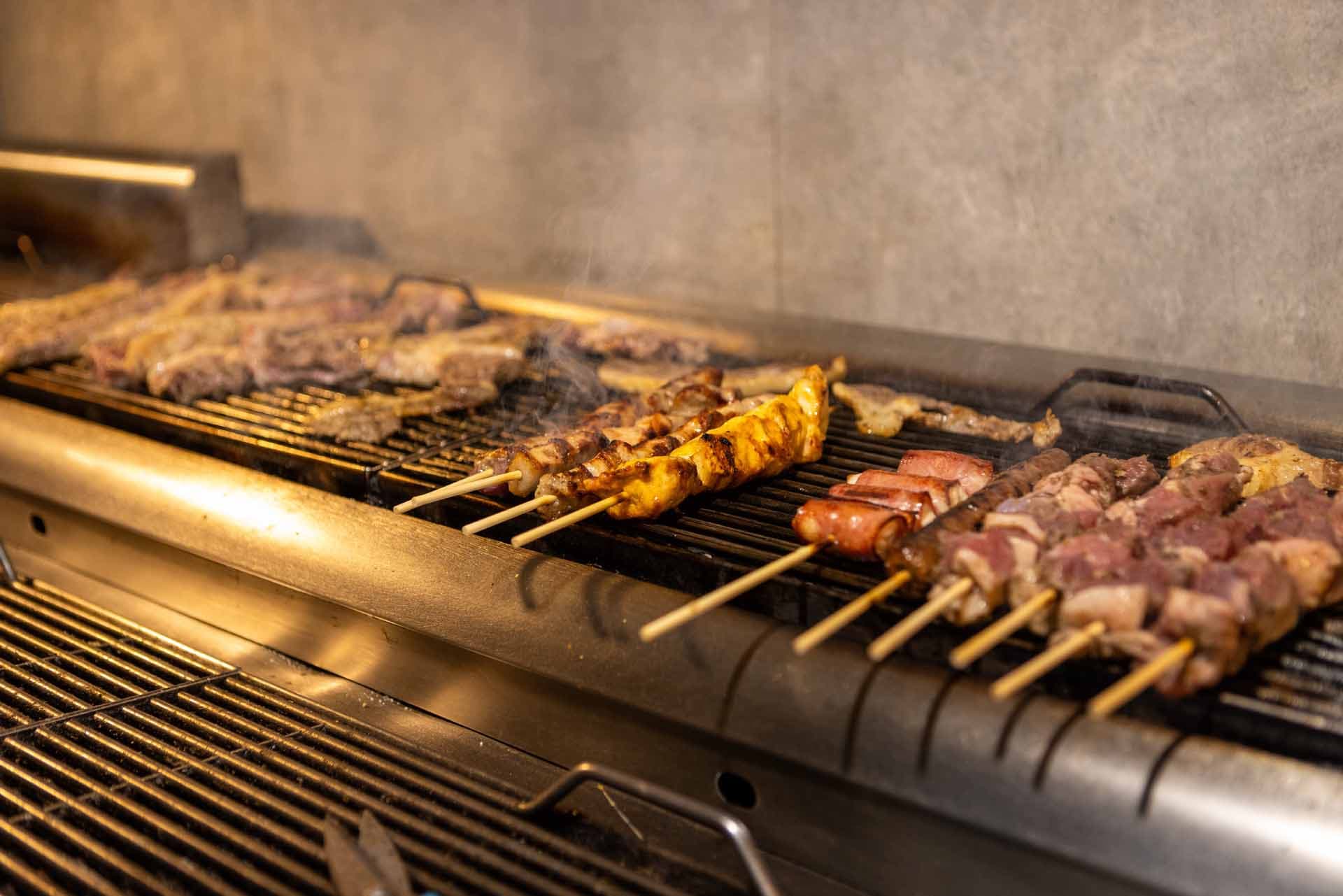
The Aegean is considered the realm of semi-wild goats (known as fouriárika on Crete), which feed on the sparse island vegetation and drink slightly brackish water from springs near the sea. On the islands, goat meat recipes are often combined with wild greens (fricassé) or seasonal vegetables such as lettuce, artichokes, courgettes, fresh broad beans, and aubergines. They are typically cooked with light tomato sauces or tangy egg-lemon (avgolemono) sauces. Among the dishes worth trying are mastelo (oven-baked lamb with herbs and wine), kapama from Rhodes (stuffed goat with rice), vyzanti (oven-baked stuffed lamb) from Karpathos, and the traditional Kasos pilaf.
Excellent meze dishes—perfectly paired with a robust red wine—include syglino, apaki, kavourmas, and a wide variety of sausages made with finely chopped pork and plenty of aromatic herbs.
Legumes
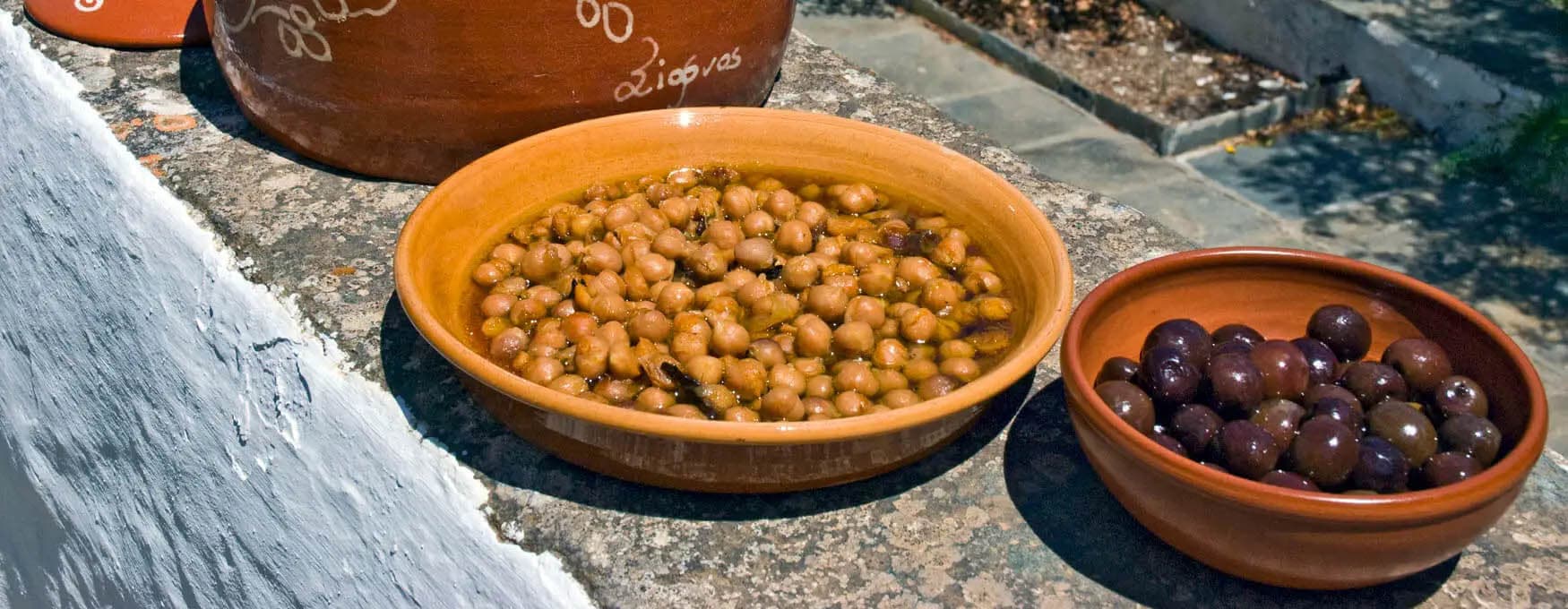
Black-eyed beans, string beans, chickpeas, tiny broad beans, yellow split peas (fava), lupins, and peas are found across most Aegean islands. On the island of Sifnos, chickpeas hold a place of honour among the local specialities. They are cooked in a traditional clay pot with finely chopped green onion, bay leaves or oregano, and plenty of olive oil, then sealed and slow-baked in the oven for many hours—usually overnight.
The famous fava of Santorini is another exceptional legume, though it is becoming increasingly rare. It is typically served with roughly chopped dry onion, oregano, capers, and generous amounts of extra virgin olive oil. It can also be made into fritters, just like chickpeas, when mixed with green onions, spearmint, parsley, flour, and salt and pepper.
Distinctive Dairy Products
The islands of the Aegean are renowned for their unique cheeses, made primarily from goat and sheep’s milk. On Sifnos and Folegandros, you can taste manoura, a cheese matured in wine sediment. On Lemnos, try kalathaki, a white brined goat cheese named after the small basket in which it is formed. On Kos, krasotyri—a wine-infused cheese resembling a small log with ridges—offers a distinctive flavour. Similar wine-soaked cheeses can also be found on Nisyros and Leros.
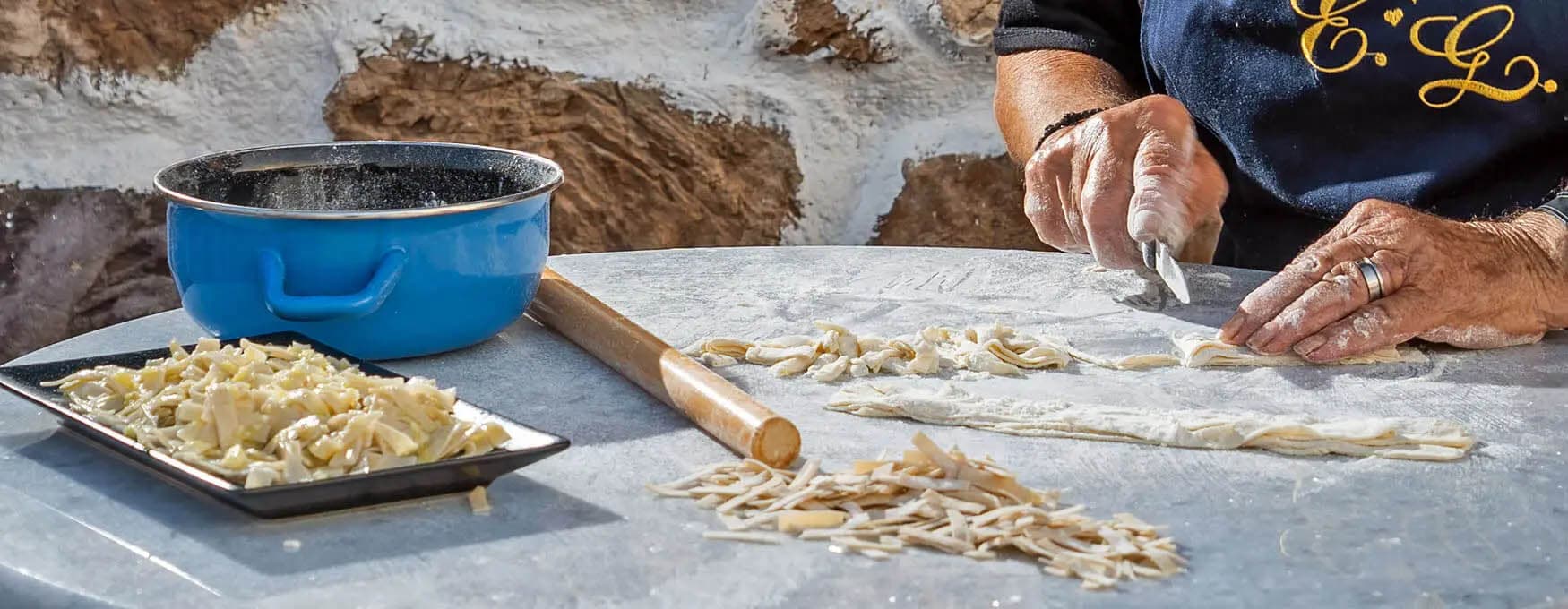
Sitaka, a speciality of Kasos, is one of the most unusual dairy products in Greece: a slightly astrigent, creamy cheese made from fermented sheep’s or goat’s milk. Lightly salted and slowly cooked over low heat in a traditional oven, it is typically served with delicious local pasta and caramelised onions. Other notable cheeses include San Michalis from Syros, a Protected Designation of Origin (PDO) cheese, chloro from Santorini, enjoyed either fresh and soft or matured with pasta, as well as the famous Cretan graviera. These are just a few examples of the rich cheesemaking tradition found across the Aegean.
Flavours of Sun & Sea
The Aegean is a realm shaped by sunlight, sea, and refreshing winds. Its culinary tradition is ancient, reflecting the region’s cultural heritage. Across the islands, common elements include exceptional raw ingredients and the fragrant herbs of the land: oregano, thyme, bay leaf, rosemary, lemon, and, of course, olive oil. Yet, each island’s unique microclimate has contributed to the production of distinctive local products—some of which are truly one of a kind in the world.
Wild Greens & Aromatic Herbs
The seemingly barren mountains, dry olive groves, and even rocky coastlines often conceal botanical treasures. Wild mountain greens, simply boiled and dressed with a little olive oil and lemon, make an excellent accompaniment to grilled meat and fish.
An impressive variety of aromatic plants and herbs—such as oregano, savoury, marjoram, and thyme—infuse marinades and lemon-based stews with their distinctive fragrance. Capers and samphire, a unique group of wild plants that thrive along the coast, are often served as flavourful meze dishes, perfectly paired with a glass of tsipouro.
Fresh Fish & Seafood meze dishes
Beyond the classic methods of grilling over charcoal or frying in a pan, fish in the Aegean are prepared in dozens of creative ways. Small to medium-sized fish are often lightly floured and fried in hot olive oil, then topped with an aromatic mildly tangy sauce known as savoro. On most islands, this sauce includes olive oil, high-quality vinegar, and rosemary or oregano. On the island of Tinos, in particular, petimezi (grape molasses) is added, giving dishes a distinctive depth of flavour. Some characteristic dishes include red mullet with a barley rusk crust from Lesvos, oven-baked fish with tahini from Rhodes, mackerel with capers, grouper stifado (a rich onion stew), rock fish kakavia (traditional fish soup), omelette with whitebait from Santorini and Syros, the atherinopita (smelt pie) of Kimolos, stuffed squid with rice or feta, and cuttlefish cooked with fennel and olives…
Distinctive meze dishes, perfect companions to a glass of tsipouro or ouzo, include salted sardines from Lesvos, gouna (sun-dried and charcoal-grilled mackerel) from Paros, herring roe salad from Syros, marinated anchovies, and lakerda.
Fine Meats
The Aegean is considered the realm of semi-wild goats (known as fouriárika on Crete), which feed on the sparse island vegetation and drink slightly brackish water from springs near the sea. On the islands, goat meat recipes are often combined with wild greens (fricassé) or seasonal vegetables such as lettuce, artichokes, courgettes, fresh broad beans, and aubergines. They are typically cooked with light tomato sauces or tangy egg-lemon (avgolemono) sauces. Among the dishes worth trying are mastelo (oven-baked lamb with herbs and wine), kapama from Rhodes (stuffed goat with rice), vyzanti (oven-baked stuffed lamb) from Karpathos, and the traditional Kasos pilaf.
Excellent meze dishes—perfectly paired with a robust red wine—include syglino, apaki, kavourmas, and a wide variety of sausages made with finely chopped pork and plenty of aromatic herbs.
Legumes
Black-eyed beans, string beans, chickpeas, tiny broad beans, yellow split peas (fava), lupins, and peas are found across most Aegean islands. On the island of Sifnos, chickpeas hold a place of honour among the local specialities. They are cooked in a traditional clay pot with finely chopped green onion, bay leaves or oregano, and plenty of olive oil, then sealed and slow-baked in the oven for many hours—usually overnight.
The famous fava of Santorini is another exceptional legume, though it is becoming increasingly rare. It is typically served with roughly chopped dry onion, oregano, capers, and generous amounts of extra virgin olive oil. It can also be made into fritters, just like chickpeas, when mixed with green onions, spearmint, parsley, flour, and salt and pepper.
Distinctive Dairy Products
The islands of the Aegean are renowned for their unique cheeses, made primarily from goat and sheep’s milk. On Sifnos and Folegandros, you can taste manoura, a cheese matured in wine sediment. On Lemnos, try kalathaki, a white brined goat cheese named after the small basket in which it is formed. On Kos, krasotyri—a wine-infused cheese resembling a small log with ridges—offers a distinctive flavour. Similar wine-soaked cheeses can also be found on Nisyros and Leros.
Sitaka, a speciality of Kasos, is one of the most unusual dairy products in Greece: a slightly astrigent, creamy cheese made from fermented sheep’s or goat’s milk. Lightly salted and slowly cooked over low heat in a traditional oven, it is typically served with delicious local pasta and caramelised onions. Other notable cheeses include San Michalis from Syros, a Protected Designation of Origin (PDO) cheese, chloro from Santorini, enjoyed either fresh and soft or matured with pasta, as well as the famous Cretan graviera. These are just a few examples of the rich cheesemaking tradition found across the Aegean.