Sweet Greece… in a Glass!
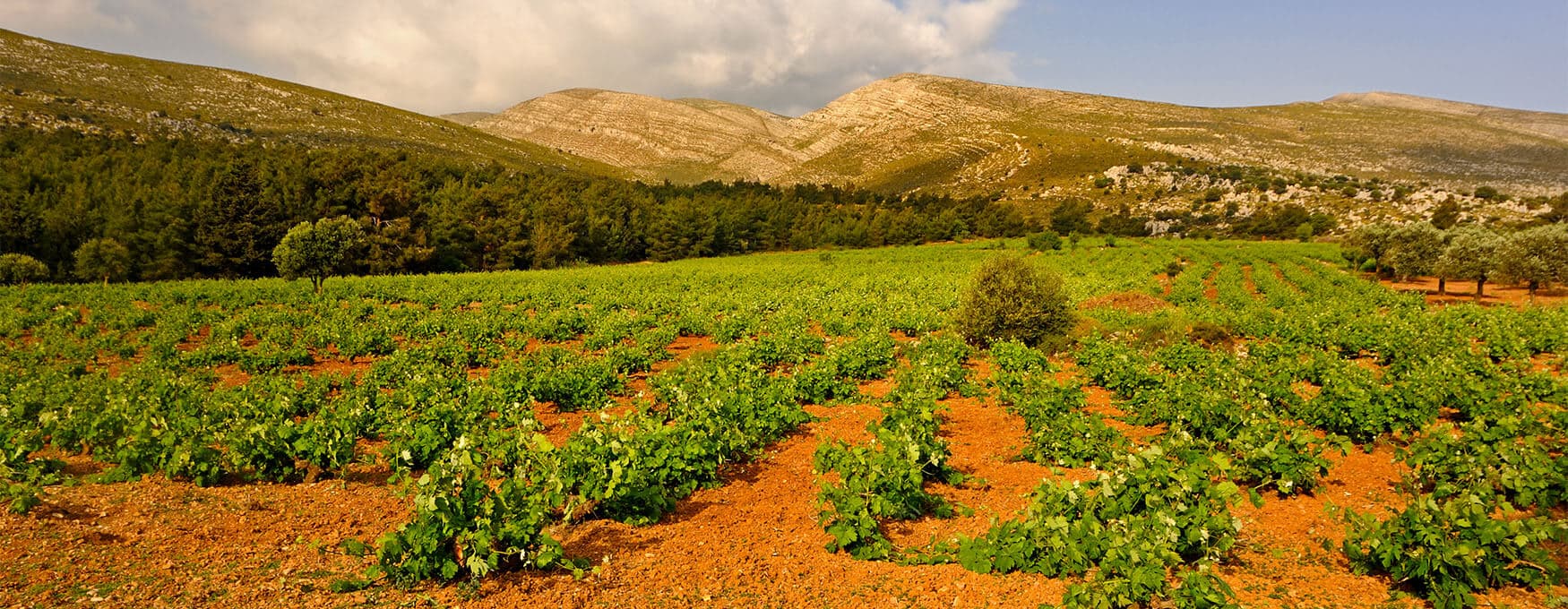
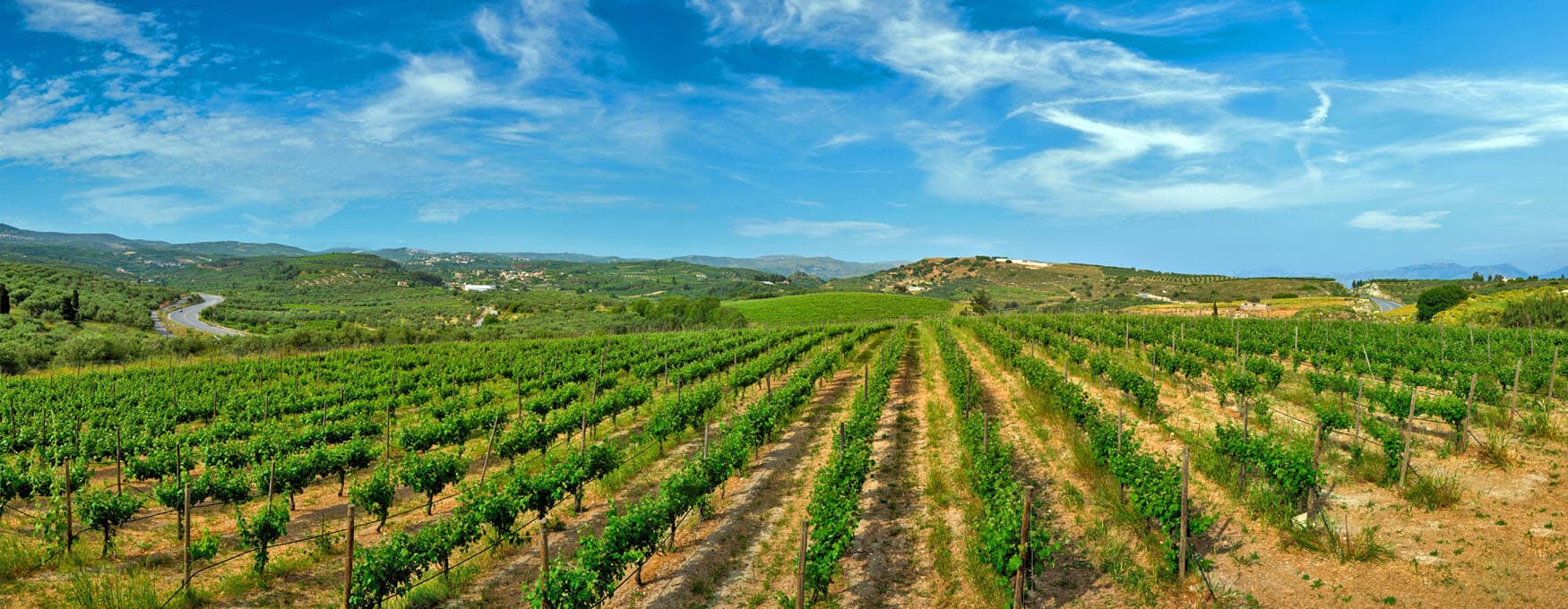
Greece has been renowned since antiquity for its exceptional sweet wines. With its Mediterranean climate, abundant sunshine, diverse terrain, and winemaking tradition spanning thousands of years, our country today offers a wide variety of high-quality sweet wines that stand proudly alongside some of the finest in the world.
The Greek vineyard invites you on a unique journey of aromas, colours, and flavours: notes of rose, bergamot, lemon blossom, dried apricot, honey, coffee, vanilla, and bitter almond; hues of gold, amber, and deep brown; and a taste that is delicate, velvety, and sweet.
Their sweetness will accompany every moment and elevate your culinary experiences. As an aperitif, as a dessert wine, or—even for the more adventurous—throughout a meal, the sweet temptations of the Greek vineyard are sure to win a special place in your heart!
Vinsanto
Vinsanto is produced exclusively on Santorini from the indigenous grape varieties Assyrtiko, Aidani, and Athiri. Its “secret” lies in the process: once harvested, the overripe grapes are left to dry under the intense sun, partially dehydrating. According to one interpretation, its name comes from the words: vin (“wine”) and Santo (a reference to Santorini). The result is a wine of exceptional balance, revealing aromas of dried fruits, honey, and nuts.
Serving suggestions: Pair it beautifully with chocolate-based desserts or dried fruits, as well as bold cheeses such as kopanisti or San Michali from Syros.
Beyond Santorini’s Vinsanto, excellent sun-dried sweet wines are also produced in other regions of Greece, including Paros, Samos, Monemvasia, Siatista (Kozani), and the area of Sitia on Crete.
Mavrodafni
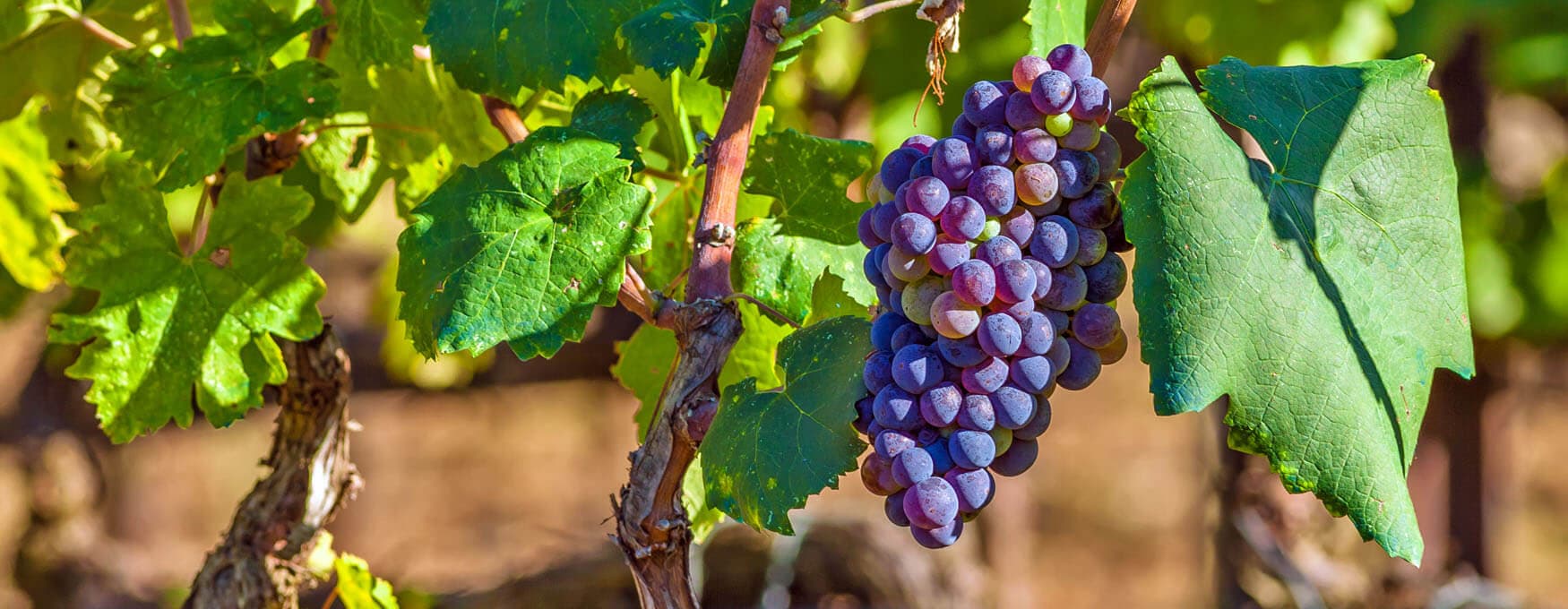
A red grape variety cultivated mainly in northwestern Peloponnese (around the region of Patras) and on some of the Ionian Islands. It produces wines with a deep ruby colour and aromas of cherry, vanilla, raisin, and chocolate.
Serving suggestions: Best served at 12°C–16°C. Enjoy it as an aperitif paired with nuts and spicy appetisers, but it also matches beautifully with spiced dishes, fresh fruit, fruit tarts, almond-based desserts, vanilla ice cream, syrupy tray-bakes, spoon sweets, and chocolate.
Muscat of Samos
White Muscat, the queen grape variety of Samos, is used to produce the island’s sweet wines. These wines stand out for their ripe, slightly oxidative aromas and their rich, concentrated flavour.
Serving suggestions: Best served at 8°C–10°C, either as an aperitif or at the end of a meal. Pair it with blue cheeses, desserts featuring citrus fruits or nuts—or, for the more adventurous, try it alongside a lobster dish!
Muscat of Lemnos
The Alexandria Muscat – distinct from the varieties grown on Samos and Patras – produces Lemnos’ famous sweet wines, renowned for their fresh grape aromas, vibrant acidity, and lively sense of freshness.
Serving suggestions: Serve chilled at 8–10°C, either as an aperitif or at the end of a meal. Enjoy it alongside fruit salads, fruit tarts, vanilla or fruit ice cream, and even galaktoboureko (traditional Greek milk custard pastry)!
Muscat of Rio, Patras
This is the lightest version of Muscat, with delicate floral and fruity aromas reminiscent of peach, melon, and orange.
Serving suggestions: Serve chilled at 10–12°C. Enjoy it on its own or pair it with fruit-based desserts, ice cream, or fresh fruit.
The Sweetness of Crete
Liatiko & Romeiko
Crete’s rich vineyards offer sweet wine lovers two exquisite varieties: Liatiko and Romeiko. Liatiko is a red grape variety, found exclusively on Crete, and is considered one of the oldest Greek varieties. Its name comes from the month of its ripening, July, and when properly vinified, it produces stunning sweet dessert wines. This long-standing relationship between Liatiko and Cretan winemakers stretches back through centuries. It evolved from the “Malvasia”-style sweet wines that Cretans produced and traded as far back as the Byzantine era.
The second variety, Romeiko, a traditional red from Chania, not only produces the local Kissamos wine but also creates remarkable dessert wines, which in recent years have gained international recognition! The grapes are harvested fully ripe and sun-dried for several days under Crete’s hot sun. This is followed by vinification, and in some cases, ageing too.
Serving suggestions: Enjoy these wines on their own as an aperitif or pair them with fruit-based desserts, fresh fruit, or Cretan spicy graviera cheese.
Did You Know?
Dessert wines owe their sweetness to the sugars that remain in the wine after alcoholic fermentation is complete! This fermentation can stop naturally, as in the case of naturally sweet wines, or, in the case of sweet fortified wines (Vins de Liqueur), the fermentation is halted by the addition of alcohol.
PDO Wines – Sweet Wines of Greece
Greece has been renowned since antiquity for its exceptional sweet wines. With its Mediterranean climate, abundant sunshine, diverse terrain, and winemaking tradition spanning thousands of years, our country today offers a wide variety of high-quality sweet wines that stand proudly alongside some of the finest in the world.
The Greek vineyard invites you on a unique journey of aromas, colours, and flavours: notes of rose, bergamot, lemon blossom, dried apricot, honey, coffee, vanilla, and bitter almond; hues of gold, amber, and deep brown; and a taste that is delicate, velvety, and sweet.
Their sweetness will accompany every moment and elevate your culinary experiences. As an aperitif, as a dessert wine, or—even for the more adventurous—throughout a meal, the sweet temptations of the Greek vineyard are sure to win a special place in your heart!
Vinsanto
Vinsanto is produced exclusively on Santorini from the indigenous grape varieties Assyrtiko, Aidani, and Athiri. Its “secret” lies in the process: once harvested, the overripe grapes are left to dry under the intense sun, partially dehydrating. According to one interpretation, its name comes from the words: vin (“wine”) and Santo (a reference to Santorini). The result is a wine of exceptional balance, revealing aromas of dried fruits, honey, and nuts.
Serving suggestions: Pair it beautifully with chocolate-based desserts or dried fruits, as well as bold cheeses such as kopanisti or San Michali from Syros.
Beyond Santorini’s Vinsanto, excellent sun-dried sweet wines are also produced in other regions of Greece, including Paros, Samos, Monemvasia, Siatista (Kozani), and the area of Sitia on Crete.
Mavrodafni
A red grape variety cultivated mainly in northwestern Peloponnese (around the region of Patras) and on some of the Ionian Islands. It produces wines with a deep ruby colour and aromas of cherry, vanilla, raisin, and chocolate.
Serving suggestions: Best served at 12°C–16°C. Enjoy it as an aperitif paired with nuts and spicy appetisers, but it also matches beautifully with spiced dishes, fresh fruit, fruit tarts, almond-based desserts, vanilla ice cream, syrupy tray-bakes, spoon sweets, and chocolate.
Muscat of Samos
White Muscat, the queen grape variety of Samos, is used to produce the island’s sweet wines. These wines stand out for their ripe, slightly oxidative aromas and their rich, concentrated flavour.
Serving suggestions: Best served at 8°C–10°C, either as an aperitif or at the end of a meal. Pair it with blue cheeses, desserts featuring citrus fruits or nuts—or, for the more adventurous, try it alongside a lobster dish!
Muscat of Lemnos
The Alexandria Muscat – distinct from the varieties grown on Samos and Patras – produces Lemnos’ famous sweet wines, renowned for their fresh grape aromas, vibrant acidity, and lively sense of freshness.
Serving suggestions: Serve chilled at 8–10°C, either as an aperitif or at the end of a meal. Enjoy it alongside fruit salads, fruit tarts, vanilla or fruit ice cream, and even galaktoboureko (traditional Greek milk custard pastry)!
Muscat of Rio, Patras
This is the lightest version of Muscat, with delicate floral and fruity aromas reminiscent of peach, melon, and orange.
Serving suggestions: Serve chilled at 10–12°C. Enjoy it on its own or pair it with fruit-based desserts, ice cream, or fresh fruit.
The Sweetness of Crete
Liatiko & Romeiko
Crete’s rich vineyards offer sweet wine lovers two exquisite varieties: Liatiko and Romeiko. Liatiko is a red grape variety, found exclusively on Crete, and is considered one of the oldest Greek varieties. Its name comes from the month of its ripening, July, and when properly vinified, it produces stunning sweet dessert wines. This long-standing relationship between Liatiko and Cretan winemakers stretches back through centuries. It evolved from the “Malvasia”-style sweet wines that Cretans produced and traded as far back as the Byzantine era.
The second variety, Romeiko, a traditional red from Chania, not only produces the local Kissamos wine but also creates remarkable dessert wines, which in recent years have gained international recognition! The grapes are harvested fully ripe and sun-dried for several days under Crete’s hot sun. This is followed by vinification, and in some cases, ageing too.
Serving suggestions: Enjoy these wines on their own as an aperitif or pair them with fruit-based desserts, fresh fruit, or Cretan spicy graviera cheese.
Did You Know?
Dessert wines owe their sweetness to the sugars that remain in the wine after alcoholic fermentation is complete! This fermentation can stop naturally, as in the case of naturally sweet wines, or, in the case of sweet fortified wines (Vins de Liqueur), the fermentation is halted by the addition of alcohol.
PDO Wines – Sweet Wines of Greece
- PDO Mavrodafni Kephalinias – Ionian Islands
- PDO Mavrodafni Patron – Achaia
- PDO Moschatos Kephalinias – Ionian Islands
- PDO Moschatos Lemnou – North Aegean
- PDO Moschatos Patron – Achaia
- PDO Moschatos Riou Patron – Achaia
- PDO Moschatos Rhodou – Dodecanese
- PDO Samos – North Aegean
- PDO Dafnes – Crete
- PDO Sitia
- PDO Malvasia Paros
- PDO Monemvasia Malvasia
- PDO Santorini
- PDO Naousa
- PDO Nemea
- PDO Rhodos
- PDO Zitsa
- PDO Amynteo
- PDO Anchialos