The Seasonings of Greek Cuisine
Greek cuisine is a true mosaic of flavours, recipes and traditions, reflecting the rich diversity of each region of this remarkable country. Situated at the crossroads of East and West, it has absorbed strong influences from its neighbours, while these blends, combined with a local tradition spanning some 4,000 years, create something truly unique, offering the palate unforgettable gastronomic experiences.
Spices and aromatic herbs, the very soul of any national cuisine, are an integral part of Greek gastronomy, which knows how to use them with wisdom and moderation. With their wide range of uses in both cooking and confectionery, spices create countless memorable variations in flavour and aroma in every dish, while also offering significant nutritional benefits, promoting health and well-being. Come and explore the secrets of Greek cuisine and discover its most distinctive aromas up close!
A Journey Through Flavours & Aromas
Allspice
Allspice offers a unique blend of aromas reminiscent of cinnamon, clove, cardamom and nutmeg. It has an intense fragrance and a warm, slightly sweet yet gently spicy flavour.
Use it in pickles, to season meats, sauces, stews and soups, or to add a distinctive touch to biscuits, sweets and pies.
Try it in tomato-based dishes.
Kozani Saffron PDO
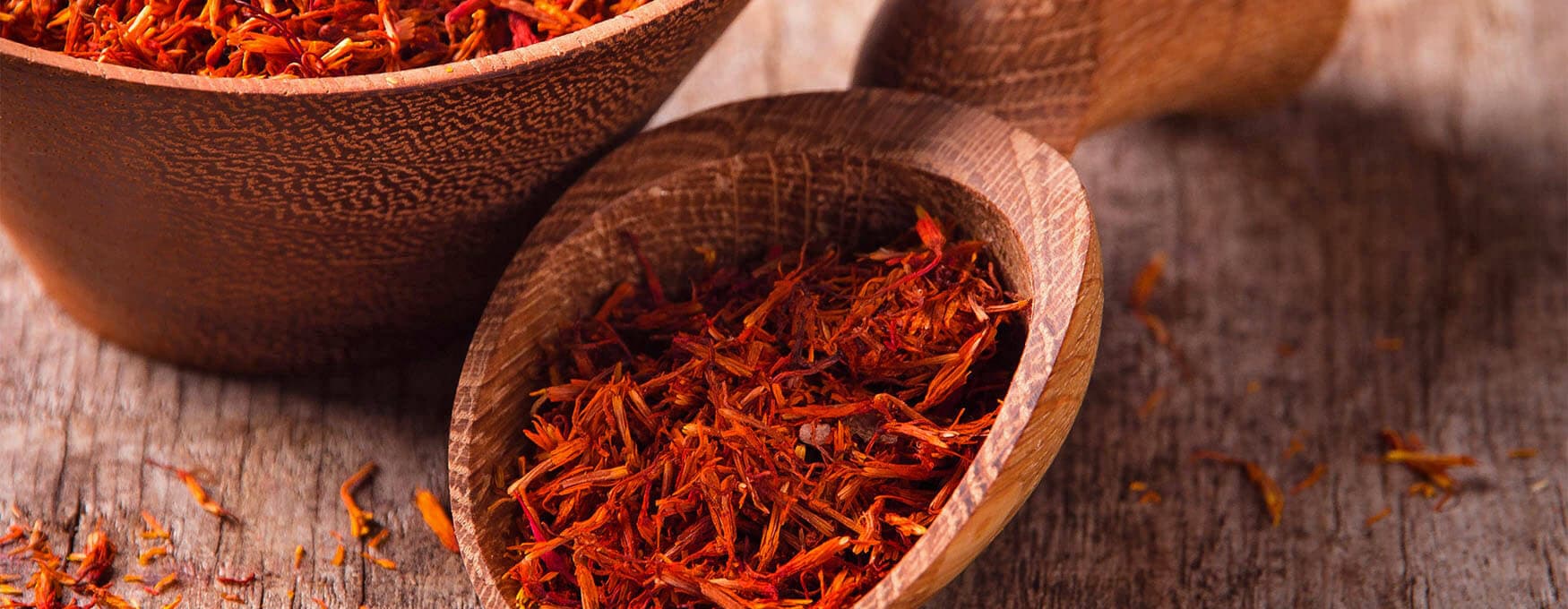
Known as “red gold”, Kozani saffron comes from the crimson stigmas of the crocus flower and is considered among the finest quality saffron in the world. With its delicate aroma, pleasantly bittersweet flavour and vibrant golden-red colour, it elevates creations in cooking, cheesemaking, confectionery and even distilling.
It can be used with rice, potatoes, pasta, white meats and seafood, or infused into coffee and various types of tea.
Do try it in a mussel risotto with Kozani saffron.
Cinnamon
A much-loved spice, cinnamon lends a subtle sweetness and comforting warmth to dishes. Known since antiquity, its English name derives from the Greek “kinnámomon”.
It is used in traditional sweets, biscuits, custards, cakes and sweet breads, while in savoury cooking it appears mainly in tomato-based dishes, marinades and poultry.
Do try it in bougatsa.
Clove
Clove has a strong, distinctive flavour and a pleasantly rich aroma, combining both spicy and sweet notes. It is used in both confectionery and cooking, and is especially favoured in autumn and winter recipes.
In savoury dishes, it is used to season pork and beef, often studded into onions for slow-cooked dishes, while also adding depth to broths. In baking and pastry-making, it appears in pies, tarts, sweets and syrups. It pairs beautifully with fruit, nuts and honey, and is also used in distilling to flavour spirits.
Do try it in baklava.
Nutmeg
Nutmeg has a warm, robust aroma and a pronounced flavour. Its classic pairing is undoubtedly cinnamon, though it also combines harmoniously with clove.
It is mainly used in traditional sweets, tomato-based meat dishes and sauces, as well as in salads and liqueurs.
Do try it in moussaka.
Cardamom
Cardamom has a bold, spicy flavour with notes of lemon and pine. It is among the most expensive spices after saffron and is renowned for its invigorating properties.
It is mainly used in sauces and vegetable dishes, and pairs particularly well with rice, chicken, lentils, custards, carrots, citrus fruits, pumpkin, tea and coffee.
Do try it with roasted quinces infused with cardamom.
Coriander
A favourite spice of the ancient Greeks, who believed it ensured the immortality of the soul. It has an earthy yet pronounced flavour, leaving a lingering hint of citrus and sage on the palate.
Used either as whole or ground seeds, it enhances soups, roasted or slow-cooked meats, fish, poultry and vegetables.
Do try it with coriander-roasted potatoes.
Aniseed
With its gentle sweetness — just as its name suggests — aniseed is closely associated with the beloved ouzo that accompanies Greek summers, as well as tsipouro in certain regions of the country.
It is used in baking and confectionery.
Do try it in ouzo biscuits.
Ginger
With its lively, spicy heat that tingles the palate, ginger has been known since antiquity as “zingiberi”. Today, it is a key ingredient in the famous Corfiot drink tsitsibira, a non-alcoholic refreshment that naturally fizzes without carbonation!
It is used in powdered or syrup form, mainly to enhance sweets and sauces.
Do try olive oil infused with ginger.
Mahlepi
Mahlepi is a highly aromatic spice made from the kernels of wild cherry stones. It is used primarily in confectionery, leaving a distinctive aftertaste of cherry and bitter almond on the palate.
It is used to flavour tsoureki (traditional sweet bread) and biscuits.
Do try it in tsoureki.
Greek cuisine is a true mosaic of flavours, recipes and traditions, reflecting the rich diversity of each region of this remarkable country. Situated at the crossroads of East and West, it has absorbed strong influences from its neighbours, while these blends, combined with a local tradition spanning some 4,000 years, create something truly unique, offering the palate unforgettable gastronomic experiences.
Spices and aromatic herbs, the very soul of any national cuisine, are an integral part of Greek gastronomy, which knows how to use them with wisdom and moderation. With their wide range of uses in both cooking and confectionery, spices create countless memorable variations in flavour and aroma in every dish, while also offering significant nutritional benefits, promoting health and well-being. Come and explore the secrets of Greek cuisine and discover its most distinctive aromas up close!
A Journey Through Flavours & Aromas
Allspice
Allspice offers a unique blend of aromas reminiscent of cinnamon, clove, cardamom and nutmeg. It has an intense fragrance and a warm, slightly sweet yet gently spicy flavour.
Use it in pickles, to season meats, sauces, stews and soups, or to add a distinctive touch to biscuits, sweets and pies.
Try it in tomato-based dishes.
Kozani Saffron PDO
Known as “red gold”, Kozani saffron comes from the crimson stigmas of the crocus flower and is considered among the finest quality saffron in the world. With its delicate aroma, pleasantly bittersweet flavour and vibrant golden-red colour, it elevates creations in cooking, cheesemaking, confectionery and even distilling.
It can be used with rice, potatoes, pasta, white meats and seafood, or infused into coffee and various types of tea.
Do try it in a mussel risotto with Kozani saffron.
Cinnamon
A much-loved spice, cinnamon lends a subtle sweetness and comforting warmth to dishes. Known since antiquity, its English name derives from the Greek “kinnámomon”.
It is used in traditional sweets, biscuits, custards, cakes and sweet breads, while in savoury cooking it appears mainly in tomato-based dishes, marinades and poultry.
Do try it in bougatsa.
Clove
Clove has a strong, distinctive flavour and a pleasantly rich aroma, combining both spicy and sweet notes. It is used in both confectionery and cooking, and is especially favoured in autumn and winter recipes.
In savoury dishes, it is used to season pork and beef, often studded into onions for slow-cooked dishes, while also adding depth to broths. In baking and pastry-making, it appears in pies, tarts, sweets and syrups. It pairs beautifully with fruit, nuts and honey, and is also used in distilling to flavour spirits.
Do try it in baklava.
Nutmeg
Nutmeg has a warm, robust aroma and a pronounced flavour. Its classic pairing is undoubtedly cinnamon, though it also combines harmoniously with clove.
It is mainly used in traditional sweets, tomato-based meat dishes and sauces, as well as in salads and liqueurs.
Do try it in moussaka.
Cardamom
Cardamom has a bold, spicy flavour with notes of lemon and pine. It is among the most expensive spices after saffron and is renowned for its invigorating properties.
It is mainly used in sauces and vegetable dishes, and pairs particularly well with rice, chicken, lentils, custards, carrots, citrus fruits, pumpkin, tea and coffee.
Do try it with roasted quinces infused with cardamom.
Coriander
A favourite spice of the ancient Greeks, who believed it ensured the immortality of the soul. It has an earthy yet pronounced flavour, leaving a lingering hint of citrus and sage on the palate.
Used either as whole or ground seeds, it enhances soups, roasted or slow-cooked meats, fish, poultry and vegetables.
Do try it with coriander-roasted potatoes.
Aniseed
With its gentle sweetness — just as its name suggests — aniseed is closely associated with the beloved ouzo that accompanies Greek summers, as well as tsipouro in certain regions of the country.
It is used in baking and confectionery.
Do try it in ouzo biscuits.
Ginger
With its lively, spicy heat that tingles the palate, ginger has been known since antiquity as “zingiberi”. Today, it is a key ingredient in the famous Corfiot drink tsitsibira, a non-alcoholic refreshment that naturally fizzes without carbonation!
It is used in powdered or syrup form, mainly to enhance sweets and sauces.
Do try olive oil infused with ginger.
Mahlepi
Mahlepi is a highly aromatic spice made from the kernels of wild cherry stones. It is used primarily in confectionery, leaving a distinctive aftertaste of cherry and bitter almond on the palate.
It is used to flavour tsoureki (traditional sweet bread) and biscuits.
Do try it in tsoureki.