A masterpiece of Roman architecture in the shadow of the Acropolis
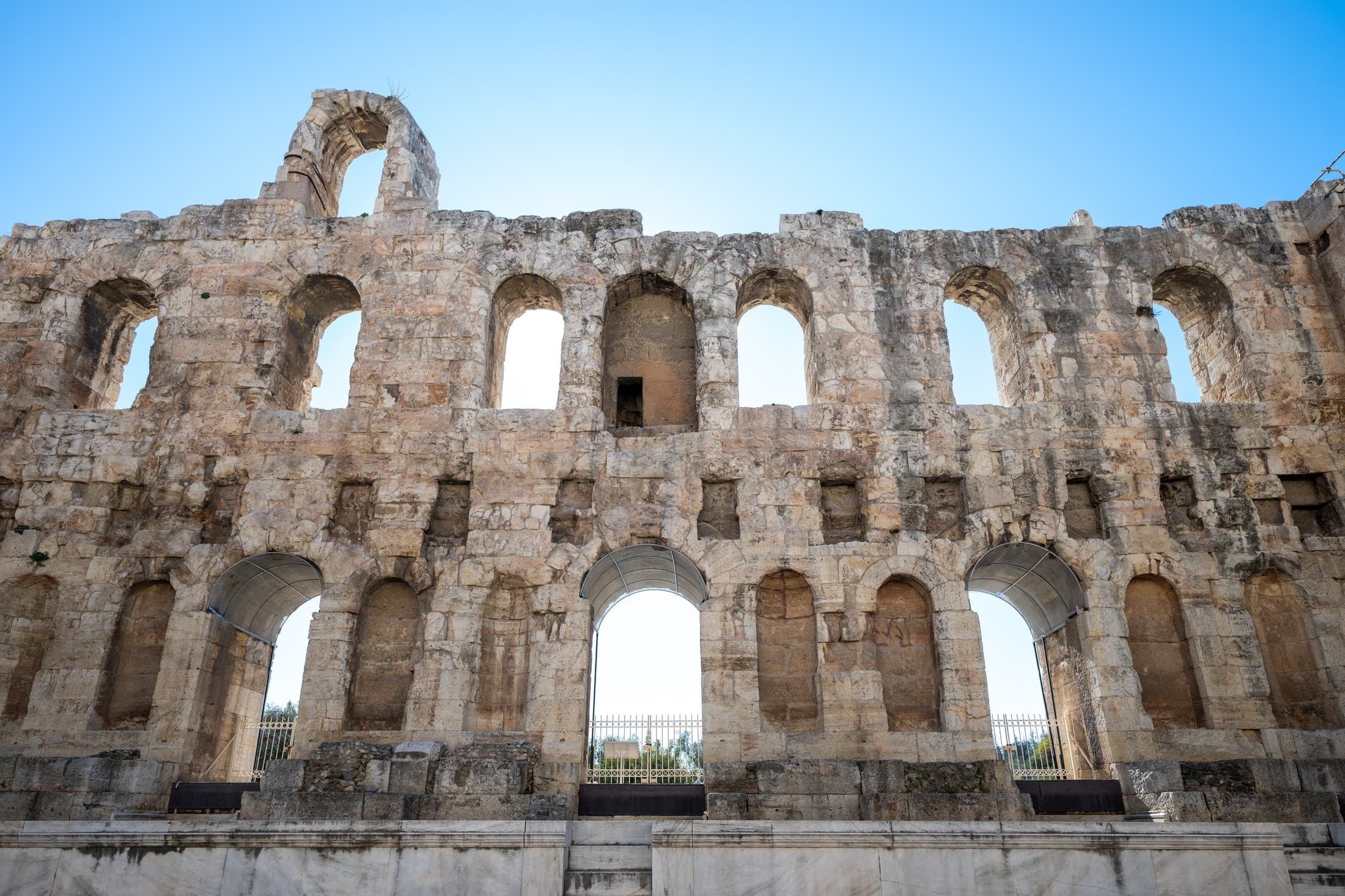
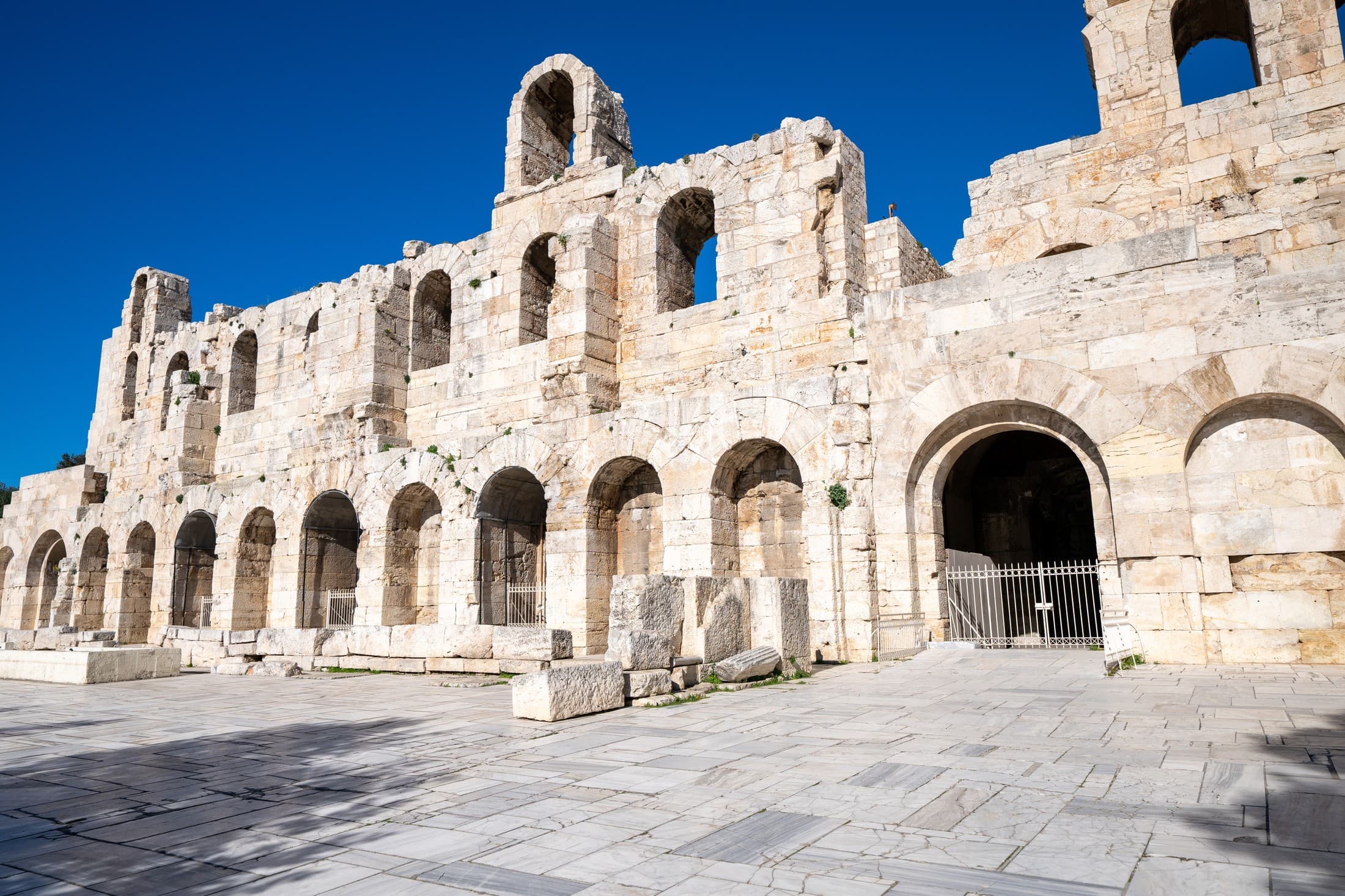
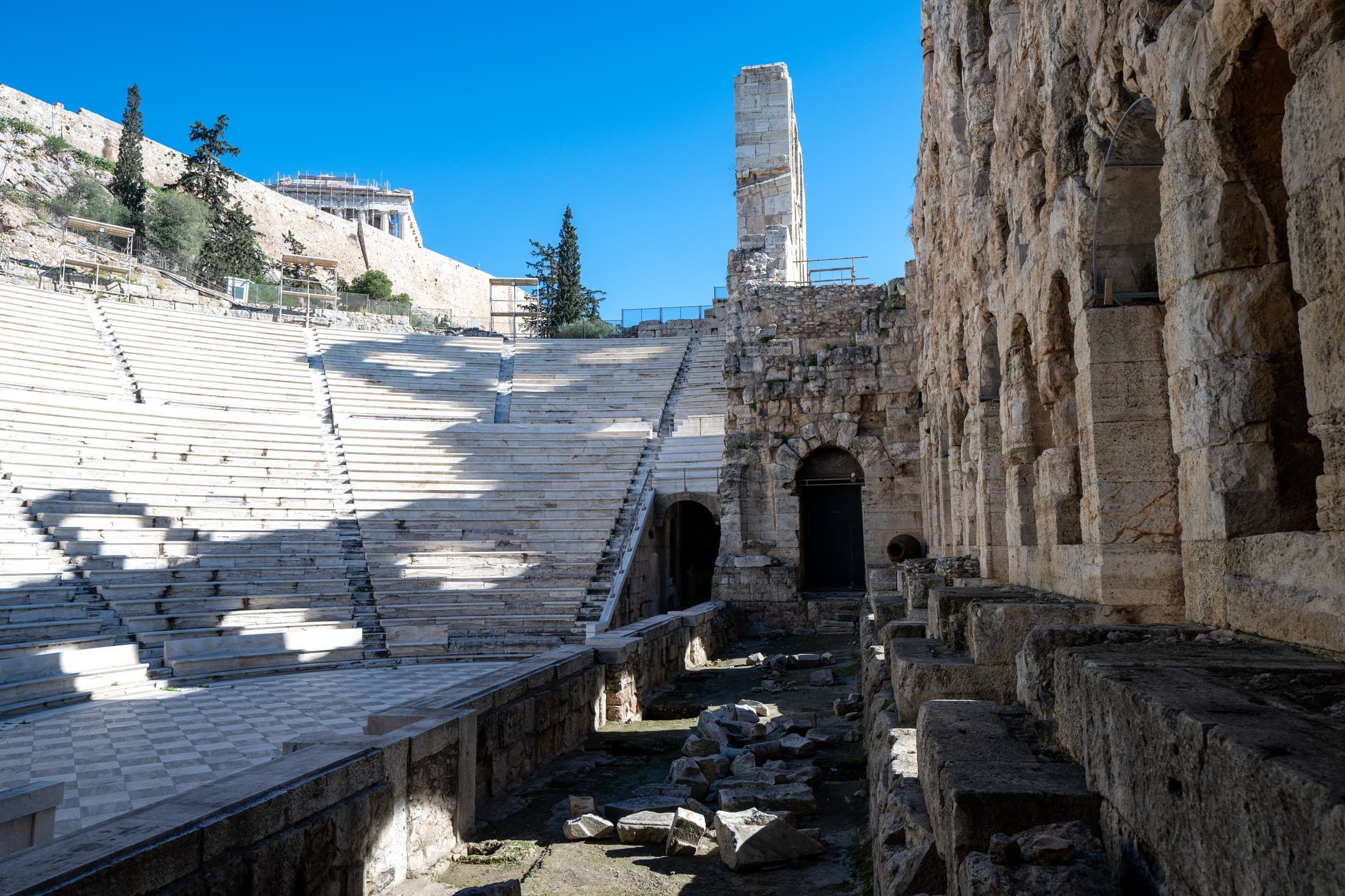
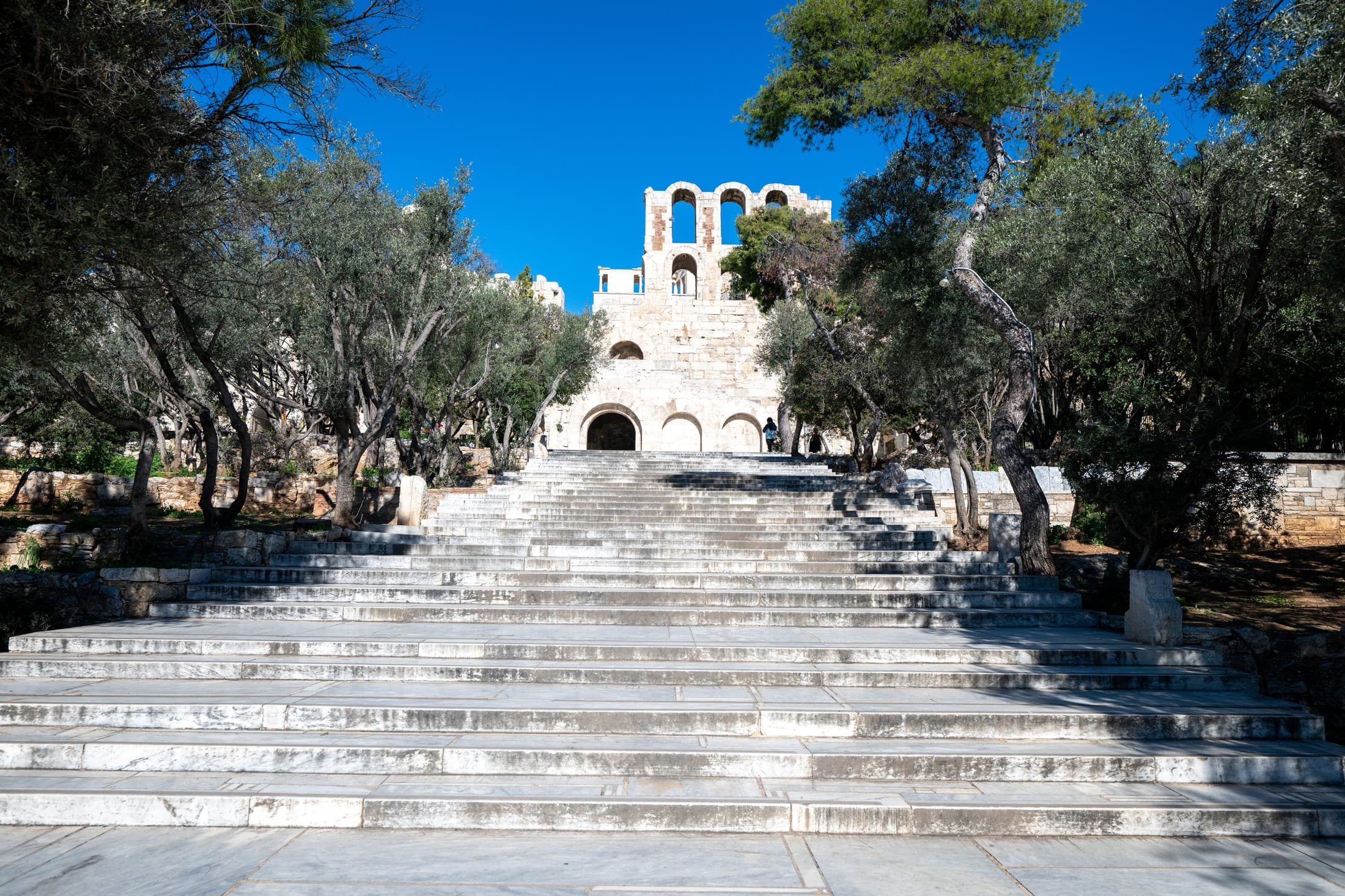
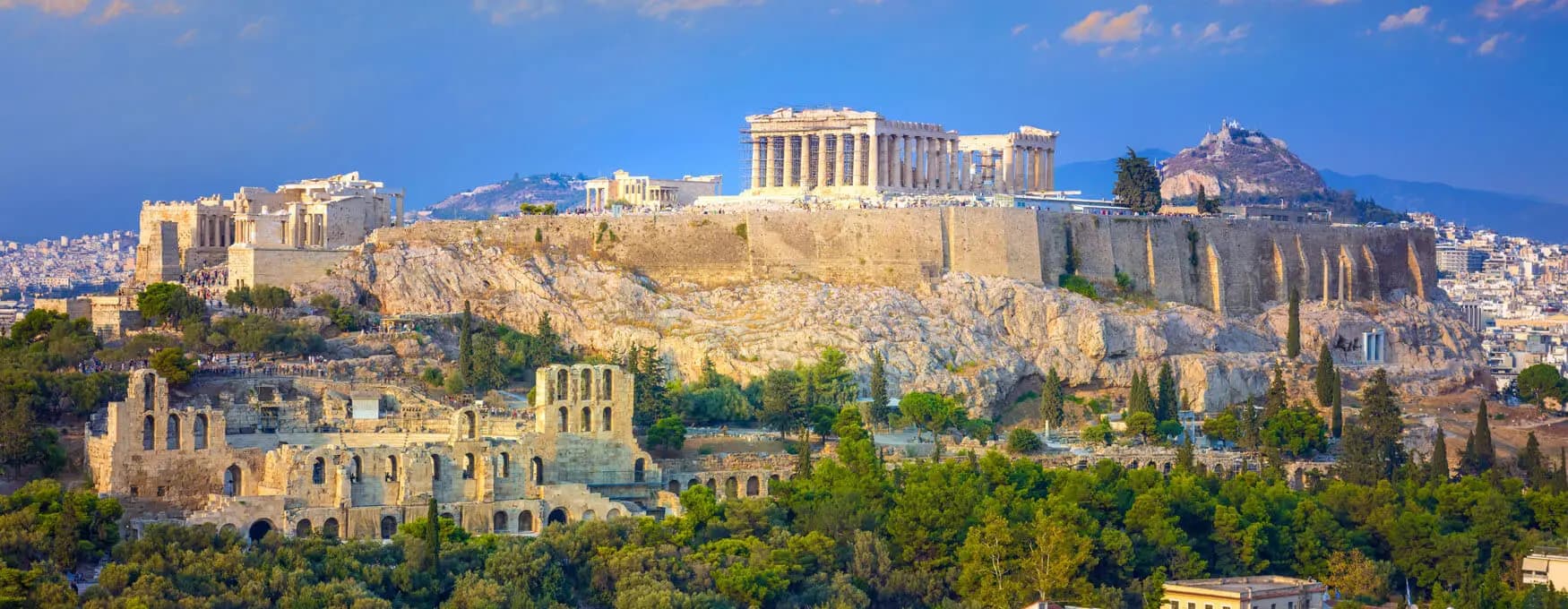
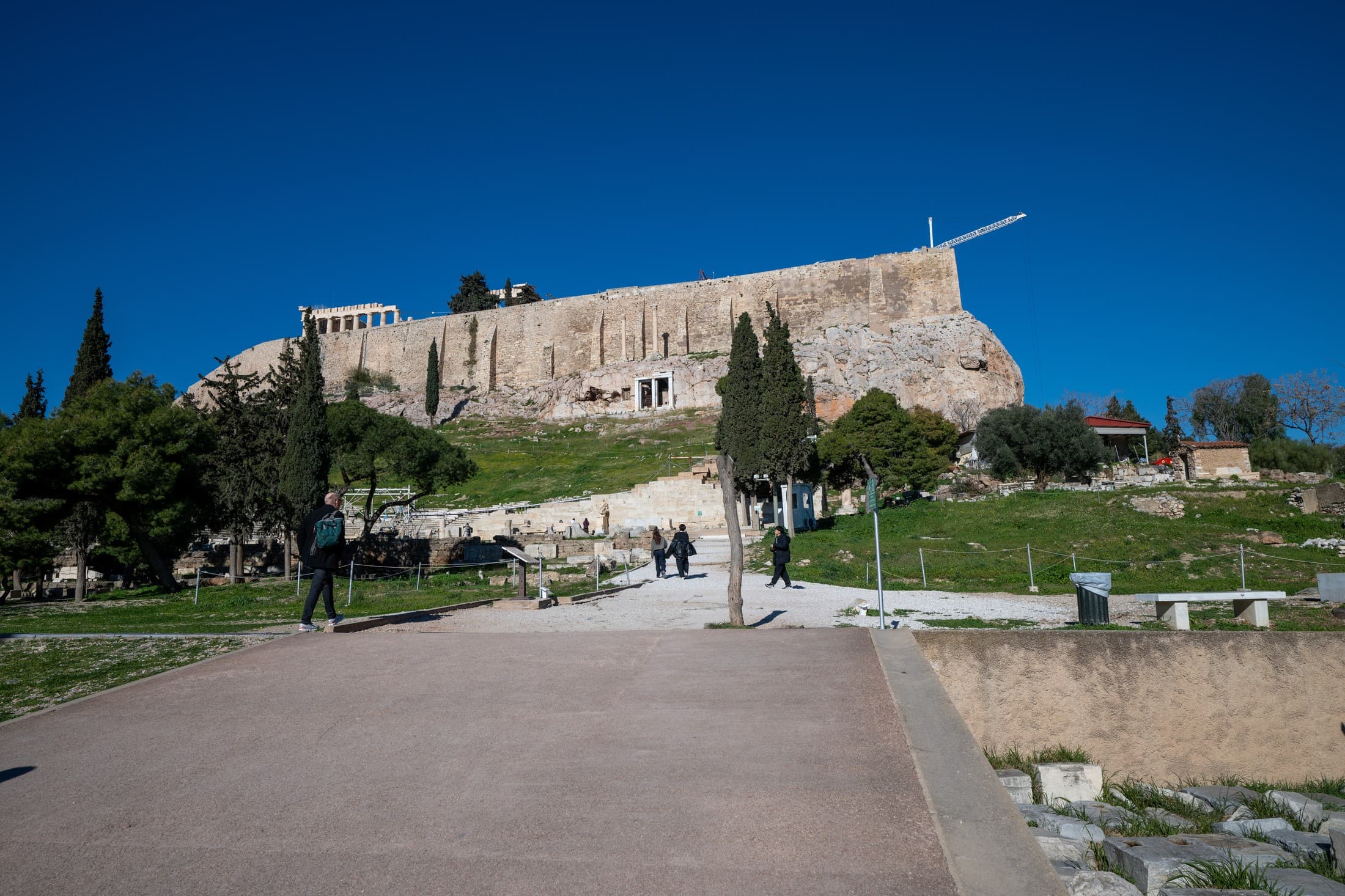
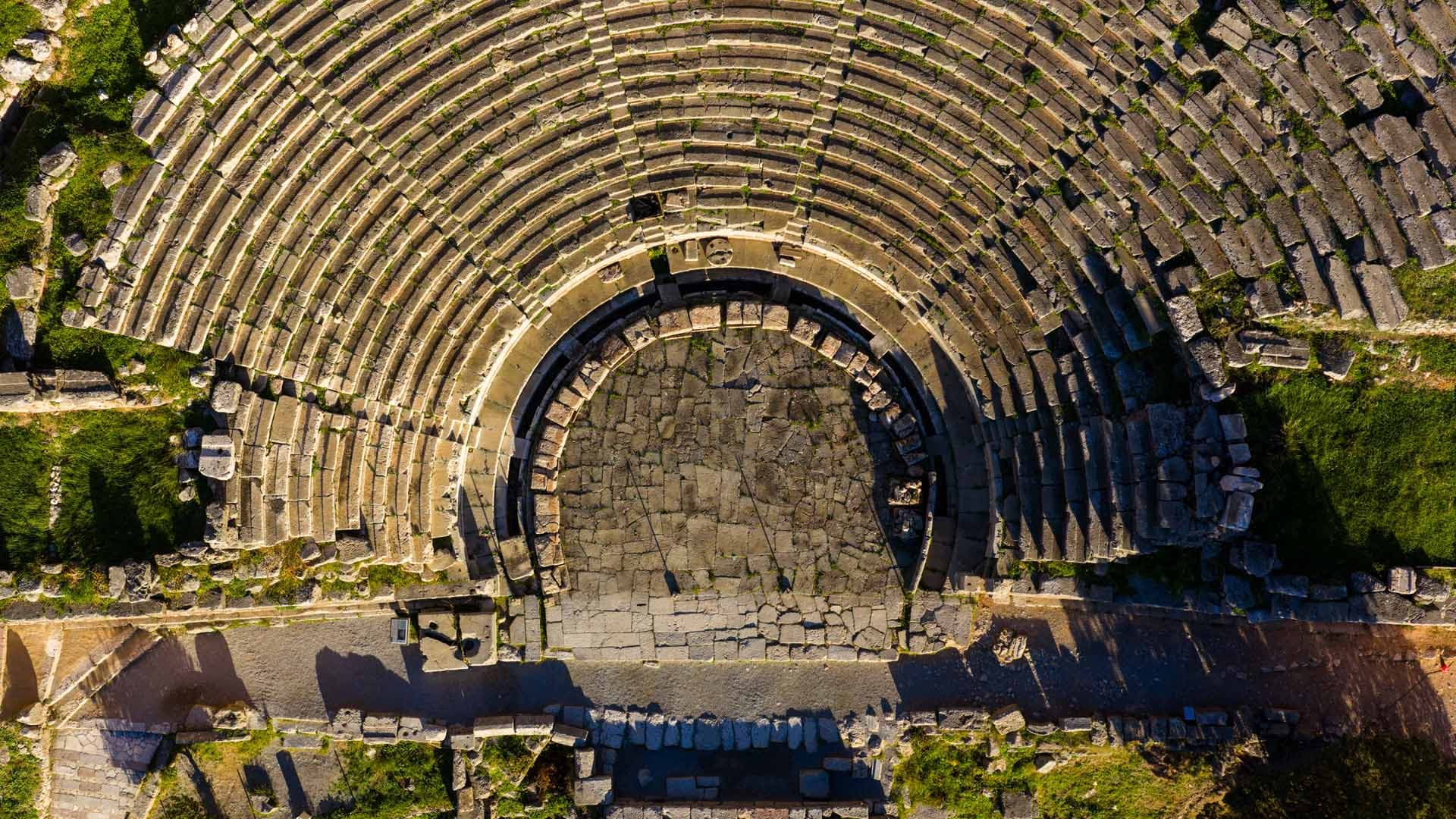
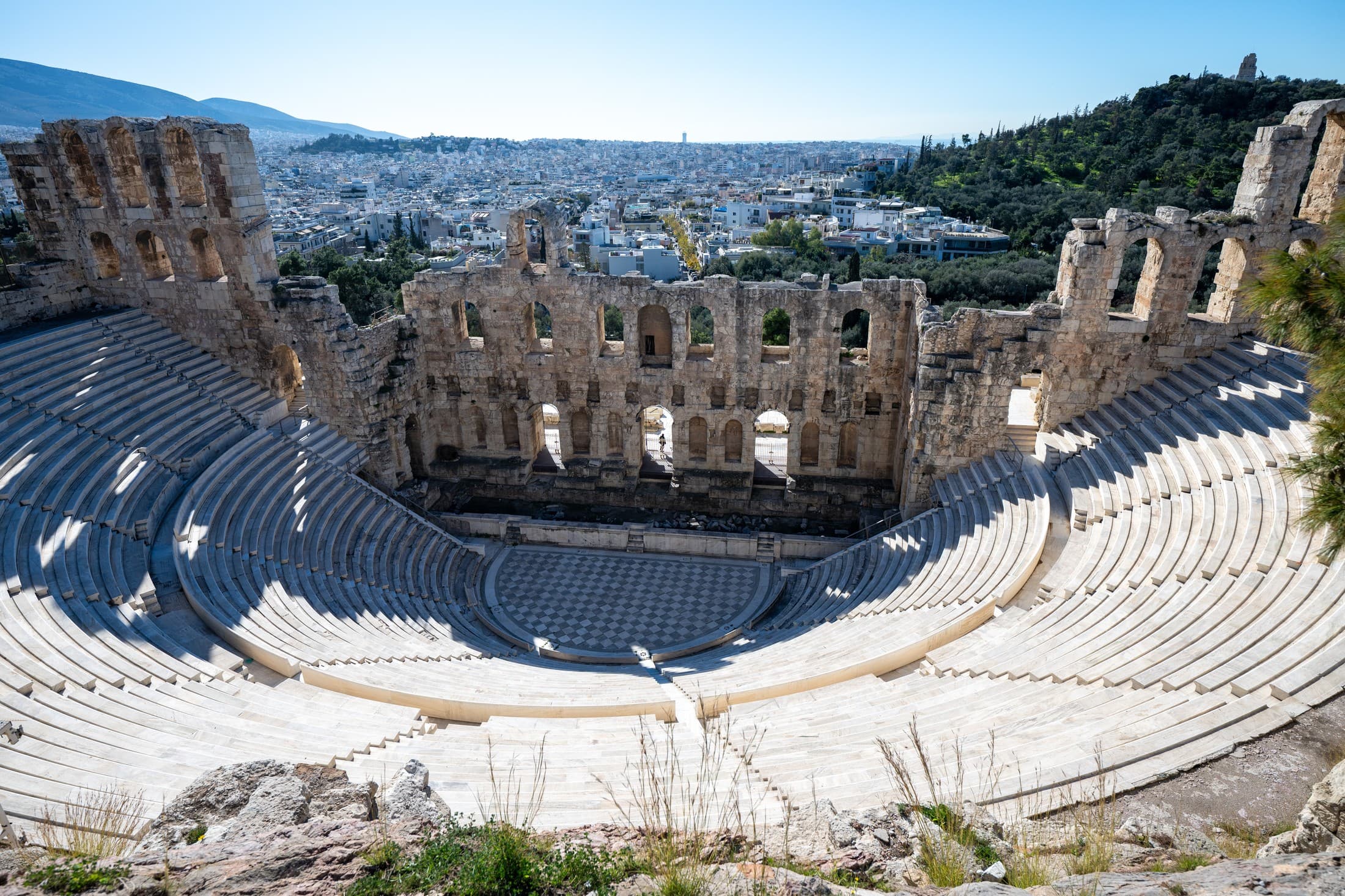
Overlooking the southwestern slope of the Acropolis, the Odeon of Herodes Atticus, also known as the ‘Herodion’, is one of the most recognisable and beloved monuments of Athens. Built in AD 161 by the wealthy Roman benefactor Herodes Atticus in memory of his wife Regilla, the theatre is a masterpiece of Roman architecture, moving both due to its historical gravity and its natural beauty, as it looks like it has been carved into the rock of the Acropolis.
With a capacity of approximately 5,000, and made from Pentelic marble and local stone, the Herodion was originally covered with a wooden roof made from Lebanon cedar, a unique achievement for the time. It was used for concerts, rhetoric competitions, and philosophical lectures, until it was destroyed by the Heruli in the 3rd century AD, subsequently remaining silent for almost seventeen centuries.
Its revival came in the 1950s, when it was included in the Athens Festival’s programme of events. Every summer, the Herodion becomes a haven for art, voices, and silence, a place where the past and present converse under the moonlight.
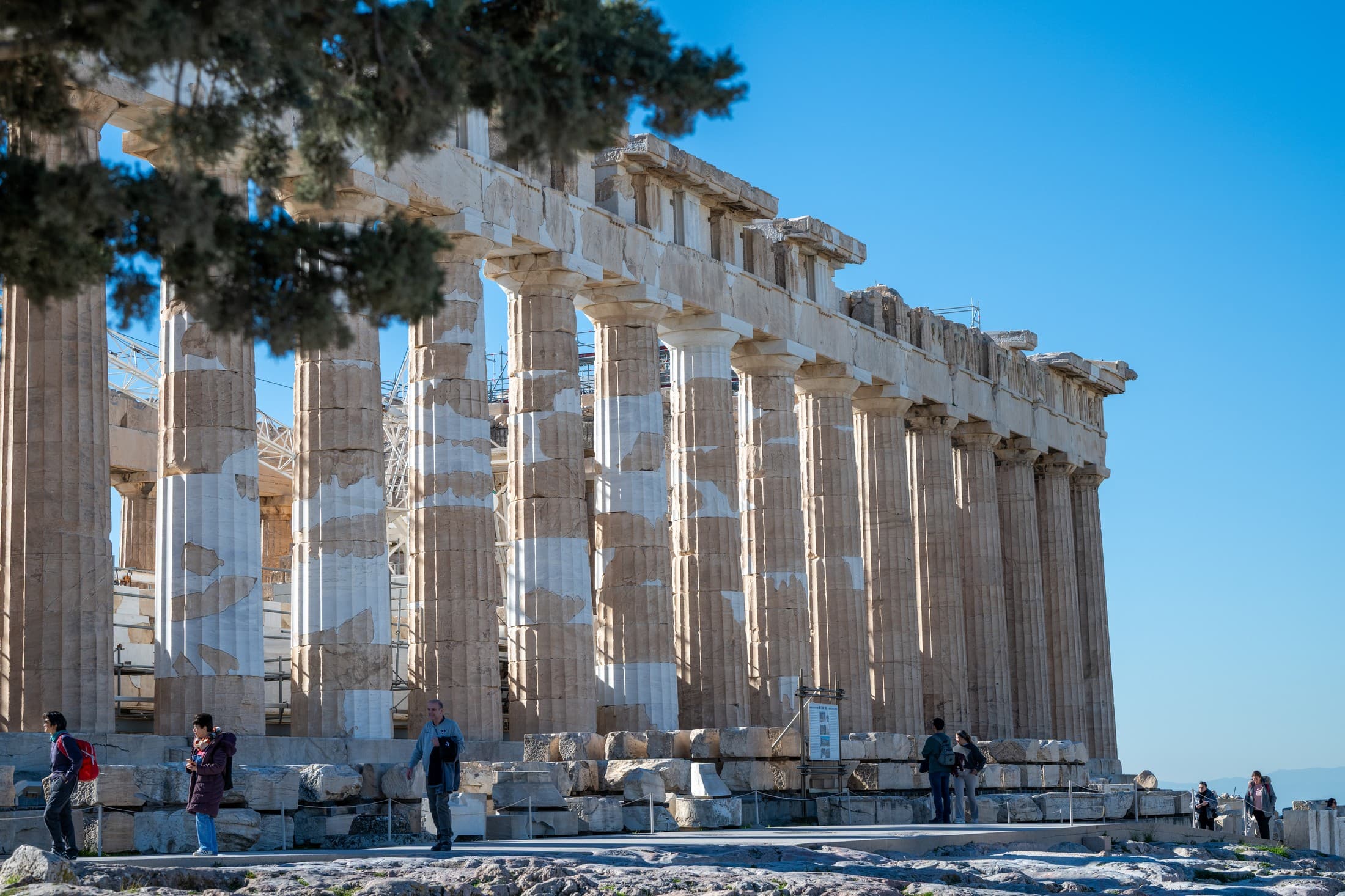
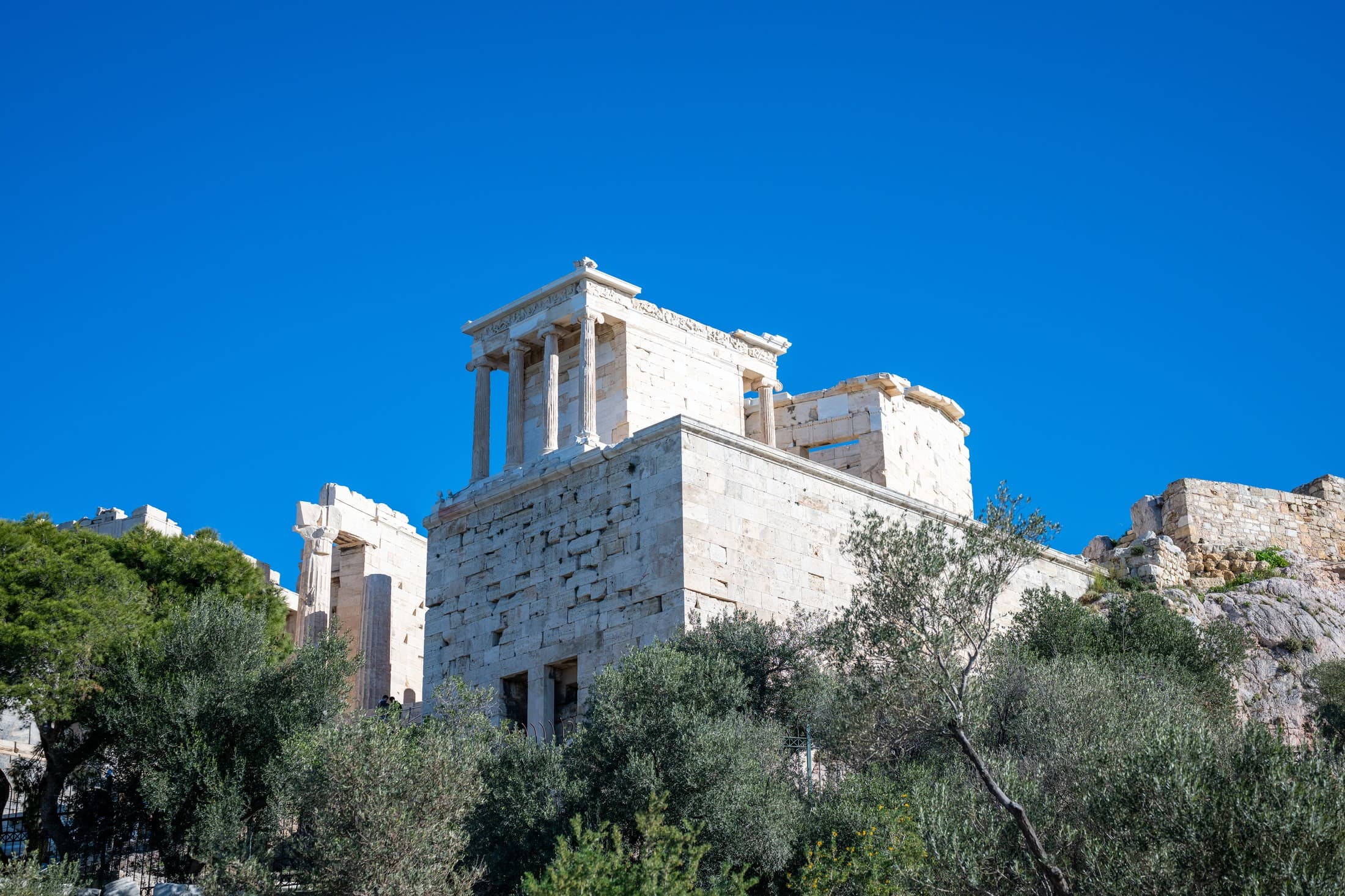
The Odeon of Herodes Atticus is part of the broader archaeological site of the Acropolis, which has been recognised as a UNESCO World Heritage Site. Since autumn 2025, it has remained closed for maintenance and enhancement works, as part of an extensive restoration project by the Ministry of Culture. The works aim to preserve the authenticity of the stone surfaces, strengthen the stability of the monument, and improve infrastructure for the public, in order to ensure its sustainable operation for future generations.
Access: ‘Acropolis’ Metro Station. Buses – Erechtheion bus stop (230 bus line).
Accessibility for people with disabilities: To allow for autonomous movement of people using wheelchairs, the space has been equipped with a non-slip wooden ramp that extends from the Artist’s entrance to seating section A1 of the theatre. A toilet for people with disabilities has been constructed in the audience W.C. area.
With a capacity of approximately 5,000, and made from Pentelic marble and local stone, the Herodion was originally covered with a wooden roof made from Lebanon cedar, a unique achievement for the time. It was used for concerts, rhetoric competitions, and philosophical lectures, until it was destroyed by the Heruli in the 3rd century AD, subsequently remaining silent for almost seventeen centuries.
Its revival came in the 1950s, when it was included in the Athens Festival’s programme of events. Every summer, the Herodion becomes a haven for art, voices, and silence, a place where the past and present converse under the moonlight.
The Odeon of Herodes Atticus is part of the broader archaeological site of the Acropolis, which has been recognised as a UNESCO World Heritage Site. Since autumn 2025, it has remained closed for maintenance and enhancement works, as part of an extensive restoration project by the Ministry of Culture. The works aim to preserve the authenticity of the stone surfaces, strengthen the stability of the monument, and improve infrastructure for the public, in order to ensure its sustainable operation for future generations.
Access: ‘Acropolis’ Metro Station. Buses – Erechtheion bus stop (230 bus line).
Accessibility for people with disabilities: To allow for autonomous movement of people using wheelchairs, the space has been equipped with a non-slip wooden ramp that extends from the Artist’s entrance to seating section A1 of the theatre. A toilet for people with disabilities has been constructed in the audience W.C. area.