The Medieval Acropolis of Lefkada
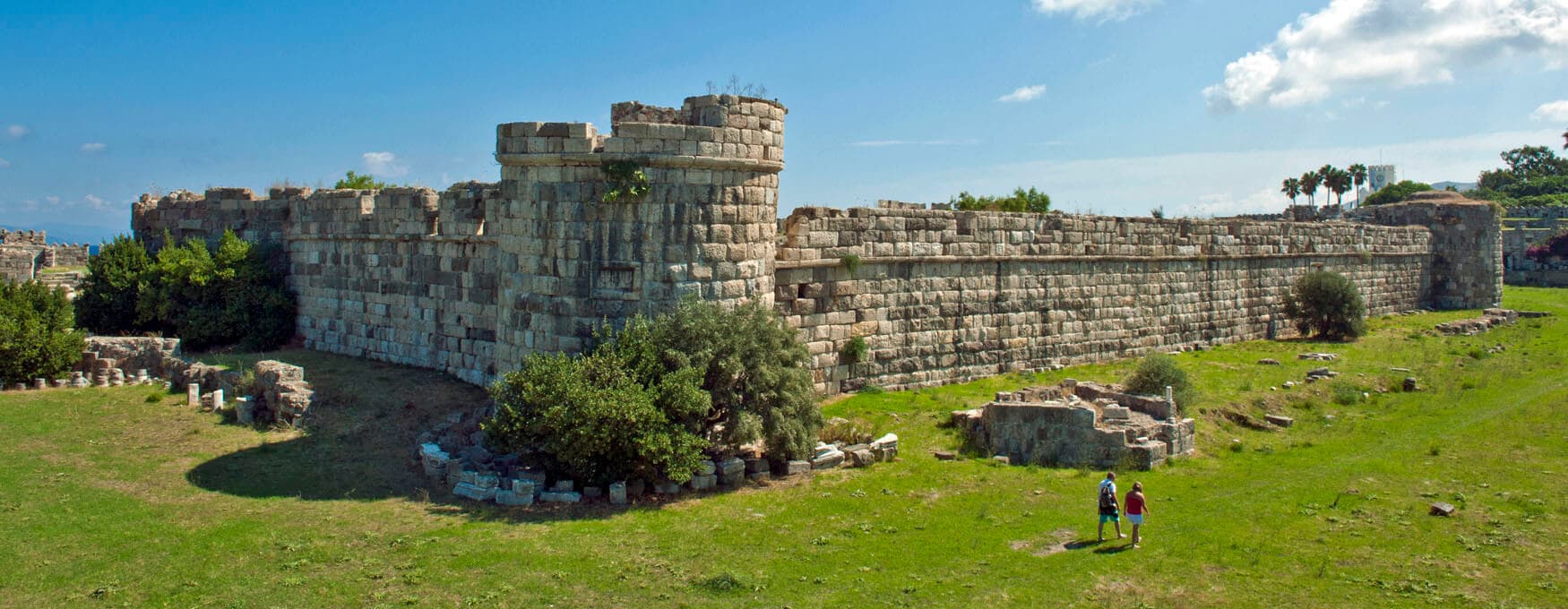
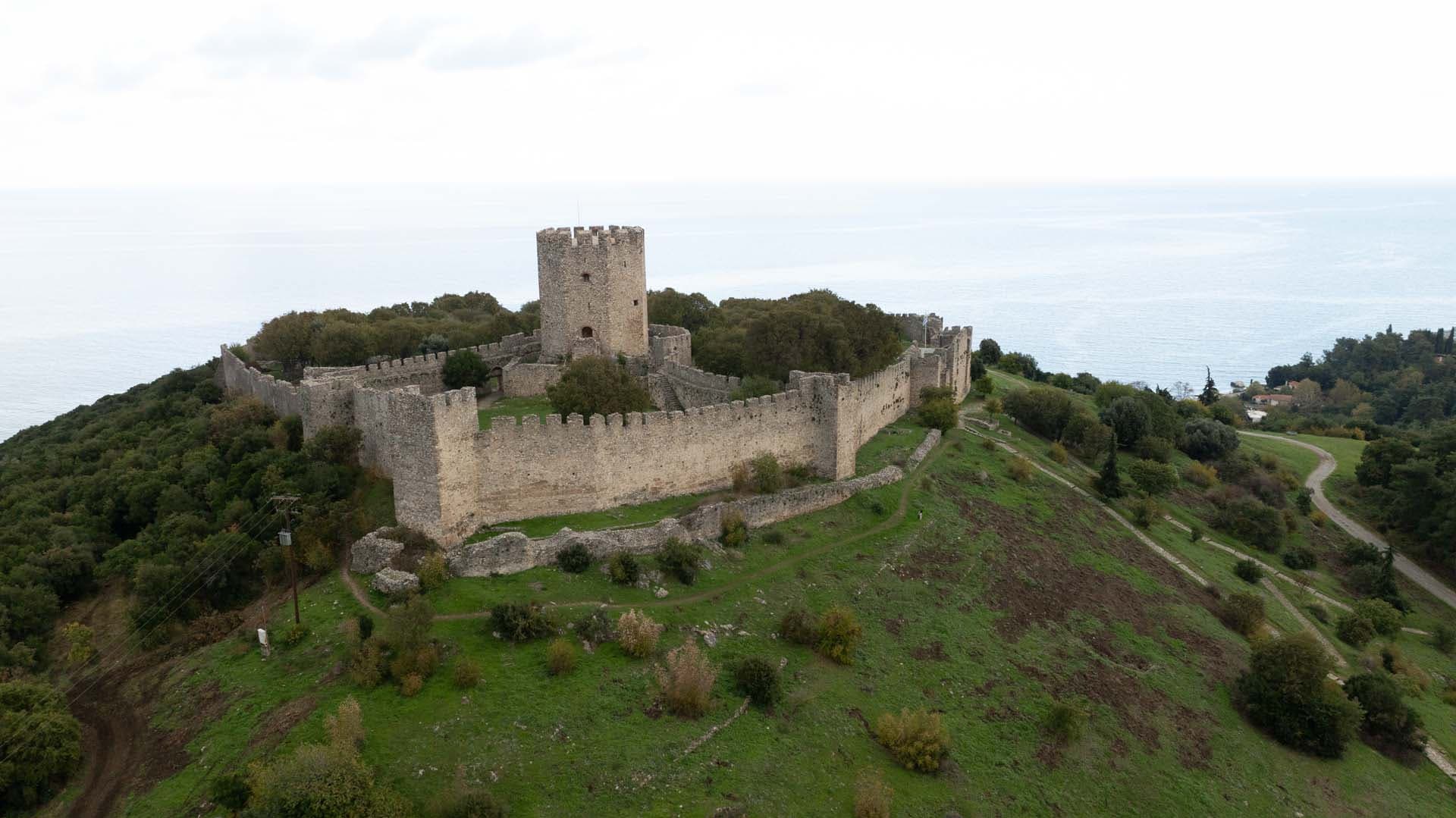
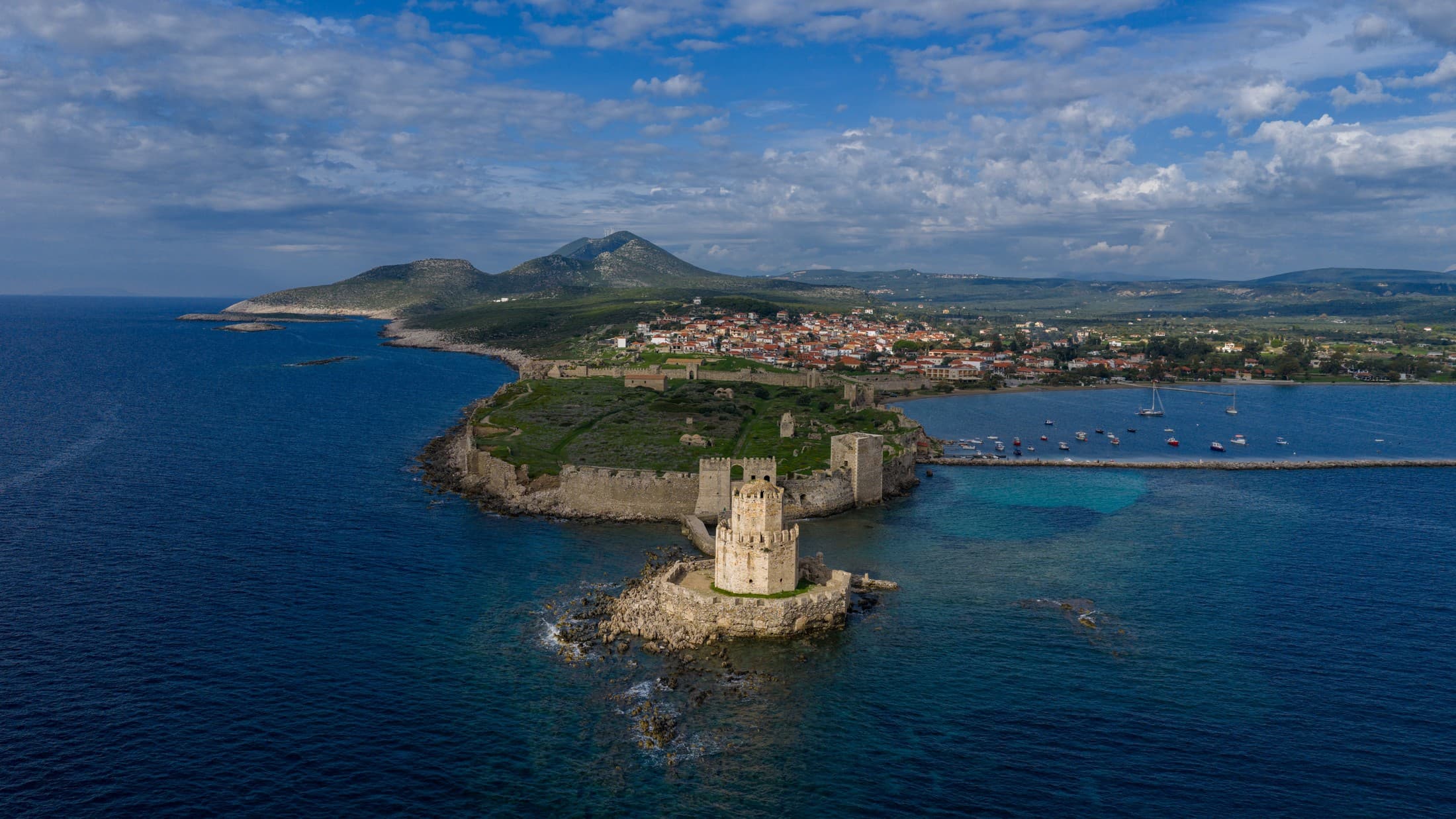
The Castle of Agia Mavra stands imposingly on a hilltop at the entrance to the island and is one of the most important examples of medieval fortification architecture in the Ionian Islands. Its history reflects the enduring interest in controlling sea routes and trade passages from the Venetian era to the Ottoman period, with successive reinforcements and interventions over the centuries.
Its origins date back to 1302, when Ioannis Orsini first created it as a modest military outpost. Its substantial foundation began between the 14th and 15th centuries. The Venetians added new walls, bastions and platforms to the fortress, forming a complex defensive system. Each occupier left its own architectural imprint, with the Ottomans giving it the characteristic heptagonal shape that survives to this day.
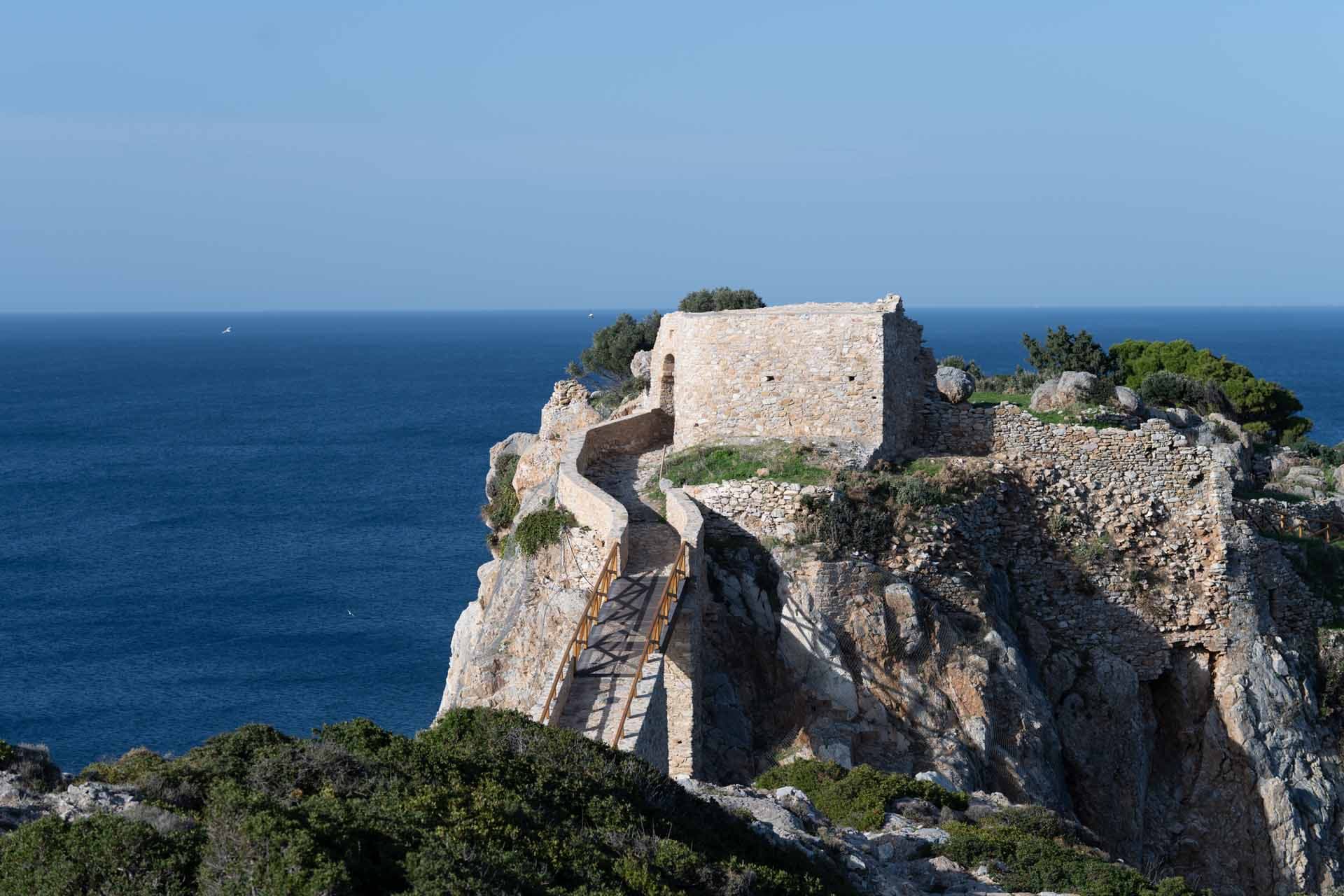
The Castle Museum is housed in the “Two-Chamber Hall” (Casamatta), a historic vaulted gun emplacement at the north-eastern edge of the fortress, built around 1720. In the first hall, you will discover the fortification history of the castle and the story of piracy through rich and interactive material. In the second, significant archaeological finds are displayed, such as inscriptions, clay objects and religious relics. Of particular interest are the preserved graffiti from the period of the Italian occupation (1941) on the walls of the galleries.
Within one of the bastions, you will find the small Orthodox church of Agia Mavra, patron saint of Lefkada. It was built in 1883, replacing earlier places of worship that had suffered damage from repeated bombardments and earthquakes. Its history is closely linked to the fortress, as at various times it was used in different ways, for example as an ammunition store. Today, it is celebrated with splendour on 3 May, attracting many worshippers.
The castle remains an impressive monument of military architecture, welcoming visitors to Lefkada while it also serves as a venue for cultural events. Wander among the ruins of the barracks and the impressive water-supply systems of the complex while enjoying the panoramic view over the town of Lefkada, the lagoon and the Ionian Sea.
Its origins date back to 1302, when Ioannis Orsini first created it as a modest military outpost. Its substantial foundation began between the 14th and 15th centuries. The Venetians added new walls, bastions and platforms to the fortress, forming a complex defensive system. Each occupier left its own architectural imprint, with the Ottomans giving it the characteristic heptagonal shape that survives to this day.
The Castle Museum is housed in the “Two-Chamber Hall” (Casamatta), a historic vaulted gun emplacement at the north-eastern edge of the fortress, built around 1720. In the first hall, you will discover the fortification history of the castle and the story of piracy through rich and interactive material. In the second, significant archaeological finds are displayed, such as inscriptions, clay objects and religious relics. Of particular interest are the preserved graffiti from the period of the Italian occupation (1941) on the walls of the galleries.
Within one of the bastions, you will find the small Orthodox church of Agia Mavra, patron saint of Lefkada. It was built in 1883, replacing earlier places of worship that had suffered damage from repeated bombardments and earthquakes. Its history is closely linked to the fortress, as at various times it was used in different ways, for example as an ammunition store. Today, it is celebrated with splendour on 3 May, attracting many worshippers.
The castle remains an impressive monument of military architecture, welcoming visitors to Lefkada while it also serves as a venue for cultural events. Wander among the ruins of the barracks and the impressive water-supply systems of the complex while enjoying the panoramic view over the town of Lefkada, the lagoon and the Ionian Sea.