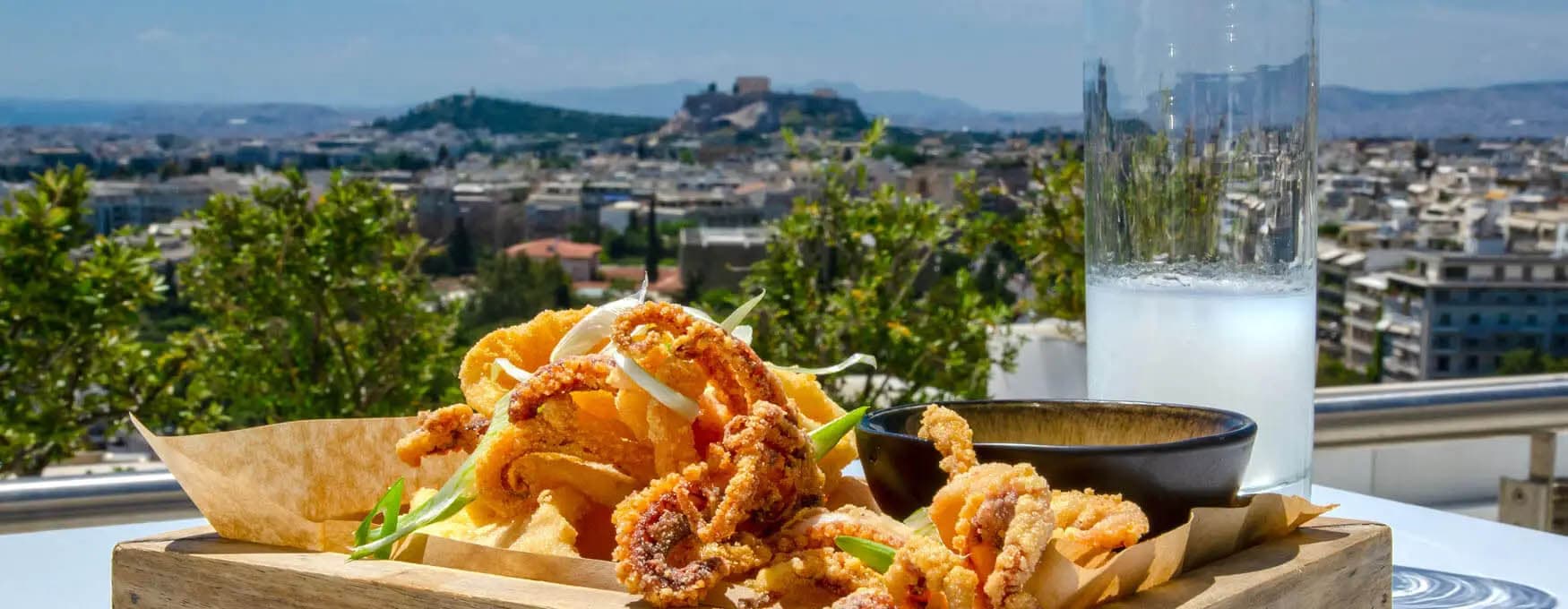
Tsipouro or tsikoudia is an authentic spirit, inextricably linked to the Greek way of life, hospitality and conviviality. It is distilled from grape pomace—the skins left behind after the grapes are pressed and the must extracted for winemaking. Its production begins with the careful selection of grape varieties, continues with the controlled fermentation of the pomace, and is completed through slow distillation.
High-quality grapes are essential for producing fine tsipouro. The final character depends on several key factors: the grape variety, the composition of the vineyard soil, altitude and orientation, the conditions of each vintage, cultivation practices, and the timing of the harvest.
Some distillates, once selected, may be aged for years in oak barrels. Depending on the tsipouro and the ageing conditions, they develop complex notes of spices, dried fruits, vanilla, chocolate, tobacco, leather and wood. By contrast, tsipouro that has not been barrel-aged typically displays a fresher, fruitier and more floral profile, with fewer spicy undertones.
In certain regions of Greece, aromatic seeds or herbs—such as aniseed, fennel, saffron or walnut leaves—are added to the still along with the grape pomace, in quantities and proportions that are often closely guarded secrets of each producer. In Thessaly, Macedonia and Thrace, alongside tsipouro without anise, a distinctive style is traditionally produced with the addition of aniseed and fennel during distillation; when water is added, this variety turns milky white.
The earliest production of tsipouro dates back to the 14th century and is attributed to monastic communities. The practice of using the by-products of winemaking to create a spirit was later adopted by vine growers, giving rise to what became known as the drink of the vine grower—tsipouro or tsikoudia. Owing to its robust flavour and digestive qualities, it also serves as a pleasant conclusion to a rich meal.
For the best experience, tsipouro is enjoyed lightly chilled at around 10°C, or with a small amount of ice.
High-quality grapes are essential for producing fine tsipouro. The final character depends on several key factors: the grape variety, the composition of the vineyard soil, altitude and orientation, the conditions of each vintage, cultivation practices, and the timing of the harvest.
Some distillates, once selected, may be aged for years in oak barrels. Depending on the tsipouro and the ageing conditions, they develop complex notes of spices, dried fruits, vanilla, chocolate, tobacco, leather and wood. By contrast, tsipouro that has not been barrel-aged typically displays a fresher, fruitier and more floral profile, with fewer spicy undertones.
In certain regions of Greece, aromatic seeds or herbs—such as aniseed, fennel, saffron or walnut leaves—are added to the still along with the grape pomace, in quantities and proportions that are often closely guarded secrets of each producer. In Thessaly, Macedonia and Thrace, alongside tsipouro without anise, a distinctive style is traditionally produced with the addition of aniseed and fennel during distillation; when water is added, this variety turns milky white.
The earliest production of tsipouro dates back to the 14th century and is attributed to monastic communities. The practice of using the by-products of winemaking to create a spirit was later adopted by vine growers, giving rise to what became known as the drink of the vine grower—tsipouro or tsikoudia. Owing to its robust flavour and digestive qualities, it also serves as a pleasant conclusion to a rich meal.
For the best experience, tsipouro is enjoyed lightly chilled at around 10°C, or with a small amount of ice.