The Brilliant Panorama of Minoan Civilization
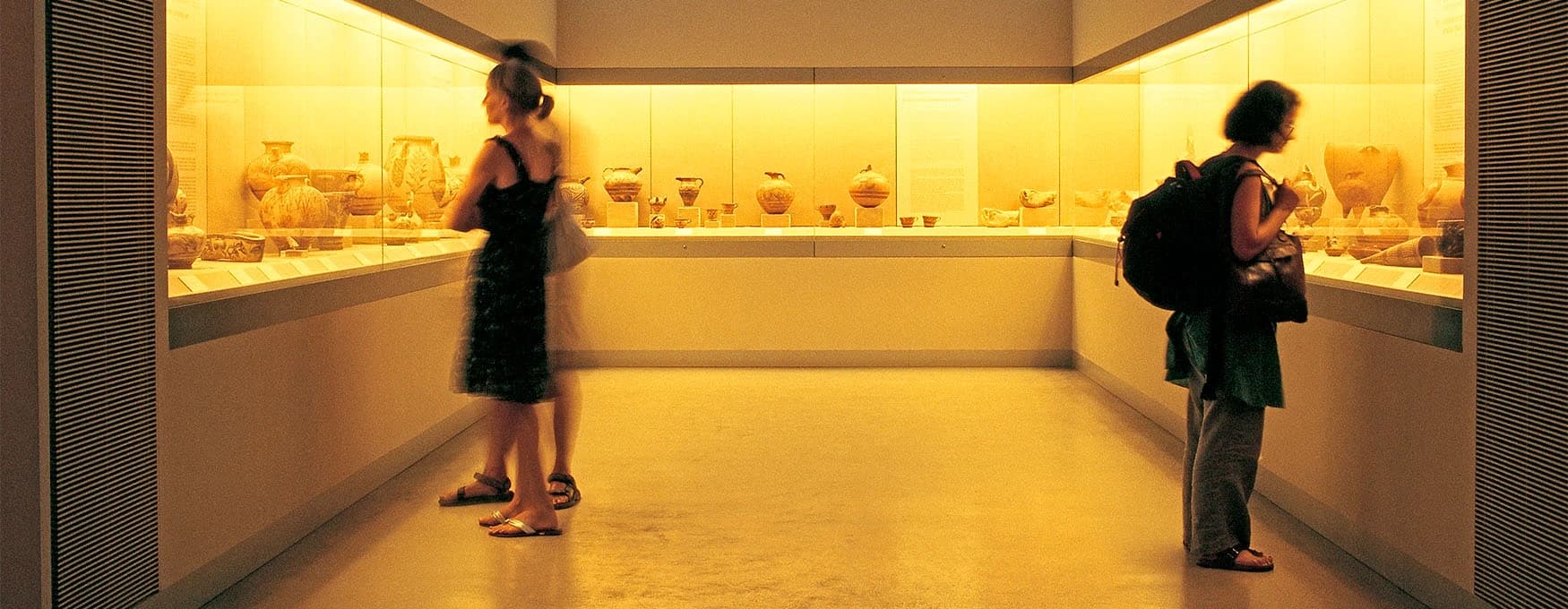
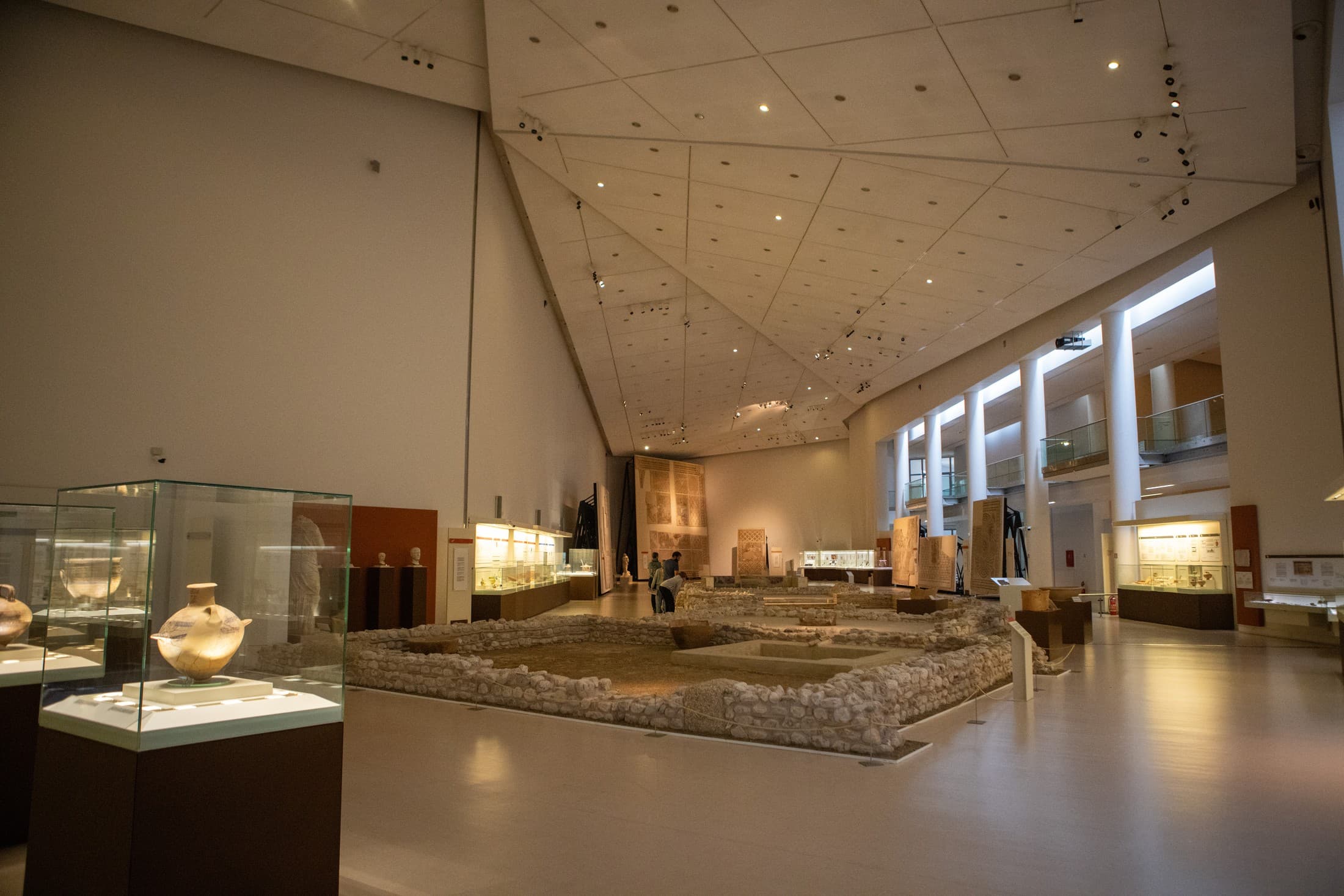
The Archaeological Museum of Heraklion, nestled in the heart of Crete, is the definitive museum of Minoan civilisation worldwide. A 5,500-year history unfolds within its 27 halls, from the Neolithic era to Roman times, through invaluable treasures unearthed from palaces, villas, funerary monuments, and sacred caves across the island.
The Most Notable Exhibits
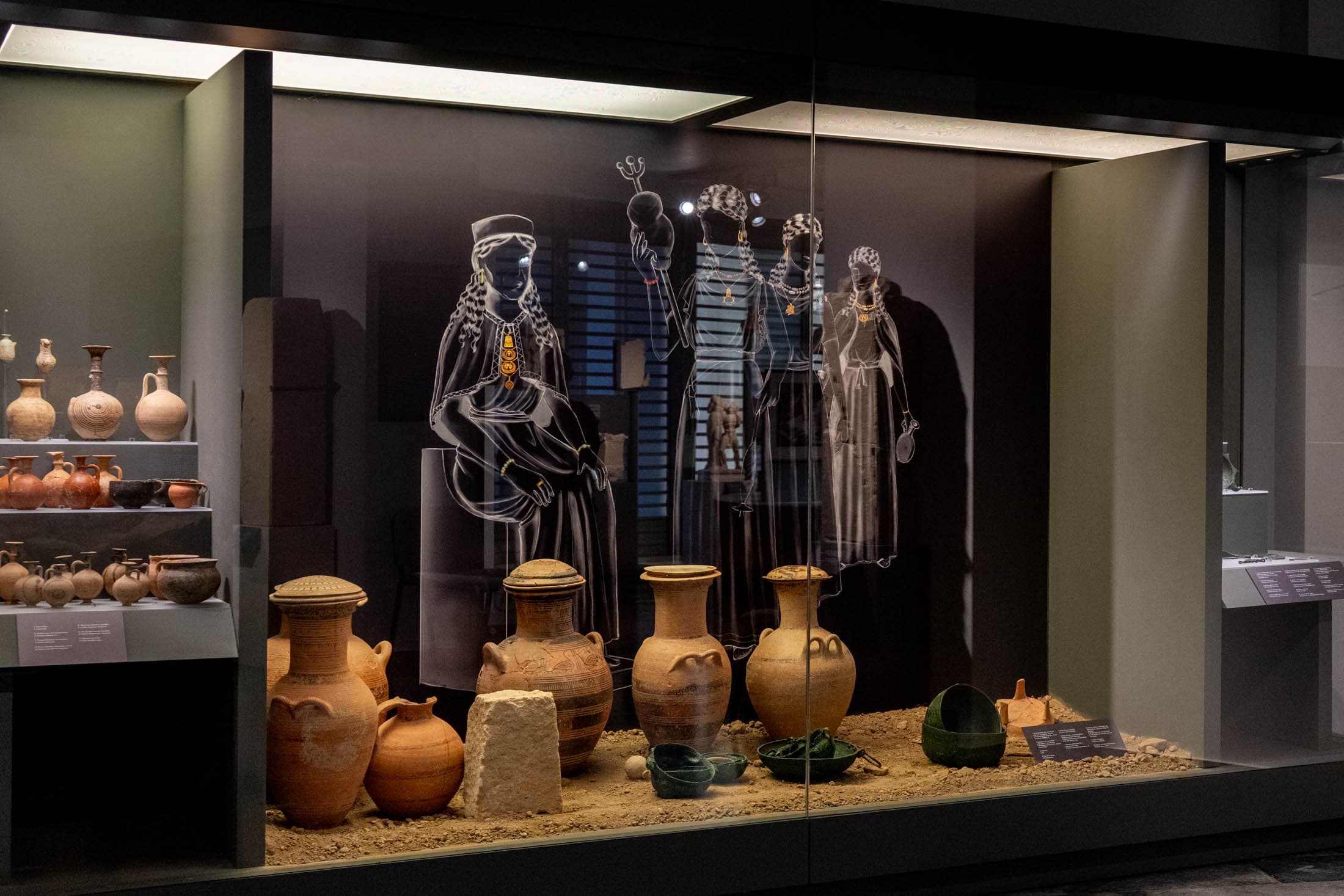
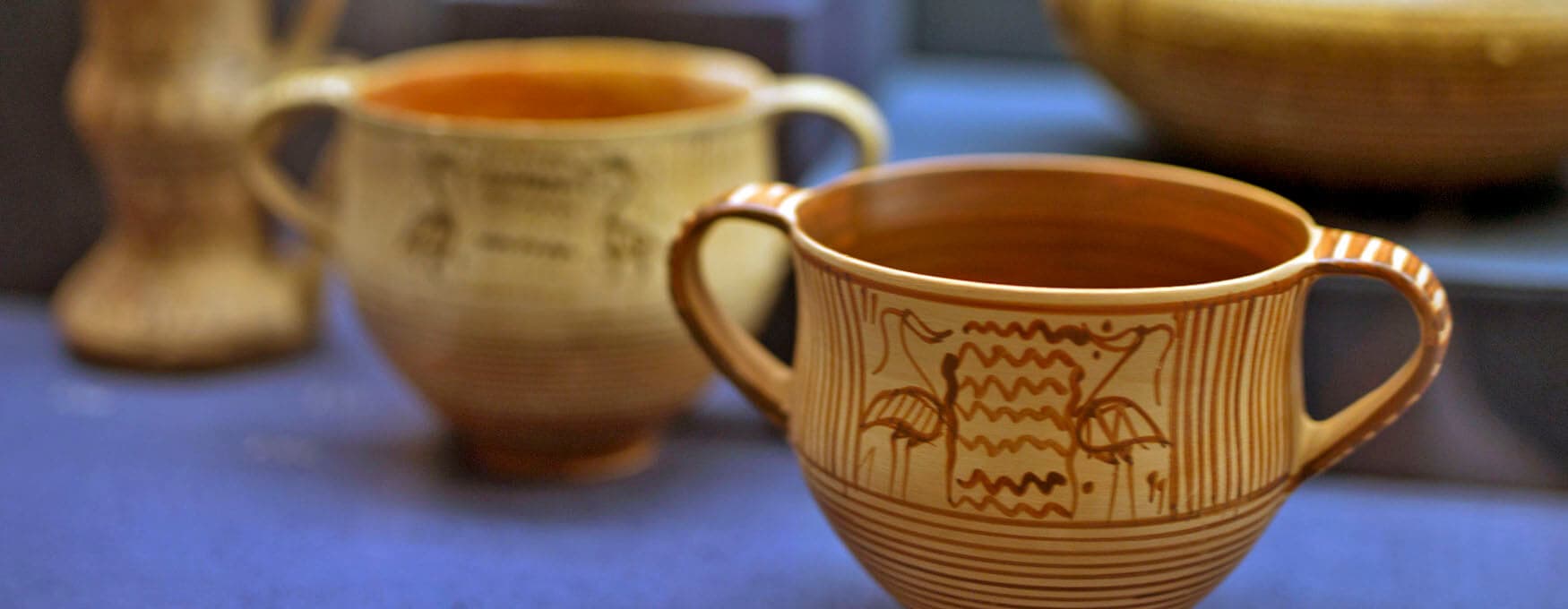
As visitors meander through the museum, they witness the evolution of pottery, from the Neolithic period's static forms to the Minoan era's vibrant diversity. The most notable exhibits include the polychrome Kamares vases, the sacred double axes, and the rhyton (cone-shaped container) in the shape of a bull's head. The Phaistos Disc holds a prominent position, an unsolved archaeological enigma featuring an inscribed hieroglyphic script and ideograms whose meaning remains undiscovered.
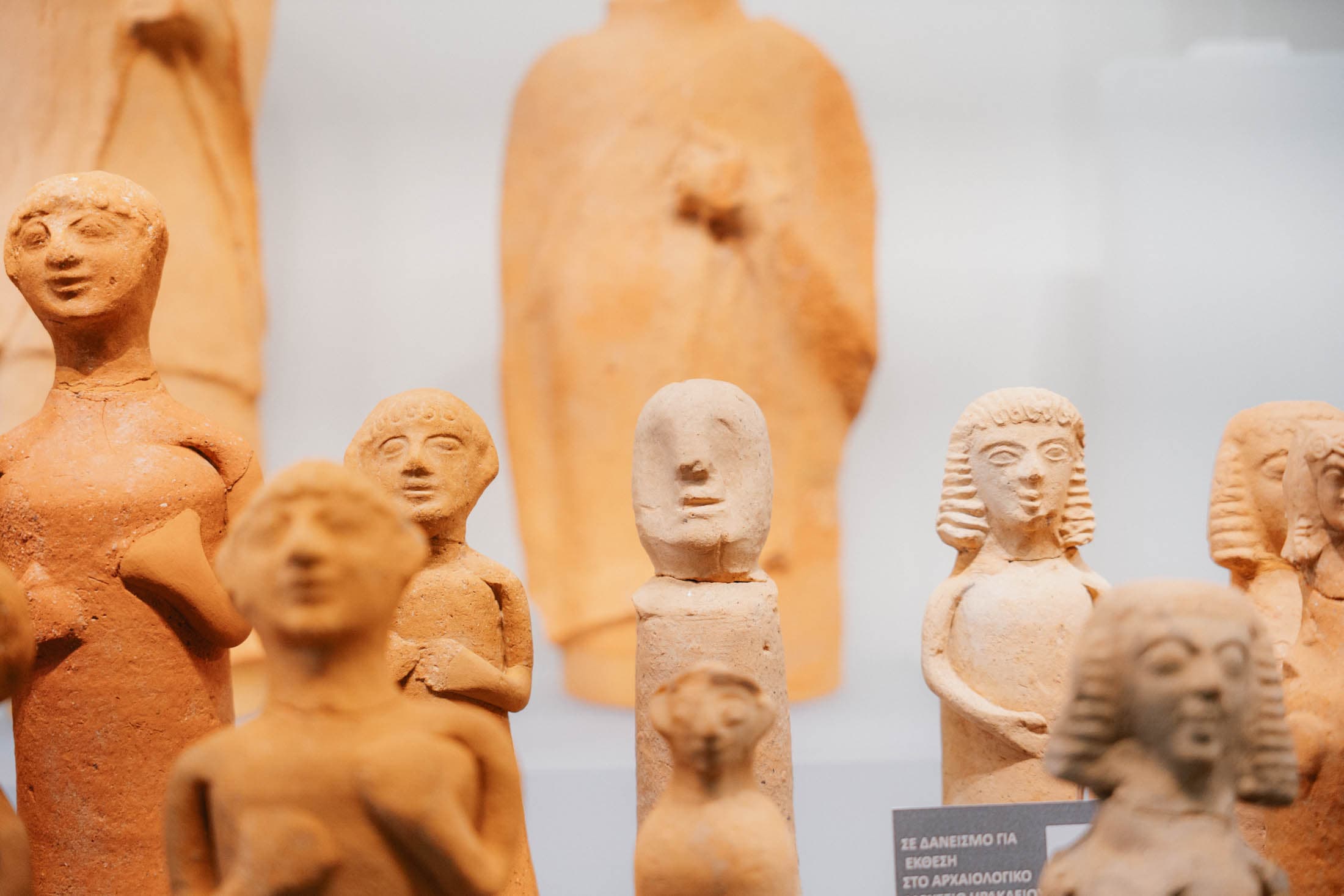
Religious and social life come alive through the imposing Snake Goddesses in traditional Minoan garb, the magnificent ivory bull-leaping figurine, and the Zatrikion, the luxurious chess game of the era. Upstairs, the world-renowned frescoes, such as La Parisienne, The Prince of the Lilies, and the Dolphins, reveal the refined aesthetics of the palace. Exquisite artefacts, such as the golden bee pendant from Malia and the Ring of Minos, inspire awe with their intricate details.
From the Prehistoric Era to the Classical Period
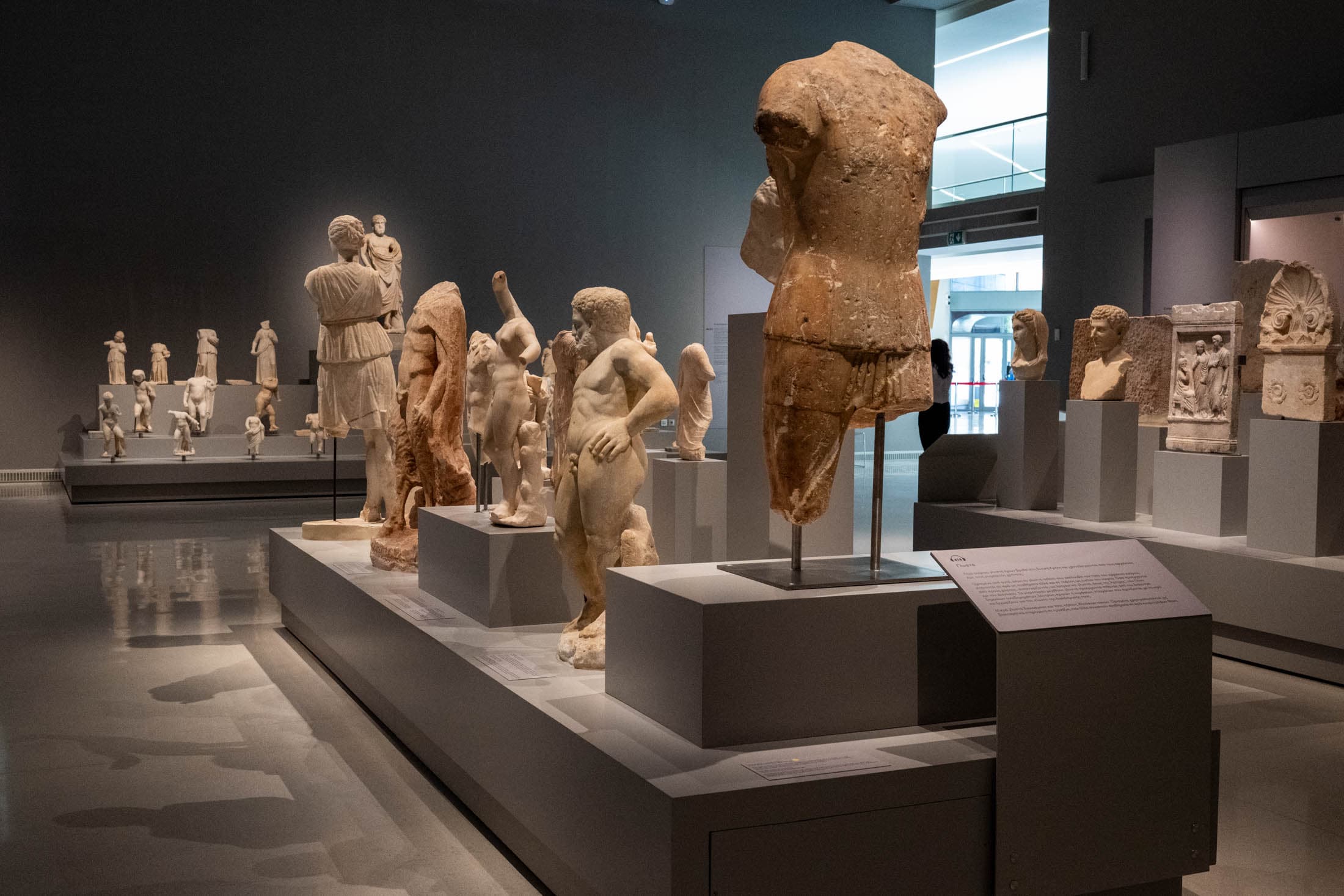
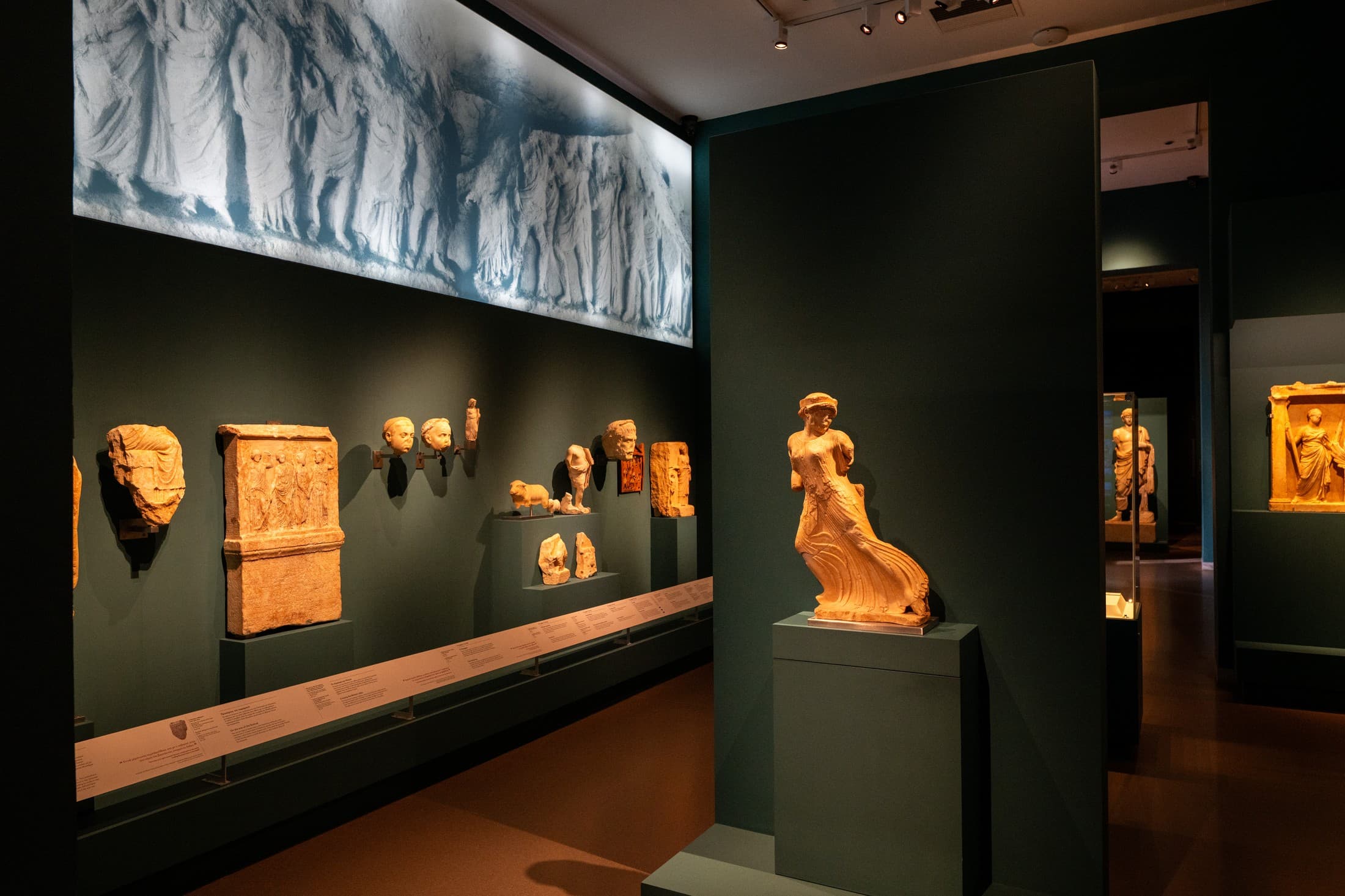
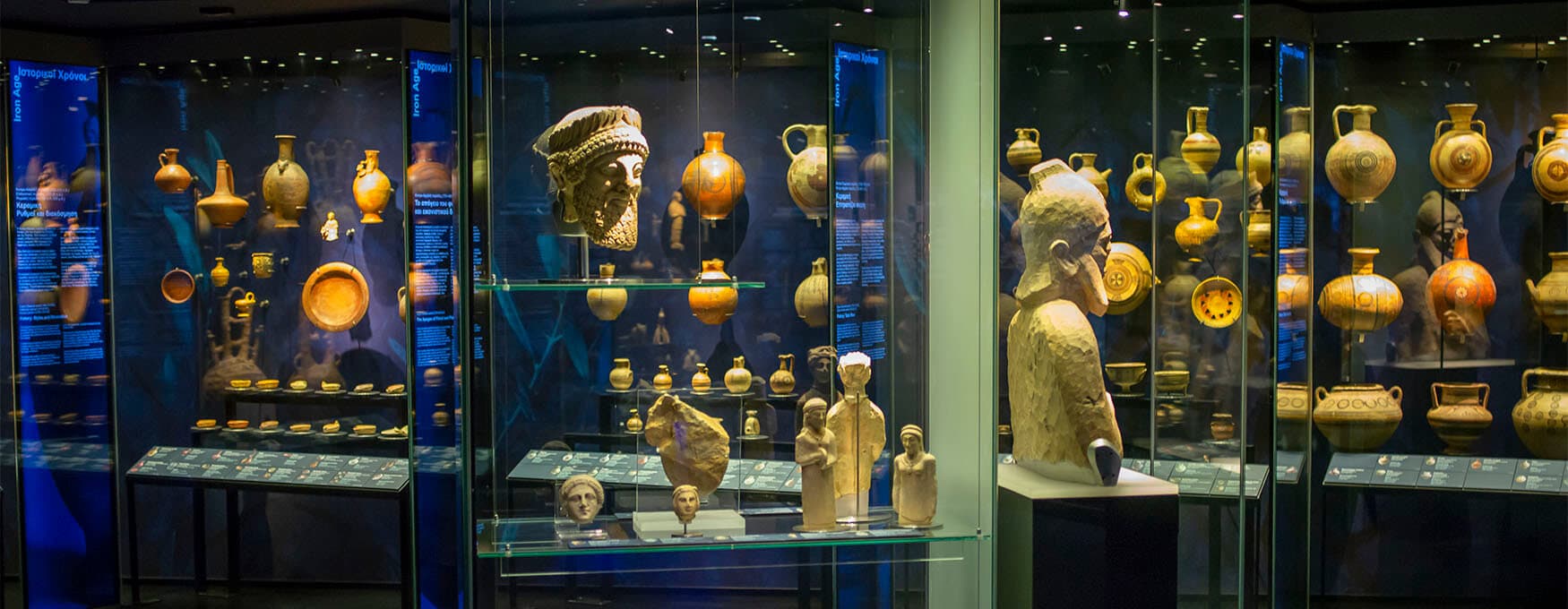
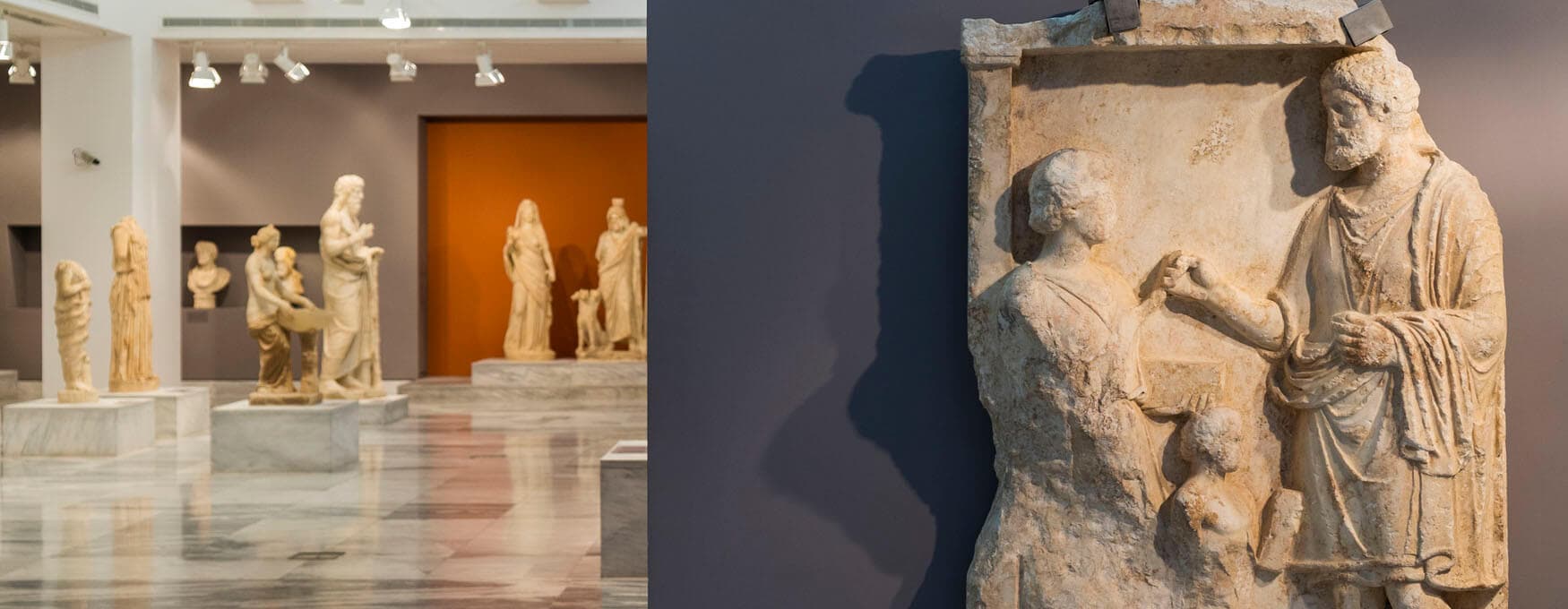
The journey continues through the Sub-Minoan and Geometric periods, culminating in the magnificent hall of sculptures, showcasing colossal statues of gods and mortals. Equally impressive is the Hymn of the Kouretes, a chant performed by nude young men in honour of Diktaean Zeus. Everyday objects, such as ivory combs and grooming tools, reveal the similarities between the Minoans and modern people.
Travel tip: For a truly immersive experience, combine your museum visit with a trip to the archaeological site of Knossos, the legendary palace of King Minos, located just 5km southeast of Heraklion.
The Most Notable Exhibits
As visitors meander through the museum, they witness the evolution of pottery, from the Neolithic period's static forms to the Minoan era's vibrant diversity. The most notable exhibits include the polychrome Kamares vases, the sacred double axes, and the rhyton (cone-shaped container) in the shape of a bull's head. The Phaistos Disc holds a prominent position, an unsolved archaeological enigma featuring an inscribed hieroglyphic script and ideograms whose meaning remains undiscovered.
Religious and social life come alive through the imposing Snake Goddesses in traditional Minoan garb, the magnificent ivory bull-leaping figurine, and the Zatrikion, the luxurious chess game of the era. Upstairs, the world-renowned frescoes, such as La Parisienne, The Prince of the Lilies, and the Dolphins, reveal the refined aesthetics of the palace. Exquisite artefacts, such as the golden bee pendant from Malia and the Ring of Minos, inspire awe with their intricate details.
From the Prehistoric Era to the Classical Period
The journey continues through the Sub-Minoan and Geometric periods, culminating in the magnificent hall of sculptures, showcasing colossal statues of gods and mortals. Equally impressive is the Hymn of the Kouretes, a chant performed by nude young men in honour of Diktaean Zeus. Everyday objects, such as ivory combs and grooming tools, reveal the similarities between the Minoans and modern people.
Travel tip: For a truly immersive experience, combine your museum visit with a trip to the archaeological site of Knossos, the legendary palace of King Minos, located just 5km southeast of Heraklion.