The Majestic Beauty of a World Heritage Site
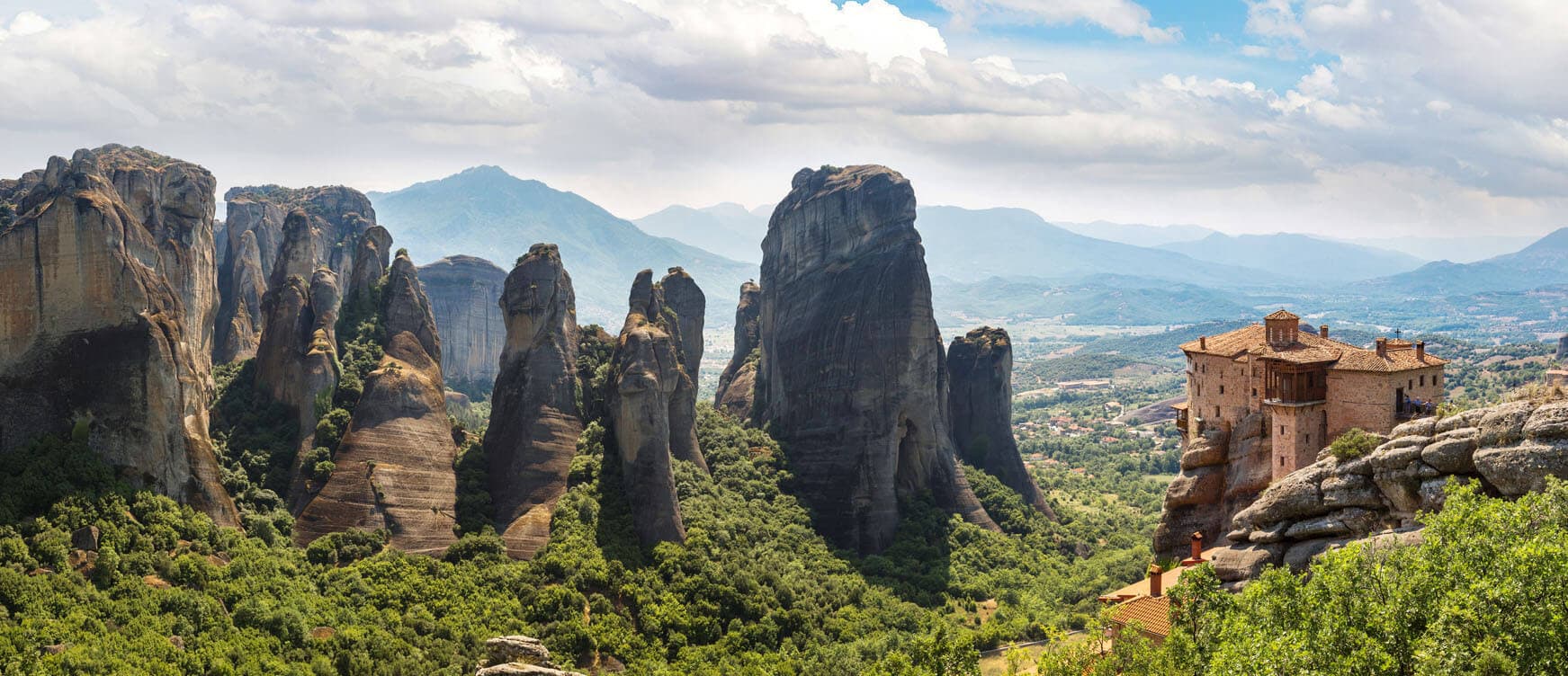
For centuries, the towering rock formations of Meteora have dominated the landscape between the mountains of Koziakas and Antichasia, forming a colossal stone complex of over 800 dark-hued monoliths. It is a landscape of unparalleled natural beauty and one of the most important Christian Orthodox monuments in the world, where wild nature, deep spirituality, and age-old tradition interact in a unique way.
History and Monasticism
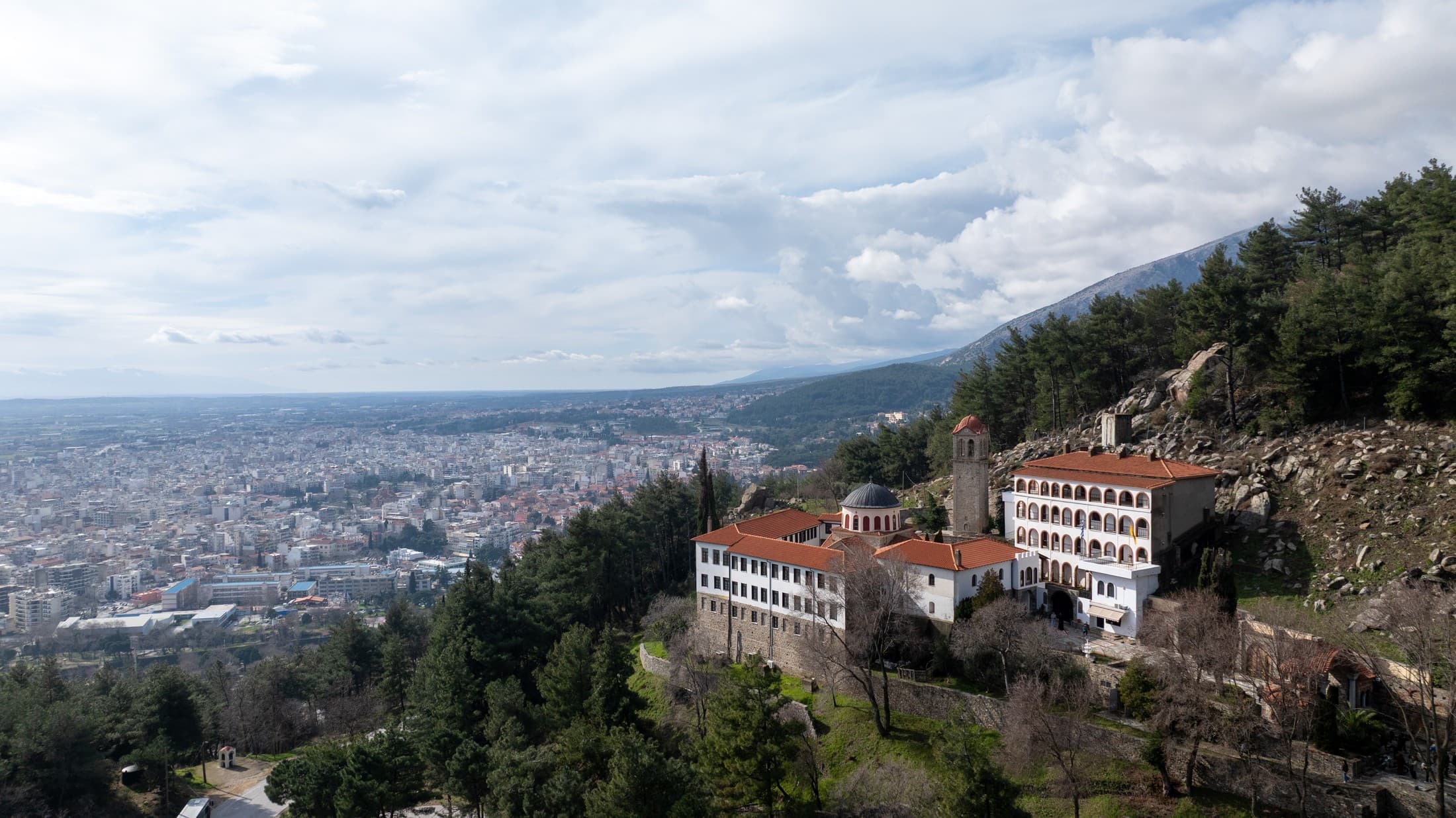
Meteora constitutes the largest monastic centre in Greece after Mount Athos, with a continuous presence since the 11th century, when the first hermits settled in the caves and crevices of the rocks. Of the thirty monasteries historically recorded, only six remain operational today, welcoming a multitude of pilgrims eager to admire their exquisite architecture. Although many smaller monasteries from the 14th century now stand abandoned, the echo of religious devotion remains vibrant, resonating with the grandeur of bygone eras and humanity's enduring need for communion with the divine.
Geology and Activities
This breathtaking landscape is the result of millions of years of geological processes. The relentless erosion caused by wind and rain has sculpted the rocks into their present form, creating an awe-inspiring environment. In the past, the only way to access this area was by climbing ropes and ladders, a feat that symbolised the struggle for isolation. Today, climbing remains a popular activity for adventure enthusiasts, while the beautiful trails that wind through the rock giants offer enchanting walks.
Worldwide Acclaim
1988 saw UNESCO include Meteora in the list of World Heritage Sites, designating it as a Preserved and Protected Monument of Humanity. It is a place where the passage of time and the elements of nature have worked in perfect harmony to create an unprecedented natural monument, attracting people from every corner of the earth for contemplation, prayer, or simply to marvel at the creation.