All Articles

What are you looking for?

Visit Greece

Carnival Events in Greece

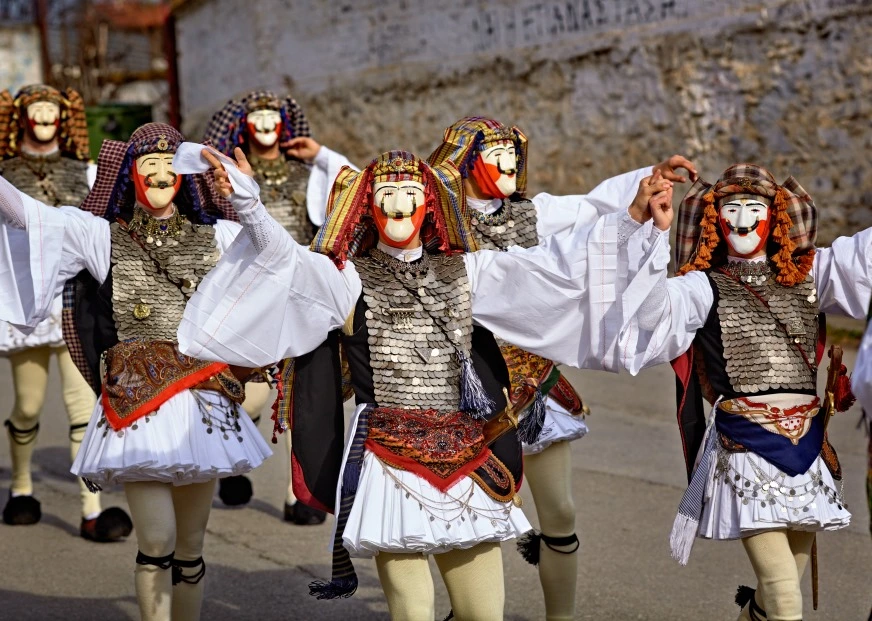
Festival Traditions & Merrymaking The Carnival festivities in Greece are a great opportunity for people to get together and enjoy themselves in the good old traditional way. The Patras Carnival is a very popular event in Patras town, N. Peloponnese, with visitors from Greece and abroad. The whole town follows the rhythm of the festivities, where locals & visitors enjoy watching the Opening & Closing Ceremony, the Treasure Hunt Game, the Night Parade, the Big Parade, the Carnival of Children, and more.  In Thrace region in the Greek north, Xanthi town hosts Xanthiotiko Carnival – Thracian Folk Art Festivities, with visitors from inside and outside the country. The events include folk art performances, dancing, visual art exhibitions, concerts by famous Greek artists, and local traditional dishes on offer to everyone. The Children’s Parade is made up of schoolchildren, and the Big Parade is the last one, taking place on the last Carnival Sunday, with masquerades, dancing in the streets and partying all day long.  Other Carnival customary practices & traditions of a more particular nature take place in other smaller towns. In Galaxidi, a coastal town in Central Greece, Alevromoutzouromata is a very old tradition and the last Carnival celebration to take place on Clean Monday, the first day of the Lent Period before Easter. Locals get in groups out in the streets, armed with bags of flour & soot, streamers and confetti, wearing bells around their waists! They dance on the streets as they head for the harbour area. Once they get there, the battle begins! The participants target each other with the contents of their bags, while dancing to folk tunes.  In Naousa, Macedonia, Genitsari and Boules is a centuries-old celebration that involves masquerading, full face masking, and patinades (instrumental folk tunes played on weddings). Groups of young unmarried men (genitsari) dress in traditional costumes, and escort Boula (a young man who is impersonating a woman, dressed in a bridal traditional costume), fully masked, across the streets. There’s dancing and teasing along the way, particularly in squares with players of traditional pipes & drums following them all day long. On the last Carnival Sunday, at dusk, the masks are removed and the identity of frolickers is revealed.  In Zante Island, an elegant Carnival event takes place. It’s the Venetian Wedding, a revival of a 16th century traditional ceremony, a theatrical performance given on the streets. Participants wear beautiful costumes that the then local gentry used to wear and the company is headed by the bride and groom who are announced by drum beaters and flag carriers, while Renaissance music is played. Locals and visitors cheer and clap their hands along the streets as the couple heads for San Marco Square, where the happy event will take place in the presence of the notary, and as per the 16th century customs & traditions. The wedding party follows with more music, dancing and traditional local dishes & confections for everyone.

24/01/2023
Carnival Events in Greece
Travel Tips

Agora Modiano

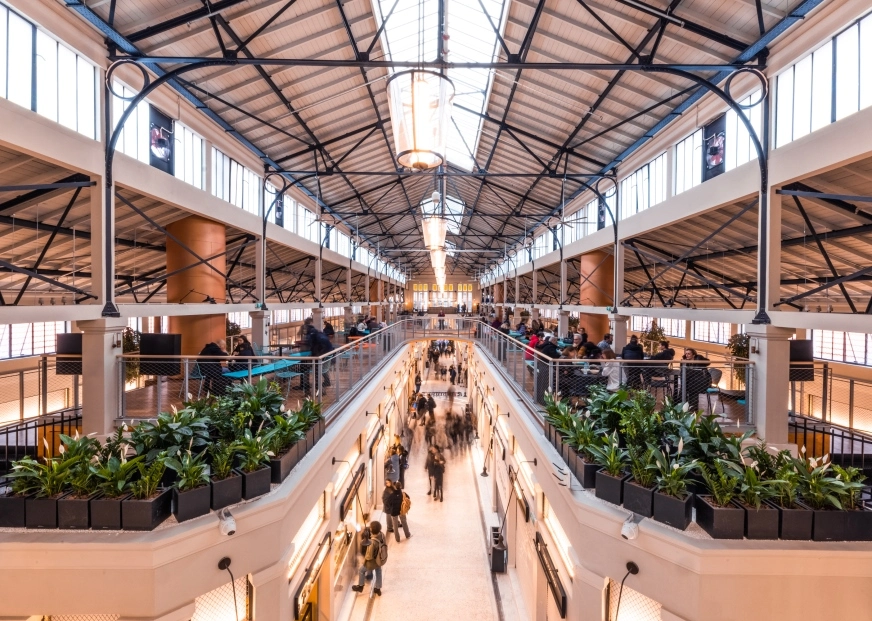
Thessaloniki’s Central Food Market, returns with a fresh new look Bringing a fresh new vibe to Thessaloniki’s center, Agora Modiano returns renewed, with a contemporary concept and new philosophy in line with the glamour of the past, the city of the future and the dynamism of the present. The new generation of Agora Modiano seeks is to offer visitors exquisite Greek and multicultural experiences, from purchasing products to embracing flavors, events and entertainment, in a unique environment of high architectural aesthetic and historical value, which combines the traditional and the contemporary, echoing the cultural dynamism of the most optimistic face of Thessaloniki, as well as its significant culinary culture. A key point of reference for the city, Agora Modiano comes back to life exactly 100 years since it was erected, ready to set the tone of the colorful, quality, eclectic Thessaloniki of tomorrow. Taken on by Fais Group, the ambitious project involved restoring and renovating the listed building and reconstructing its interior using state-of-the-art construction technology and materials, as well as a new philosophy that guarantees contemporary facilities and amenities for partner vendors, as well as a wealth of sophisticated choices, entertainment and an agenda of pop-up events, epicurean and music festivals for Thessalonians and visitors. An important landmark, an emblematic building for the city of Thessaloniki in terms of architecture, manufacturing, sustainable use as well as the city’s recent memory, having already hosted in its century of operation traditional tradespeople, products of pure quality, evenings of music and entertainment, exciting nights out and fascinating flavors, the new Agora Modiano is about to become “the city’s new central food market” to constitute not simply a covered food market but also a space of social gathering, culture and leisure. A living landmark of Thessaloniki, as it was crafted by its creator, Eli Modiano in 1922, and continued by Fais Group today.

17/01/2023
Agora Modiano
Interviews

An interview with the film director Georgios Dimitropoulos

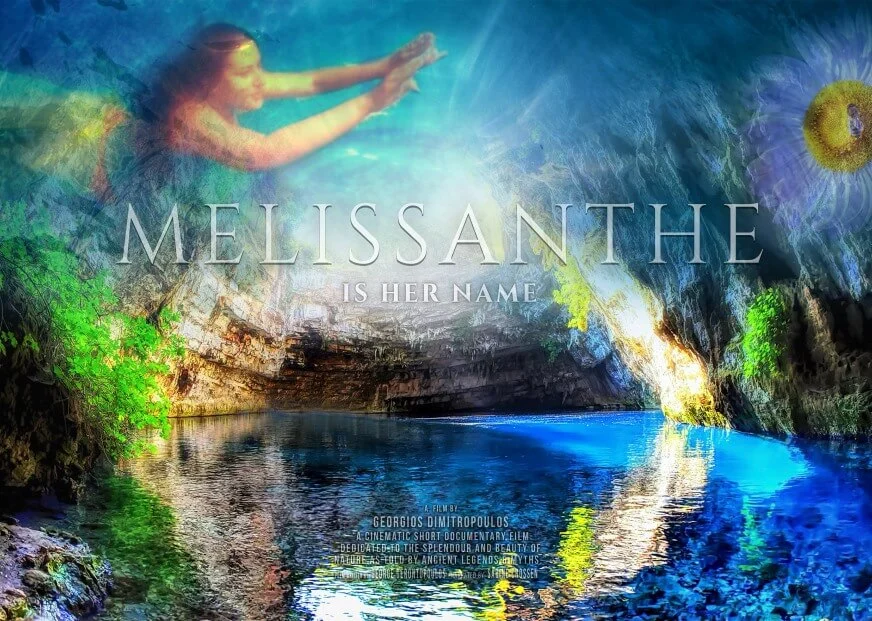
What is the film “Melissanthe” about? G. Dimitropoulos The film tells the story of the ancient Greek nymph Melissanthe and her unmatched love for nature, the flowers and the bees. With this cinematic poem, we travel through time, learn, feel, experience the wisdom of ancient times, and are reminded that in all things of nature.. even with the smallest of the living creatures.. there is something of the marvellous. The allegories between the past and the present are ever relevant and powerful. The myth of “Melissanthe” is an inspired symbolism of true love, destiny, and harmonious coexistence between all living things. The film was shot entirely on the beautiful island of Kefalonia, raising awareness of our planet’s extraordinary biodiversity and the need for its protection. It is a cinematic documentary dedicated to the majesty and beauty of nature as told to us by ancient myths and legends, reminding us that we can live in harmony with nature just as our ancestors did for thousands of years. What was the inspiration for the film? G. Dimitropoulos I'm particularly drawn to cinematic poetry based on ancient mythology and story-telling. There is something beautiful and elegant in experimenting with allegorical concepts, exciting the audience, and provoking creative thinking without preaching to the viewer, keeping them engaged and inspiring them to realize their own conclusions in their own way. The audience has indeed a very special relationship with the documentary form, and it is that challenge of keeping the right balance between documenting stories, and events, educating, inspiring and entertaining that empowers me as a filmmaker. Have you created other similar films? G. Dimitropoulos "Melissanthe" is part of the documentary series "Biodiversity in Crisis". The pilot of the series was “Ersis”. A film dedicated to the unparalleled natural beauty of mountainous Greece, its myths, history, and legends. It was filmed at Lake Plastira, an area of special natural beauty with an impressive synergy of human intervention and nature. The cinematic documentary film is based on ancient legends, myths, and deities that deliver a sense of symbiosis and ethos. Our ancestors managed to co-exist in harmony with nature, and I explore that notion in my film through symbolism and timeless concepts that are as relevant as ever. Who contributed to the film “Melissanthe”? G. Dimitropoulos There is an international team that works tirelessly to create these cinematic films. I teach filmmaking at a University and am fortunate to lead a passionate and talented team of filmmakers, research scholars and creatives. Giorgos Gerontopoulos wrote a beautiful poem based on the myth of Melissanthe. Actress Sabine Crossen narrated the poem and assumed the role of the ancient Greek Nymph with her wonderful voice. What is the message of “Melissanthe”? G. Dimitropoulos The film’s main focus is observing how our ancestors managed to live in harmony with nature two and three thousand years ago. While we are technologically advanced, sometimes our arrogance and blind fate and reliance on technology make us ignore and forget our history. It seems that we have lost this harmonious coexistence of humans and nature. Melissanthe, the nymph who protects blossoms, flowers and bees, was seduced by God Panas. The nymph fell in love with him, and in this allegory, God Panas is “us humans” today: our technology, noise, consumerism, and pollution. The decrease in the world’s bee population is one of the negative side effects of our unsustainable need for industrial growth and thirst for economic power. Pollution, overharvesting, pesticides, and climate change are some of the factors responsible for significantly reducing the bee population across the planet. This is a problem without borders. Bees are the ones who pollinate and contribute to the maintenance of a healthy food chain. Bee pollination enables the reproduction of plants that feed billions of creatures. The film raises awareness of the issue through its allegories. Melissanthe, the nymph who for centuries was thought to have jumped into the waters of Lake Melissani and died, was in fact, alive, sleeping at the bottom of the lake. At some point, she emerged from the waters to find her beloved bees. The message of this film is that there is hope and solutions if we are humble enough to study our history, reflect, learn from past mistakes and determine our future in harmony with nature and our planet. Has the film been submitted to any film festivals? G. Dimitropoulos The film participated in various international film festivals and has collected twelve awards in total. It received positive reviews from festivals specializing in nature and the environment. The positive feedback from critics motivates the whole team to continue creating new films highlighting Greece's rare beauty and history. During our long and exciting film journey, we were asked many questions about Kefalonia island, Greece, and its myths and history. We realized that audiences see Greece not only as a beautiful all-year-round destination with outstanding natural beauty and unique biodiversity but also as a place with a long history and rich culture that is profoundly inspiring and fascinating. It was exciting to hear film critics and members of the audiences alike express their desire to visit and explore Greece, not just for the sun and the sea and nature but for the whole experience of Greek history, mythology, culture, and arts. The film’s messaging is so important. Have you considered screening your film at schools? G. Dimitropoulos We have been asked to screen the film in my university’s associated schools. The schools are interested in screening it because it is short in duration and is suitable for young children. It’s genuine, relevant and conveys an important message. Raising awareness and spreading the message of protecting our planet's environment and biodiversity has always been my goal and the film’s main focus. We would be delighted to enable and allow screenings of our documentary films in schools everywhere. If there are schools in Greece that would like to use the films, it would be a pleasure and a privilege to make this happen. Are you planning to create new documentary films? G. Dimitropoulos We continue with the production of documentaries in various thematic fields in relation to ecology, technology, and science, as well as the production of dramatized documentaries (docudrama) with historical content. Such documentary films offer different perspectives, share knowledge and experiences, promote specific themes, regions, history, and nature, and raise awareness of emerging problems and possible solutions. The educational nature of documentary films deserves our wider support. We would like to invite researchers, scholars, professionals, leaders, creatives and filmmakers to join our not-for-profit initiative and our international team to create content and tell stories that are worth telling, worth sharing and worth spreading!
22/12/2022
An interview with the film director Georgios Dimitropoulos
Visit Greece

Athens under the Michelin Stars Spotlight

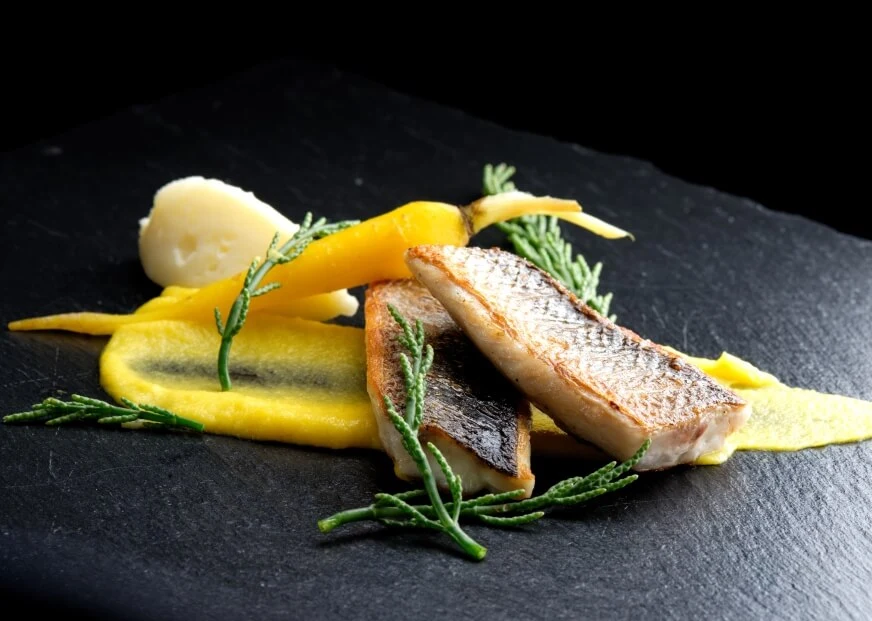
MICHELIN Guide Selection Athens and Athenian Riviera Sample Athens' delicious food revolution The first MICHELIN Guide on Athens and the Athenian Riviera will be published, reflecting on the diversity and openness of the local culinary tradition and fine dining. In the culinary world, a distinction by the Michelin Guide is most esteemed, as is by travellers who are looking for a one-of-a-kind haute cuisine experience. The Guide’s Point Of View selection of restaurants found in the Athenian culinary scene offer unique experiences for international gourmets. Either assessed with a Michelin Star rating, a Bib Gourmand designation or just being listed in the guide is an honour in itself. The Michelin guide started in 1900 yet its three-stars rating system began in 1931. This iconic red guide has had a certain amount of mystique among its followers these past 100 years. It is high time the readers were introduced to the exquisite Michelin Guide’s Point of View restaurants in Athens and the Athenian Riviera area, whose settings are often as intriguing as what is served on the plate. MICHELIN Star restaurants in Athens and its environs in a glance Delta restaurant has two MICHELIN Stars & one MICHELIN Green Star. Its chefs make use of Greek ingredients and apply Scandinavian techniques and concepts. Their sustainable approach is based on a creative omnivore tasting menu along with vegan and vegetarian options. It is located in the Athenian Riviera, on the fifth floor of the building of the Stavros Niarchos Foundation Cultural Centre (SNFCC). Its triangular interior shape relates to the name of the restaurant Delta, which in the Greek alphabet is the fourth uppercase letter (Δ), a triangle with three sides in perfect harmony. It has an impressive bronze sculpted design bar and a stunning sea view. More info here. Hytra restaurant is found on the sixth floor of the Stegi Onassis Cultural Centre, overlooking the Acropolis. It has one MICHELIN Star and serves classic Greek recipes given a modern touch. More info here. Botrini's one MICHELIN Star restaurant is housed in a former school in the district of Chalandri. The chef offers two extensive tasting menus that showcase creative Mediterranean-focused cuisine with constant references to Greece and Italy alike. Local ingredients are used to create several dishes with a connection to the island of Corfu. More info here. Varoulko Seaside is a one MICHELIN Star restaurant offering unique recipes, mainly focusing on fish, combining traditional and modern tastes. More info here. Spondi restaurant is located on a busy square behind the Panathenaic Stadium. Its Mediterranean-inspired terraces and the french-influenced cuisine based on ingredients from both Greece and France have granted one MICHELIN Star. Enjoy one out of two menus; an à la carte with a number of plates to choose from or a “Discovery” tasting menu. More info here. The Zillers restaurant, housed in a historic building, boasts a rooftop terrace and a multi-purpose Roof Garden in the Zillers Boutique Hotel with fine views of the city’s Orthodox cathedral and the Acropolis. The restaurant gained one MICHELIN Star serving light meals and snacks during the day and an international menu with a few Greek twists in the evening. More info here. Pelagos restaurant has one MICHELIN Star and is located in the Athenian Riviera in the luxury resort Four Seasons Astir Palace Hotel. It boasts a sea-view terrace with Mediterranean fusion cuisine influenced by Italy and France alike. Enjoy one out of two tasting menus; “The Classics 360o” and the Pelagos on Tour”. More info here. Soil restaurant obtained one MICHELIN Star & one MICHELIN Green Star for its Greek based and Nordic touch cooking offering small plates that reaffirm the restaurant’s “farm to table” concept focusing on vegetables, herbs, and edible flowers. It is located a stone’s throw from the Panathenaic Stadium. More info here. CTC restaurant attained one MICHELIN Star for its Mediterranean-based cuisine, according to seasonality of ingredients, featuring modern techniques and meticulous presentation, showcased on a single 11-course surprise menu. Having a delightful terrace with trees and bushes it is sought after during the hottest months of the year. More info here. As for the Bib Gourmand restaurants in and around Athens, they may not have gotten a star but most definitely caught MICHELIN’s attention such as Oikeîo, Nolan and Cedro Negro 1985. They are considered as friendly establishments that serve good food at moderate prices. Finally, don’t miss out on savouring exquisite fine dining around Athens and the Athenian Riviera in all of the Michelin Guide recommended restaurants. More info here.

16/11/2022
Athens under the Michelin Stars Spotlight
Visit Greece

Greek Wellness Spots

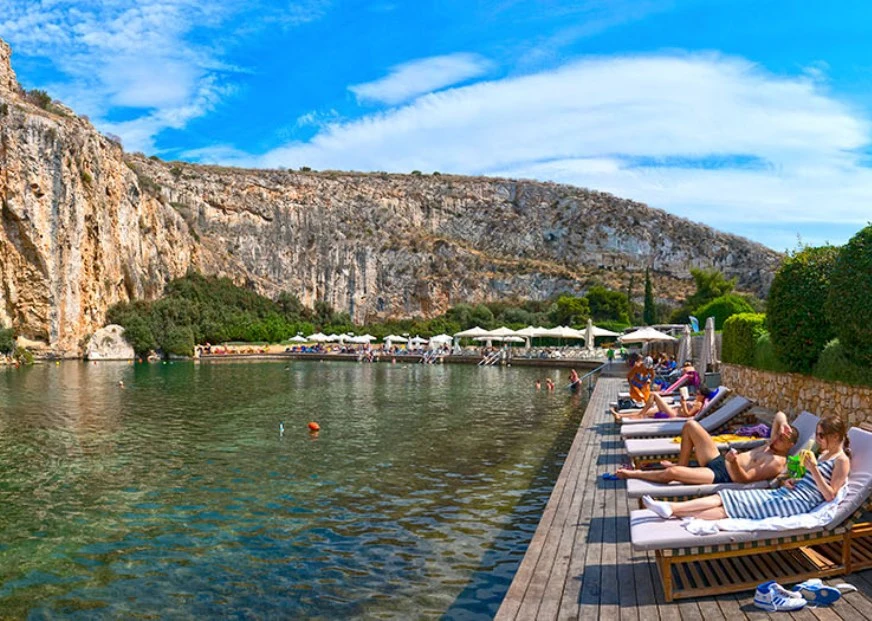
A holistic approach to treat your body and mind For the Greeks, “thermae” is an ancient word. God Apollo and his son, Asclepios, were regarded as the patrons of the numerous hot springs [thermae], across the Greek territory. Mortal men and heroes (such as Hercules) visited the various thermae to cleanse their body and mind, and seek advice or a cure for their ailment. In time, thermal towns were built around these hot springs. Loutraki is such a town (ancient name “Thermae”), located very close to Corinth city in the Peloponnese region. In antiquity, the area’s thermal waters were used by Spartan troops, who bathed there after battle, to restore their body strength. It’s a short trip from Athens, well worth taking, whether you’re seeking a cure for a medical condition or you simply want to enjoy the rejuvenating treatments offered in the town’s spas. Closer to Athens, in the southern suburb of Vouliagmeni, Lake Vouliagmeni is a must-visit location in the beautiful Athenian Riviera. In prehistoric times, this place used to be a cave whose roof collapsed due to the water’s high temperature, creating a beautiful lake of very deep thermal waters. The landscape includes imposing sheer rocks which rise by the lakeside, and add to its beauty. The surfacing underground hot springs are rich in minerals and salts and they mix with the nearby seawaters, so there’s a constant renewal of the lake’s brackish waters. While you swim you will get an extra treatment from the local small fish, called Garra Rufa: you’ll have a tingling sensation as they offer you skin exfoliation services! The location is a natural monument that is part of the European Natura 2000 network of protected areas. It’s the ideal natural environment for relaxing, swimming, snorkelling, training inside the water or by the lakeside, or enjoying a rejuvenating massage. On Evia, an Aegean Sea Island very close to the Greek mainland, there’s Aidipsos, a seaside spa town in the NW. The hot spring waters rise to the surface from as deep as 2.5 km inside the earth’s crust, and their temperature ranges from 34 - 82 C°. These mineral-rich waters come up on the ground and inside the sea, or cascade into it from seashore rocks. So, book your holiday by the sea and enjoy the treatments on offer in the spas – there are several facilities to suit your taste, whether you want to treat a medical condition or just to pamper yourself! In the Greek North, just 40km off Edessa Town, Pella district, Macedonia, there’s a true gem, located by the foot of Mt Kaimaktsalan (or Mt Voras): the Pozar Thermal Baths are surrounded by luxuriant nature and steep rocks; their warm spring waters drop down the cliffs forming waterfalls and then a river, or gather in natural pools. Enjoy your bathing in the outdoor and indoor pools of the facility and choose among the other treatments on offer, such as the hammam bath & the jacuzzi. Visit the Greek spa facilities and enjoy the combination of soothing treatments in hot spring waters against magnificent natural settings.

15/11/2022
Greek Wellness Spots
Travel Tips

Photography Guide To Greece: Where To Go?

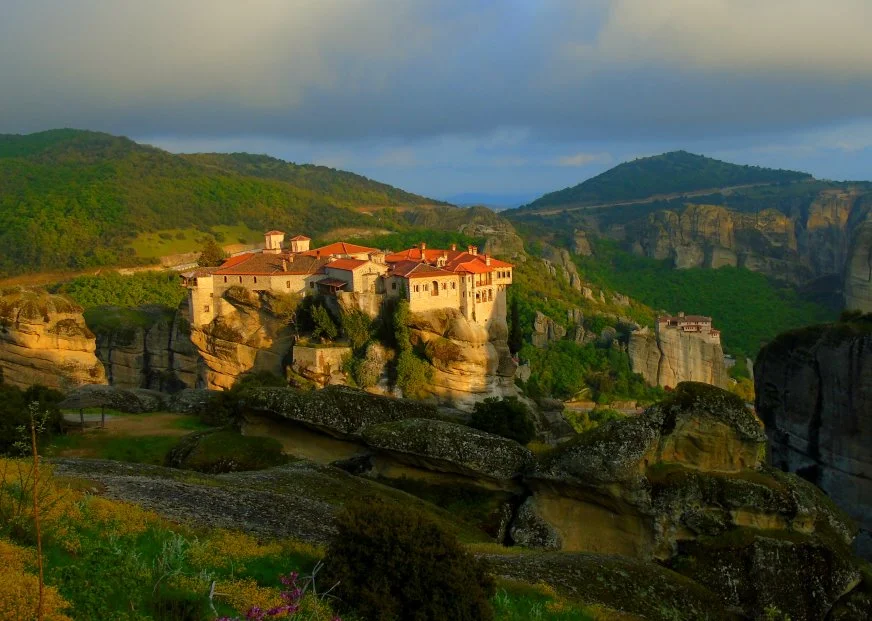
Greece is famous for its mind-blowing views. We often see scenic landscapes on postcards and don't consider them real. But in fact, you can make fantastic pictures yourself. In this article, we'll name the best places to take Greece vacation pics. All you have to do is to grab your camera and go anywhere you want. This country has all you need for incredibly diverse pictures. You can find beaches and mountains, ancient temples, and ultra-modern cities. This land of contrasts is made for photo sessions. Delphi You've probably heard about the legendary Oracle who lived in this area long ago. Nowadays, this valley in the center of Greece is a great place to take outstanding photos. The combination of ancient ruins and lush greenery creates an incredible effect. In order to get perfect pictures from your vacations, use photo enhancement services, for example, photoretouchingservices.net. The specialists will clean up small flaws and highlight the colors of nature. Athens If you like the city scenery, you can go to Lycabettus Hill. The height of 277 meters allows tourists and photographers to enjoy a breathtaking view of the city. You can make pictures in the daylight and at night. Just like any other big city, Athens never sleeps. Zakynthos When we talk about Greek landscapes, we think about the sea, and Zakynthos is one of the most beautiful islands for Greece photography. Here you can picture crystal clear water, amazing beaches, and hills. Go to Navagio Beach to get a postcard view. The colors of this location are so fantastic that it's better to enhance travel photos to highlight the natural beauty. Meteora Another signature of Greece is the mountains. If you want to picture high picks, visit Meteora. Here you can enjoy mountain climbing and make panoramic photos. Ancient monasteries give you a wonderful opportunity to get beautiful Greece travel photos. This region is for history lovers and tourists who like to explore ancient buildings. Caldera of Santorini There are many pretty places in Greece with beautiful landscapes, but you can't leave this country without photos of the caldera. In fact, it's a sleeping volcano, and the scenery of this place reminds another planet. It's hard to believe that this combination of volcanic rocks and the navy blue sea exists in reality. Conclusion In this article, we mentioned five places in Greece. They are different, and you can choose according to your preferences or visit them all and take pictures of all faces of this beautiful country. Obviously, you don't have to explore these destinations and can take photos in small villages and wide forests. Greece is a unique place. Almost everywhere, you'll find something interesting to picture. Another interesting idea is a tour of famous archeological sites. This way you'll get photos of worldwide famous ancient ruins.

05/10/2022
Photography Guide To Greece: Where To Go?
Travel Tips

Your piece of Greece

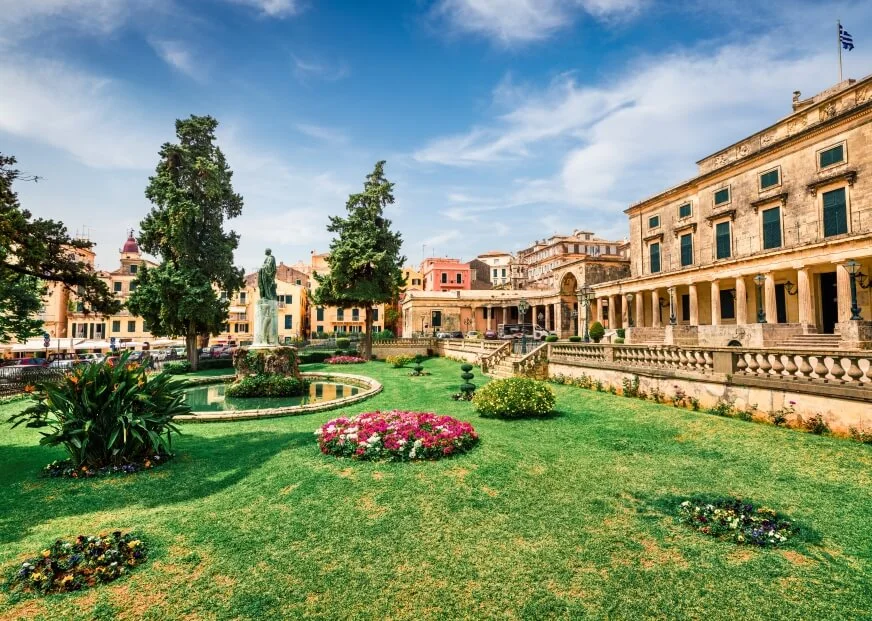
Have you ever been on holidays, wishing to never leave the small place of paradise you call “home” for a few days? That is a feeling common to everyone visiting Greece. Greece’s islands and mainland create a homey atmosphere to their visitors. Most tourists choose to come again and again, year after year after year, bringing loved ones along with them to explore and enjoy their “best kept secret”. So how about living the dream? How about owning your own piece of paradise? Greece and its beauty are well known. It is the only country linked to summer vacation, freedom and all things nice. But, have you ever been to Greece all year around? With its unique tradition distinguishing different parts of the country from each other, from the Venetian feeling of Corfu to the Ancient Greek influence of Thasos, you can never have enough of Greece. Throughout the years more and more people have grown interest in having a holiday house here, bringing the topic of real estate in talks. Owning land in a place far from the place you are used to call home, is considered not only as an investment but also an adventure, a new beginning, a never-ending dreamy reality. That is why hundreds of thousands of tourists become “Greeks” themselves. They choose to not only visit Greece every year, but to also be owners of their own small piece of Greece. So, why do so many different people choose Greece and Greece’s islands for their forever home? Greece has over 6,000 islands, from tiny hidden islets to internationally known holiday destinations. There are many quiet Greek islands, which make peaceful havens that are home to rugged natural beauty. Others are bustling hotspots teeming with beach bars, excellent tavernas and lively Greek culture. Only here you are able to live, walk, and breathe ancient history at every given moment, and have access to the most expensive and pristine beaches in the world. Experiencing Greece means experiencing a type of idyllic lifestyle that only a few and fortunate are able to live as a reality. . Included in Travel + Leisure’s list of the 20 best islands of Europe, let’s take the island of Corfu for example. It is undoubtedly one of the most versatile islands of Greece. Whether you are the one to party or whether you like to stay in and relax, there is a place in Corfu perfect for you. That can be something really important for people on vacation but isn’t it appliable to everyday life too? Corfu's culture, cuisine and climate are second to none. It is a top tourist destination with rapid tourism rate increase. It has an international airport, marinas and a port that serves as a leading cruise ship destination. Corfu offers 300 days of sunshine a year and is one of the safest places on the planet, based on environmental and social factors. Being the gem of Mediterranean gastronomy, it combines traditional recipes of the mainland, the islands and Minor Asia, with quality raw materials, wine and distillation products. Last but definitely not least, it is worldwide known that Corfu is one of the richest islands historically and culturally! From the Achilleion, the palace of Princess Sissy of Austria, and the summer Palace of Mon Repos, formerly the property of the Greek royal family and birthplace of Prince Philip, all the way to the Palace of St. Michael and St. George, where the Museum of Asian Art of Corfu is currently located, history is embedded in the island’s buildings. Because of its history and significance this specific region has drawn fresh investment to the hospitality sector, including 4-and 5-star accommodation in Corfu, with the examples of the Chinese Fosun Tourism Group, as well as the investment of 125 million euros from the Sani/Ikos Group. A perfect example is also the investment of the former Emir of Qatar Hamad bin Khalifa Al Thani who has chosen to renovate the famous Miramare Hotel and has also turned another famous hotel on the northern part of the island into his own private holiday villa. Owning land will never lose its value. This is the main reason why buying property in Greece has become a popular topic in the last decades and which better way to do it than in a Greek island. Still having second thoughts as to whether you need to invest now?

30/09/2022
Your piece of Greece
Visit Greece

World Tourism Day 2022

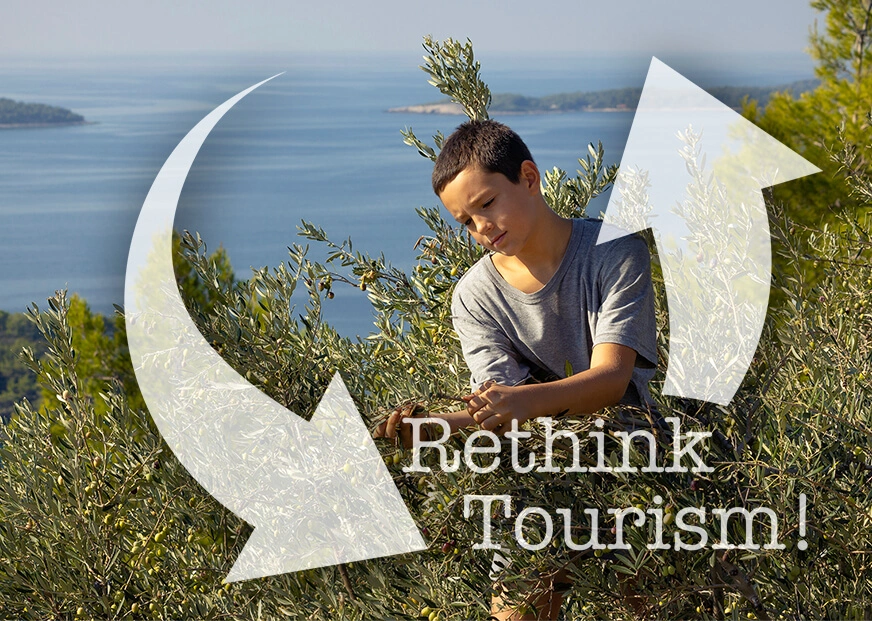
#RethinkTourism Rethinking Greece’s major economic sector is not an easy task but the pandemic emphasized how critical it is to do so. We should all seize the opportunity to rethink how we do tourism by protecting nature, fostering inclusion and promoting cultural understanding. It’s all of our duty to rethink tourism and act upon it. As the quote says: take only memories, leave nothing but footprints. Greece is a country with many a charm: its long and winding coastline, the numerous islands, and its Mediterranean climate can provide you with marvellous beaches to enjoy and sun to bask in. Its forests harbour a rich biodiversity. Greece has made great strides in sustainability, and some of its features that make it a hit with ecotourists are inherent in its culture. Explore the Greek mainland & islands that offer a greener, sustainable and closer-to-nature holiday experience. Chalki Island is at the forefront of energy transition. ChalkiON is the first energy community to own and operate a solar park along with the local authority. The design of Chalki’s initiative covers the energy needs of the island. Based on data obtained from the electric bills of Chalki’s residents, the island proceeded with the installation of the 1MW solar park, thus making it the first energy autonomous island in Greece. The town of Trikala, in the Thessaly region, is Greece’s first smart city. To reduce traffic, pollution and CO2 emissions, the city offers its citizens the Smarta 2 app, which allows users to request on-demand bus & taxi services. Green transport options include two driverless electric buses. The city also runs a smart system that uses sensors to inform the waste collection centre about waste levels in rubbish bins. Astypalaia Island, in the SE part of the Aegean Sea, has adopted a sustainable approach in tourism. Chosen by the vehicle brand Volkswagen to establish a groundbreaking mobility system, the island has implemented a plan to transition to renewable power generation, mainly using power produced by wind and solar panels, and the operating electric vehicles, e-bikes and e-scooters. Tilos Island only has few inhabitants but when tourist season arrives there is a peak in energy demand and the island’s supply was often not enough, resulting in frequent, prolonged blackouts affecting among other things refrigerators, which lead to food waste. The island was the first of 80 projects chosen to receive funding from the Horizon 2020 programme, which allowed the island to build a hybrid power station, with wind and solar farms, and batteries for storage. Tilos is now energy sufficient and has significantly reduced its carbon footprint, while bringing practical benefits and financial gain to both locals and tourists. The island is also a leader in recycling: Just Go Zero Tilos is a zero-waste programme, launched on the island, for recycling hazardous and non-hazardous material, with great success so far! The bare and imposing landscape of Sikinos Island can be explored by hiking its trails, which were signposted and cleaned thanks to the project “Paths of Culture” by the ELLINIKI ETAIRIA - Society for the Environment and Cultural Heritage along with the Municipality. Water scarcity is a serious issue on Sikinos Island, but in 2014, the Coca-Cola Community Water Partnership Programme helped the island integrate a rainwater harvesting programme, so water gets distributed to key locations around the island. As part of the ecological ‘Sea Change’ programme in 2018, the island became the first Aegean island to ban plastic straws and replace them with reusable or biodegradable alternatives. Last but not least, nearly 70% of Sikinos Island is part of the Natura 2000 network of nature protection areas.

23/09/2022
World Tourism Day 2022
Total 98 items<1...10111213>

It takes a lifetime to discover Greece,

but it only takes an instant to fall in love with her.

—Henry Miller

Let Greece inspire you!

Subscribe to our newsletter and discover unique ideas and hidden treasures for your next trip.