All Articles

What are you looking for?

Travel Tips

Athens: Top Restaurants for Vegetarian Food

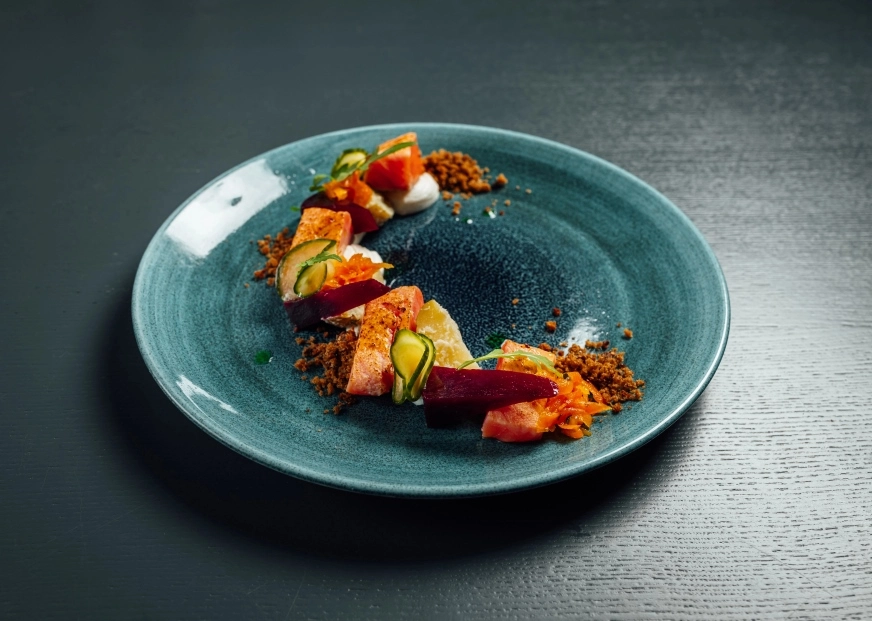
Explore the Inspectors' picks for the best places to find a vegetarian meal in the vibrant Greek capital. Greek cuisine, like most Mediterranean fare, has a natural inclination towards plant-led dishes and delicious dairy produce. Any reputable taverna will offer enticing salads and delightful vegetable mezzes. But what about fine dining? Today, many establishments feature strictly vegetarian (and often vegan) tasting menus, or at least a variety of dishes free from meat and fish. Here are four standout venues from The MICHELIN Guide that cater to plant-powered diners. Aleria: Plant-Focused Gastronomy in a Charming Villa Located in a gorgeous neoclassical villa dating back to 1895, this gourmet restaurant in the Keramikos district has been offering a 100% vegetarian menu for several years. Presented in five to seven courses, with optional wine pairings, it delights diners of all dietary preferences — vegetarians, flexitarians, and omnivores alike. This bold and innovative approach is the brainchild of Gikas Xenakis, the establishment's affable chef. Having been vegetarian for part of his life and married to someone who doesn't eat meat, he excels at elevating plant-based ingredients, making them not just palatable but desirable. His menu creations, even those with animal proteins, are inspired primarily by vegetables, herbs, flowers, and fruits from his lush garden just outside Athens. His vegetarian cuisine draws from the rich Greek culinary tradition, abundant in vegetables, grains, herbs, and cheeses, yet he reinterprets it with a playful twist, offering genuine culinary dishes that are both accessible and surprising. His mission? To serve dishes where the absence of meat is never perceived as something lacking. A passionate mushroom forager, he enhances his plates with porcini, morels, and local truffles as alternatives to meat, complemented by richly concentrated sauces. Among his signature dishes are Hortopita, a Greek pie made with 12 varieties of herbs or green vegetables, and Mushroom Pastitsio, a vegetarian twist on a classic Greek dish traditionally made with braised oxtail. It's good to know that the menu can be easily adapted for a vegan diet too. Hytra: Mediterranean Essence with a Modern Twist For over a decade, Hytra, a MICHELIN-Star restaurant, has been offering its enticing vegetarian menu. Its success has consistently attracted a diverse clientele: "On certain summer days, nearly half the guests order this menu!" shares Chef George Felemegkas proudly. For him, it aligns perfectly with the restaurant's philosophy, which revolves around Mediterranean cuisine focused on carefully selected ingredients. The approach almost exclusively involves local, organic, and seasonal raw materials, addressing growing concerns over environmental conservation. The restaurant sources from three local farms around Athens, while awaiting produce from its own burgeoning garden. Served in seven courses, the vegetarian menu — which can also be made vegan — is always curated independently from other menus; it's never a mere adaptation of a meat-based menu! While the Mediterranean traditionally celebrates plant-based dishes, the chef also draws inspiration from recipes from his Peloponnesian village, Kalávryta. His time at Quique Dacosta in Spain taught him a strict respect for produce, exemplified by a dish where the tomato reigns supreme, elevated by wild strawberries, small peppers, and freshly harvested micro greens, adding a spicy punch to the smooth texture. Makris Athens: Dishes Resembling Vibrant Bouquets Makris takes its name from the antique name of the island of Corfu, where the establishment began its culinary journey in 2018 at Domes Miramare Corfu. Today, the elegant MICHELIN-Starred restaurant perches on Athens’ ancient Agora, a site with nearly three millennia of Greek history etched into its stones. There's even ancient remnants in the cellar of the restaurant, which was one of Athens' first hotels, opened over 200 years ago. However, the cuisine served here by Chef-Owner Peter Dimas is anything but archaic, wholeheartedly embracing the future, as reflected in his vegan "Physis" menu. Inspired by the family’s extensive garden in his hometown near Athens, his culinary creations revolve around exceptional produce that's often hard to find elsewhere. He cultivates dozens of different tomato species, up to 50 types of flowers simultaneously, rare or forgotten vegetables, and a dizzying array of herbs... All of this is organically and responsibly produced, respecting nature. Rather than sourcing from other suppliers when a product is unavailable, he prefers to adapt his menus. Naturally, winter yields fewer vibrant ingredients, but with root vegetables, salads, or mushrooms, he always has enough to offer an unforgettable experience. His plates, colorful and spectacularly arranged, are presented as generous bouquets to the guests, snapshots of the current season. To accompany the meal, there's a choice of 30 Greek olive oils — an extraordinary luxury! Additionally, an intriguing pairing of various juices and kombuchas is provided, superbly complementing the delicate and vivacious flavors of the vegetarian menu. Meanwhile, the house cellar includes a broad selection of Greek and European wines, with some certified vegan bottles. Ovio: An Italian Excursion in the Heart of Athens An Italian restaurant in Athens? Why not, if it's as good as Ovio. Located a stone's throw from Syntagma Square, it forms part of the local neighborhood's excellent dining scene. The setting is decidedly modern, far removed from the stereotypes often associated with Italian establishments and their inevitable clichés. On the menu, you'll find an impressive array of modernized Italian classics executed to perfection, including Caprese salad with ultra-creamy burrata, fresh pasta generously dusted with protected designation cheeses, top-tier grilled Florentine meats, or pizzas with dough that’s both airy and crisp. Many vegetarian dishes grace the menu, able to be enjoyed either indoors or on the terrace. The gnocchi with gorgonzola, pear, and walnut proves irresistible, as does the highly comforting chestnut risotto. These Italian recipes are occasionally infused with delicate Greek touches, like the spaghetti with savoro, a tangy tomato sauce with capers and vinegar. To accompany the meal, patrons can choose from one of the house's excellent cocktails or from a well-stocked wine list, featuring Italian classics as well as a few surprises from France. It's an establishment highly regarded by the locals in Athens.
15/05/2025
Athens: Top Restaurants for Vegetarian Food
Travel Tips

Meat Lover’s Guide to Athens: The City’s Top Carnivore Restaurants

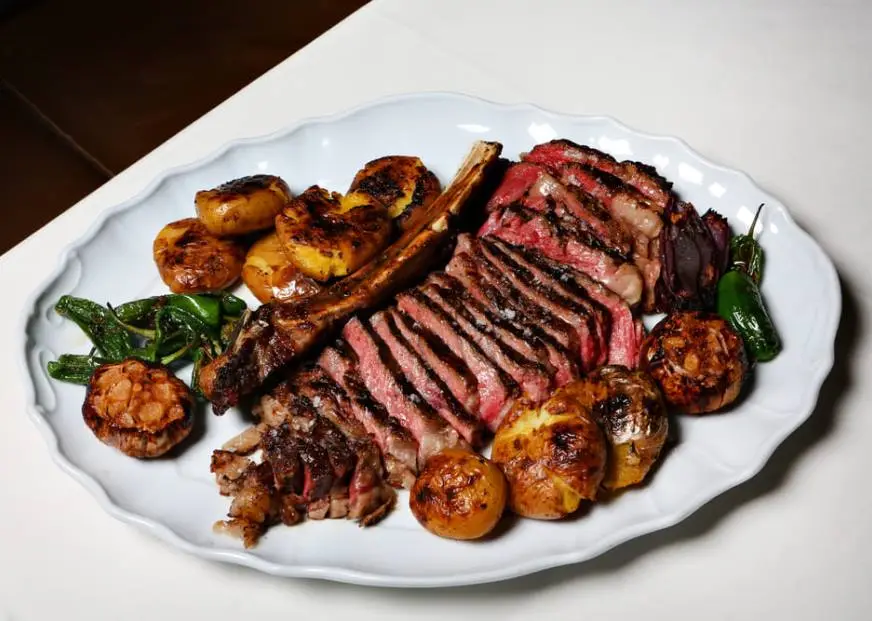
For a break from Greece’s traditional veggie- and fish-forward tavernas, carnivores can head to Athens' MICHELIN-recommended spots where meat takes center stage. Located on the Attica peninsula and bordered by sea, Athens is well-positioned for access to fresh, high-quality ingredients. While the city is known for its seafood and vegetable-forward fare, a walk through its bustling central meat market — one of the most dynamic in Europe — reveals another side of the capital’s culinary identity. For those seeking more than grilled fish and leafy greens, Athens offers a range of MICHELIN-recommended restaurants where meat takes the spotlight. Here are four spots for carnivores in search of satisfying dishes: Gallina: Shareable Plates in a Stylish Setting Founded by an art collector, this restaurant is located at the foot of Philopappos Hill, near the National Museum of Contemporary Art. The striking design is the first thing that draws diners in — marble tables, terrazzo floors, artful lighting, and contemporary tapestries create an atmosphere far removed from traditional taverna settings. And yet, despite the modern backdrop, the vibe remains convivial. We recommend nabbing a seat at the counter for a front-row view of the bustling open kitchen and its dynamic team. The menu features shareable dishes, with plenty of meats sourced from the restaurant’s carefully selected breeders. A perfect meal might look like this: start with Wagyu beef tartare paired with Aegean shrimp and finished with a tuft of Oscietra caviar. Then, move on to the truffle chicken with beurre blanc, the grilled duck, or the mouthwatering faux filet, served with a rich béarnaise sauce. Call it comfort food with a touch of decadence. The wine selection is equally compelling, skewing toward local natural wines and a few choice bottles from France and Italy. Fine Mess Smokehouse: A Texan-Style Barbecue Experience in Athens At Fine Mess Smokehouse, the birthplace of democracy gets a taste of the Lone Star State. Opened in 2019, this establishment on the slopes of Lycabettus specializes in Texas-style barbecue, with an emphasis on the Southwest state's signature hot-smoking techniques. On a road trip through 39 of the 50 U.S. states, Chef-Owner Elena Kaperda discovered the art of meat preparation. After returning to Greece, she set out to design her own barbecue and bring Texas-style cooking to Athens. Kaperda selects ideal cuts for the requisite low-and-slow cooking, working exclusively with trusted sources. While the extraordinary beef generally comes from the U.S., local farms supply the pork and poultry. The beef brisket is a standout, requiring 12 hours of careful cooking. More than just a steakhouse, the restaurant offers a fine dining vibe — you won't find any souvlakis here. Each meat is paired with its own garnish, akin to a composed dish. Smoke plays a central role, infusing oil, tomatoes, and mayonnaise with its fragrant touch. As for drinks, the house cocktails are impressive — especially the list dedicated to the Old Fashioned, which features eight different variations. Vezené: Dining That's Refined and Surprising Ari Vezené revolutionized the Hellenic dining scene. The Greek-American entrepreneur opened various restaurants that challenged the status quo, from traditional taverns and rotisseries to fine dining establishments. Located in the vibrant district of the Athens Concert Hall, the elegant Vezené, with its white tablecloths and attentive service, has made its mark. This restaurant, an essential part of the city's dining scene, embraces contemporary Greek cuisine with surprising touches. Here, Vezené reaffirms his obsession with sourcing pristine ingredients. At Vezené, the menu is versatile, offering delicate seafood dishes, as well as plenty of meats, primarily sourced from Greece. The magic lies in the preparation: flamed, barbecued, or baked in a wood-fired oven. Beef is aged to perfection (30 to 40 days). Star dishes include wood-fired lamb and the exceptionally tender Wagyu rib. The wine list features Greek varieties alongside international selections, each chosen with an eye toward complementing the chef's dishes. VERi TABLE: True Bistro Charm Veritable, or "true" in French, is the inspiration for this bistro just north of Athens city center, where honest, local, and seasonal cuisine is always on the menu. Led by Alain Parodi, a French chef with MICHELIN Stars under his belt, VERi TABLE presents daily dishes on a simple slate menu where meat takes center stage. While some ingredients come from the finest producers in France—such as Bresse chickens, quail, pigeon, and foie gras—the beef and decadent fresh truffles are sourced from local producers, breeders, gardeners, and gatherers. Diners, primarily Greek, appreciate the bistro charm and precise cooking. In the dining room, Alain’s wife, Christine, sets the tone, treating both regulars and newcomers with warmth. A hunter-chef, Alain doesn’t shy away from game. In season, snipe, thrush, and wild boar take center stage. The quail ballotine with asparagus is an Inspector favorite, as is the crusted squab. Special mention goes to the superb French cheese platter, perfectly curated. Lastly, the French wine list, embracing all the terroirs of the Hexagon, acts as a magnet for gourmets within and beyond Athens, including esteemed chefs.

08/05/2025
Meat Lover’s Guide to Athens: The City’s Top Carnivore Restaurants
Visit Greece

Santorini is Ready to Welcome the World

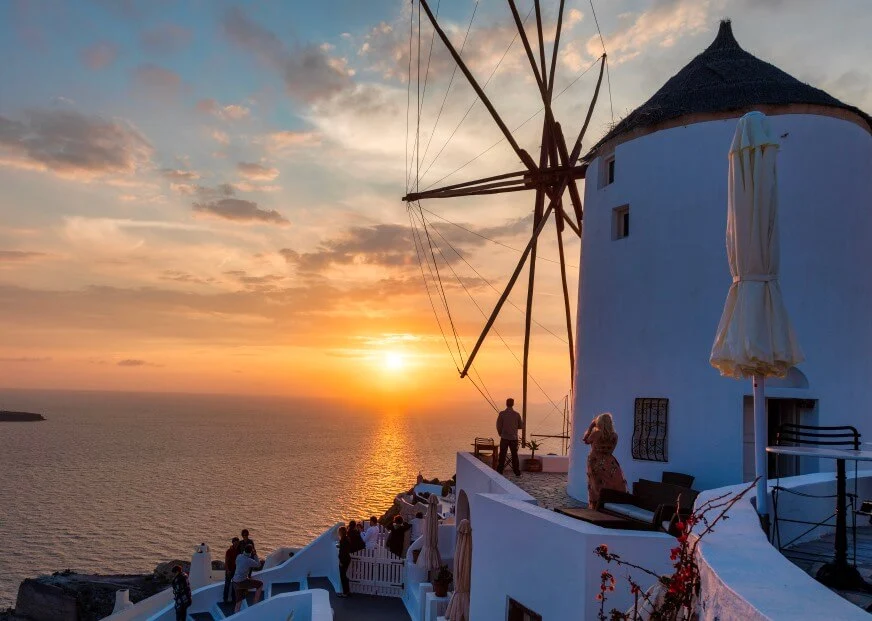
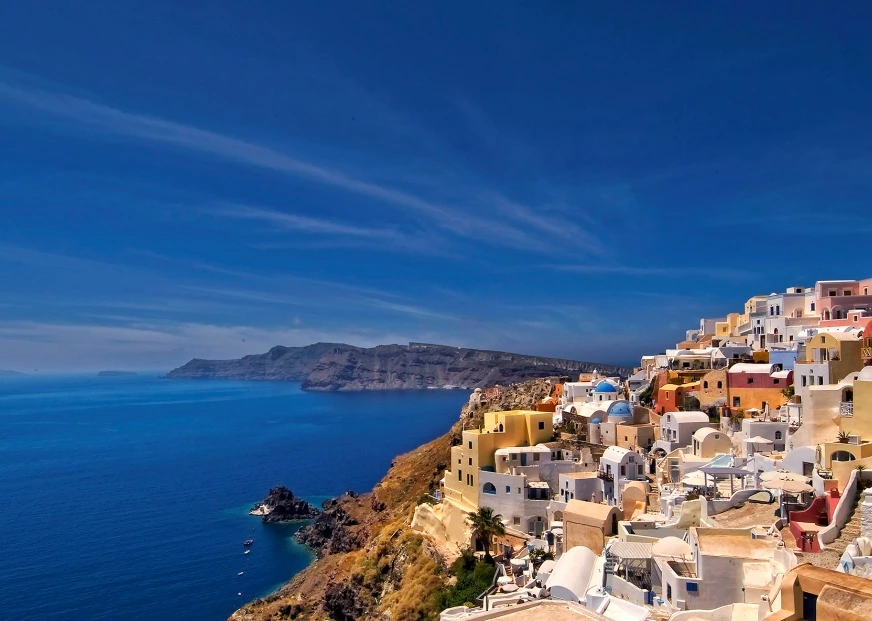
Now More Than Ever Dreaming of dazzling sunsets, whitewashed villages, and crystal-clear waters? Santorini, one of Greece’s most treasured islands, is not only as stunning as ever—but fully ready to welcome visitors for another unforgettable season. Despite recent seismic activity in the region, the island is safe, serene, and completely open for travel. All tourism and essential infrastructure are fully operational, ensuring that every traveler’s experience remains seamless and joyful. From the vibrant shops in Fira to the iconic caldera views in Oia, everything is just as magical as you remember—or even better. Behind the scenes, scientific teams are keeping a close eye on the situation, and proactive safety plans are in place. Thanks to well-coordinated efforts by local authorities and experts, Santorini continues to be a destination where you can relax, explore, and enjoy with total peace of mind. Interest in Santorini is soaring. At recent international travel events like ITB Berlin, global excitement about visiting the island was as strong as ever. And it’s no wonder—Santorini blends natural beauty, rich heritage, and world-class hospitality like nowhere else. So whether you're planning your first visit or returning for the tenth time, know this: Santorini is not only open—it’s thriving. The island is waiting to welcome you with open arms, glowing sunsets, and unforgettable memories. Εxperience the wonder of Santorini—safe, spectacular, and more inviting than ever!

10/04/2025
Santorini is Ready to Welcome the World
Interviews

Moon Best of Greece: Joanna Kalafatis Talks Food, Sustainability, and Top Destinations

I am a Greek-American travel writer and actress who has lived and traveled between Greece and the U.S. my whole life, in addition to visiting over 50 countries for work and pleasure. It had always been my dream to write a travel book on my homeland; not only to showcase its stunning diversity of landscapes and culture to readers and potential visitors, giving them a glimpse of many different regions, but also to learn about and connect to every aspect of Greece and Greek life that I could. So when Moon Travel Guides put out a notice that the company was looking for travel writers for a guide to Greece, I responded immediately. After a lengthy application and interview process, I was informed I got the job! I appreciated writing this guide in collaboration with Moon, as they were very open to suggestions - like the inclusion of Epirus in the guide - and wanted a local perspective, which is the kind of book I had always wanted to write. 1. Greece is known for its culinary delights. How did you incorporate food and dining recommendations in your guide? When I visited each region, I used a combination of local suggestions - which were the most important - and prior research on forums and websites to discover what the likely candidates were for the area's best restaurants. I always tried to focus on locally-owned and operated establishments, so I could be sure my travel guide recommendations would benefit local businesses and keep tourist money in the Greek economy. I then visited as many as I could to experience them myself, and selected a handful for inclusion in the book. I also spoke with Moon about including a chapter on food in general - particularly regional specialties and cuisines around the country - so people around the world could get a sense of the wide variety of dishes Greece has to offer. Reflections in Ioannina Lake | © Joanna Kalafatis 2. Traveling responsibly and sustainably is increasingly important. Did you address this aspect in your guide, and if so, how? Very much so. On the most basic level, I included plenty of recommendations for how to care for the environment and ancient sites when hiking and visiting monuments. But on a larger scale, the most important thing to me was recommending locally-owned businesses in my guide, so the suggestions I included would benefit local business owners and families. That's one thing people tend to forget when talking about sustainability; economic and environmental sustainability are usually intertwined. Local, more small-scale enterprises statistically do a better job of operating efficiently and in an eco-friendly way; not only are they operating with lower margins than international conglomerates, and so can't afford to be as wasteful, but they also live in the area they operate in, so it's in their best interest to manage the environment in a better way. The great thing about Greece is that over 90% of tourism businesses - from restaurants and cafes to hotels and tour operators - are locally owned, which is uncommon for tourism-oriented economies. So it made it easy to make over 95% of my recommendations, local enterprises. I also believe a big part of making Greek tourism sustainable is directing people towards a variety of destinations, so you don't have a handful of places like Mykonos and Santorini getting overly crowded and pricing out locals, while other equally beautiful destinations fail to benefit from the tourism economy. A more equitable spread of tourism across the country helps to ease overcrowding and spread money around the different regions of Greece. Nafplio Square | © Joanna Kalafatis 3. With the rise of digital resources and apps, what role do you see traditional travel guides like yours playing in the modern travel landscape? Digital resources are a great way to get answers to specific questions about a destination and lists of places to visit. Strangely though, even with the rise of digital apps and sites, traditional travel guides are still going strong; in fact, they're making a bit of a comeback. In today's hyper-digital world, there's something that feels comfortingly old-school about a travel guide you can carry with you. People open travel guides and are transported to a whole new place, one they slowly get to learn about while leafing through the guide's pages, increasing enthusiasm for a potential trip there. 4. How did you decide which destinations and attractions to include in your guide, considering Greece's diverse offerings? The destinations were decided on in collaboration with Moon. They had a list of some of the most popular destinations around Greece they wanted covered - like the southern Peloponnese, Thessaloniki, and others - but were also very open to my ideas and suggestions. It's partly why they usually hire guide writers who are already familiar with a country, or live there and speak the language. I pushed for a chapter on Epirus - one of my favorite places in Greece and truly an undiscovered gem for most international tourists - and a food chapter. I also included places in the Peloponnese that are more popular among locals than international tourists, so it could be a real local-influenced guide to Greece. Joanna in Epirus

07/04/2025
Moon Best of Greece: Joanna Kalafatis Talks Food, Sustainability, and Top Destinations
Visit Greece

Seismic Activity in Santorini

As widely reported, our beautiful island of Santorini is experiencing a complex seismic event since the beginning of February 2025, due to a more intense seismic sequence in the Anydros area 19 miles northeast of Santorini. Although Santorini is an active volcano with minor eruptions during the 20th century, with episodes of unrest without an eruption, the current 3-week duration of seismicity has led to the application of several civil protection measures by the Greek Government out of an abundance of caution. The Government continues to monitor the situation closely and based upon expert national and international scientific information will, where and when necessary, take precautionary measures to secure Santorini. Similar to many of the world’s other high-demand volcanic tourist destinations, Santorini goes through a period of unrest. We respectfully urge potential visitors to adopt and comply with measures and guidelines issued by local and national authorities.

20/02/2025
Seismic Activity in Santorini
Visit Greece

Seismic activity in the Cyclades

Safety Measures / What You Need to Know Dear Travellers, We would like to inform you that the recent seismic activity in the Cyclades is a natural phenomenon closely monitored by the competent authorities. Daily life on the islands continues as usual, with no disruptions to infrastructure, transportation, or tourism services. Greece has extensive experience in managing such phenomena. Buildings adhere to strict earthquake-resistant regulations, and emergency services remain on high alert to ensure safety at all times. If you have planned your trip, there is no reason for concern! The Cyclades remain a safe and breathtaking destination, ready to offer you unforgettable experiences. Your safety and enjoyable travel experience are our top priorities. For official updates and guidelines, you may visit the General Secretariat for Civil Protection. Thank you for choosing Greece – we look forward to welcoming you and sharing the beauty of our islands with you!  For any further information, please contact your hotel or travel agent. Announcement by the Municipality of Thira (Santorini) as of 11th February 2025. Due to the current seismic activity in the area of Santorini, Civil Protection has taken precautionary measures in place until Friday, February 14, 2025. Until then, all events and gatherings in indoor spaces within the Municipality of Thira are canceled. Instructions for your safe stay - Contact your accommodation unit prior to your arrival to confirm its operation. - Avoid access and staying in the following areas: Ammoudi, Armeni, Korfos Thirasia, Old Port of Fira, Athinios Port (excluding ship docking times). Instructions for your personal safety - Avoid approaching abandoned buildings. - Choose safe routes, particularly in areas with steep slopes, due to the potential risk of landslides. - In case of a strong seismic tremor, immediately move away from coastal areas. For further inquiries, you can contact the Municipality of Santorini at the email: press@thira.gov.gr Daily updates are available here.  Additionally, for updates specific to Santorini and the surrounding area, please visit the Thira Municipality Official Website, which provides continuous updates. 

13/02/2025
Seismic activity in the Cyclades
Travel Tips

Discover North Evia – hidden paradise of Greece

In the era of mass tourism it is not easy to find some hidden and undiscovered spots in Europe. One of the hidden paradise of Greece is North Evia – a place where you will feel like at home, with possibility to meet local people and understand traditional way of life, hear about mythology and history, try local and authentic food. From spa towns to wine tourism and from volcanic islands to best beaches in Greece – Evia is destination that you have to discover this summer. Evia, the second largest island of Greece and the third in the eastern Mediterranean, is located close to the Prefecture of Attica. However, it has a somewhat mainland character, since two bridges – the modern, suspended one and the older, sliding one – link it to mainland Greece, called “Sterea Ellada”. Evia has wonderful beaches, a pleasant climate, renowned monuments, many thermal sources and tasty food and is, therefore, a popular and nearby destination for the inhabitants of Athens. Various findings in several parts of the area (Istiaia, Kirinthos, Psachna, Amarynthos, Artaki, Karistos etc.) evidence that Evia was inhabited from the Paleolithic Era. Orei, Evia | © Ivan Andrejic Important archeological findings have been excavated from the period of copper. Ruins dating back to the Early Helladic period have been found in Lefkanti, Vasiliko and in Manika, Chalkida, while in Oreoi and Aliveri ruins of the Middle Helladic period have been found. Finally, tombs and ruins of post Hellenic and Mycenaean era have been excavated in many areas of Chalkida. The ancient cities of Evia established important colonies in the Mediterranean sea (Chalkidiki, Asia Minor, Southern Italy), while Eretria was one of the most powerful cities during the Classic period. During the Byzantine era, Evia was very prosperous and formed part of the Department of Greece. During the Ottoman occupation, Evia was under Turkish control even after Kapodistrias’ arrival, and it joined to Greece only after the firman of 13th of June 1830. After the tragedy of Asia Minor in 1922 a lot of refugees installed themselves permanently in Nea Artaki and Nea Lampsakos, as well as in refugee settlements in Chalkida and Amarynthos. During the Second World War, Evia was bombarded by the Germans while the resistance of the locals was very strong. A famous resort, which accommodates around 40.000 tourists during summer. The area is popular for its thermal spas which Aristotle and Plutarch used to visit. Nowadays, there are more than 80 thermal springs with temperature from 28° C to 86° C. The curative characteristics of these springs help diseases like arthritis, while with spa-therapy women can treat gynecological diseases and men sexual dysfunction. The settlement of Aidipsos is located 4km NE of the spa city. As for the region of Aidipsos, it is located 111 km NW of Chalkida. Aidipsos is connected by ferry to Arkitsa, Fthiotida. Lichadonisia is an island complex off the north west of Evia. Today this archipelago is famous as Caribbeans of Europe because its exotic colors and all shades of blue. The islands located opposite Lichada cape in the north-western extreme of Evia and opposite of small town Kamena Vourla in Central Greece mainland. Administratively, they belong to Istiaia-Aidipsos municipality, in Evia regional unit. The archipelago consists of seven beautiful islands. The biggest of them is Manolia and is the only that had residents in the past. Other islands are Strongyli, Mikri Strongyli, Steno, Vagia, Vorias and Limani. The biggest island – Manolia is visited by many tourists in the summer months. © Ivan Andrejic Gialtra is one of the best kept secrets of northern Evia, it is a fishing village where tourism is just beginning, so you will have beautifull beaches just for yourself. Gialtra is also a Spa like near by Aidipsos and you can find mineral springs and warm waters all year round. Locations near Gialtra include the Ancient city of Athinai Diades and the Village of Agios Georgios Gialtras. Wine tourism is very important for northern Evia and one of the most famous wineries is Vriniotis winery located in Gialtra, in North Evia , just a few kilometers from the Aidipsos and is open for visits every day of the year and the view is breathtaking. The tour follows a unique path through the vineyard , the old wine press , the winery , the cellar of oak barrels and ends in the tasting room, where visitors can taste and buy wines.

03/02/2025
Discover North Evia – hidden paradise of Greece
Travel Tips

The Xerxes Project: Eastern Halkidiki, the place where the Persian King Xerxes passed

The only Persian “step” in Europe The Canal of Xerxes is the largest technical project that took place in Halkidiki during the ancient era. According to Herodotus, in 480 B.C., during the Median wars, Xerxes, the king of Persians, wanted to lead his large fleet from Akanthos to Thermi (the name of Thessaloniki then) avoiding the danger of the Athonite circumnavigation and avoid having the same fate Mardonios had a decade ago. So, he ordered the opening of a canal that extended from today’s Nea Roda to Tripiti (Eastern Halkidiki) and connected the Akanthios Gulf to Athonian Bay where the cities Assa, Piloros, Siggos and Sarti, that had been already subjugated to Persians, were located. Although the canal was mentioned by Herodotus, who described its dimensions in detail, and by ancient historian Thucydides, it has been an object of dispute by historians. The main dispute came from Dimitrios the Skipsios, who observed that the one end of the canal had a hard rock, which was impossible to have been dug at the time of the construction, a fact that led him to assume that a diolkos existed there. In general, several other writers supported the case of the diolkos, as in ancient Corinth. According to the description of Herodotus, Xerxes assigned the project to Artachei and Vourvaro. It is said that the huge Artacheis, who was an Achaemenid, was taller than any other Persian, almost 2,5m tall and had a booming voice. However, just before he finished the construction of the canal, he became very ill and died, an event that Xerxes considered to be a bad omen. He was buried in Akanthos with great honors. The canal has been discovered between the villages of Nea Roda and Tripiti. The canal is 2km long and 30m wide. Its maximum depth is estimated to be 15m. It is visible from a high altitude, since the place has been suffered subsidence. In 2008, British and Greek engineers made research that showed the exact location and size of the canal, thus rejecting the theory of diolkos. Eastern Halkidiki is running a storytelling campaign inspired by the “spirit” of the Persian King. Thus, special tourism forms are already developed, such as trekking and biking on the route of Xerxes, fishing where Xerxes passed, gastronomy, wine tours, ancient Greek and Asia Minor, culture, conferences, environmental actions, school tourism, luxury and high-end tourism, honeymoon, weddings, sports tourism-sports competitions, yoga, all under the communication auspices of The Xerxes Project. Ancient crops, such as pomegranates, wheat, reeds, etc. will compose an environmental park of peace, which will come into direct confrontation with the past, which marked the passage of Xerxes towards war.

31/01/2025
The Xerxes Project: Eastern Halkidiki, the place where the Persian King Xerxes passed
Total 98 items<123...13>

It takes a lifetime to discover Greece,

but it only takes an instant to fall in love with her.

—Henry Miller

Let Greece inspire you!

Subscribe to our newsletter and discover unique ideas and hidden treasures for your next trip.