New Year’s Day marks the beginning of a new year, and tradition calls for a sweet “lucky” ritual: the cutting of the Vasilopita (Saint Basil’s cake). Many recipes can be found across Greece, yet they all share one essential ingredient—the coveted lucky coin hidden inside. Before you slice it, take a moment to discover its story…
Different Variations & Recipes
Tracing the origins of the Vasilopita custom takes us back to ancient times, to the offerings of bread and honey-based treats made by the ancient Greeks to their gods during major agricultural festivals.
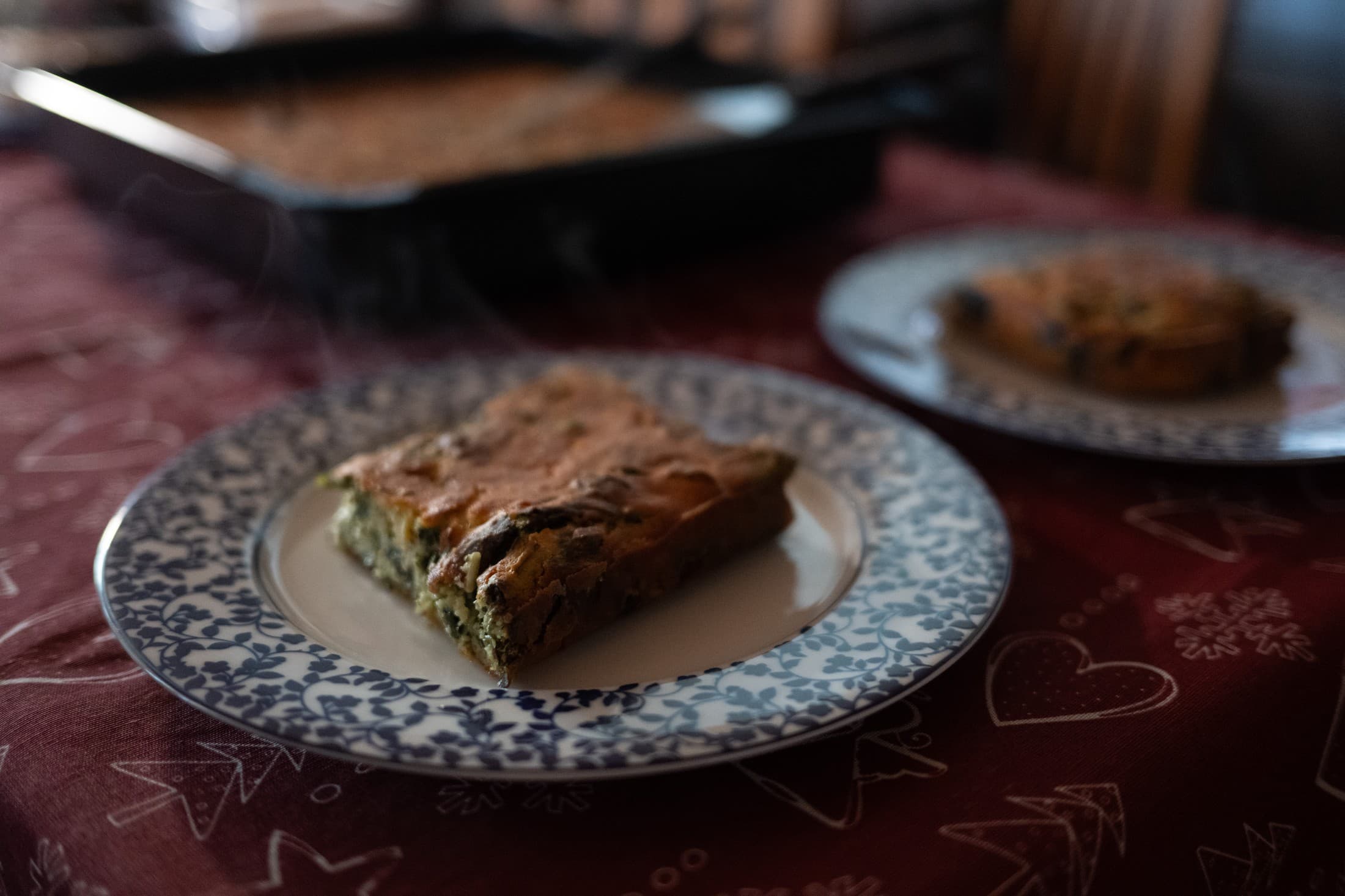
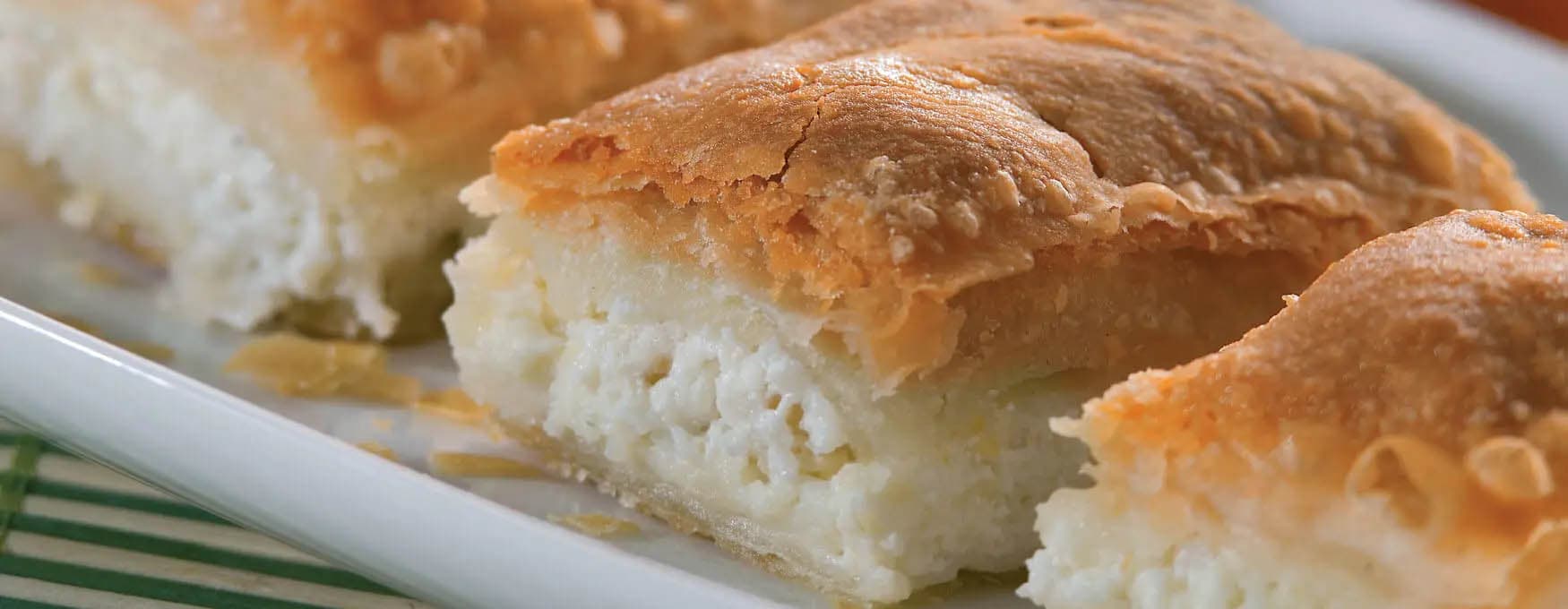
Today, the tradition of cutting the cake can be found in every corner of Greece, though with notable regional variations reflecting each area’s culinary heritage. It may take the form of a sweet bread, a cake, or a tsoureki (a soft, brioche-like loaf), while in regions such as Macedonia and Epirus—renowned for their pies—it can even appear as a pastry made with layers of filo, either sweet or savoury. In Athens, the so-called “Constantinopolitan” Vasilopita is particularly popular; it is made primarily with flour, eggs, sugar and milk, comes in a variety of sizes and styles, and is typically light, fluffy, and sweet.
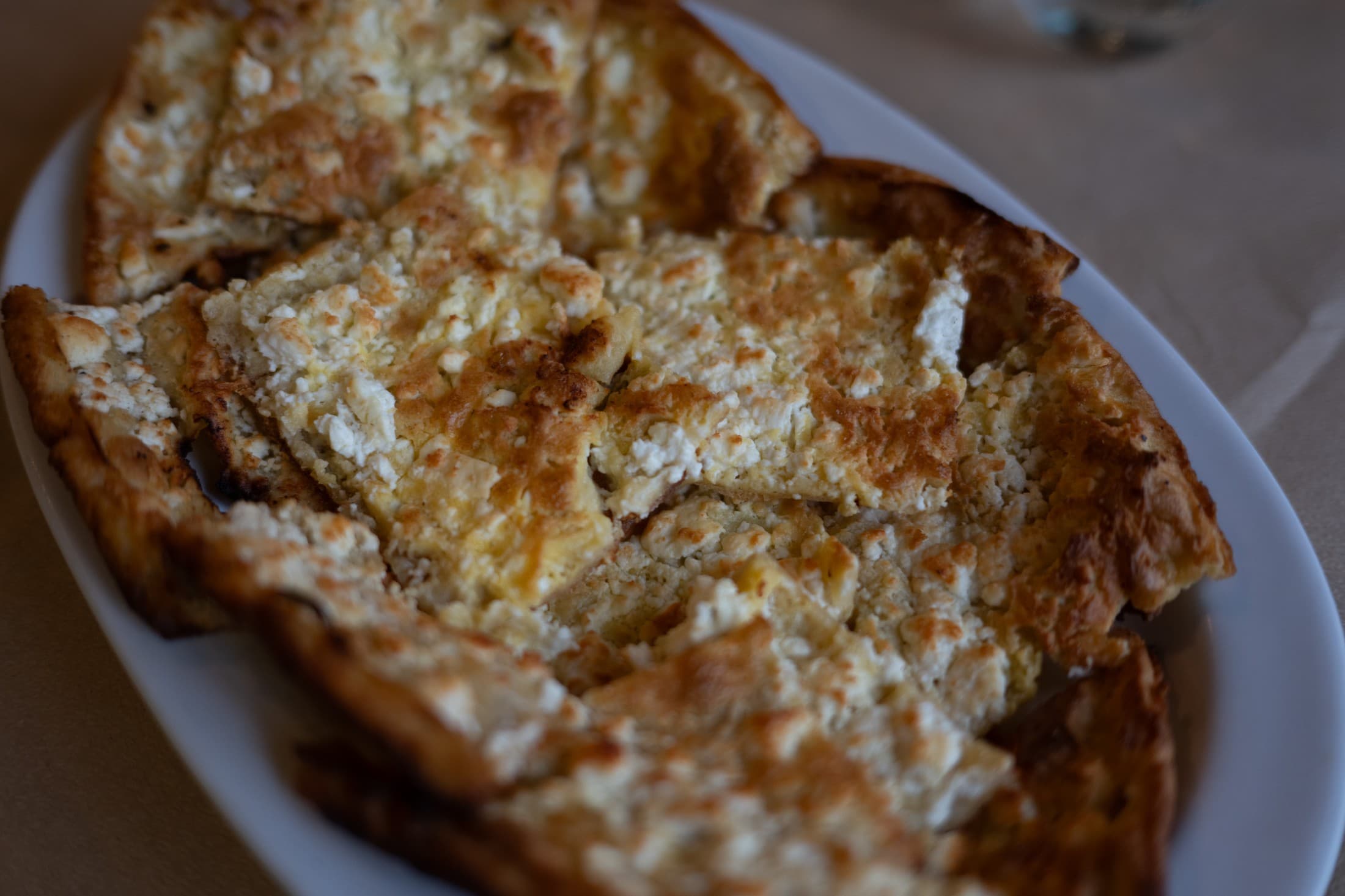
There are also notable differences in the ingredients used. On Zakynthos, the bread is made with sourdough, almonds and spices, while on Crete it is flavoured with raki and mastic. In northern Greece, Vasilopita often takes the form of a sesame-topped pie or a sweet pumpkin pie; on Lesvos, it is made with myzithra cheese, and in Epirus it can be a savoury pie filled with meat (lamb or pork), feta and plenty of spearmint.
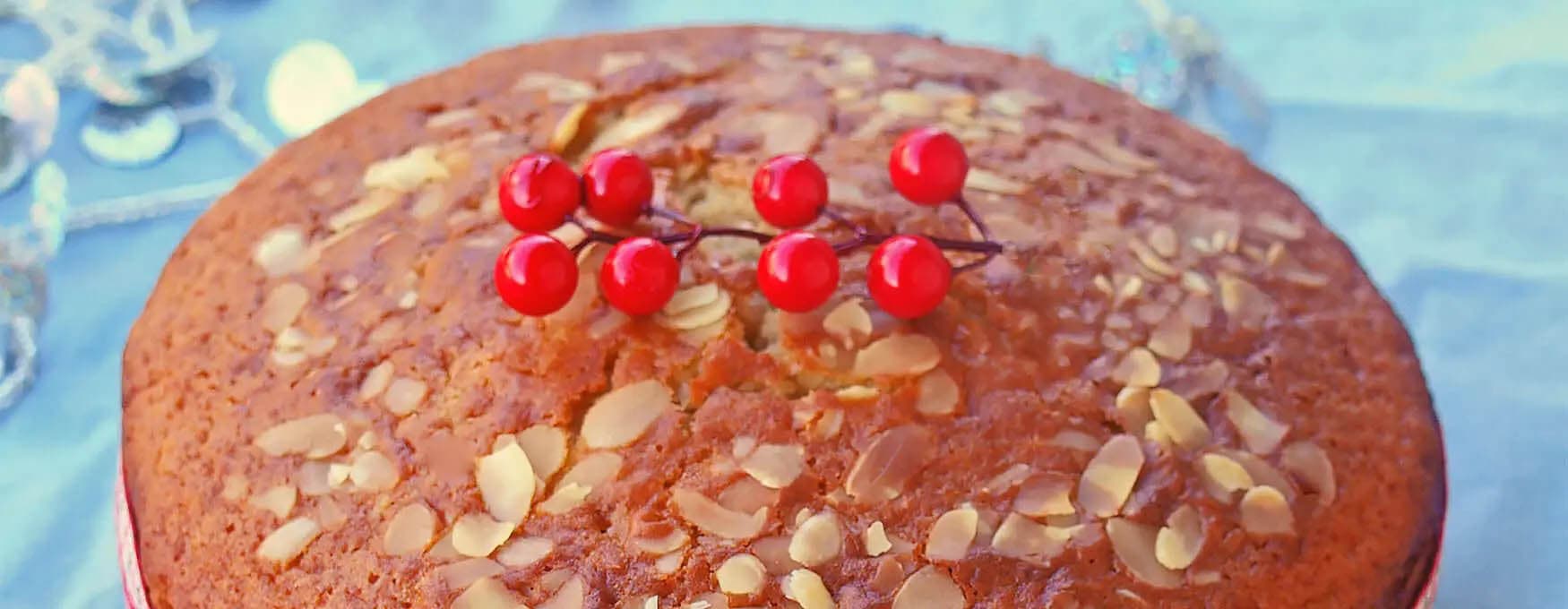
Variations can also be seen in the decoration. A common feature, however, is the inscription of the year, formed with rows of blanched almonds or with sugar (in the case of the sweet version), along with its round shape and the much-anticipated lucky coin—sometimes gold (a konstantinato) or silver. You might also like to try a citrus-flavoured Vasilopita.
The Tradition of the Coin
According to tradition, when Saint Basil was Bishop of Caesarea, the regional governor of Cappadocia arrived to collect taxes. Frightened, the townspeople, following the Saint’s advice, gathered their valuables and went out with their bishop to meet the regional governor. Through his persuasive words and dignified presence, Saint Basil convinced the governor not to seize their possessions.
This, however, created the problem of how to return the offerings to their rightful owners. Saint Basil then urged the residents to bake small pies, and he placed an item inside each one. In a miraculous turn of events, everyone received back exactly what they had originally contributed.
The Queen of the Day
Even though the festive table is laden with fragrant dishes and traditional honeyed sweets—such as irresistible melomakarona, tiganopites, loukoumades and diples, all eyes are fixed on the true star of the day: the Vasilopita!
A symbol of good fortune for the year ahead, it is cut by the head of the household either just after midnight on New Year’s Eve or at the midday meal on Saint Basil’s Day. Young and old, family and friends gathered around the table, all eagerly await the moment—who will be the lucky one to find the coin?
According to custom, the host makes the sign of the cross over the cake three times with a knife before slicing it. The first piece is for Christ, the second for the Virgin Mary, the third for Saint Basil, the fourth for the home (and sometimes one is also set aside for the poor), followed by pieces for each family member in order of age. In villages across mainland Greece, even the animals and the fields are not forgotten, while on the islands, boats, caiques or even mills may be given their own piece!
Happy New Year!
Different Variations & Recipes
Tracing the origins of the Vasilopita custom takes us back to ancient times, to the offerings of bread and honey-based treats made by the ancient Greeks to their gods during major agricultural festivals.
Today, the tradition of cutting the cake can be found in every corner of Greece, though with notable regional variations reflecting each area’s culinary heritage. It may take the form of a sweet bread, a cake, or a tsoureki (a soft, brioche-like loaf), while in regions such as Macedonia and Epirus—renowned for their pies—it can even appear as a pastry made with layers of filo, either sweet or savoury. In Athens, the so-called “Constantinopolitan” Vasilopita is particularly popular; it is made primarily with flour, eggs, sugar and milk, comes in a variety of sizes and styles, and is typically light, fluffy, and sweet.
There are also notable differences in the ingredients used. On Zakynthos, the bread is made with sourdough, almonds and spices, while on Crete it is flavoured with raki and mastic. In northern Greece, Vasilopita often takes the form of a sesame-topped pie or a sweet pumpkin pie; on Lesvos, it is made with myzithra cheese, and in Epirus it can be a savoury pie filled with meat (lamb or pork), feta and plenty of spearmint.
Variations can also be seen in the decoration. A common feature, however, is the inscription of the year, formed with rows of blanched almonds or with sugar (in the case of the sweet version), along with its round shape and the much-anticipated lucky coin—sometimes gold (a konstantinato) or silver. You might also like to try a citrus-flavoured Vasilopita.
The Tradition of the Coin
According to tradition, when Saint Basil was Bishop of Caesarea, the regional governor of Cappadocia arrived to collect taxes. Frightened, the townspeople, following the Saint’s advice, gathered their valuables and went out with their bishop to meet the regional governor. Through his persuasive words and dignified presence, Saint Basil convinced the governor not to seize their possessions.
This, however, created the problem of how to return the offerings to their rightful owners. Saint Basil then urged the residents to bake small pies, and he placed an item inside each one. In a miraculous turn of events, everyone received back exactly what they had originally contributed.
The Queen of the Day
Even though the festive table is laden with fragrant dishes and traditional honeyed sweets—such as irresistible melomakarona, tiganopites, loukoumades and diples, all eyes are fixed on the true star of the day: the Vasilopita!
A symbol of good fortune for the year ahead, it is cut by the head of the household either just after midnight on New Year’s Eve or at the midday meal on Saint Basil’s Day. Young and old, family and friends gathered around the table, all eagerly await the moment—who will be the lucky one to find the coin?
According to custom, the host makes the sign of the cross over the cake three times with a knife before slicing it. The first piece is for Christ, the second for the Virgin Mary, the third for Saint Basil, the fourth for the home (and sometimes one is also set aside for the poor), followed by pieces for each family member in order of age. In villages across mainland Greece, even the animals and the fields are not forgotten, while on the islands, boats, caiques or even mills may be given their own piece!
Happy New Year!