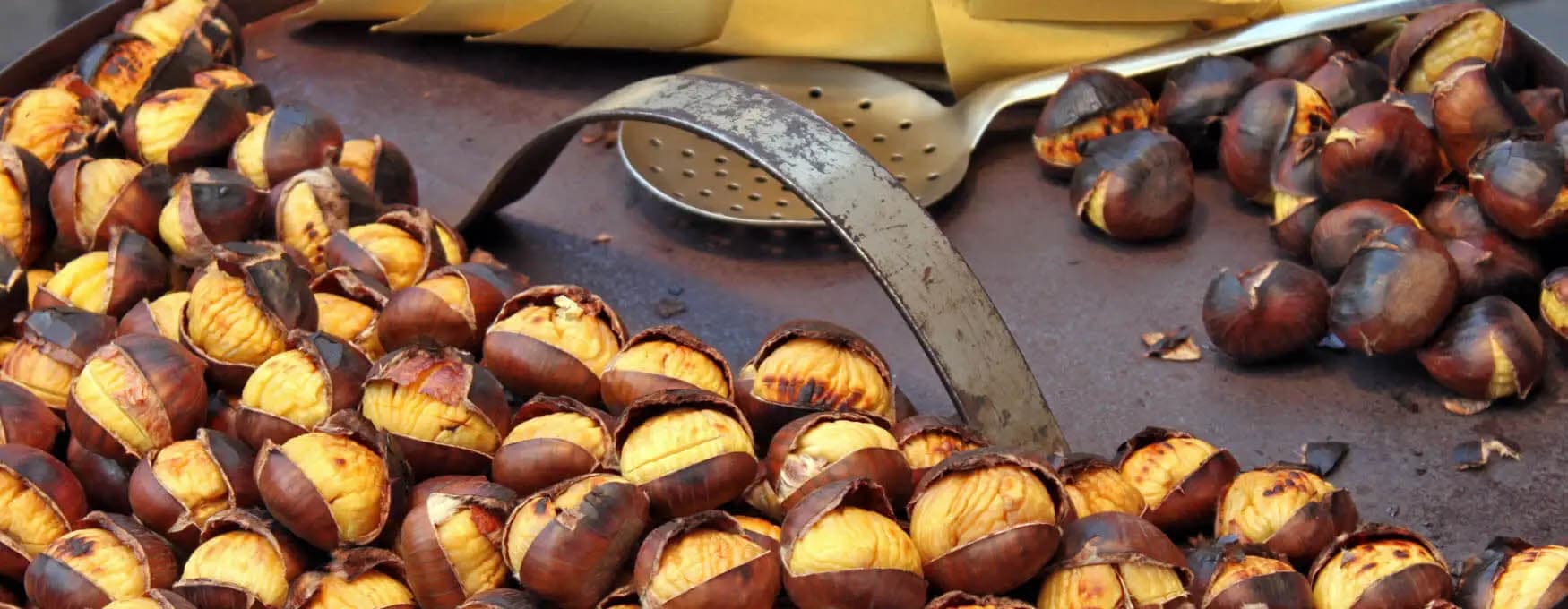
The ultimate taste of autumn
One of the most delicious vegetables, inextricably linked with autumn, is the celebrated pumpkin, which you will encounter everywhere as you explore Greece. It is harvested from Septembre through to Novembre and, thanks to its golden-yellow flesh and wonderful flavour, transforms every recipe into something truly special, while also promoting health and wellbeing with its antioxidant and anti-inflammatory properties. This gift of nature for the autumn season can be used either as a main ingredient or as a complement in a wide variety of dishes. Let’s take a closer look.
Wholesome and nutritious
Pumpkin is an excellent source of vitamins B1, B3, B5, B6 and C, and is rich in magnesium, potassium and dietary fibre, making it a valuable addition to our diet. It is also beneficial for digestive health, as it helps reduce stomach acidity. Its seeds can be dried and enjoyed as well, providing a rich source of protein and fatty acids. They may be eaten raw or roasted, sprinkled over bread, or added to salads. The flesh of the pumpkin, on the other hand, is mildly sweet and low in calories (just 15 per 100g), making it an ideal ally in a balanced, everyday diet.
Put autumn on your plate
At this time of year, as the weather slowly prepares to hand over the reins to the biting chill of winter, why not prepare a delicious and wholesome pumpkin soup—either as a light starter or a main course—as well as the classic pumpkin pie, sweet or savoury.
Let your imagination run free and indulge in all manner of culinary creations, as pumpkin can be barbecued, roasted, stuffed, gratinated, or even steamed, boiled or puréed.
Try pumpkin cheese pies, pumpkin pilaf, oven-baked pumpkin with cheese, pumpkin dip or a pumpkin soufflé. It can also be turned into cakes, custards and biscuits, slow-cooked with meat in a casserole, or baked with vegetables in the oven. Finally, note that it pairs beautifully with herbs such as sage, mint and tarragon, while its favourite spices include nutmeg, cinnamon and ginger.
Useful tips
Before buying a pumpkin, it is important to inspect it carefully. Tap it gently to check its ripeness—a mature pumpkin will sound hollow when tapped. Its skin should be hard and in good condition. Pay close attention to the label, as some pumpkins are intended purely for decoration and may even be toxic. Store your pumpkin in a dark, dry and cool environment throughout the winter. If you cut it, wrap it in cling film and keep it in the refrigerator for a few days. To cut it safely, use a stable surface and a good-quality knife with a sharp blade.
One of the most delicious vegetables, inextricably linked with autumn, is the celebrated pumpkin, which you will encounter everywhere as you explore Greece. It is harvested from Septembre through to Novembre and, thanks to its golden-yellow flesh and wonderful flavour, transforms every recipe into something truly special, while also promoting health and wellbeing with its antioxidant and anti-inflammatory properties. This gift of nature for the autumn season can be used either as a main ingredient or as a complement in a wide variety of dishes. Let’s take a closer look.
Wholesome and nutritious
Pumpkin is an excellent source of vitamins B1, B3, B5, B6 and C, and is rich in magnesium, potassium and dietary fibre, making it a valuable addition to our diet. It is also beneficial for digestive health, as it helps reduce stomach acidity. Its seeds can be dried and enjoyed as well, providing a rich source of protein and fatty acids. They may be eaten raw or roasted, sprinkled over bread, or added to salads. The flesh of the pumpkin, on the other hand, is mildly sweet and low in calories (just 15 per 100g), making it an ideal ally in a balanced, everyday diet.
Put autumn on your plate
At this time of year, as the weather slowly prepares to hand over the reins to the biting chill of winter, why not prepare a delicious and wholesome pumpkin soup—either as a light starter or a main course—as well as the classic pumpkin pie, sweet or savoury.
Let your imagination run free and indulge in all manner of culinary creations, as pumpkin can be barbecued, roasted, stuffed, gratinated, or even steamed, boiled or puréed.
Try pumpkin cheese pies, pumpkin pilaf, oven-baked pumpkin with cheese, pumpkin dip or a pumpkin soufflé. It can also be turned into cakes, custards and biscuits, slow-cooked with meat in a casserole, or baked with vegetables in the oven. Finally, note that it pairs beautifully with herbs such as sage, mint and tarragon, while its favourite spices include nutmeg, cinnamon and ginger.
Useful tips
Before buying a pumpkin, it is important to inspect it carefully. Tap it gently to check its ripeness—a mature pumpkin will sound hollow when tapped. Its skin should be hard and in good condition. Pay close attention to the label, as some pumpkins are intended purely for decoration and may even be toxic. Store your pumpkin in a dark, dry and cool environment throughout the winter. If you cut it, wrap it in cling film and keep it in the refrigerator for a few days. To cut it safely, use a stable surface and a good-quality knife with a sharp blade.