Greece is blessed with an outstandingly mild climate, and its fertile land yields products of remarkable nutritional value. The distinctive quality of many of these is shaped by the unique human and geographical character of each region, making every product a true ambassador of its place of origin. For all these reasons, they are certified by the European Union as Protected Designation of Origin (PDO) products.
To date, more than 100 Greek products have been registered as PDO, including 33 types of wine, 20 varieties of cheese, 19 kinds of olive oil, and 26 categories of vegetables, fruits and legumes, as well as two varieties of honey. Among the most distinctive are the traditional avgotaracho of Messolonghi, the saffron of Kozani, and the mastic of Chios, along with its derivatives (mastic oil and chewing gum). The list is truly impressive—and continues to grow.
The Wine of the People
Viticulture in Greece predates even mythology, as many myths were created precisely to celebrate wine. As early as antiquity, it was common commercial practice to distinguish amphorae containing wine with markings indicating their region and producer. Wine was a product of the utmost importance throughout the ancient world, making its certification essential.
The orders of Dionysus, entrusted with the responsibility of wine production, were held in great esteem and honoured accordingly. During the Byzantine Empire, this tradition remained unchanged. Wines were transported to the far reaches of the empire and beyond, becoming a cultural hallmark of great significance. Today, Greek vine growers and winemakers honour this heritage and continue it with great passion. Many Greek wines are highly distinguished and bear Protected Designation of Origin (PDO) status.
Regions such as Thrace, Macedonia, Epirus, Thessaly, Attica, the Peloponnese, Crete, the Ionian Islands, and almost all the islands of the Aegean Sea boast their own liquid treasures, whose origins are carefully protected. Traditional grape varieties, alongside newer ones that have adapted exceptionally well to Greek soil, provide outstanding raw materials. It is telling that many labels from Greek winemakers earn international distinctions in demanding competitions, honouring the country’s long-standing winemaking heritage.
Olive Oil: Liquid Gold
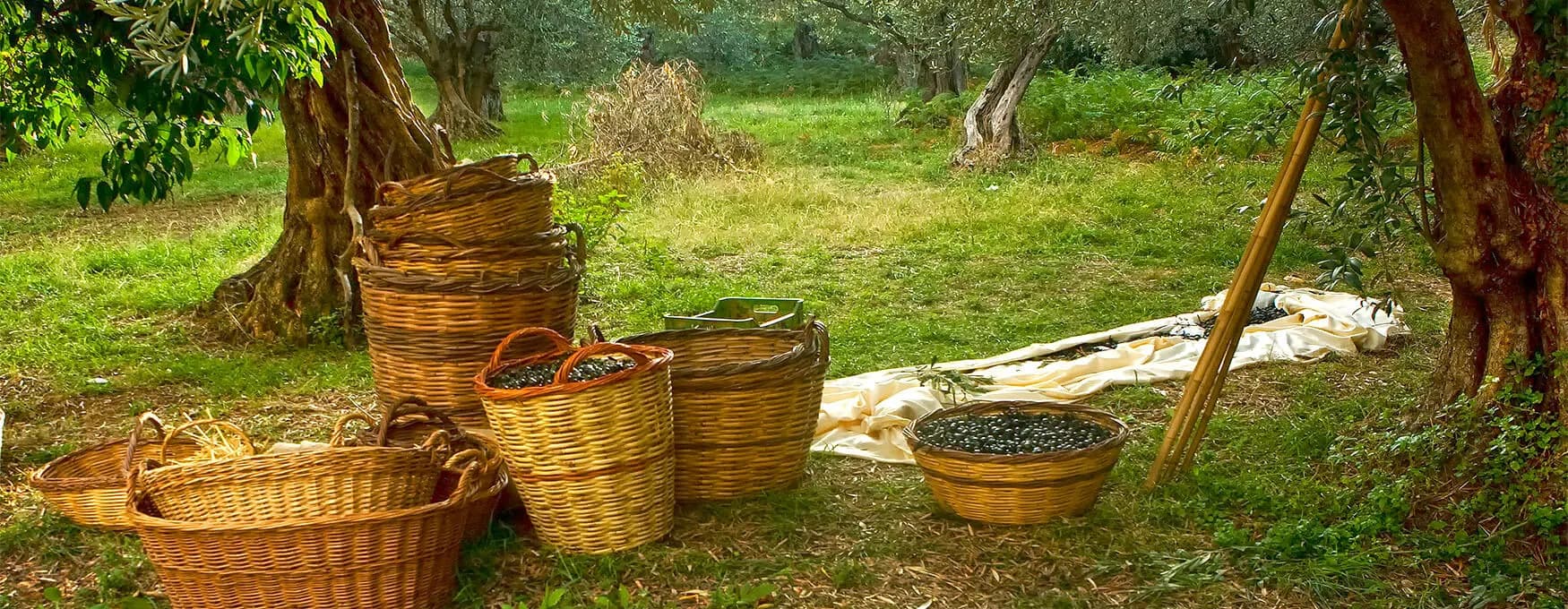
Olive oil is perhaps the most emblematic product of Greece. Greek cuisine is simply unthinkable without it. The exceptional varieties of this remarkable product have earned worldwide recognition, with nineteen labels from across the Greek countryside designated as Protected Designation of Origin (PDO). Regions such as Crete, Chalkidiki, Kalamata, Lygourio, Laconia, as well as Kefalonia, Olympia, Lesvos, Preveza, Rhodes, Thasos, Samos and Zakynthos have all been recognised for their significant contribution to the culture of olive oil, earning countless distinctions.
PDO Table Olives: The “Vegetal Caviar”
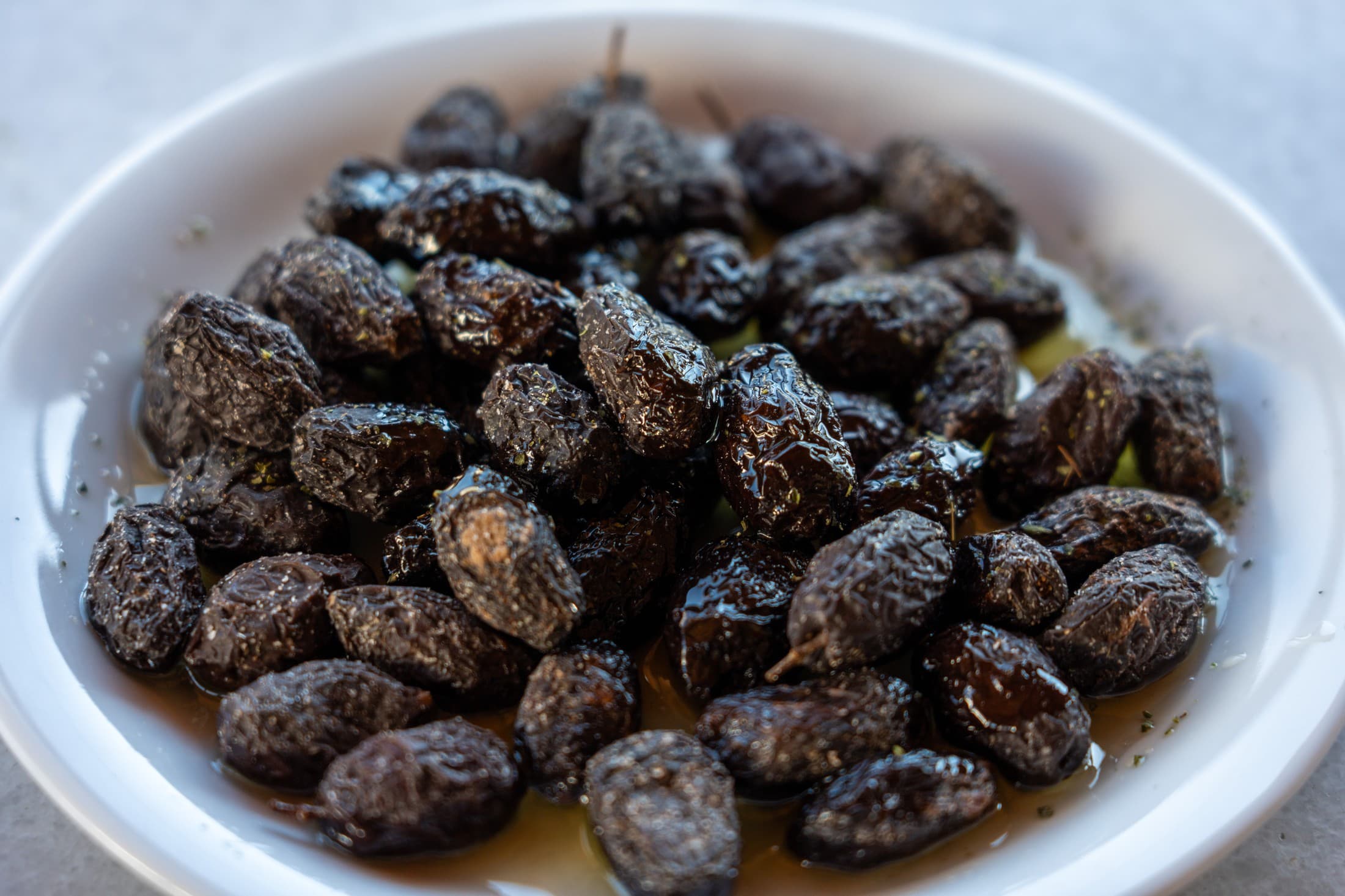
The exceptional varieties of Greek olive trees produce this remarkable delicacy: the edible olive. With their bold, distinctive flavour, olives accompany the Greek table as an appetiser, while also enhancing a wide range of dishes. The renowned olives of Kalamata, the Konservolia of Amfissa, Arta and Volos, the throuba olives of Thasos, Chios and Crete, as well as the green olives of Chalkidiki, have all been awarded Protected Designation of Origin (PDO) status. The diversity of colours, sizes, textures and aromas is truly unique. Each tree yields different fruit, yet they all share two things in common: outstanding nutritional value and the pleasure they offer.
Currants: Bringing Sunshine into Our Diet
The Corinthian currant is one of the oldest products of Greek land. Modern nutritional science now recognises its beneficial properties. After harvest, grapes are laid out in drying yards under the strong summer sun. In this way, all the vine’s nutrients are concentrated, as if “fermented with sunlight”. The result is a food whose delightful flavour rivals its nutritional value.
Corinth, as well as the wider Peloponnese, are considered the birthplace of this unique sweet product, which plays an important role in traditional cooking and patisserie. Exceptional currants are also produced on Zakynthos.
Cheeses with Character
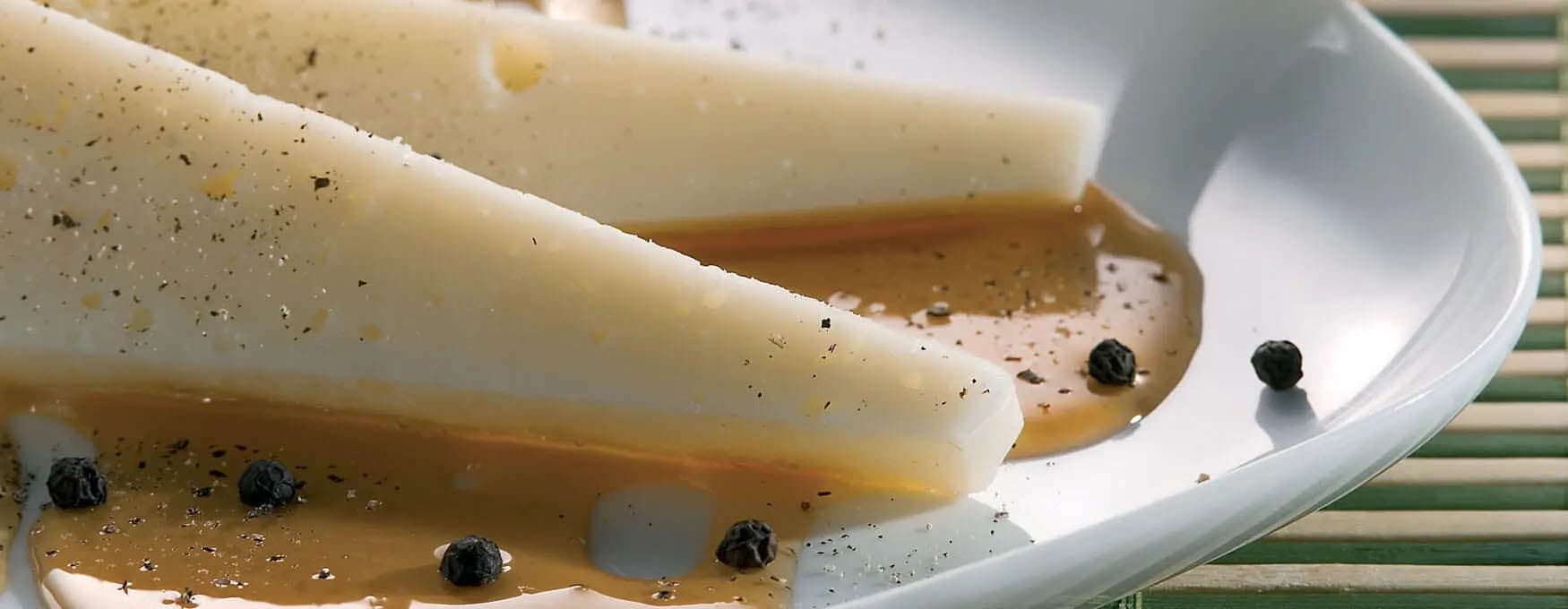
Greece’s long-standing tradition of livestock farming is reflected in its outstanding dairy products. Bold cheeses with exquisite aromas embody ancient knowledge and time-honoured practice. To date, twenty varieties of cheese have been awarded Protected Designation of Origin (PDO) status: formaela from Arachova (Parnassos), metsovone, sfela from Mani, San Michali from Syros, katiki Domokou, xynomyzithra from Crete, graviera from Agrafa, Crete and Naxos, kalathaki from Lemnos, ladotyri from Mytilene, pichtogalo from Chania, kopanisti from the Cyclades, and anevato from Grevena. Also included are batzos from Macedonia, galotyri from Epirus and Thessaly, manouri from Macedonia and Thessaly, and, of course, kasseri, kefalograviera and feta — all exceptional cheeses that are held in high esteem and enjoyed not only by travellers visiting Greece, but also by those who encounter them in their own countries and markets.
Fruit, Nuts and Flowers: Gifts of the Gods
The outstanding produce cultivated in the Greek countryside has long been recognised for its nutritional value and for the exceptional care taken by Greek farmers.
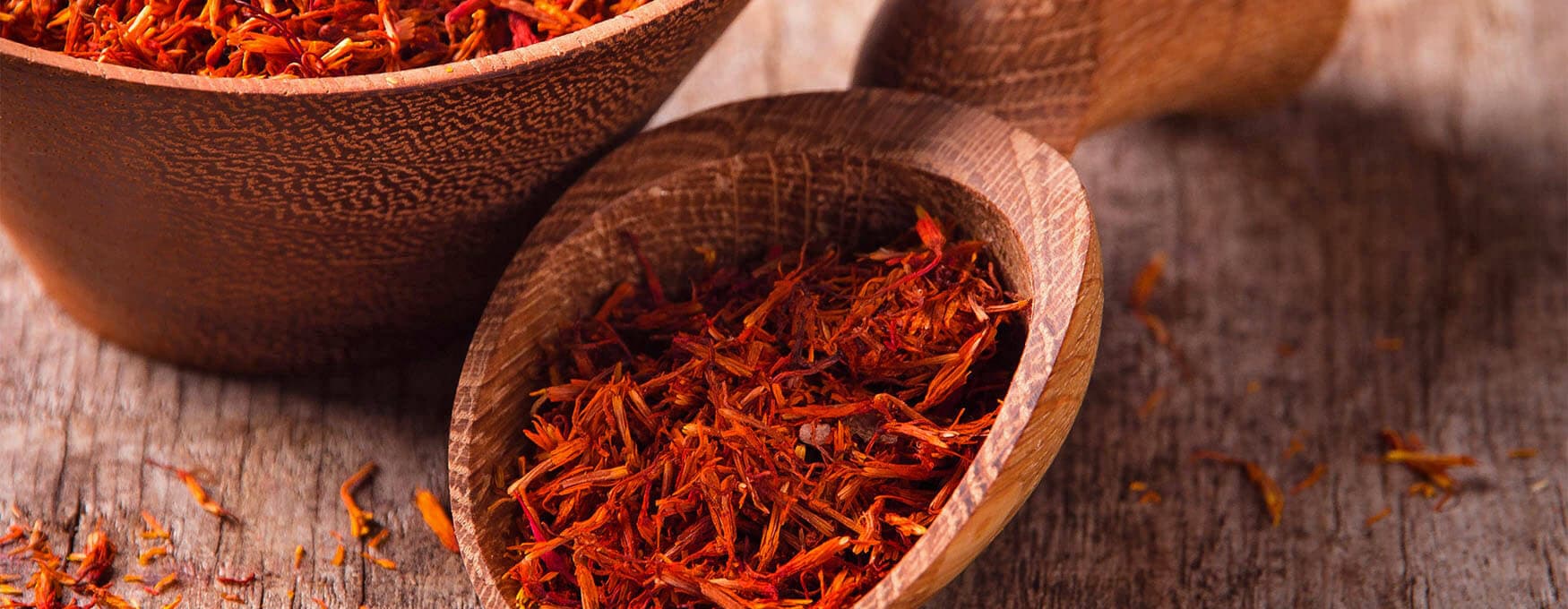
Kozani saffron, this beautiful flower with its vivid purple hue, is carefully harvested and packaged by Greek growers. Its stigmas impart distinctive aroma, flavour and colour to both savoury and sweet dishes, while also being regarded as a secret to longevity. Its antioxidant properties place saffron firmly among the so-called “superfoods”.
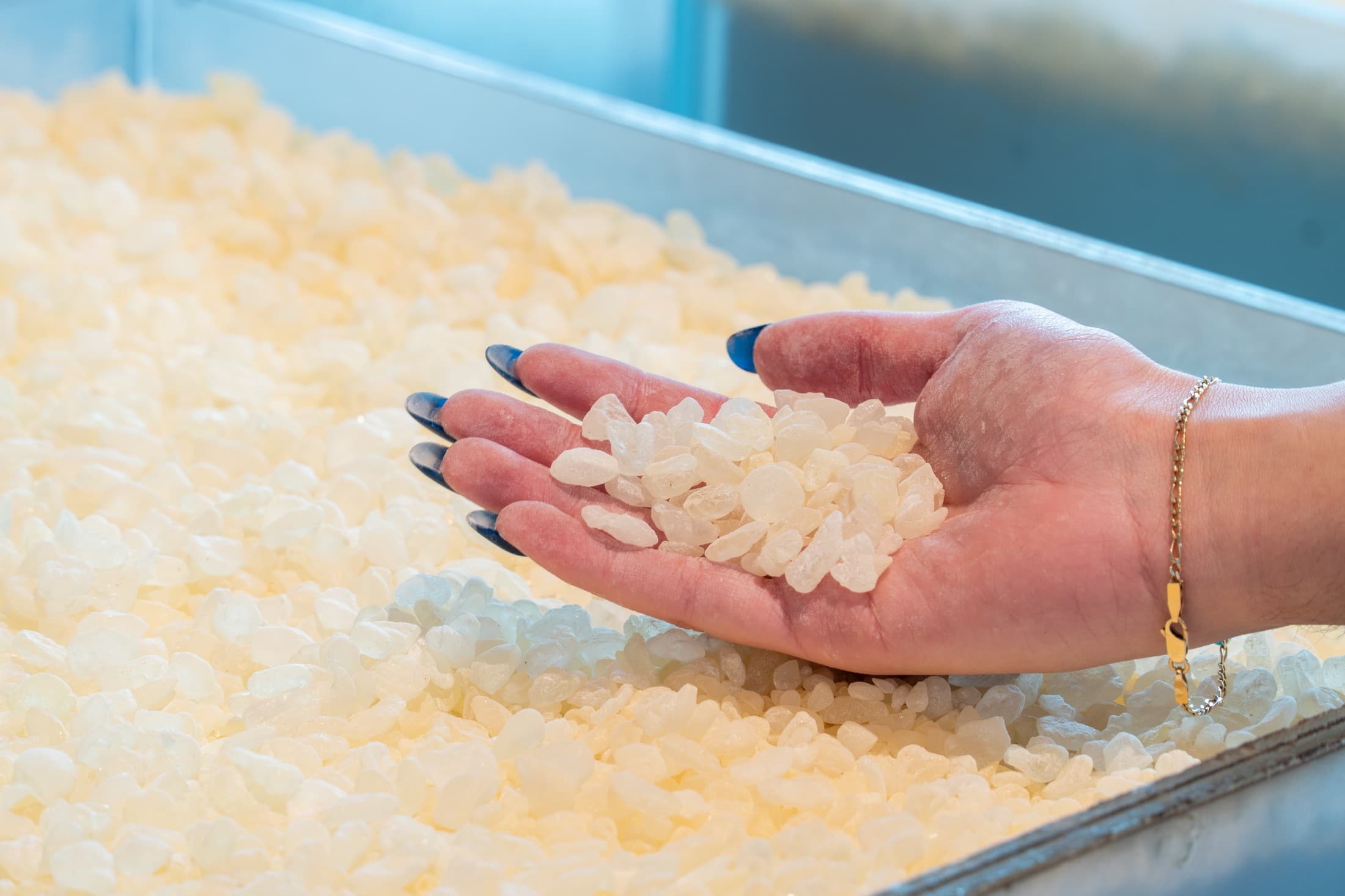
Mastic, cultivated exclusively in the southern part of the island of Chios, is believed to possess beneficial anti-cancer and anti-ageing properties.
Beans, this highly nutritious legume, have been grown in Greece since antiquity. PDO-recognised varieties include the Feneos vanilla beans, while the renowned Santorini fava has also been granted its rightful place among protected products.
The Tsakonian aubergine of Leonidio and the Santorini cherry tomato dominate among Greece’s vegetables. Also among the country’s distinguished produce are the oranges of Maleme in Chania, kiwifruit from the Spercheios Valley, firikia apples and apples from Zagora in the Pelion region, currants from Corinth and Zakynthos, peaches from Naousa, cherries from Rodohori, figs from Kymi and Taxiarchis in northern Evia, and pistachios from Megara and Aegina — all gifts of the Greek land that have likewise been awarded Protected Designation of Origin (PDO) status.
Greece, recognised for its achievements in producing foods of high nutritional value, plays a leading role in the global market. Yet the only way to truly experience the authentic aroma and flavour of all these gifts of nature is to visit the small destinations scattered across the country.
To date, more than 100 Greek products have been registered as PDO, including 33 types of wine, 20 varieties of cheese, 19 kinds of olive oil, and 26 categories of vegetables, fruits and legumes, as well as two varieties of honey. Among the most distinctive are the traditional avgotaracho of Messolonghi, the saffron of Kozani, and the mastic of Chios, along with its derivatives (mastic oil and chewing gum). The list is truly impressive—and continues to grow.
The Wine of the People
Viticulture in Greece predates even mythology, as many myths were created precisely to celebrate wine. As early as antiquity, it was common commercial practice to distinguish amphorae containing wine with markings indicating their region and producer. Wine was a product of the utmost importance throughout the ancient world, making its certification essential.
The orders of Dionysus, entrusted with the responsibility of wine production, were held in great esteem and honoured accordingly. During the Byzantine Empire, this tradition remained unchanged. Wines were transported to the far reaches of the empire and beyond, becoming a cultural hallmark of great significance. Today, Greek vine growers and winemakers honour this heritage and continue it with great passion. Many Greek wines are highly distinguished and bear Protected Designation of Origin (PDO) status.
Regions such as Thrace, Macedonia, Epirus, Thessaly, Attica, the Peloponnese, Crete, the Ionian Islands, and almost all the islands of the Aegean Sea boast their own liquid treasures, whose origins are carefully protected. Traditional grape varieties, alongside newer ones that have adapted exceptionally well to Greek soil, provide outstanding raw materials. It is telling that many labels from Greek winemakers earn international distinctions in demanding competitions, honouring the country’s long-standing winemaking heritage.
Olive Oil: Liquid Gold
Olive oil is perhaps the most emblematic product of Greece. Greek cuisine is simply unthinkable without it. The exceptional varieties of this remarkable product have earned worldwide recognition, with nineteen labels from across the Greek countryside designated as Protected Designation of Origin (PDO). Regions such as Crete, Chalkidiki, Kalamata, Lygourio, Laconia, as well as Kefalonia, Olympia, Lesvos, Preveza, Rhodes, Thasos, Samos and Zakynthos have all been recognised for their significant contribution to the culture of olive oil, earning countless distinctions.
PDO Table Olives: The “Vegetal Caviar”
The exceptional varieties of Greek olive trees produce this remarkable delicacy: the edible olive. With their bold, distinctive flavour, olives accompany the Greek table as an appetiser, while also enhancing a wide range of dishes. The renowned olives of Kalamata, the Konservolia of Amfissa, Arta and Volos, the throuba olives of Thasos, Chios and Crete, as well as the green olives of Chalkidiki, have all been awarded Protected Designation of Origin (PDO) status. The diversity of colours, sizes, textures and aromas is truly unique. Each tree yields different fruit, yet they all share two things in common: outstanding nutritional value and the pleasure they offer.
Currants: Bringing Sunshine into Our Diet
The Corinthian currant is one of the oldest products of Greek land. Modern nutritional science now recognises its beneficial properties. After harvest, grapes are laid out in drying yards under the strong summer sun. In this way, all the vine’s nutrients are concentrated, as if “fermented with sunlight”. The result is a food whose delightful flavour rivals its nutritional value.
Corinth, as well as the wider Peloponnese, are considered the birthplace of this unique sweet product, which plays an important role in traditional cooking and patisserie. Exceptional currants are also produced on Zakynthos.
Cheeses with Character
Greece’s long-standing tradition of livestock farming is reflected in its outstanding dairy products. Bold cheeses with exquisite aromas embody ancient knowledge and time-honoured practice. To date, twenty varieties of cheese have been awarded Protected Designation of Origin (PDO) status: formaela from Arachova (Parnassos), metsovone, sfela from Mani, San Michali from Syros, katiki Domokou, xynomyzithra from Crete, graviera from Agrafa, Crete and Naxos, kalathaki from Lemnos, ladotyri from Mytilene, pichtogalo from Chania, kopanisti from the Cyclades, and anevato from Grevena. Also included are batzos from Macedonia, galotyri from Epirus and Thessaly, manouri from Macedonia and Thessaly, and, of course, kasseri, kefalograviera and feta — all exceptional cheeses that are held in high esteem and enjoyed not only by travellers visiting Greece, but also by those who encounter them in their own countries and markets.
Fruit, Nuts and Flowers: Gifts of the Gods
The outstanding produce cultivated in the Greek countryside has long been recognised for its nutritional value and for the exceptional care taken by Greek farmers.
Kozani saffron, this beautiful flower with its vivid purple hue, is carefully harvested and packaged by Greek growers. Its stigmas impart distinctive aroma, flavour and colour to both savoury and sweet dishes, while also being regarded as a secret to longevity. Its antioxidant properties place saffron firmly among the so-called “superfoods”.
Mastic, cultivated exclusively in the southern part of the island of Chios, is believed to possess beneficial anti-cancer and anti-ageing properties.
Beans, this highly nutritious legume, have been grown in Greece since antiquity. PDO-recognised varieties include the Feneos vanilla beans, while the renowned Santorini fava has also been granted its rightful place among protected products.
The Tsakonian aubergine of Leonidio and the Santorini cherry tomato dominate among Greece’s vegetables. Also among the country’s distinguished produce are the oranges of Maleme in Chania, kiwifruit from the Spercheios Valley, firikia apples and apples from Zagora in the Pelion region, currants from Corinth and Zakynthos, peaches from Naousa, cherries from Rodohori, figs from Kymi and Taxiarchis in northern Evia, and pistachios from Megara and Aegina — all gifts of the Greek land that have likewise been awarded Protected Designation of Origin (PDO) status.
Greece, recognised for its achievements in producing foods of high nutritional value, plays a leading role in the global market. Yet the only way to truly experience the authentic aroma and flavour of all these gifts of nature is to visit the small destinations scattered across the country.