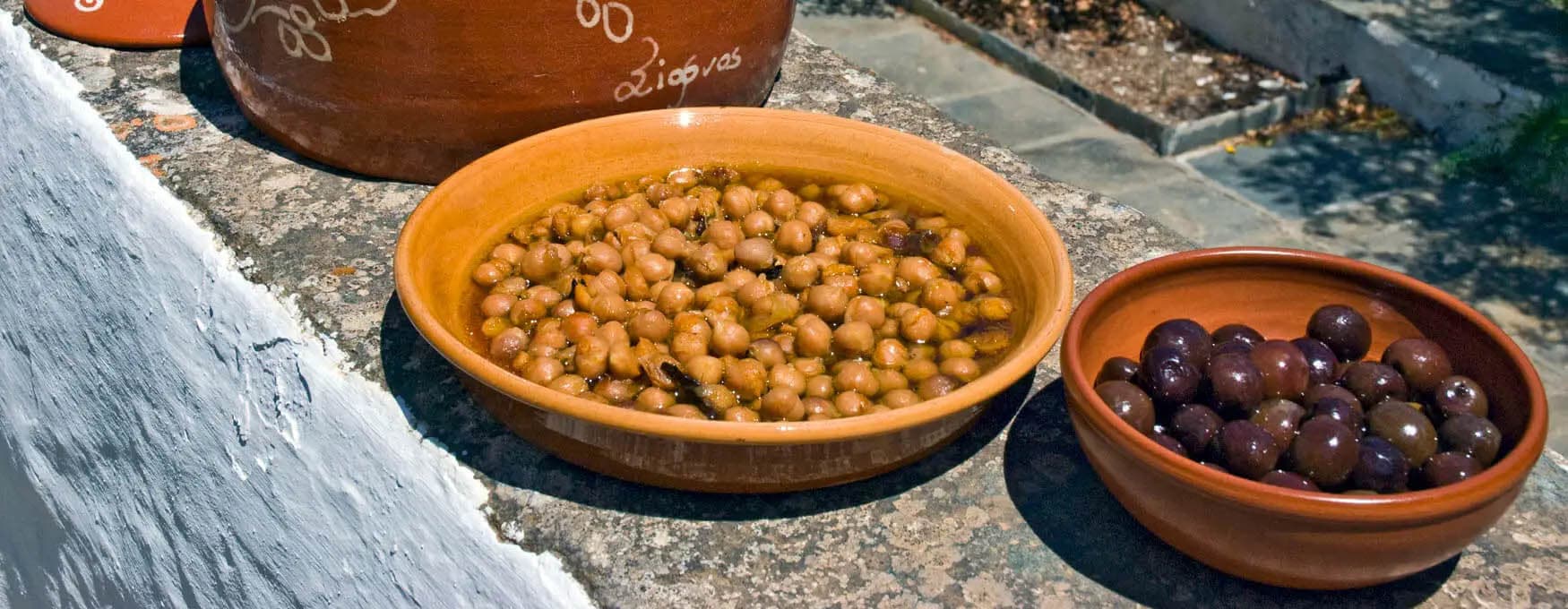
The Greek land generously offers “produce” that, thanks to their high nutritional value, are valuable allies for the human body, promoting health and well-being. These foods are rich in nutrients such as omega-3 fatty acids, vitamins, trace elements and a wide range of substances with strong antioxidant properties. Including superfoods in a balanced diet naturally strengthens and supports the body’s defences, while also adding aroma and flavour to everyday eating.
Allow us to introduce ten Greek nutritional treasures whose reputation has travelled far beyond the country’s borders.
Olive Oil
Greece ranks third in the world in olive oil production and first in extra virgin olive oil, which is considered the highest quality. The “blessed” olive tree thrives in almost every part of the country, but Lesvos, Crete and the Peloponnese are the main olive-producing regions. The benefits of olive oil have been known since antiquity. It is referred to as “liquid gold” in the works of Homer, while Hippocrates highlighted its therapeutic properties. Rich in vitamin E, monounsaturated fatty acids and antioxidant compounds, it is considered beneficial for stomach and heart health.
Honey
Honey was the first—and for a long time the only—sweetening agent in the Greek diet. It remains one of the most valuable. Nutritious and invigorating, rich in essential trace elements, it is both food and medicine, offering energy, health and longevity.
Herbal Infusions
Greece is one of the most biodiverse countries in the world, home to hundreds of aromatic and medicinal herbs. These “natural medicines” have been valued since antiquity by our ancestors, particularly for their analgesic properties. Among the most popular are mountain tea, known locally as tsai tou vounou, prized for its digestive, warming, tonic and detoxifying properties, and dittany (diktamo), an aromatic infusion with tonic, antispasmodic and antidiabetic qualities.
Messolonghi Bottarga (Avgotaracho)
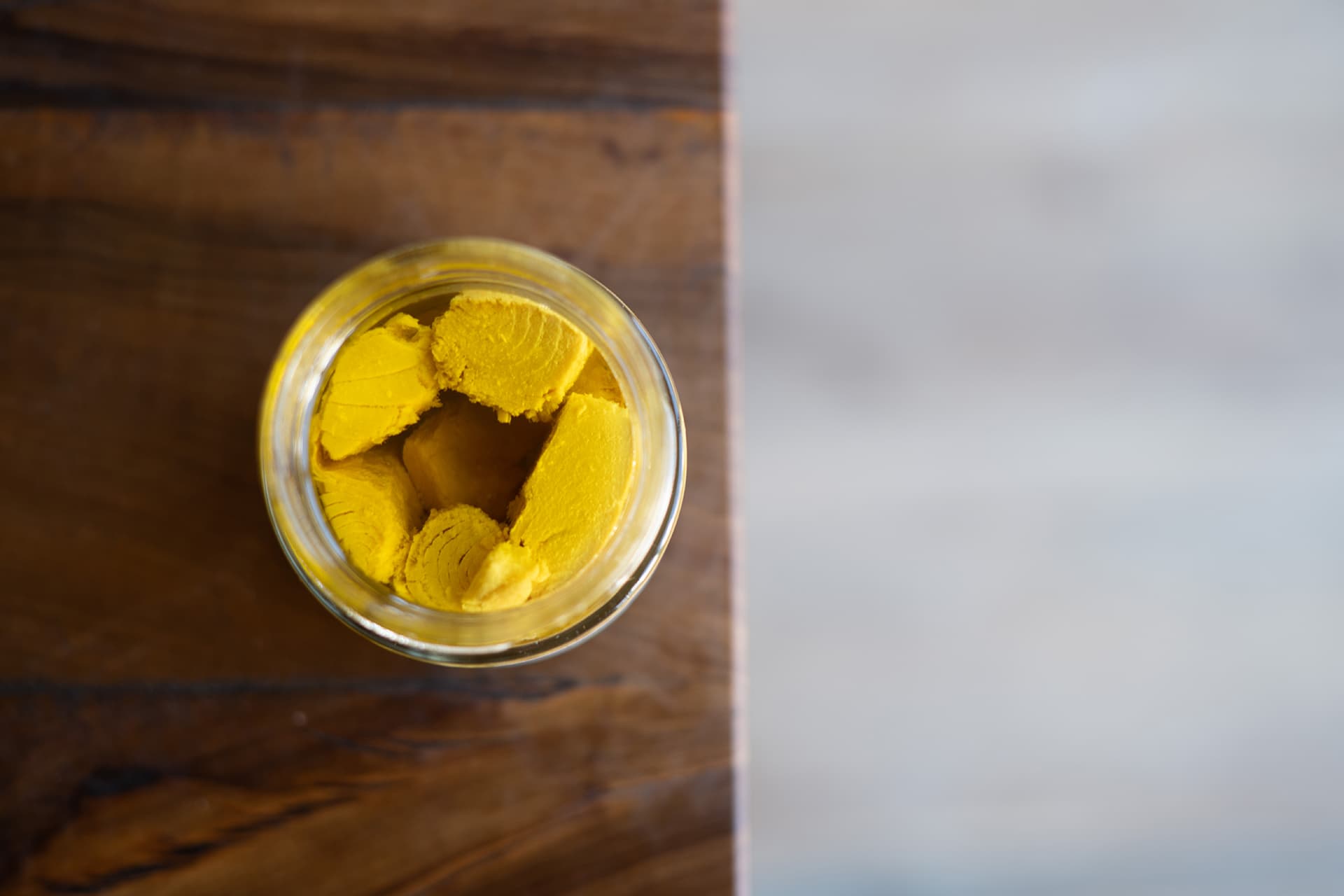
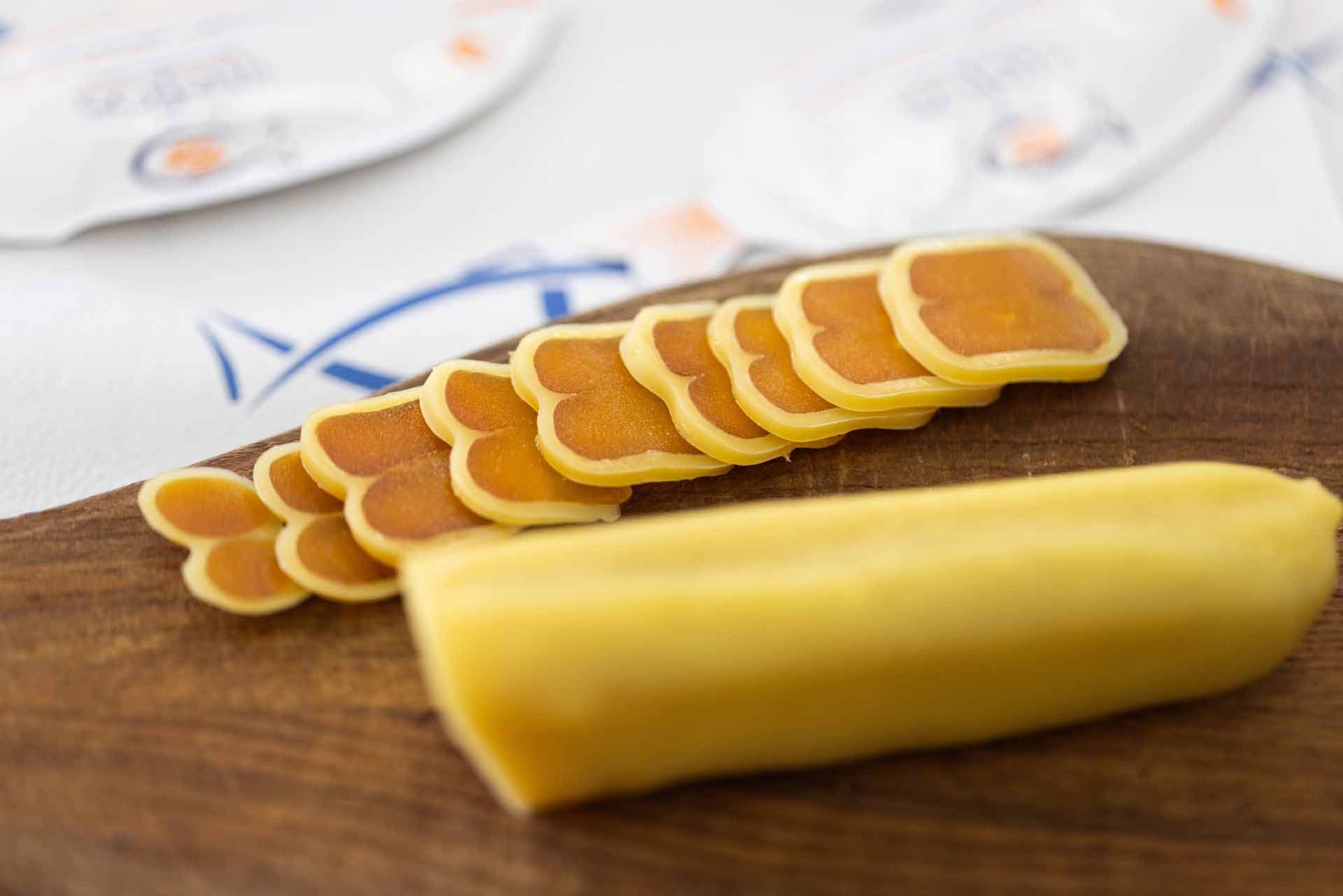
Messolonghi bottarga (avgotaracho) is a PDO (Protected Designation of Origin) product of international reputation. It is made from the eggs of the female grey mullet, known locally as bafa, which thrives in the rich aquatic meadows of the Messolonghi–Aitoliko lagoon system. This exquisite amber-coloured delicacy, with its distinctive flavour and delicate aroma, is considered a highly nutritious source of energy, as it contains significant amounts of vitamins and omega-3 polyunsaturated fatty acids.
Chios Mastiha
This unique product, cultivated exclusively on the island of Chios in the north-eastern Aegean, is now officially recognised by the European Medicines Agency (EMA) as a natural medicinal substance. Chios mastiha contains more than 70 identified components and has been shown to have beneficial effects on gastrointestinal disorders. It also contributes to the reduction of blood sugar levels and LDL (“bad”) cholesterol. In addition, it improves oral hygiene (helping with gingivitis and plaque) due to its antimicrobial properties, and generally supports overall health thanks to its antioxidant compounds.
Kozani Saffron (Krokos Kozanis)
The “red gold” of the Greek land is available commercially in two forms: either as dried crimson threads derived from the stigmas of the flower, or as a powder produced by grinding the red threads. Thanks to its antioxidant and anti-ageing properties, it promotes wellbeing and vitality, while also helping to reduce stress and lower cholesterol levels.
Almonds
This highly nutritious nut, rich in protein, vitamin E and a wide range of beneficial nutrients, is another valuable ally for health. A daily portion (around 20 almonds) is considered beneficial for regulating LDL (“bad”) cholesterol and blood sugar levels, supporting heart health, enhancing brain function, strengthening bone density, and the radiance of skin and hair.
Pomegranate
This beneficial fruit, with its almost “magical” properties, is considered an elixir of health and beauty thanks to its powerful antioxidant and anti-ageing action. Major cosmetics companies use pomegranate as a key ingredient in skincare products.
Corinthian Currants
This distinctly Greek superfood contains a wealth of antioxidants, trace elements and dietary fibres within its sweet, wrinkled flesh. Black Corinthian currants, eaten raw as a snack or used in cooking and baking, are particularly beneficial as they significantly help reduce oxidative stress, blood pressure and LDL (“bad”) cholesterol. Just two tablespoons a day are enough to enjoy their health benefits.
Capers
The humble yet… miraculous shrub thrives abundantly in rocky soils, particularly across the Cycladic islands. The ancient Greeks consumed it as an appetiser, while Dioscorides used the leaves and root of the caper plant to treat swellings. It is rich in antioxidants and vitamins, has anti-inflammatory and antihistamine properties, contains very few calories, and offers a distinctive, piquant flavour.
Allow us to introduce ten Greek nutritional treasures whose reputation has travelled far beyond the country’s borders.
Olive Oil
Greece ranks third in the world in olive oil production and first in extra virgin olive oil, which is considered the highest quality. The “blessed” olive tree thrives in almost every part of the country, but Lesvos, Crete and the Peloponnese are the main olive-producing regions. The benefits of olive oil have been known since antiquity. It is referred to as “liquid gold” in the works of Homer, while Hippocrates highlighted its therapeutic properties. Rich in vitamin E, monounsaturated fatty acids and antioxidant compounds, it is considered beneficial for stomach and heart health.
Honey
Honey was the first—and for a long time the only—sweetening agent in the Greek diet. It remains one of the most valuable. Nutritious and invigorating, rich in essential trace elements, it is both food and medicine, offering energy, health and longevity.
Herbal Infusions
Greece is one of the most biodiverse countries in the world, home to hundreds of aromatic and medicinal herbs. These “natural medicines” have been valued since antiquity by our ancestors, particularly for their analgesic properties. Among the most popular are mountain tea, known locally as tsai tou vounou, prized for its digestive, warming, tonic and detoxifying properties, and dittany (diktamo), an aromatic infusion with tonic, antispasmodic and antidiabetic qualities.
Messolonghi Bottarga (Avgotaracho)
Messolonghi bottarga (avgotaracho) is a PDO (Protected Designation of Origin) product of international reputation. It is made from the eggs of the female grey mullet, known locally as bafa, which thrives in the rich aquatic meadows of the Messolonghi–Aitoliko lagoon system. This exquisite amber-coloured delicacy, with its distinctive flavour and delicate aroma, is considered a highly nutritious source of energy, as it contains significant amounts of vitamins and omega-3 polyunsaturated fatty acids.
Chios Mastiha
This unique product, cultivated exclusively on the island of Chios in the north-eastern Aegean, is now officially recognised by the European Medicines Agency (EMA) as a natural medicinal substance. Chios mastiha contains more than 70 identified components and has been shown to have beneficial effects on gastrointestinal disorders. It also contributes to the reduction of blood sugar levels and LDL (“bad”) cholesterol. In addition, it improves oral hygiene (helping with gingivitis and plaque) due to its antimicrobial properties, and generally supports overall health thanks to its antioxidant compounds.
Kozani Saffron (Krokos Kozanis)
The “red gold” of the Greek land is available commercially in two forms: either as dried crimson threads derived from the stigmas of the flower, or as a powder produced by grinding the red threads. Thanks to its antioxidant and anti-ageing properties, it promotes wellbeing and vitality, while also helping to reduce stress and lower cholesterol levels.
Almonds
This highly nutritious nut, rich in protein, vitamin E and a wide range of beneficial nutrients, is another valuable ally for health. A daily portion (around 20 almonds) is considered beneficial for regulating LDL (“bad”) cholesterol and blood sugar levels, supporting heart health, enhancing brain function, strengthening bone density, and the radiance of skin and hair.
Pomegranate
This beneficial fruit, with its almost “magical” properties, is considered an elixir of health and beauty thanks to its powerful antioxidant and anti-ageing action. Major cosmetics companies use pomegranate as a key ingredient in skincare products.
Corinthian Currants
This distinctly Greek superfood contains a wealth of antioxidants, trace elements and dietary fibres within its sweet, wrinkled flesh. Black Corinthian currants, eaten raw as a snack or used in cooking and baking, are particularly beneficial as they significantly help reduce oxidative stress, blood pressure and LDL (“bad”) cholesterol. Just two tablespoons a day are enough to enjoy their health benefits.
Capers
The humble yet… miraculous shrub thrives abundantly in rocky soils, particularly across the Cycladic islands. The ancient Greeks consumed it as an appetiser, while Dioscorides used the leaves and root of the caper plant to treat swellings. It is rich in antioxidants and vitamins, has anti-inflammatory and antihistamine properties, contains very few calories, and offers a distinctive, piquant flavour.