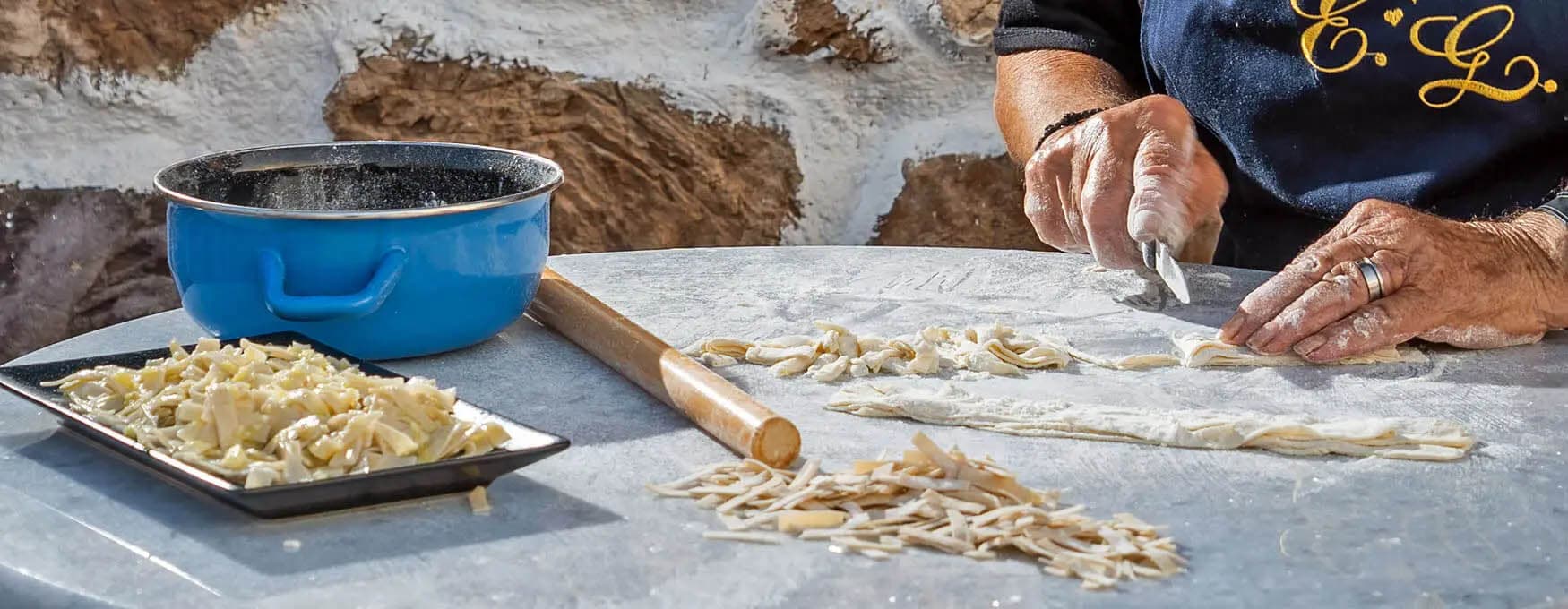
In the heart of winter, soups truly take centre stage! A favourite choice as a starter or a main course, these steaming, delicious and nourishing dishes warm us after a cold day, providing energy and valuable nutrients. Easy to prepare and gentle on the stomach, with endless flavour combinations, soups supply the body with a wealth of vitamins, trace elements and minerals, helping to strengthen it against seasonal and chronic ailments.
Simple vegetable soups, classic protein-rich versions with meat, chicken or fish, as well as distinctive—or purely Greek—pulse-based recipes, all demonstrate that soups are a nutritional marvel well worth including in our daily diet. Let us explore some restorative soups that you can prepare and enjoy:
Colourful Vegetable Soups
A favourite choice among vegetarians, those following a weight-loss plan, and anyone looking to add a “vitamin boost” to their table, vegetable soups are considered among the healthiest of their kind.
Shall we give it a try? Simply boil your vegetables of choice (adding potatoes if you wish) in plenty of salted water, then finish with a drizzle of olive oil. You can serve the soup as a light broth with a few croutons for extra flavour, or blend the vegetables into a velvety purée using a hand blender.
Classic Meat Soups
Exceptionally nourishing and ideal for preventing seasonal illnesses—or for recovery—meat-based soups are typically prepared with beef (such as shin or chuck), along with carrots, potatoes, celery and onion, all roughly chopped.
How to Prepare Them
Start by boiling the meat, as it requires the longest cooking time. Once it begins to soften, add the vegetables, olive oil and any seasonings you prefer. When everything is cooked, remove the meat and vegetables, and strain the stock to eliminate any remaining bones. Return the clear broth to the pot along with the meat and vegetables, then add rice, trachanas, kritharaki or any pasta of your choice.
Tip: Follow the same method if you use chicken, cockerel (ideally) or turkey instead of beef. In this case, try to source organic or free-range poultry, and finish your soup with a generous pour of rich avgolemono (egg-and-lemon sauce).
Fragrant Fish Soups
Fish from the Greek seas are considered among the most delicious in the world. Whether you prepare a homemade fish soup or enjoy one in a seaside taverna, you are guaranteed a distinctive culinary experience. The most authentic Greek fish soup is kakavia, the traditional fishermen’s soup.
Shall we cook it in the traditional, simple way? Various small fish—preferably rockfish such as scorpionfish, perch, comber and blotched picarel—are boiled in seawater with a cup of olive oil, finished with plenty of lemon to give the soup its characteristic velvety texture. This is how it was once prepared by fishermen aboard their boats or on the shore while sorting their nets. In its modern version, kakavia also includes vegetables such as carrots, celery, courgettes, onions, potatoes and fresh ripe tomatoes.
Legume Soups
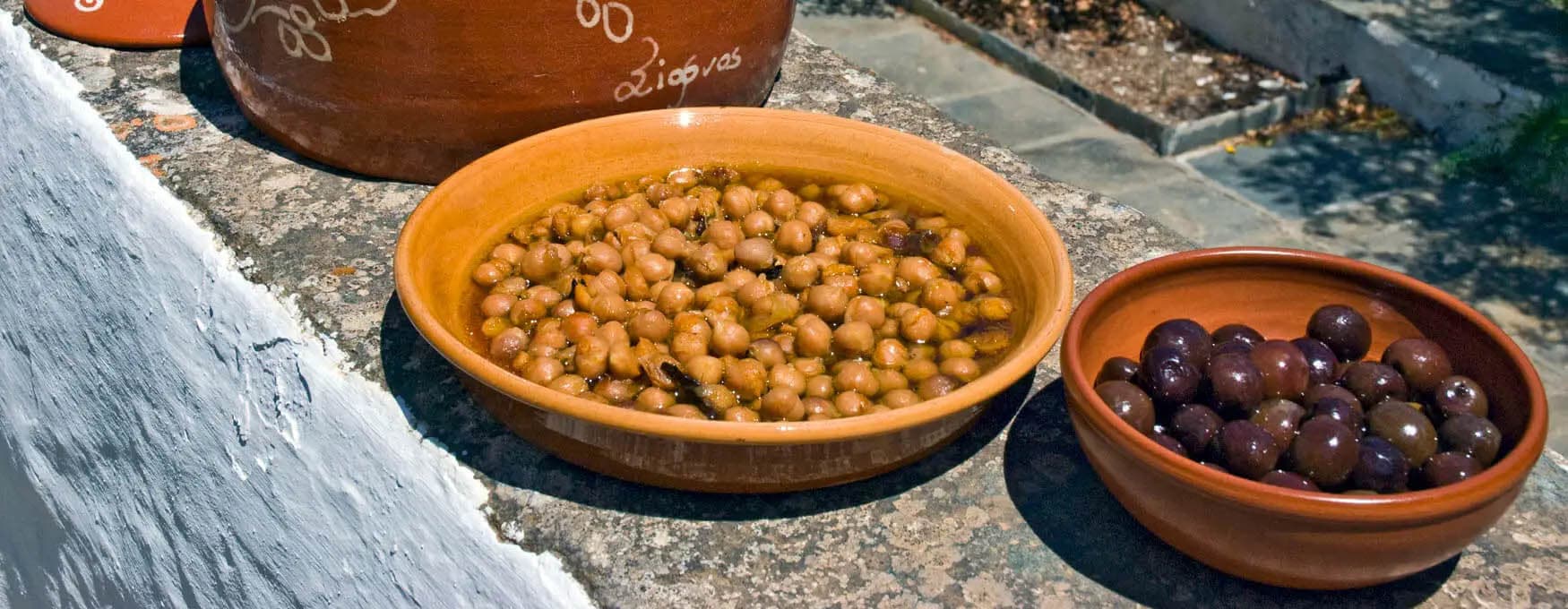
An integral part of the Mediterranean diet, rich in protein, iron and calcium, legumes are a much-loved staple of Greek cuisine. They have sustained generations, especially in times when meat consumption was limited due to cost. Beans from Prespes, lentils from Voio in Kozani and Englouvi (Lefkada), and chickpeas from Larissa or Grevena are among the Greek legumes with a distinct “place of origin”, where the local microclimate gives them their unique character.
Try them with: Legume-based soups—white with lemon or red with plenty of tomato—paired with feta cheese, olives, pickles, salted fish (such as sardines, herring or anchovies) or spicy cured sausage.
And, of course, there is fasolada—the national Greek bean soup, which rarely leaves the weekly family menu, especially in winter. In many parts of Greece, particularly in Pelion, it is often prepared or served with sautéed sausage for extra flavour.
And the “special” soups?
Magiaritsa
A traditional Greek soup with a distinctive flavour, magiaritsa is consumed on the night of Holy Saturday after the Resurrection service and is essentially the first meat-based dish after the Lenten fast.
Let’s make it: it is prepared with finely chopped lamb offal, spring onions, plenty of dill and lettuce. Towards the end of cooking, rice is added, and the soup is finished with a classic avgolemono (egg-and-lemon sauce). For those who do not enjoy offal, there are variations using chicken, or even vegetarian versions with mushrooms or artichokes.
Patsas
Patsas (tripe soup) is a favourite soup of night owls, hard-working people, and all true food lovers. It is considered one of the most restorative soups, a real balm for the stomach.
How to prepare it: It is made from beef trotters and tripe, which are simmered for several hours (3–4 hours) in a large, deep pot with only salt. Once cooked, the stock is strained, the trotters are deboned, and the tripe is finely chopped. All the ingredients are then returned to the pot and served hot.
Flavour tip: Patsas is best enjoyed steaming hot, with plenty of skordostoumbi (a mixture of crushed garlic in vinegar) and a generous sprinkle of hot pepper!
Simple vegetable soups, classic protein-rich versions with meat, chicken or fish, as well as distinctive—or purely Greek—pulse-based recipes, all demonstrate that soups are a nutritional marvel well worth including in our daily diet. Let us explore some restorative soups that you can prepare and enjoy:
Colourful Vegetable Soups
A favourite choice among vegetarians, those following a weight-loss plan, and anyone looking to add a “vitamin boost” to their table, vegetable soups are considered among the healthiest of their kind.
Shall we give it a try? Simply boil your vegetables of choice (adding potatoes if you wish) in plenty of salted water, then finish with a drizzle of olive oil. You can serve the soup as a light broth with a few croutons for extra flavour, or blend the vegetables into a velvety purée using a hand blender.
Classic Meat Soups
Exceptionally nourishing and ideal for preventing seasonal illnesses—or for recovery—meat-based soups are typically prepared with beef (such as shin or chuck), along with carrots, potatoes, celery and onion, all roughly chopped.
How to Prepare Them
Start by boiling the meat, as it requires the longest cooking time. Once it begins to soften, add the vegetables, olive oil and any seasonings you prefer. When everything is cooked, remove the meat and vegetables, and strain the stock to eliminate any remaining bones. Return the clear broth to the pot along with the meat and vegetables, then add rice, trachanas, kritharaki or any pasta of your choice.
Tip: Follow the same method if you use chicken, cockerel (ideally) or turkey instead of beef. In this case, try to source organic or free-range poultry, and finish your soup with a generous pour of rich avgolemono (egg-and-lemon sauce).
Fragrant Fish Soups
Fish from the Greek seas are considered among the most delicious in the world. Whether you prepare a homemade fish soup or enjoy one in a seaside taverna, you are guaranteed a distinctive culinary experience. The most authentic Greek fish soup is kakavia, the traditional fishermen’s soup.
Shall we cook it in the traditional, simple way? Various small fish—preferably rockfish such as scorpionfish, perch, comber and blotched picarel—are boiled in seawater with a cup of olive oil, finished with plenty of lemon to give the soup its characteristic velvety texture. This is how it was once prepared by fishermen aboard their boats or on the shore while sorting their nets. In its modern version, kakavia also includes vegetables such as carrots, celery, courgettes, onions, potatoes and fresh ripe tomatoes.
Legume Soups
An integral part of the Mediterranean diet, rich in protein, iron and calcium, legumes are a much-loved staple of Greek cuisine. They have sustained generations, especially in times when meat consumption was limited due to cost. Beans from Prespes, lentils from Voio in Kozani and Englouvi (Lefkada), and chickpeas from Larissa or Grevena are among the Greek legumes with a distinct “place of origin”, where the local microclimate gives them their unique character.
Try them with: Legume-based soups—white with lemon or red with plenty of tomato—paired with feta cheese, olives, pickles, salted fish (such as sardines, herring or anchovies) or spicy cured sausage.
And, of course, there is fasolada—the national Greek bean soup, which rarely leaves the weekly family menu, especially in winter. In many parts of Greece, particularly in Pelion, it is often prepared or served with sautéed sausage for extra flavour.
And the “special” soups?
Magiaritsa
A traditional Greek soup with a distinctive flavour, magiaritsa is consumed on the night of Holy Saturday after the Resurrection service and is essentially the first meat-based dish after the Lenten fast.
Let’s make it: it is prepared with finely chopped lamb offal, spring onions, plenty of dill and lettuce. Towards the end of cooking, rice is added, and the soup is finished with a classic avgolemono (egg-and-lemon sauce). For those who do not enjoy offal, there are variations using chicken, or even vegetarian versions with mushrooms or artichokes.
Patsas
Patsas (tripe soup) is a favourite soup of night owls, hard-working people, and all true food lovers. It is considered one of the most restorative soups, a real balm for the stomach.
How to prepare it: It is made from beef trotters and tripe, which are simmered for several hours (3–4 hours) in a large, deep pot with only salt. Once cooked, the stock is strained, the trotters are deboned, and the tripe is finely chopped. All the ingredients are then returned to the pot and served hot.
Flavour tip: Patsas is best enjoyed steaming hot, with plenty of skordostoumbi (a mixture of crushed garlic in vinegar) and a generous sprinkle of hot pepper!