The Aromas of Places!
Greek cuisine, renowned for the variety and quality of its ingredients, its wise and health-giving combinations, and centuries of accumulated knowledge, holds a privileged place in the global culture of taste.
Greece is distinguished by its multitude of islands and the dramatic relief of its mainland. This remarkable geographical diversity creates “worlds within worlds”.
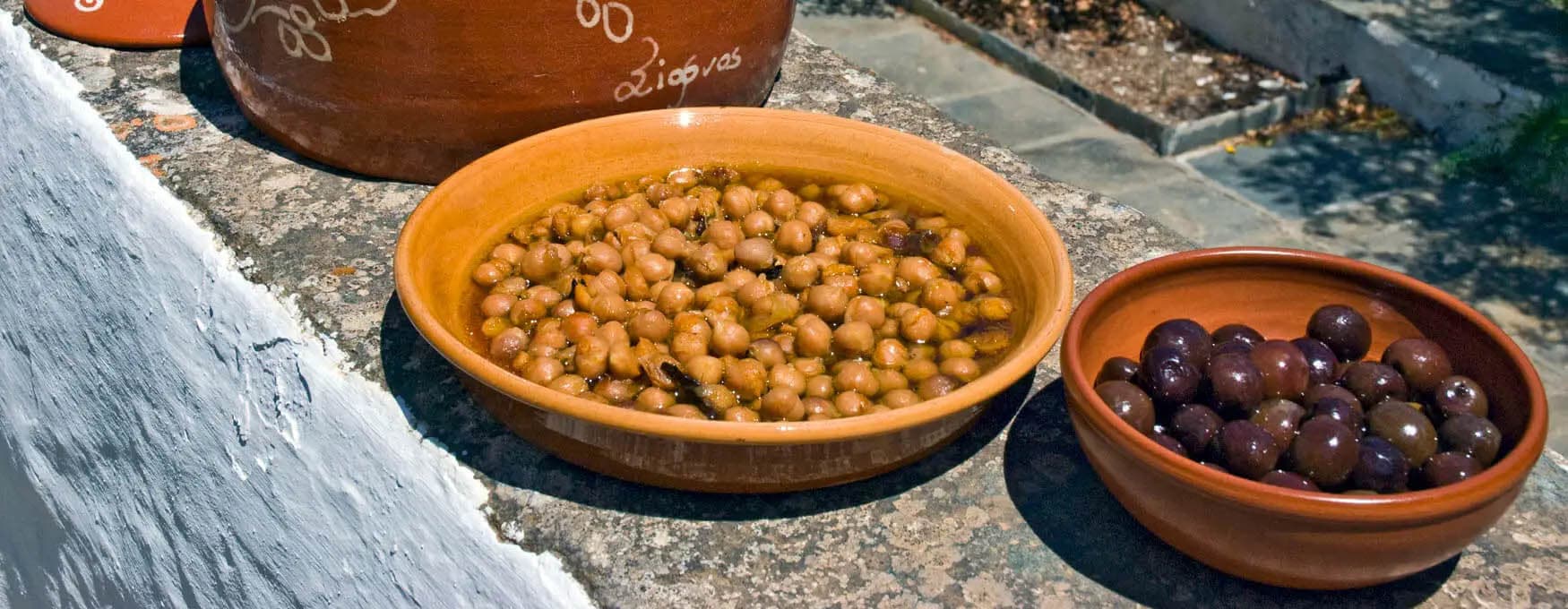
What they share, however, are outstanding raw ingredients and the aromas of fertile land: oregano, thyme, bay, rosemary, lemon, and, of course, olive oil. Fine meats from small-scale producers, freshly caught fish, exquisitely flavoured shellfish and seafood, pulses, fruit, wholesome vegetables, and dairy products recognised worldwide—accompanied by vibrant wines—come together to create a true kaleidoscope of flavours.
Restless and inventive chefs, working with traditional recipes and often employing imaginative combinations of fine ingredients, win distinctions at international competitions, establishing Greece as one of the great temples of haute cuisine.
Cycladic Allure – Flavours of Sun and Sea
The Cyclades form a realm shaped by sun, sea and invigorating winds. The distinctive microclimate of each island has contributed to the production of local products, some of which are unique in the world.
Cycladic cuisine is elemental and reflects its timeless culture. With its strong character, exceptional raw ingredients, intoxicating aromas and products ripened under the intense sun, it represents a distinctive chapter in both Greek and global gastronomy.
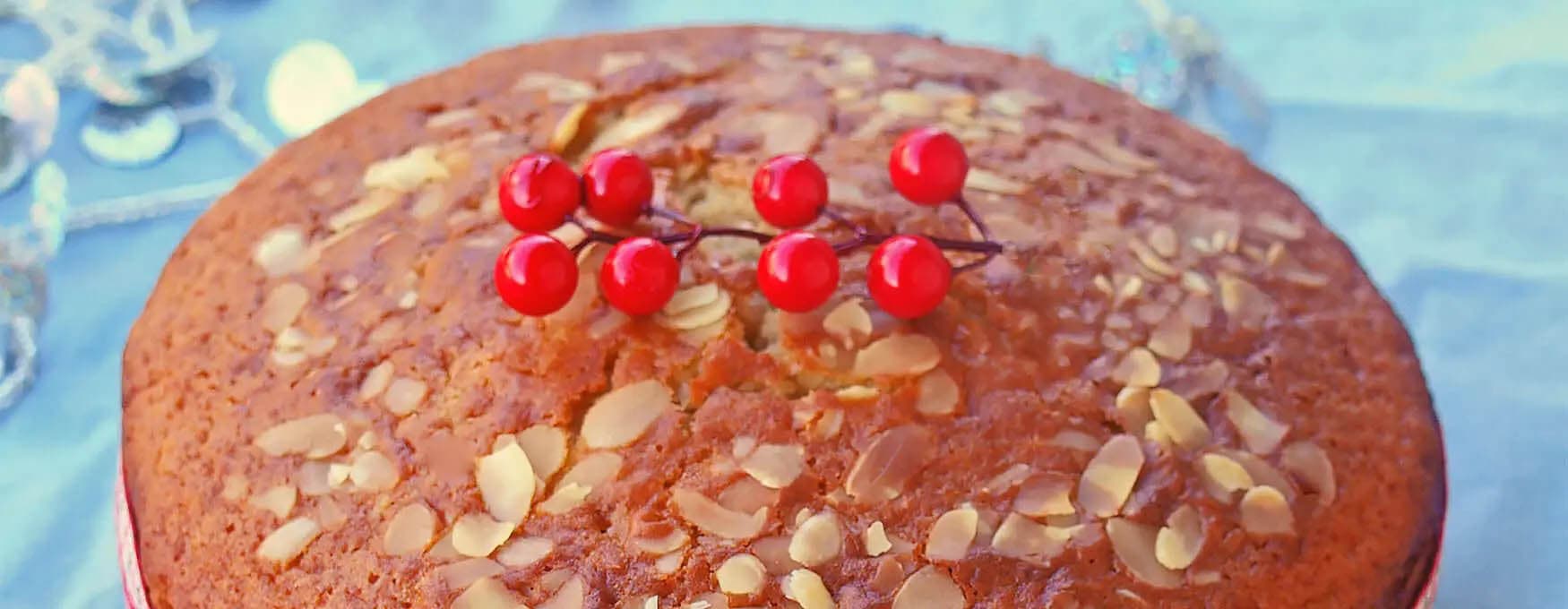
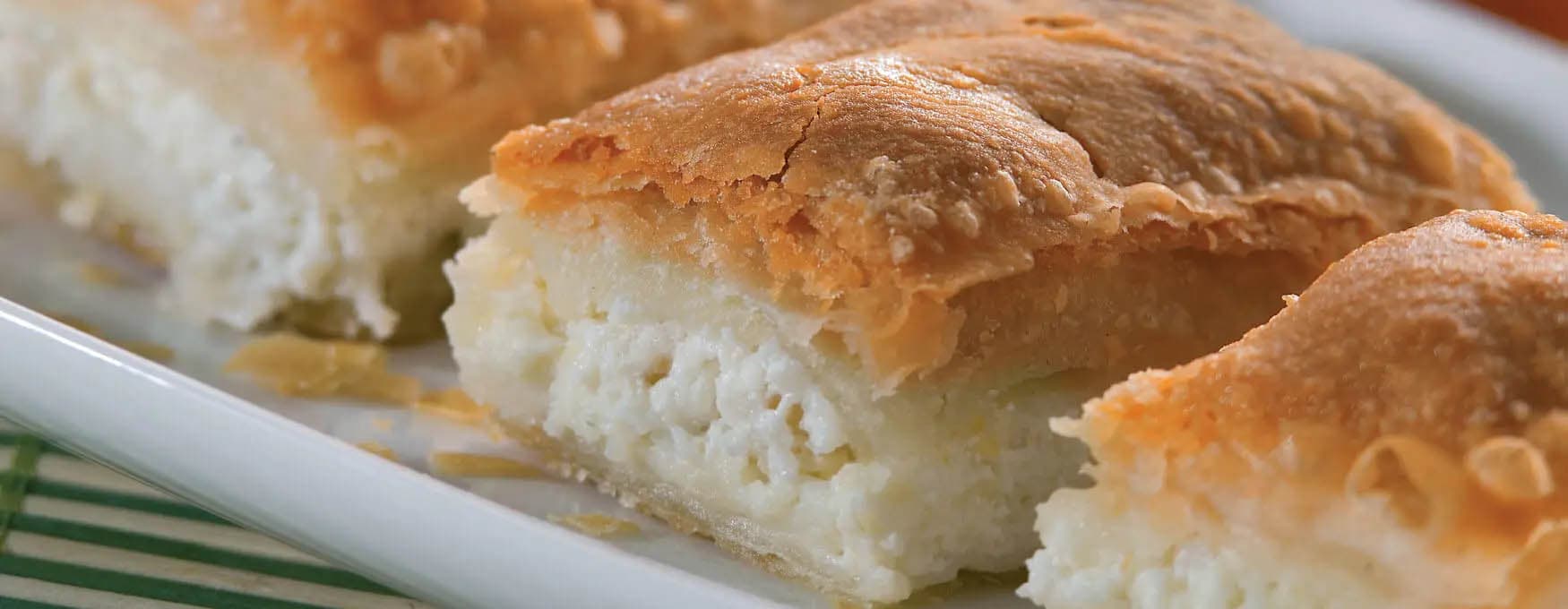
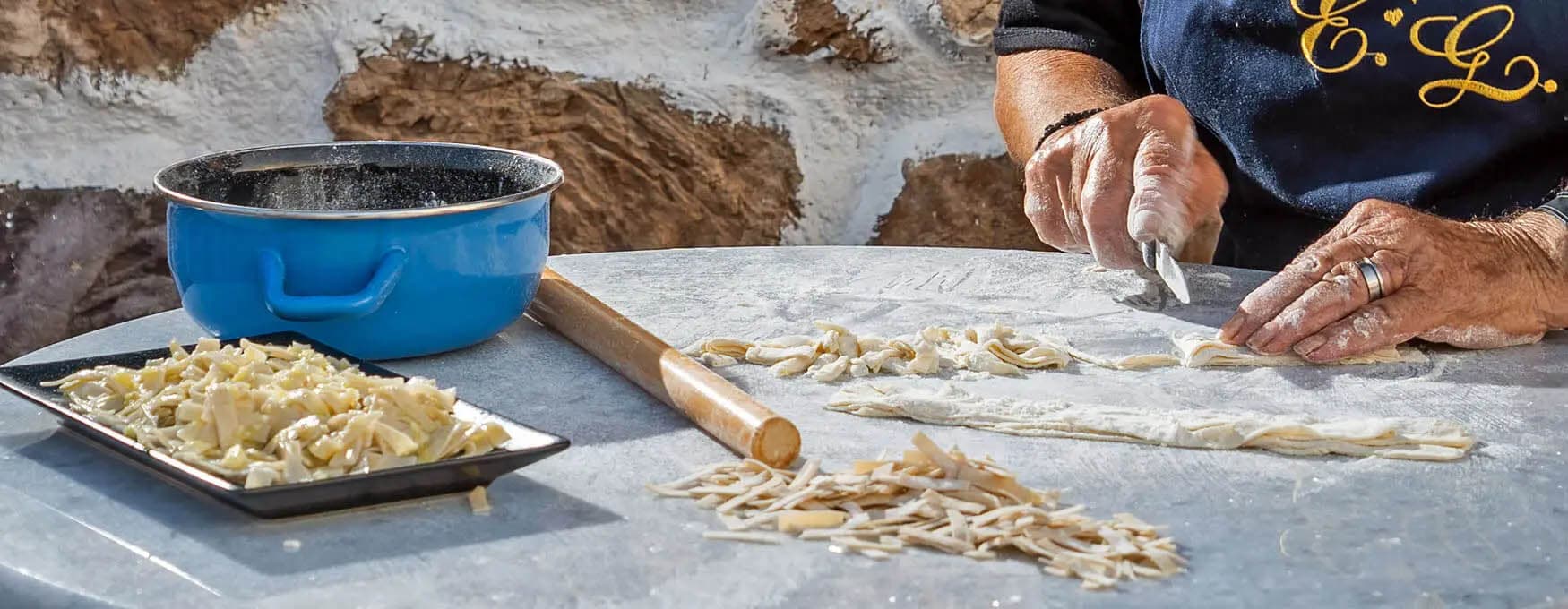
The famed fricassee with wild sour greens, caper salad, mastelo (lamb baked with herbs and wine), revithokeftedes (chickpea fritters), and Sifnos’s melopita (honey pie), alongside makarounes (hand-made fresh pasta with caramelized onions), Serifos’s marathotiganites (fennel rissoles), Santorini’s sgardoumia (offal soup), and Anafi’s melitera (sweet cheese pies with vanilla), are just a few of the many dishes that make up the rich culinary tradition of the Cyclades.
The beauty of the Cycladic islands has become a magnet not only for travellers, but also for creative figures in the culinary arts, who come here to share their knowledge and their love of Greek cuisine. The restaurants of the Cyclades hold a prominent place on the international stage and are especially esteemed by connoisseurs of fine dining.
Ionian Cuisine – A Cosmopolitan Aroma
The flavours of the Ionian, with their Latinate names and bold character, form a distinctive chapter in Greek gastronomy. Savóro (meaning “sour”), a hallmark of Ionian cooking, is a wonderful recipe made with vinegar and rosemary, widely used across the Ionian Islands to season and preserve fish, as well as vegetables.
Bourdetto (scorpion fish cooked in a red-hot spicy tomato sauce), sofrito (veal steak slow cooked in a white wine, garlic and herb sauce), pastitsada (braised beef, pork or rooster in a spicy cinnamon tomato sauce usually served with rigatoni pasta), stifado (beef stew with baby onions), strapatsad (scrambled eggs with tomato and feta), tsigareli (wild greens or cabbage in spicy tomato sauce), pastitsio tis nonas (baked pasta and mince with a béchamel sauce topping), bakaliaros me agiada (de-salted preserved codfish fillets with skordalia, garlic sauce) are some of the recipes that embody centuries of history and culture.
Superb wines and unique drinks, such as kumquat liqueur and tsitsibira (ginger beer), along with sweets like pantespani (syrup-soaked sponge cakes), mandoles, and pasteli (sesame and honey bars), accompany the rich yet refined culinary tradition of the Ionian Islands.
Crete – The Elixirs of Life
Crete is a beloved destination that offers profound pleasures in the realm of authentic gastronomy, as well. Discovering the secrets of Cretan cuisine, deeply intertwined with the principles of the Mediterranean diet, is an invitation to savour the very art of living.
Chania-style pilaf with rooster and lamb, the renowned oftó baby goat which is served almost everywhere in Crete, delicate sweet kalitsounia and diples, crisp salads with wild stamnagathi greens, and the traditional dakos (barley rusks with fresh tomato, soft white cheese and olive oil) are just a few examples of the island’s rich culinary heritage.
In Chania, Heraklion, Rethymno, Ierapetra and Sitia, as well as in smaller towns, exemplary restaurants of the highest standard have emerged, ushering in a new golden age for Cretan gastronomy.
The Dodecanese – Cooking as Magic
The gastronomic palette of chivalric Rhodes, Karpathos, Patmos, Kastellorizo and the other islands reflects the meeting of cultures that has taken place here over the centuries. Dodecanesian cuisine is remarkably rich and diverse.
Stuffed baby goat, known as kapamas, vine-leaf dolmadakia with herbs, Kassos-style pilaf, Karpathos’s vyzanti, boukounies (pork cooked with an abundance of herbs), as well as exquisite sweets such as xerotigana (fried spiral pastries in syrup or honey) and pastelaries (dried figs with almonds and sesame seeds), among many others, offer truly memorable flavours.
The influences of tradition remain vividly alive in the Dodecanese, revealing the full panorama of the eastern Mediterranean.
Mainland Greece – The Wisdom of Flavours
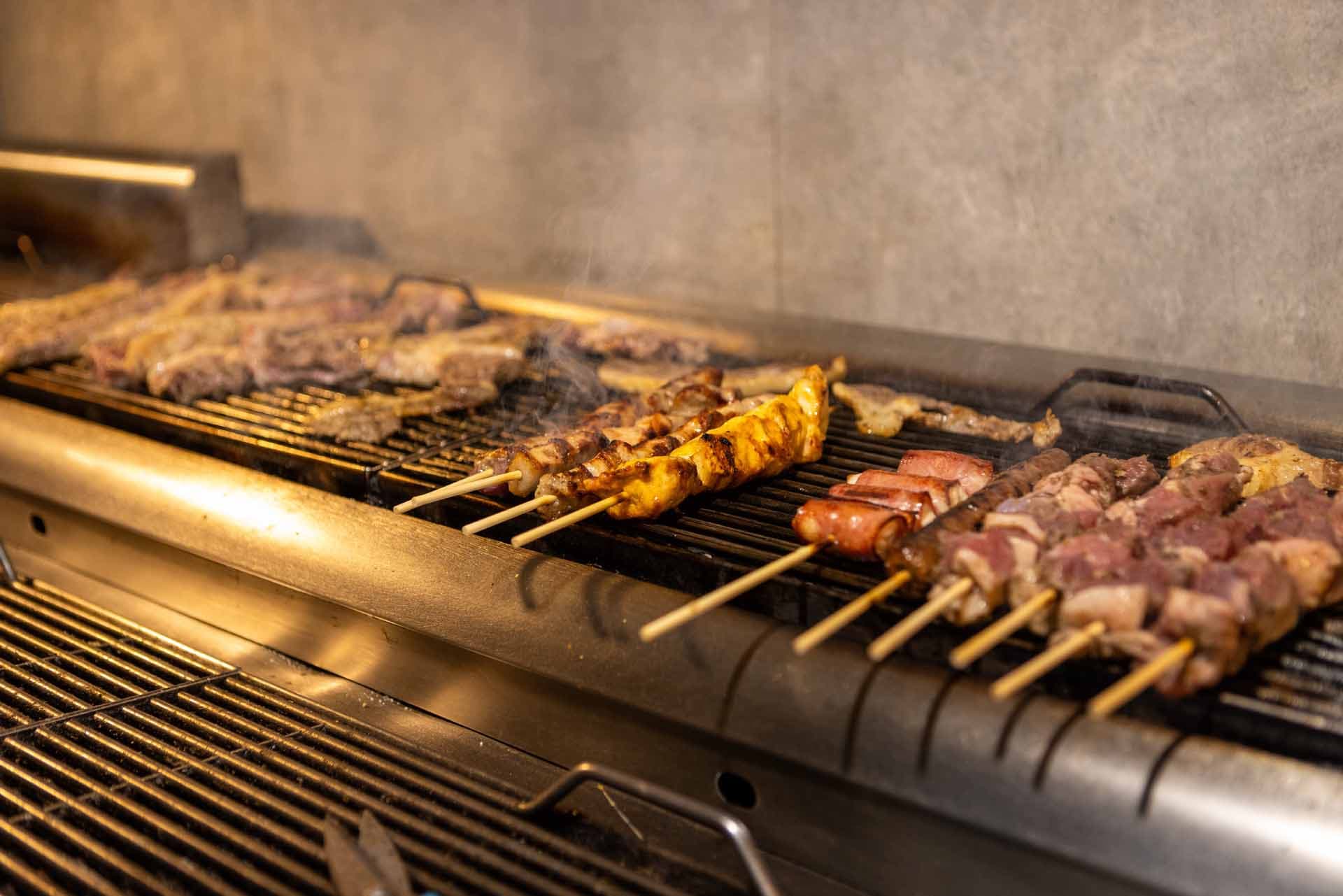
The mountainous regions are the realm of fine meats. Greece has a long tradition of optá meats—those grilled over charcoal, cooked on an open fire, or roasted on the spit. The great spring celebration of Easter is celebrated throughout the country with festive gatherings centred on delectable lamb or goat dishes.
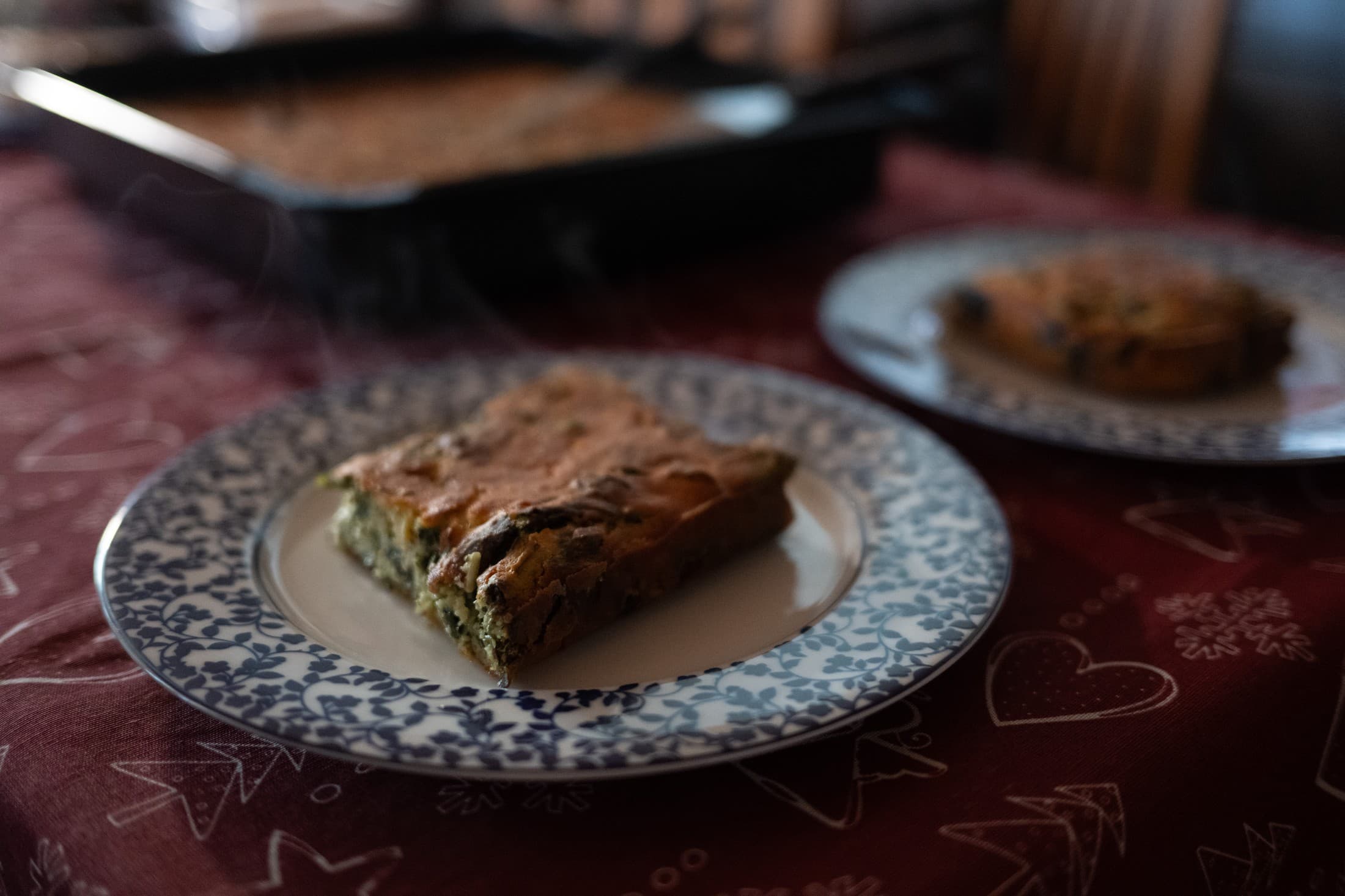
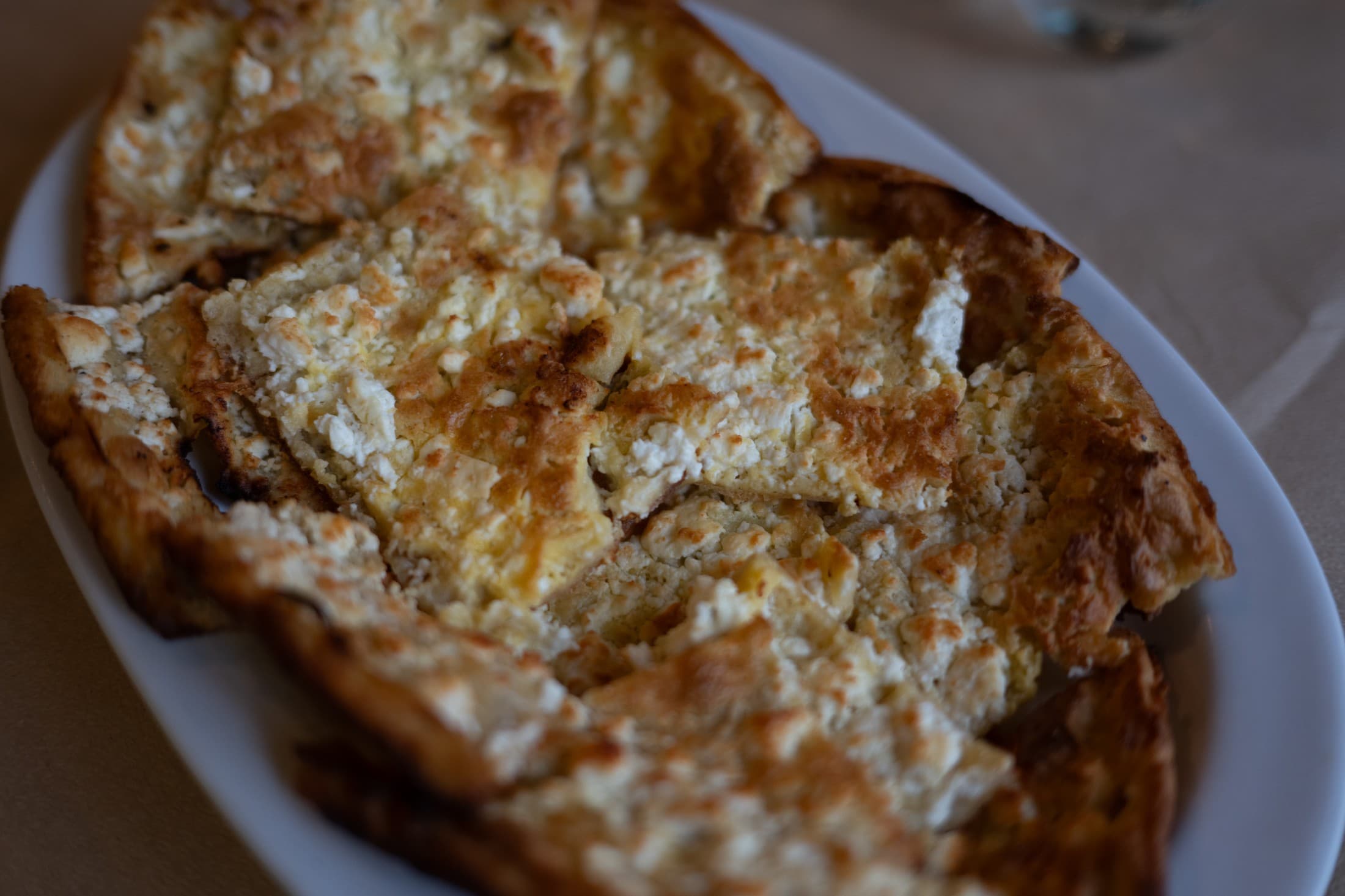
Traditional pies form a major chapter in Greek cuisine. A wide variety of dough techniques produces an array of pastry sheets, sometimes thin and delicate, at other times crumbly and more indulgent. With these, Greek ingenuity has created an endless range of flavour combinations. Savoury pies filled with cheese, wild greens or meat, as well as sweet pies with milk, rice, cinnamon or yoghurt—the possibilities are truly boundless.
From Thrace and Macedonia to Thessaly, Epirus and the Peloponnese, every corner of Greece prepares its own distinctive pies, baked in the oven or cooked in the pan. They are an essential accompaniment to the generous Greek table and a source of pride for every local culinary tradition.
Greek cuisine, renowned for the variety and quality of its ingredients, its wise and health-giving combinations, and centuries of accumulated knowledge, holds a privileged place in the global culture of taste.
Greece is distinguished by its multitude of islands and the dramatic relief of its mainland. This remarkable geographical diversity creates “worlds within worlds”.
What they share, however, are outstanding raw ingredients and the aromas of fertile land: oregano, thyme, bay, rosemary, lemon, and, of course, olive oil. Fine meats from small-scale producers, freshly caught fish, exquisitely flavoured shellfish and seafood, pulses, fruit, wholesome vegetables, and dairy products recognised worldwide—accompanied by vibrant wines—come together to create a true kaleidoscope of flavours.
Restless and inventive chefs, working with traditional recipes and often employing imaginative combinations of fine ingredients, win distinctions at international competitions, establishing Greece as one of the great temples of haute cuisine.
Cycladic Allure – Flavours of Sun and Sea
The Cyclades form a realm shaped by sun, sea and invigorating winds. The distinctive microclimate of each island has contributed to the production of local products, some of which are unique in the world.
Cycladic cuisine is elemental and reflects its timeless culture. With its strong character, exceptional raw ingredients, intoxicating aromas and products ripened under the intense sun, it represents a distinctive chapter in both Greek and global gastronomy.
The famed fricassee with wild sour greens, caper salad, mastelo (lamb baked with herbs and wine), revithokeftedes (chickpea fritters), and Sifnos’s melopita (honey pie), alongside makarounes (hand-made fresh pasta with caramelized onions), Serifos’s marathotiganites (fennel rissoles), Santorini’s sgardoumia (offal soup), and Anafi’s melitera (sweet cheese pies with vanilla), are just a few of the many dishes that make up the rich culinary tradition of the Cyclades.
The beauty of the Cycladic islands has become a magnet not only for travellers, but also for creative figures in the culinary arts, who come here to share their knowledge and their love of Greek cuisine. The restaurants of the Cyclades hold a prominent place on the international stage and are especially esteemed by connoisseurs of fine dining.
Ionian Cuisine – A Cosmopolitan Aroma
The flavours of the Ionian, with their Latinate names and bold character, form a distinctive chapter in Greek gastronomy. Savóro (meaning “sour”), a hallmark of Ionian cooking, is a wonderful recipe made with vinegar and rosemary, widely used across the Ionian Islands to season and preserve fish, as well as vegetables.
Bourdetto (scorpion fish cooked in a red-hot spicy tomato sauce), sofrito (veal steak slow cooked in a white wine, garlic and herb sauce), pastitsada (braised beef, pork or rooster in a spicy cinnamon tomato sauce usually served with rigatoni pasta), stifado (beef stew with baby onions), strapatsad (scrambled eggs with tomato and feta), tsigareli (wild greens or cabbage in spicy tomato sauce), pastitsio tis nonas (baked pasta and mince with a béchamel sauce topping), bakaliaros me agiada (de-salted preserved codfish fillets with skordalia, garlic sauce) are some of the recipes that embody centuries of history and culture.
Superb wines and unique drinks, such as kumquat liqueur and tsitsibira (ginger beer), along with sweets like pantespani (syrup-soaked sponge cakes), mandoles, and pasteli (sesame and honey bars), accompany the rich yet refined culinary tradition of the Ionian Islands.
Crete – The Elixirs of Life
Crete is a beloved destination that offers profound pleasures in the realm of authentic gastronomy, as well. Discovering the secrets of Cretan cuisine, deeply intertwined with the principles of the Mediterranean diet, is an invitation to savour the very art of living.
Chania-style pilaf with rooster and lamb, the renowned oftó baby goat which is served almost everywhere in Crete, delicate sweet kalitsounia and diples, crisp salads with wild stamnagathi greens, and the traditional dakos (barley rusks with fresh tomato, soft white cheese and olive oil) are just a few examples of the island’s rich culinary heritage.
In Chania, Heraklion, Rethymno, Ierapetra and Sitia, as well as in smaller towns, exemplary restaurants of the highest standard have emerged, ushering in a new golden age for Cretan gastronomy.
The Dodecanese – Cooking as Magic
The gastronomic palette of chivalric Rhodes, Karpathos, Patmos, Kastellorizo and the other islands reflects the meeting of cultures that has taken place here over the centuries. Dodecanesian cuisine is remarkably rich and diverse.
Stuffed baby goat, known as kapamas, vine-leaf dolmadakia with herbs, Kassos-style pilaf, Karpathos’s vyzanti, boukounies (pork cooked with an abundance of herbs), as well as exquisite sweets such as xerotigana (fried spiral pastries in syrup or honey) and pastelaries (dried figs with almonds and sesame seeds), among many others, offer truly memorable flavours.
The influences of tradition remain vividly alive in the Dodecanese, revealing the full panorama of the eastern Mediterranean.
Mainland Greece – The Wisdom of Flavours
The mountainous regions are the realm of fine meats. Greece has a long tradition of optá meats—those grilled over charcoal, cooked on an open fire, or roasted on the spit. The great spring celebration of Easter is celebrated throughout the country with festive gatherings centred on delectable lamb or goat dishes.
Traditional pies form a major chapter in Greek cuisine. A wide variety of dough techniques produces an array of pastry sheets, sometimes thin and delicate, at other times crumbly and more indulgent. With these, Greek ingenuity has created an endless range of flavour combinations. Savoury pies filled with cheese, wild greens or meat, as well as sweet pies with milk, rice, cinnamon or yoghurt—the possibilities are truly boundless.
From Thrace and Macedonia to Thessaly, Epirus and the Peloponnese, every corner of Greece prepares its own distinctive pies, baked in the oven or cooked in the pan. They are an essential accompaniment to the generous Greek table and a source of pride for every local culinary tradition.