Traditional Cretan cuisine
The island’s culinary tradition has its roots in the Minoan era. The frescoes of Knossos and other archaeological finds confirm that even 4,000 years ago, the ancient Cretans based their daily diet on almost the same ingredients that are still consumed today. Over the centuries, despite the various gastronomic influences of its conquerors, Crete has managed to preserve its culinary identity intact, safeguarding traditional recipes and dishes in remarkably original form. This continuity through time has laid the foundations of a strong heritage and shaped the renowned Cretan cuisine.
The greatness of simplicity
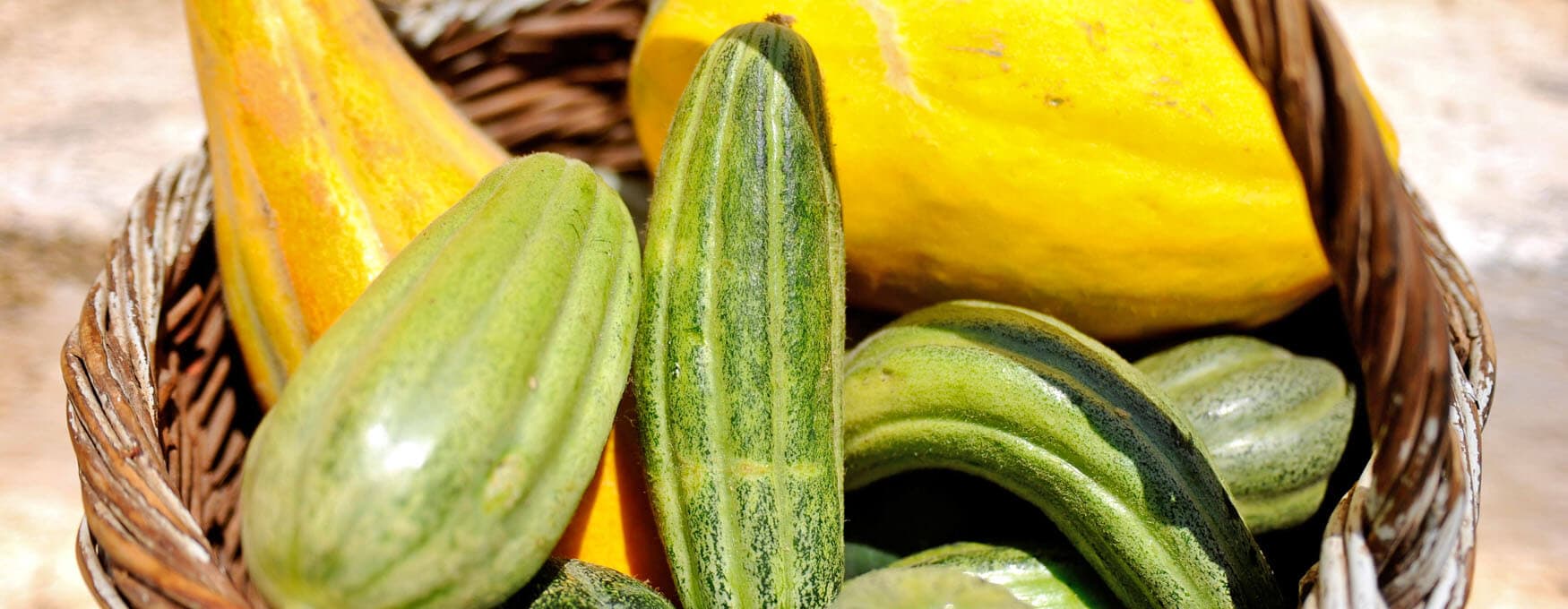
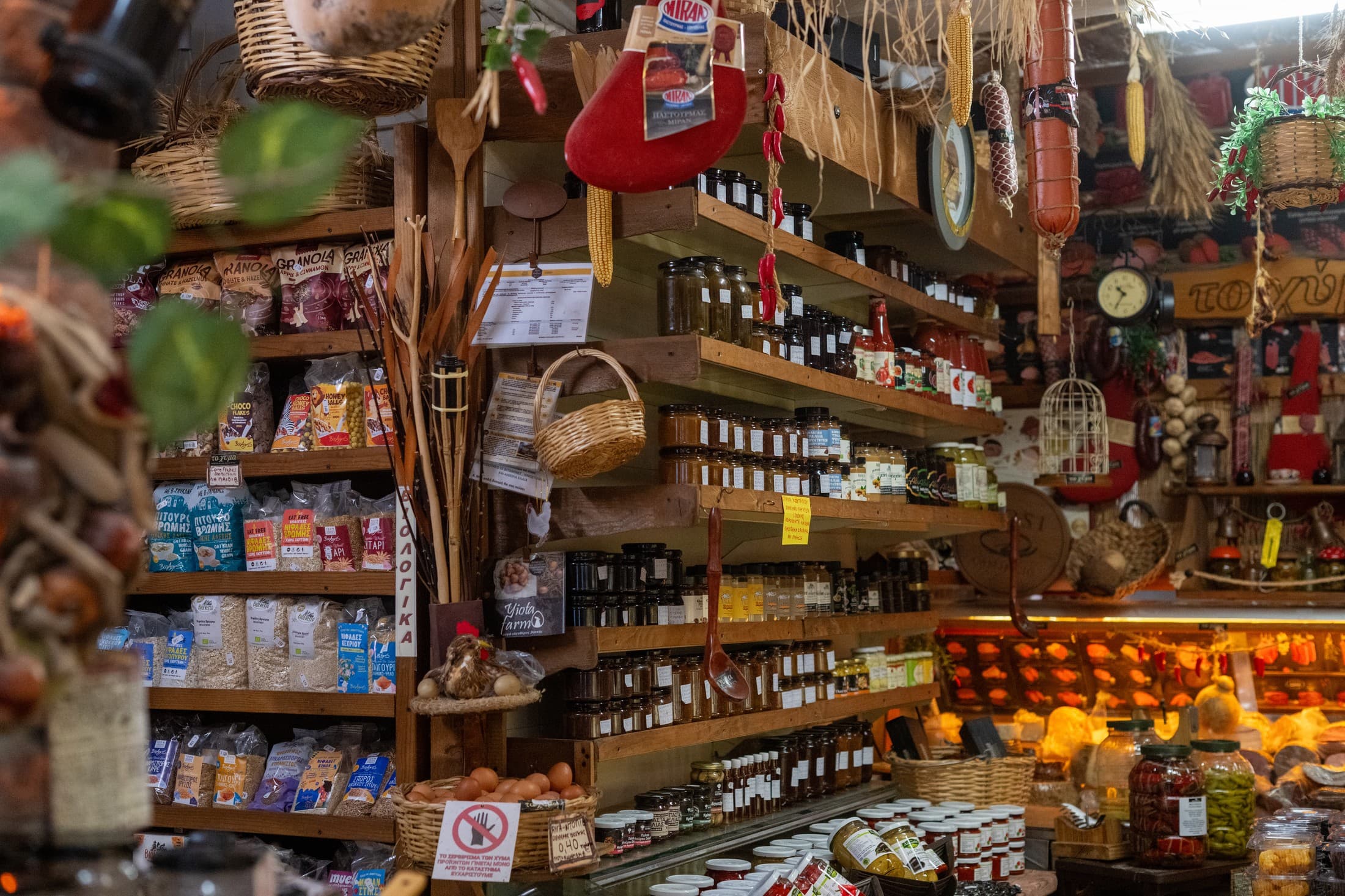
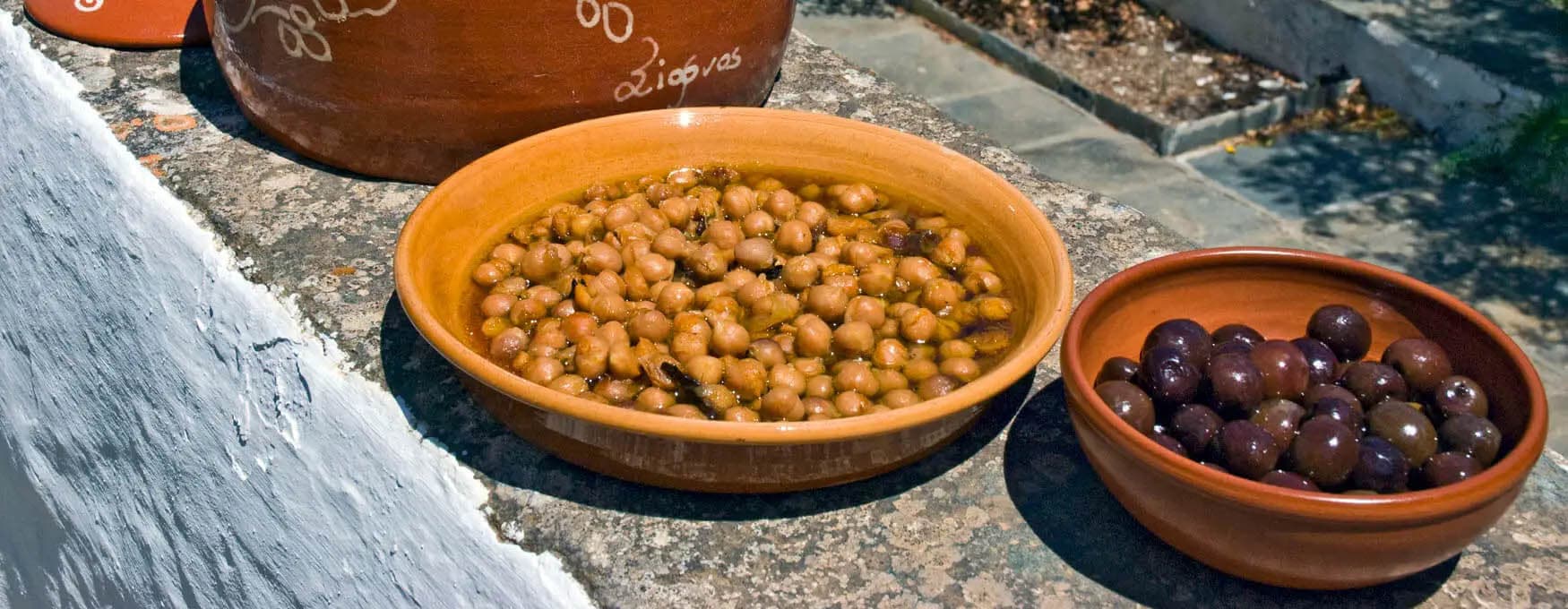
The distinctiveness of Cretan cuisine is encapsulated in the saying “whatever comes from your land”. It is remarkable how Cretans make use of the produce of their rich land: abundant fruit and vegetables, seasonal greens, legumes, wild herbs and aromatic plants are “married” with flavourful goat and sheep meat, often resulting in imaginative dishes found nowhere else in Greece. Equally impressive is the wide range of local cheeses, crowned by the famous Cretan graviera, internationally protected as a product of designation of origin. However, the undisputed star of Cretan cuisine is pure virgin olive oil, used extensively and generously in almost everything, even in sweets!
The secret of longevity
“Do not look for a pill that can replace the Cretan diet. There is no such thing.”
— Serge Renaud (French researcher), 1998
In recent decades, the “Cretan diet” has become the subject of research, medical conferences and studies. It has been scientifically proven that the Cretan way of eating, as the most refined example of the Mediterranean diet, is a valuable ally for good health and longevity.
Let’s set the table
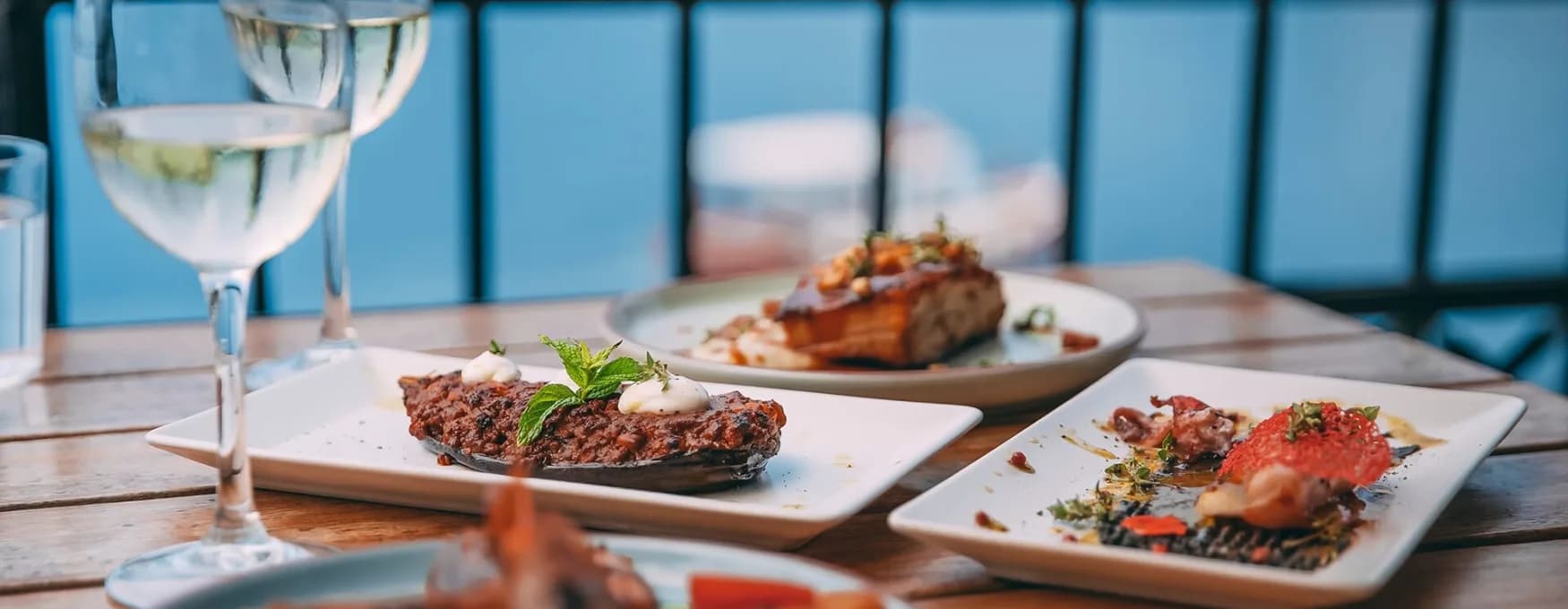
“Come and eat with us” is the warm, hospitable invitation to enjoy the Cretan table, laid out with countless delicacies, usually in… generous, almost abundant portions.
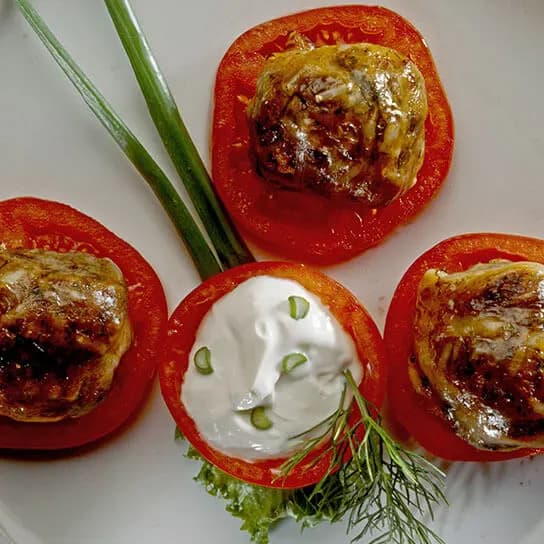
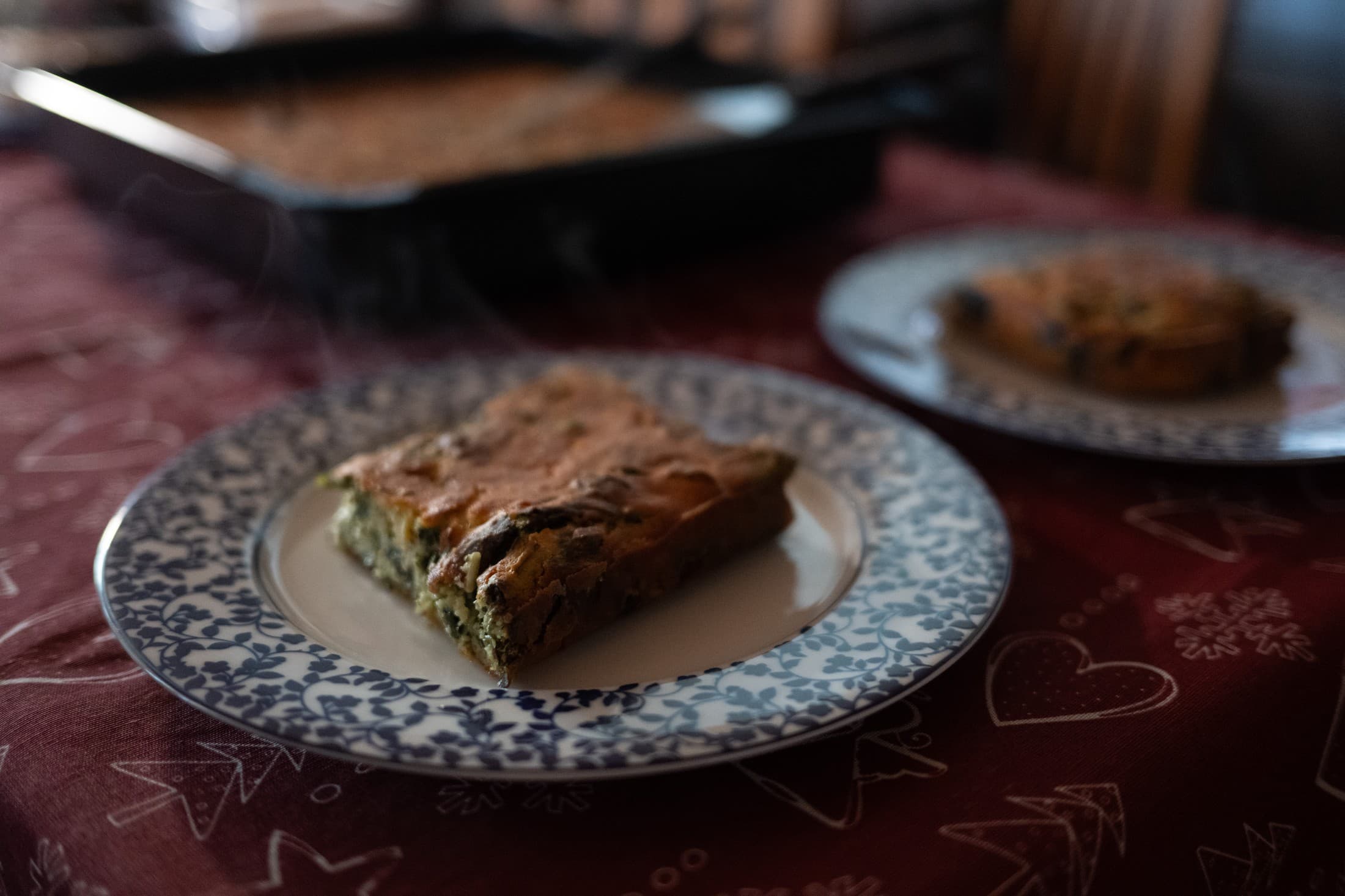
Barley dakos (rusks) topped with sour mizithra cheese and freshly grated tomato, koukofava with plenty of olive oil and finely chopped onion, buttery graviera cheeses, fragrant staka cream, aromatic marathopita (fennel pie), chochlioi boubouristoi, snails deglazed with vinegar and rosemary, vinegar-cured sausage and smoked apaki are just some of the starters designed to whet the appetite!
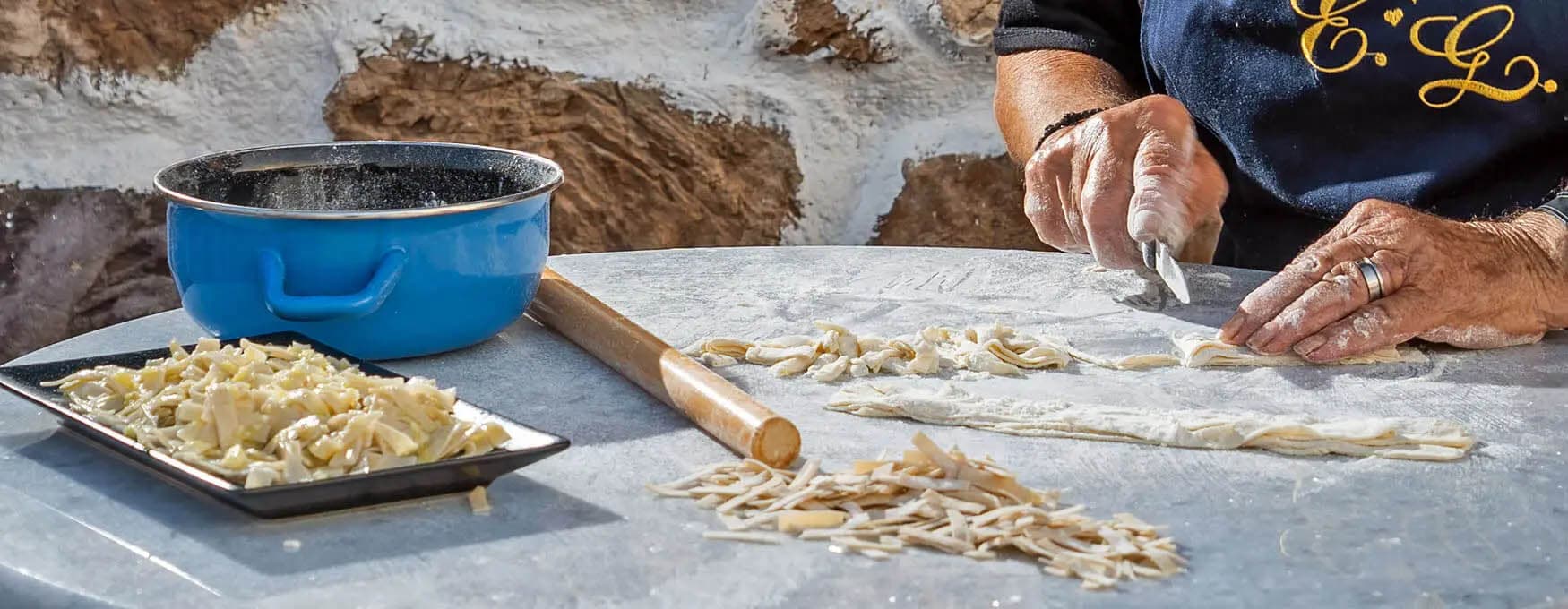
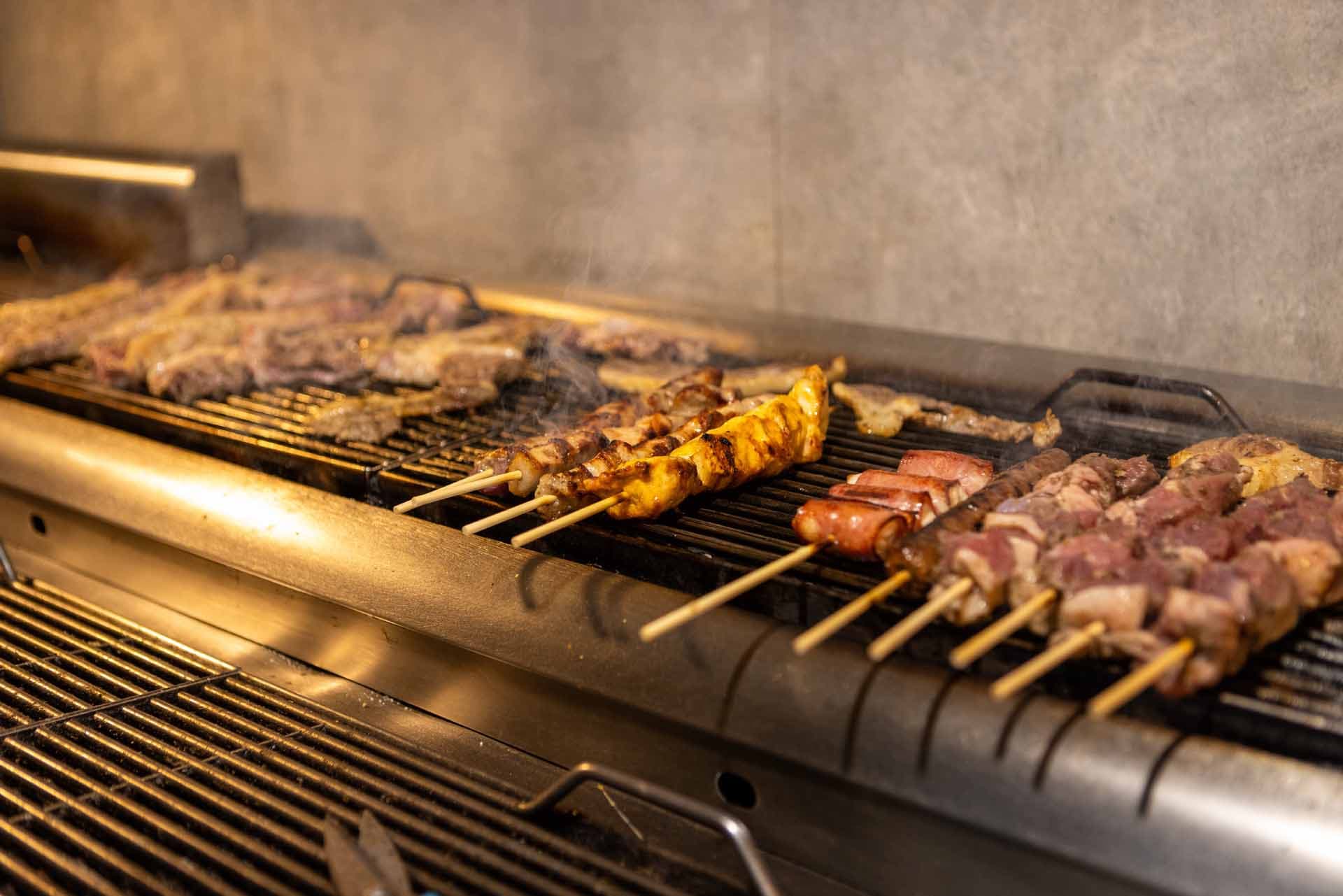
Moving on to the main courses, one might enjoy lamb fricassee with stamnagathi greens or golden thistle, goat with artichokes, rabbit in wine or pan-fried, kid goat tsigariasto or ofto, gamopilafo enriched with staka butter, chochlioi with hondros (cracked wheat), and macaroni sioufichta with dried mizithra… The varieties of this Cretan “ambrosia” are truly endless.
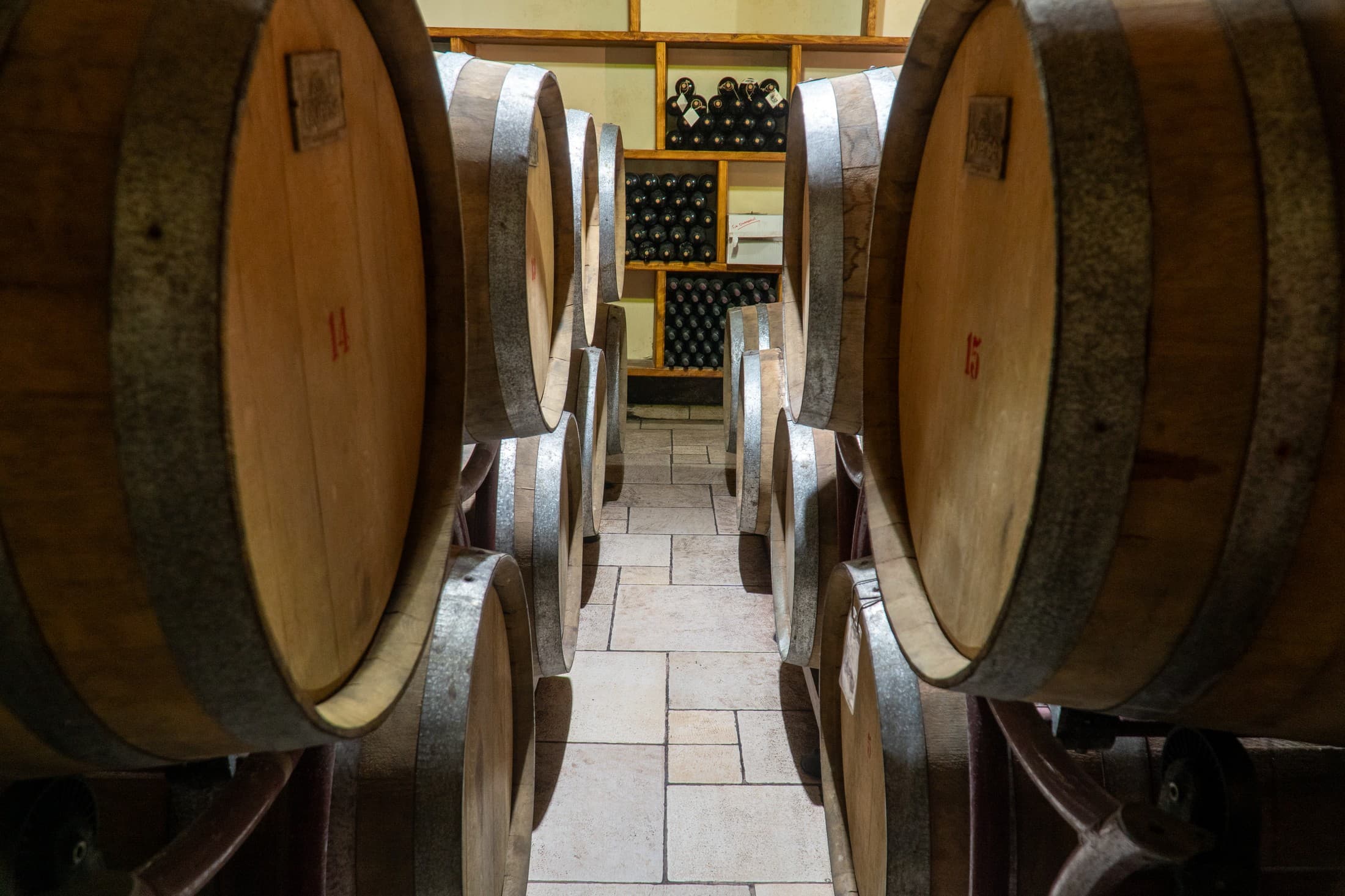
No Cretan feast is complete, of course, without homemade wine. Local grape varieties produce robust, full-bodied wines that quickly lift the mood, encouraging teasing, laughter and table-side mantinades (traditional rhyming couplets).
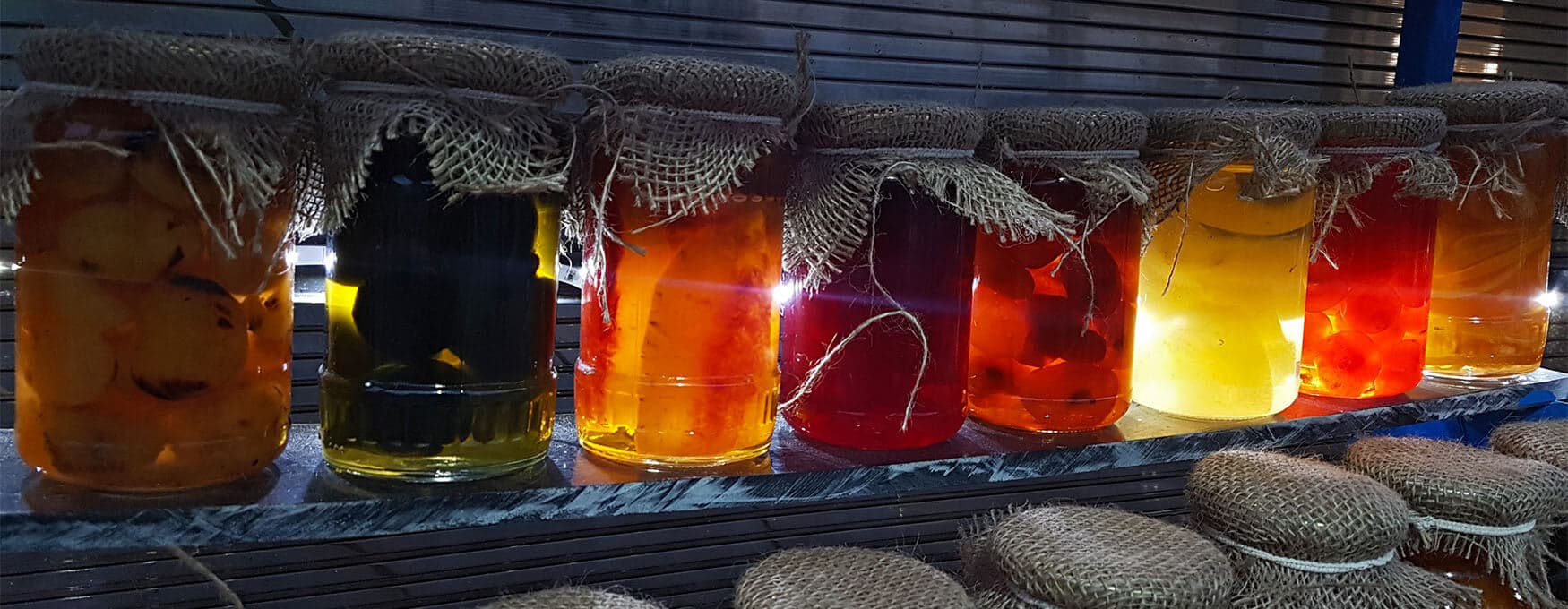
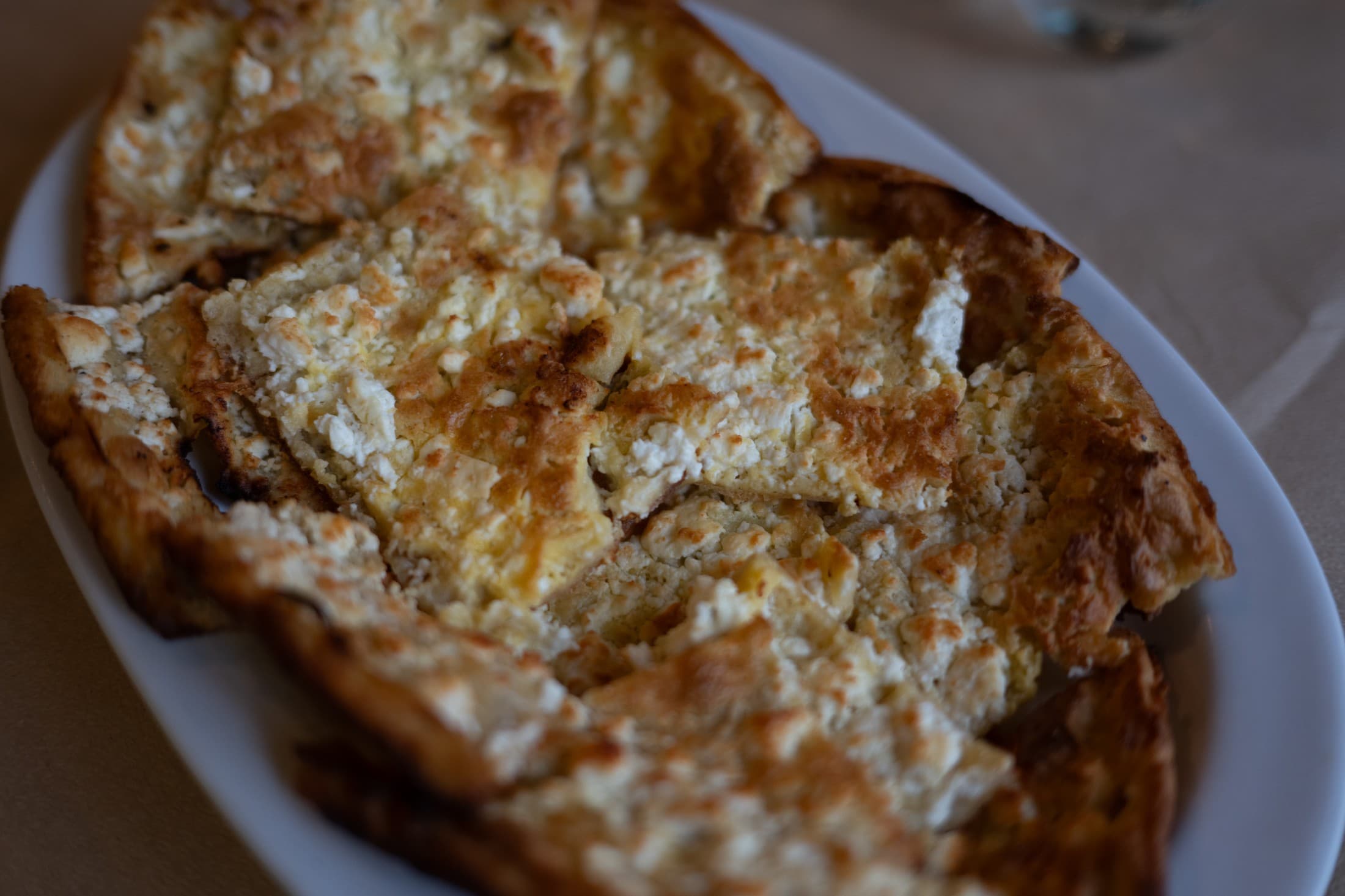
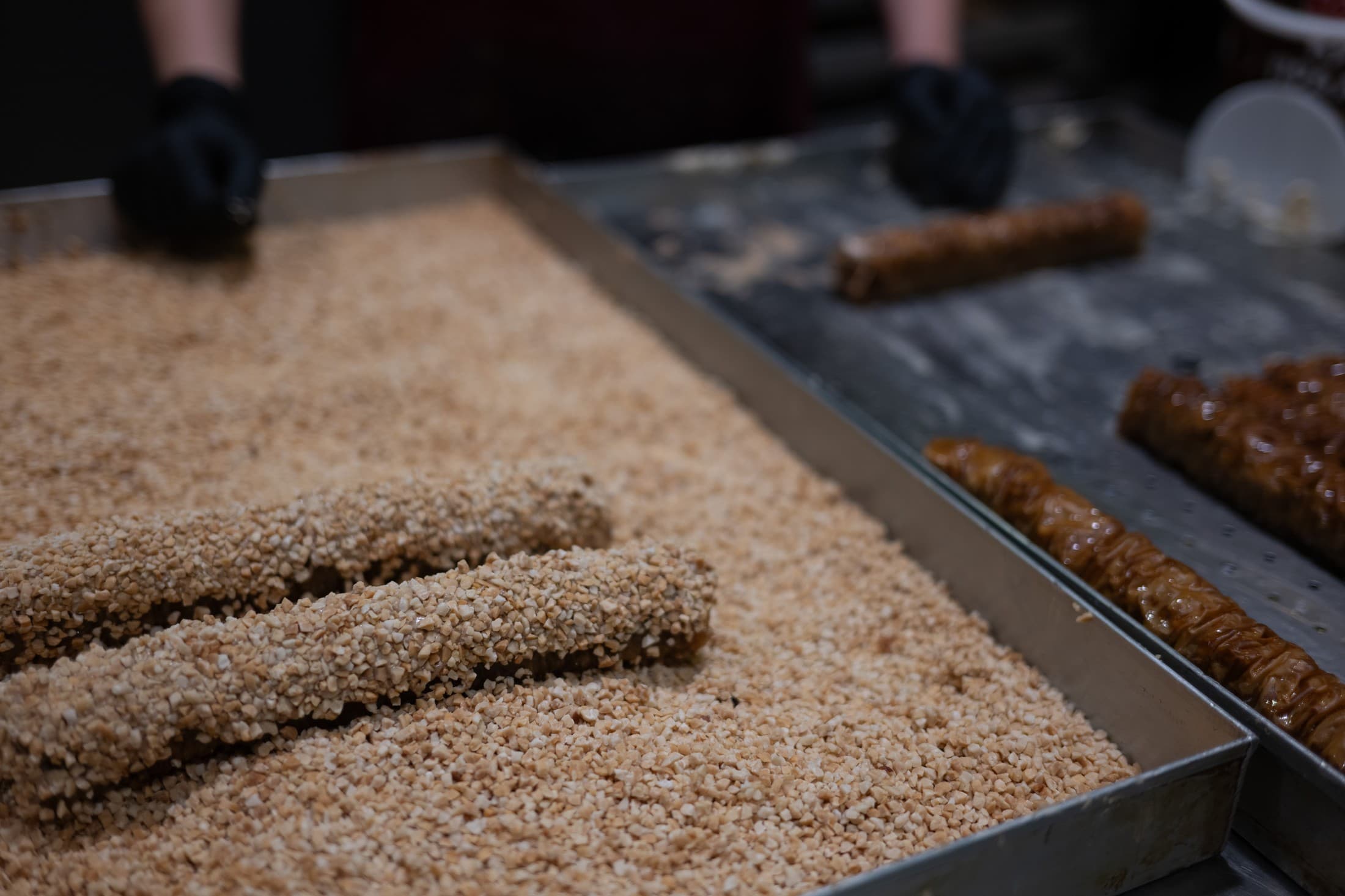
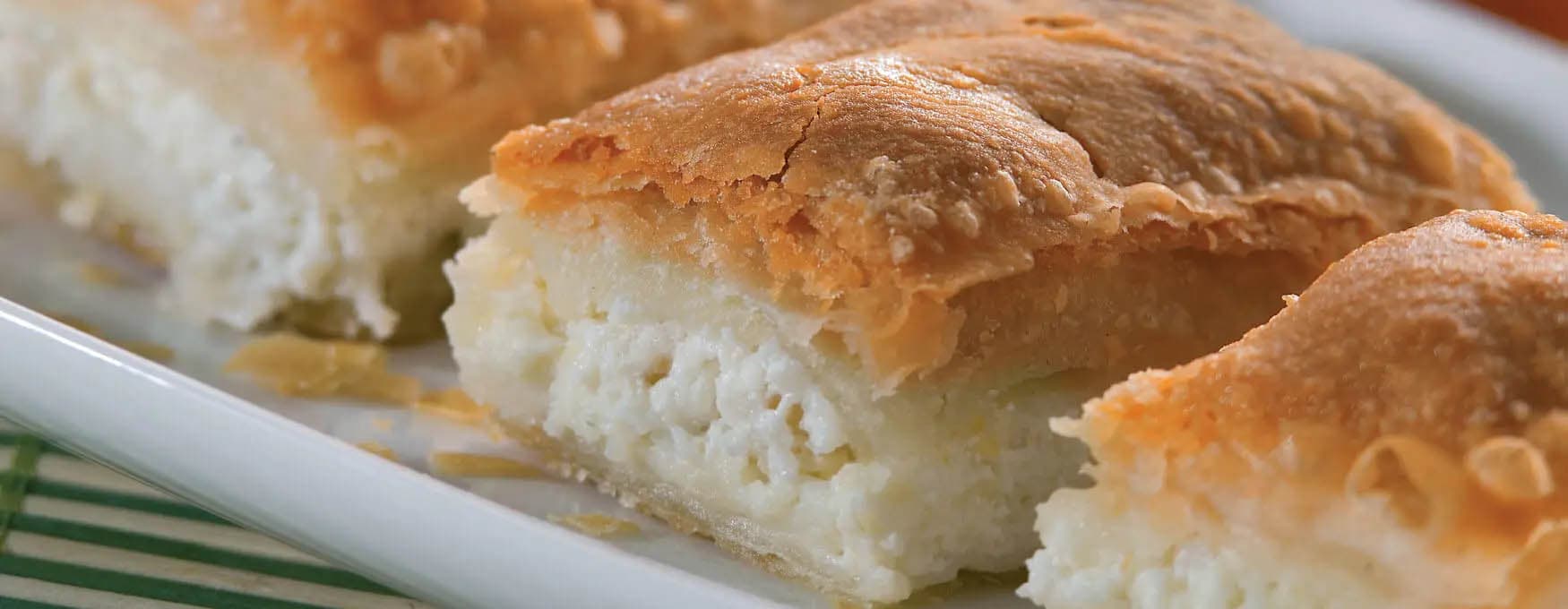
The ritual ends on a sweet note with local desserts in which fragrant thyme honey takes centre stage: lychnarakia pastries, pitarakia filled with fresh mizithra cheese and spearmint, Sfakian pies and crisp, honey-drizzled xerotigana. For digestion—and more besides—a small glass of tsikoudia works wonders. This exquisite, crystal-clear spirit, which for centuries has accompanied both sorrow and joy, is far more than just a drink. It is the identity of a culture, expressing in the finest way the essence of Cretan hospitality.
The island’s culinary tradition has its roots in the Minoan era. The frescoes of Knossos and other archaeological finds confirm that even 4,000 years ago, the ancient Cretans based their daily diet on almost the same ingredients that are still consumed today. Over the centuries, despite the various gastronomic influences of its conquerors, Crete has managed to preserve its culinary identity intact, safeguarding traditional recipes and dishes in remarkably original form. This continuity through time has laid the foundations of a strong heritage and shaped the renowned Cretan cuisine.
The greatness of simplicity
The distinctiveness of Cretan cuisine is encapsulated in the saying “whatever comes from your land”. It is remarkable how Cretans make use of the produce of their rich land: abundant fruit and vegetables, seasonal greens, legumes, wild herbs and aromatic plants are “married” with flavourful goat and sheep meat, often resulting in imaginative dishes found nowhere else in Greece. Equally impressive is the wide range of local cheeses, crowned by the famous Cretan graviera, internationally protected as a product of designation of origin. However, the undisputed star of Cretan cuisine is pure virgin olive oil, used extensively and generously in almost everything, even in sweets!
The secret of longevity
“Do not look for a pill that can replace the Cretan diet. There is no such thing.”
— Serge Renaud (French researcher), 1998
In recent decades, the “Cretan diet” has become the subject of research, medical conferences and studies. It has been scientifically proven that the Cretan way of eating, as the most refined example of the Mediterranean diet, is a valuable ally for good health and longevity.
Let’s set the table
“Come and eat with us” is the warm, hospitable invitation to enjoy the Cretan table, laid out with countless delicacies, usually in… generous, almost abundant portions.
Barley dakos (rusks) topped with sour mizithra cheese and freshly grated tomato, koukofava with plenty of olive oil and finely chopped onion, buttery graviera cheeses, fragrant staka cream, aromatic marathopita (fennel pie), chochlioi boubouristoi, snails deglazed with vinegar and rosemary, vinegar-cured sausage and smoked apaki are just some of the starters designed to whet the appetite!
Moving on to the main courses, one might enjoy lamb fricassee with stamnagathi greens or golden thistle, goat with artichokes, rabbit in wine or pan-fried, kid goat tsigariasto or ofto, gamopilafo enriched with staka butter, chochlioi with hondros (cracked wheat), and macaroni sioufichta with dried mizithra… The varieties of this Cretan “ambrosia” are truly endless.
No Cretan feast is complete, of course, without homemade wine. Local grape varieties produce robust, full-bodied wines that quickly lift the mood, encouraging teasing, laughter and table-side mantinades (traditional rhyming couplets).
The ritual ends on a sweet note with local desserts in which fragrant thyme honey takes centre stage: lychnarakia pastries, pitarakia filled with fresh mizithra cheese and spearmint, Sfakian pies and crisp, honey-drizzled xerotigana. For digestion—and more besides—a small glass of tsikoudia works wonders. This exquisite, crystal-clear spirit, which for centuries has accompanied both sorrow and joy, is far more than just a drink. It is the identity of a culture, expressing in the finest way the essence of Cretan hospitality.