If our islands had a sweet flavour, it would be like honey infused with cinnamon and clove, fragrant flower water, syrup-soaked fruits and roasted almonds. It would carry that unforgettable taste of tradition, evoking memories of carefree holidays: breakfast by the sea, a treat at a little café, offerings shared at every joyful occasion… The Greek islands are renowned for their distinctive confections, so we have gathered some of the most beloved temptations well worth sampling.
Islands brimming with sweetness!
Across most Aegean islands—particularly in the Cyclades—amygdalota take centre stage. Made from finely ground blanched almonds, generously scented with flower water and mixed with sugar, they are shaped into slender forms or little “pears” and baked in the oven. Once cooled, they are dusted with icing sugar. Especially famous are the amygdalota of Andros, Mykonos, Hydra and Spetses.
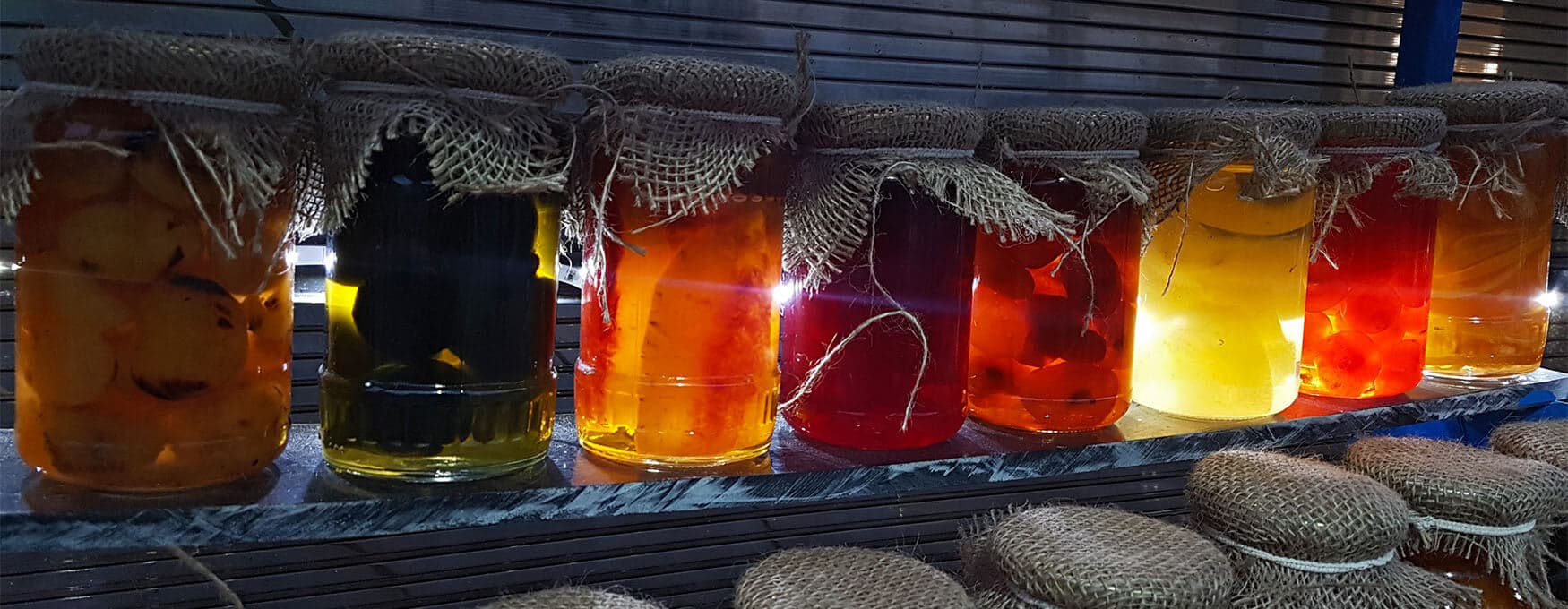
Among the most traditional sweets found on the islands, and throughout Greece, are spoon sweets. Seasonal fruits of all kinds, unripe nuts and even certain vegetables are simmered in syrup and preserved in jars all year round. The most popular varieties include sour cherry, bitter orange, grape, quince, bergamot, citron, rose, apple, fig, cherry, young walnut, chestnut, baby aubergine, cherry tomato, even olive.
Sweet traditions from island to island!
On certain islands, distinctive local sweets provide the perfect finale to your gastronomic journey. Be sure to sample these regional delights wherever you travel.
On Milos and Folegandros, you will taste karpouzenia or karpouzopita—a sweet pie made with watermelon, honey and sesame. On Anafi and Santorini, koufeto will tempt you: a classic wedding treat of blanched almonds gently simmered in thyme honey. Syros is renowned for its loukoumia (Greek delights).
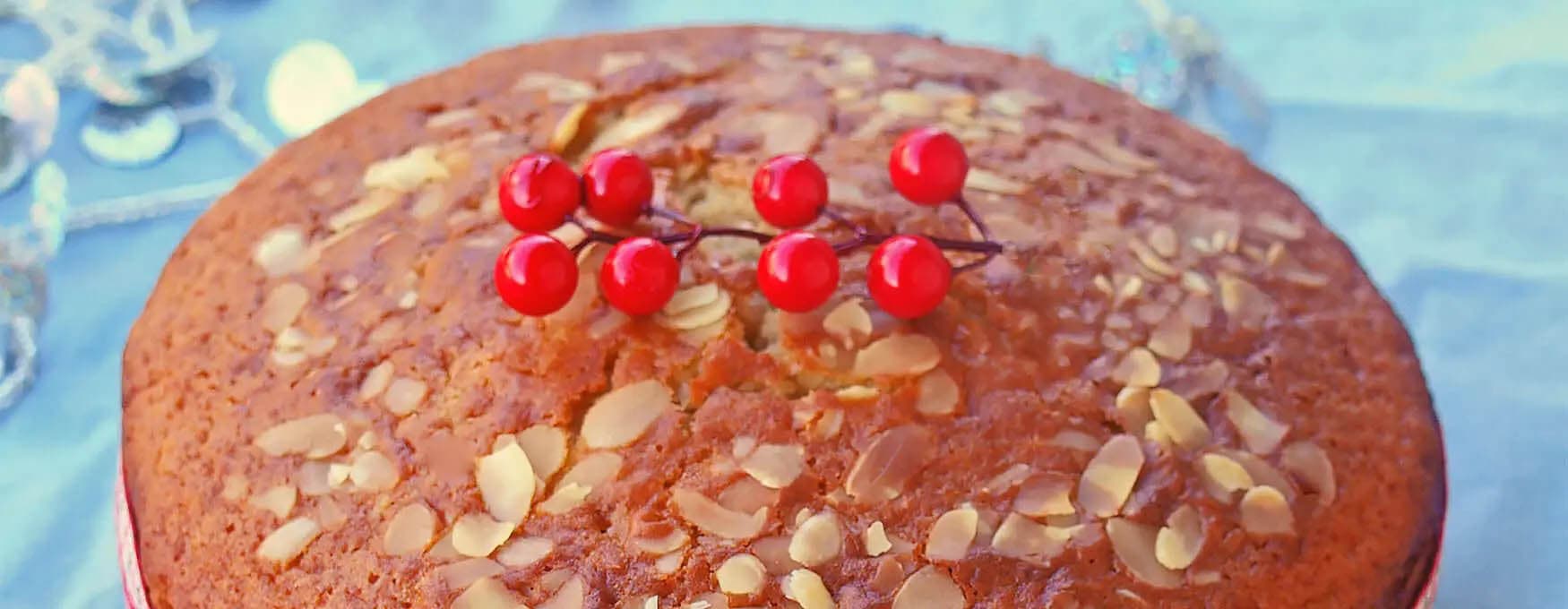
Fragrant and airy, in classic flavours such as rosewater and mastic—as well as rose, bergamot and lemon—these confections leave the sweetest memory of the island. Chios, famed for its mastic, offers the aromatic, velvety ypovrychio (“submarine sweet”). On Ios, you can sample pastelia, kalasounia (small cheese pies made with pastry, fresh mizithra, honey and cinnamon), and xerotigana. One of Naxos’s best-known desserts is melachrino—a local walnut cake enhanced with citron liqueur that elevates its flavour. You will also find exceptional spoon sweets and honey-based pies crafted with remarkable skill by the women of Naxos. A distinctive local tradition is the cultivation of citrus fruits and the production of celebrated liqueurs, foremost among them the famed NAXOS Kitron liqueur.
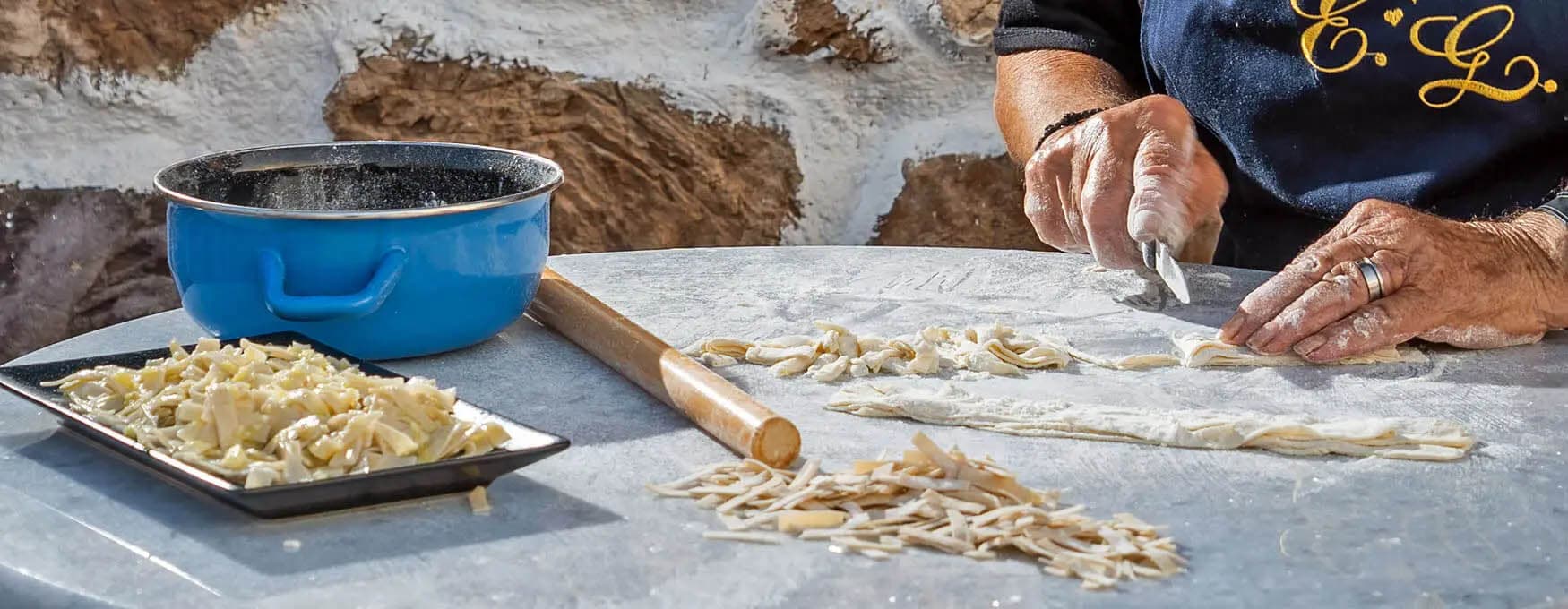
On Rhodes, katimeria (honey-drenched cookies), melekounia (a sesame-based sweet with a rich, honeyed texture), moschopoungia (filled with walnut kernels, nutmeg, flower water and icing sugar), and apricot preserve made from whole fruit are just some highlights of the island’s sweet tradition. Venizelika is a distinctive confection found only on Lemnos, made with almonds and couverture chocolate, topped with melted vanilla-flavoured ypovrychio for its glaze.
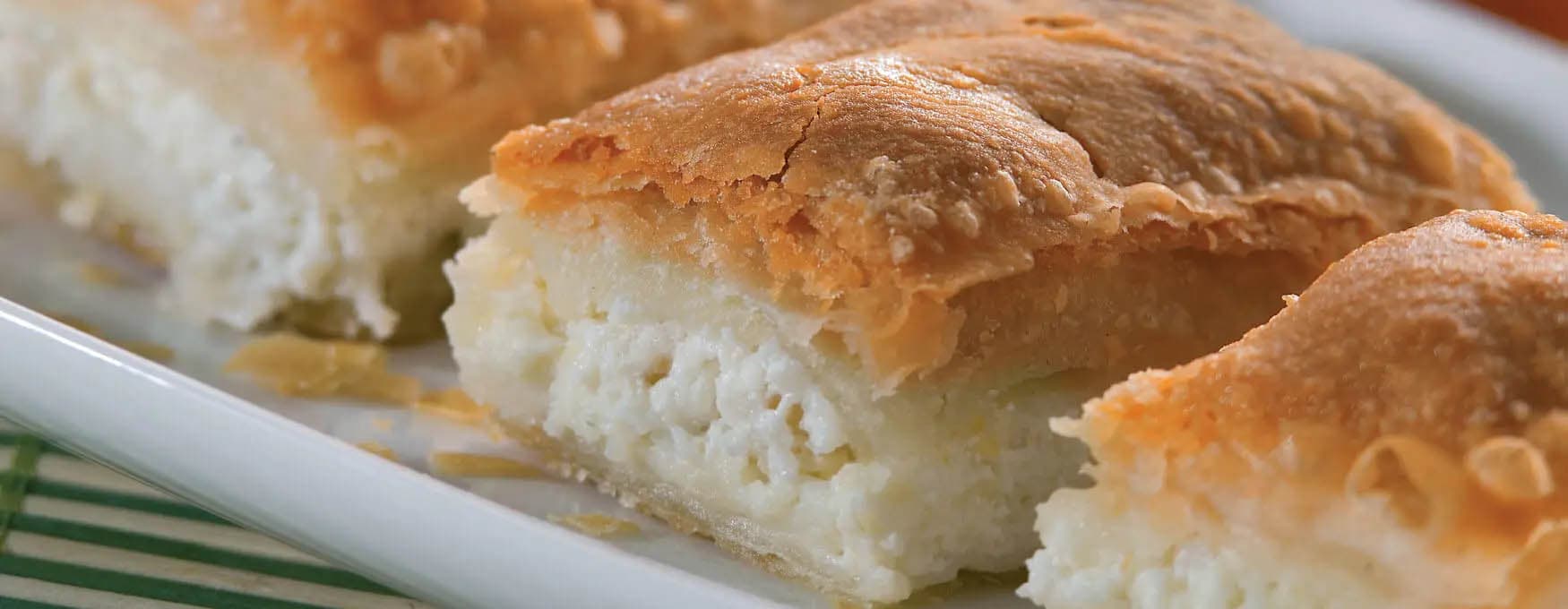
In Cretan patisserie, kalitsounia—also known as lychnarakia—take pride of place. These resemble small tarts filled with sweet local mizithra cheese and dusted with cinnamon. Once considered a classic Easter treat, they are now available in bakeries and patisseries throughout the year. A variation known as melitinia can be found on Santorini. Almost equally popular are diples or xerotigana, festive sweets traditionally served on name days and joyful celebrations.
The sweet heritage of the Ionian Islands offers a delightful array of distinctive treats. On Corfu, sample candied kumquats and sykomaides (fig pies made from dried figs, kneaded with ouzo and black pepper). On Zakynthos and Kefalonia, enjoy mantoles (sugar-coated almonds tinted red), pastelia and mandolata. On Lefkada, try ladopita and soumada (a refreshing syrup made from bitter almonds), while on Ithaca you will find rovani, a light, sweet sponge cake.
Islands brimming with sweetness!
Across most Aegean islands—particularly in the Cyclades—amygdalota take centre stage. Made from finely ground blanched almonds, generously scented with flower water and mixed with sugar, they are shaped into slender forms or little “pears” and baked in the oven. Once cooled, they are dusted with icing sugar. Especially famous are the amygdalota of Andros, Mykonos, Hydra and Spetses.
Among the most traditional sweets found on the islands, and throughout Greece, are spoon sweets. Seasonal fruits of all kinds, unripe nuts and even certain vegetables are simmered in syrup and preserved in jars all year round. The most popular varieties include sour cherry, bitter orange, grape, quince, bergamot, citron, rose, apple, fig, cherry, young walnut, chestnut, baby aubergine, cherry tomato, even olive.
Sweet traditions from island to island!
On certain islands, distinctive local sweets provide the perfect finale to your gastronomic journey. Be sure to sample these regional delights wherever you travel.
On Milos and Folegandros, you will taste karpouzenia or karpouzopita—a sweet pie made with watermelon, honey and sesame. On Anafi and Santorini, koufeto will tempt you: a classic wedding treat of blanched almonds gently simmered in thyme honey. Syros is renowned for its loukoumia (Greek delights).
Fragrant and airy, in classic flavours such as rosewater and mastic—as well as rose, bergamot and lemon—these confections leave the sweetest memory of the island. Chios, famed for its mastic, offers the aromatic, velvety ypovrychio (“submarine sweet”). On Ios, you can sample pastelia, kalasounia (small cheese pies made with pastry, fresh mizithra, honey and cinnamon), and xerotigana. One of Naxos’s best-known desserts is melachrino—a local walnut cake enhanced with citron liqueur that elevates its flavour. You will also find exceptional spoon sweets and honey-based pies crafted with remarkable skill by the women of Naxos. A distinctive local tradition is the cultivation of citrus fruits and the production of celebrated liqueurs, foremost among them the famed NAXOS Kitron liqueur.
On Rhodes, katimeria (honey-drenched cookies), melekounia (a sesame-based sweet with a rich, honeyed texture), moschopoungia (filled with walnut kernels, nutmeg, flower water and icing sugar), and apricot preserve made from whole fruit are just some highlights of the island’s sweet tradition. Venizelika is a distinctive confection found only on Lemnos, made with almonds and couverture chocolate, topped with melted vanilla-flavoured ypovrychio for its glaze.
In Cretan patisserie, kalitsounia—also known as lychnarakia—take pride of place. These resemble small tarts filled with sweet local mizithra cheese and dusted with cinnamon. Once considered a classic Easter treat, they are now available in bakeries and patisseries throughout the year. A variation known as melitinia can be found on Santorini. Almost equally popular are diples or xerotigana, festive sweets traditionally served on name days and joyful celebrations.
The sweet heritage of the Ionian Islands offers a delightful array of distinctive treats. On Corfu, sample candied kumquats and sykomaides (fig pies made from dried figs, kneaded with ouzo and black pepper). On Zakynthos and Kefalonia, enjoy mantoles (sugar-coated almonds tinted red), pastelia and mandolata. On Lefkada, try ladopita and soumada (a refreshing syrup made from bitter almonds), while on Ithaca you will find rovani, a light, sweet sponge cake.