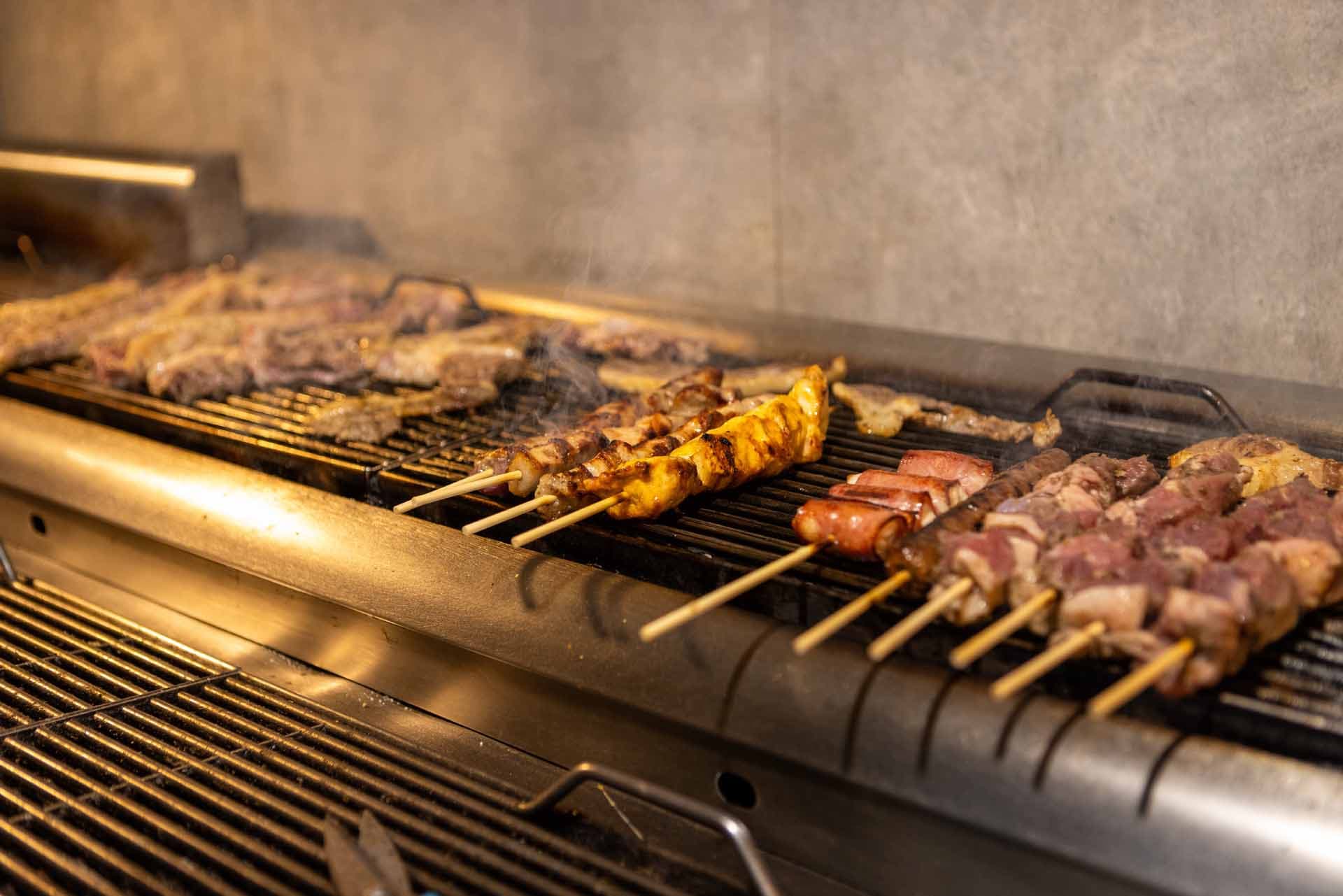
Many of us may associate Greek cuisine with meat. It is true that Greeks are fond of meat and, since ancient times, have excelled at cooking it on the spit or grill. Nevertheless, traditional Greek cuisine offers a wide variety of vegetarian dishes.
In the Greek culinary tradition, delicious flavour goes hand in hand with high nutritional value. Greek cooking rests on four secrets: fresh, quality ingredients; the skilful use of herbs and spices; the famous Greek olive oil; and its simplicity. It is based on fresh seasonal vegetables and fruit, grains, legumes and wild greens—ideal combinations for vegetarians.
Of course, you don’t have to avoid meat to appreciate a fine vegetarian dish. A break from the animal-based foods we often consume, the high nutritional value of vegetables and legumes so central to vegetarian cooking, and the unique flavours created through thoughtful combinations are just some of the reasons why the dishes that follow will soon become firm favourites.
Starters, Salads and Dips
One of the most famous Greek salads is the classic village salad: freshly chopped tomatoes, refreshing cucumber, punchy onion, delicious olives, world-renowned feta, virgin olive oil and fragrant oregano—all guaranteed to whet your appetite for what follows. The Cretan salad known as dakos will elevate your palate to new heights. It features a barley rusk topped with finely chopped tomato, crumbled myzithra or feta, olives, capers and oregano.
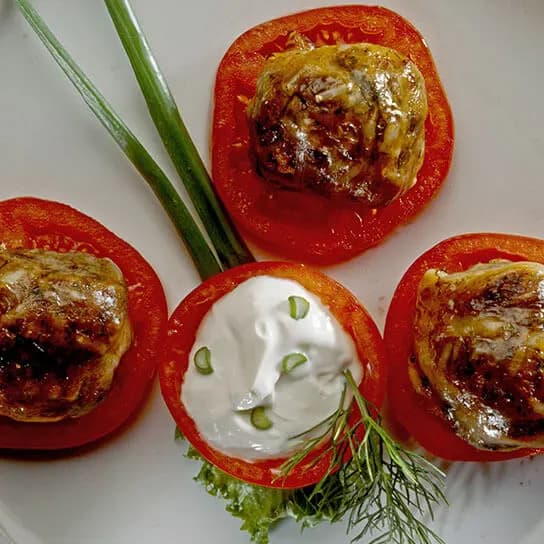
Another tempting option is wild greens (horta), served simply boiled and dressed with olive oil and lemon or vinegar, according to taste. Much-loved meze dishes include grilled vegetables and cheeses, saganaki (fried cheese), tomato fritters and vegetable fritters. Courgette-based specialities are particularly irresistible, from boiled or fried courgettes to courgette fritters and stuffed courgette flowers.
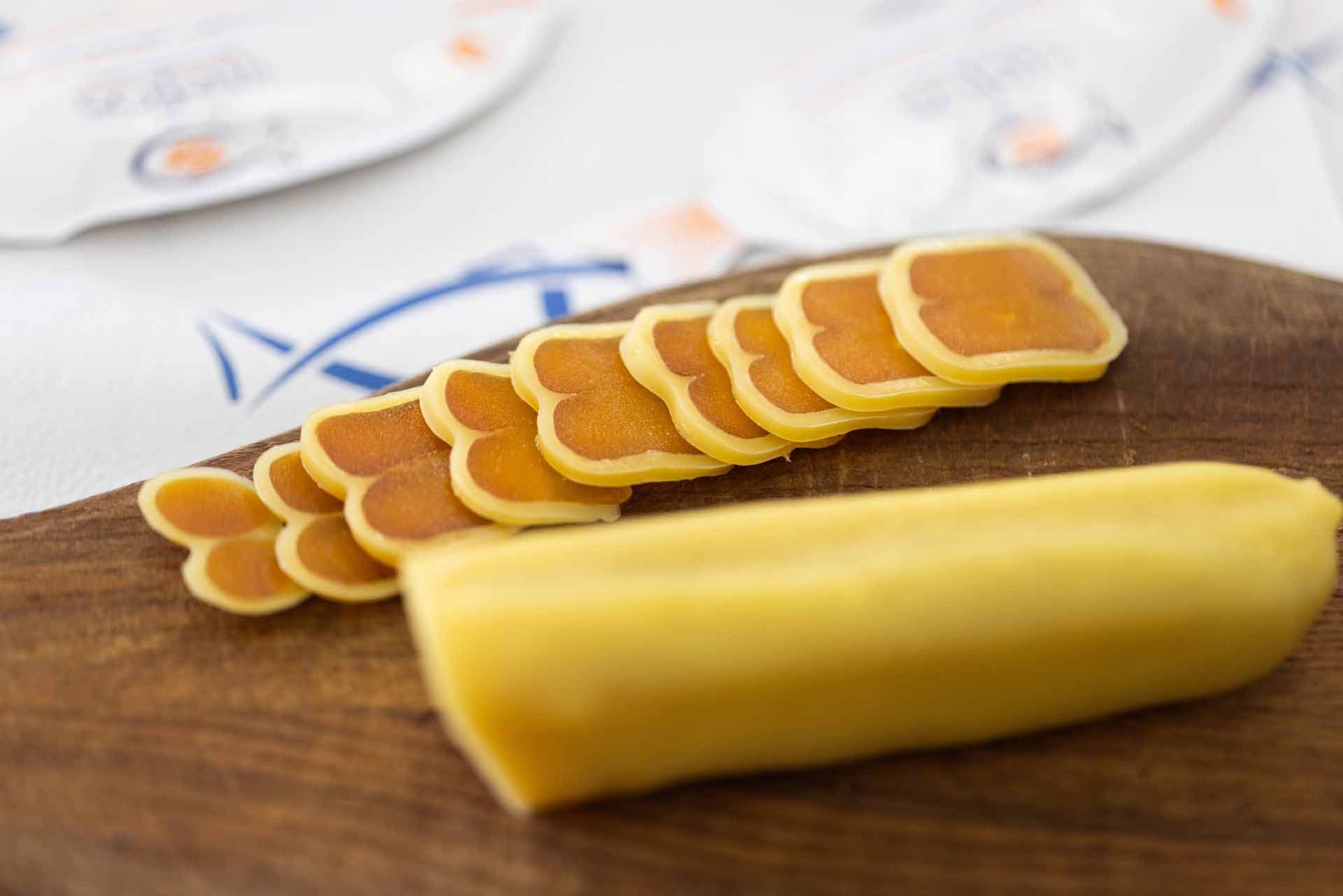
All of the above are beautifully complemented by traditional dips such as tzatziki (yoghurt cucumber dip), taramosalata (fish roe dip), melitzanosalata (aubergine dip) and skordalia (garlic dip).
Main Courses
Legumes
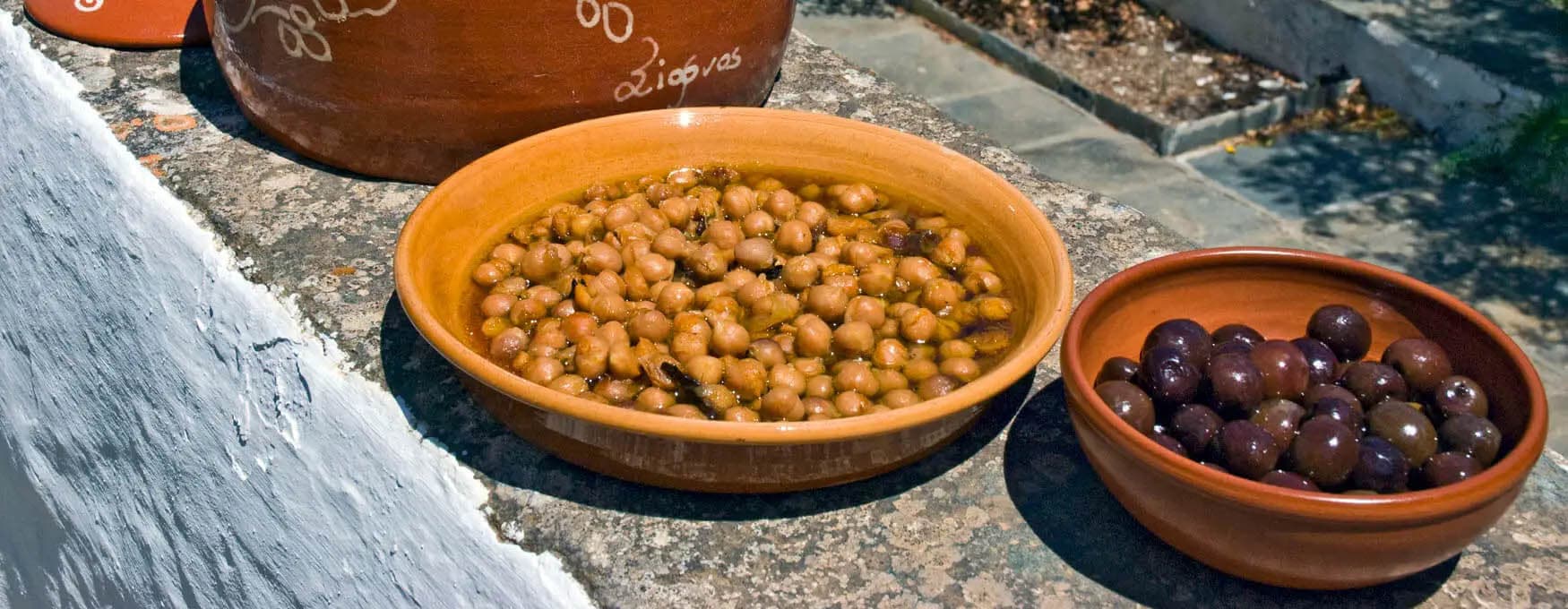
Fava (yellow split peas), giant beans, chickpeas, lentils, black-eyed beans, broad beans and many other flavourful and nutritious treasures of the Greek land form an integral part of Greek gastronomy and sit at the heart of the Mediterranean diet. They are rich in protein, iron and fibre, contain little to no fat and zero cholesterol, and are renowned for their valuable mineral content, including potassium, zinc, magnesium and calcium.
A favourite for cold winter days as well as a refreshing summer option when served as a salad, Greek legumes are celebrated for their excellent flavour. Particularly prized are those from northern Greece, where the soil’s high potassium content helps them cook more easily and enhances their taste. Notable regional varieties include beans from Prespes, lentils from Voio in Kozani, fava from Feneos and Santorini, lentils from Englouvi (Lefkada), and chickpeas from Larissa or Grevena—each with its own “place of origin”, where the unique microclimate gives them their distinctive character.
Ladera (Olive Oil Vegetable Dishes)
For Greeks, olive oil is not merely precious—it is truly sacred. It is woven into the cycle of life through age-old traditions, reflecting the vital importance of this noble “juice” to humans.
Ladera dishes are a true feast of colours and flavours. Vegetables, whether fresh or dried, are cooked in a way that preserves their full nutritional value. Peas and okra, artichokes (as briam or à la polita), and aubergines (such as imam bayildi) are simple ingredients that, with the addition of onion, herbs, spices and that prized olive oil, are transformed into deeply satisfying dishes. Particularly beloved by all ages are stuffed vegetables, such as tomatoes, peppers and courgettes, prepared without minced meat.
Pies
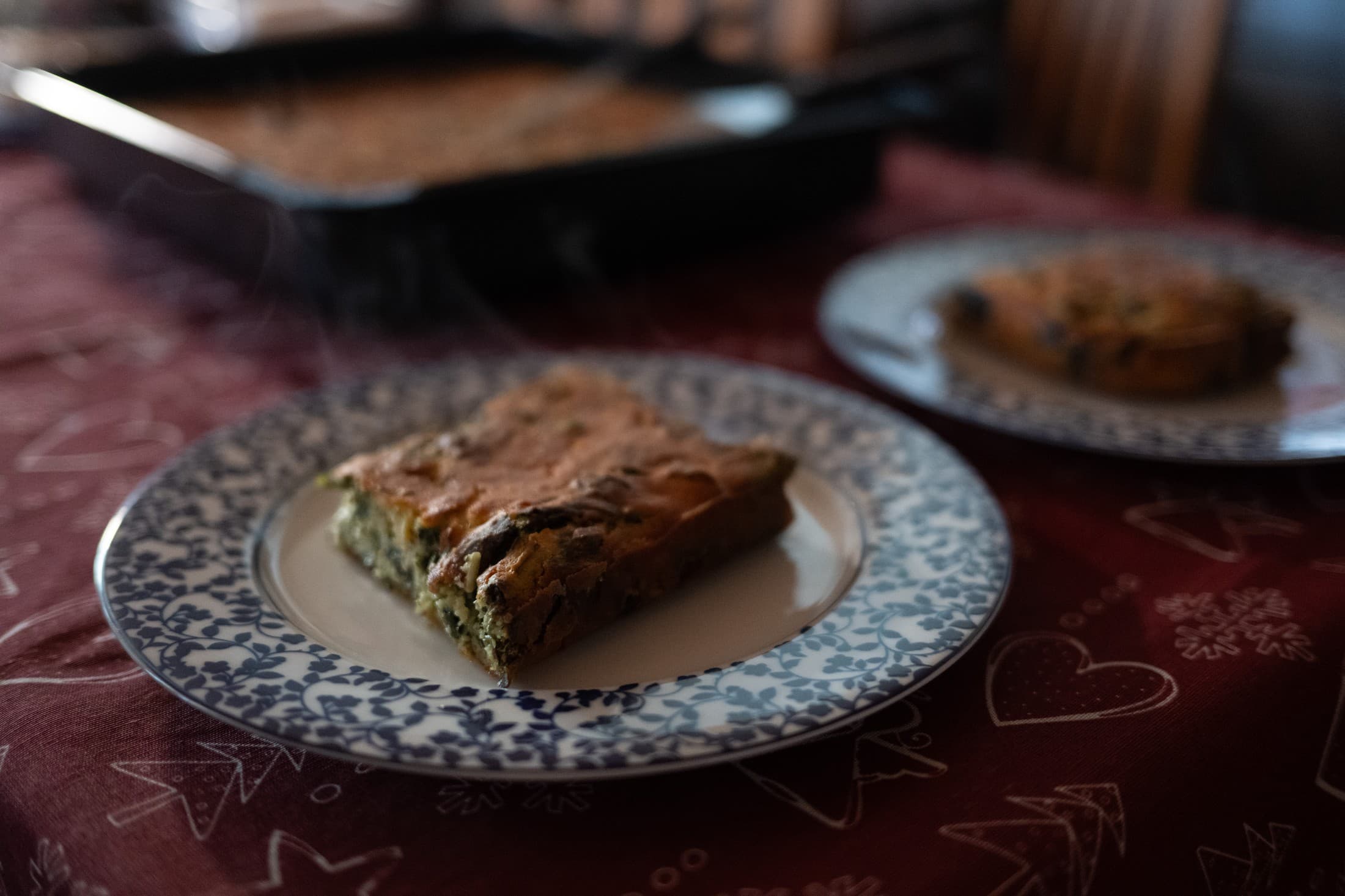
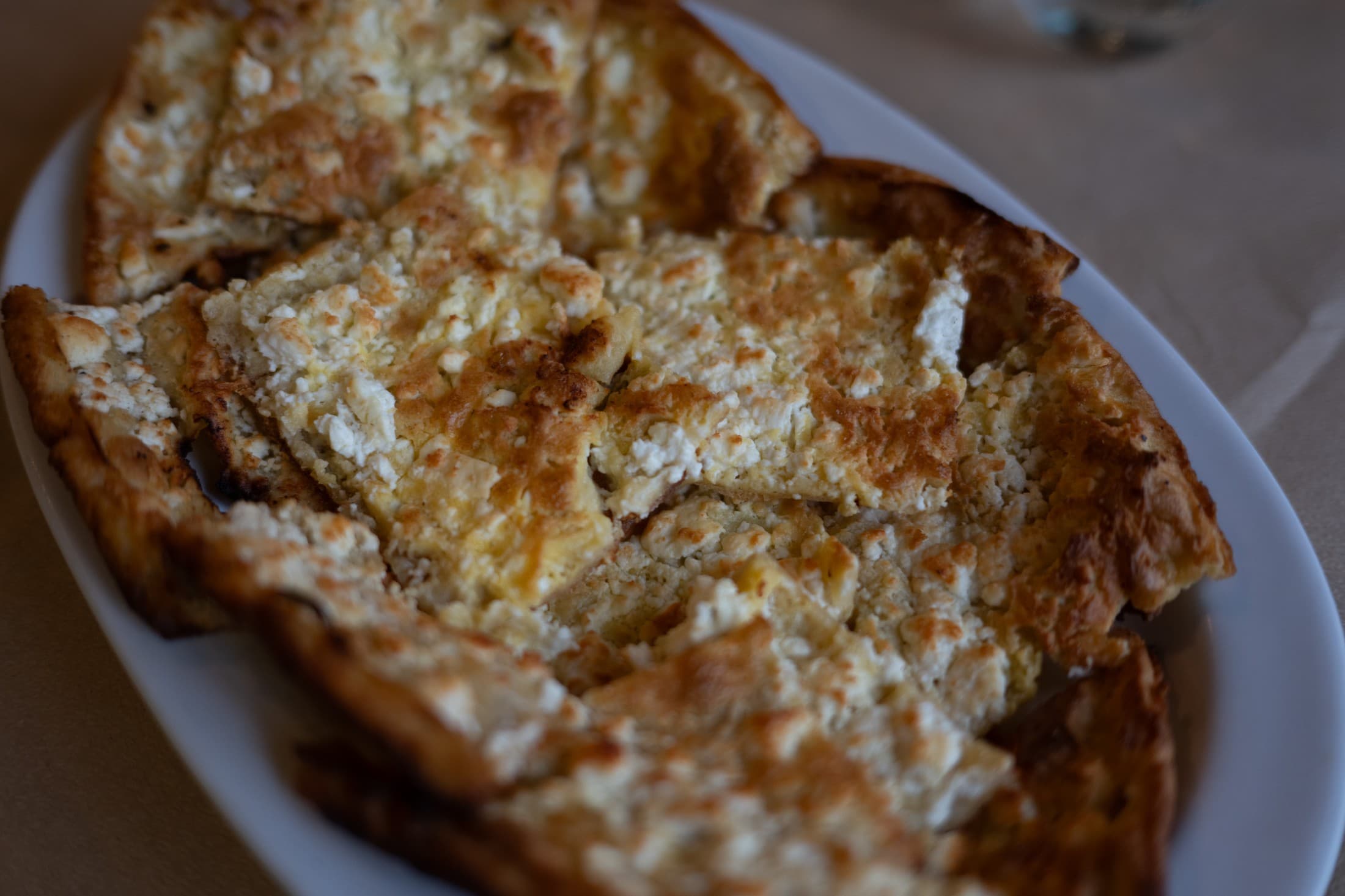
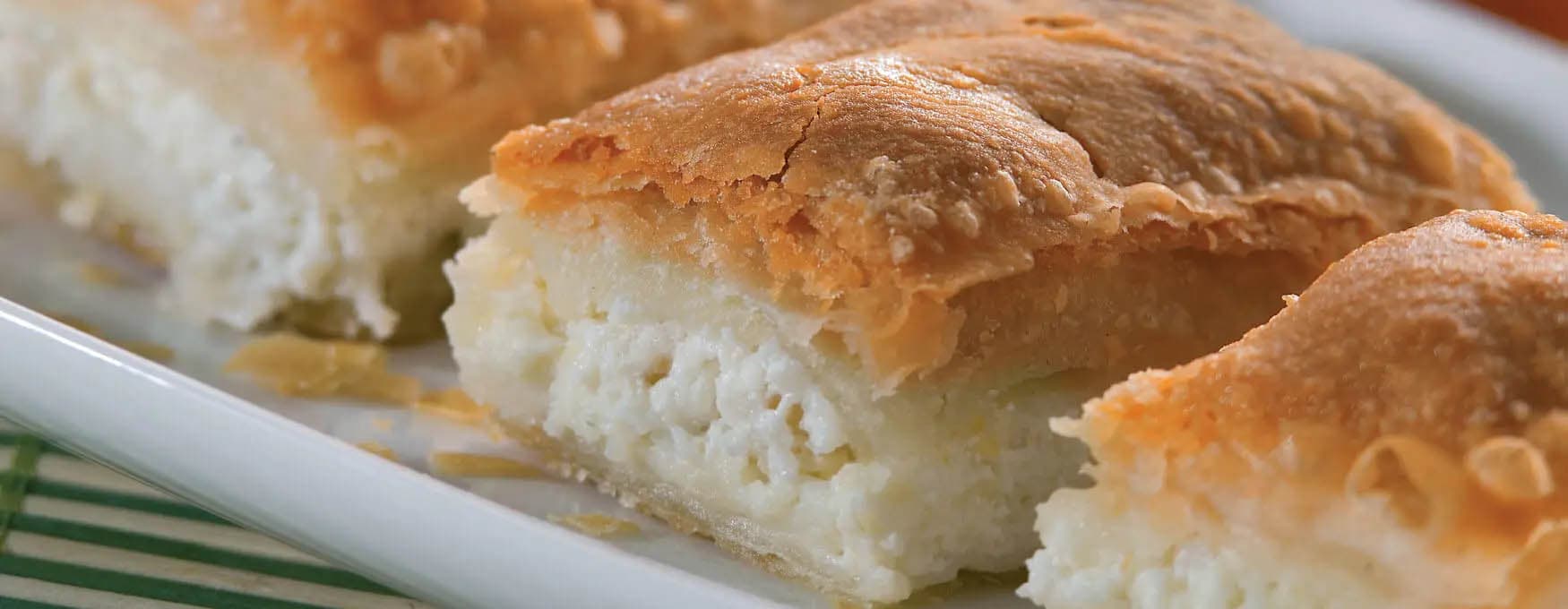
Whether savoury or sweet, made with filo or puff pastry, round, spiral or triangular, every day or celebratory, simple or elaborate, traditional pies are a cornerstone of Greek cuisine. Perfectly expressing the Greek culinary spirit of simplicity, pies are flavourful masterpieces crafted from humble ingredients, combining the wisdom of frugal cooking with the heights of gastronomy. They can serve as an essential accompaniment to a generous table or as a delicious and wholesome snack throughout the day.
Beyond the variations in pastry, the range of fillings is virtually limitless! It depends only on the ingenuity of the “creator” and the distinctive local produce of each region. Everything can become a pie! Cheese, wild greens, pasta, rice, trachanas and vegetables… whatever the imagination allows! Cheese pie, spinach pie, leek pie, nettle pie, mushroom pie, onion pie, cabbage pie, potato pie, pasta pie, courgette pie… the creations are truly endless.
Pasta
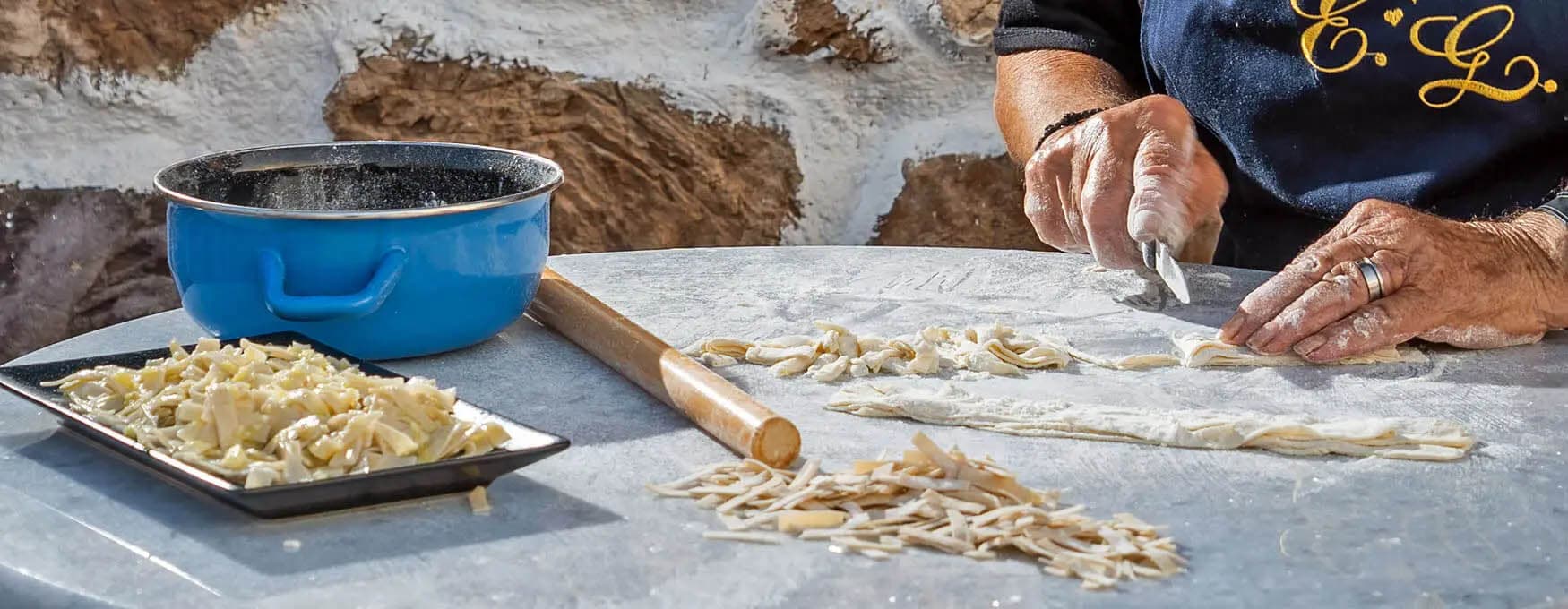
Greek pasta comes in countless shapes and sizes. Some varieties are made with the addition of milk and eggs, while others rely on a simple mixture of durum wheat or semolina, water and salt. The tradition of handmade pasta is kept alive mainly by women, who each summer prepare these treasured staples of the Greek table, leaving them to dry in the sun so they are ready for the winter months.
Hilopites (in small, broad or fine cuts), kritharaki (orzo), trachanas, lasagne-style sheets, astraki (stelline) and fides(vermicelli) are among the most familiar types you will find, often produced by women’s cooperatives across both mainland and island Greece.
In the Greek culinary tradition, delicious flavour goes hand in hand with high nutritional value. Greek cooking rests on four secrets: fresh, quality ingredients; the skilful use of herbs and spices; the famous Greek olive oil; and its simplicity. It is based on fresh seasonal vegetables and fruit, grains, legumes and wild greens—ideal combinations for vegetarians.
Of course, you don’t have to avoid meat to appreciate a fine vegetarian dish. A break from the animal-based foods we often consume, the high nutritional value of vegetables and legumes so central to vegetarian cooking, and the unique flavours created through thoughtful combinations are just some of the reasons why the dishes that follow will soon become firm favourites.
Starters, Salads and Dips
One of the most famous Greek salads is the classic village salad: freshly chopped tomatoes, refreshing cucumber, punchy onion, delicious olives, world-renowned feta, virgin olive oil and fragrant oregano—all guaranteed to whet your appetite for what follows. The Cretan salad known as dakos will elevate your palate to new heights. It features a barley rusk topped with finely chopped tomato, crumbled myzithra or feta, olives, capers and oregano.
Another tempting option is wild greens (horta), served simply boiled and dressed with olive oil and lemon or vinegar, according to taste. Much-loved meze dishes include grilled vegetables and cheeses, saganaki (fried cheese), tomato fritters and vegetable fritters. Courgette-based specialities are particularly irresistible, from boiled or fried courgettes to courgette fritters and stuffed courgette flowers.
All of the above are beautifully complemented by traditional dips such as tzatziki (yoghurt cucumber dip), taramosalata (fish roe dip), melitzanosalata (aubergine dip) and skordalia (garlic dip).
Main Courses
Legumes
Fava (yellow split peas), giant beans, chickpeas, lentils, black-eyed beans, broad beans and many other flavourful and nutritious treasures of the Greek land form an integral part of Greek gastronomy and sit at the heart of the Mediterranean diet. They are rich in protein, iron and fibre, contain little to no fat and zero cholesterol, and are renowned for their valuable mineral content, including potassium, zinc, magnesium and calcium.
A favourite for cold winter days as well as a refreshing summer option when served as a salad, Greek legumes are celebrated for their excellent flavour. Particularly prized are those from northern Greece, where the soil’s high potassium content helps them cook more easily and enhances their taste. Notable regional varieties include beans from Prespes, lentils from Voio in Kozani, fava from Feneos and Santorini, lentils from Englouvi (Lefkada), and chickpeas from Larissa or Grevena—each with its own “place of origin”, where the unique microclimate gives them their distinctive character.
Ladera (Olive Oil Vegetable Dishes)
For Greeks, olive oil is not merely precious—it is truly sacred. It is woven into the cycle of life through age-old traditions, reflecting the vital importance of this noble “juice” to humans.
Ladera dishes are a true feast of colours and flavours. Vegetables, whether fresh or dried, are cooked in a way that preserves their full nutritional value. Peas and okra, artichokes (as briam or à la polita), and aubergines (such as imam bayildi) are simple ingredients that, with the addition of onion, herbs, spices and that prized olive oil, are transformed into deeply satisfying dishes. Particularly beloved by all ages are stuffed vegetables, such as tomatoes, peppers and courgettes, prepared without minced meat.
Pies
Whether savoury or sweet, made with filo or puff pastry, round, spiral or triangular, every day or celebratory, simple or elaborate, traditional pies are a cornerstone of Greek cuisine. Perfectly expressing the Greek culinary spirit of simplicity, pies are flavourful masterpieces crafted from humble ingredients, combining the wisdom of frugal cooking with the heights of gastronomy. They can serve as an essential accompaniment to a generous table or as a delicious and wholesome snack throughout the day.
Beyond the variations in pastry, the range of fillings is virtually limitless! It depends only on the ingenuity of the “creator” and the distinctive local produce of each region. Everything can become a pie! Cheese, wild greens, pasta, rice, trachanas and vegetables… whatever the imagination allows! Cheese pie, spinach pie, leek pie, nettle pie, mushroom pie, onion pie, cabbage pie, potato pie, pasta pie, courgette pie… the creations are truly endless.
Pasta
Greek pasta comes in countless shapes and sizes. Some varieties are made with the addition of milk and eggs, while others rely on a simple mixture of durum wheat or semolina, water and salt. The tradition of handmade pasta is kept alive mainly by women, who each summer prepare these treasured staples of the Greek table, leaving them to dry in the sun so they are ready for the winter months.
Hilopites (in small, broad or fine cuts), kritharaki (orzo), trachanas, lasagne-style sheets, astraki (stelline) and fides(vermicelli) are among the most familiar types you will find, often produced by women’s cooperatives across both mainland and island Greece.