Βαδίζοντας στα Χνάρια του Μύθου
Η πελοποννησιακή γη φιλοξενεί στα σπλάχνα της έναν από τους σημαντικότερους πολιτισμούς που άνθισαν κάτω από το ελληνικό φως, τον Μυκηναϊκό. Οι πολύχρυσες Μυκήνες αποτελούν τη γενέθλια γη προσωπικοτήτων που σφράγισαν το συλλογικό ασυνείδητο της ανθρωπότητας.
Η Πόλη του Αγαμέμνονα και των Ηρώων
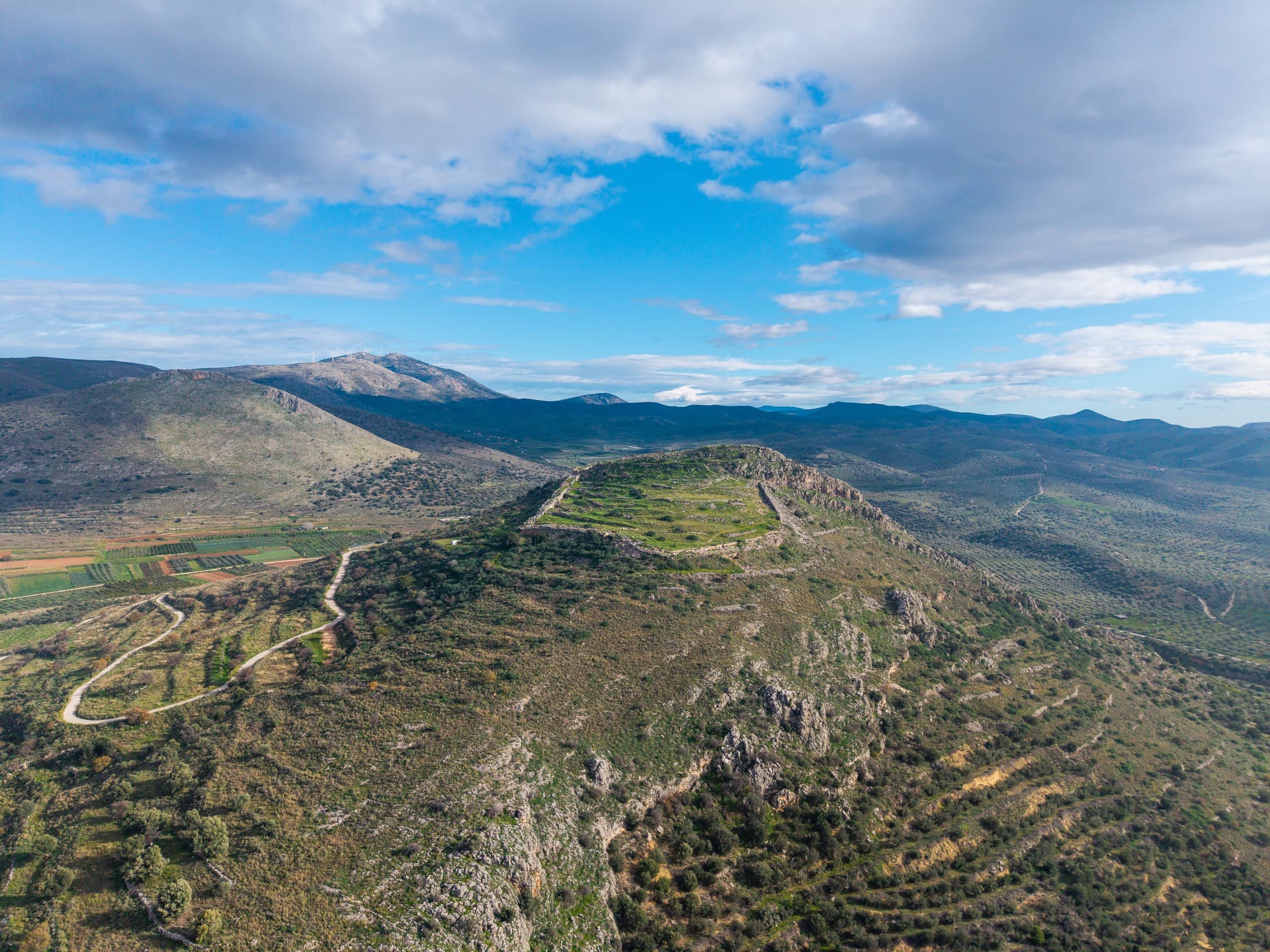
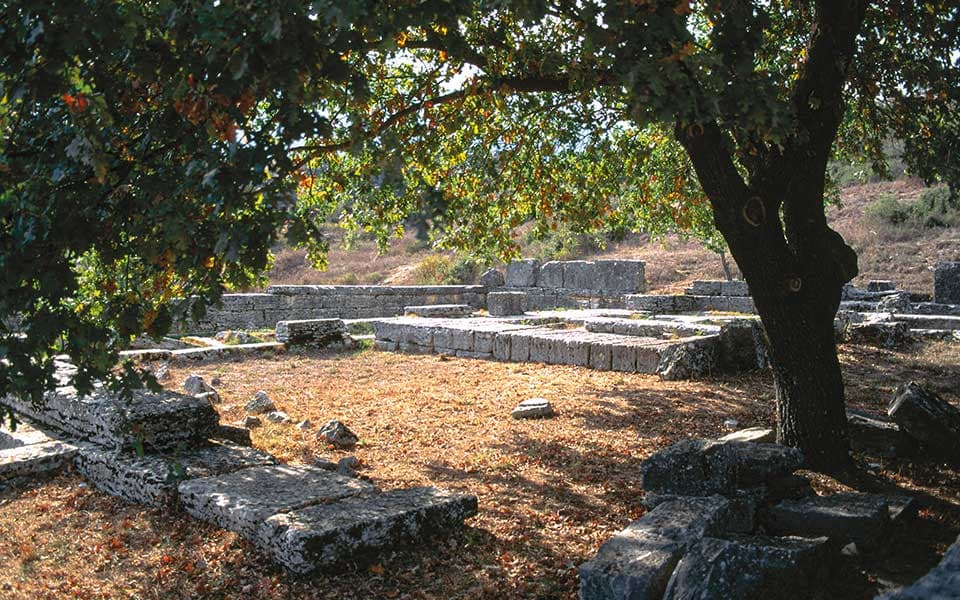
Ο Όμηρος και η αρχαία τραγωδία διέσωσαν ονόματα όπως ο Αγαμέμνονας, ο Μενέλαος, ο Περσέας και ο Ατρέας, που φαντάζουν προπάτορες όλης της Ευρώπης. Οι ανασκαφές υποδεικνύουν ότι η περιοχή κατοικήθηκε ήδη από την 7η χιλιετία π.Χ. Με θέση οχυρή ανάμεσα στους λόφους του Προφήτη Ηλία και της Σάρας και με άφθονο νερό, αποτέλεσε ιδανικό τόπο εγκατάστασης.
Η Εποχή της Μεγάλης Ακμής
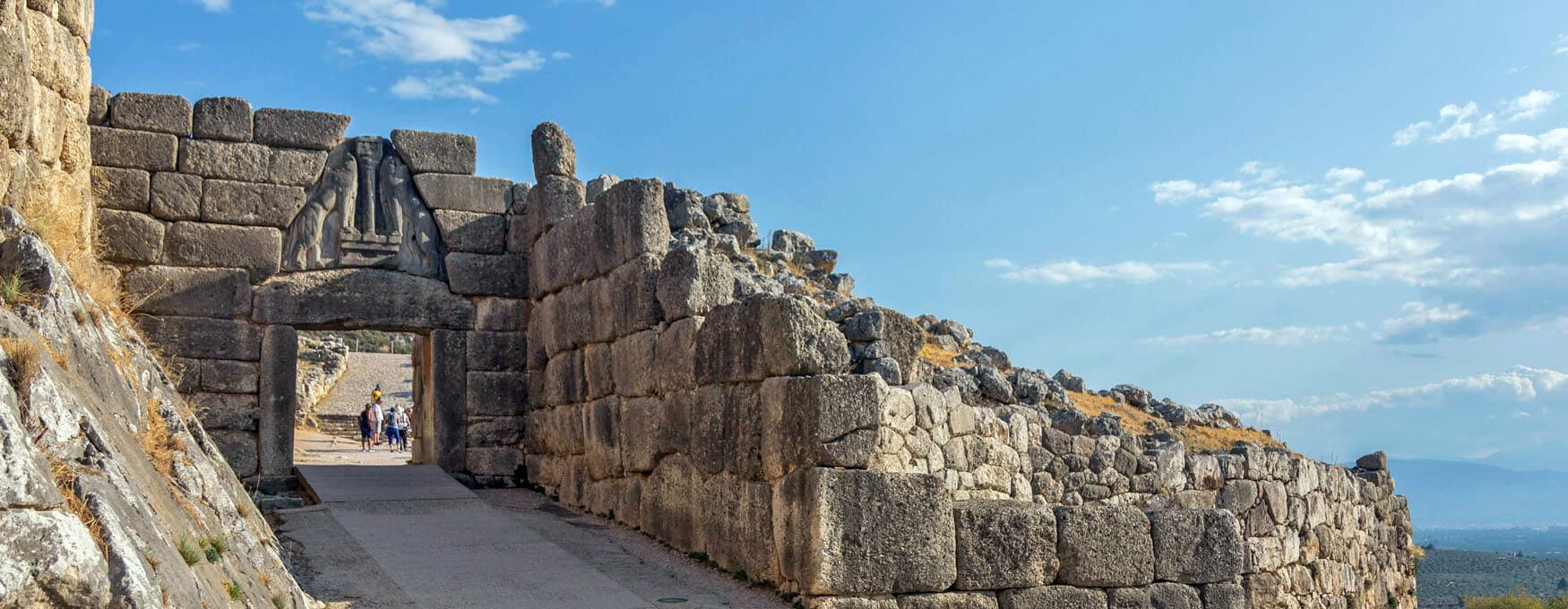
Η περίοδος της μέγιστης ισχύος τοποθετείται στην ύστερη Εποχή του Χαλκού, ανάμεσα στο 1350 και το 1200 π.Χ. Ωστόσο, οι πρώτες ηγεμονικές φατρίες εμφανίστηκαν ήδη από το 1700 π.Χ., οπότε και κατασκευάστηκαν οι πρώτοι μνημειώδεις τάφοι. Η αρχιτεκτονική εξέλιξη έκτοτε υπήρξε ιλιγγιώδης, με την κατασκευή ανακτορικών συγκροτημάτων και κυκλώπειων τειχών που προκαλούν δέος μέχρι σήμερα.
Αρχιτεκτονικά Επιτεύγματα και Παρακμή
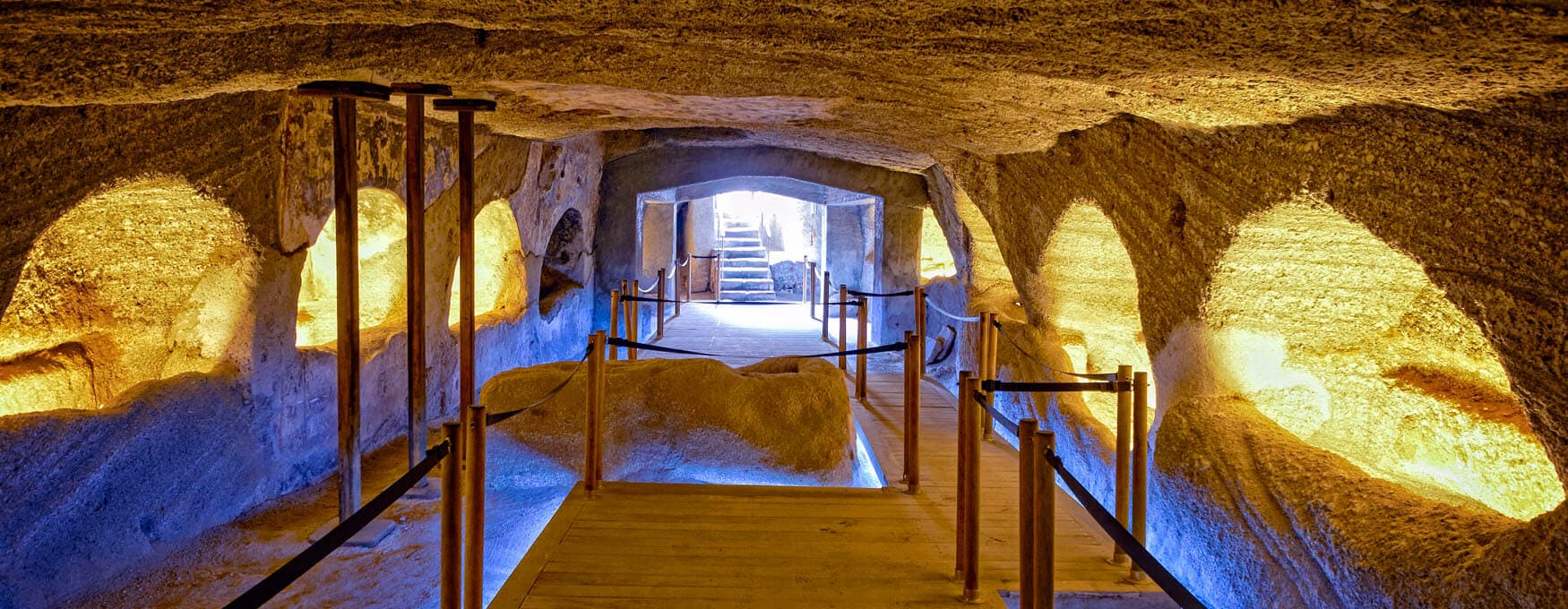
Το συγκρότημα περιλαμβάνει τον περίφημο «Θησαυρό του Ατρέα», τεράστια υπέρθυρα, κρήνες και προμαχώνες, συνθέτοντας ένα από τα μεγαλύτερα αρχιτεκτονικά συμπλέγματα του αρχαίου κόσμου. Παρά το μεγαλείο της, η αυτοκρατορία παρήκμασε γύρω στο 1100 π.Χ., πιθανόν λόγω σεισμών και πυρκαγιών. Η κληρονομιά της όμως παρέμεινε ανεξίτηλη παγκοσμίως.
Πρόσβαση
Οι Μυκήνες βρίσκονται σε στρατηγικό σημείο της Αργολίδας. Απέχουν 140 χιλιόμετρα από την Αθήνα και μόλις 24 χιλιόμετρα από το Ναύπλιο, αποτελώντας έναν απαραίτητο σταθμό για κάθε ταξιδιώτη που επιθυμεί να γνωρίσει τις ρίζες του ευρωπαϊκού πολιτισμού.
Η Πόλη του Αγαμέμνονα και των Ηρώων
Ο Όμηρος και η αρχαία τραγωδία διέσωσαν ονόματα όπως ο Αγαμέμνονας, ο Μενέλαος, ο Περσέας και ο Ατρέας, που φαντάζουν προπάτορες όλης της Ευρώπης. Οι ανασκαφές υποδεικνύουν ότι η περιοχή κατοικήθηκε ήδη από την 7η χιλιετία π.Χ. Με θέση οχυρή ανάμεσα στους λόφους του Προφήτη Ηλία και της Σάρας και με άφθονο νερό, αποτέλεσε ιδανικό τόπο εγκατάστασης.
Η Εποχή της Μεγάλης Ακμής
Η περίοδος της μέγιστης ισχύος τοποθετείται στην ύστερη Εποχή του Χαλκού, ανάμεσα στο 1350 και το 1200 π.Χ. Ωστόσο, οι πρώτες ηγεμονικές φατρίες εμφανίστηκαν ήδη από το 1700 π.Χ., οπότε και κατασκευάστηκαν οι πρώτοι μνημειώδεις τάφοι. Η αρχιτεκτονική εξέλιξη έκτοτε υπήρξε ιλιγγιώδης, με την κατασκευή ανακτορικών συγκροτημάτων και κυκλώπειων τειχών που προκαλούν δέος μέχρι σήμερα.
Αρχιτεκτονικά Επιτεύγματα και Παρακμή
Το συγκρότημα περιλαμβάνει τον περίφημο «Θησαυρό του Ατρέα», τεράστια υπέρθυρα, κρήνες και προμαχώνες, συνθέτοντας ένα από τα μεγαλύτερα αρχιτεκτονικά συμπλέγματα του αρχαίου κόσμου. Παρά το μεγαλείο της, η αυτοκρατορία παρήκμασε γύρω στο 1100 π.Χ., πιθανόν λόγω σεισμών και πυρκαγιών. Η κληρονομιά της όμως παρέμεινε ανεξίτηλη παγκοσμίως.
Πρόσβαση
Οι Μυκήνες βρίσκονται σε στρατηγικό σημείο της Αργολίδας. Απέχουν 140 χιλιόμετρα από την Αθήνα και μόλις 24 χιλιόμετρα από το Ναύπλιο, αποτελώντας έναν απαραίτητο σταθμό για κάθε ταξιδιώτη που επιθυμεί να γνωρίσει τις ρίζες του ευρωπαϊκού πολιτισμού.