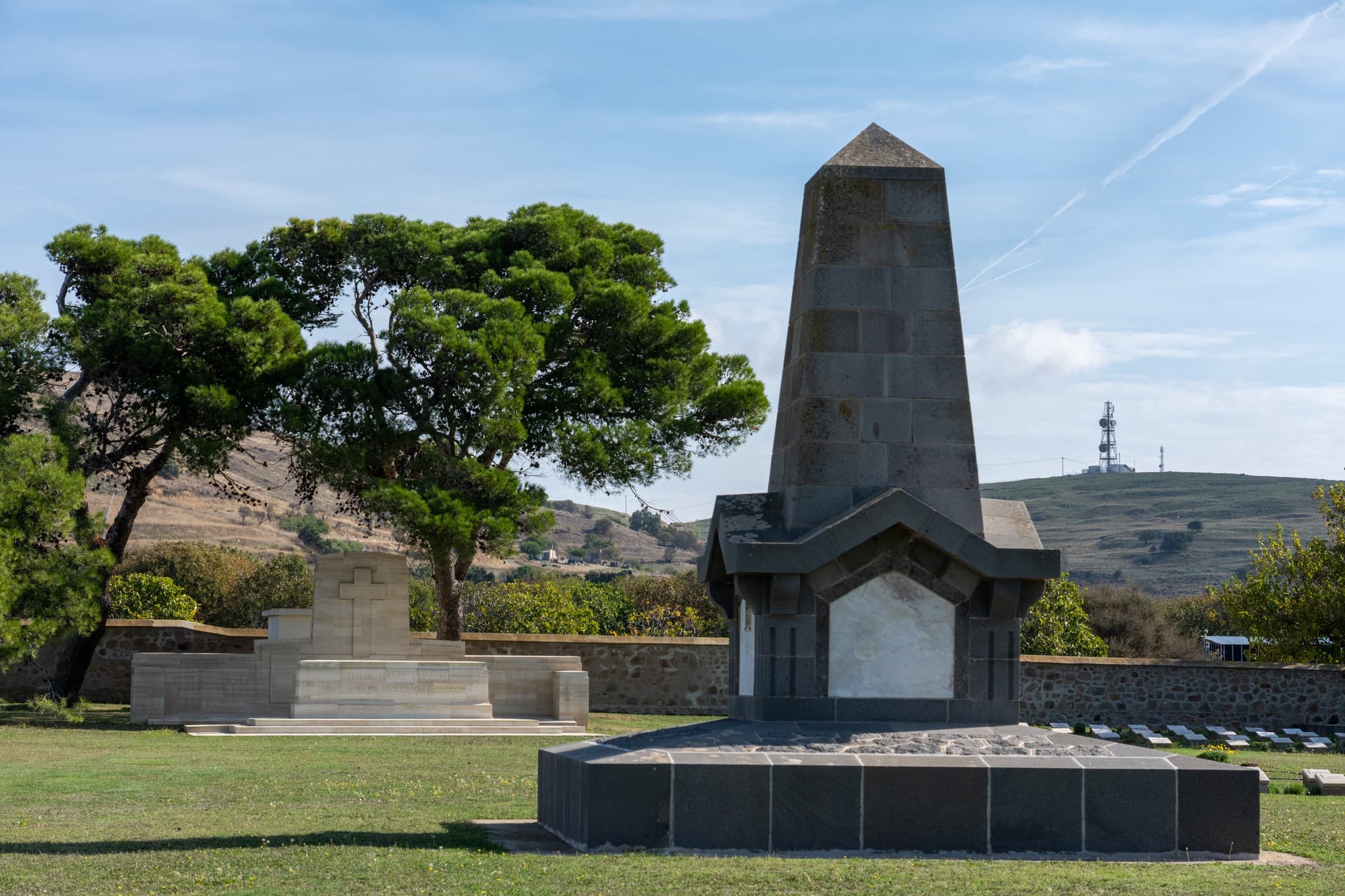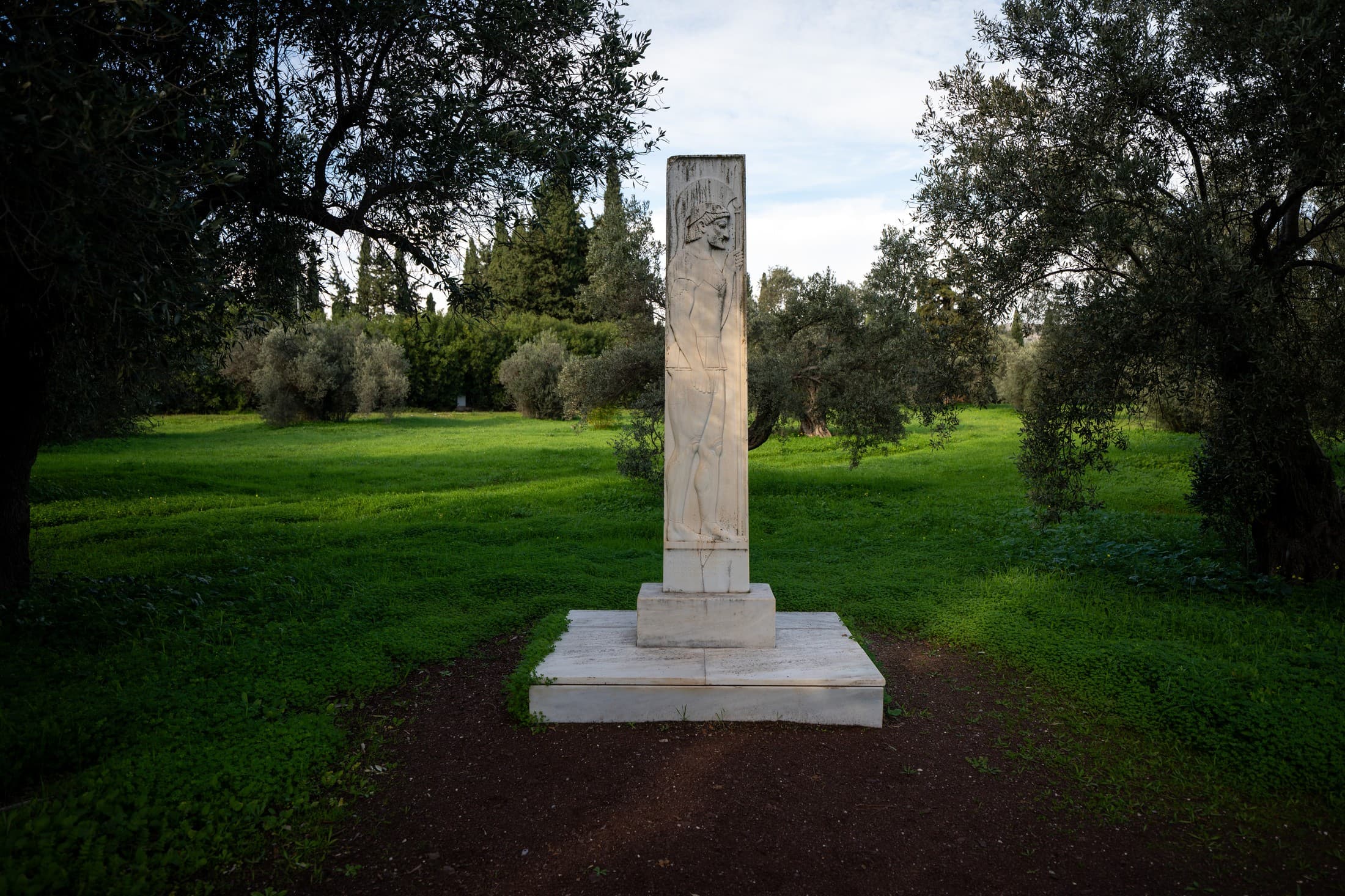
The monument to those who fell in the Battle of Marathon
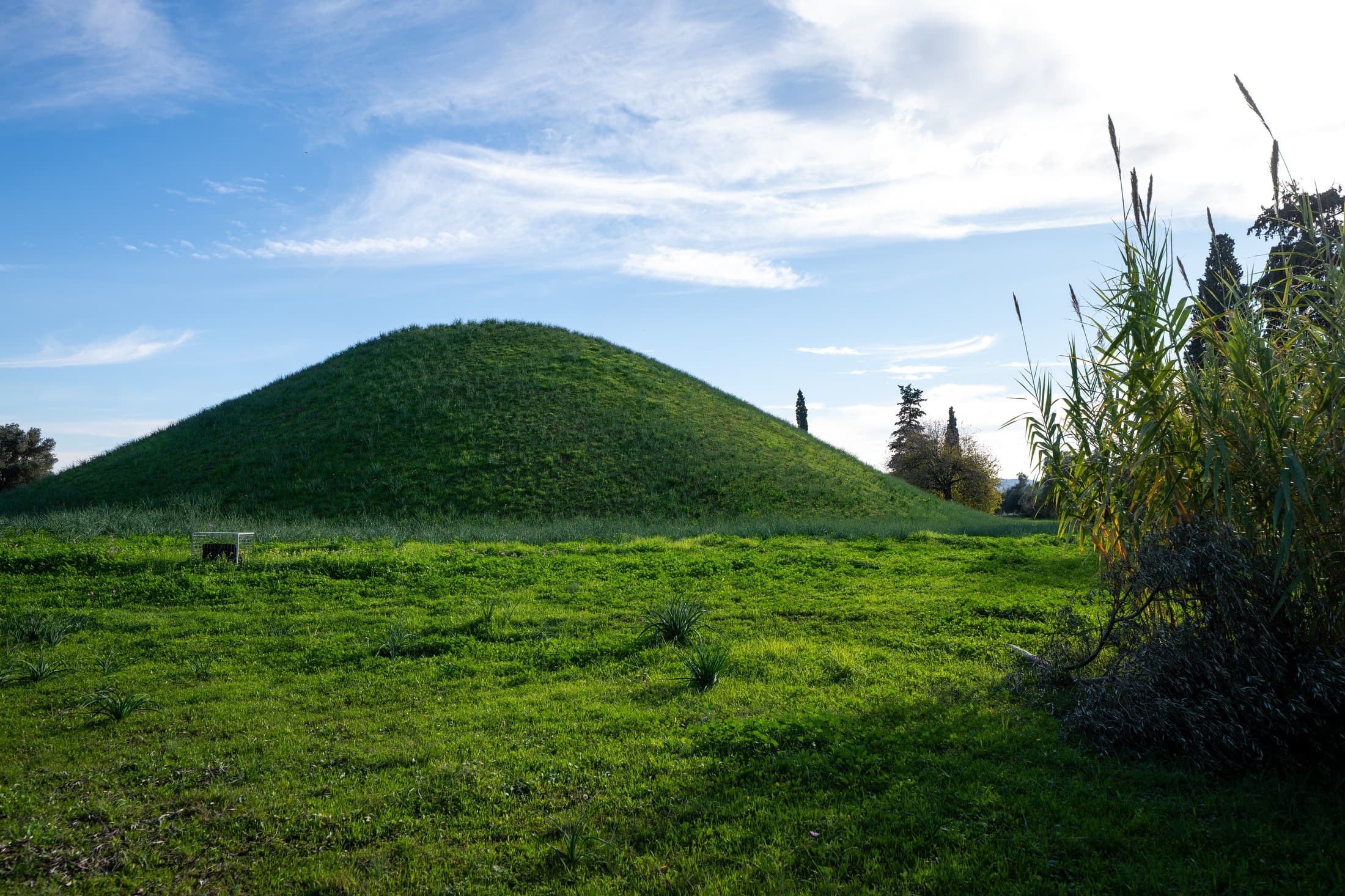
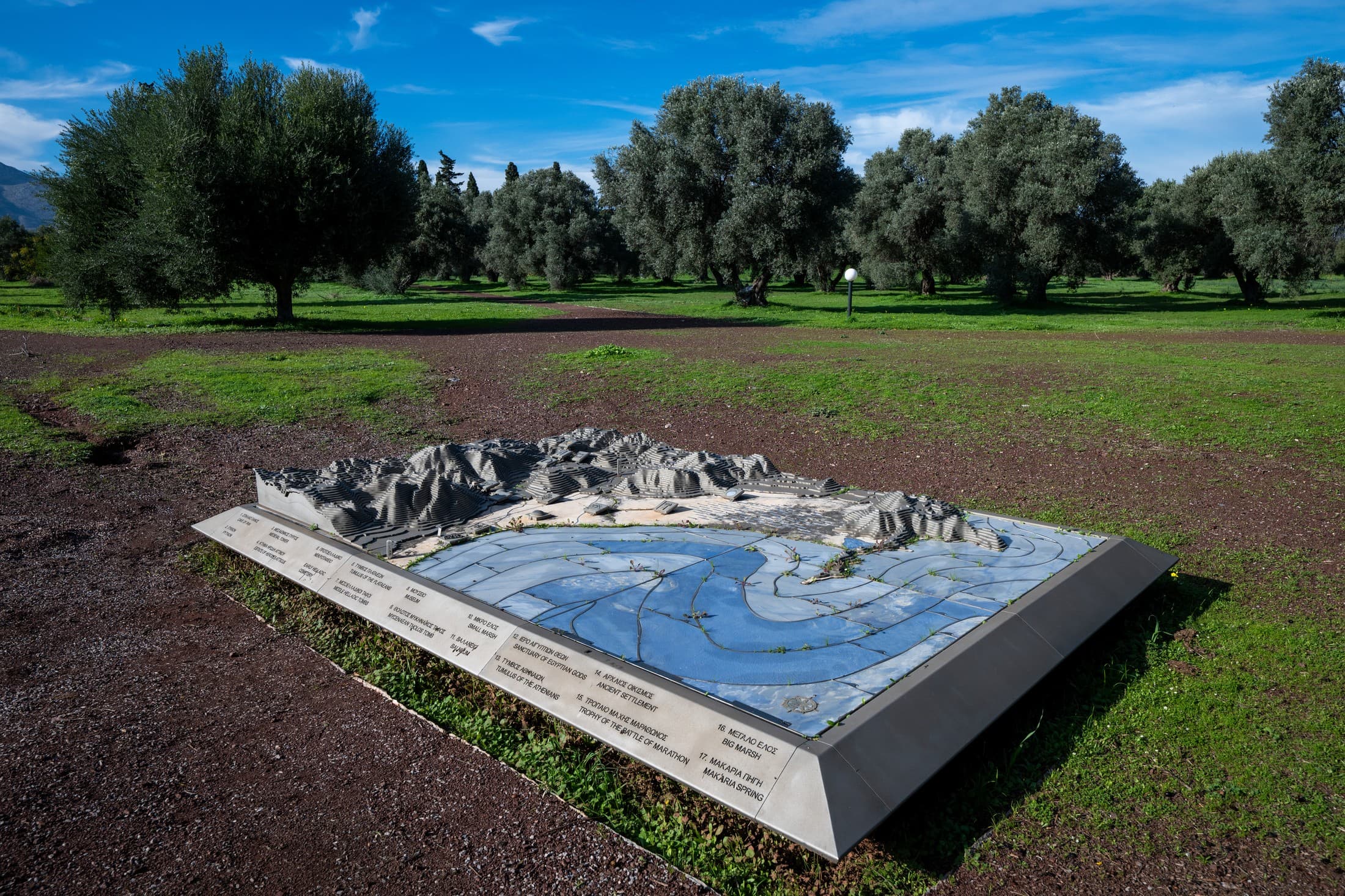
The Marathon Tumulus stands as one of Greece’s most evocative historical sites: an austere, open space deeply entwined with the concept of remembrance. Situated in the Marathon Plain, a few kilometres from the sea, it marks the location where the 192 Athenian hoplites who fell during the Battle of Marathon in 490 BC were interred.
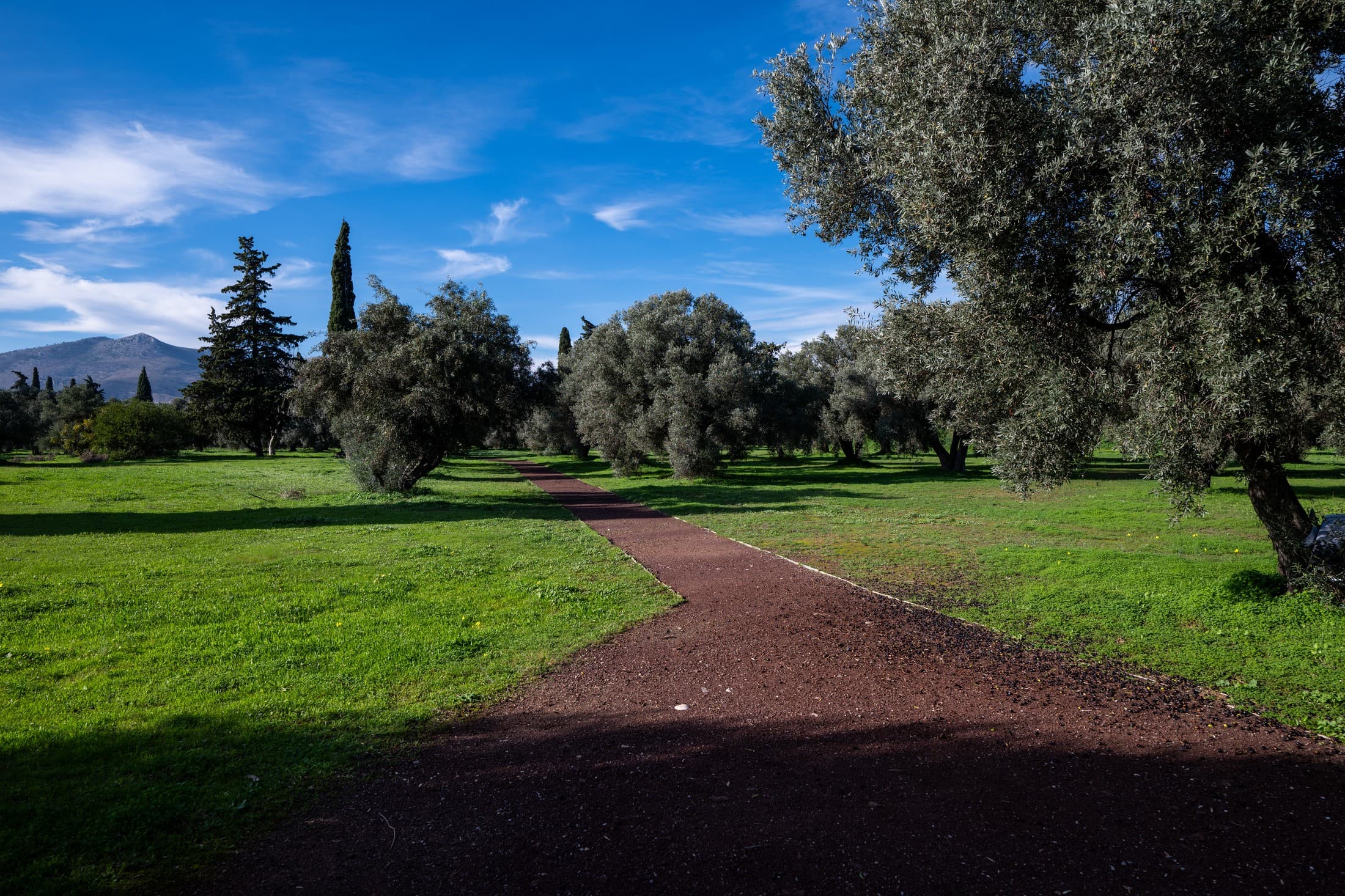
As one approaches the site, the landscape is serene and level. A low mound stands out subtly within the plain, devoid of monumental flourishes. This perfectly reflects its purpose: it is not an imposing structure, but a communal tomb, a barrow created shortly after the battle, using earth from the battlefield itself.
The Tumulus was excavated in 1890 by archaeologist Valerios Stais. Within, cremated remains, bones, and vessels were unearthed, confirming its nature as a polyandrion, or mass grave, an exceptionally rare find for Athenian burial customs, where the deceased were typically interred in the Kerameikos. This choice underscored the battle's significance and the honour bestowed upon those who fell.
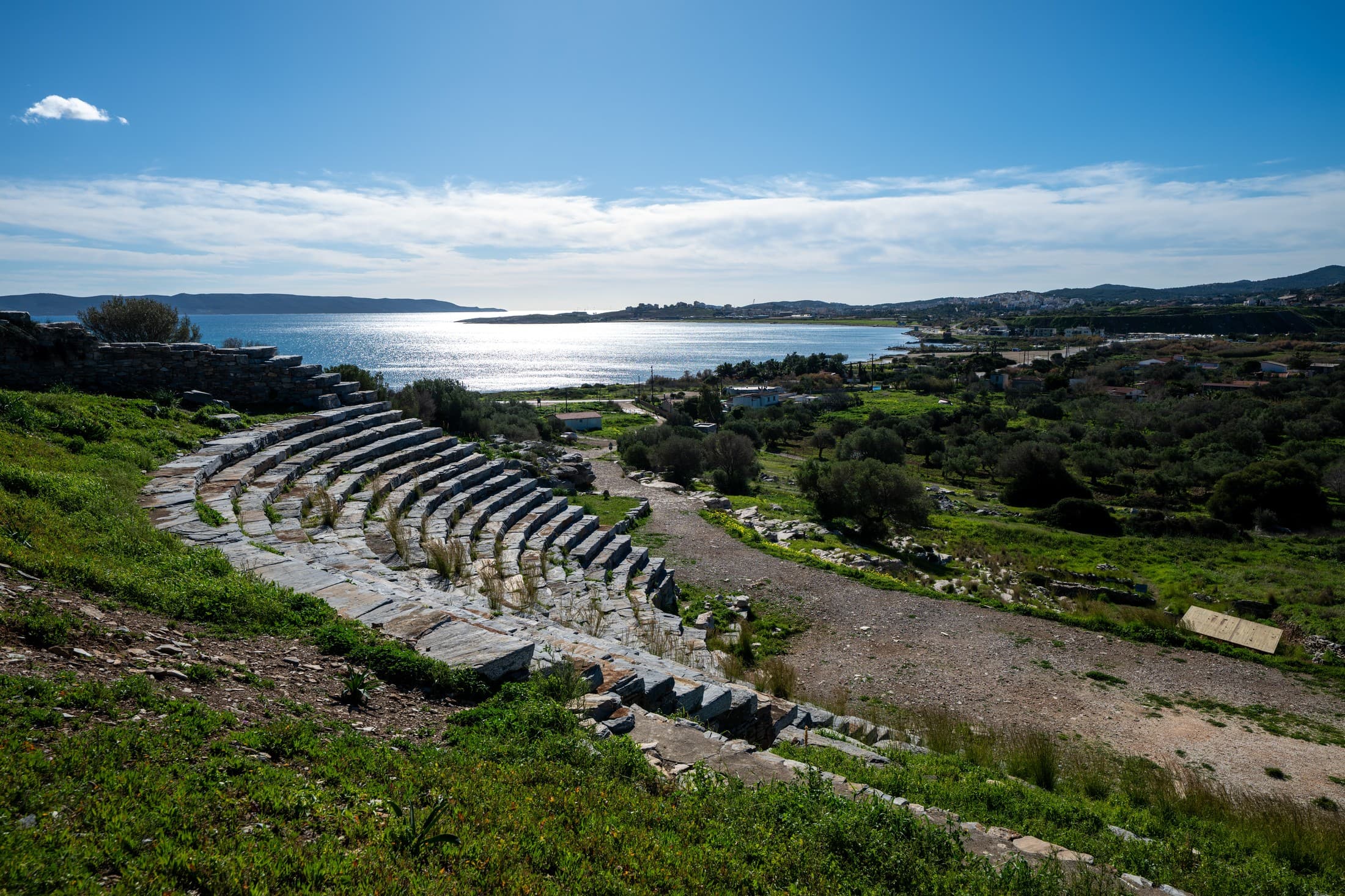
"Walking around the tumulus, measuring 50 metres in diameter and 10 metres in height, reveals its relationship to the landscape: before you lies the plain where the Persian armies were deployed, while towards the sea, the landing site can be discerned. The experience is one of quiet contemplation.
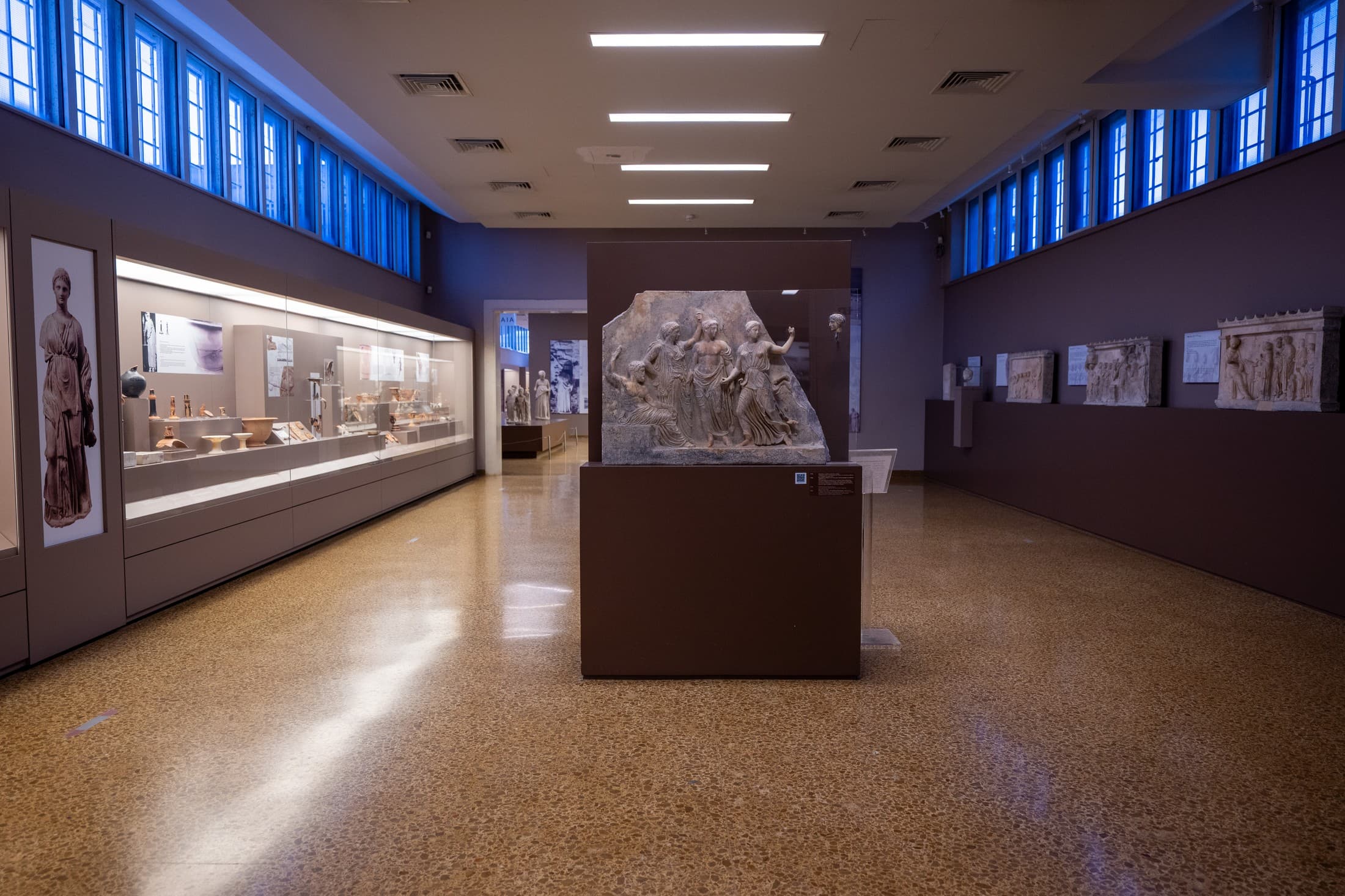
Beside the Tumulus lies the small Archaeological Museum of Marathon, where artefacts from the wider area are displayed.
Combine your visit with a trip to Schinias or the waterfront, observing how the natural landscape connects to the events of the battle.
As one approaches the site, the landscape is serene and level. A low mound stands out subtly within the plain, devoid of monumental flourishes. This perfectly reflects its purpose: it is not an imposing structure, but a communal tomb, a barrow created shortly after the battle, using earth from the battlefield itself.
The Tumulus was excavated in 1890 by archaeologist Valerios Stais. Within, cremated remains, bones, and vessels were unearthed, confirming its nature as a polyandrion, or mass grave, an exceptionally rare find for Athenian burial customs, where the deceased were typically interred in the Kerameikos. This choice underscored the battle's significance and the honour bestowed upon those who fell.
"Walking around the tumulus, measuring 50 metres in diameter and 10 metres in height, reveals its relationship to the landscape: before you lies the plain where the Persian armies were deployed, while towards the sea, the landing site can be discerned. The experience is one of quiet contemplation.
Beside the Tumulus lies the small Archaeological Museum of Marathon, where artefacts from the wider area are displayed.
Combine your visit with a trip to Schinias or the waterfront, observing how the natural landscape connects to the events of the battle.