The Canon of Doric Temple Construction
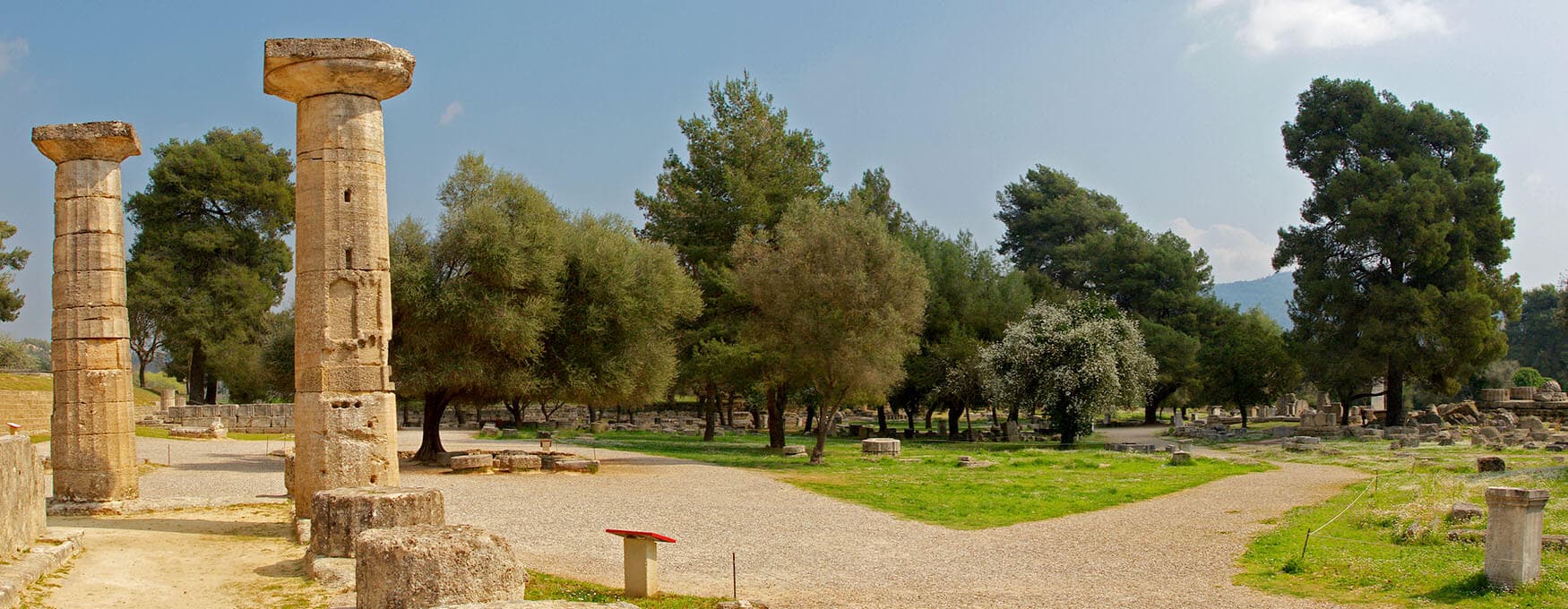
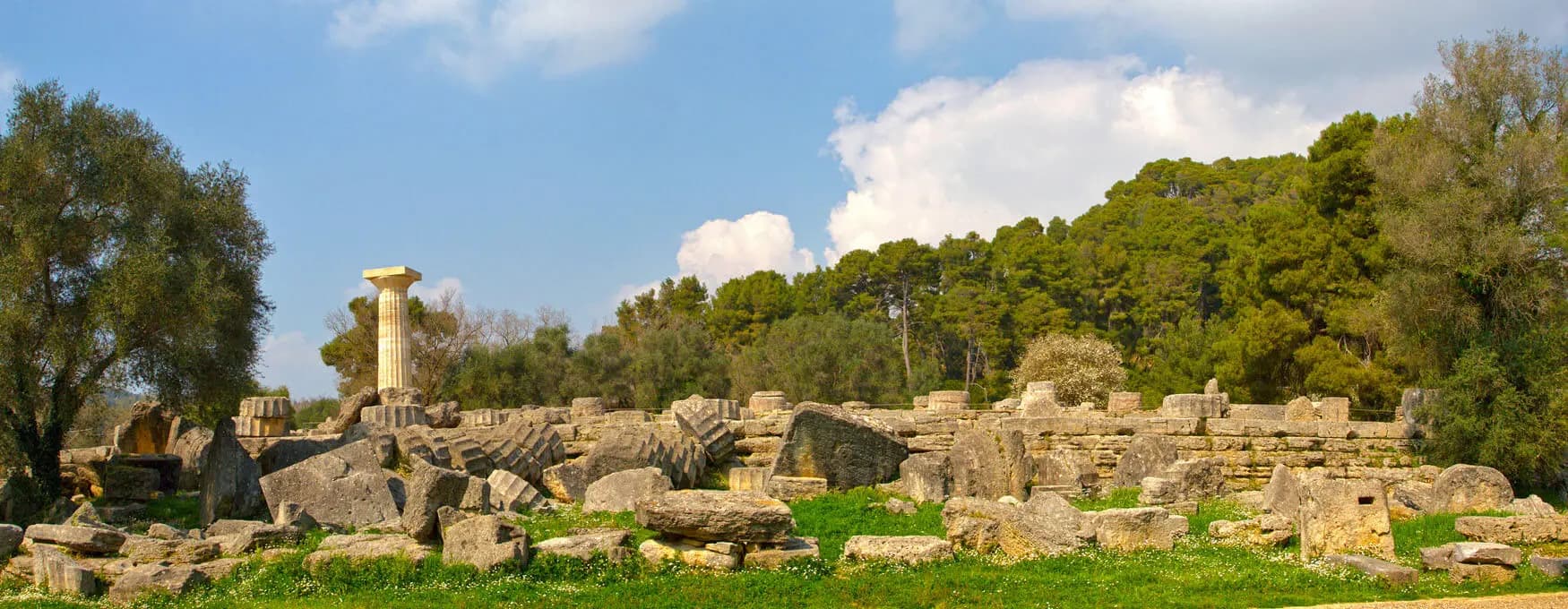
The Temple of Hera (Heraion) is one of the earliest examples of monumental temple construction in Greece. It is situated on the northwestern corner of Altis, at the foot of Kronion Hill. The temple was constructed around 600 BC as a dedication by the inhabitants of Skillous, and during the Roman era it served as a museum for precious works of art.
Architecture and Evolution
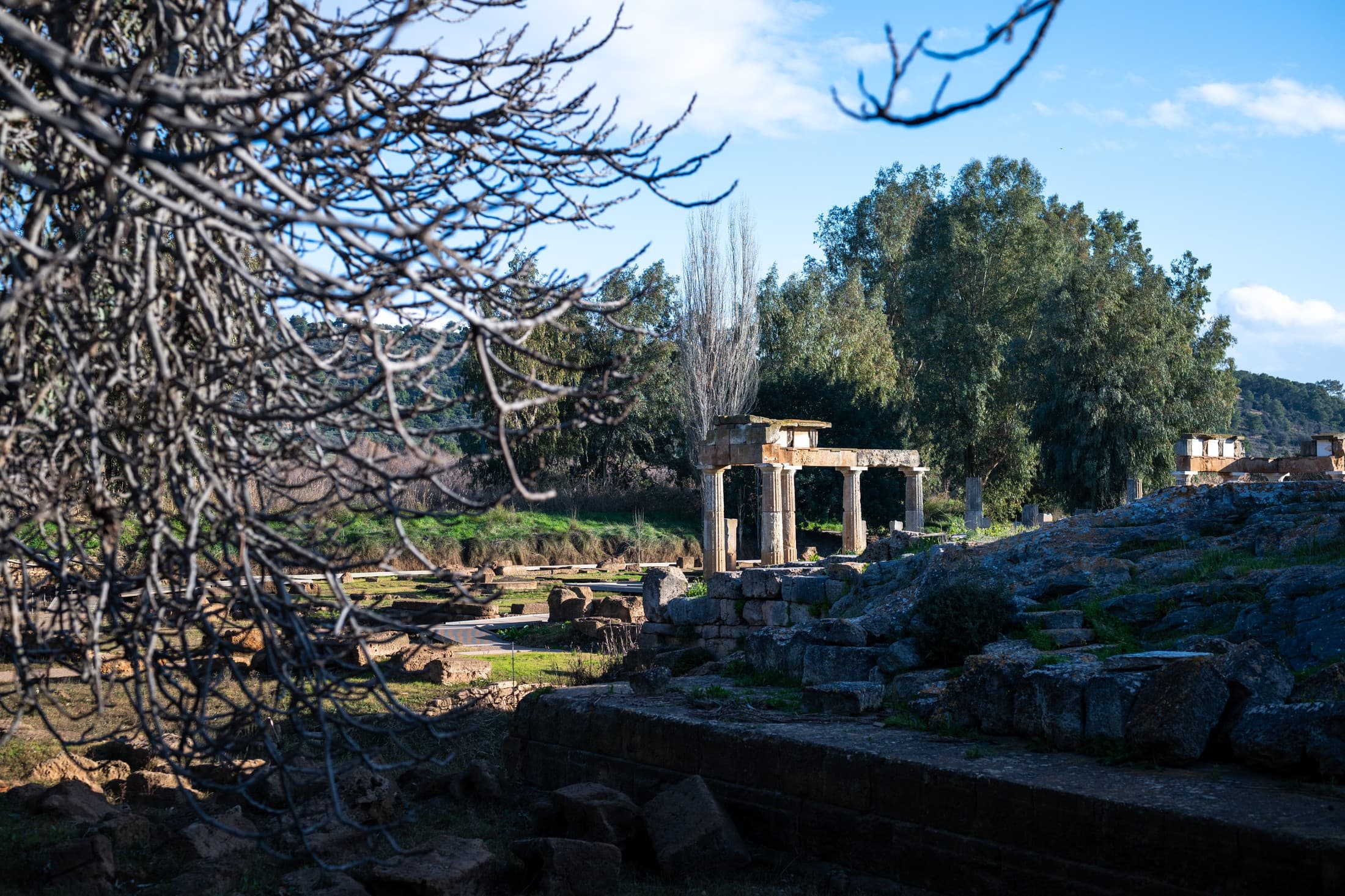
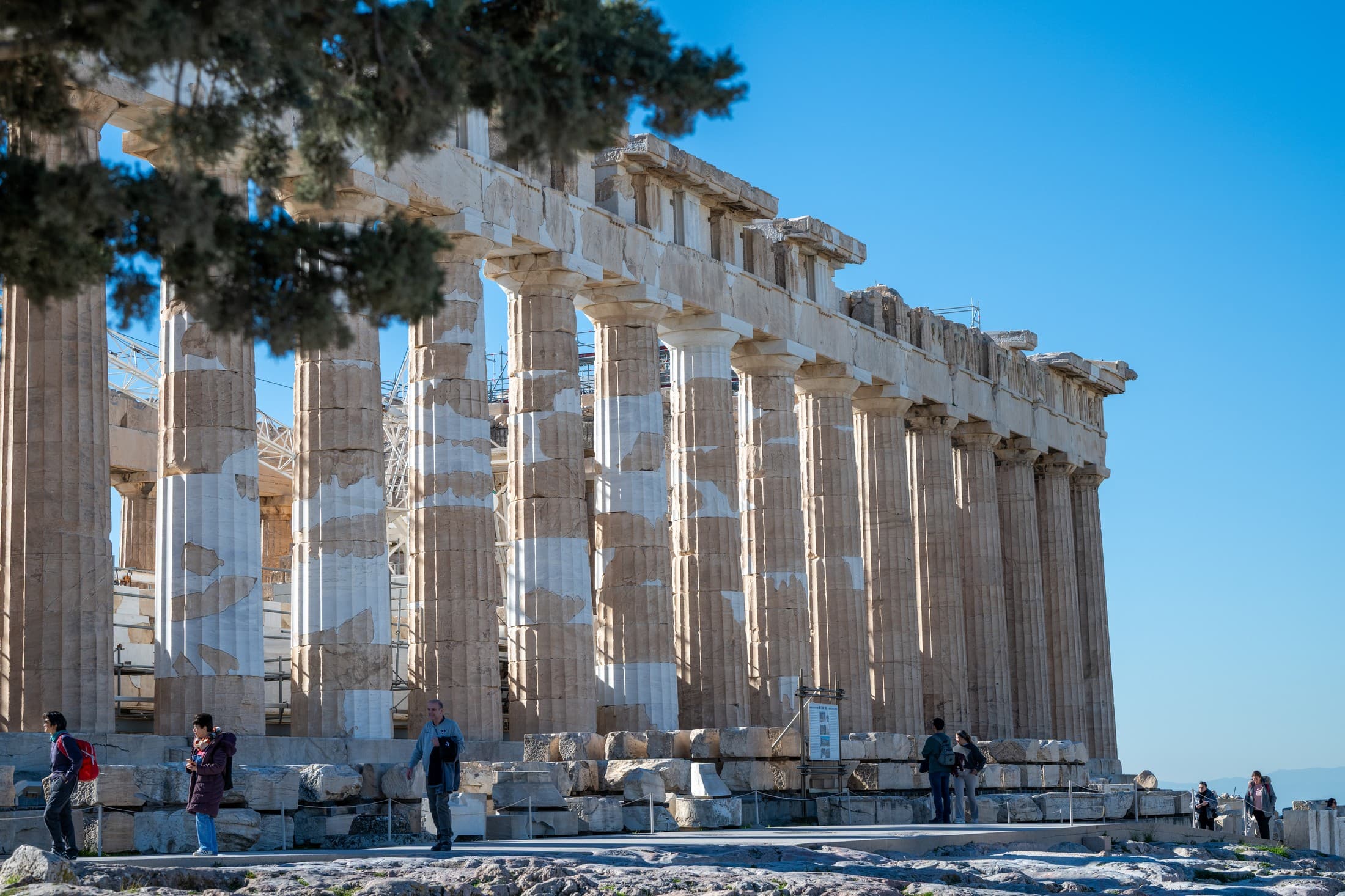
The temple is Doric and peripteral, with a particularly elongated floorplan and low height. Its most notable feature is the gradual replacement of the original wooden columns with stone ones. As each new column followed the style of its time, the monument reflects the complete evolution of the Doric order from the Archaic to the Roman period. Indeed, there was still one oak column left in the opisthodomos as late as the 2nd century AD.
The Interior and Worship
The temple comprises a pronaos (vestibule), a sekos (inner chamber), and an opisthodomos (rear room). At the rear of the sekos stood the cult statues of Zeus and Hera, and every four years the Elean nobles presented the goddess with a new peplos (body-length garment) during the Heraean Games.
Priceless treasures were kept safe at the Heraion, such as:
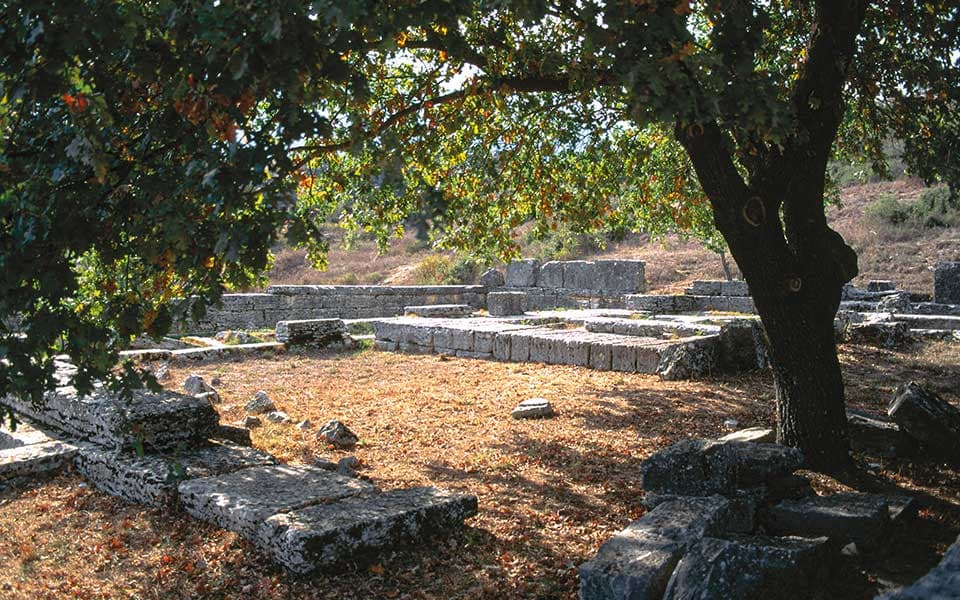
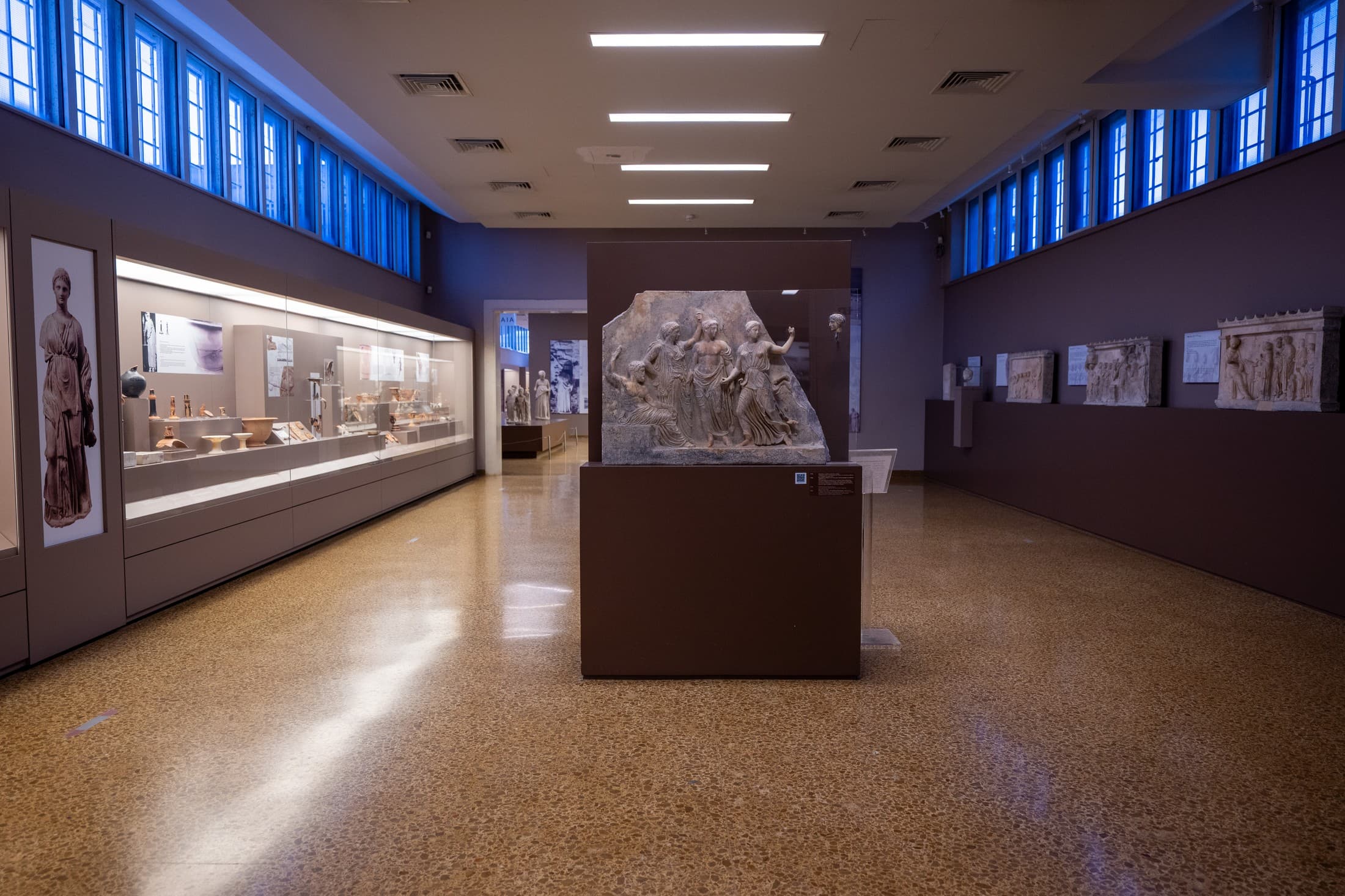
The temple's base was made from fossiliferous limestone, while the walls were made of raw bricks and the entablature was wooden. The clay central acroterion of the pediment had a diameter of 2.3 metres and featured impressive ornamentation. Today, the foundations, the orthostates of the sekos, and the lower parts of the columns survive, with four of the columns having been restored. Fragments of the clay ornamentation and the archaic head of Hera are exhibited at the Archaeological Museum of Olympia.
Architecture and Evolution
The temple is Doric and peripteral, with a particularly elongated floorplan and low height. Its most notable feature is the gradual replacement of the original wooden columns with stone ones. As each new column followed the style of its time, the monument reflects the complete evolution of the Doric order from the Archaic to the Roman period. Indeed, there was still one oak column left in the opisthodomos as late as the 2nd century AD.
The Interior and Worship
The temple comprises a pronaos (vestibule), a sekos (inner chamber), and an opisthodomos (rear room). At the rear of the sekos stood the cult statues of Zeus and Hera, and every four years the Elean nobles presented the goddess with a new peplos (body-length garment) during the Heraean Games.
Priceless treasures were kept safe at the Heraion, such as:
- The celebrated Hermes of Praxiteles.
- The Disc of Iphitus depicting the sacred truce.
- The larnax of Cypselus, crafted from wood, gold, and ivory.
- The table of Colotes, where the kotinoi (olive wreaths) were placed for the Olympic victors.
The temple's base was made from fossiliferous limestone, while the walls were made of raw bricks and the entablature was wooden. The clay central acroterion of the pediment had a diameter of 2.3 metres and featured impressive ornamentation. Today, the foundations, the orthostates of the sekos, and the lower parts of the columns survive, with four of the columns having been restored. Fragments of the clay ornamentation and the archaic head of Hera are exhibited at the Archaeological Museum of Olympia.