A cultural window to the East
In the heart of Corfu's old town, within the imposing Palace of St Michael and St George, stands the Museum of Asian Art of Corfu. Founded in 1928 as the Museum of Sino-Japanese Art, it was established following the donation of the Sino-Japanese collection of the Greek diplomat Grigorios Manos. Housed in the complex that once accommodated the Ionian Senate and the Ionian Parliament - the two institutional bodies symbolising the self-governance of the Ionian Islands - it is now a cultural institution that connects Corfu with the world of the East.
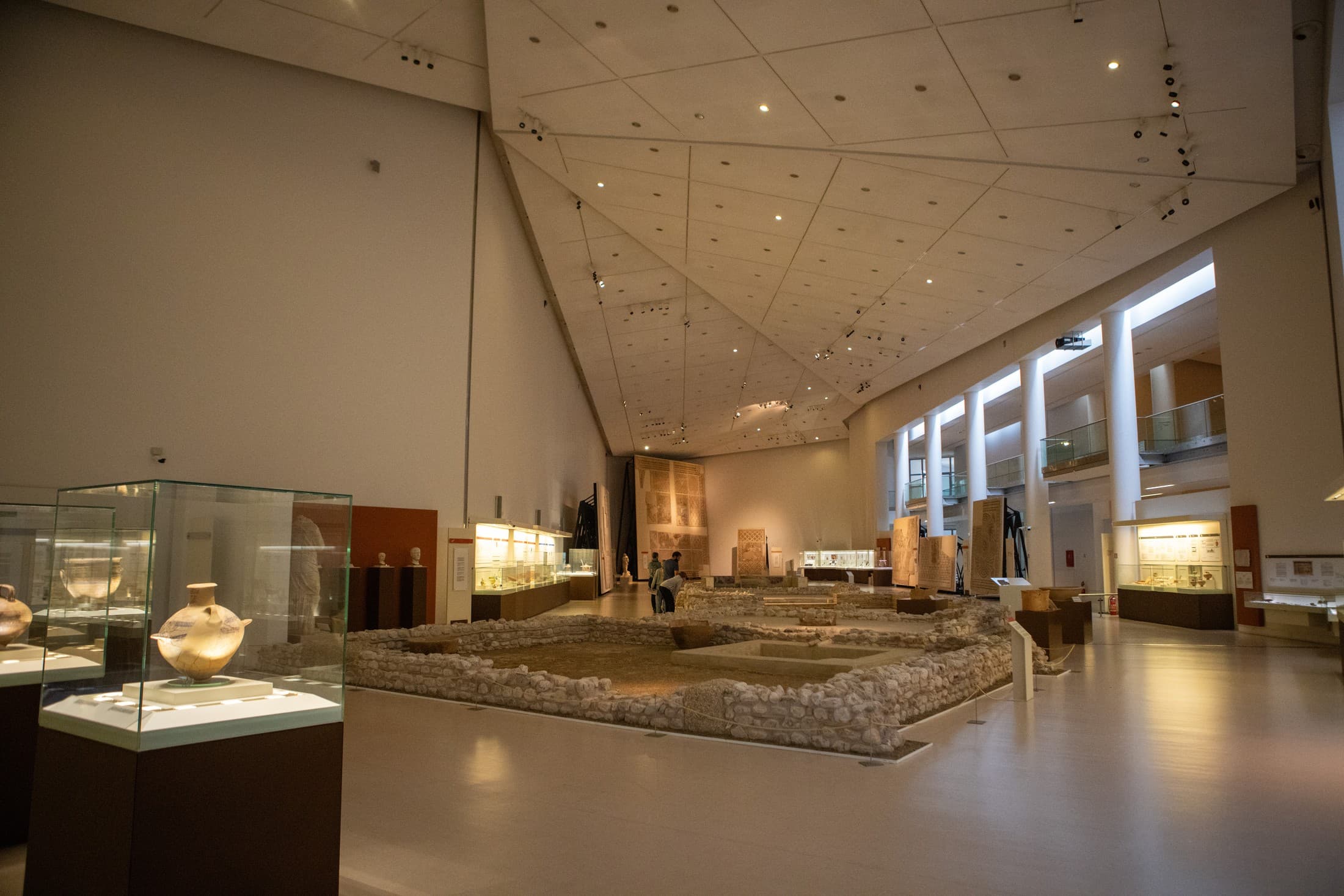
The museum's collections include more than 11,000 works and span a wide geographical and chronological range, from China and Japan to India, Nepal, Korea, and South-East Asia. The permanent exhibition of the Museum of Asian Art of Corfu unfolds through the monumental spaces of the palace's first and second floors, reached by the impressive central staircase at the main entrance.
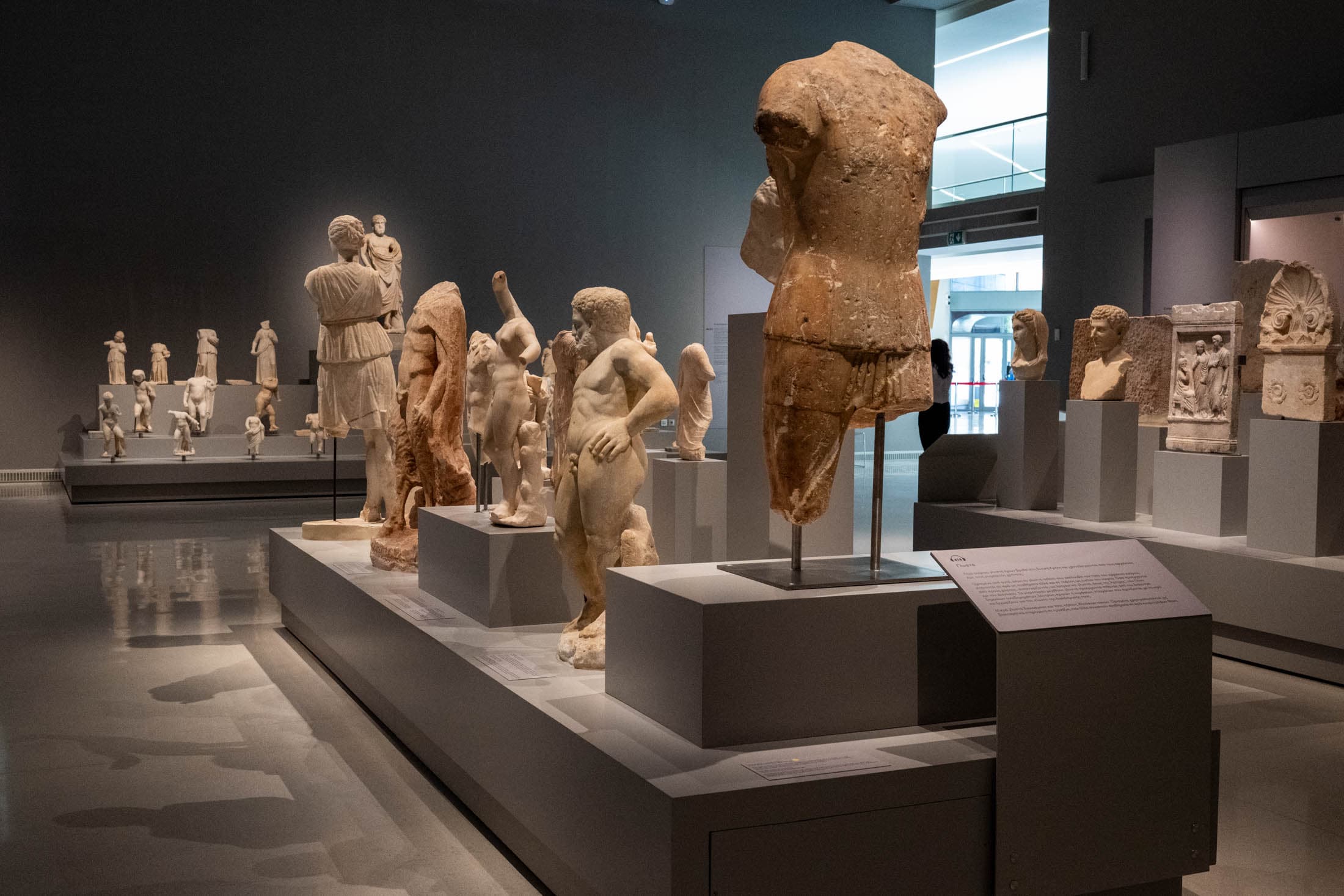
Especially notable is the unique Greco-Buddhist collection of sculptures from Gandhara in present-day Pakistan (1st-5th century AD), which vividly reflects the meeting of the Hellenistic world with Buddhism, echoing Alexander the Great's presence in the region. Porcelain, sculptures, prints, metalwork, weapons, masks, and ritual objects reveal the philosophy, religion, and everyday life of Asian civilisations spanning millennia of history.
Particular prominence is given to the Chinese and Japanese collections, as well as Buddhist sculptures from India and Tibet, which offer a rare experience of aesthetic and spiritual discovery. The building itself, a monument of the British period built between 1818 and 1823, enhances the sense of grandeur and historical continuity.
The Museum of Asian Art of Corfu also organises educational programmes and temporary exhibitions that continually showcase Asian culture. Combine your visit with a stroll along the Liston and through the alleyways of the old town and enjoy a complete cultural experience in Corfu.
The museum's collections include more than 11,000 works and span a wide geographical and chronological range, from China and Japan to India, Nepal, Korea, and South-East Asia. The permanent exhibition of the Museum of Asian Art of Corfu unfolds through the monumental spaces of the palace's first and second floors, reached by the impressive central staircase at the main entrance.
Especially notable is the unique Greco-Buddhist collection of sculptures from Gandhara in present-day Pakistan (1st-5th century AD), which vividly reflects the meeting of the Hellenistic world with Buddhism, echoing Alexander the Great's presence in the region. Porcelain, sculptures, prints, metalwork, weapons, masks, and ritual objects reveal the philosophy, religion, and everyday life of Asian civilisations spanning millennia of history.
Particular prominence is given to the Chinese and Japanese collections, as well as Buddhist sculptures from India and Tibet, which offer a rare experience of aesthetic and spiritual discovery. The building itself, a monument of the British period built between 1818 and 1823, enhances the sense of grandeur and historical continuity.
The Museum of Asian Art of Corfu also organises educational programmes and temporary exhibitions that continually showcase Asian culture. Combine your visit with a stroll along the Liston and through the alleyways of the old town and enjoy a complete cultural experience in Corfu.