L’arche du nouvel hellénisme
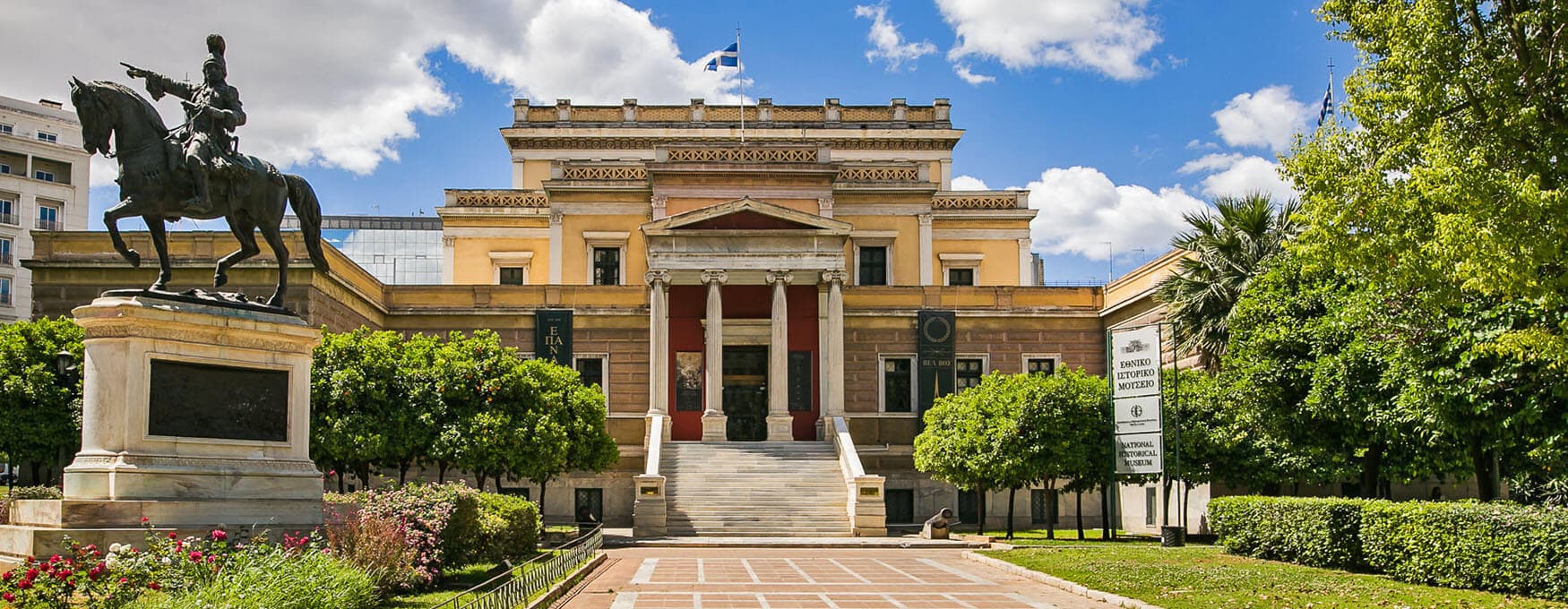
Le Musée national historique est installé de manière permanente dans l’emblématique bâtiment de l’Ancien Parlement, sur la rue Stadiou. Il est consacré à l’histoire de l’hellénisme moderne et couvre une vaste période chronologique : depuis la chute de Constantinople (1453) et l’époque de la domination ottomane et franque, jusqu’à la Révolution de 1821, la création de l’État grec indépendant et la guerre italo-grecque de 1940.
Fondation et parcours historique
Le musée a été fondé en 1884 par la Société historique et ethnologique de Grèce (IEEE). Son fonctionnement fut étroitement lié à l’« Exposition des monuments de la Guerre sacrée », lors de laquelle des familles de combattants et des institutions publiques ont offert de précieux objets, constituant le noyau des collections. L’histoire de son installation mérite également d’être mentionnée : il fonctionna d’abord au Polytechnique national de Metsovo, tandis que pendant la Seconde Guerre mondiale les collections furent emballées et conservées dans des sous-sols pour leur sécurité. Après la guerre, il fut provisoirement installé sur l’avenue Vasilissis Amalias, jusqu’à son installation définitive dans le bâtiment de l’Ancien Parlement en 1962.Les collections et les annexes
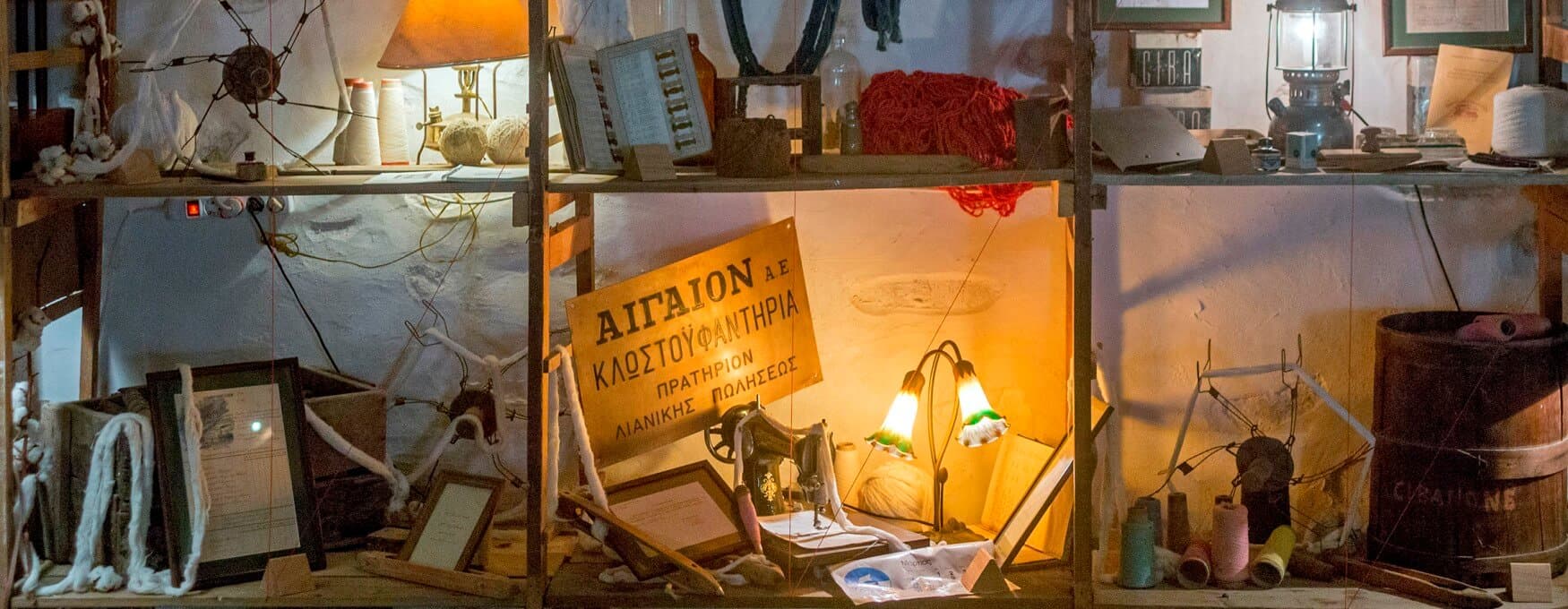
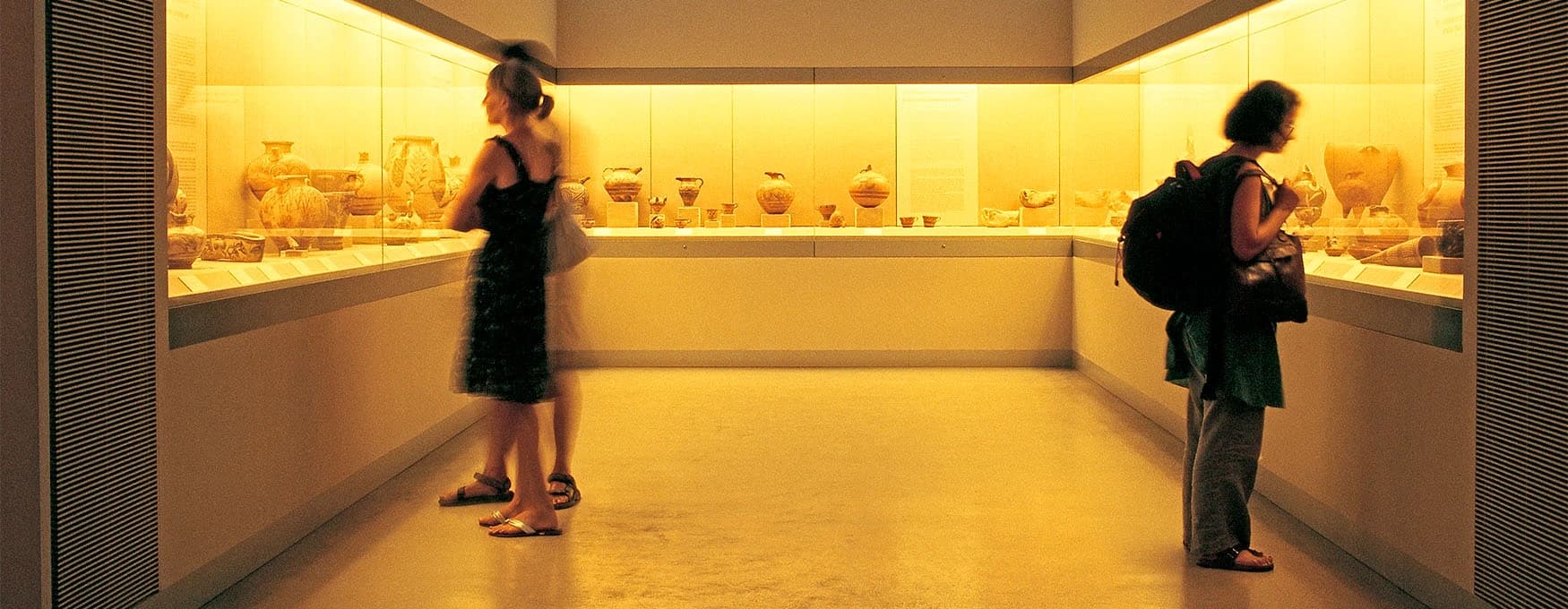
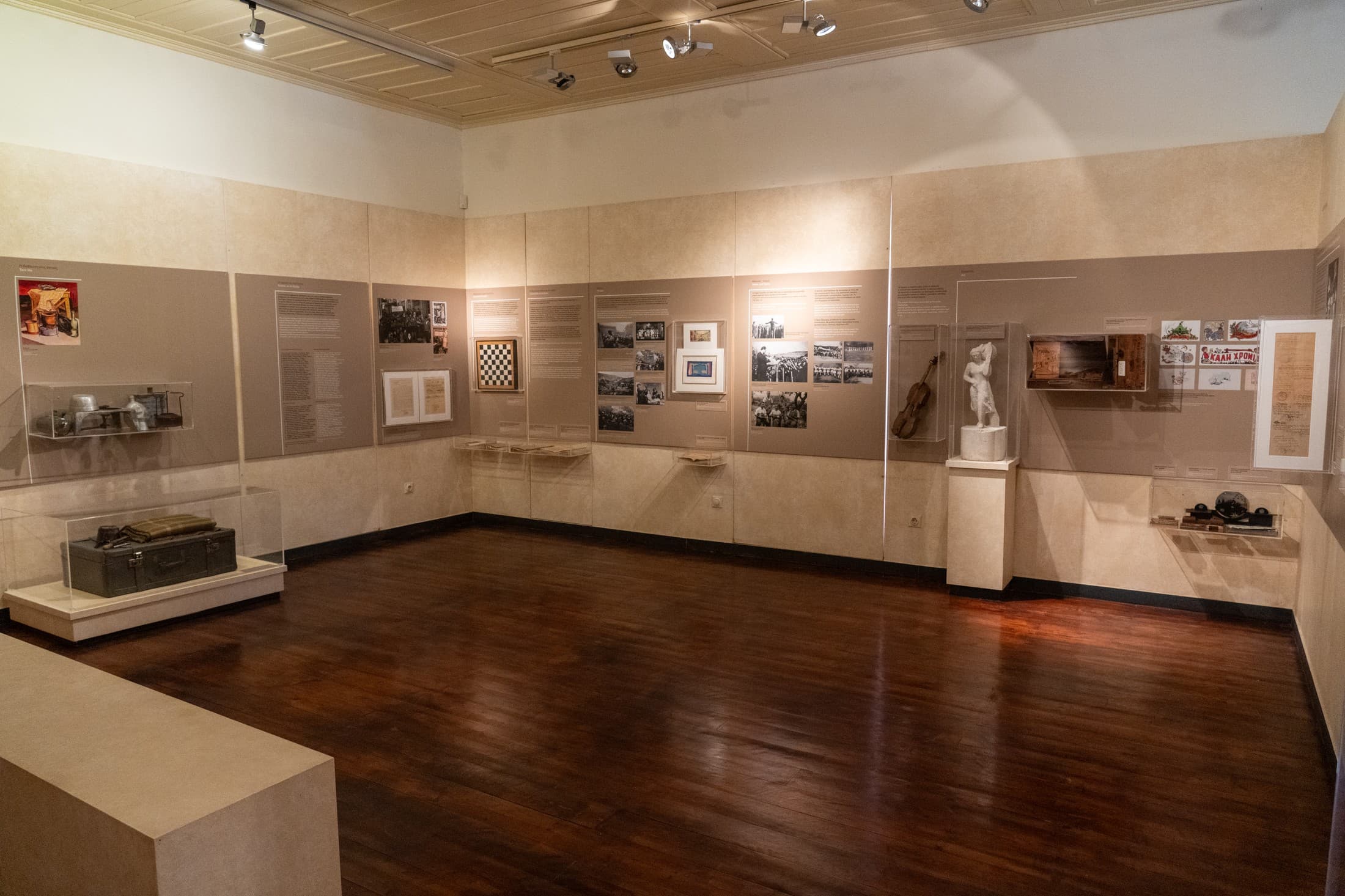
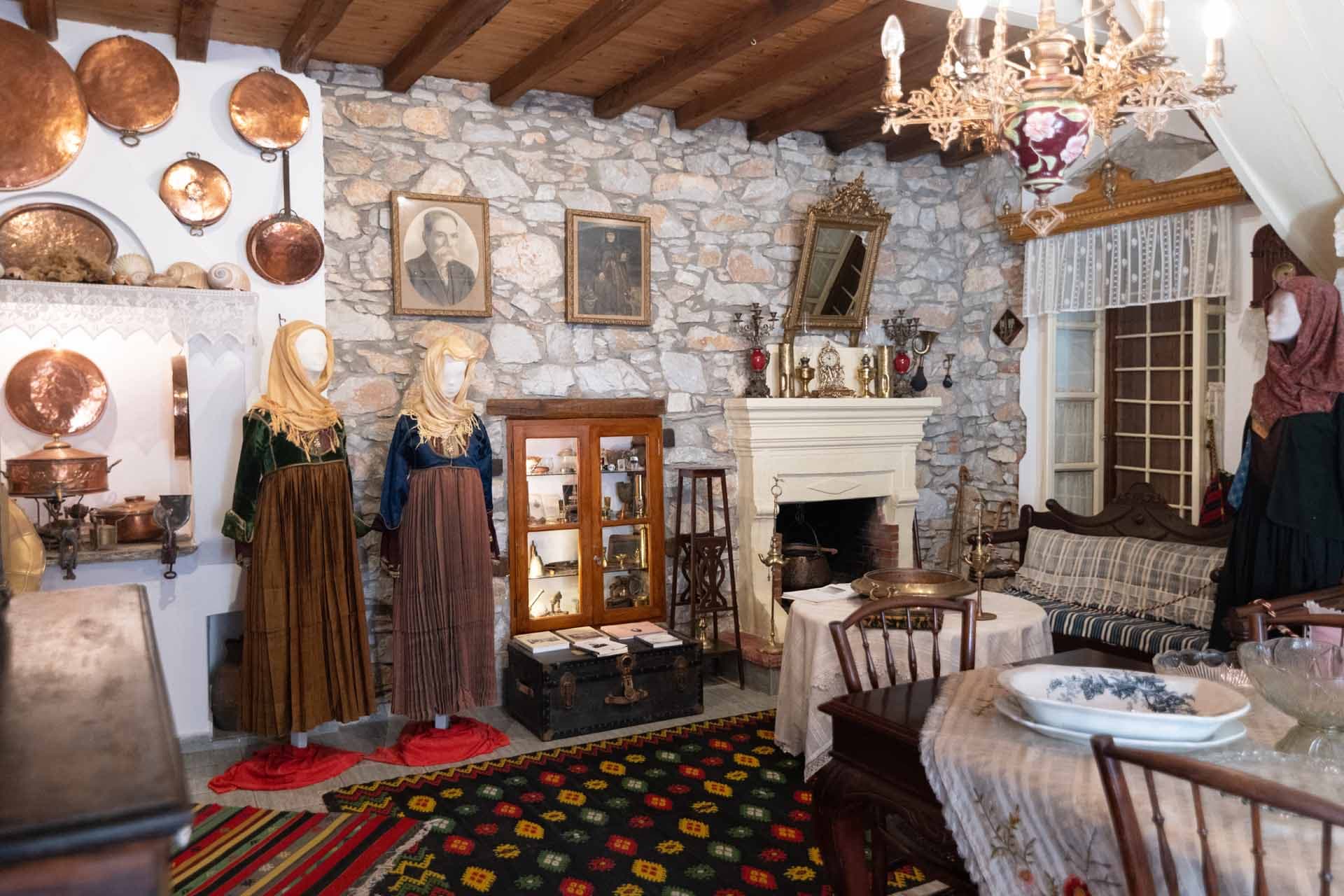
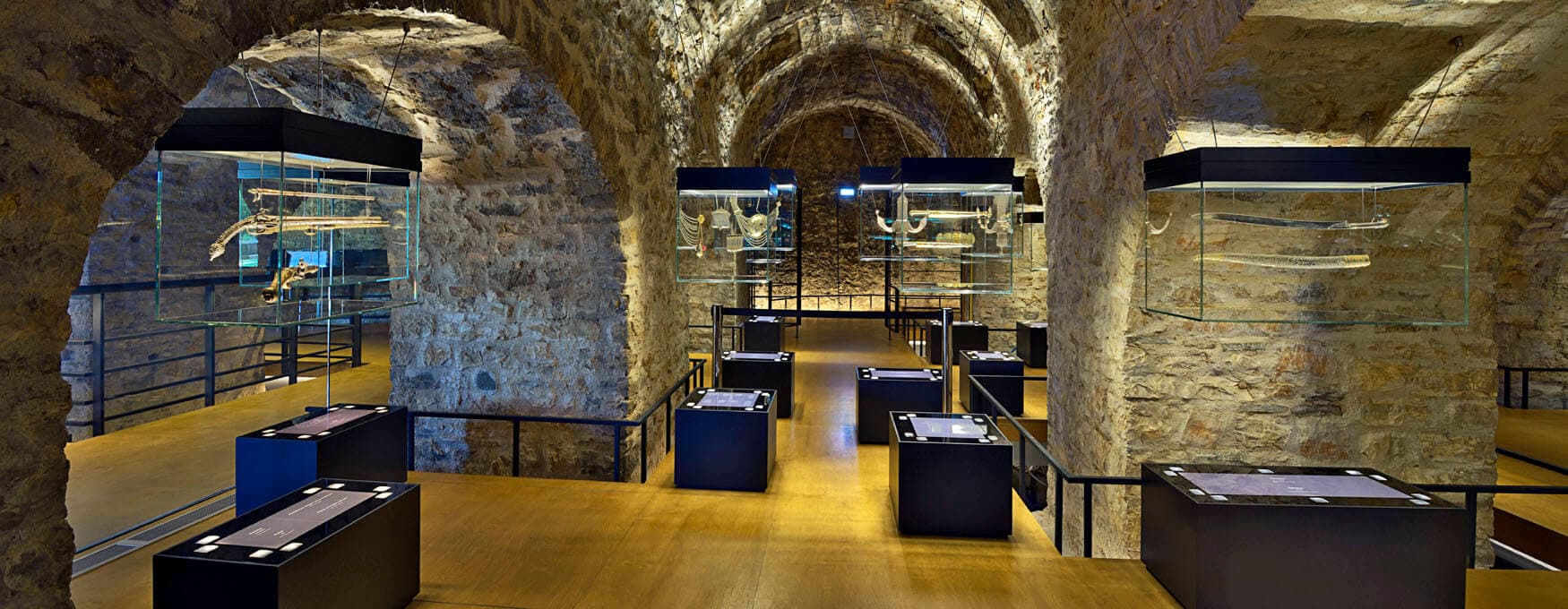
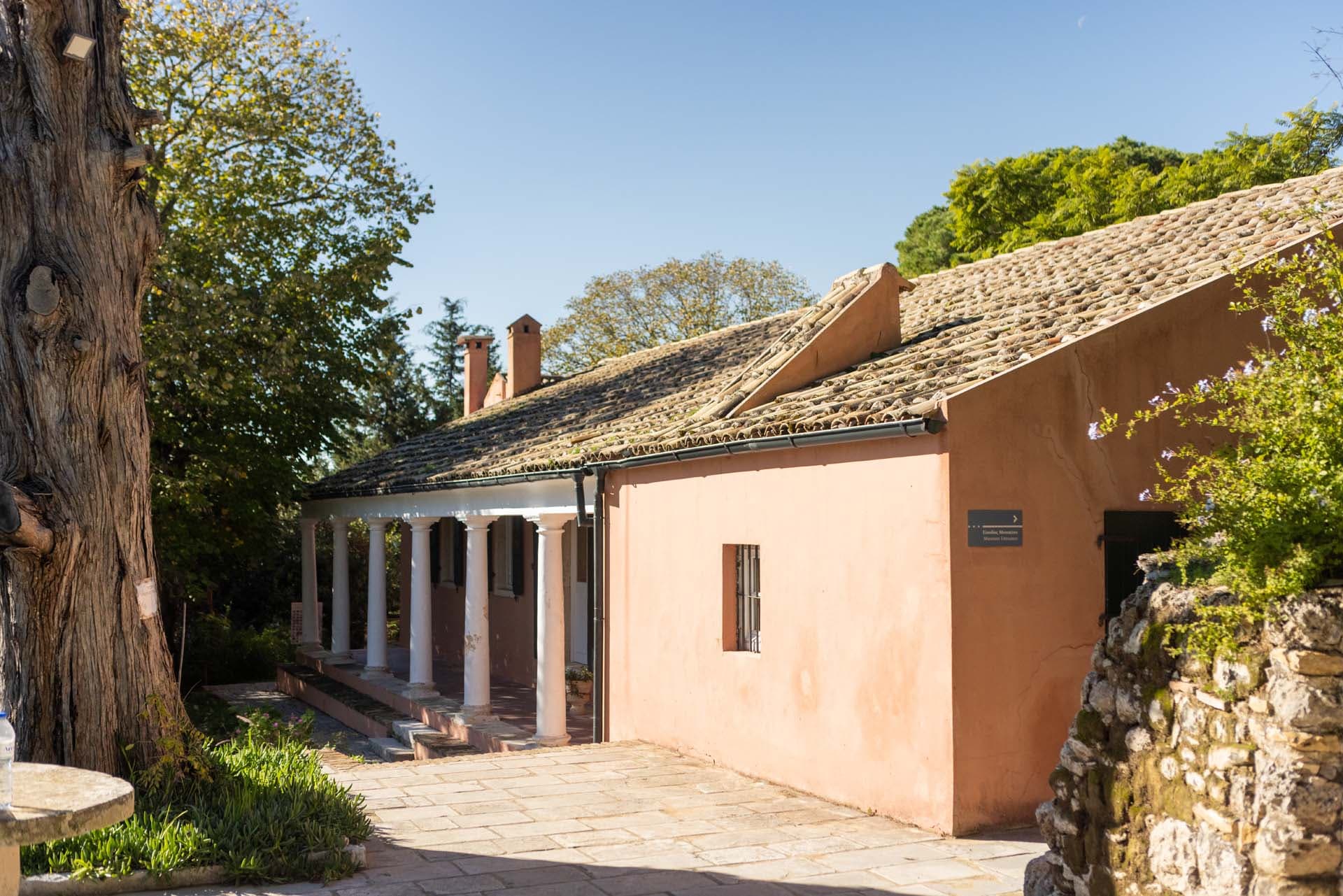
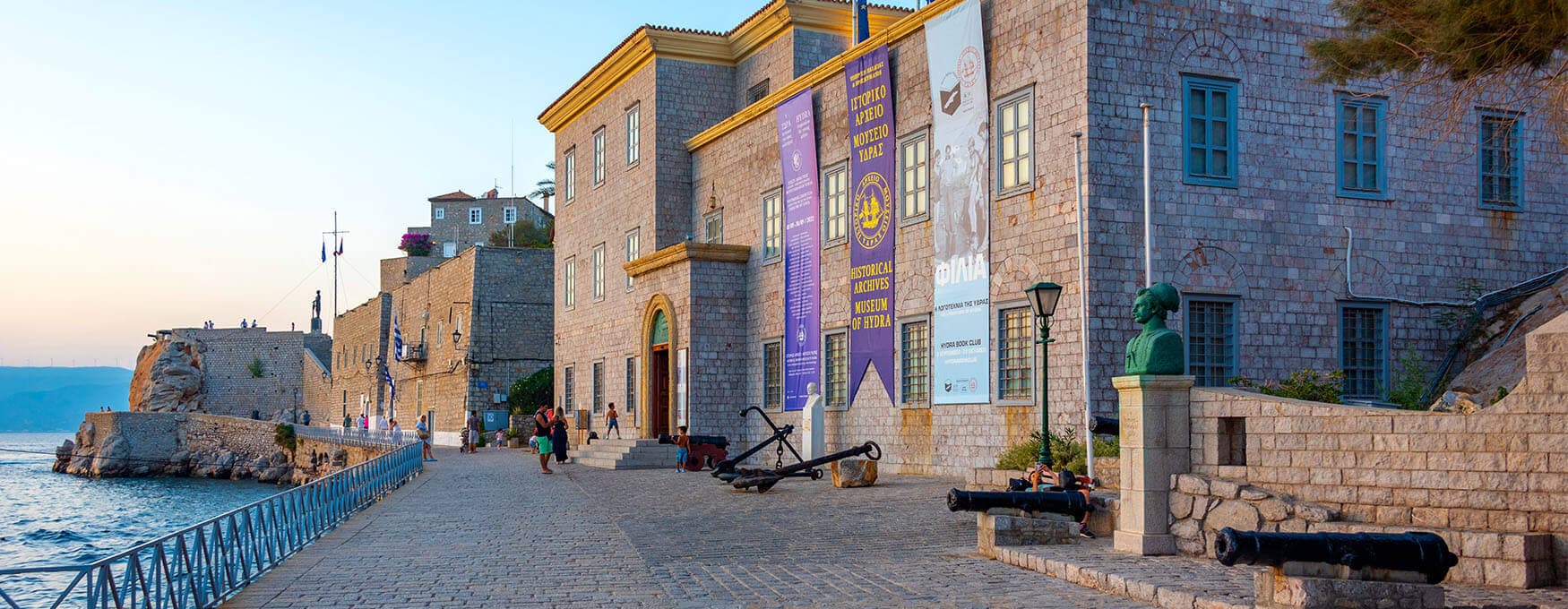
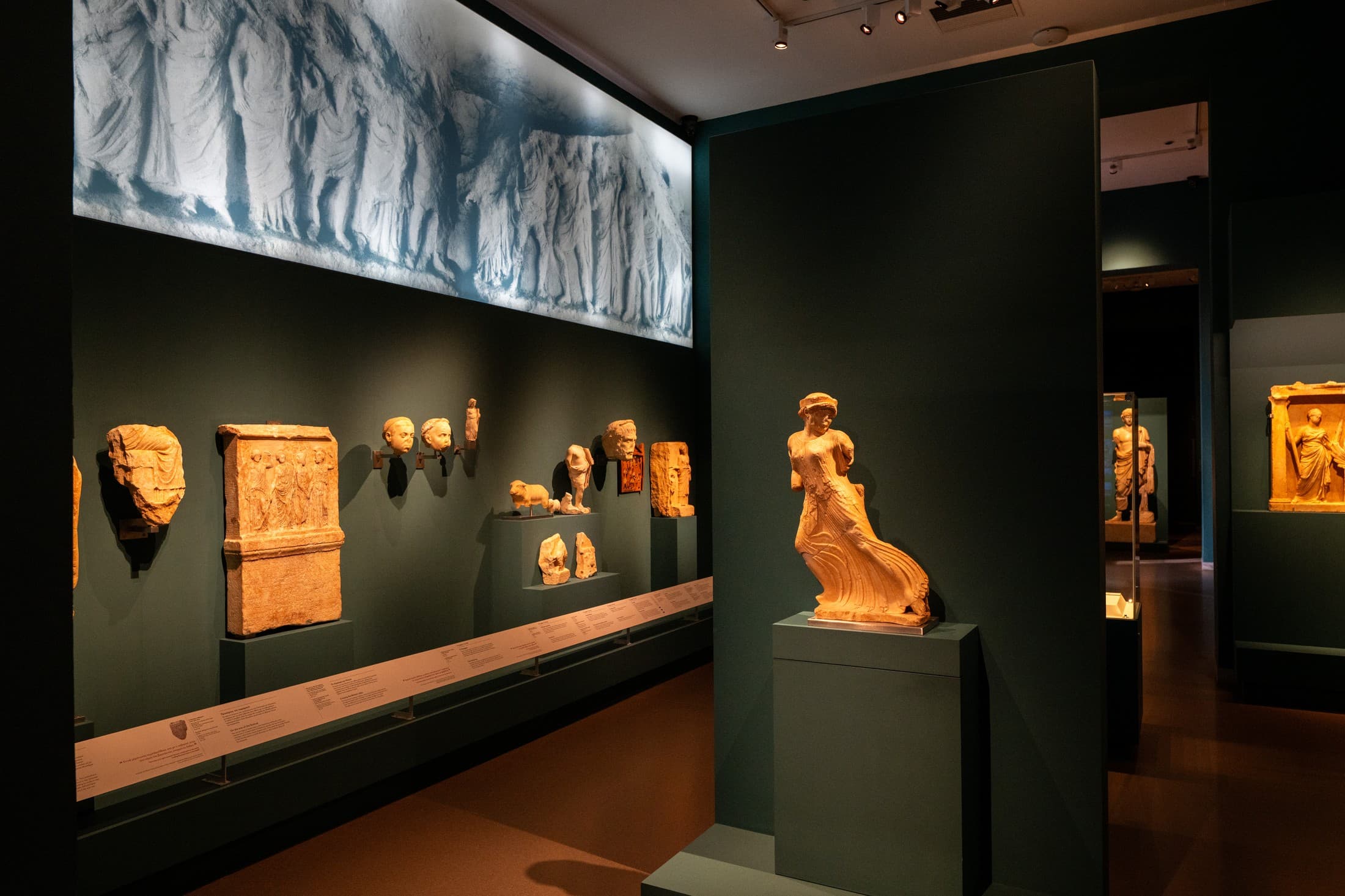
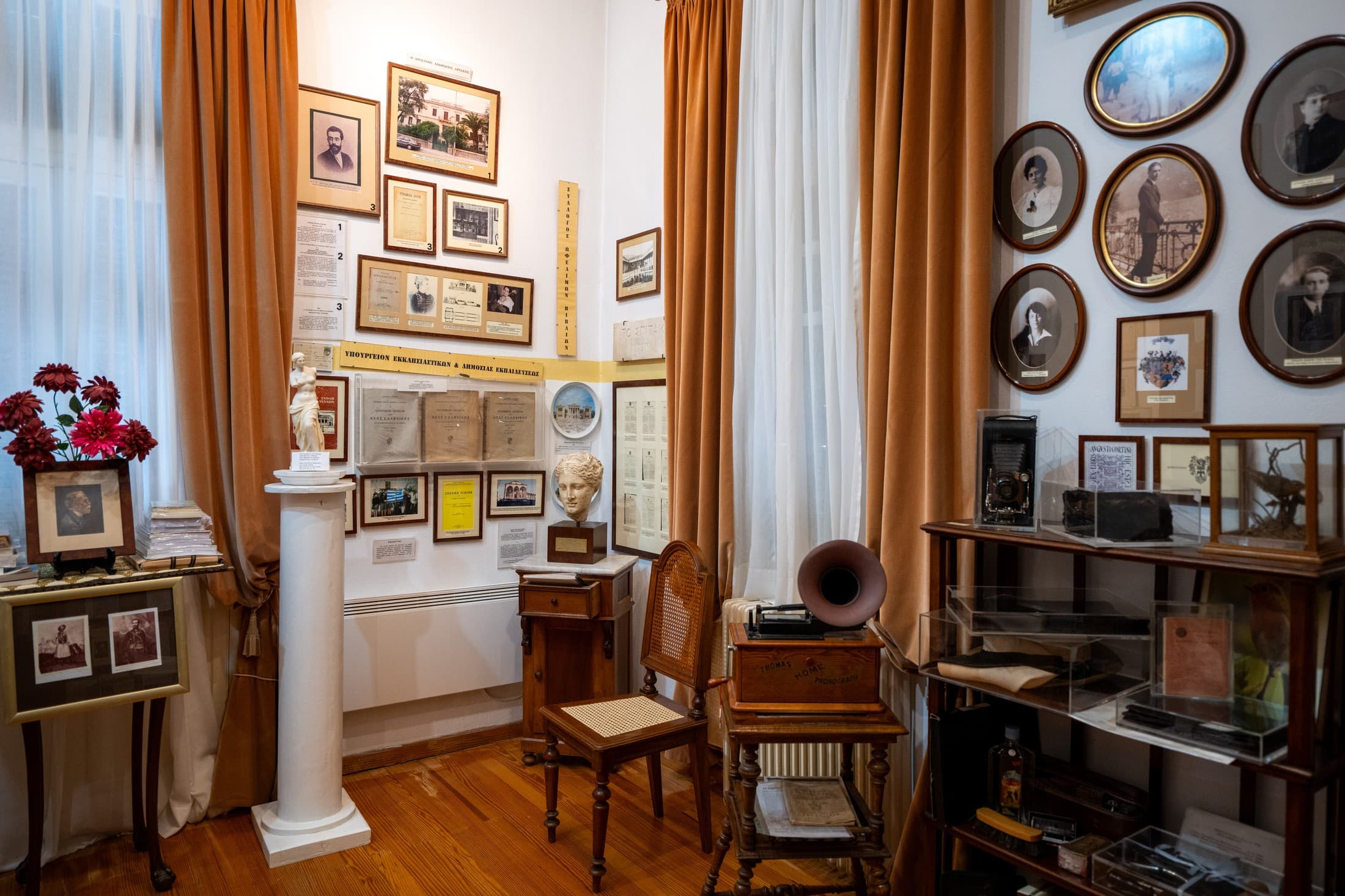
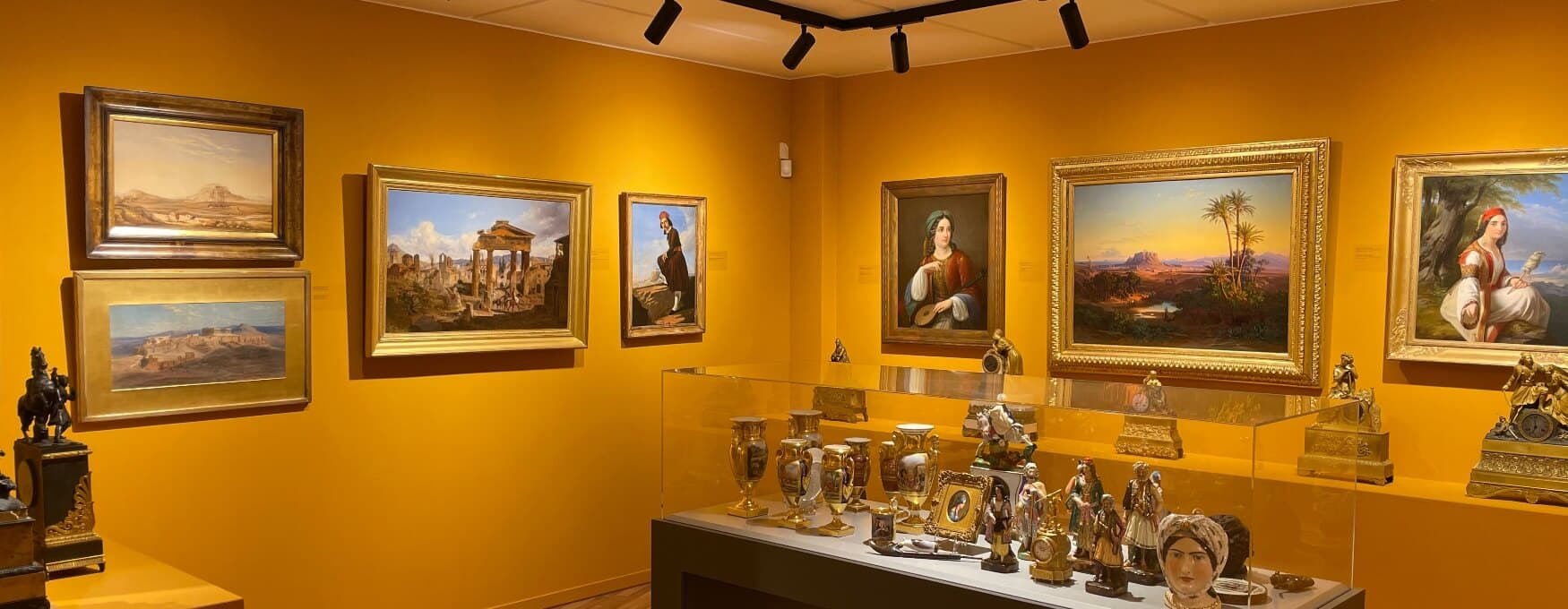
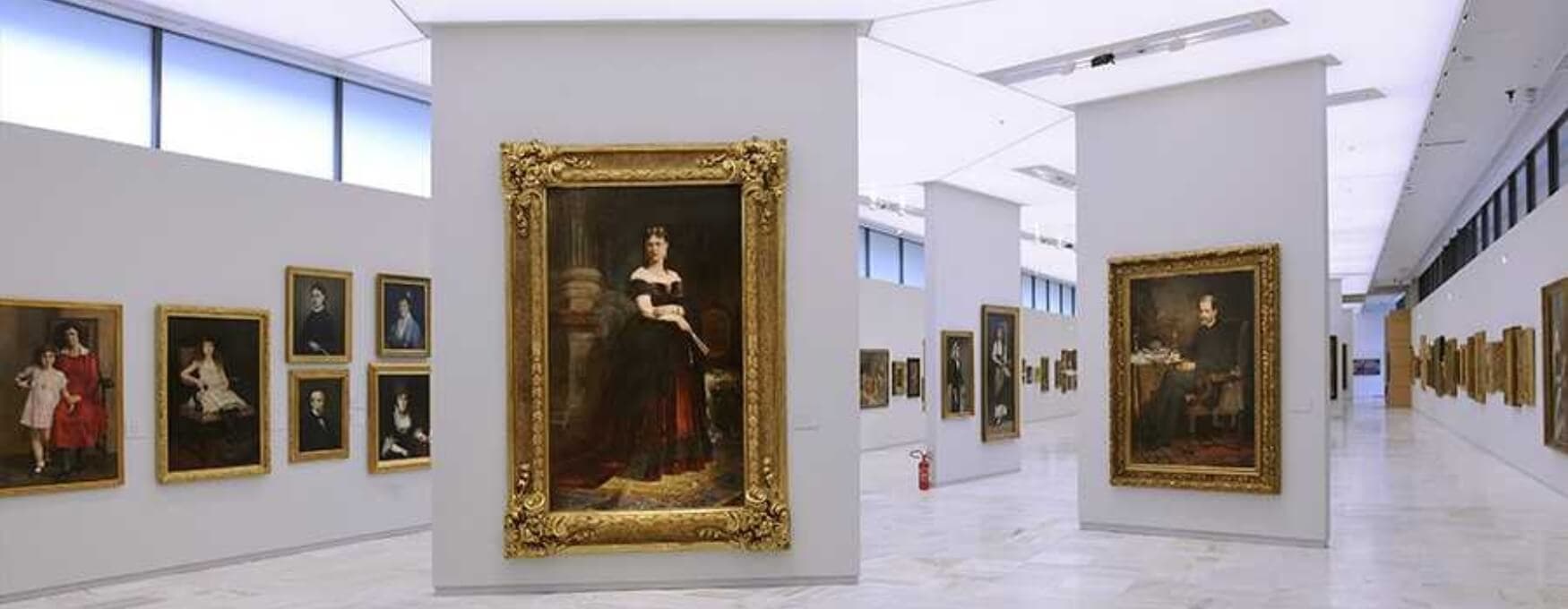
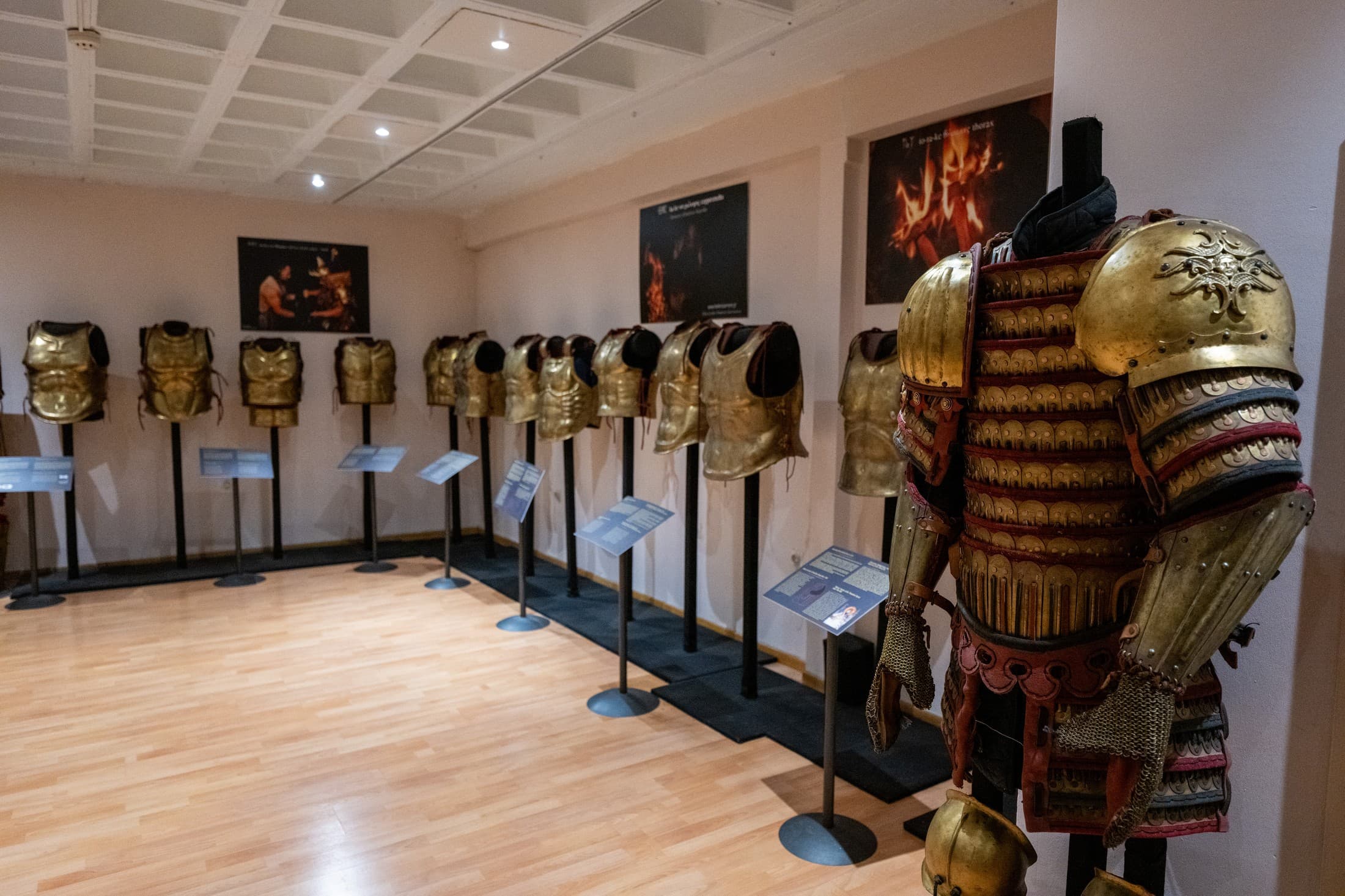
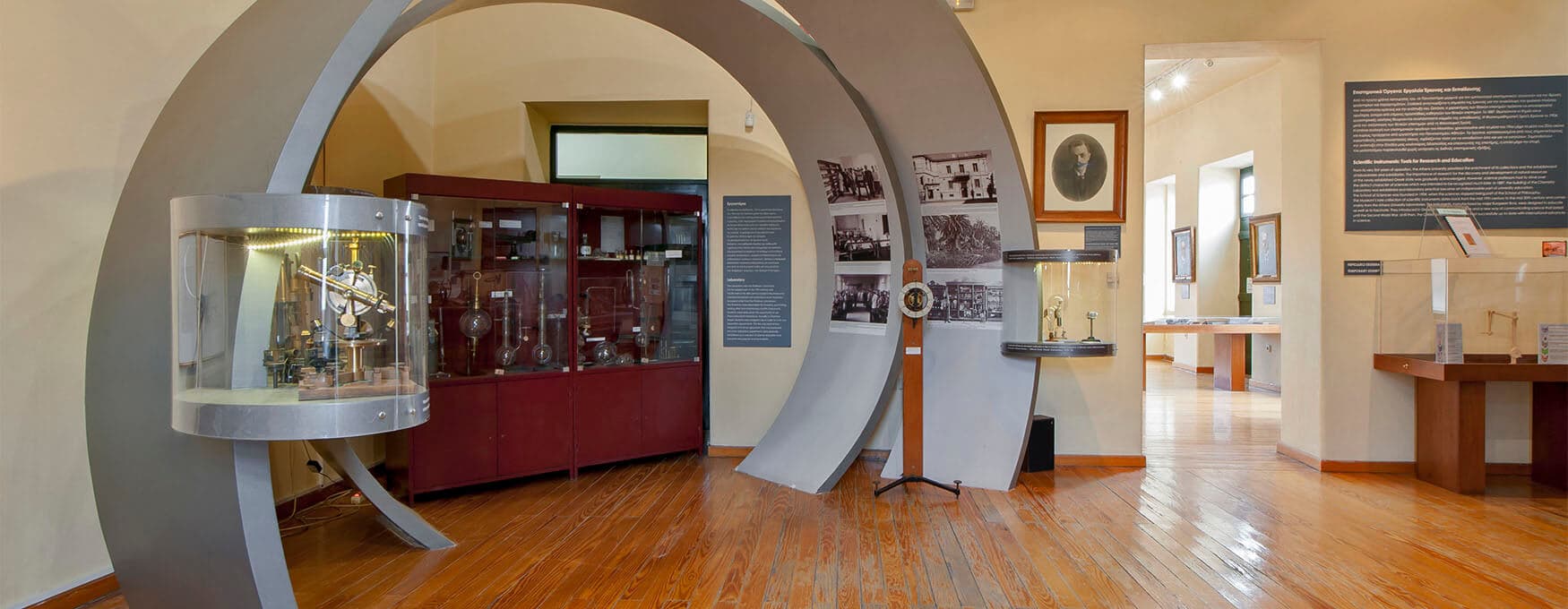
Dans l’exposition permanente, le visiteur découvre des armes, des drapeaux, des objets personnels de figures historiques, des documents et des œuvres d’art. La collection est également enrichie par un important matériel ethnographique, comprenant des costumes traditionnels, des ustensiles domestiques, des outils et des exemples d’artisanat néo-hellénique. Le musée étend son activité à Hydra avec deux importantes annexes : la Maison historique de Lazaros Kountouriotis, ouverte depuis 2001, et la Maison-atelier du peintre académicien Panagiotis Tetsis.La Société historique et ethnologique
L’âme du musée reste la Société historique et ethnologique de Grèce (IEEE), fondée en 1882 par d’éminentes personnalités des lettres et des arts. Son objectif est de préserver et de mettre en valeur les témoignages du patrimoine national, tout en conservant des archives, une bibliothèque et en publiant un bulletin scientifique consacré à des études historiques.