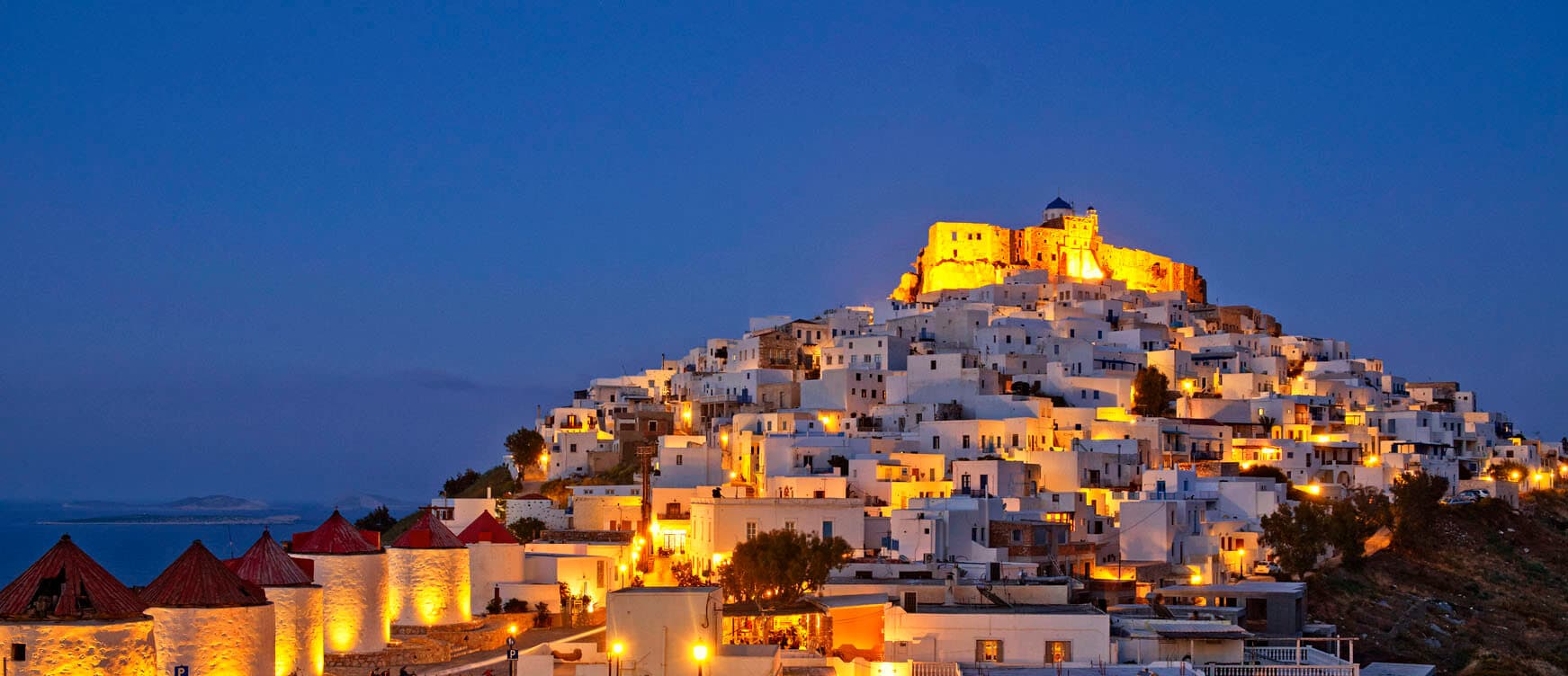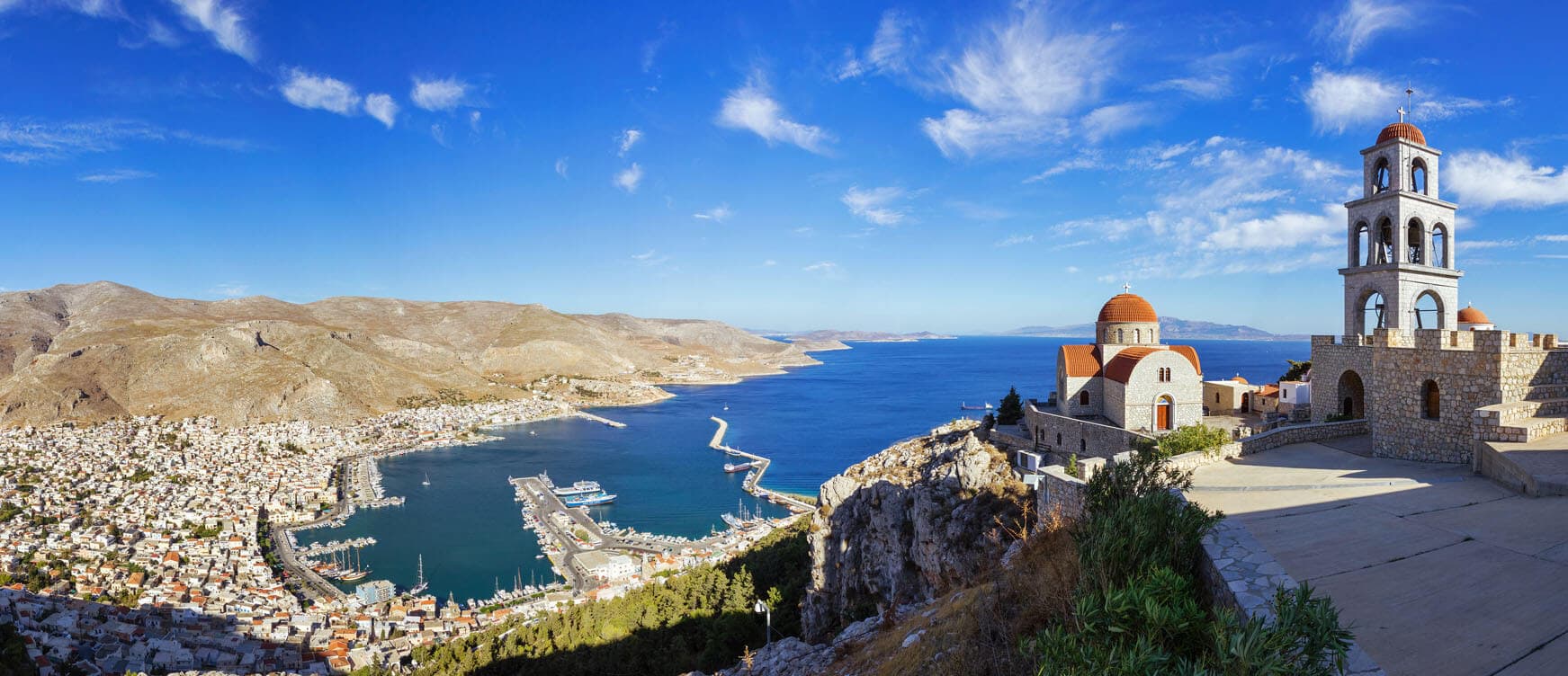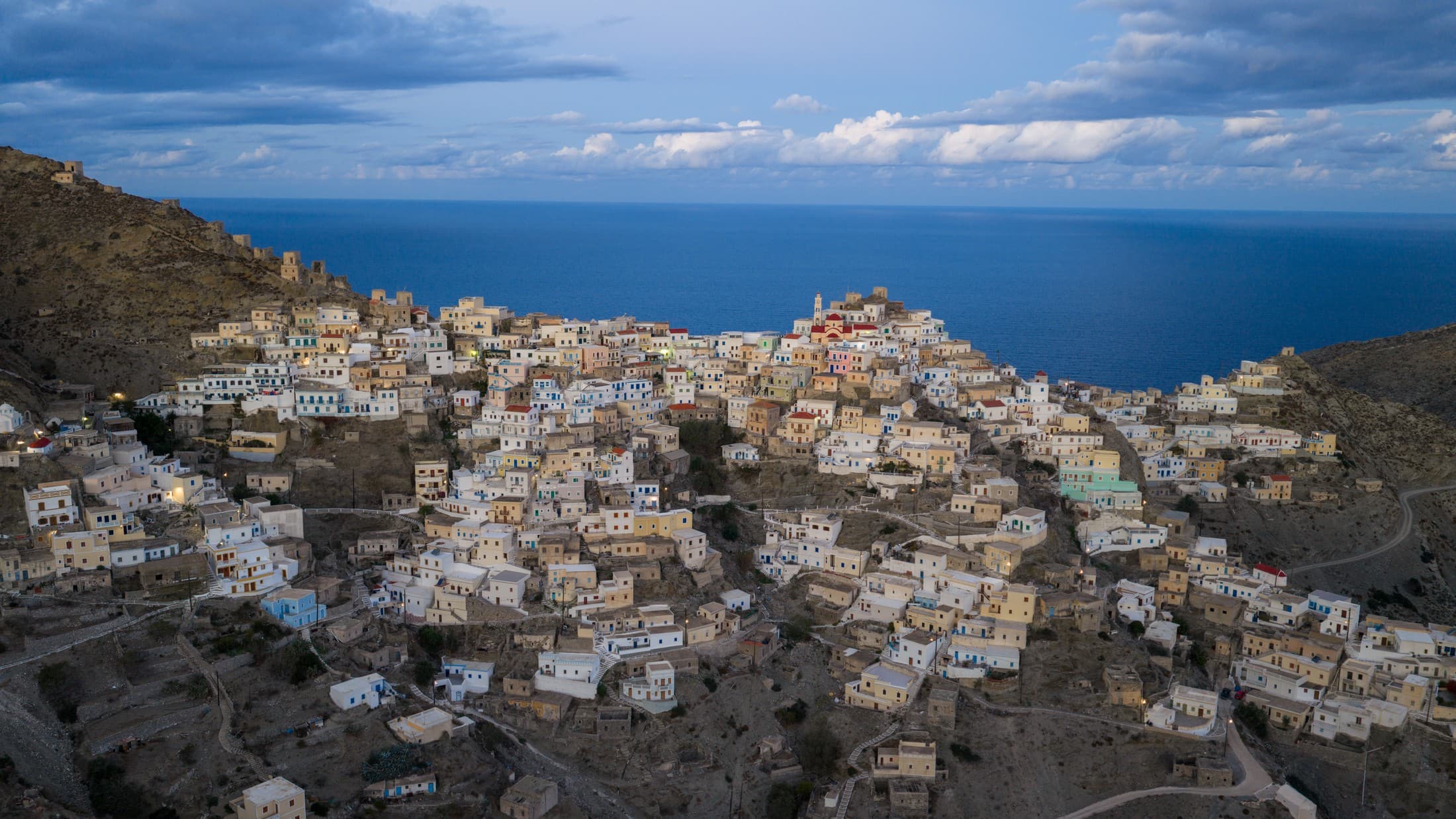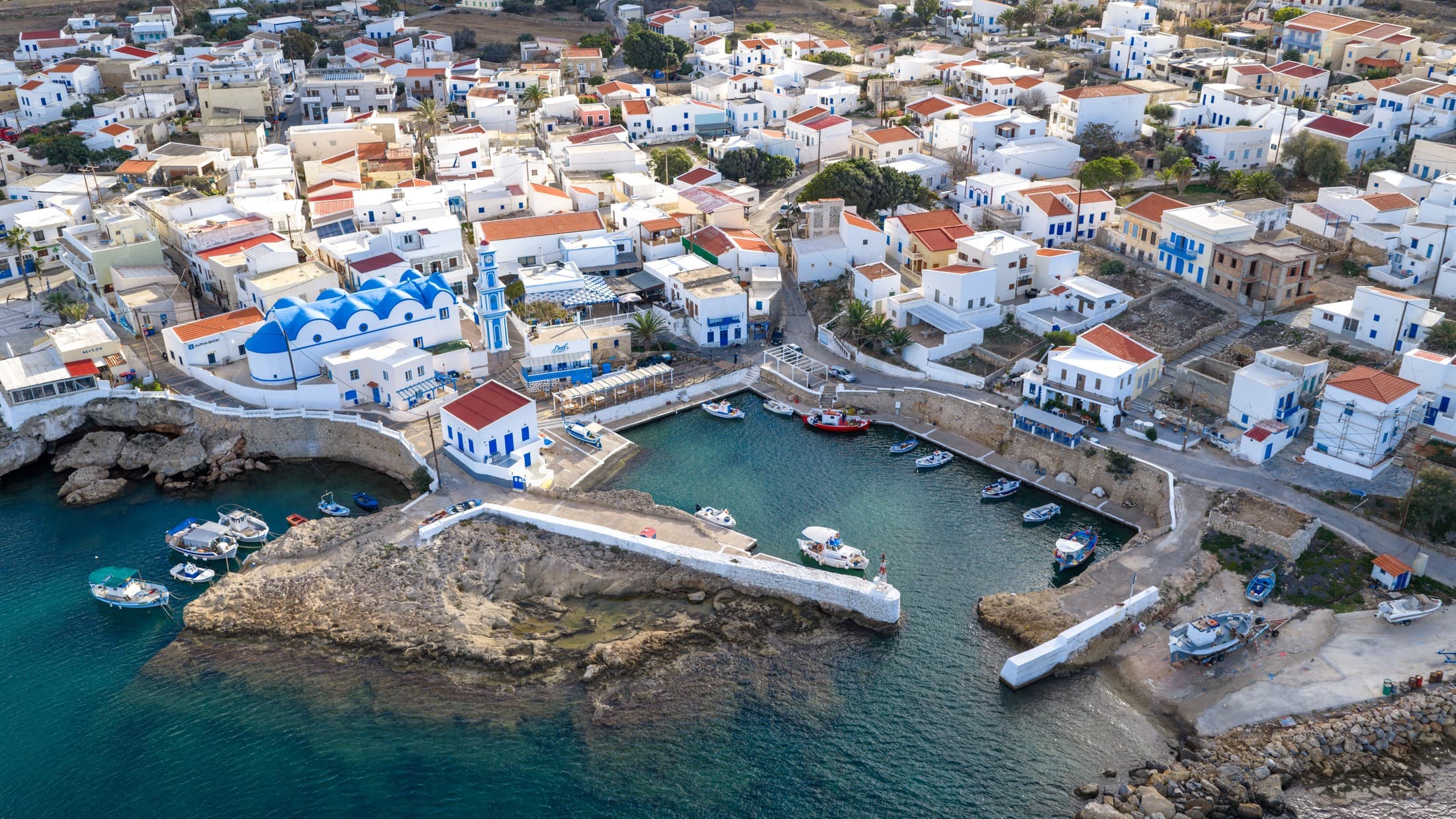
Kos
27°C
Kos
- 18/07/2026
- Humidity 49%
- Wind speed 13.8 km/h
The island of Hippocrates
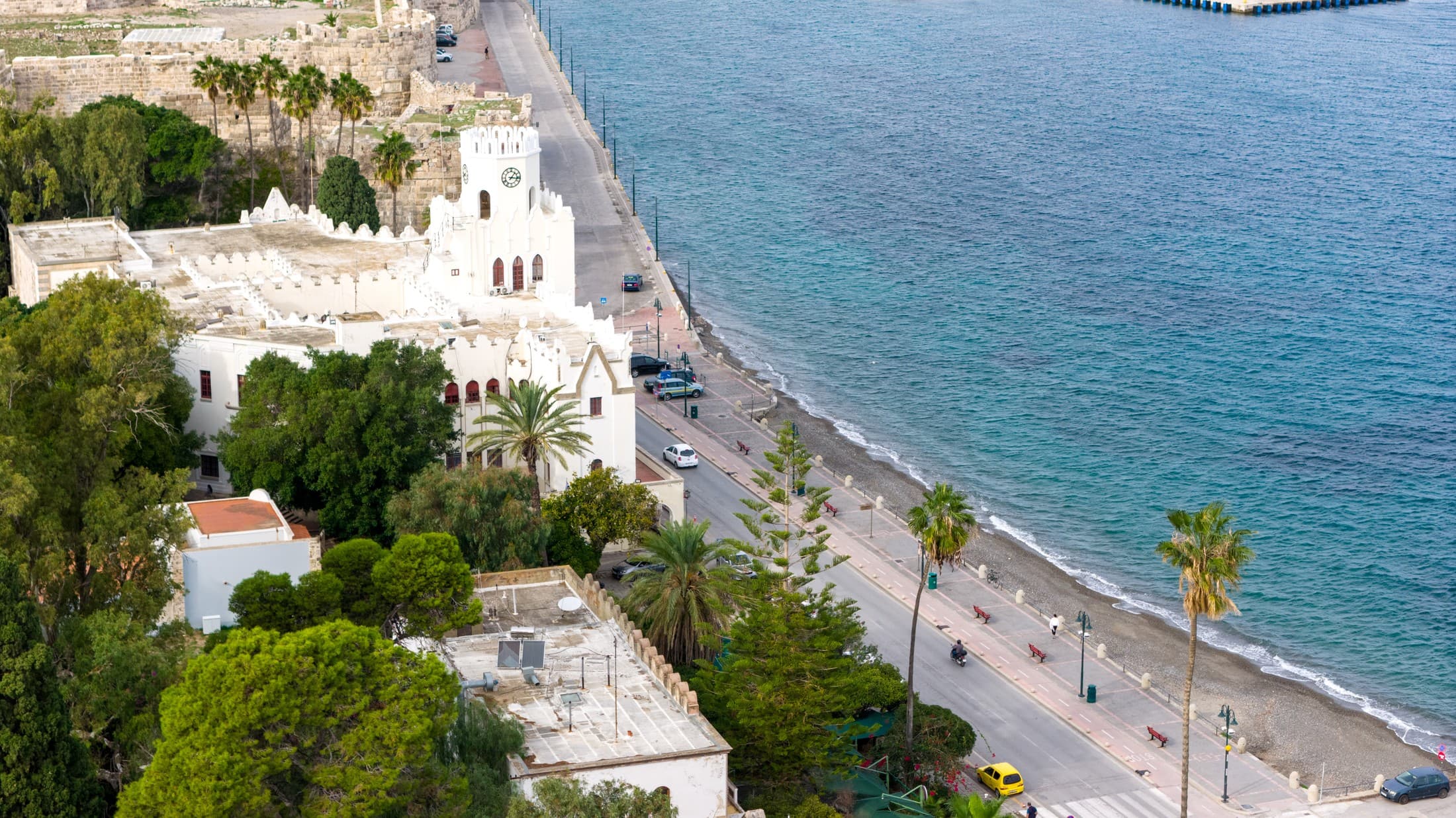
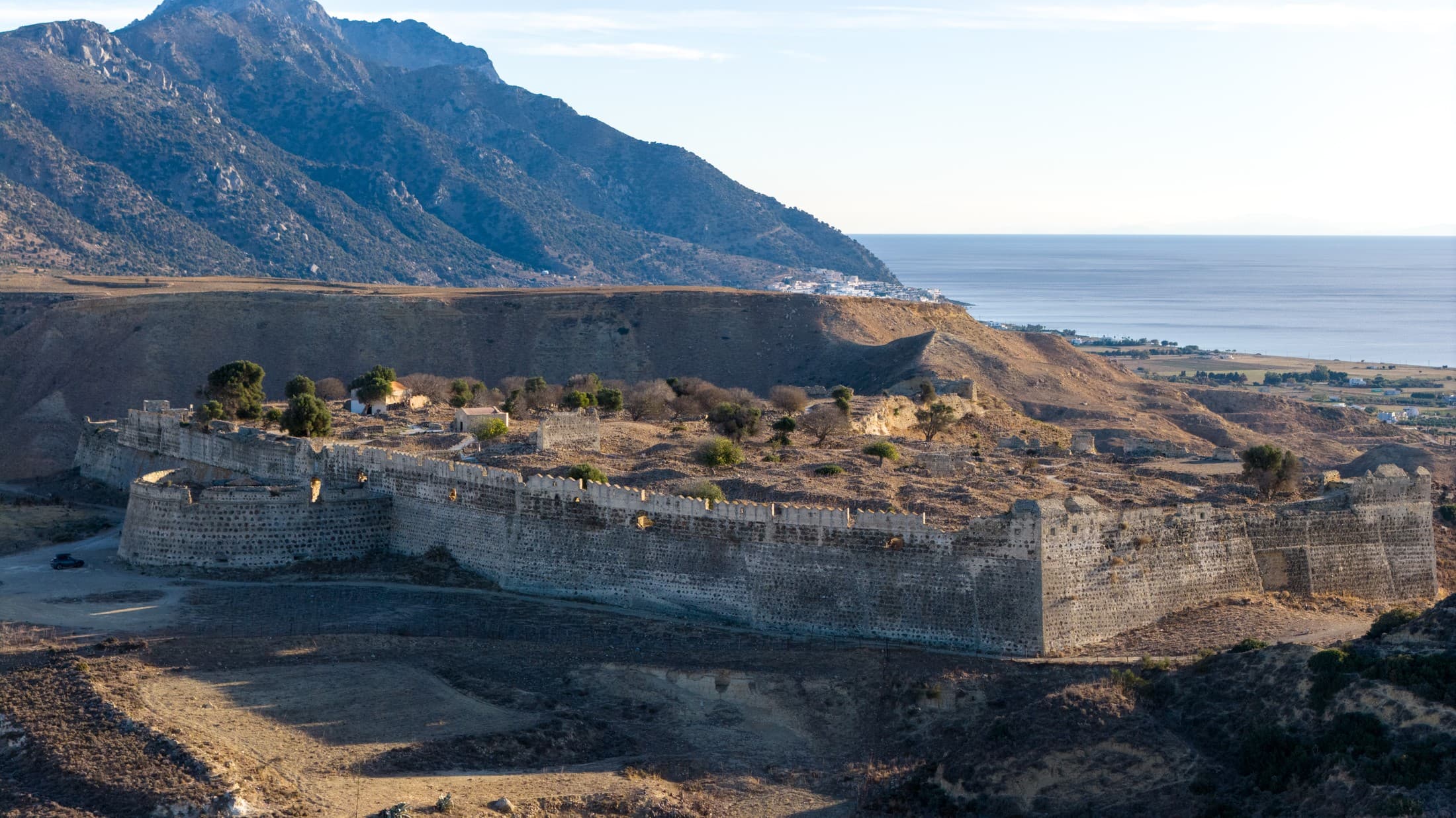
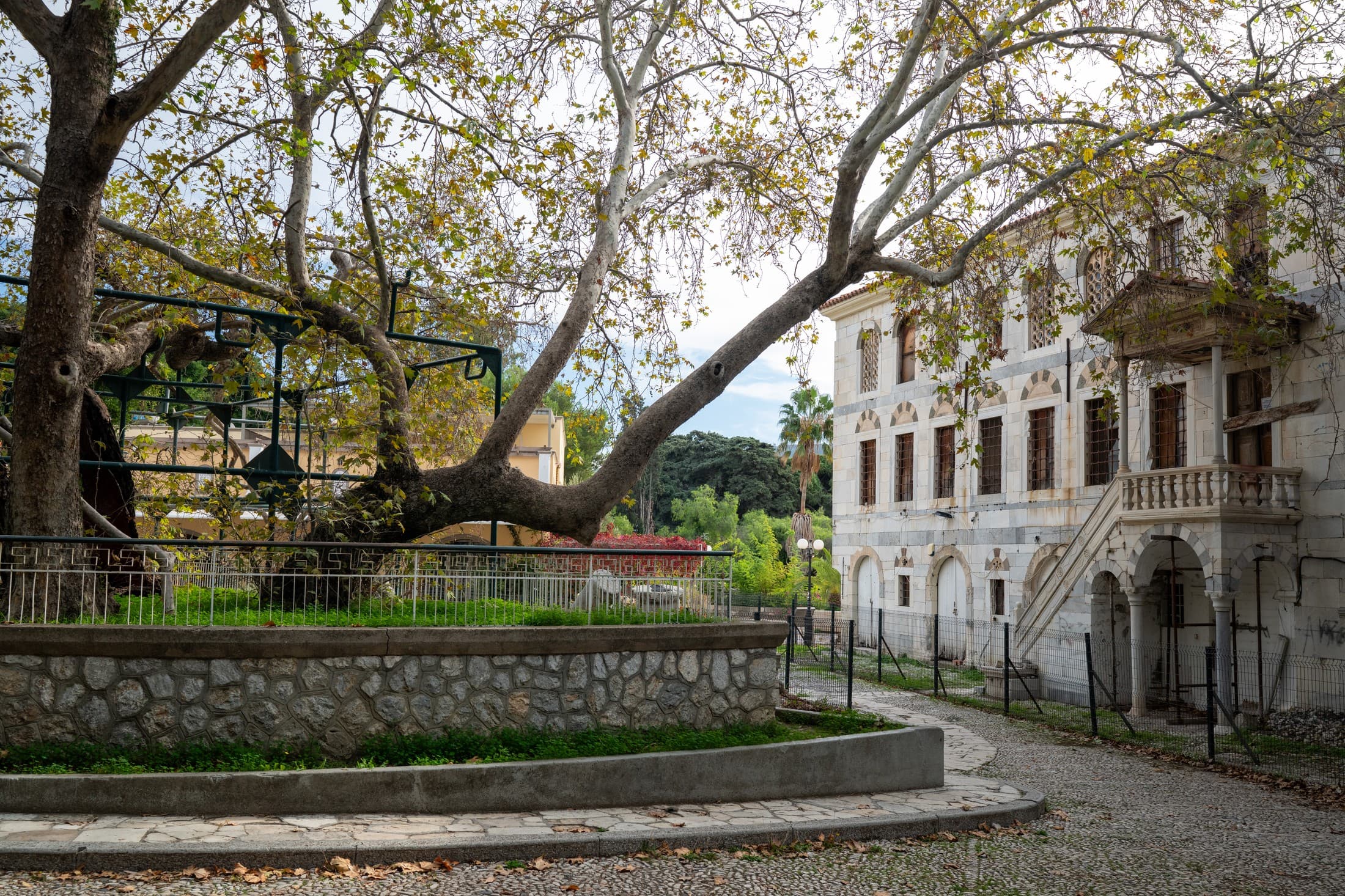
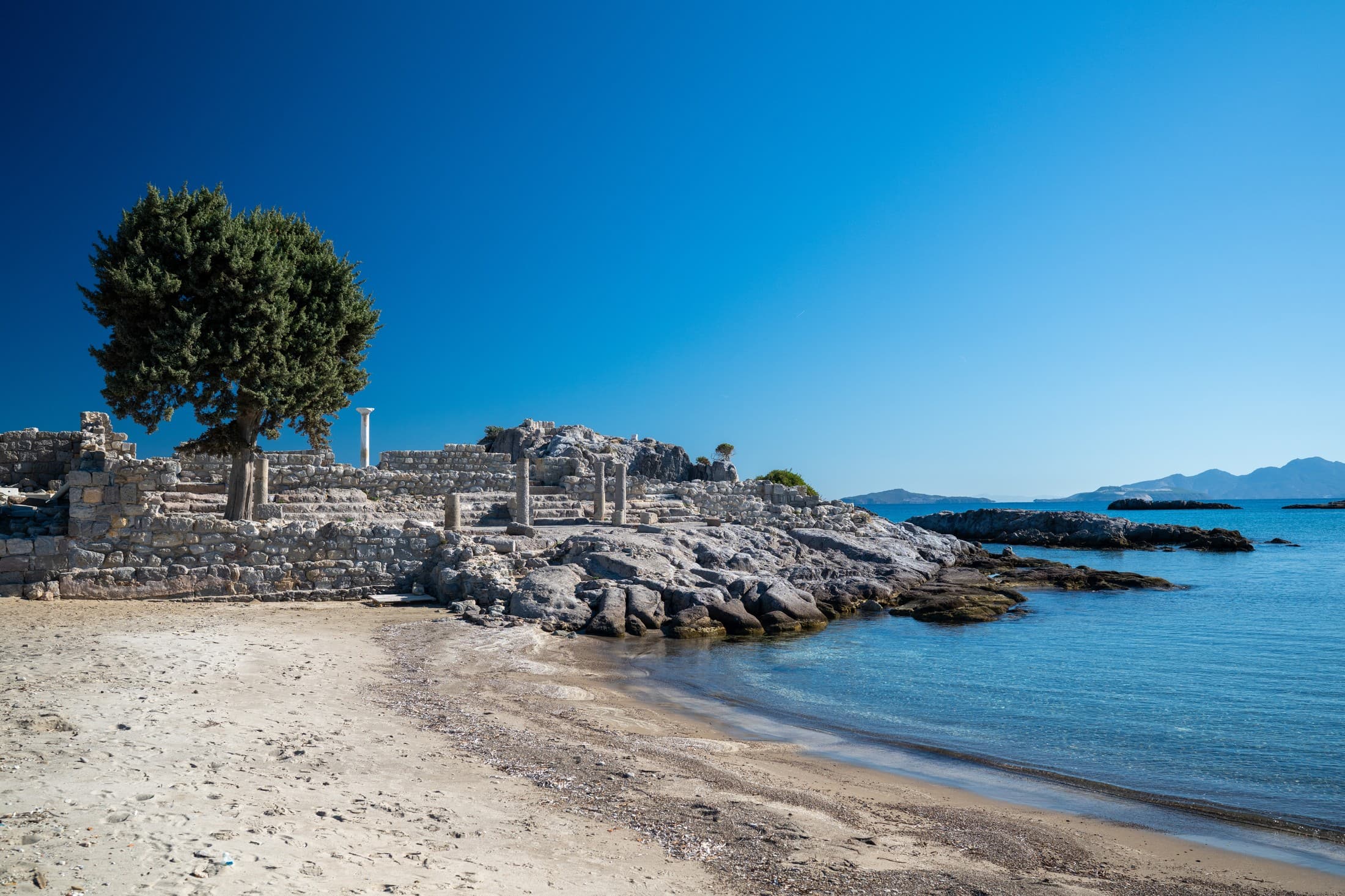
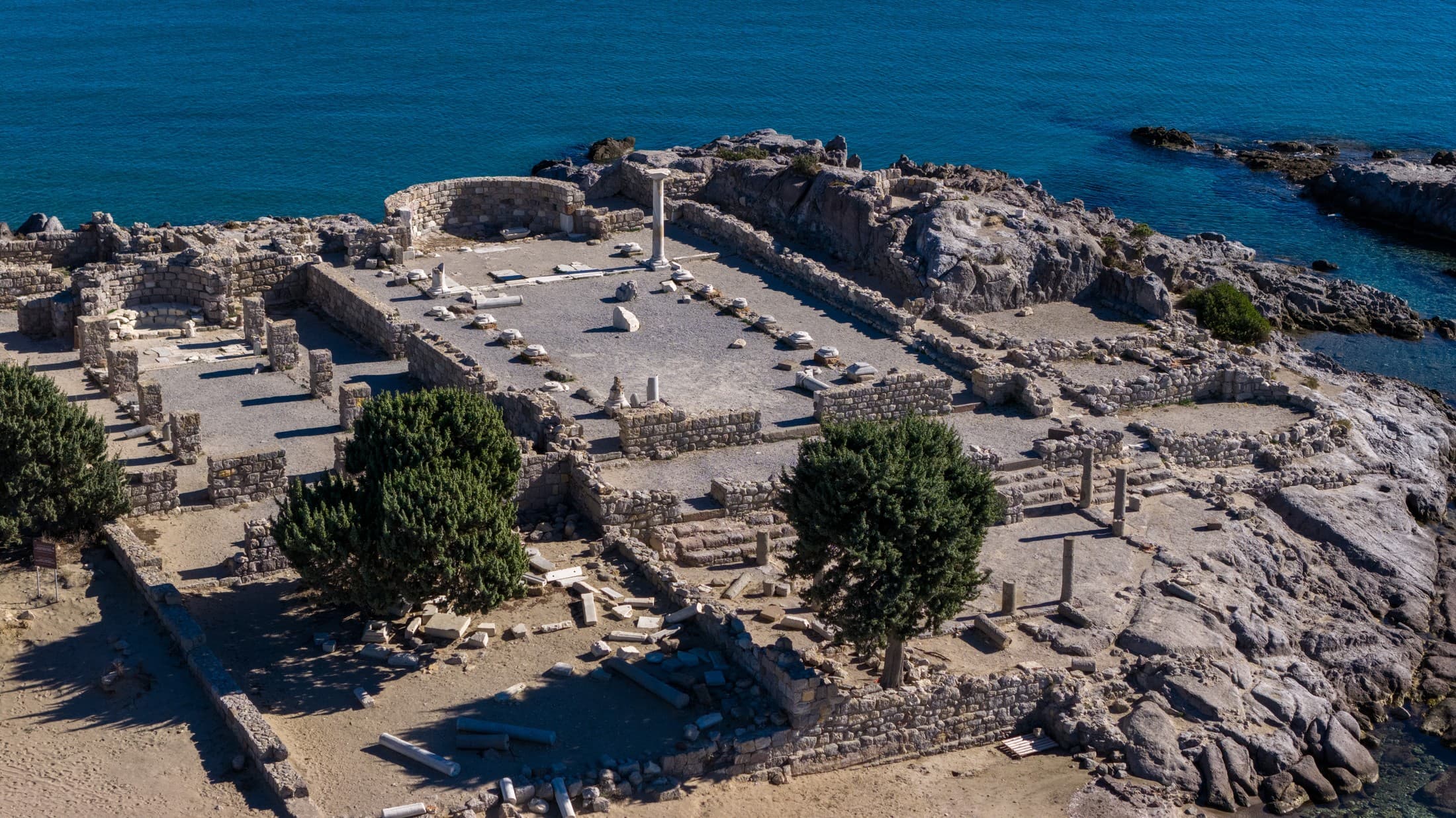
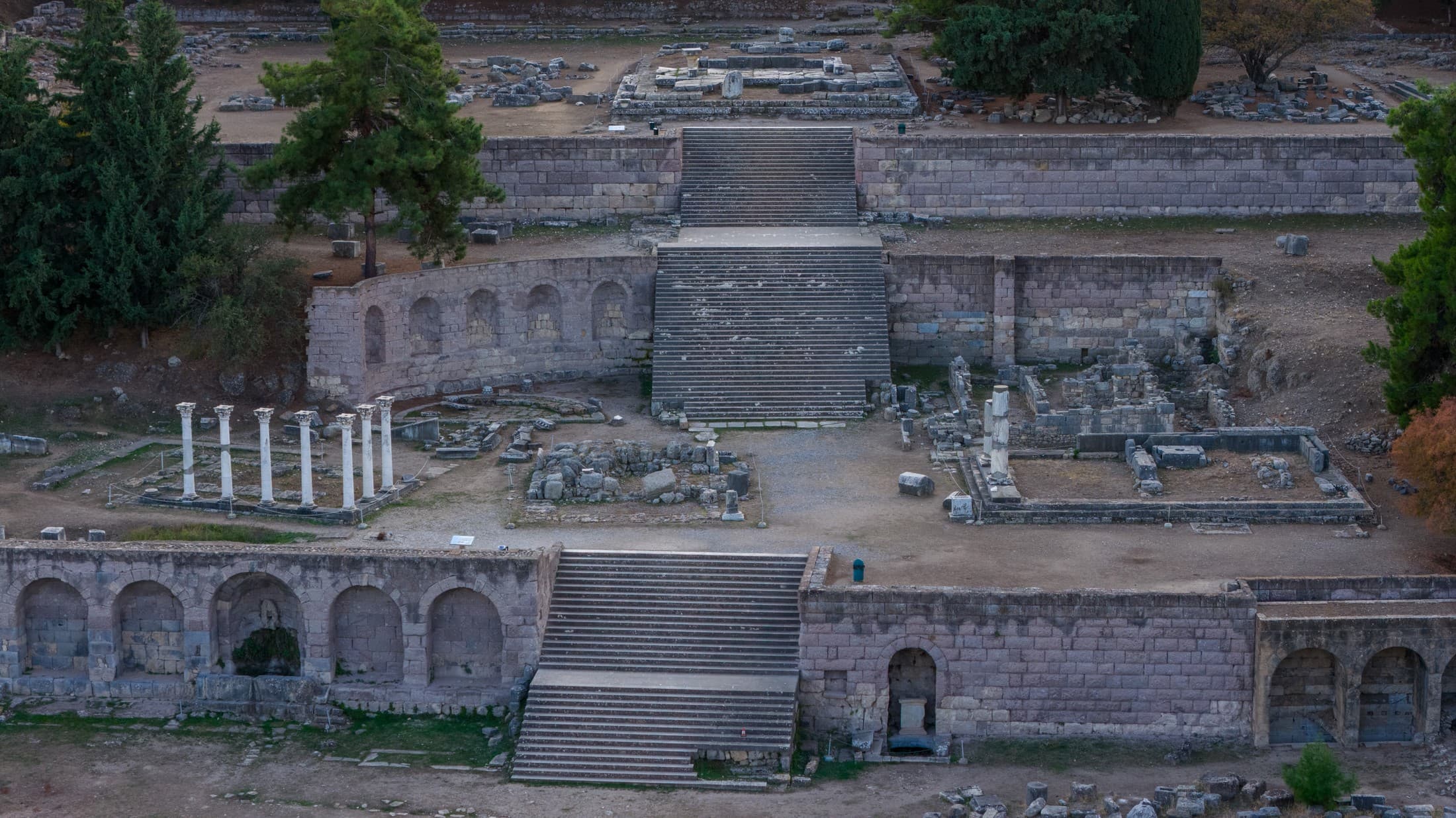
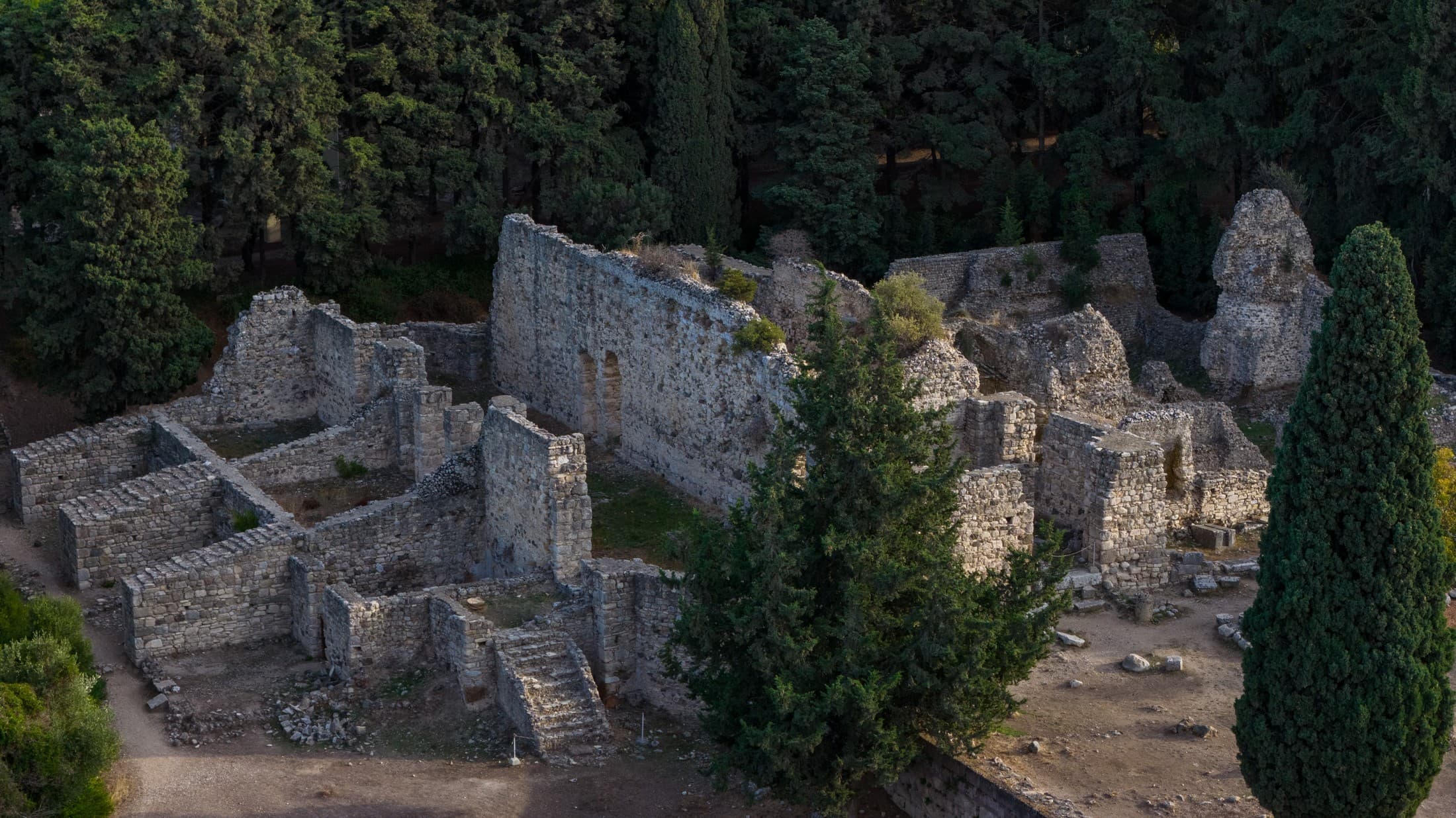
Kos, likely named after the daughter of the legendary king Merops, boasts a history stretching back millennia. It is the birthplace of Hippocrates, the father of medicine. The entire island resembles an open-air museum, replete with ancient and medieval monuments scattered throughout, alongside imposing structures from the Italian period.
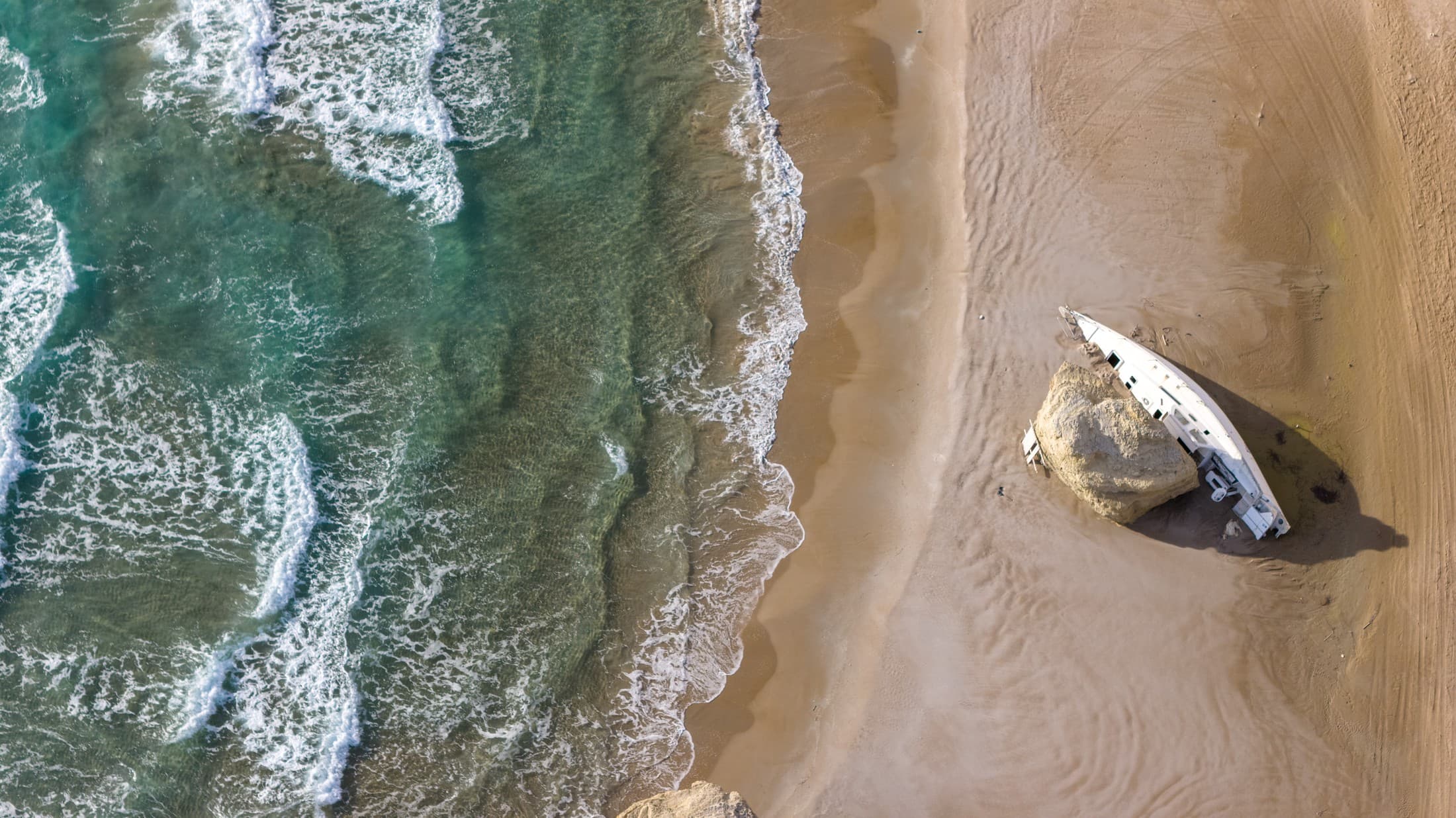
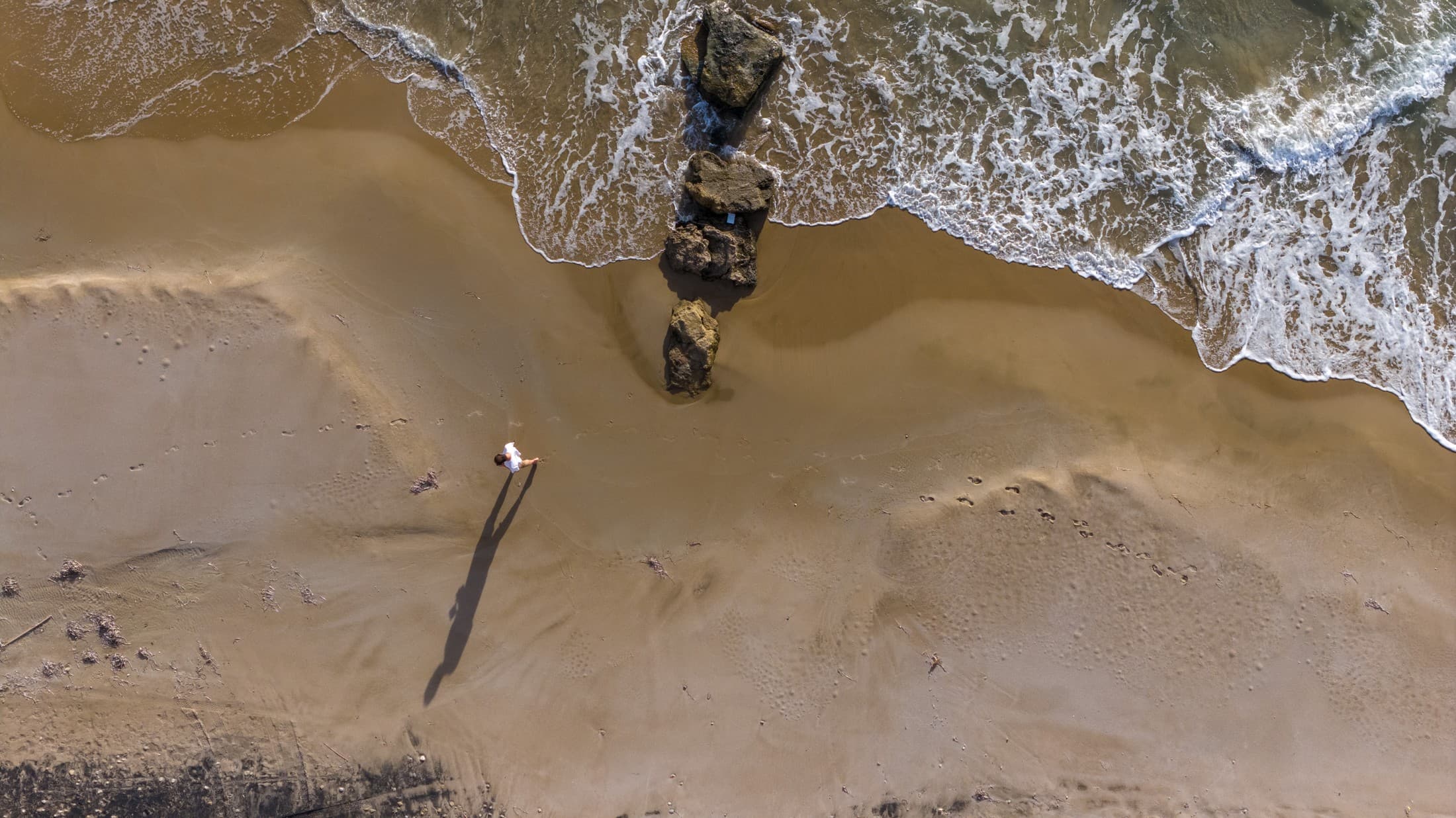
Kos, famed for its welcoming inhabitants, blends cosmopolitan flair with endless turquoise-watered beaches, picturesque villages, and seaside resorts. It is an ideal island for cycling, featuring well-maintained cycle paths that traverse much of its area.
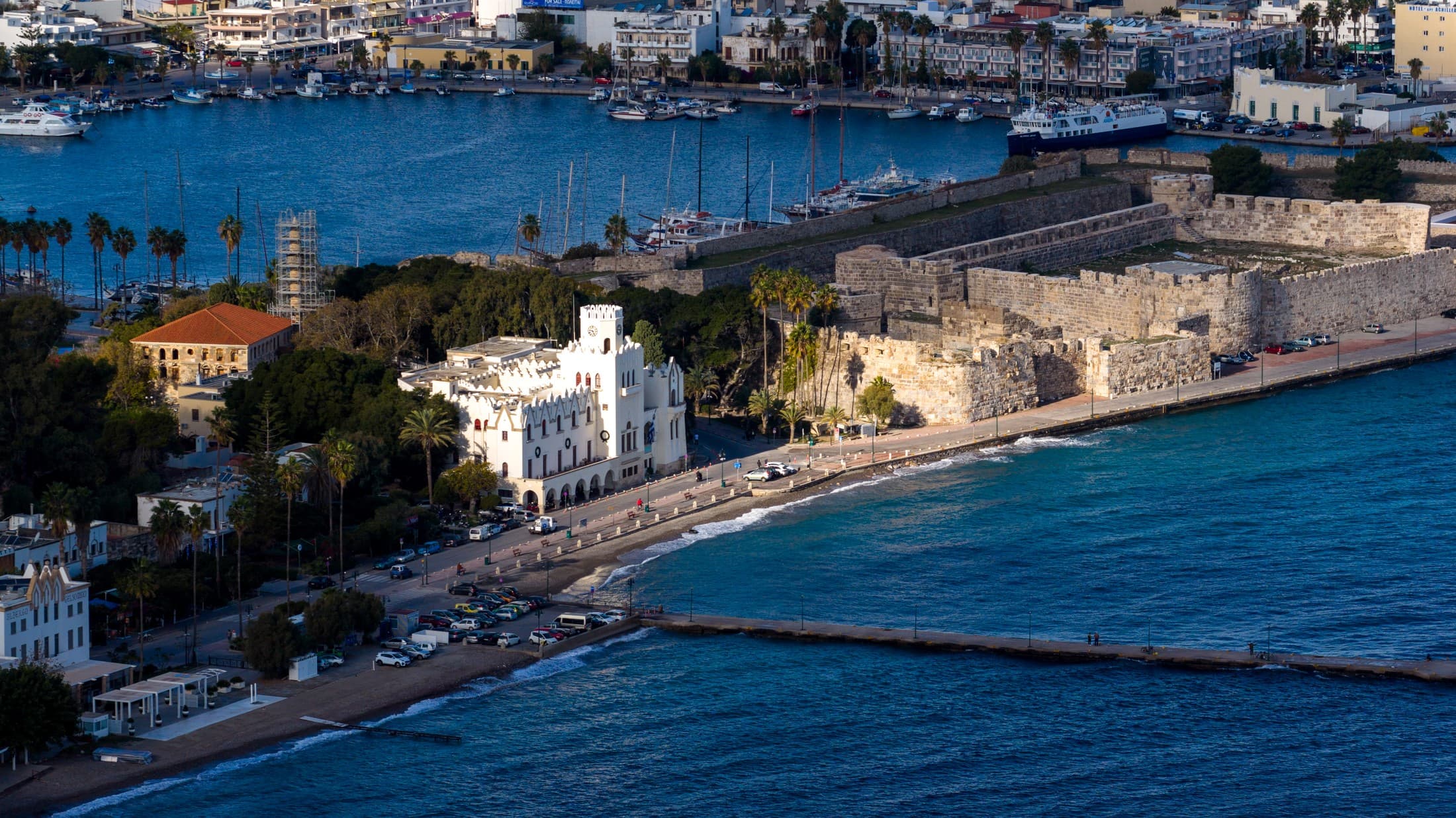
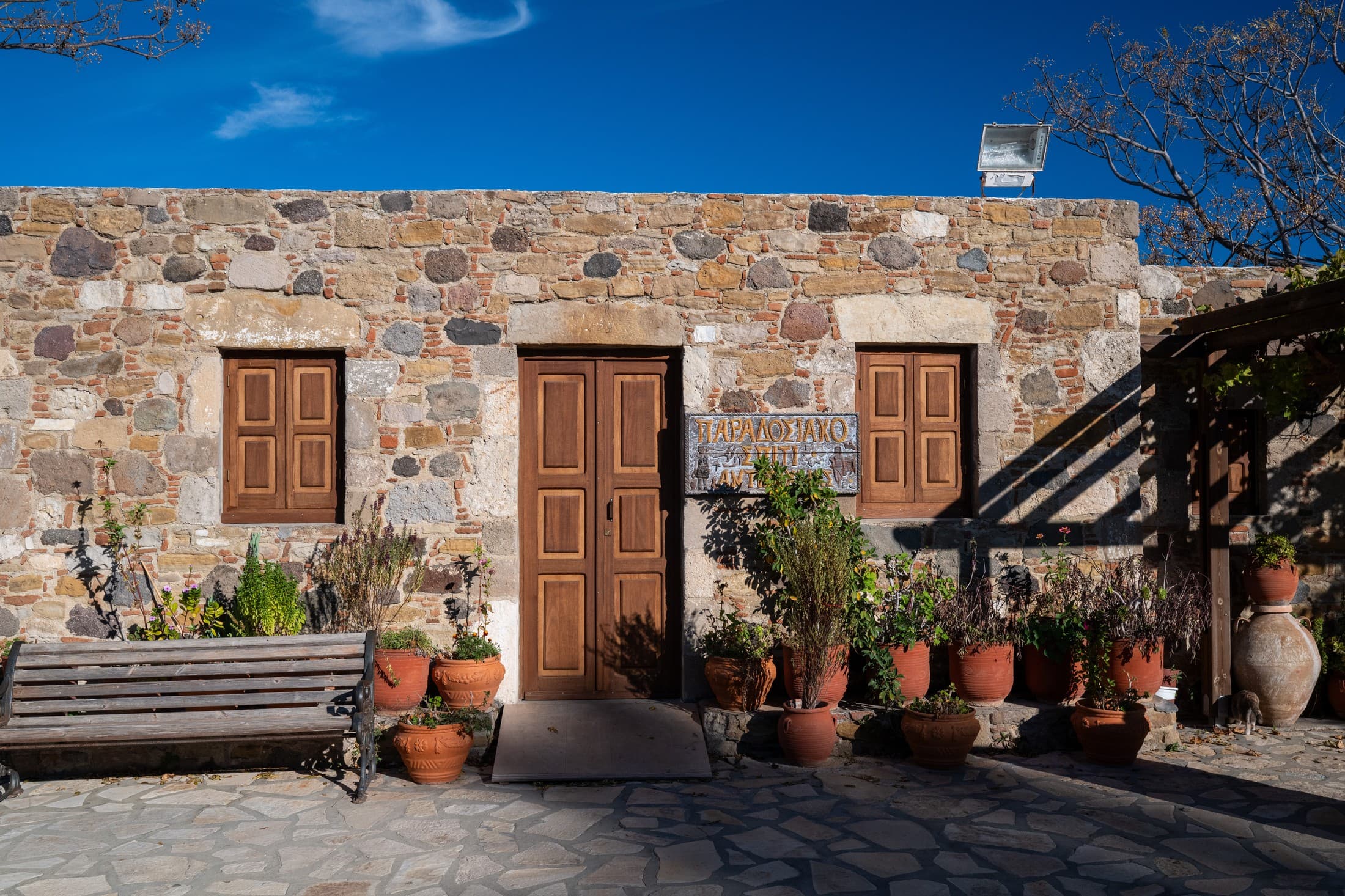
The town of Kos boasts expansive, commodious streets, ample squares, parks, and tree-lined avenues. It exhibits remarkable architectural diversity, with Italian colonial-style buildings juxtaposed alongside low, whitewashed island dwellings, Muslim mosques, knights’ fortifications, apartment blocks, and restored ancient public buildings.
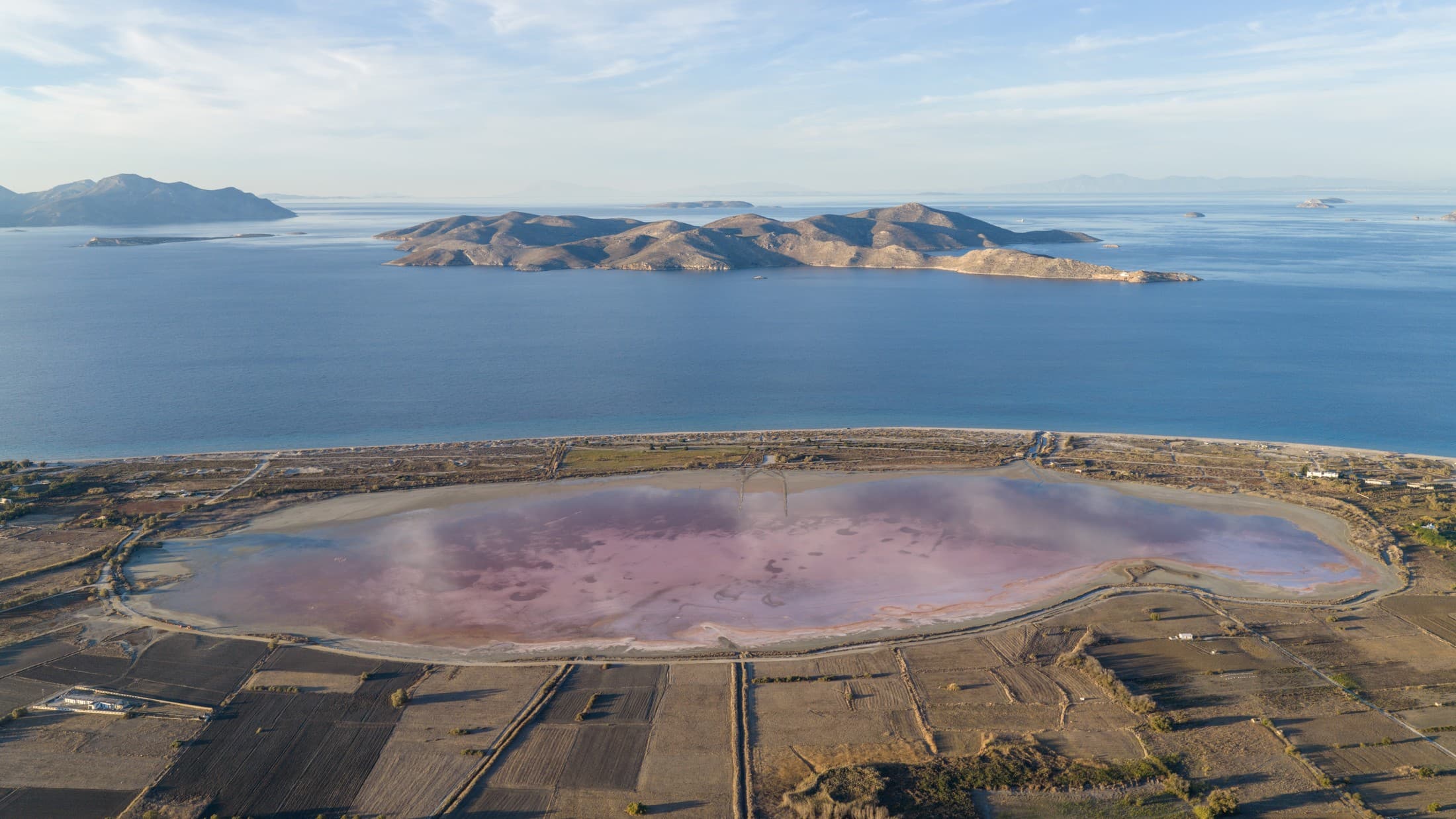
Kos seamlessly blends simplicity, hospitality, charming traditional tavernas, and vibrant nightlife, set against a landscape replete with wetlands, forests, medieval castle towns, traditional villages, and stunning seas.
Snapshots
Postcards from a land of endless beauty.
Signature Experiences
Get a glimpse of the Greek way of life

How to get there?
By Air
Athens International Airport (Eleftherios Venizelos) → Kos Airport (Travel duration: 1 hour),
Thessaloniki Airport (Macedonia) → Kos Airport (Travel duration: 1 hour & 40 minutes)
Thessaloniki Airport (Macedonia) → Kos Airport (Travel duration: 1 hour & 40 minutes)