A treasure of underwater archaeology
The Antikythera Shipwreck is one of the most important and iconic finds in underwater archaeology in the Mediterranean. It was discovered by chance in 1900, off the coast of Antikythera, by sponge divers from Symi.
It soon became clear that this was a merchant vessel of the Hellenistic period, dating to the 1st century BC. Its cargo included marble and bronze statues, luxury items, glassware and precious works of art, most likely transported from the Greek world to Rome.
Among the finds, the Antikythera Mechanism stands out as an artefact of global significance. It is an extraordinarily complex geared mechanism, regarded as the world’s oldest known astronomical computer. The mechanism was used to predict astronomical phenomena, eclipses and calendar cycles, revealing the high level of scientific knowledge and technology attained during the Hellenistic era. Its discovery radically transformed our understanding of the capabilities of ancient Greek engineering.
The Antikythera Shipwreck is a rare testament to seafaring, the economy, art and science in the ancient world. Research did not stop with the first recoveries of the early 20th century. It continues to this day through modern underwater expeditions, robotic equipment and new documentation technologies, which are constantly bringing to light new evidence about the ship, its cargo and the maritime trade routes of the time.
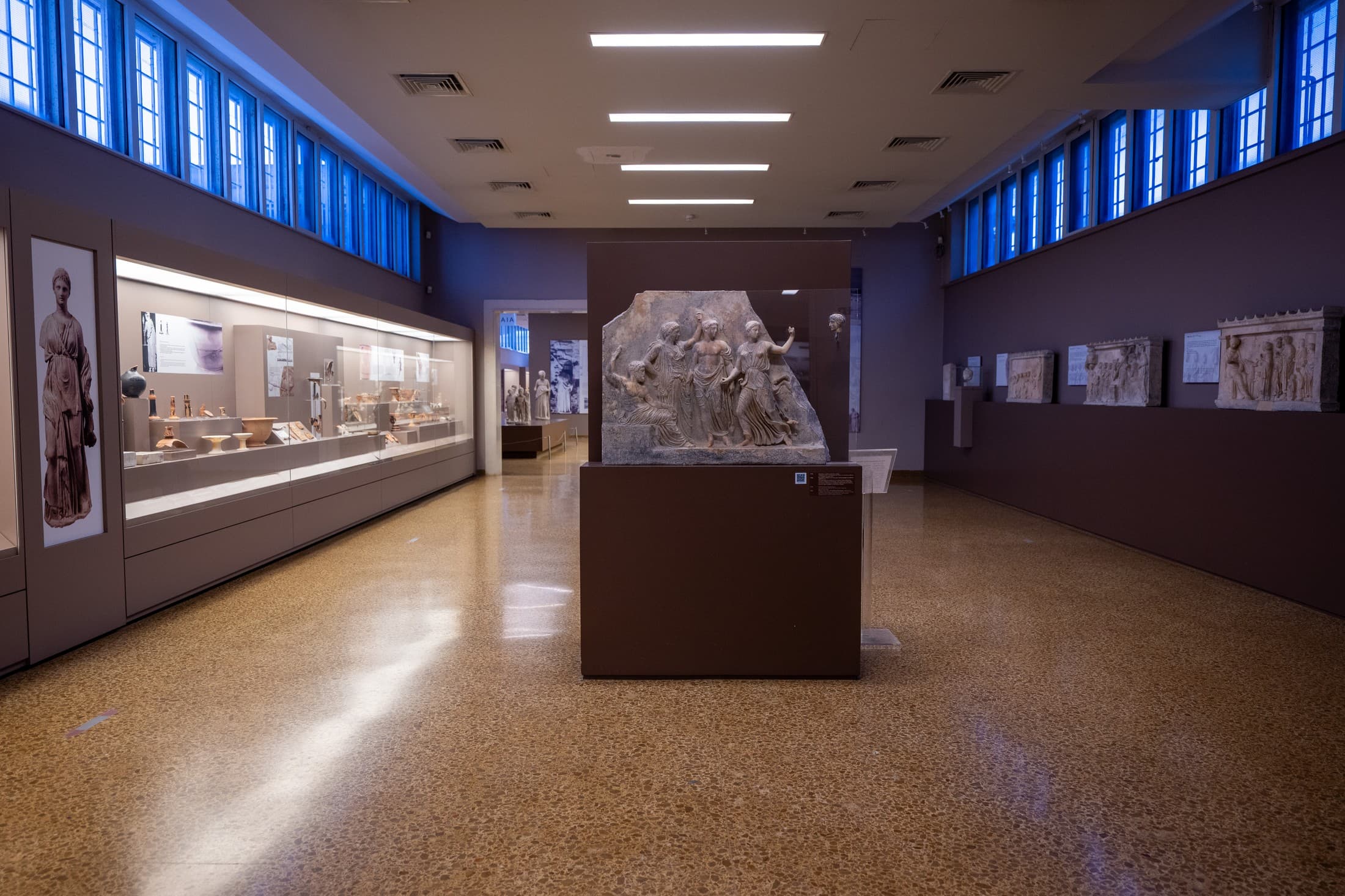
Today, the Antikythera Shipwreck is regarded as a symbol of Greece’s underwater cultural heritage and as one of the most characteristic examples of how the sea can preserve priceless treasures of human history for centuries. It is not open to visitors, except for archaeological research. The main body of the finds is permanently housed in the National Archaeological Museum of Athens.
It soon became clear that this was a merchant vessel of the Hellenistic period, dating to the 1st century BC. Its cargo included marble and bronze statues, luxury items, glassware and precious works of art, most likely transported from the Greek world to Rome.
Among the finds, the Antikythera Mechanism stands out as an artefact of global significance. It is an extraordinarily complex geared mechanism, regarded as the world’s oldest known astronomical computer. The mechanism was used to predict astronomical phenomena, eclipses and calendar cycles, revealing the high level of scientific knowledge and technology attained during the Hellenistic era. Its discovery radically transformed our understanding of the capabilities of ancient Greek engineering.
The Antikythera Shipwreck is a rare testament to seafaring, the economy, art and science in the ancient world. Research did not stop with the first recoveries of the early 20th century. It continues to this day through modern underwater expeditions, robotic equipment and new documentation technologies, which are constantly bringing to light new evidence about the ship, its cargo and the maritime trade routes of the time.
Today, the Antikythera Shipwreck is regarded as a symbol of Greece’s underwater cultural heritage and as one of the most characteristic examples of how the sea can preserve priceless treasures of human history for centuries. It is not open to visitors, except for archaeological research. The main body of the finds is permanently housed in the National Archaeological Museum of Athens.