The birthplace of great philosophers
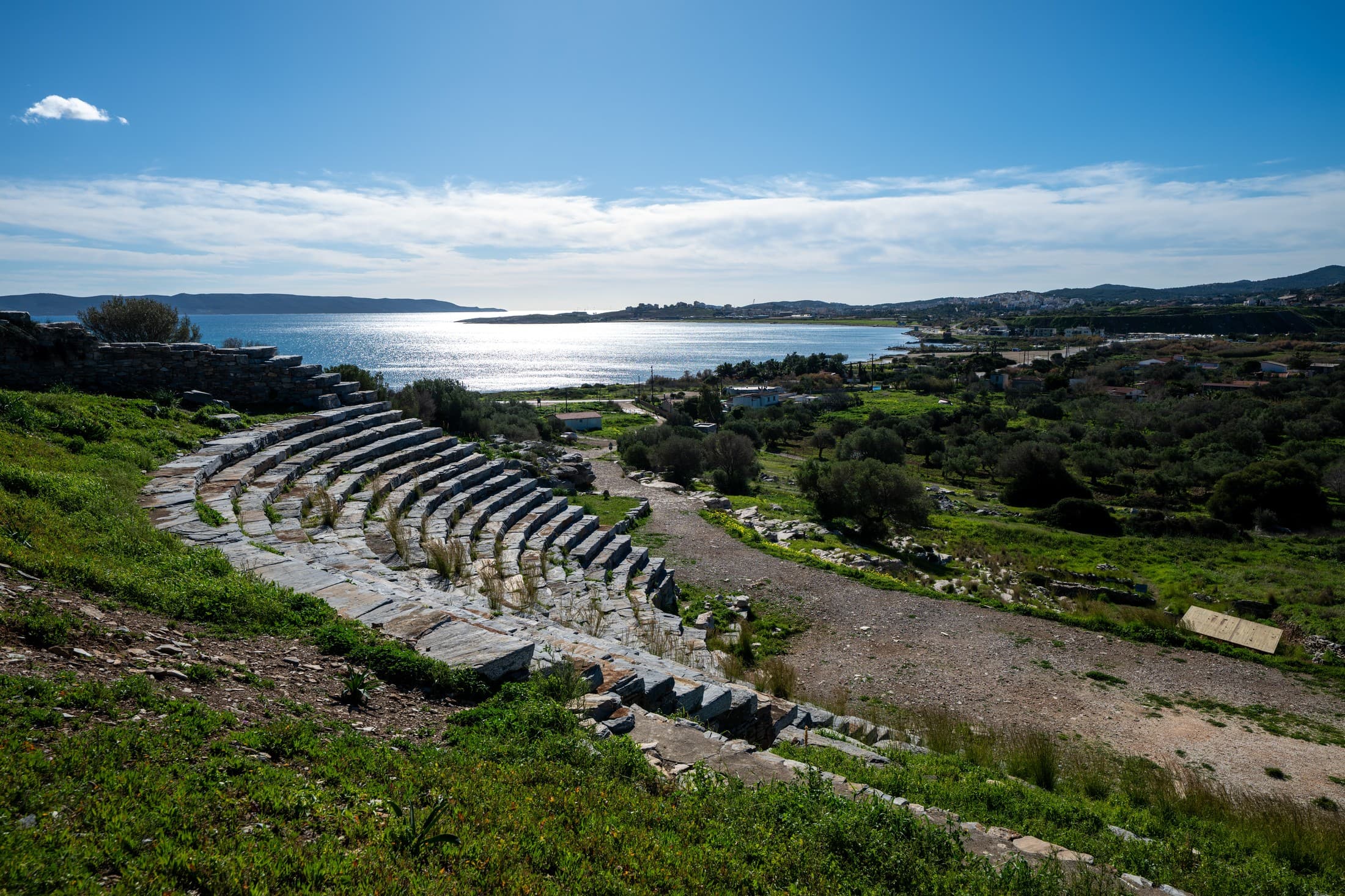
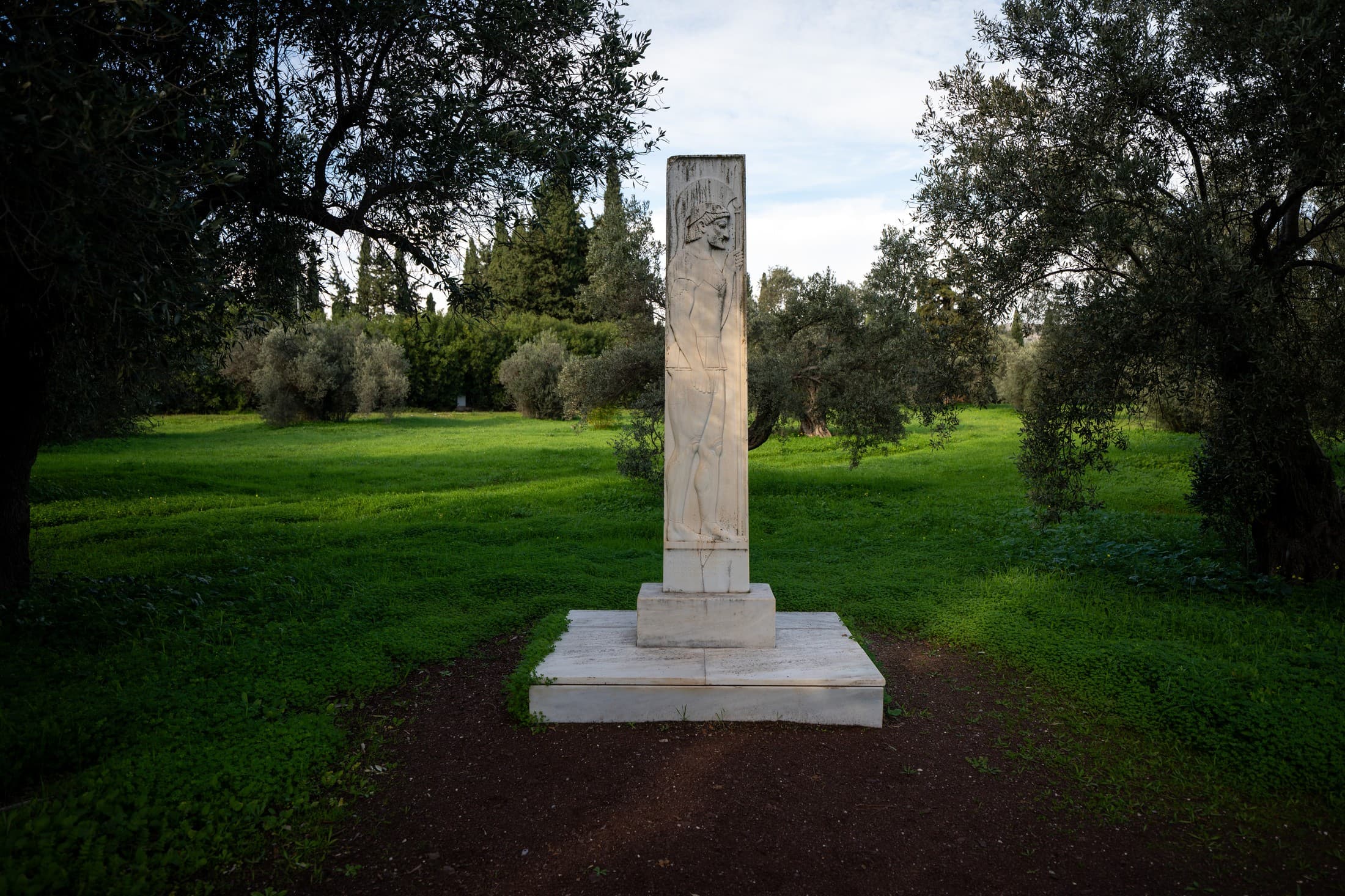
Set in a privileged location along the shores of the Thracian Sea, the archaeological site of Abdera reveals the history of a city that once stood as a centre of intellectual and economic prominence in antiquity. Abdera was founded in the mid-7th century BC by settlers from Clazomenae and later by colonists from the Ionian city of Teos. It became closely associated with leading thinkers, as it was the birthplace of Democritus, Protagoras and Leucippus. Through what you will see today, you can gain an understanding of the profound influence that the Abderite philosophers exerted on the development of global philosophical and scientific thought.
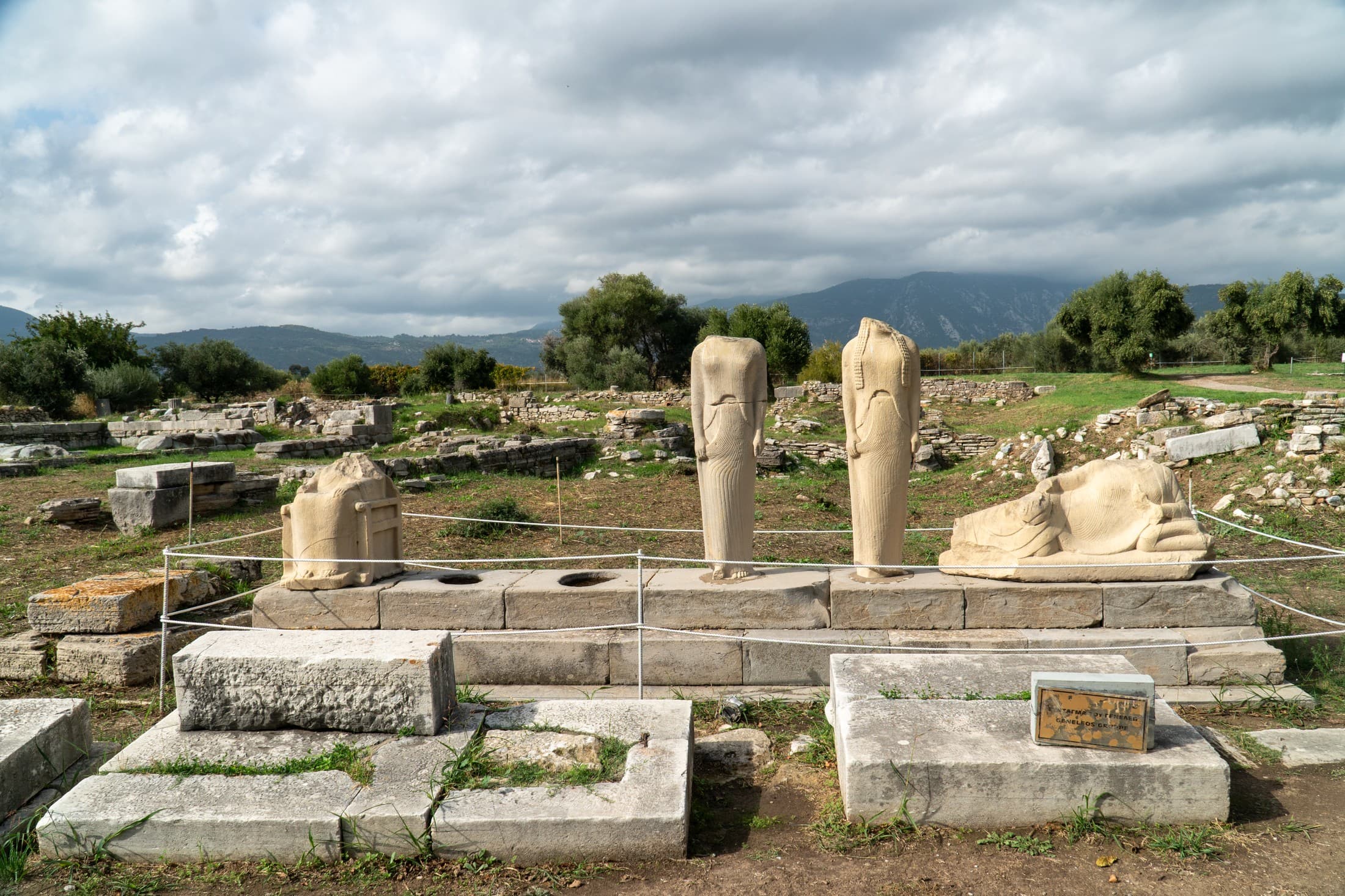
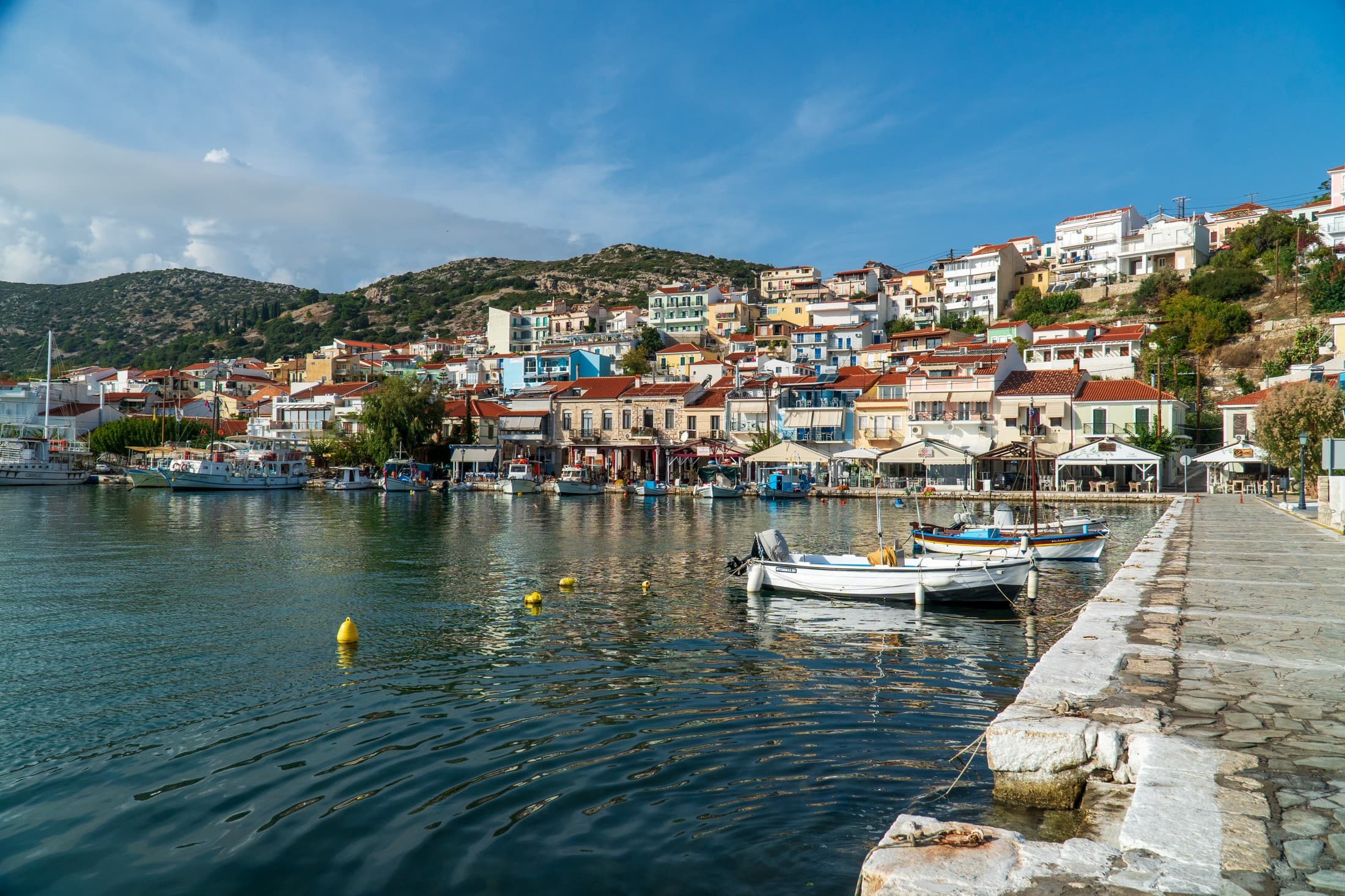
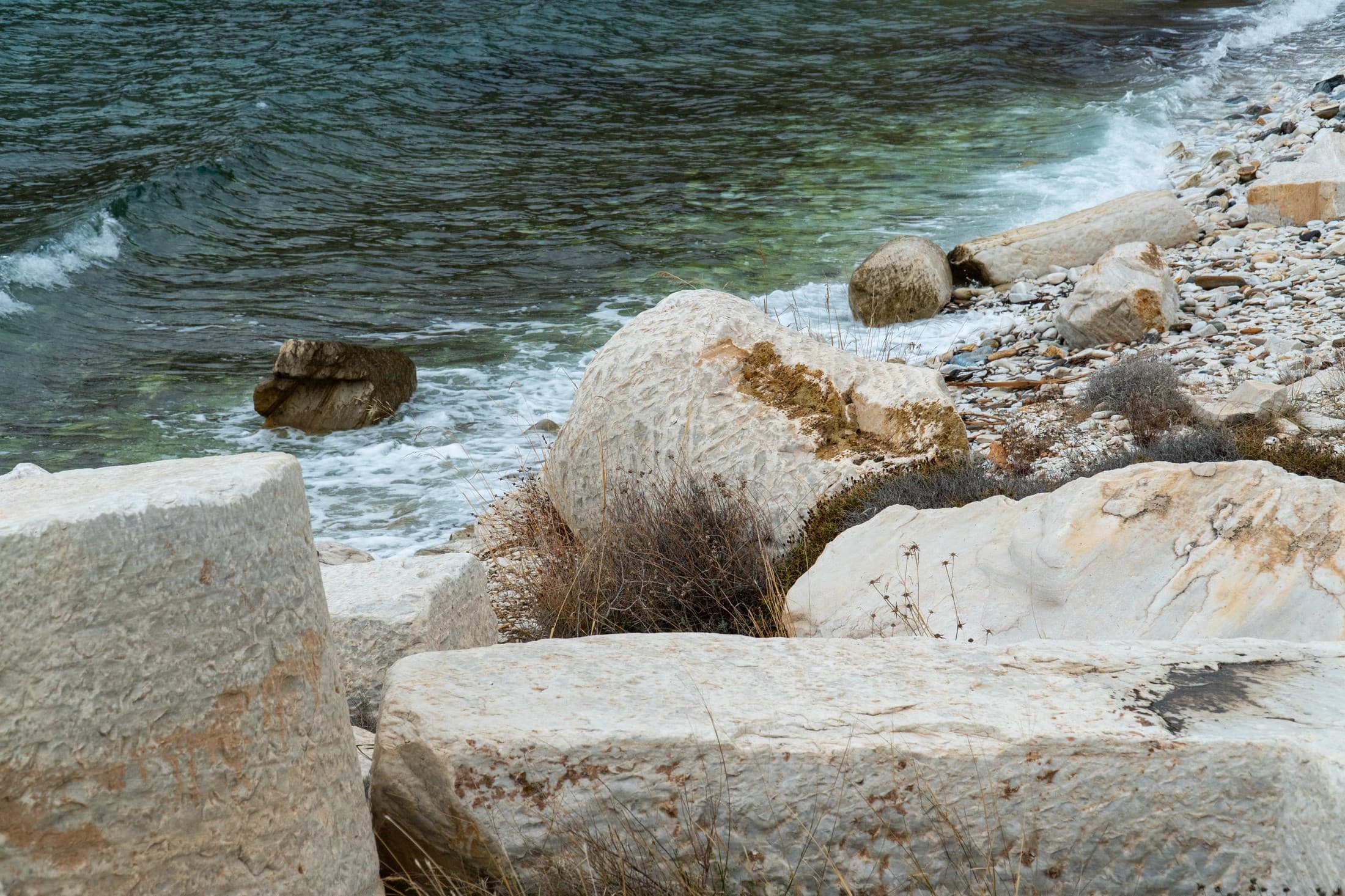
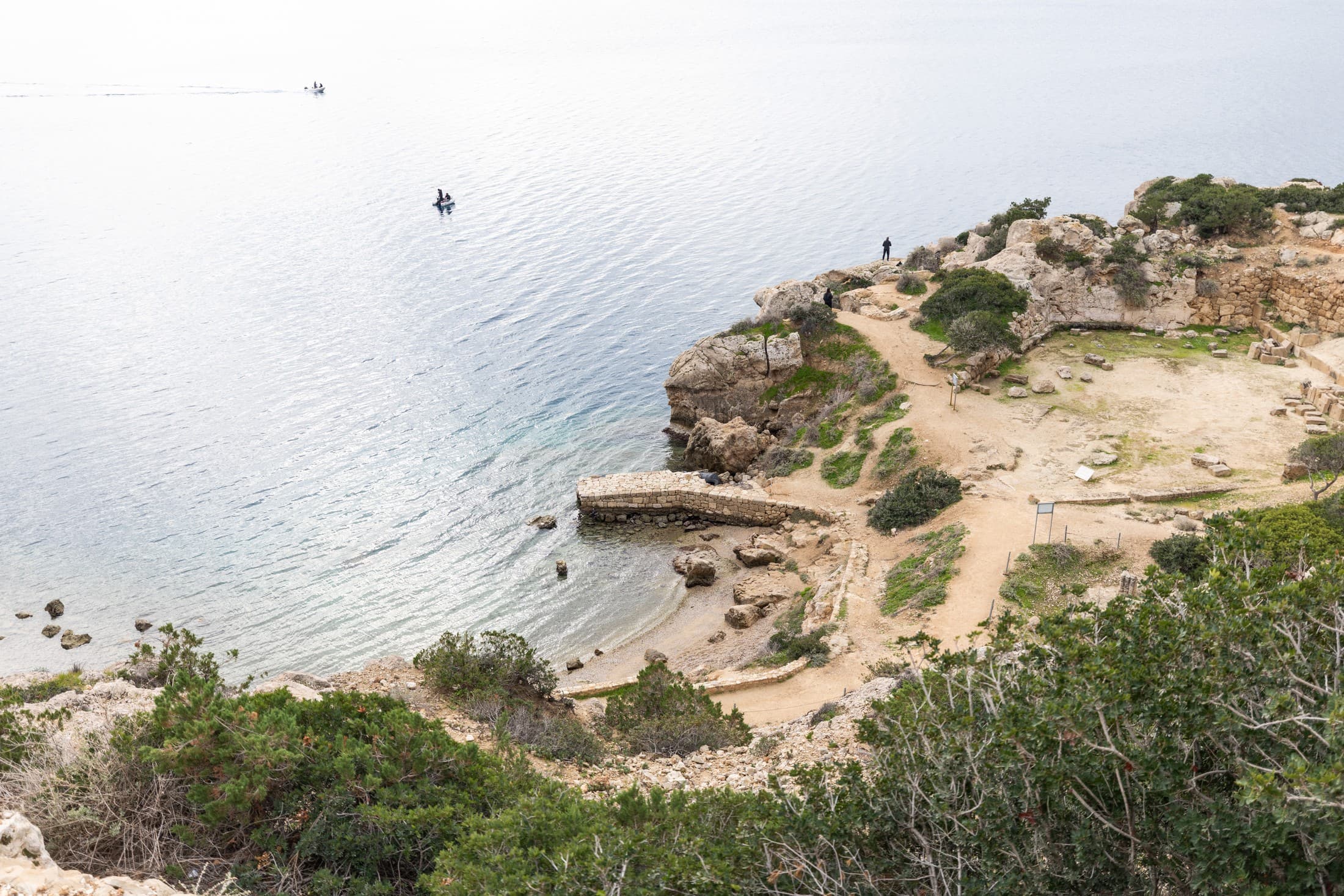
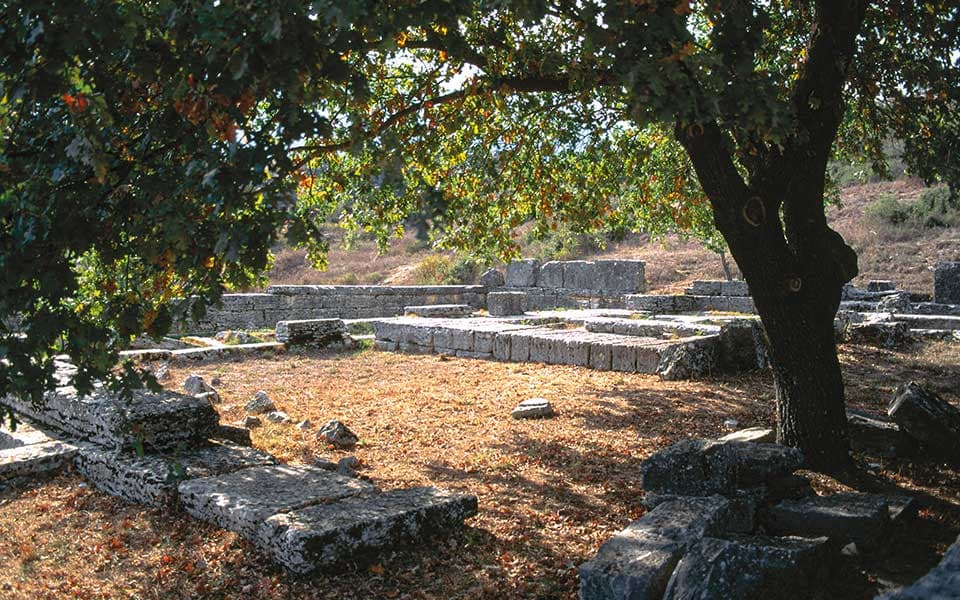
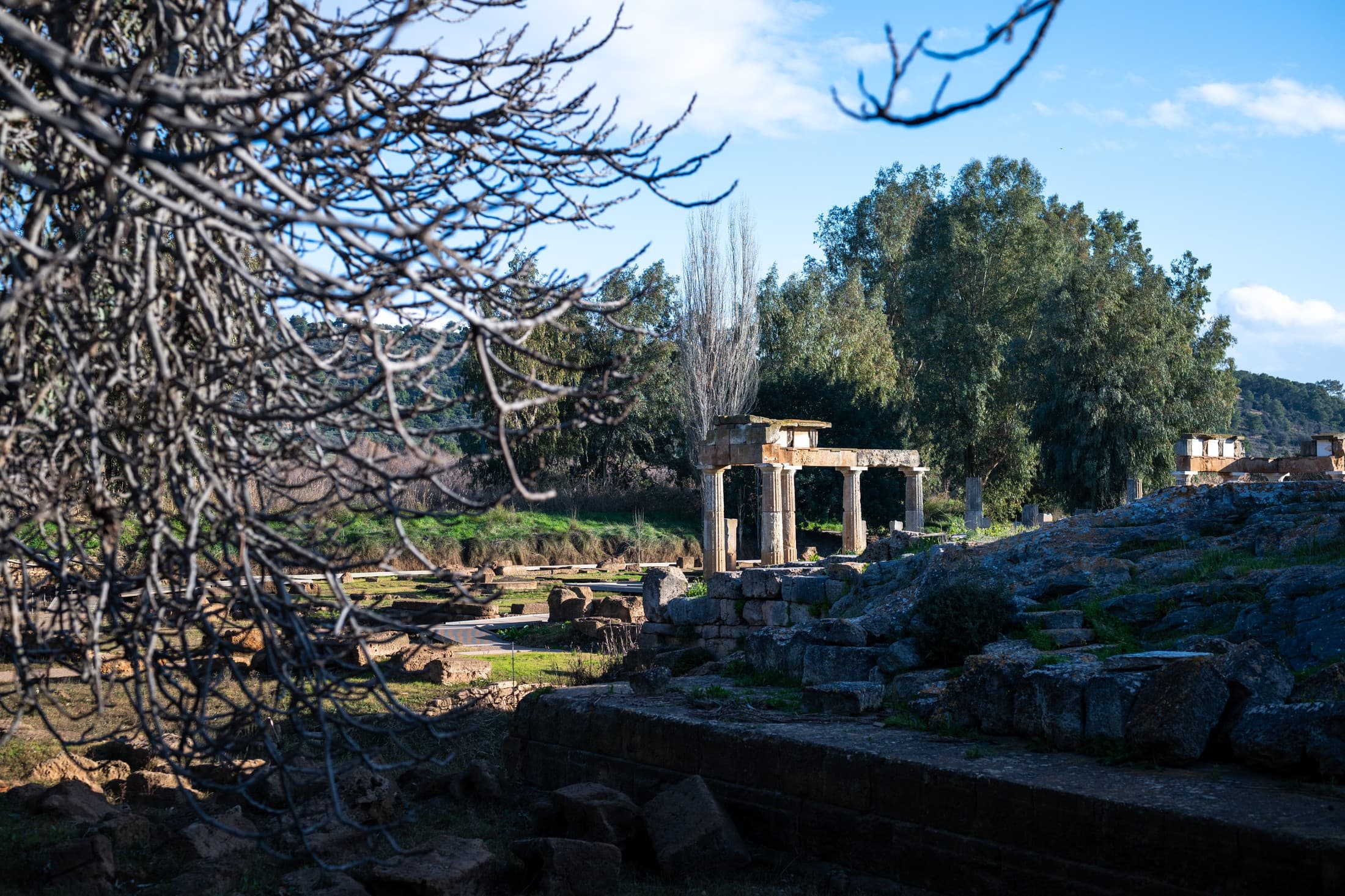
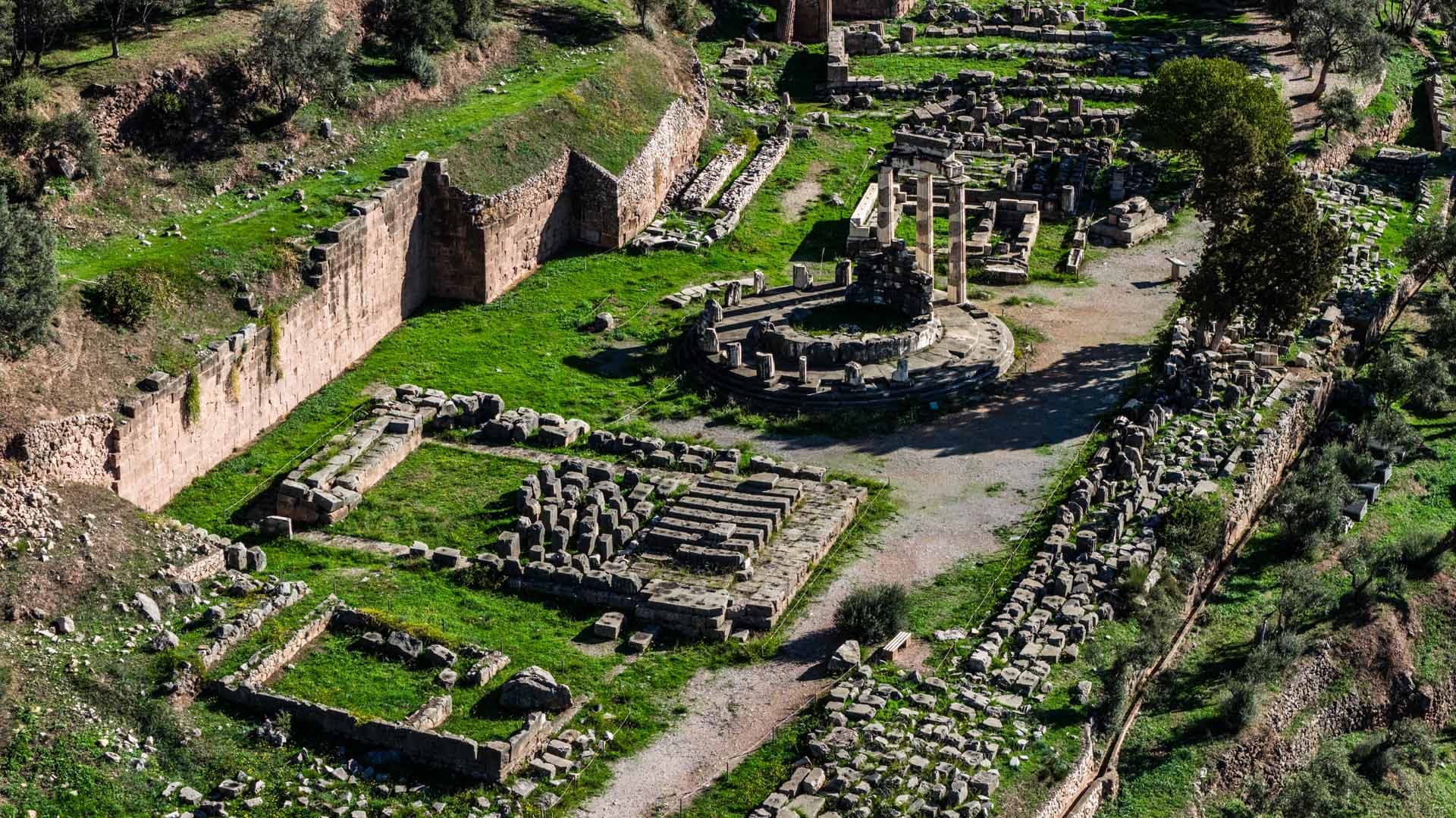
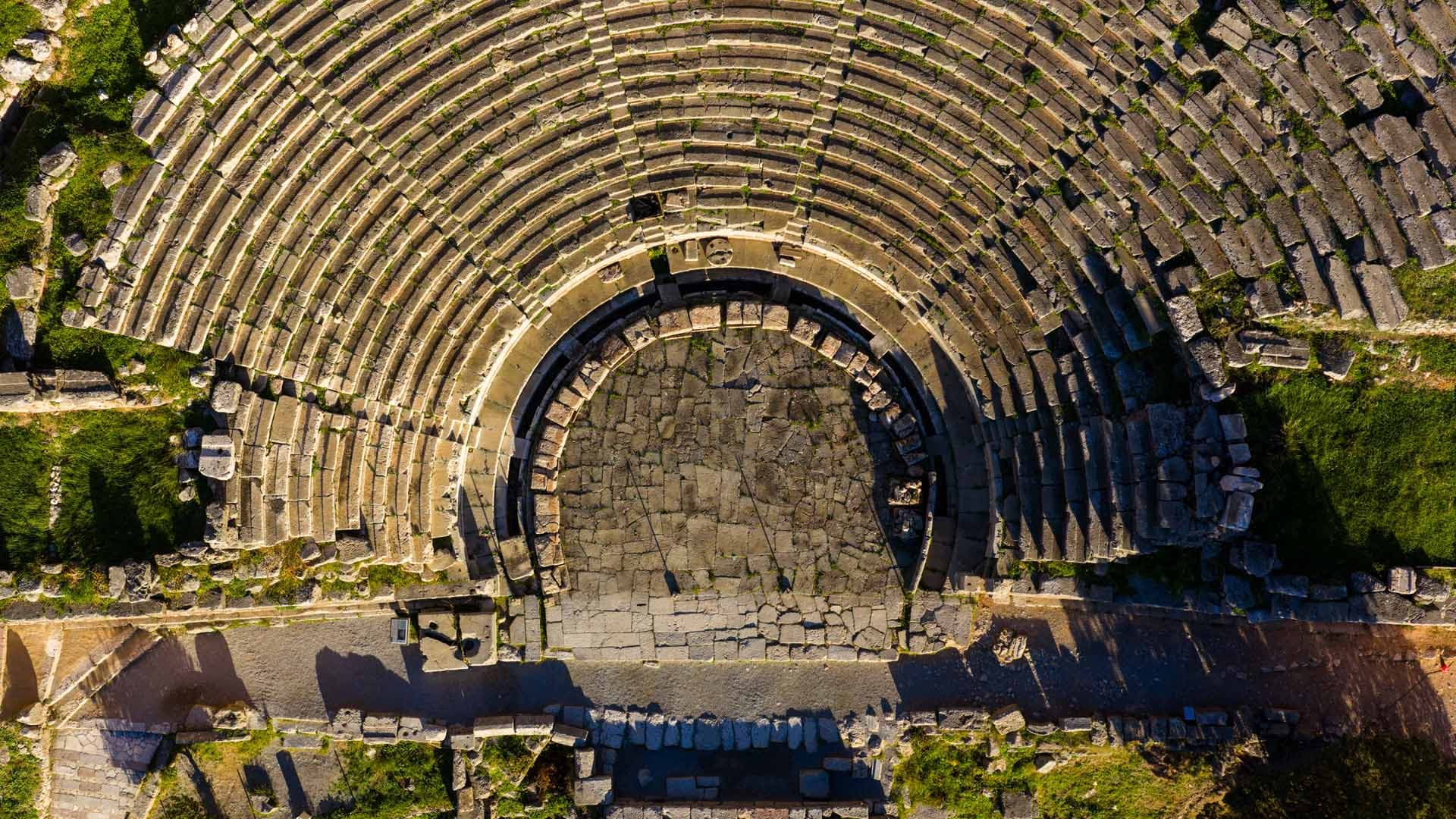
The organised archaeological site extends across an impressive area of 300 hectares, divided into two enclosures. Monumental fortification walls, the sanctuary of Demeter and Roman residences form a rich architectural mosaic. On the western side of the present-day anchorage, the massive granite blocks of the ancient harbour remain visible, while on the coastal promontory rises the Byzantine acropolis of Polystylon. Its name reflects the abundance of columns that once characterised its buildings. Notable features also include the bath complex of the 4th century AD and the impressive episcopal church of the middle Byzantine period.
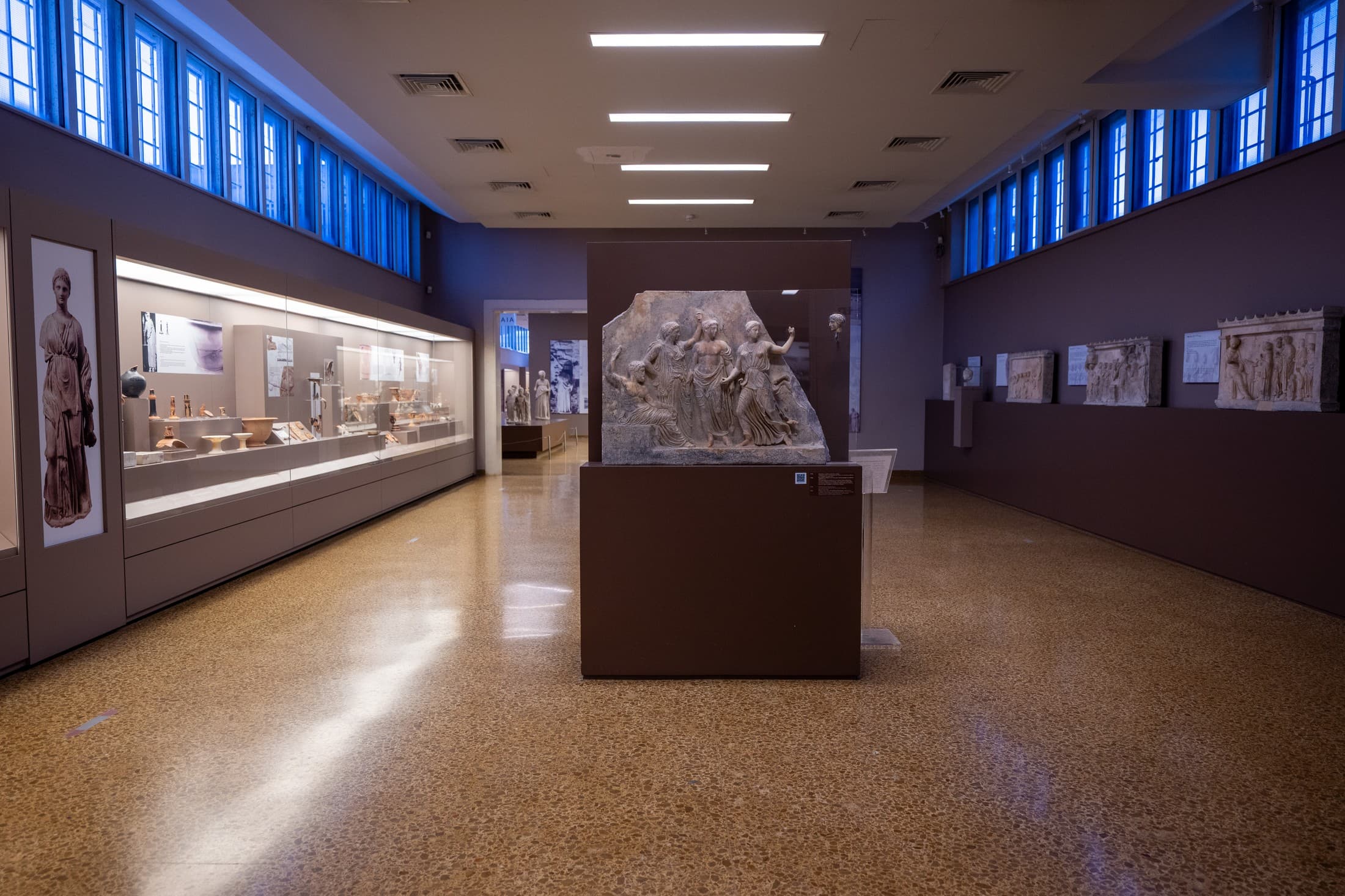
Complete your visit with a stop at the Archaeological Museum of Abdera, where movable finds from the excavations are presented in an exemplary exhibition illustrating both public and private life in the city. The site has been designed to be accessible and welcoming, serving as a point of reference for educational tourism and history enthusiasts alike. The tranquillity of the landscape, combined with the weight of its historical legacy, makes Abdera a destination that brings visitors closer to the roots of Greek civilisation.
The organised archaeological site extends across an impressive area of 300 hectares, divided into two enclosures. Monumental fortification walls, the sanctuary of Demeter and Roman residences form a rich architectural mosaic. On the western side of the present-day anchorage, the massive granite blocks of the ancient harbour remain visible, while on the coastal promontory rises the Byzantine acropolis of Polystylon. Its name reflects the abundance of columns that once characterised its buildings. Notable features also include the bath complex of the 4th century AD and the impressive episcopal church of the middle Byzantine period.
Complete your visit with a stop at the Archaeological Museum of Abdera, where movable finds from the excavations are presented in an exemplary exhibition illustrating both public and private life in the city. The site has been designed to be accessible and welcoming, serving as a point of reference for educational tourism and history enthusiasts alike. The tranquillity of the landscape, combined with the weight of its historical legacy, makes Abdera a destination that brings visitors closer to the roots of Greek civilisation.