The Cradle of the Olympic Games
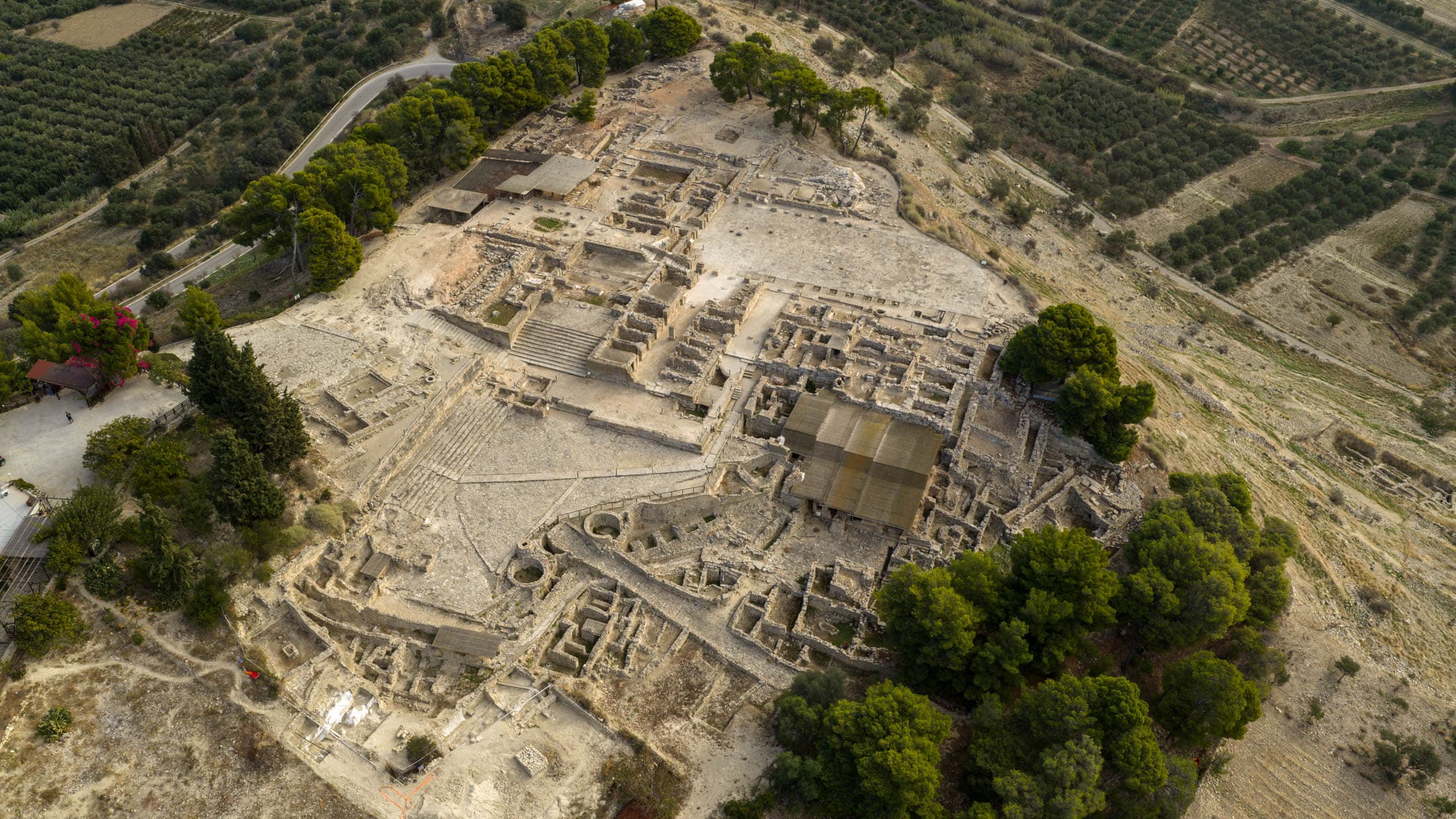
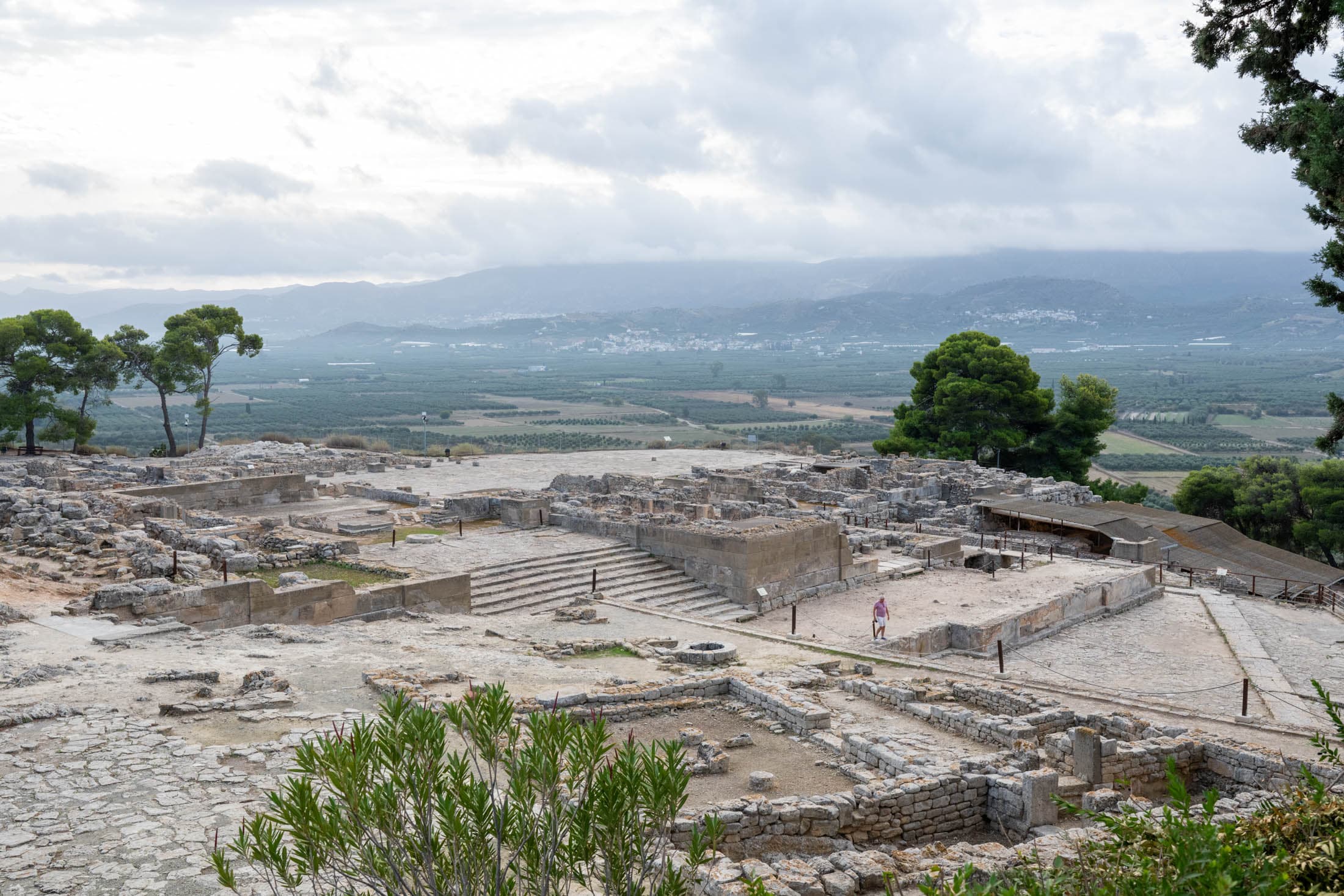
In the breathtaking valley of western Peloponnese, where the rivers Alfeios and Kladeos converge, flourished the most celebrated sanctuary of ancient Greece, dedicated to the father of the gods, Zeus. Ancient Olympia established itself as the most important religious and athletic centre of the ancient world, where the Olympic Games were born, an institution with global significance that retains its splendour to this day.
Altis and the Sacred Heart
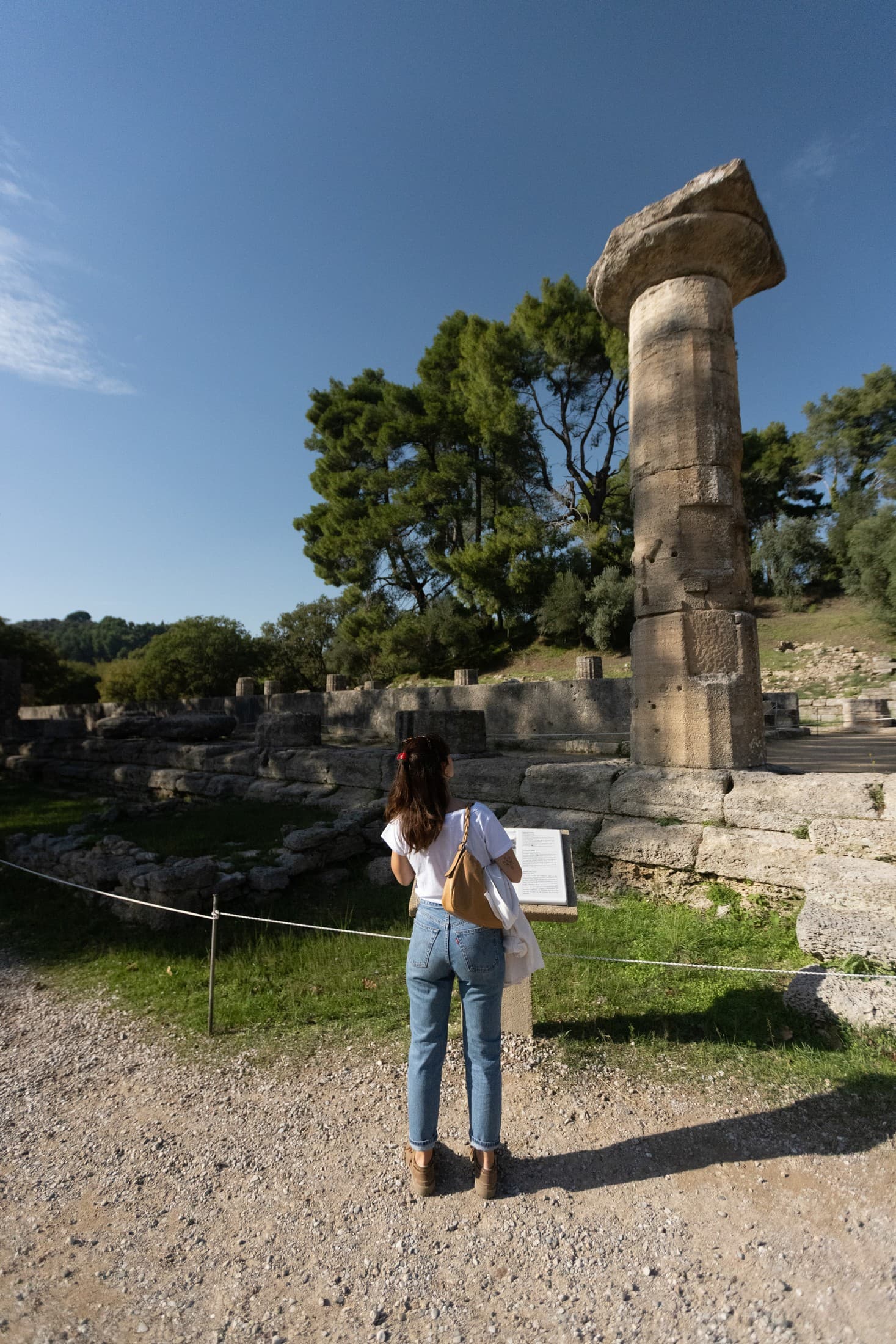
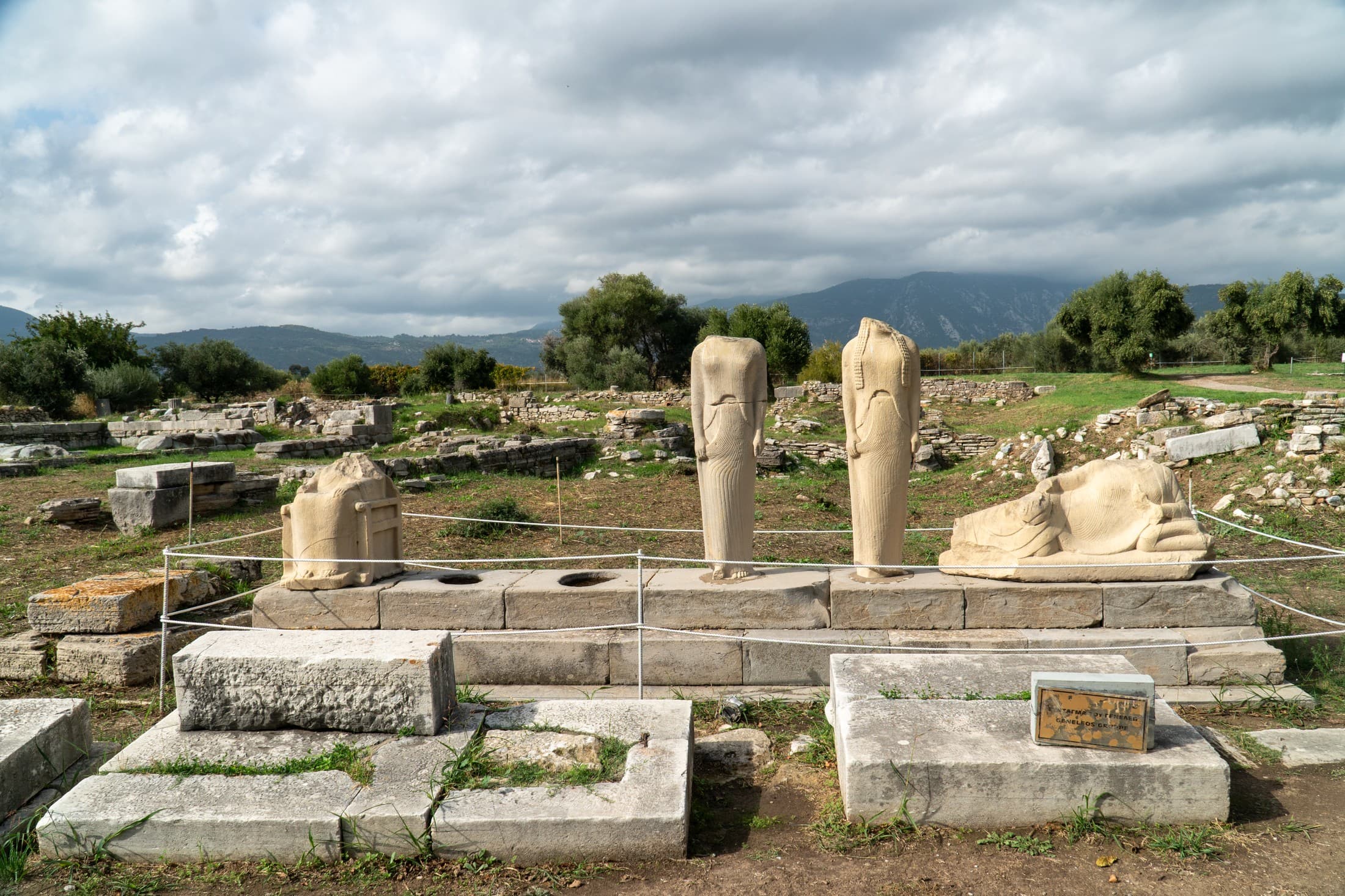
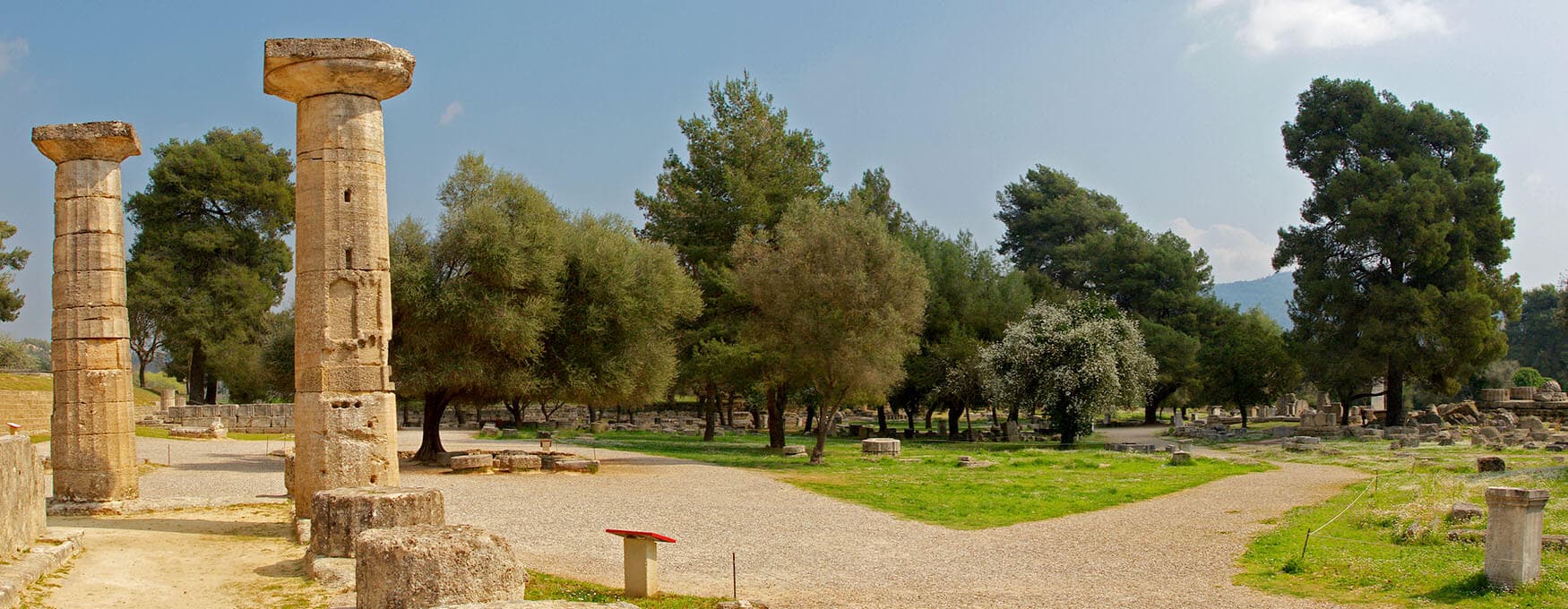
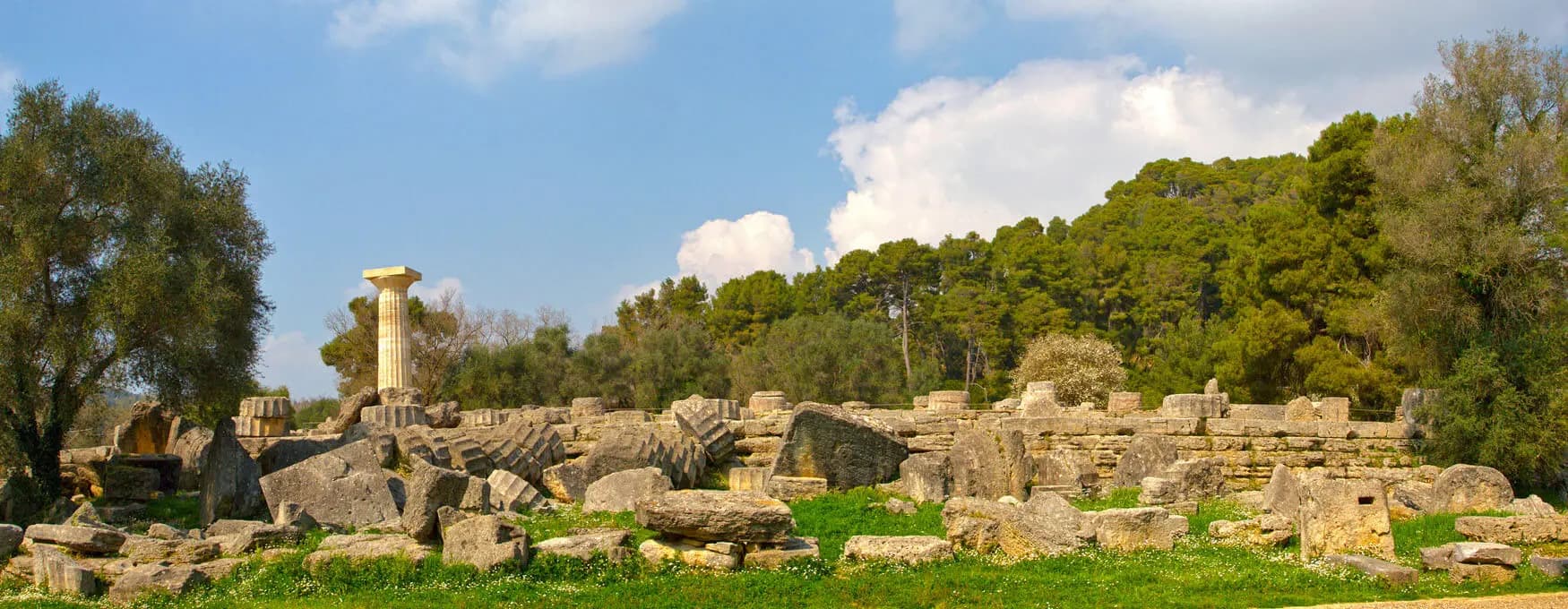
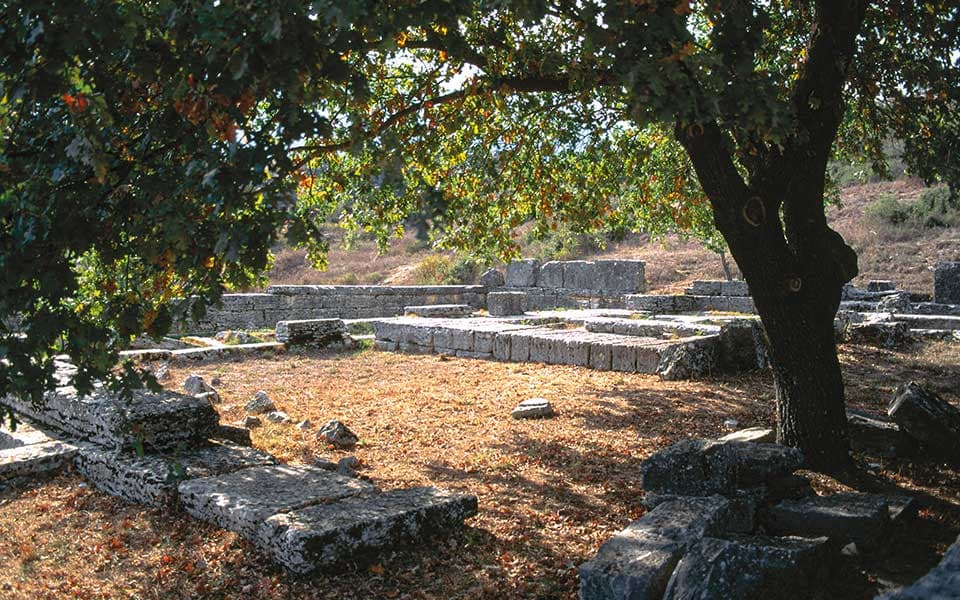
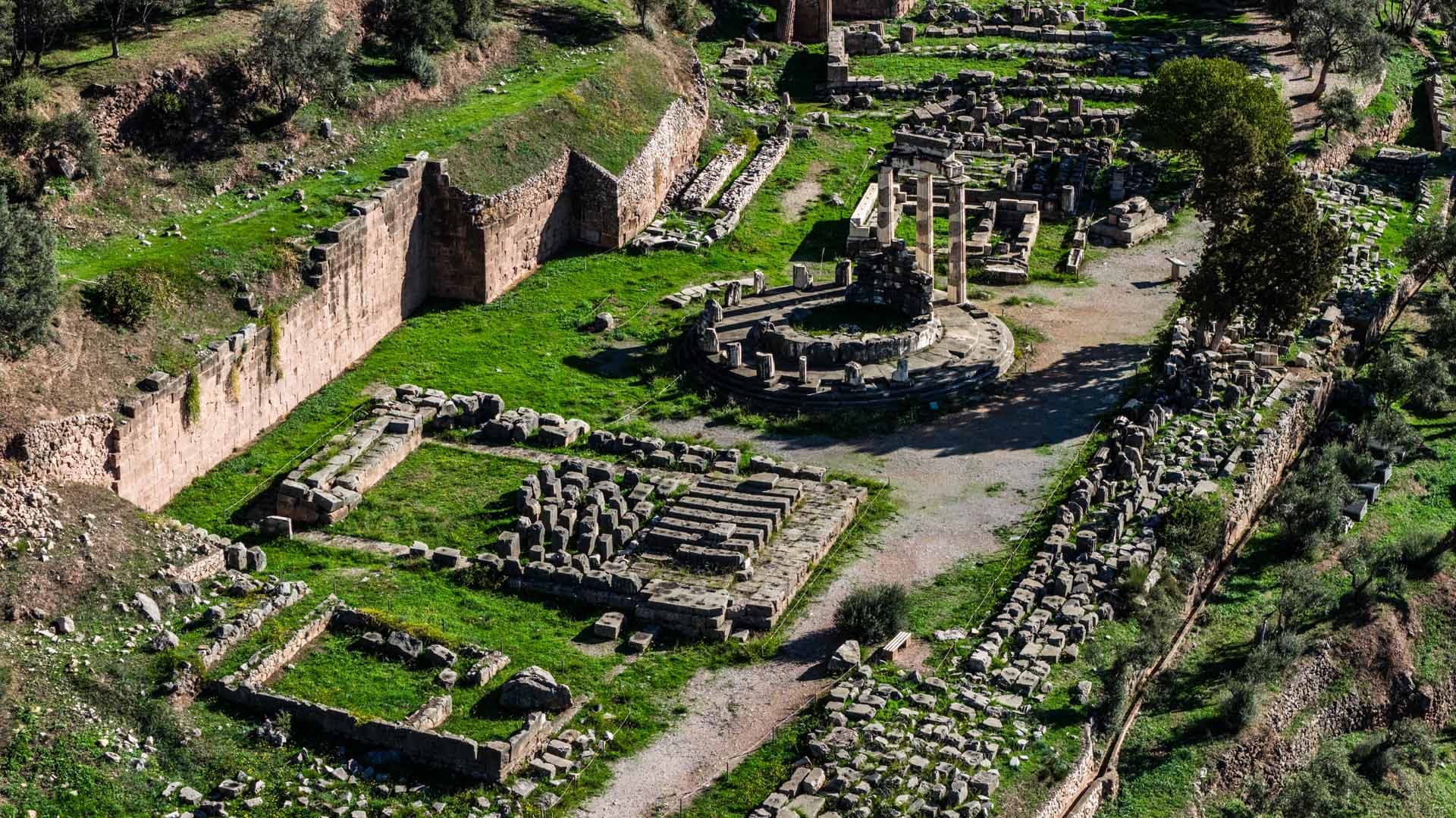
Altis, the sacred grove, occupies the central part of the site, within which the heart of the sanctuary with its temples and treasuries unfolds. There, the colossal Temple of Zeus, the largest in the Peloponnese, and the older Temple of Hera, stand majestically. Behind them, at the foot of Kronion Hill, lie the Treasuries, the offerings from the Greek city-states, and the magnificent aqueduct (Nymphaion) dedicated by Herodes Atticus.
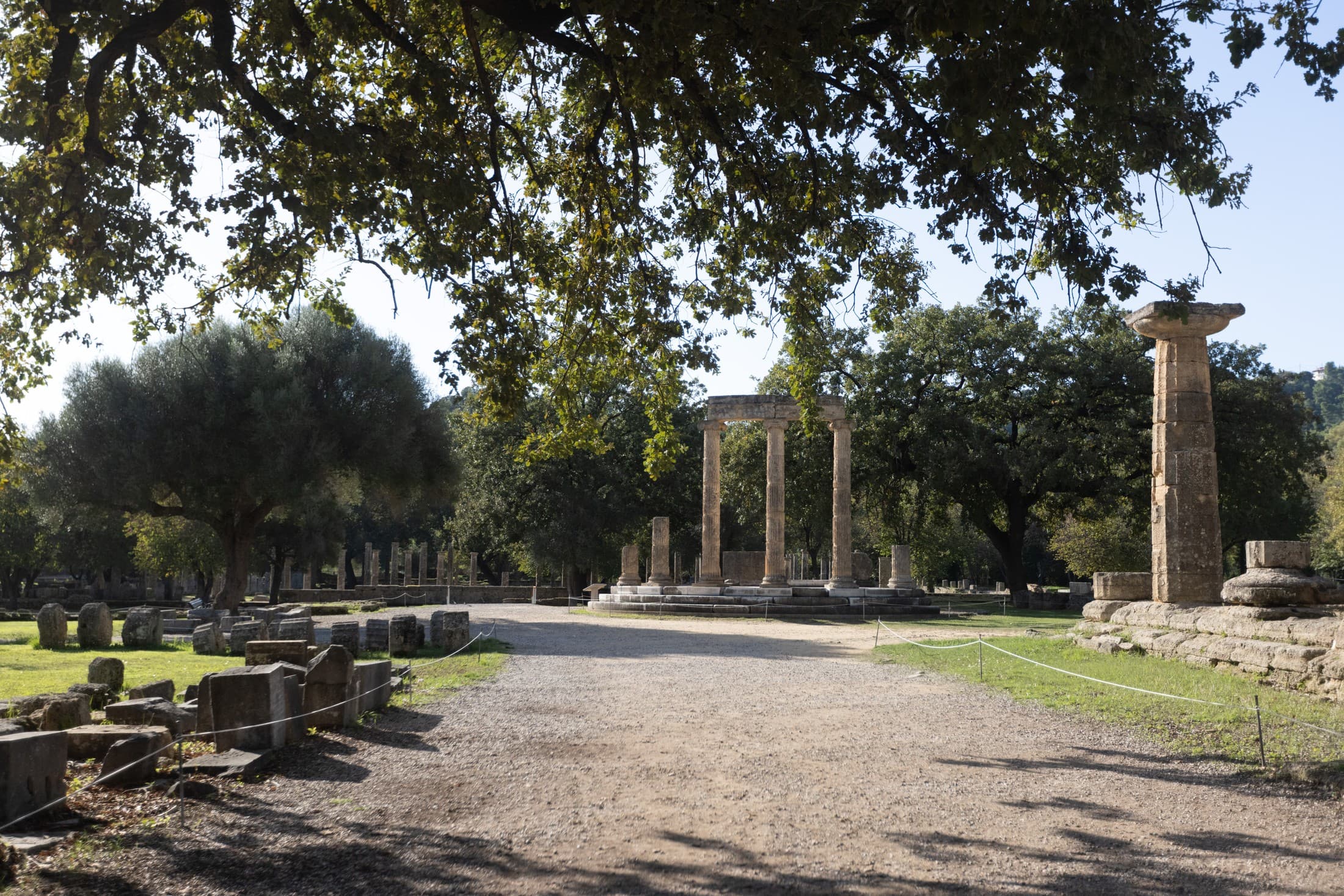
Altis was also home to the elegant circular Philippeion, the Pelopion (funerary monument of the hero Pelops) and the Prytaneion, the seat of the officials. The eastern boundary of the sanctuary is marked by the Echo Hall, which separates the area of worship from the stadium.
Sports Facilities and Infrastructure
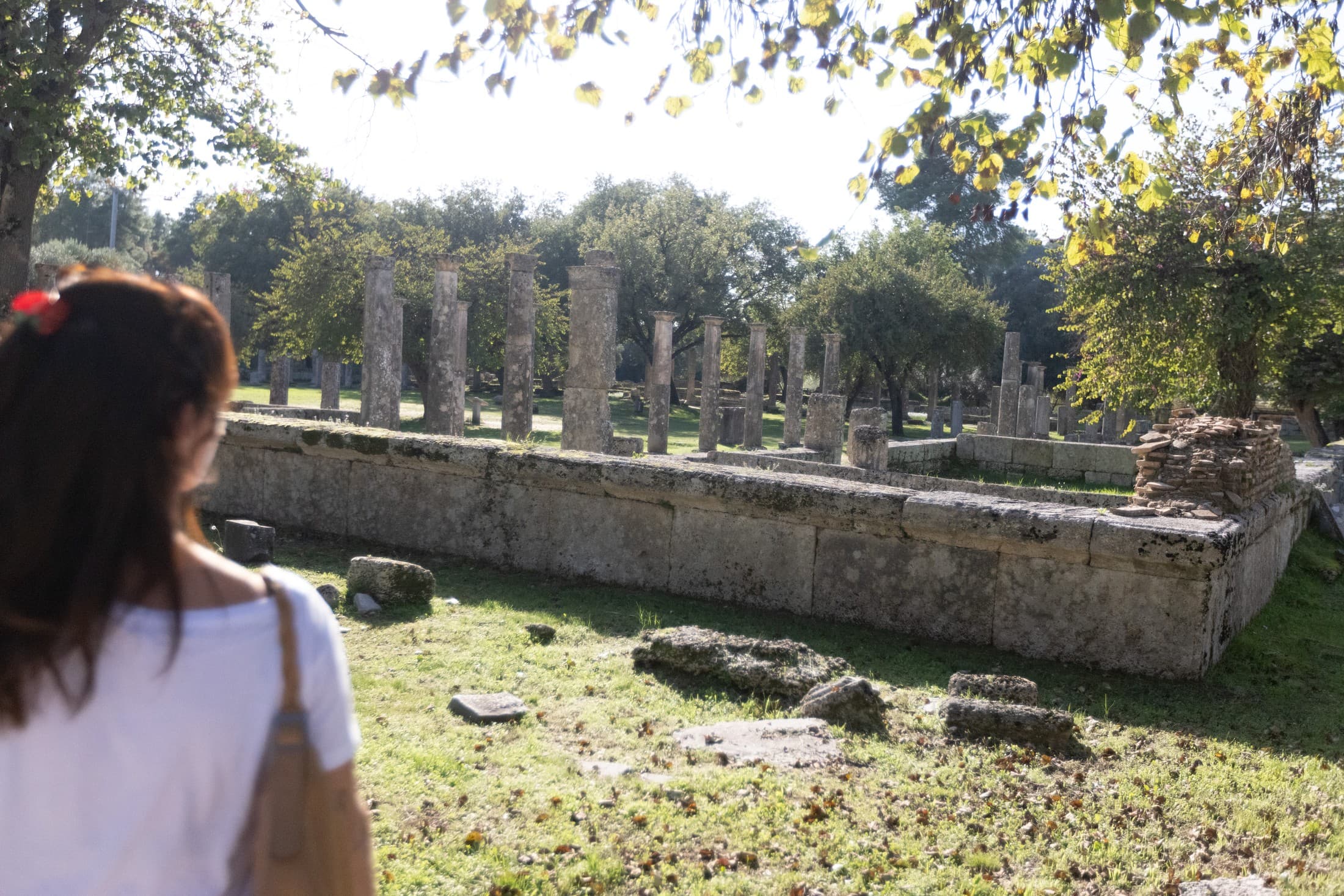
Beyond the enclosure lie the training and accommodation areas. To the west are the Gymnasium (training facility) and Palaestra (wrestling facility), the workshop of Phidias, and the Leonidaion, which served as a guesthouse for dignitaries. To the south stands the Bouleuterion (assembly house), while the villa built by Nero for his residence in the area survives.
The Stadium and its UNESCO Heritage
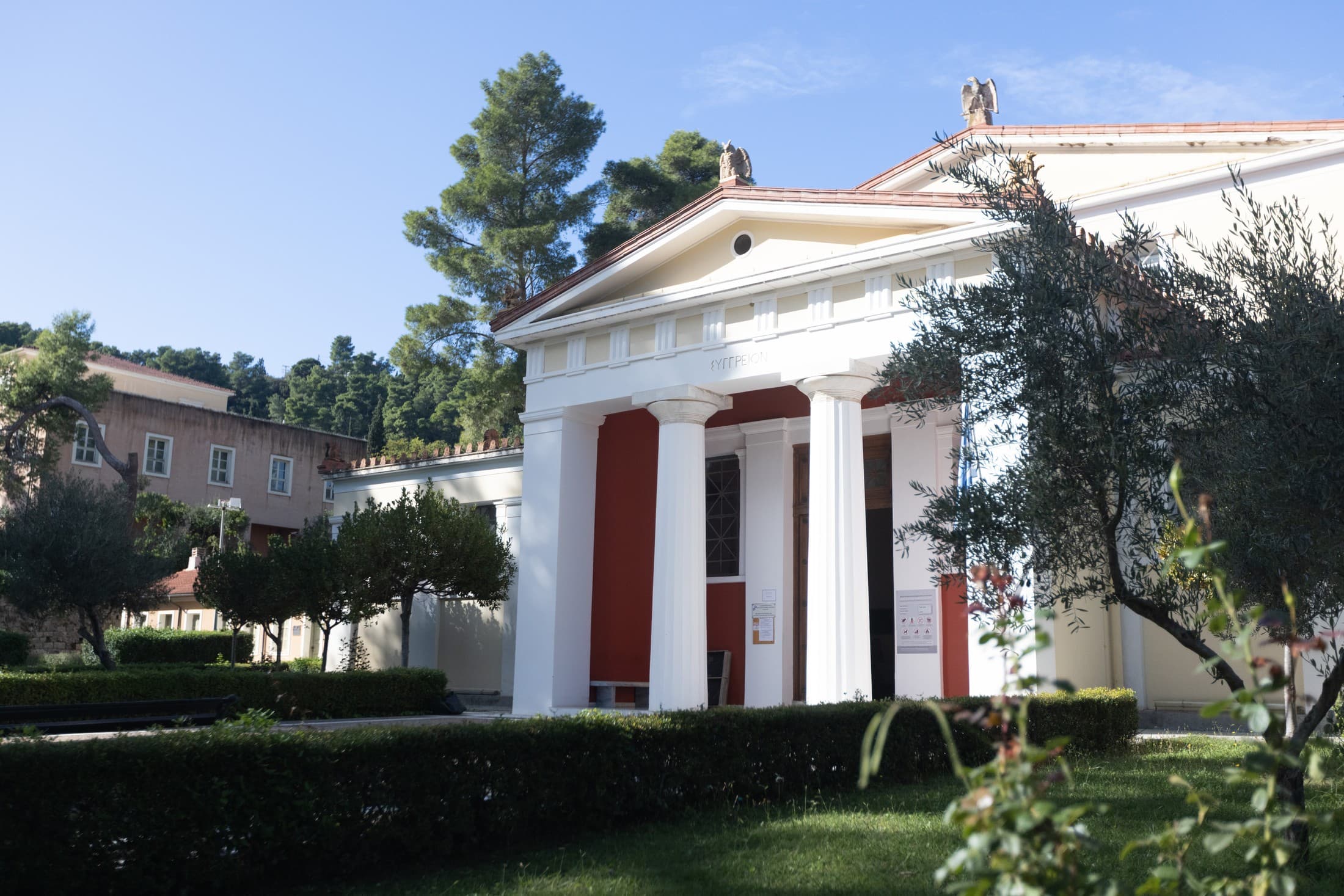
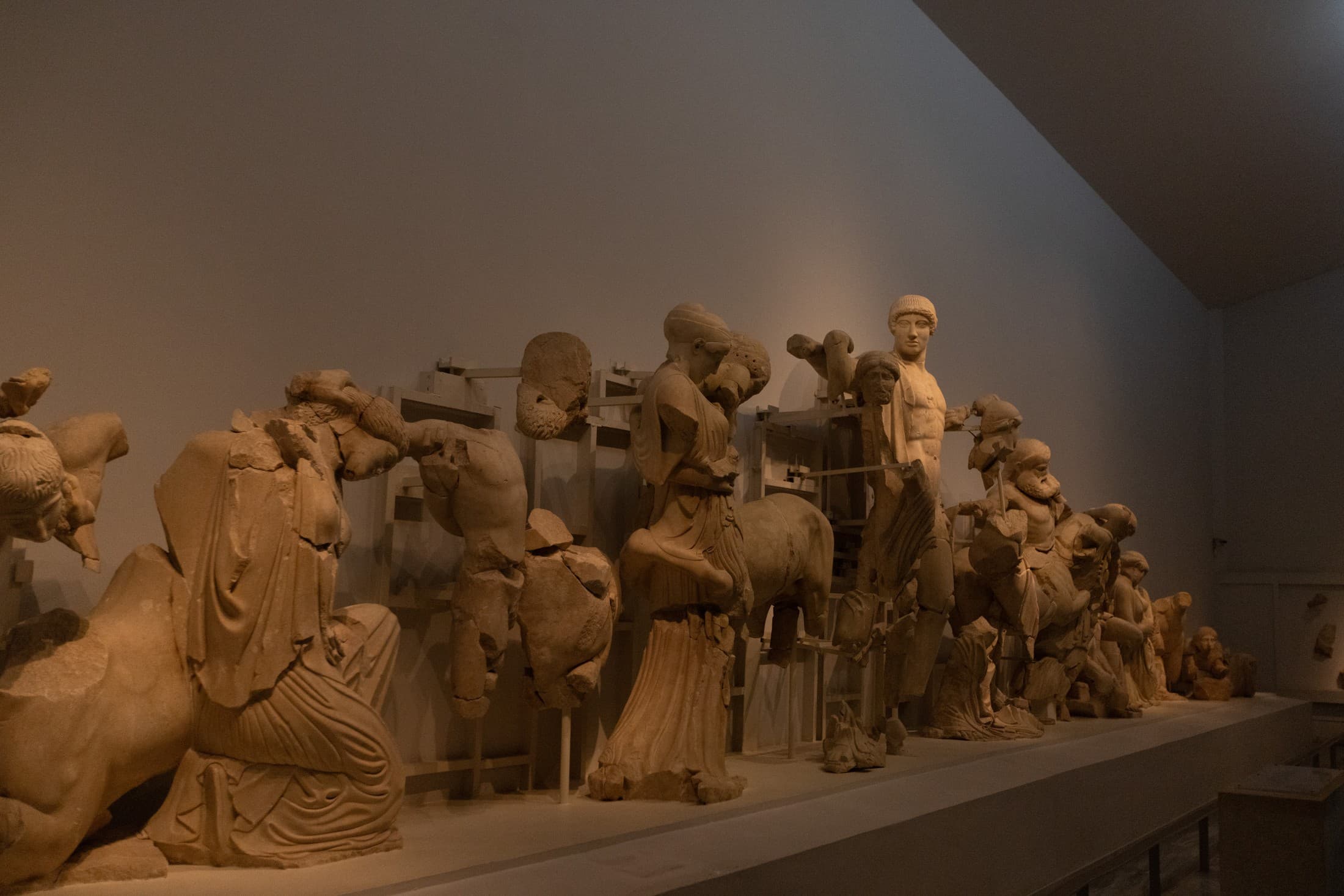
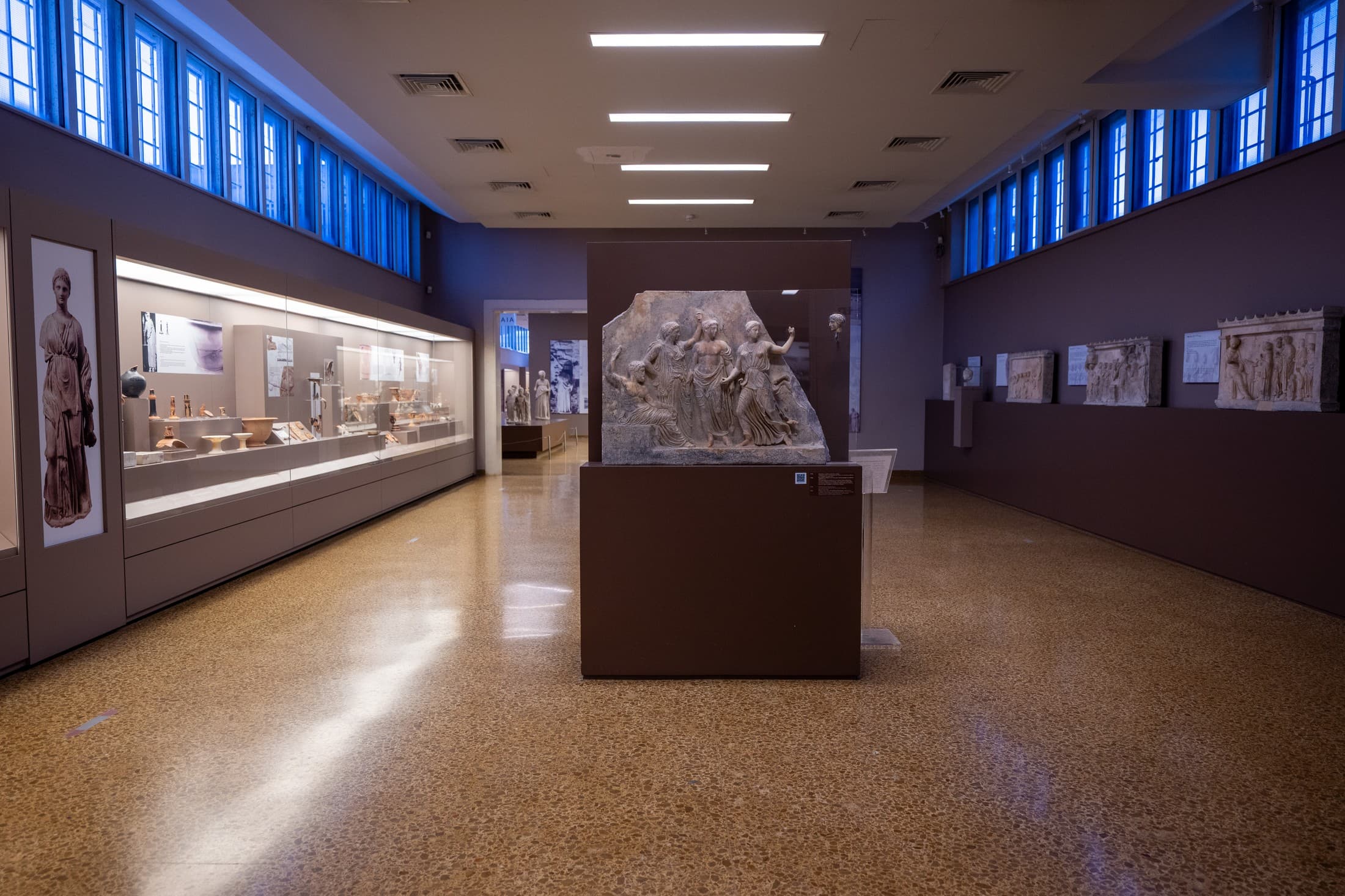
To the east lies the Ancient Stadium, where the athletic contests were held. According to UNESCO, no other archaeological site in the world has such a close connection to modern reality. The tour is complemented by the Archaeological Museum, which houses masterpieces such as the Nike of Paionios and the Hermes of Praxiteles, evoking the eternal Olympic spirit.
Altis and the Sacred Heart
Altis, the sacred grove, occupies the central part of the site, within which the heart of the sanctuary with its temples and treasuries unfolds. There, the colossal Temple of Zeus, the largest in the Peloponnese, and the older Temple of Hera, stand majestically. Behind them, at the foot of Kronion Hill, lie the Treasuries, the offerings from the Greek city-states, and the magnificent aqueduct (Nymphaion) dedicated by Herodes Atticus.
Altis was also home to the elegant circular Philippeion, the Pelopion (funerary monument of the hero Pelops) and the Prytaneion, the seat of the officials. The eastern boundary of the sanctuary is marked by the Echo Hall, which separates the area of worship from the stadium.
Sports Facilities and Infrastructure
Beyond the enclosure lie the training and accommodation areas. To the west are the Gymnasium (training facility) and Palaestra (wrestling facility), the workshop of Phidias, and the Leonidaion, which served as a guesthouse for dignitaries. To the south stands the Bouleuterion (assembly house), while the villa built by Nero for his residence in the area survives.
The Stadium and its UNESCO Heritage
To the east lies the Ancient Stadium, where the athletic contests were held. According to UNESCO, no other archaeological site in the world has such a close connection to modern reality. The tour is complemented by the Archaeological Museum, which houses masterpieces such as the Nike of Paionios and the Hermes of Praxiteles, evoking the eternal Olympic spirit.