An Ancient City Beneath the Waves
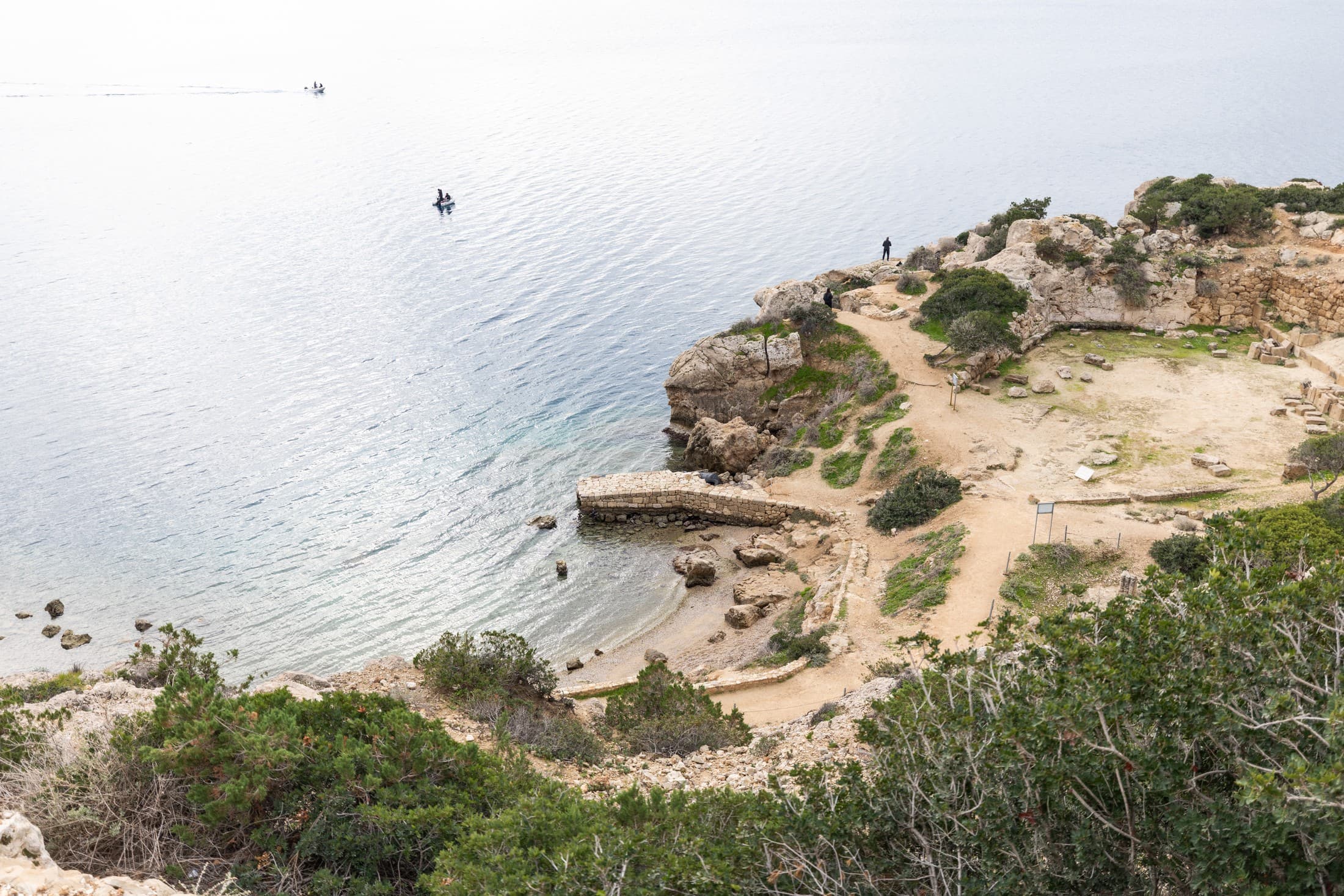
The submerged city of the Laconian Gulf lies between Pounta Beach and the small islet of Pavlopetri, directly opposite Elafonisos. It is one of the most captivating archaeological sites in the Mediterranean: an entire city resting just 3–4 metres below the sea's surface, spanning an area of approximately 50,000 square metres. Its urban layout is preserved with such remarkable clarity that it remains discernible thousands of years later.
This prehistoric settlement was inhabited as early as the 4th millennium BC and saw significant development during the Mycenaean era. UNESCO recognises Pavlopetri as the oldest known submerged city in the world with a remarkably well-preserved urban fabric.
Equipped simply with a mask and snorkel (snorkelling), visitors can observe the ancient ruins from the surface without the need for diving equipment and without disturbing the archaeological site. To enhance the experience, underwater information signs and designated routes have been established to guide swimmers through the city.
The site is extremely delicate and strictly protected. Visitors are asked to avoid all contact with the antiquities: do not collect any items, do not step on the remains, and ensure your presence is one of quiet, respectful observation that honours both the marine environment and the enduring traces of history.
This prehistoric settlement was inhabited as early as the 4th millennium BC and saw significant development during the Mycenaean era. UNESCO recognises Pavlopetri as the oldest known submerged city in the world with a remarkably well-preserved urban fabric.
Equipped simply with a mask and snorkel (snorkelling), visitors can observe the ancient ruins from the surface without the need for diving equipment and without disturbing the archaeological site. To enhance the experience, underwater information signs and designated routes have been established to guide swimmers through the city.
The site is extremely delicate and strictly protected. Visitors are asked to avoid all contact with the antiquities: do not collect any items, do not step on the remains, and ensure your presence is one of quiet, respectful observation that honours both the marine environment and the enduring traces of history.