Discover the historical continuity of Thrace in a landmark museum space
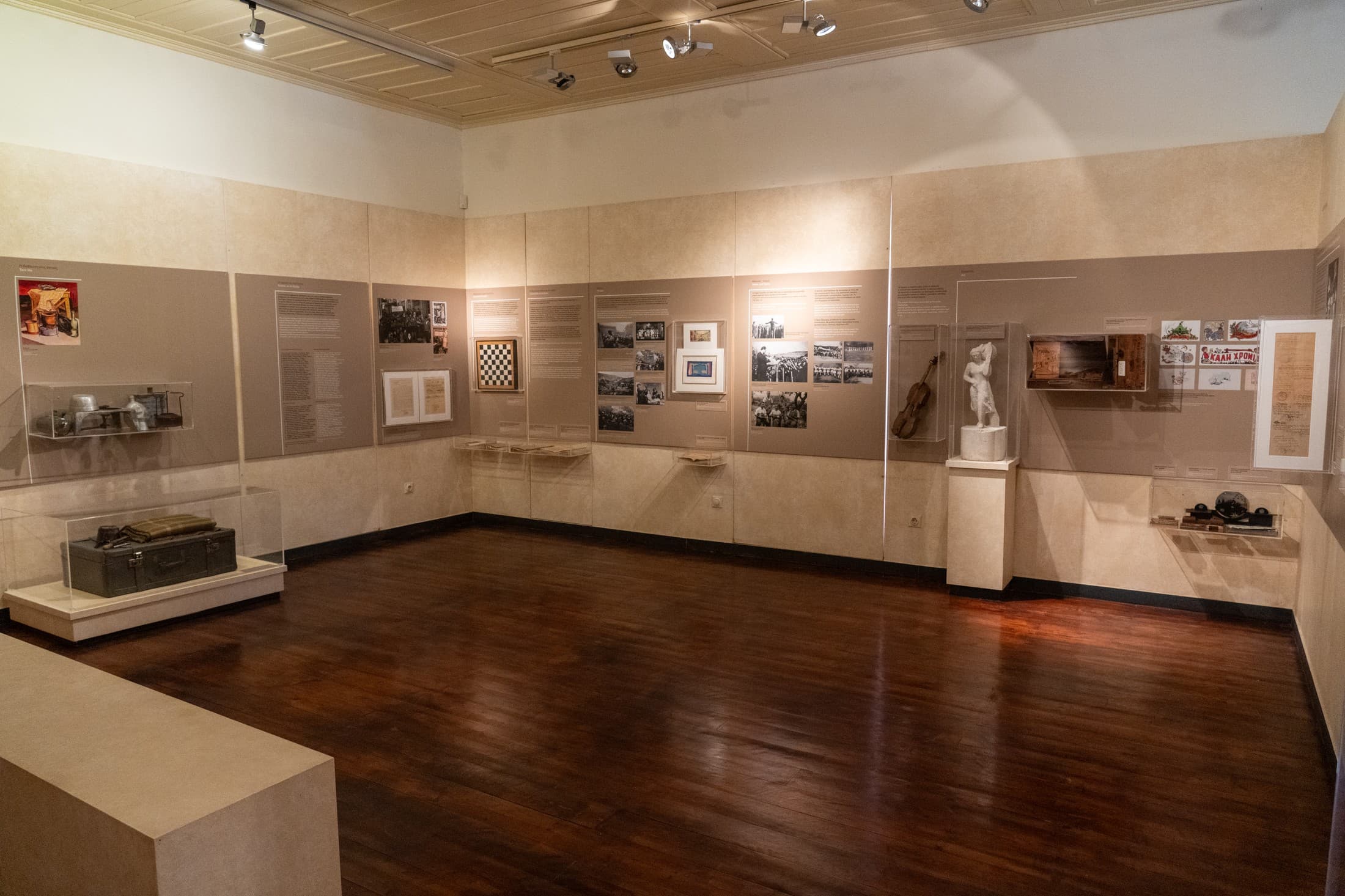
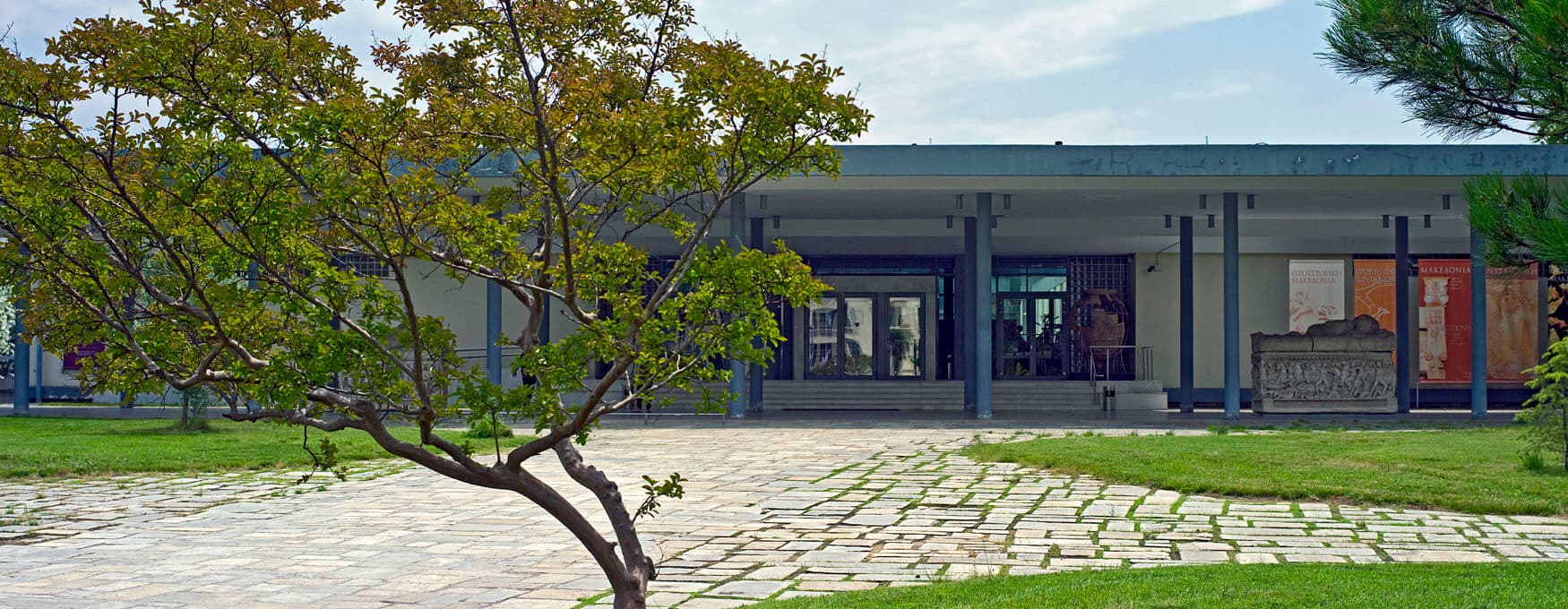
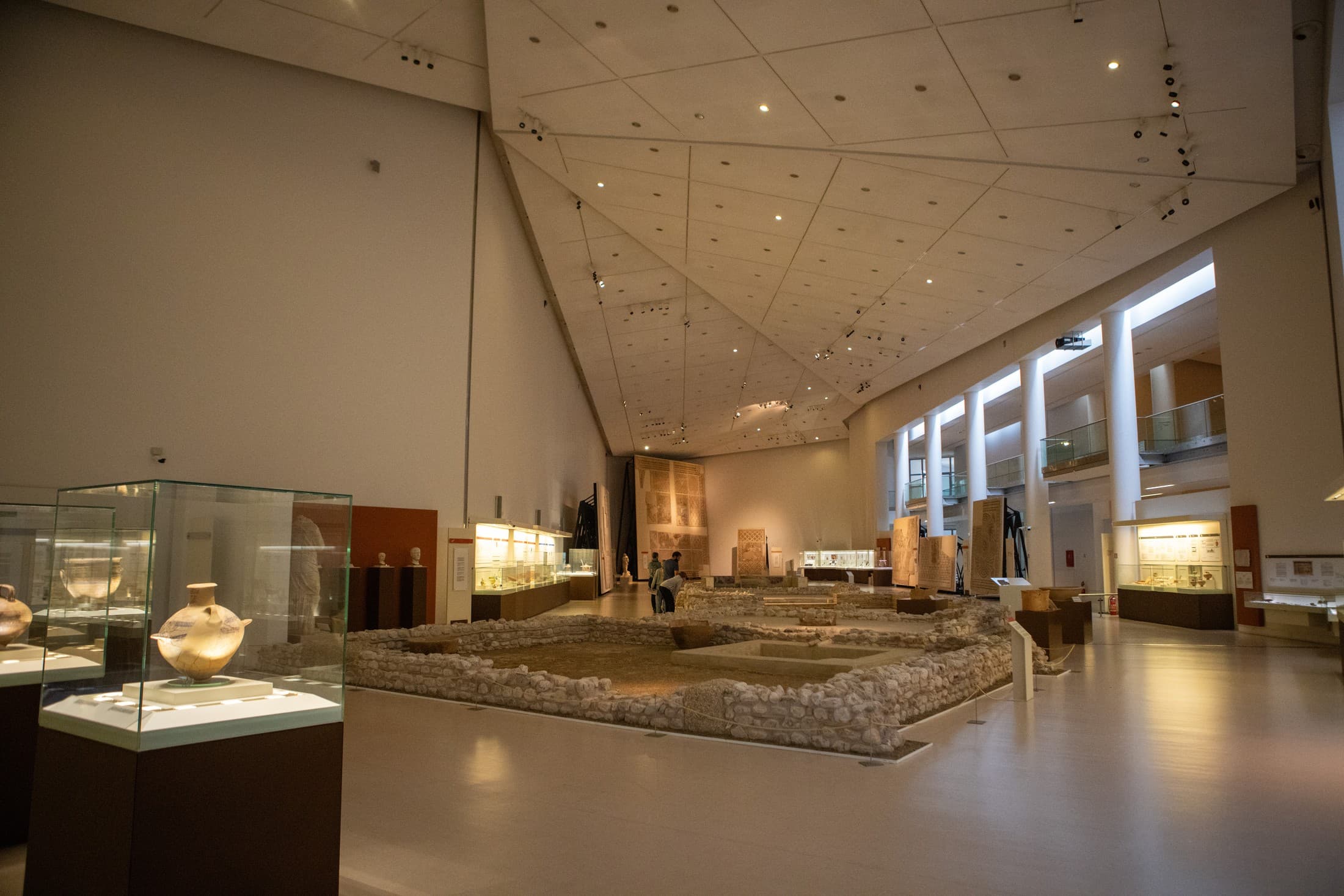
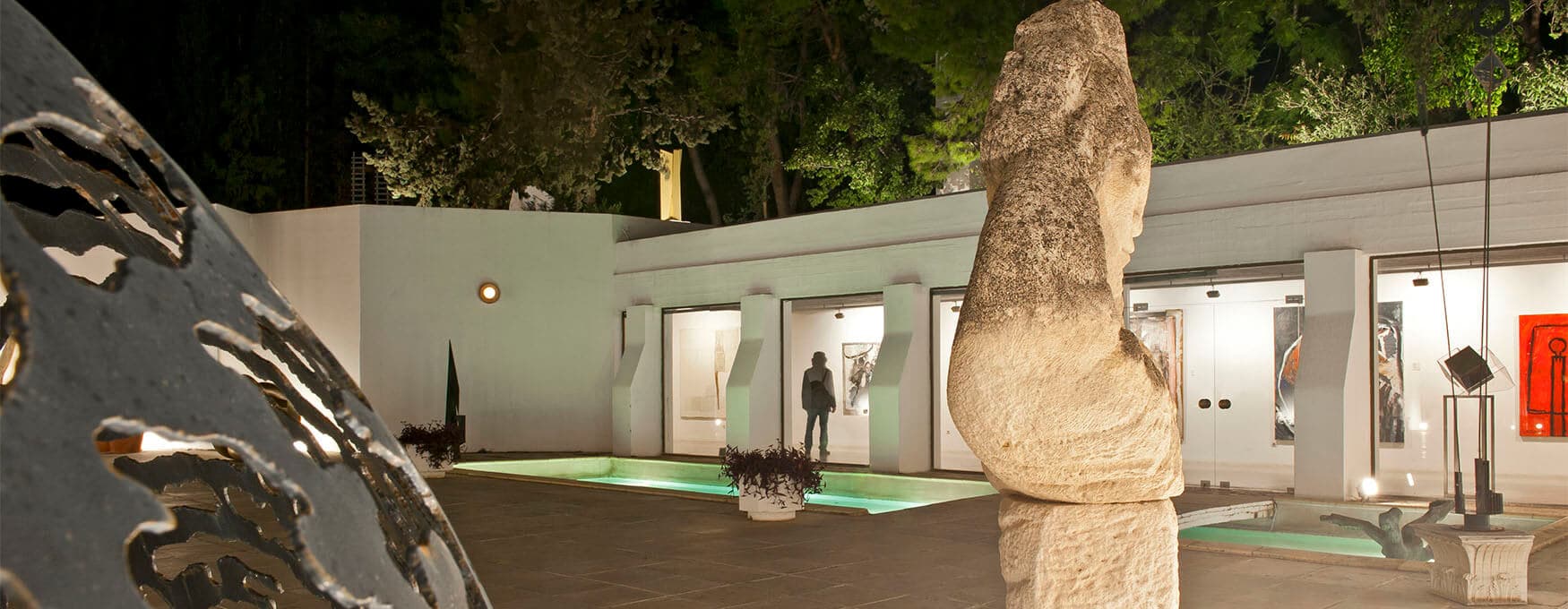
At the Archaeological Museum of Komotini, designed by the pioneering architect Aris Konstantinidis, modern aesthetics meet the ancient heritage of Thrace. A tour through its galleries offers a comprehensive insight into human activity in the region, beginning with the Neolithic and Bronze Ages.
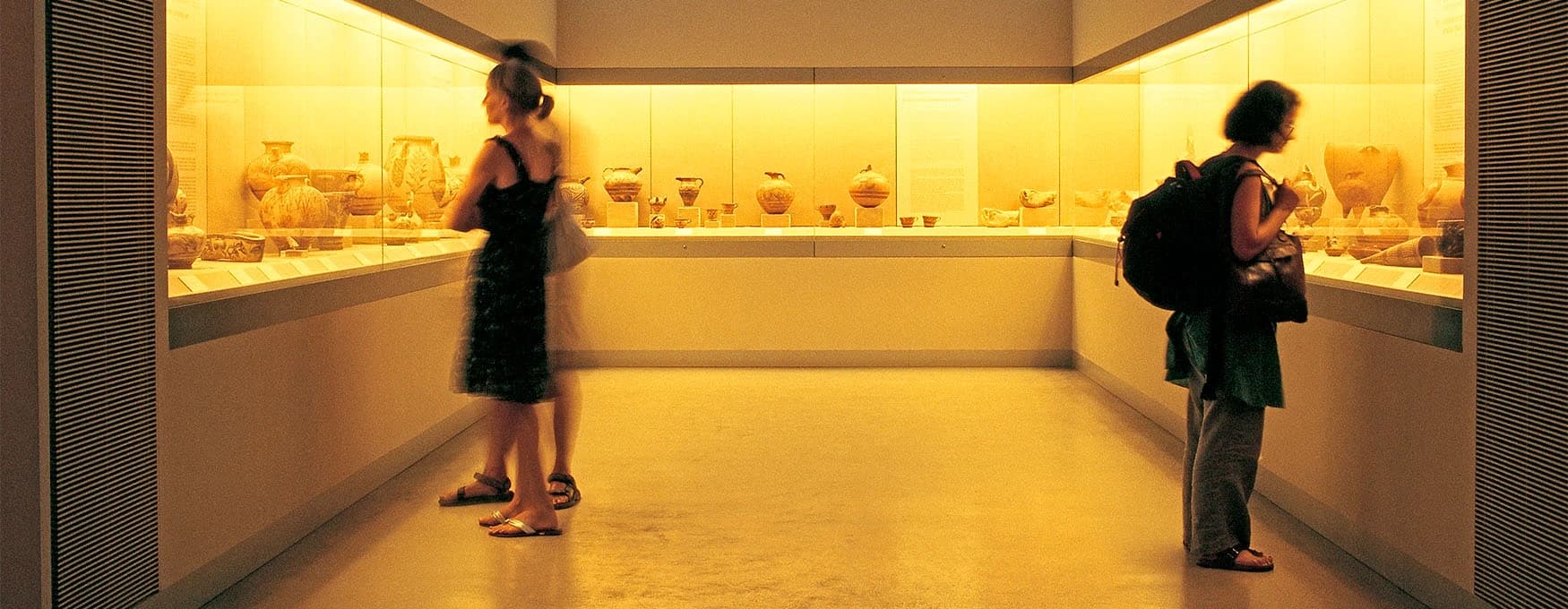
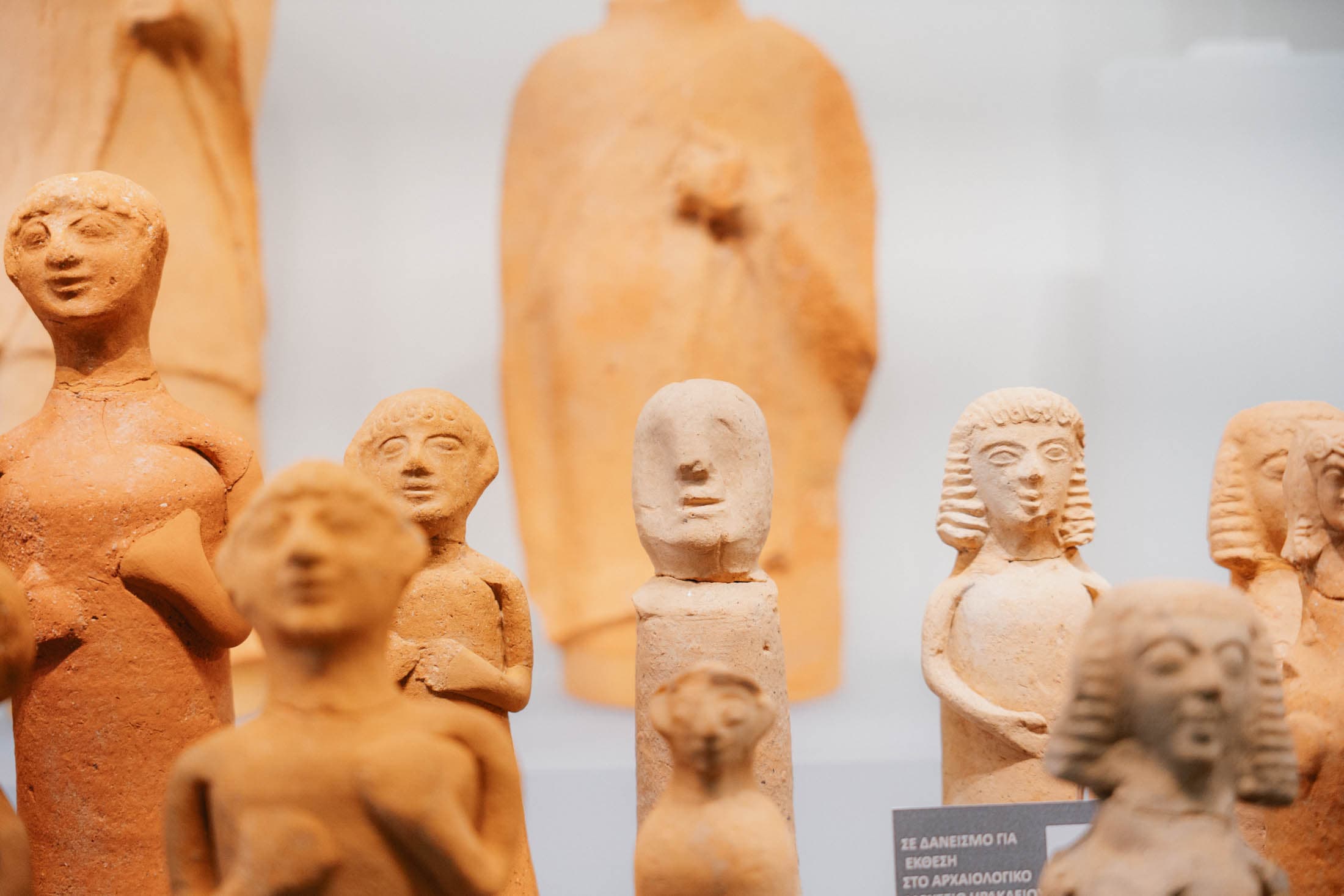
Your visit begins with prehistoric finds from the excavation sites of Paradimi and Makri: intricately crafted clay figurines, tools and everyday utensils that shed light on the early stages of civilisation in northern Greece. Through these exhibits, the gradual development of early societies and the formation of the first settlement cores in the Rhodope region are revealed.
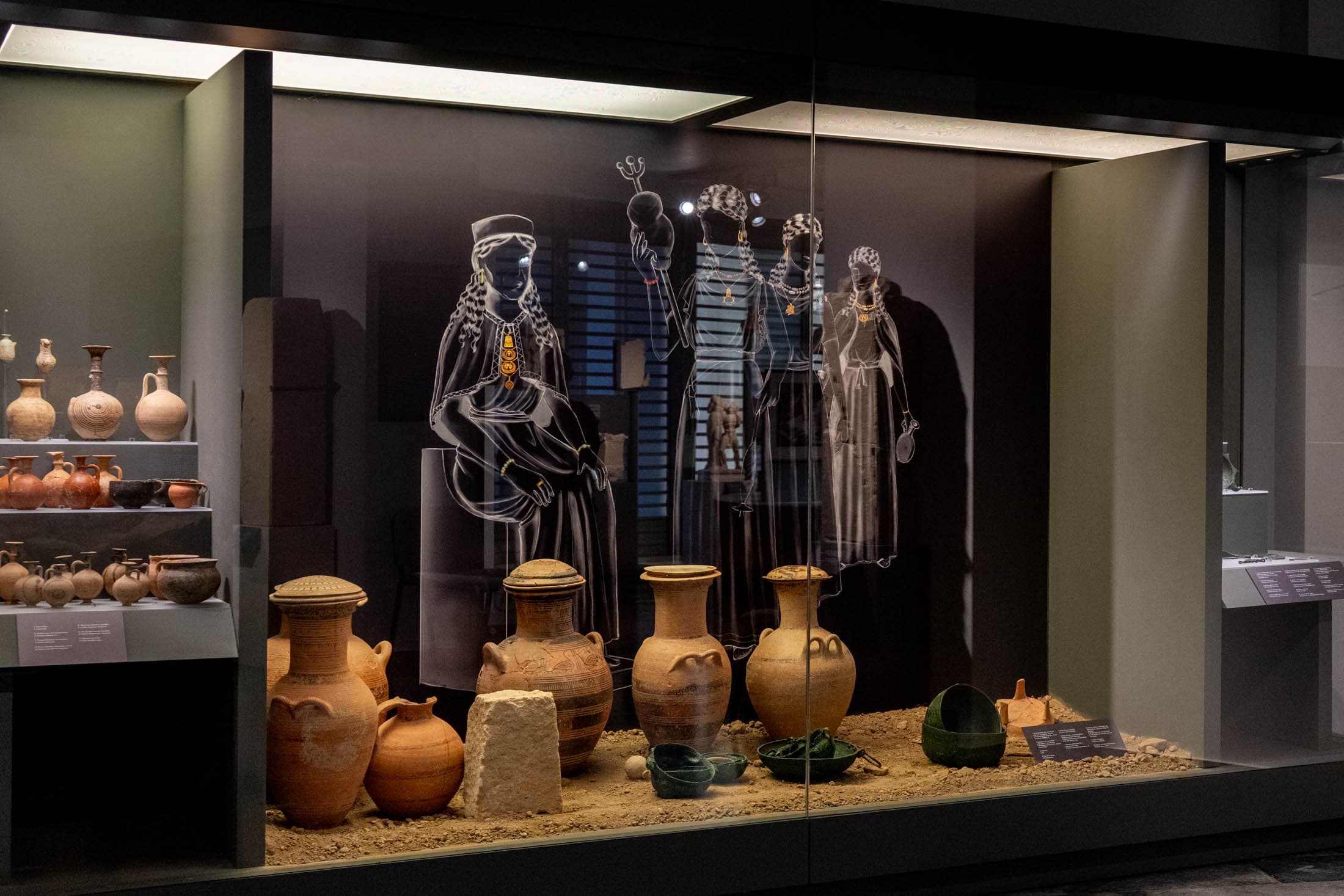
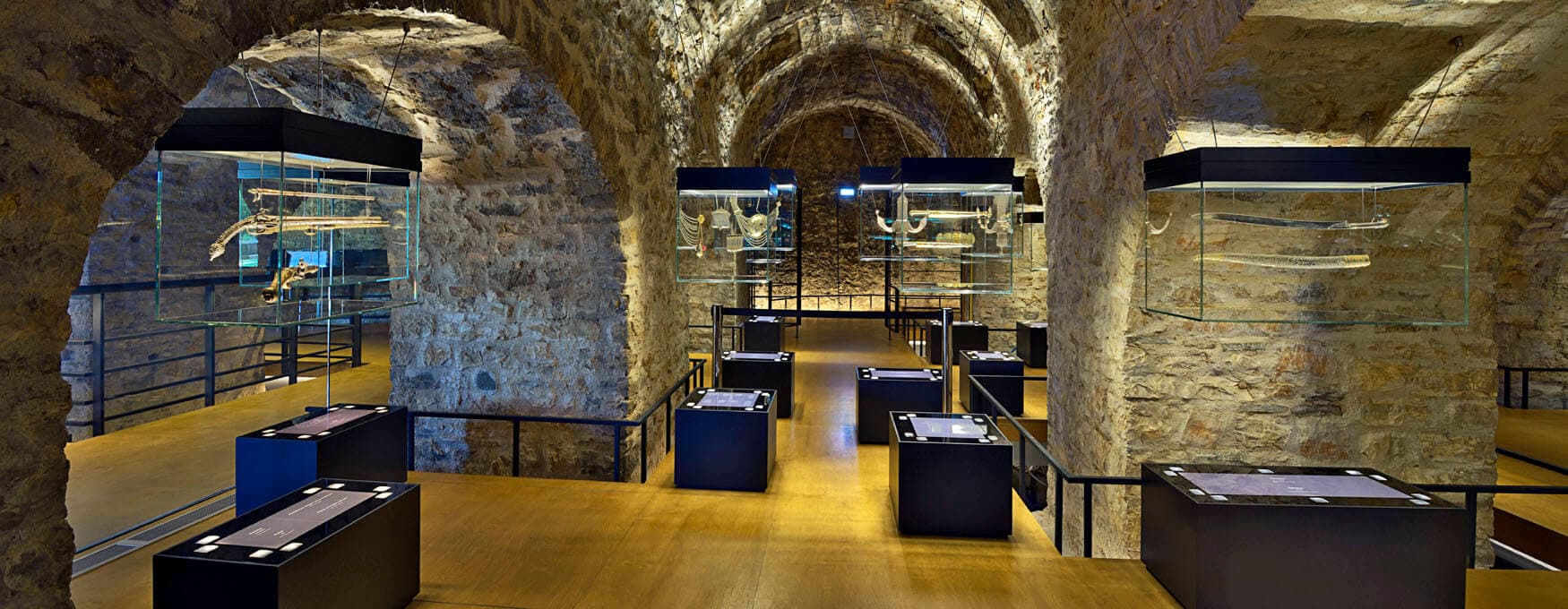
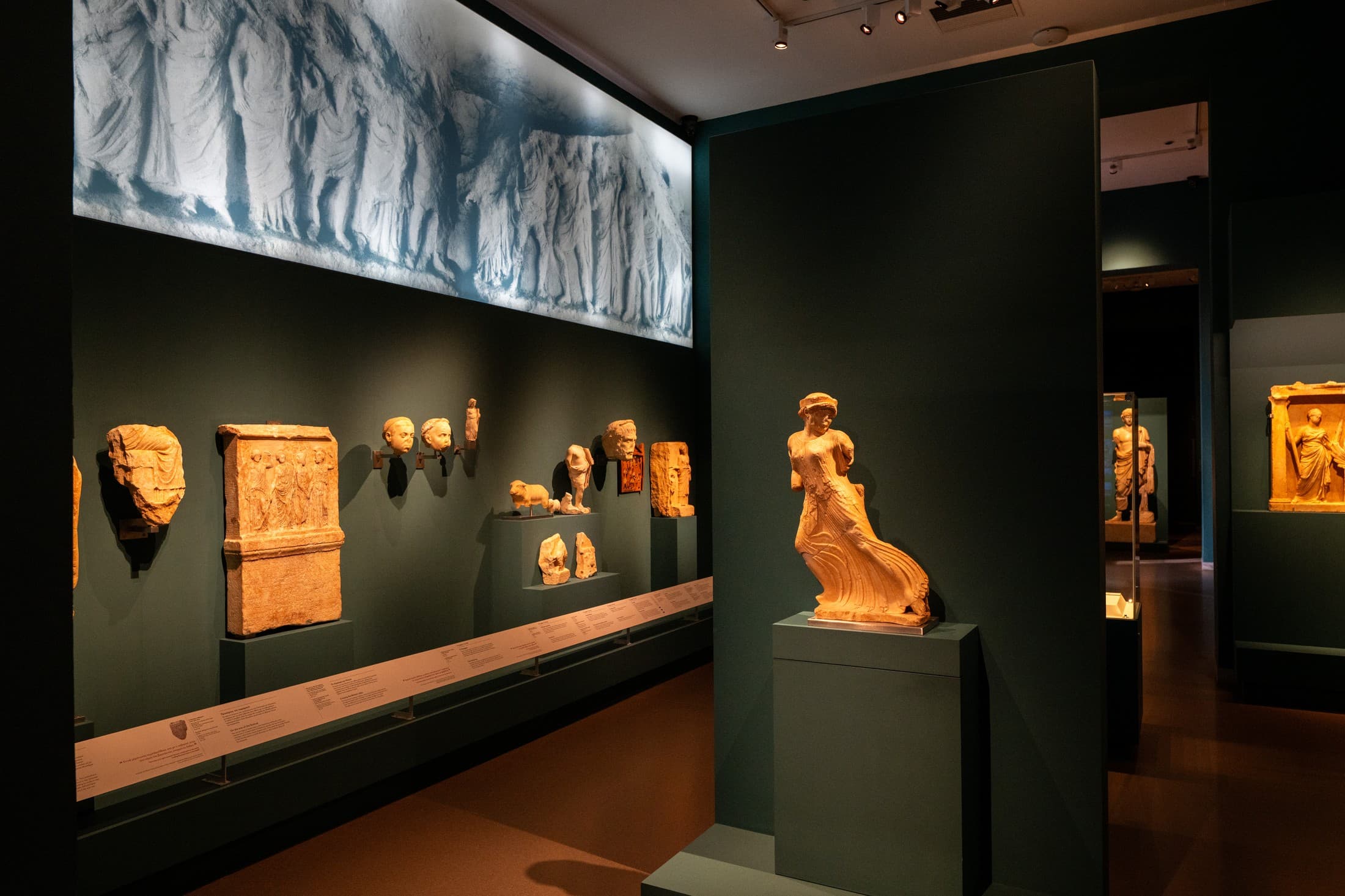
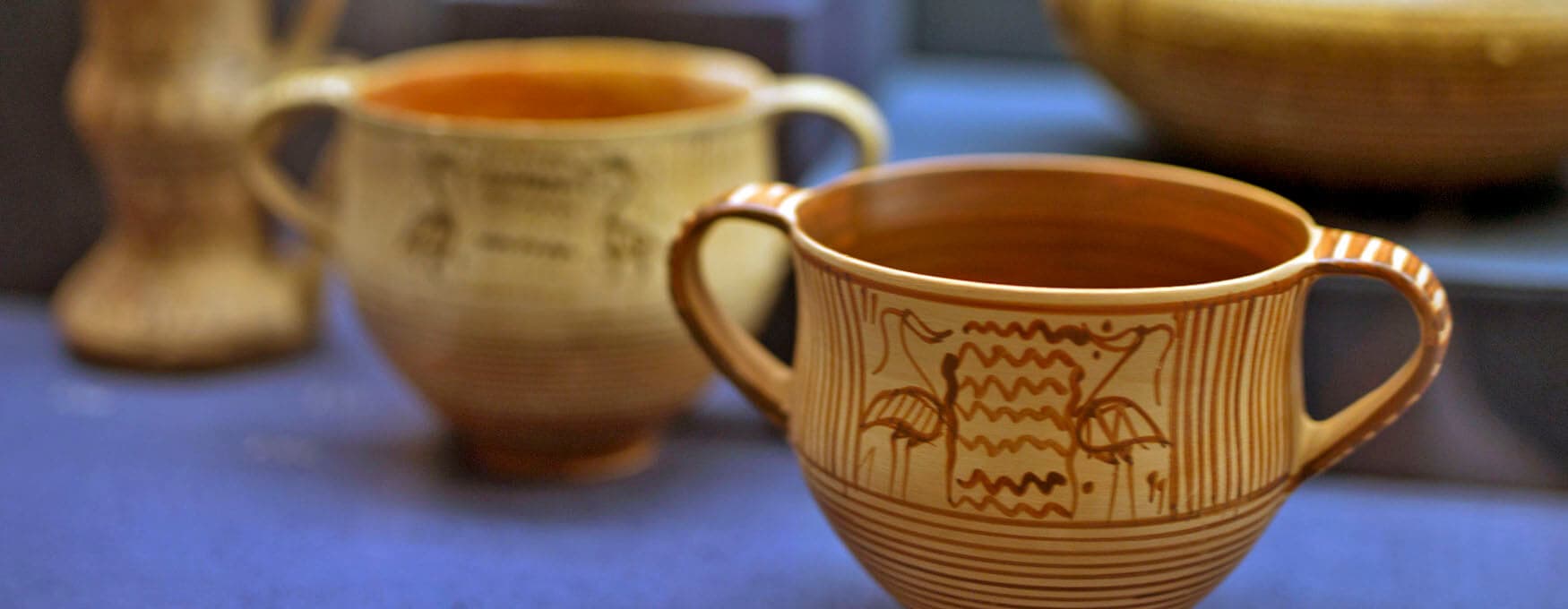
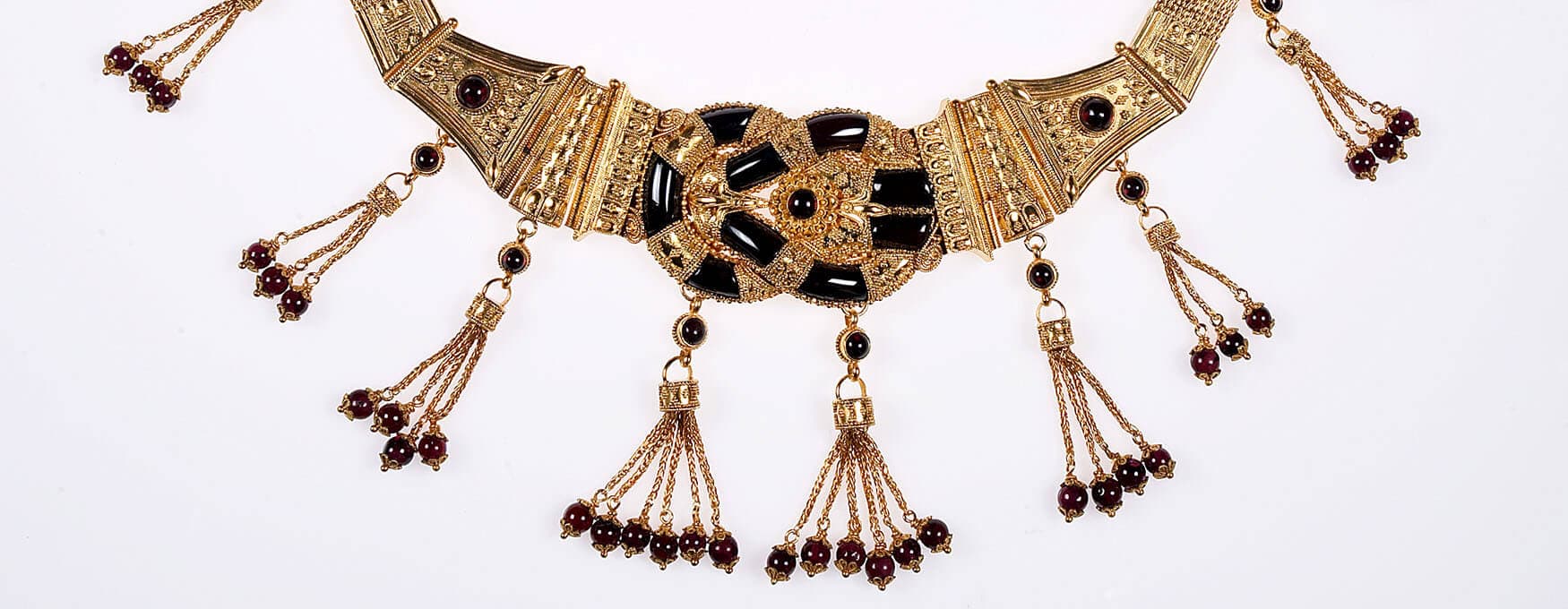
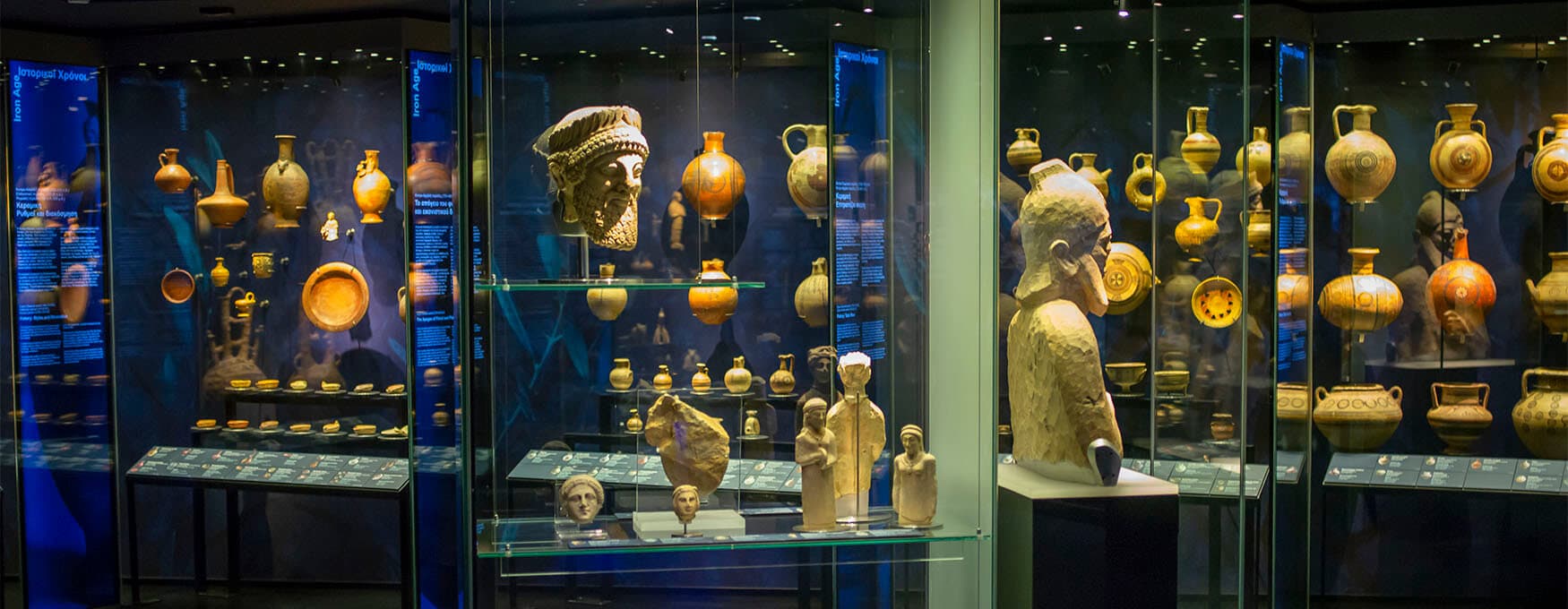
Continuing your journey, you will encounter the flourishing period of Greek colonies and Roman cities. Artefacts from the Rhodope regional unit, Abdera and Mesimvria-Zone unfold a time of economic and cultural prosperity. Display cases feature exceptional examples of coroplastic art (the craft of shaping small clay figures, mainly figurines), pottery decoration and metalworking, as well as an impressive coin collection reflecting the economic strength of ancient Thrace.
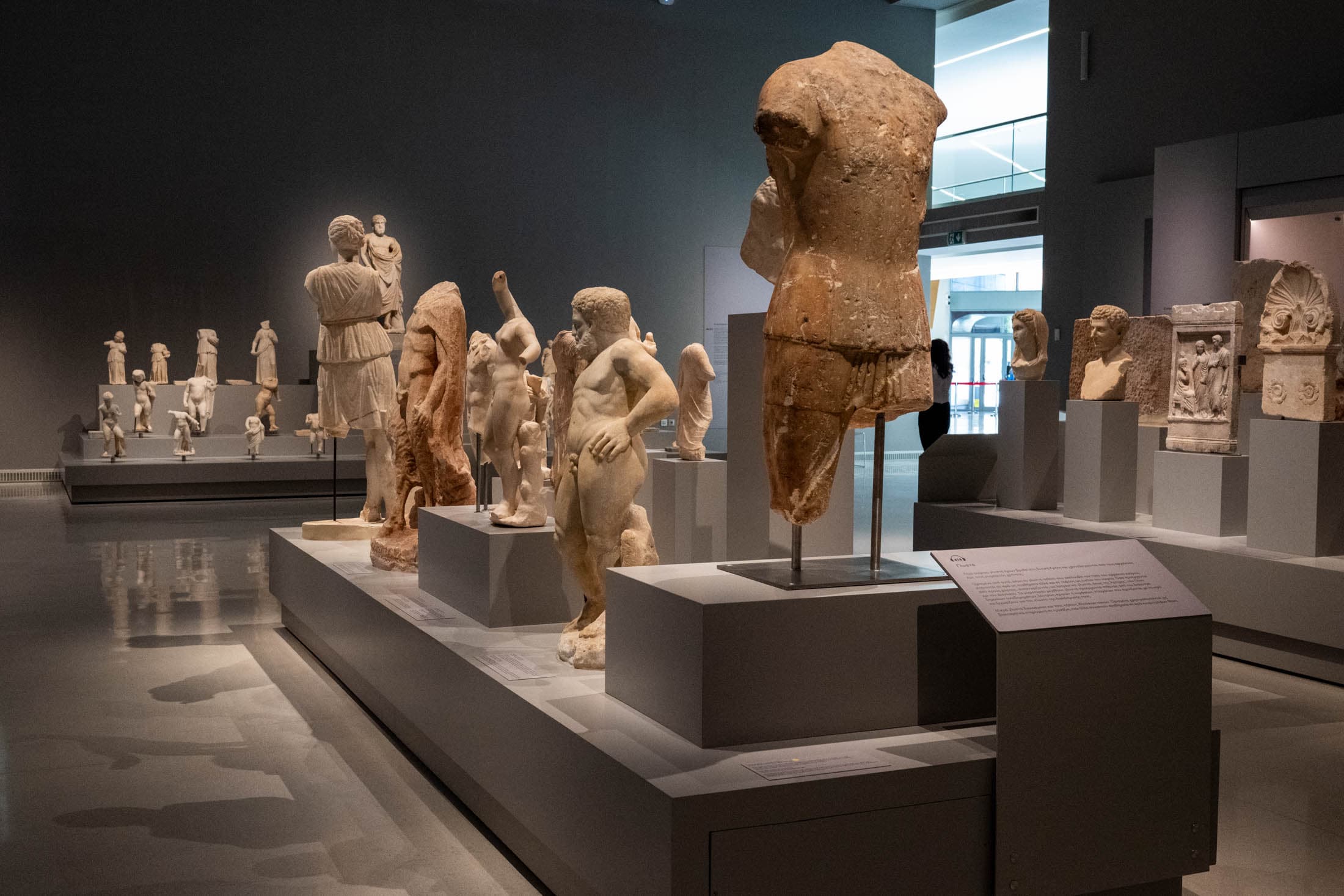
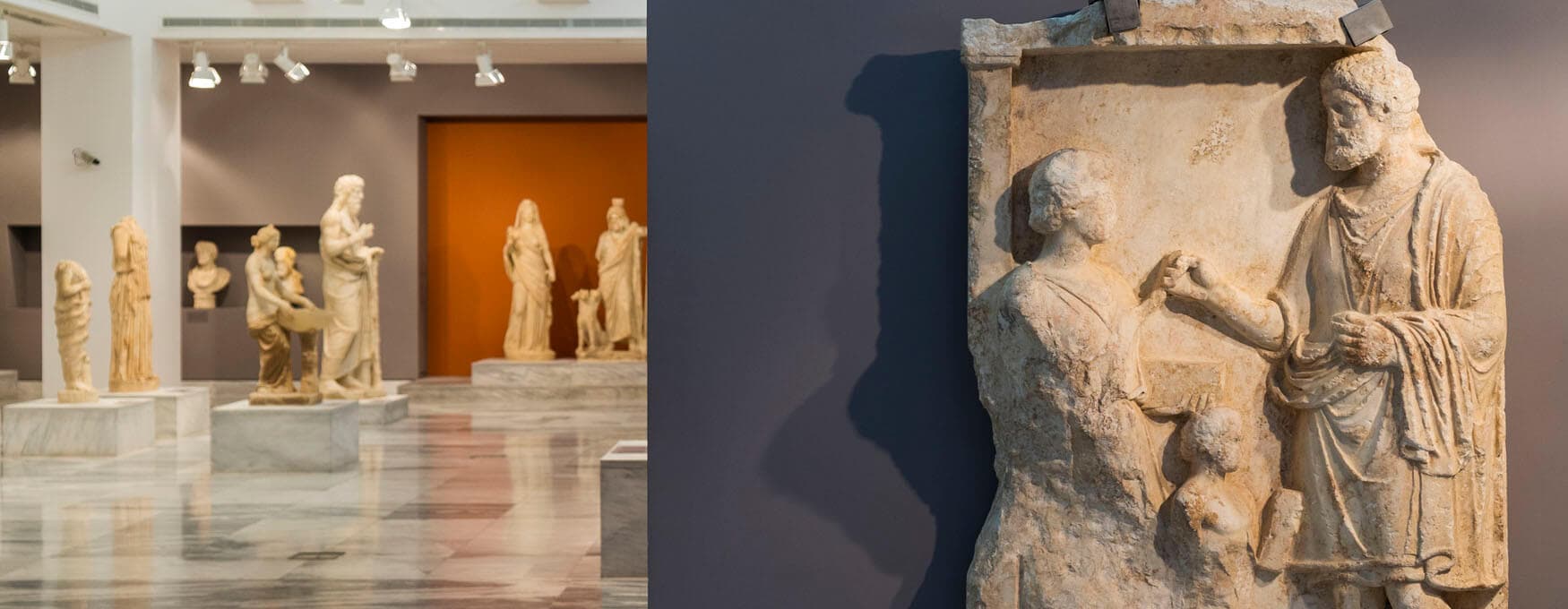
The highlight of the collection is the gold hammered bust of Emperor Septimius Severus, remarkable for both its artistic excellence and historical significance. At the same time, funerary relief stelae and sculptures offer valuable insight into the religious traditions, burial customs and social hierarchy of the Classical and Roman periods.
The museum’s long-standing history is closely linked to excavations that brought to light treasures from ancient cities such as Dikaia and Mesimvria-Zone. Conclude your visit with the Early Christian and Byzantine periods, where architectural elements and religious artefacts complete the rich historical narrative of the region.
Through its carefully curated displays, the museum highlights Thrace as a timeless centre of cultural exchange.
Your visit begins with prehistoric finds from the excavation sites of Paradimi and Makri: intricately crafted clay figurines, tools and everyday utensils that shed light on the early stages of civilisation in northern Greece. Through these exhibits, the gradual development of early societies and the formation of the first settlement cores in the Rhodope region are revealed.
Continuing your journey, you will encounter the flourishing period of Greek colonies and Roman cities. Artefacts from the Rhodope regional unit, Abdera and Mesimvria-Zone unfold a time of economic and cultural prosperity. Display cases feature exceptional examples of coroplastic art (the craft of shaping small clay figures, mainly figurines), pottery decoration and metalworking, as well as an impressive coin collection reflecting the economic strength of ancient Thrace.
The highlight of the collection is the gold hammered bust of Emperor Septimius Severus, remarkable for both its artistic excellence and historical significance. At the same time, funerary relief stelae and sculptures offer valuable insight into the religious traditions, burial customs and social hierarchy of the Classical and Roman periods.
The museum’s long-standing history is closely linked to excavations that brought to light treasures from ancient cities such as Dikaia and Mesimvria-Zone. Conclude your visit with the Early Christian and Byzantine periods, where architectural elements and religious artefacts complete the rich historical narrative of the region.
Through its carefully curated displays, the museum highlights Thrace as a timeless centre of cultural exchange.