A mansion safeguarding the memory of Thrace
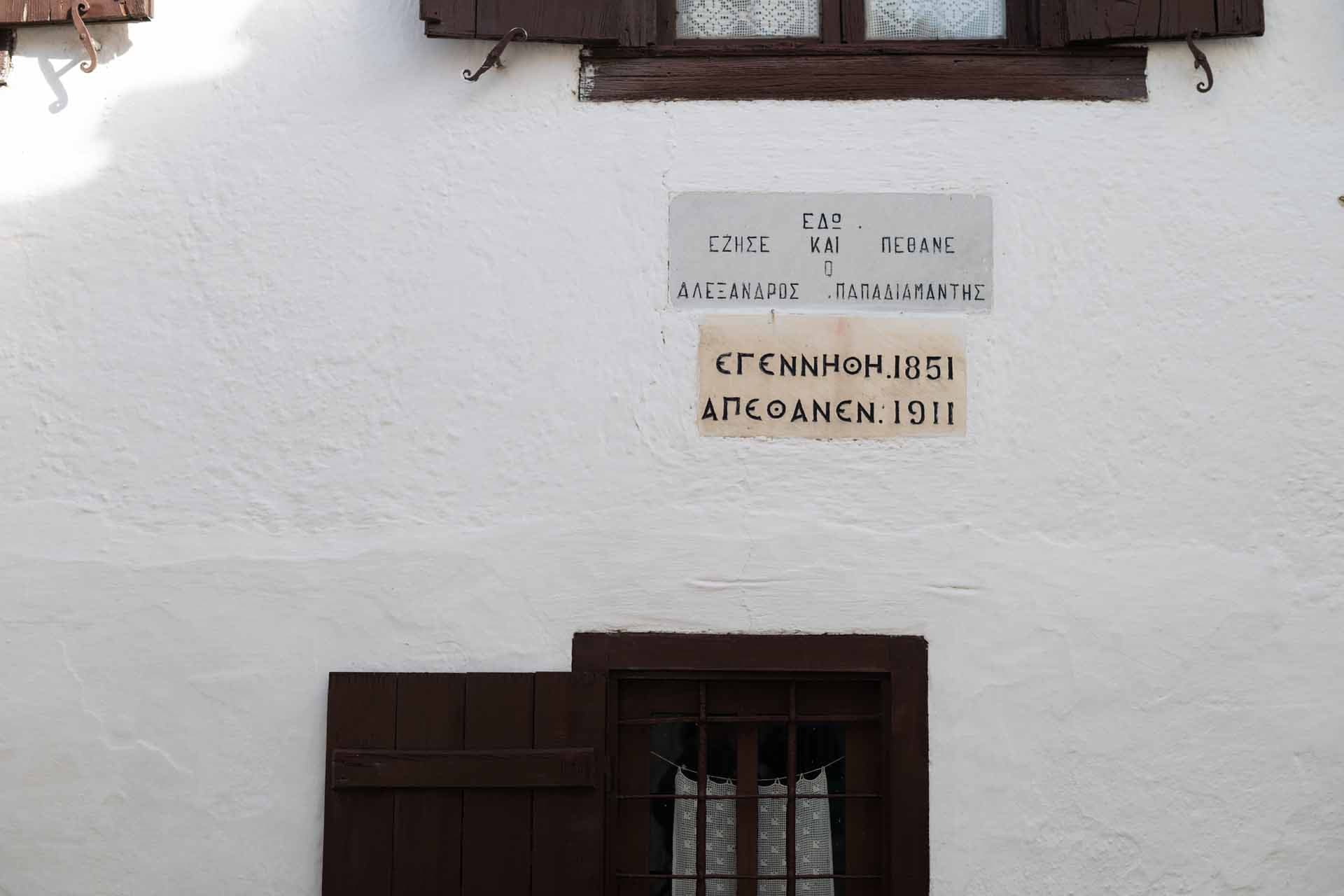
The Folklore Museum of Komotini has been in operation since 1962 and has been housed in the Peidi Mansion since 1989. It is an outstanding example of local urban architecture dating back to the 19th century. With its distinctive “fanos” (lantern-like upper structure) and traditional layout, the building reflects the economic and social prosperity of Komotini during the late Ottoman period, providing an ideal setting for the presentation of folk culture.
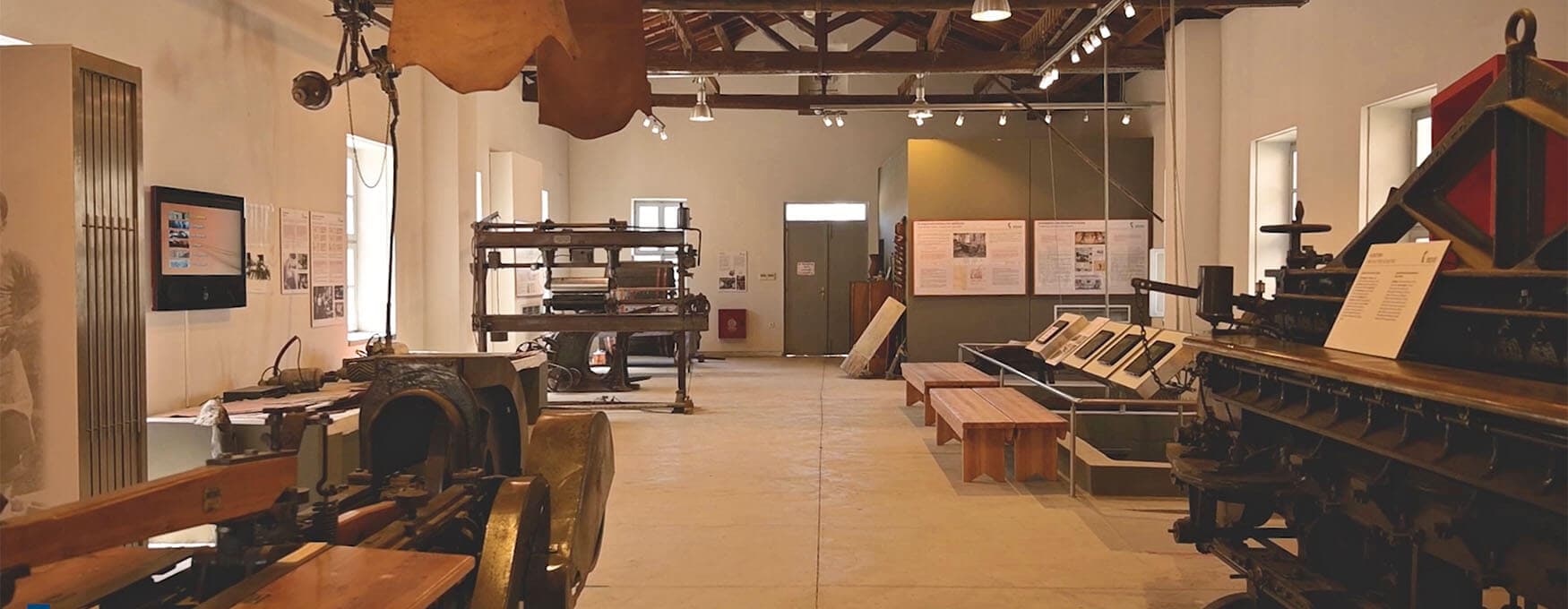
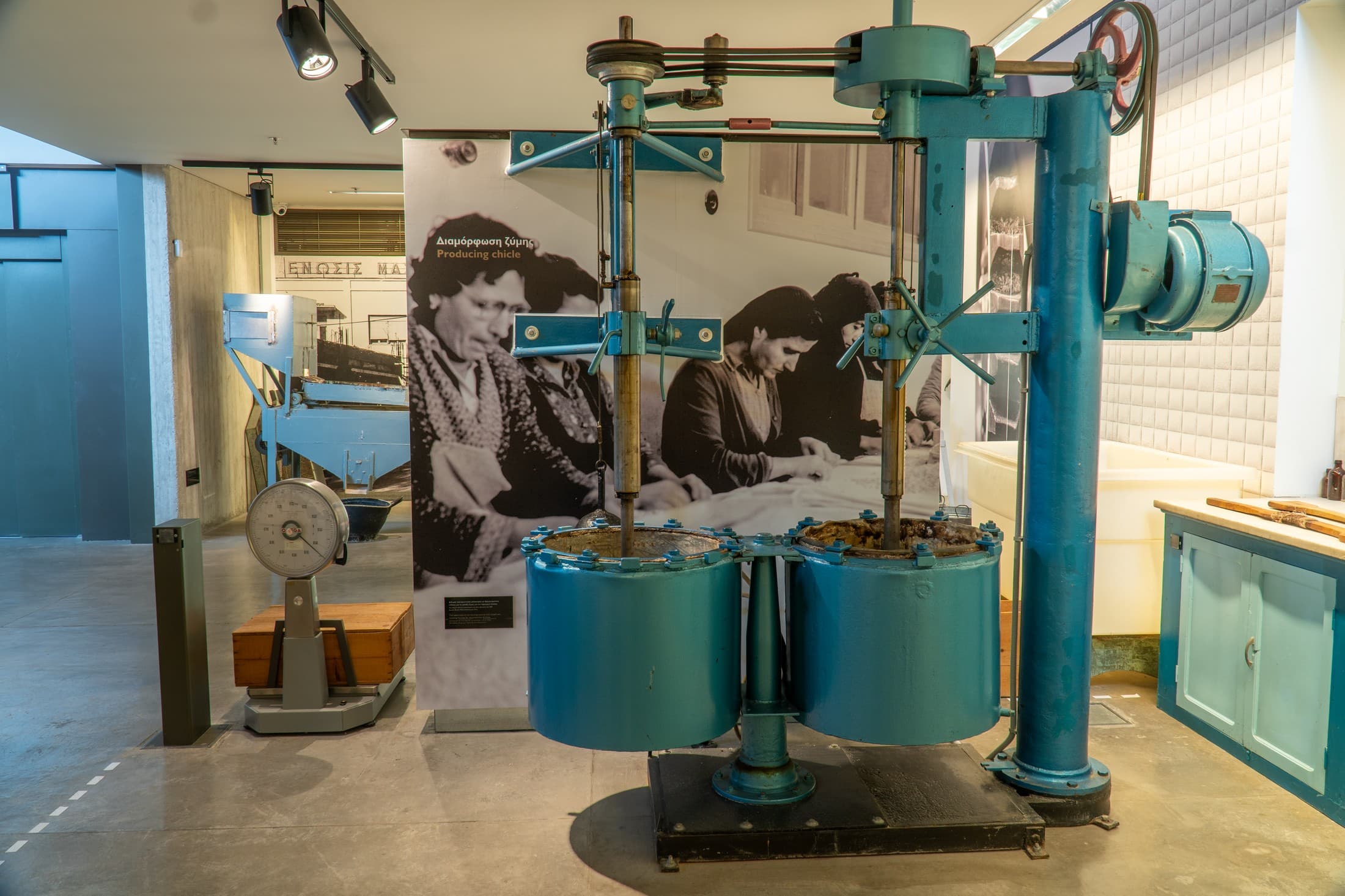
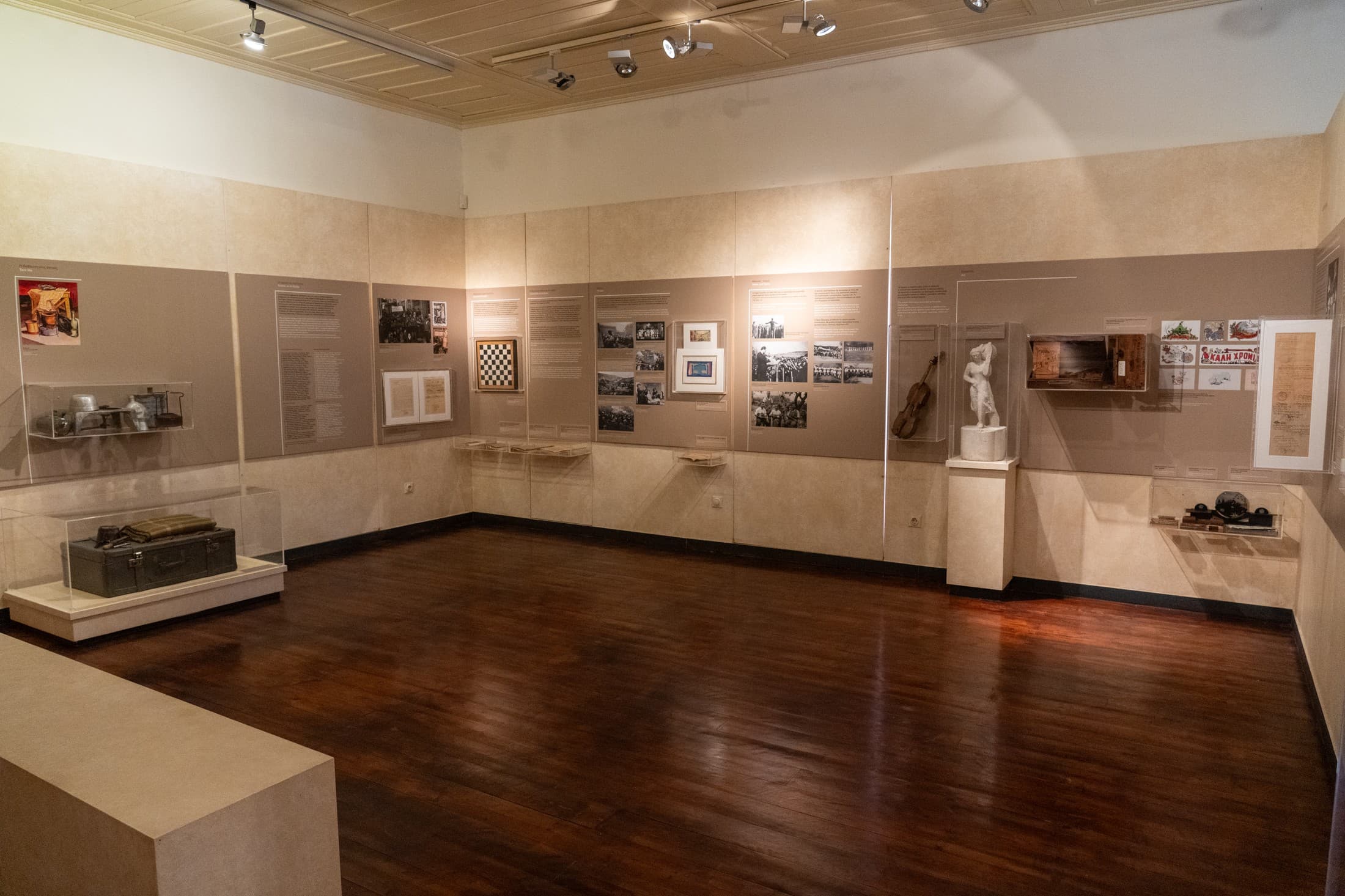
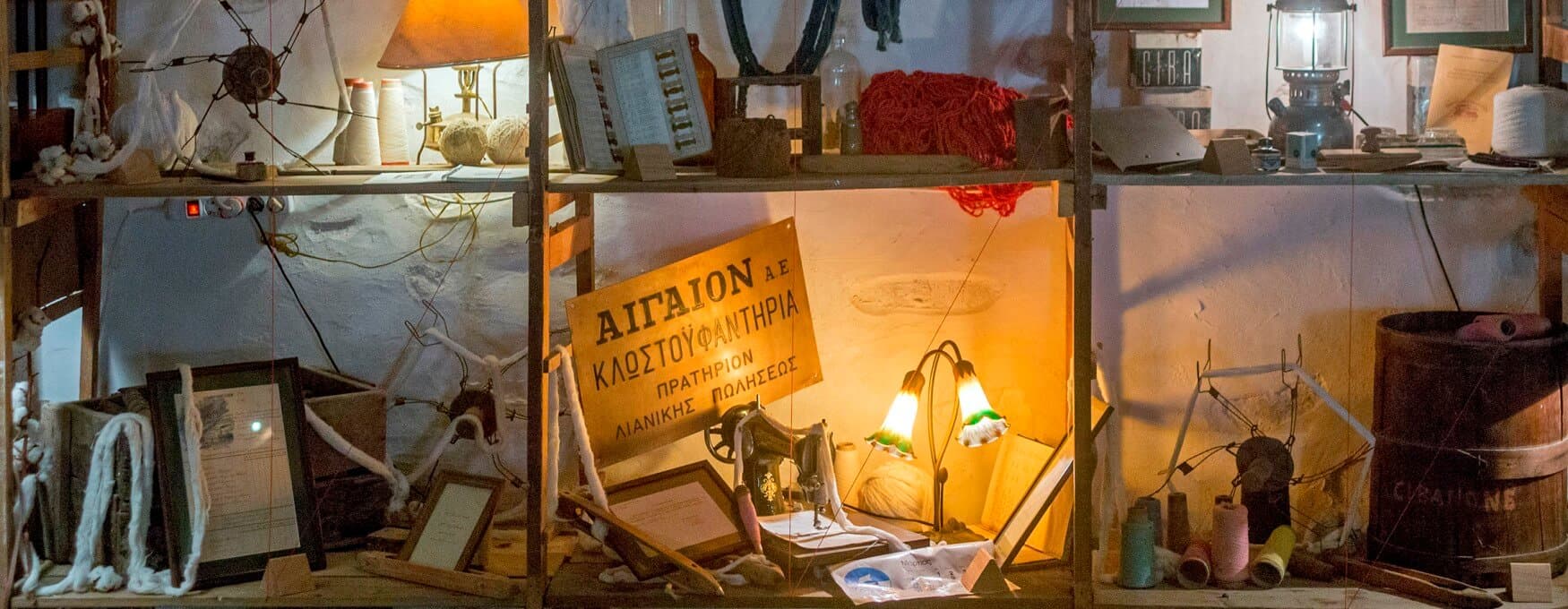
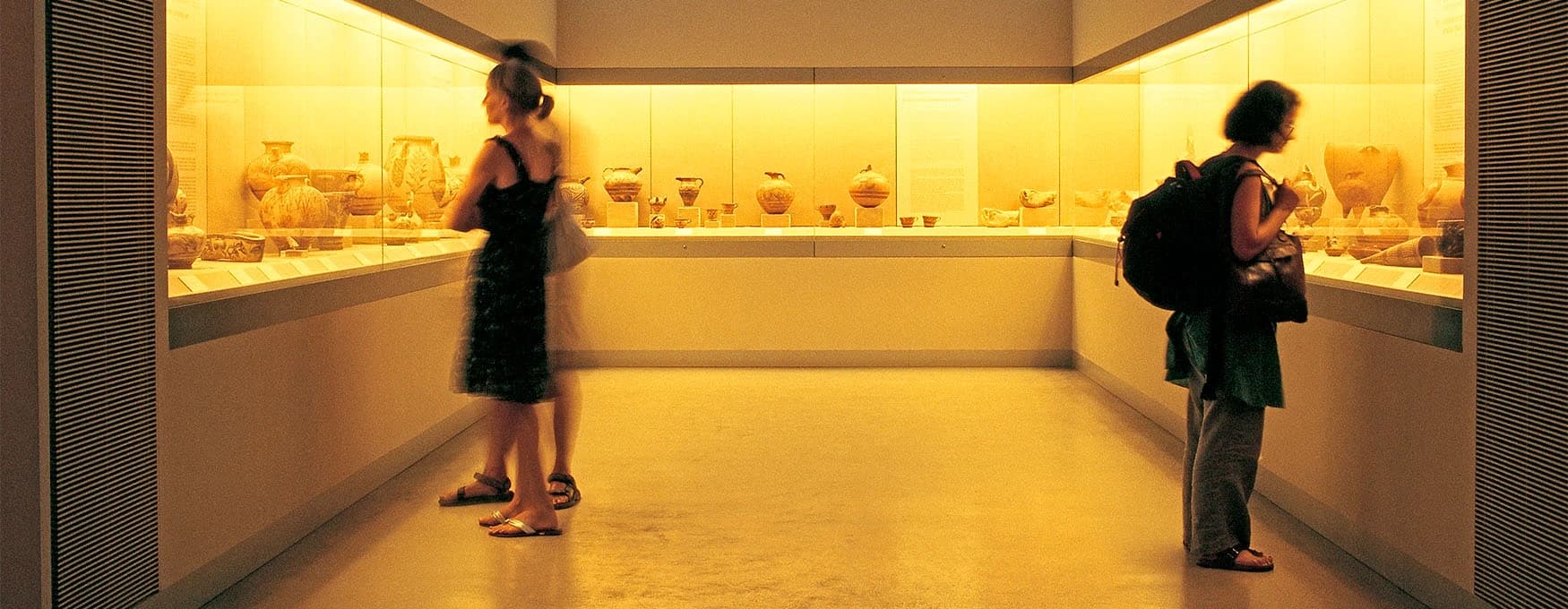
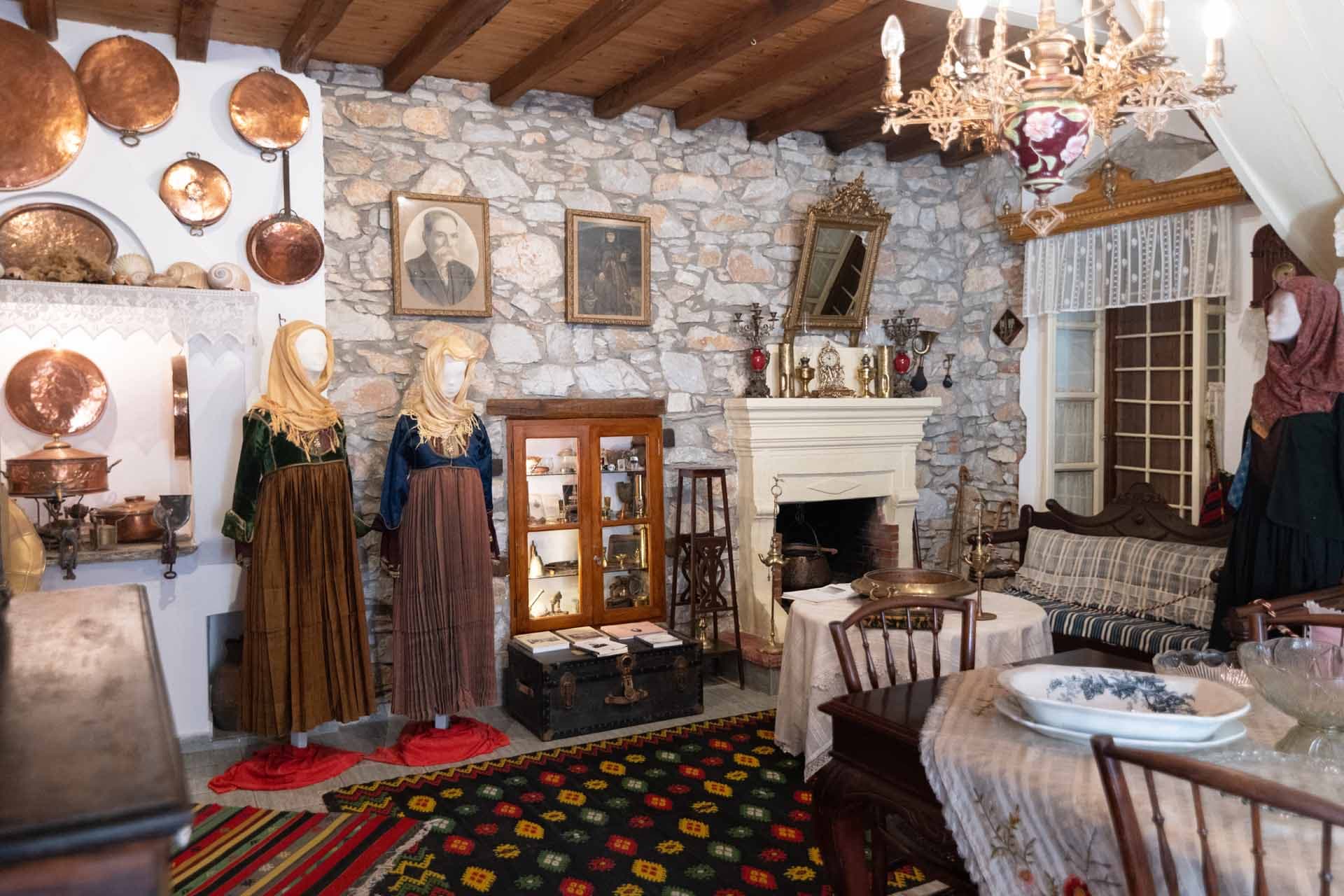
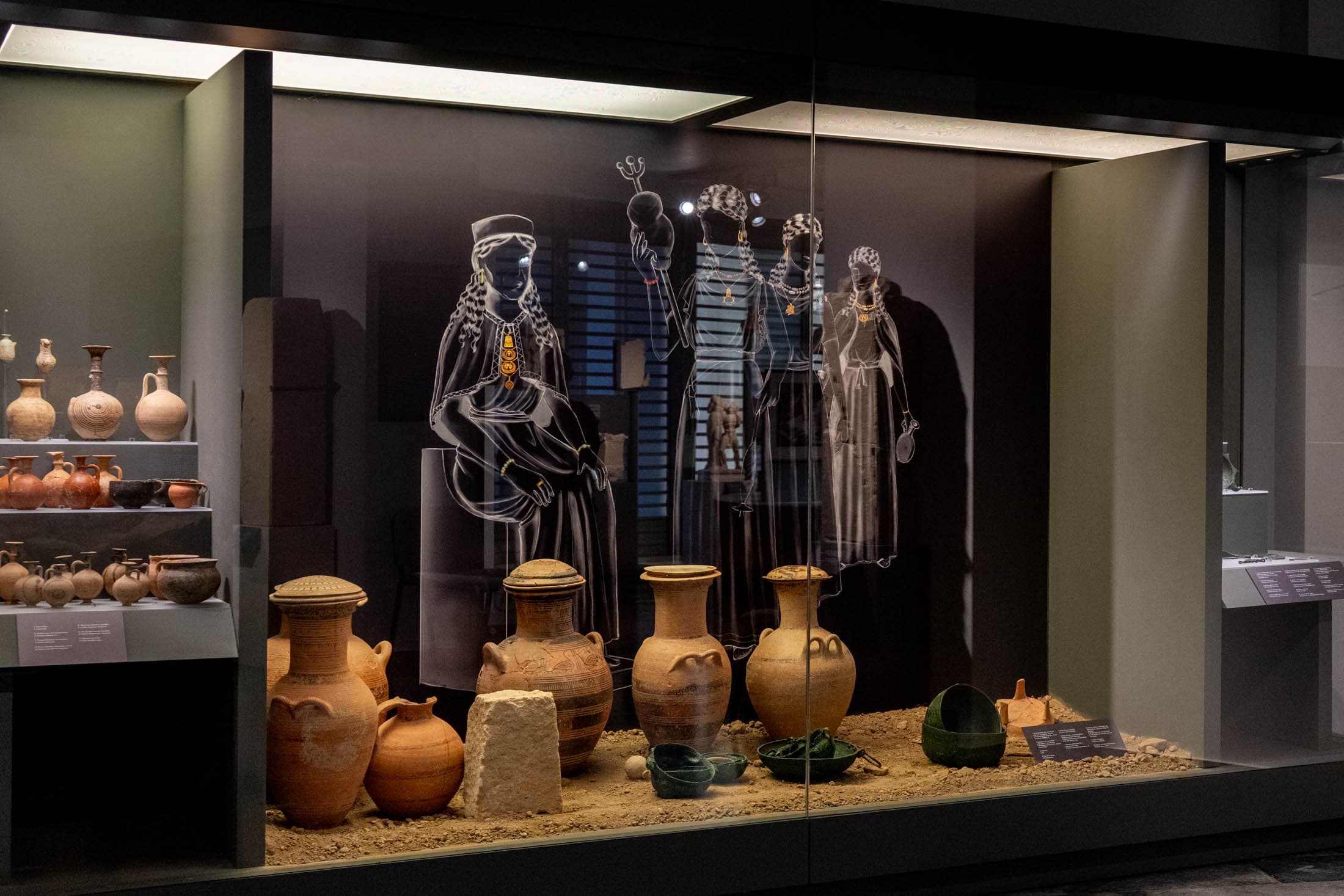
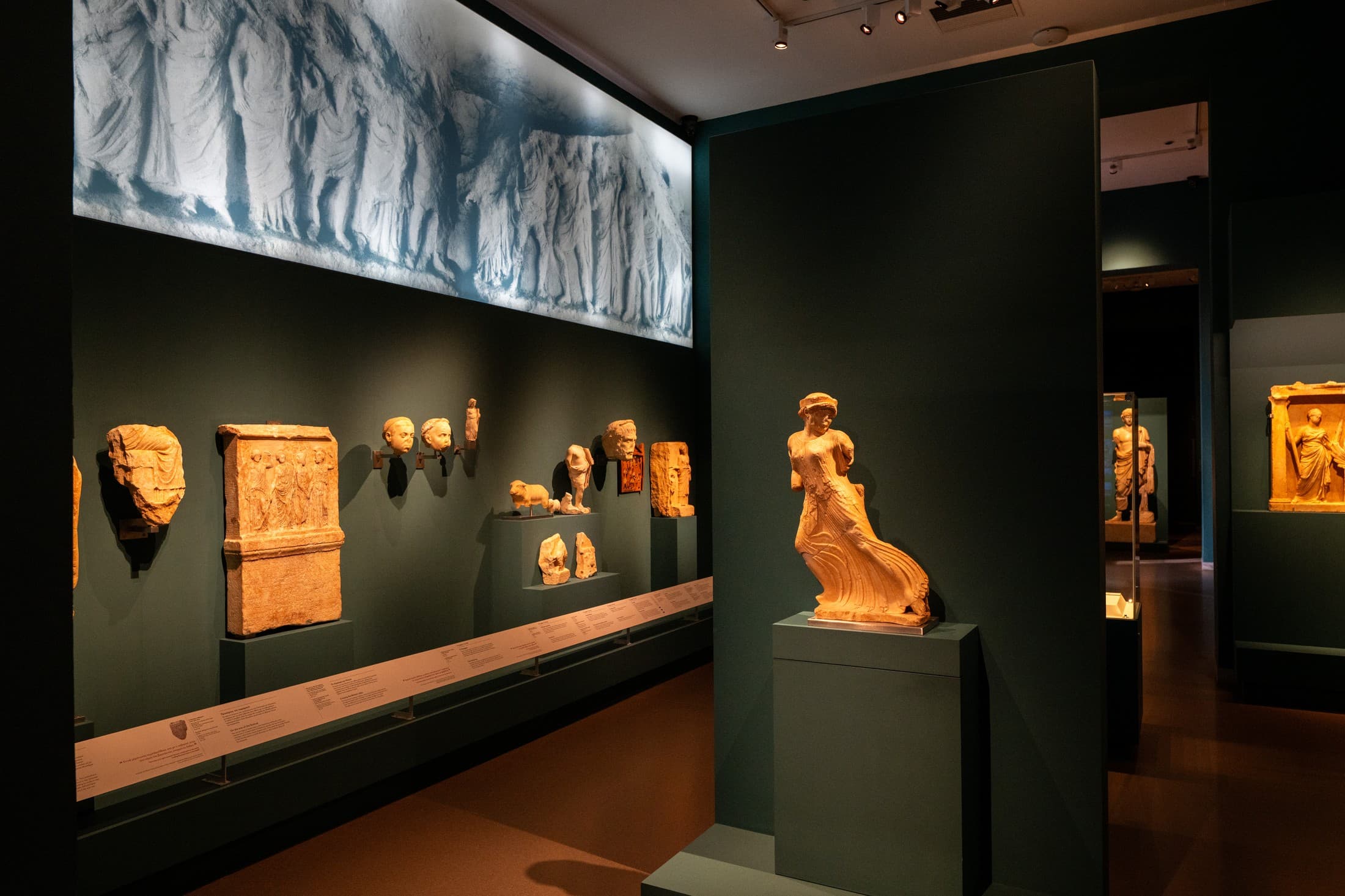
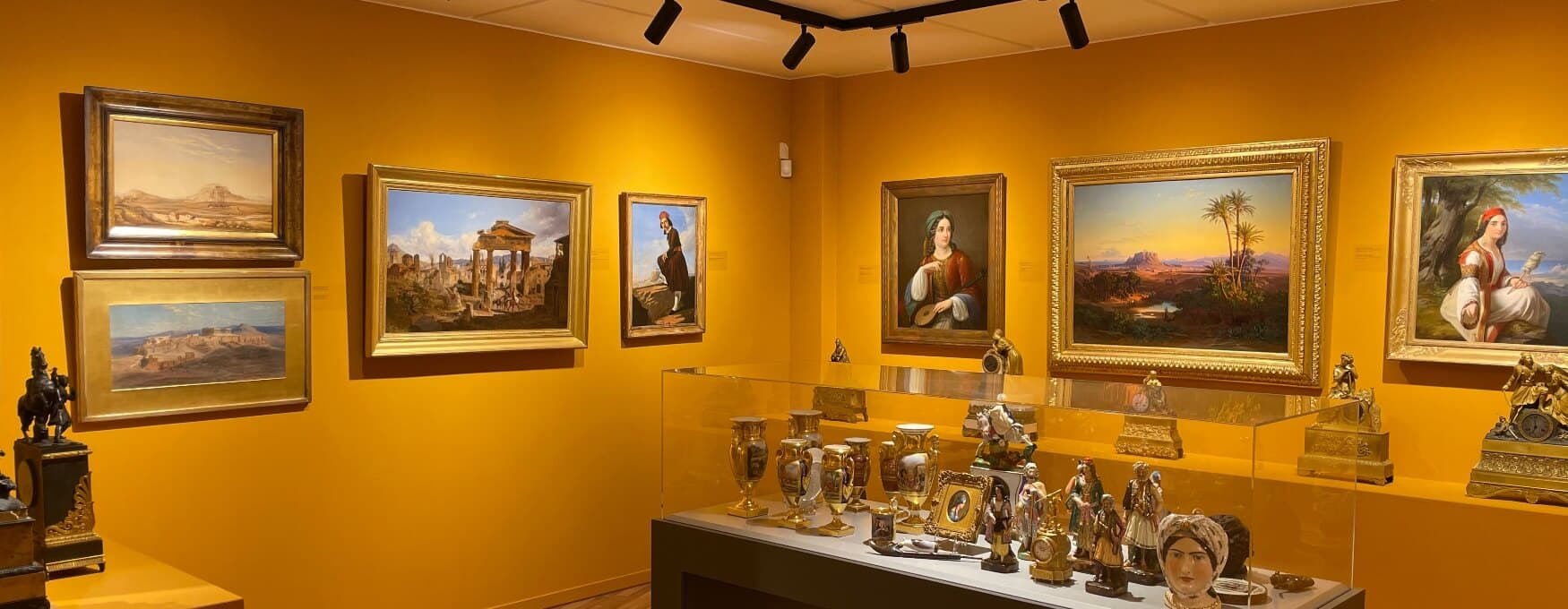
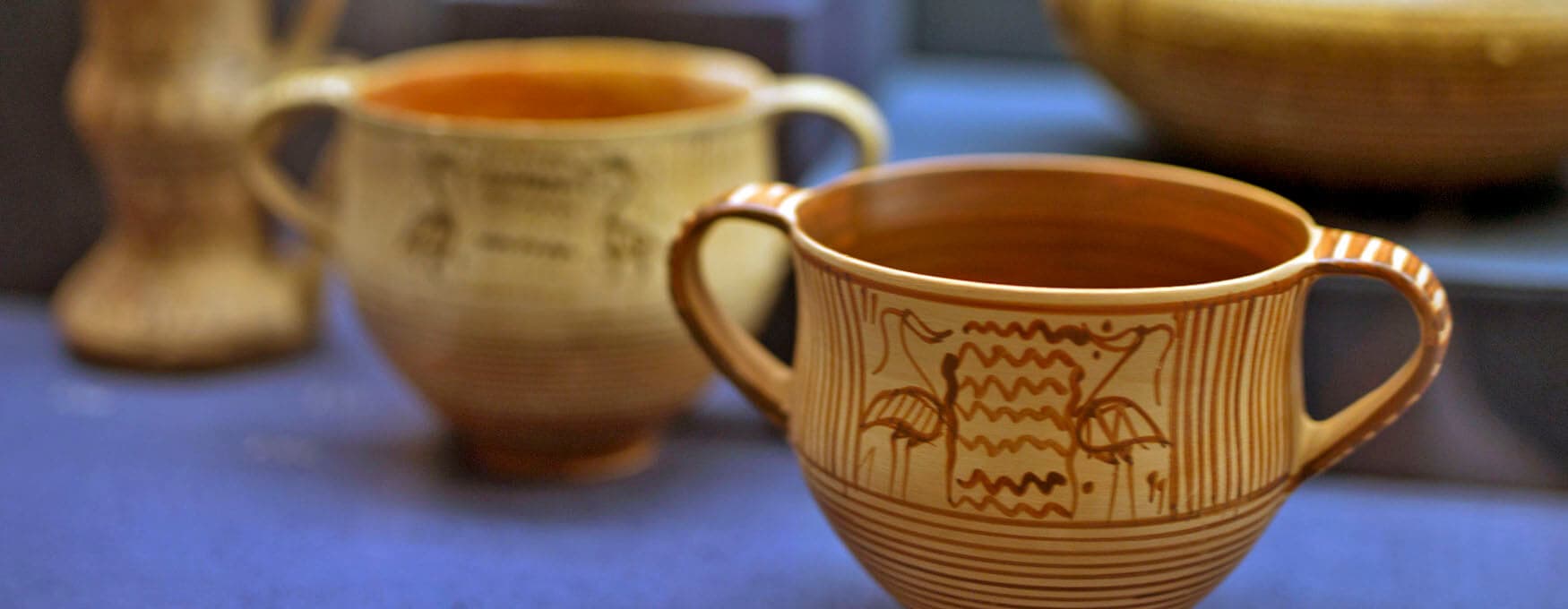
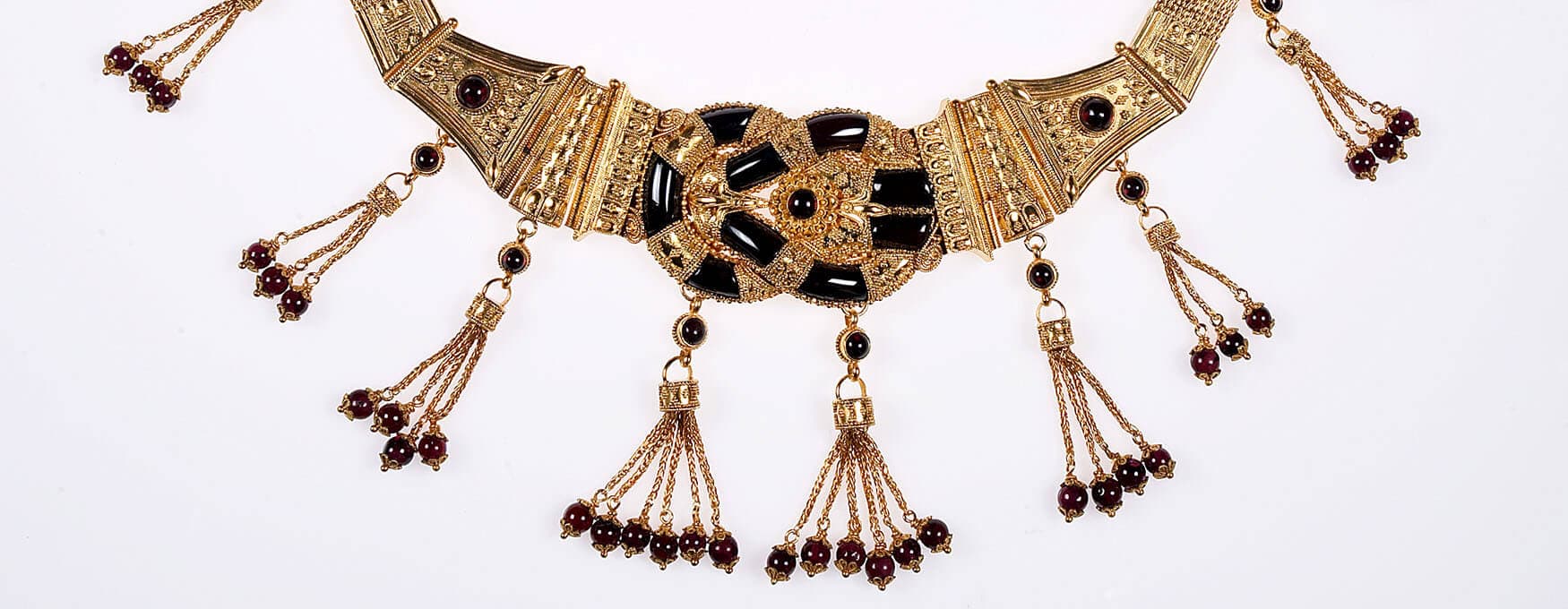
Across its exhibition spaces—spread over two floors, as well as the basement and the courtyard shelter—the everyday life and traditions of the people of Thrace unfold through a rich collection of exhibits. Visitors can admire impressive traditional costumes, handcrafted embroidery and finely crafted jewellery that highlight the region’s aesthetic character. Particularly noteworthy are the household items, tools of traditional trades, and ecclesiastical artefacts brought by refugees.
Recreations of the interior spaces of a traditional Thracian home offer an immersive insight into past social structures and customs.
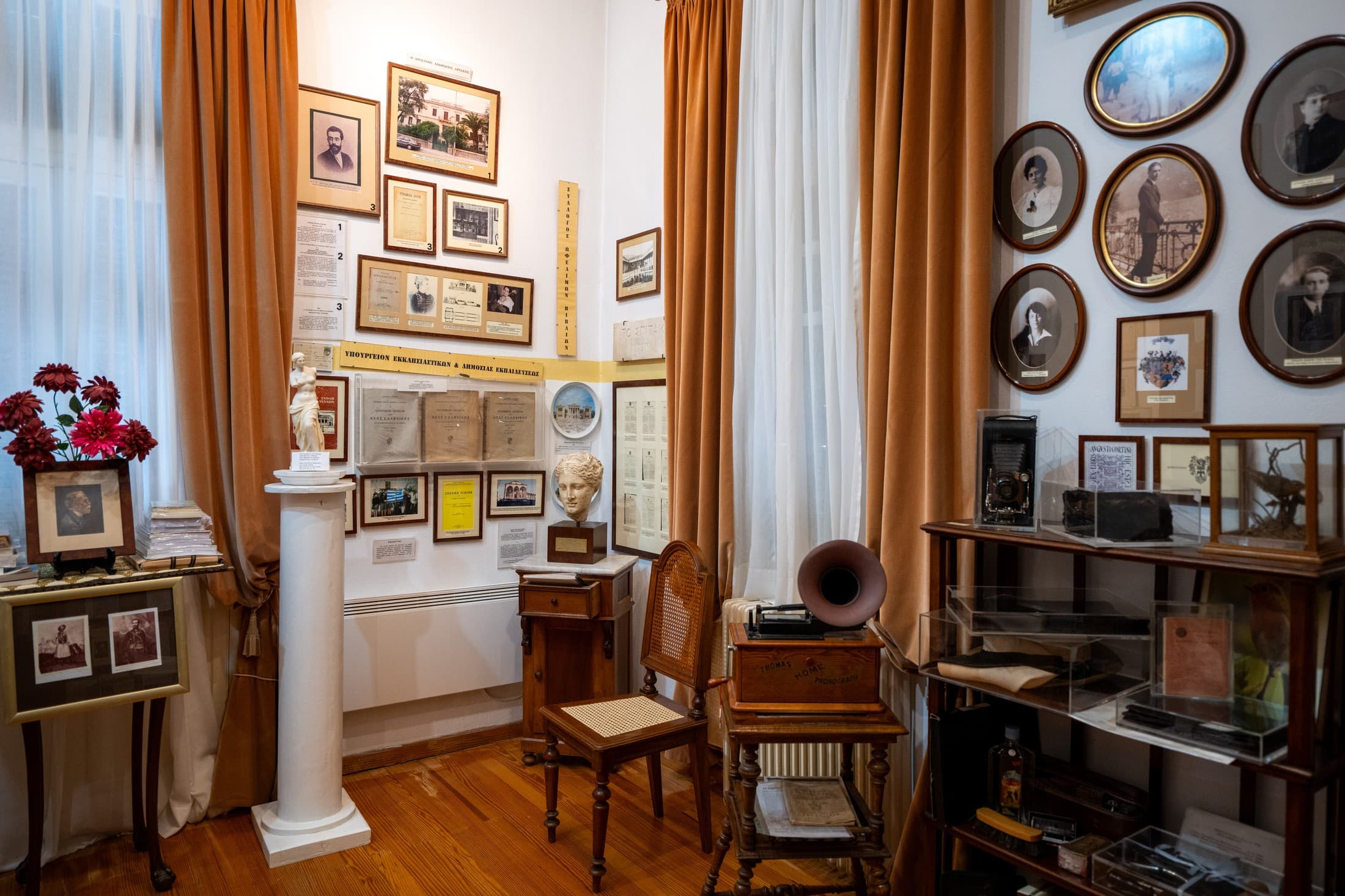
A highlight of the museum is the section dedicated to the personal belongings of Archbishop Chrysanthos of Athens, an emblematic figure associated with Trebizond. Do not miss the opportunity to admire a large-scale 18th-century religious artefact depicting Christ, the Virgin Mary and Saint Anne surrounded by prophets, as well as a silver reliquary that stands as a fine example of high-quality metalwork.
Through the personal objects and artefacts displayed, the museum reveals the multicultural character of the Rhodope region and the harmonious coexistence of its diverse communities. A visit will help you understand the journey of the people of Thrace from past to present, making the museum an essential stop for anyone interested in history and tradition.
Across its exhibition spaces—spread over two floors, as well as the basement and the courtyard shelter—the everyday life and traditions of the people of Thrace unfold through a rich collection of exhibits. Visitors can admire impressive traditional costumes, handcrafted embroidery and finely crafted jewellery that highlight the region’s aesthetic character. Particularly noteworthy are the household items, tools of traditional trades, and ecclesiastical artefacts brought by refugees.
Recreations of the interior spaces of a traditional Thracian home offer an immersive insight into past social structures and customs.
A highlight of the museum is the section dedicated to the personal belongings of Archbishop Chrysanthos of Athens, an emblematic figure associated with Trebizond. Do not miss the opportunity to admire a large-scale 18th-century religious artefact depicting Christ, the Virgin Mary and Saint Anne surrounded by prophets, as well as a silver reliquary that stands as a fine example of high-quality metalwork.
Through the personal objects and artefacts displayed, the museum reveals the multicultural character of the Rhodope region and the harmonious coexistence of its diverse communities. A visit will help you understand the journey of the people of Thrace from past to present, making the museum an essential stop for anyone interested in history and tradition.