Urban elegance and folk heritage in Thrace
On Antika Street, the imposing mansion of the Kougioumtzoglou brothers stands as a testament to the urban prosperity of the mid-19th century. Built in 1860, it has been designated a listed monument by the Ministry of Culture and Sports. The building impresses with its remarkable symmetry, as it consists of two identical residences seamlessly joined together, reflecting the economic affluence of the tobacco merchants of the time.
Its exterior captivates visitors with stone walls and twenty-six rectangular windows framed in sandstone. Inside, painted ceilings and intricately carved wooden features make it one of the most richly decorated restored residences in Northern Greece. In the rear courtyard, two traditional hammams with characteristic domed roofs have been preserved to this day, retaining their original oriental character.
A visit to the collections of the Folklore Museum of Xanthi offers a comprehensive journey through time. Efforts to preserve the region’s intangible heritage began as early as 1955, leading to the creation of an archive comprising more than 10,000 items.
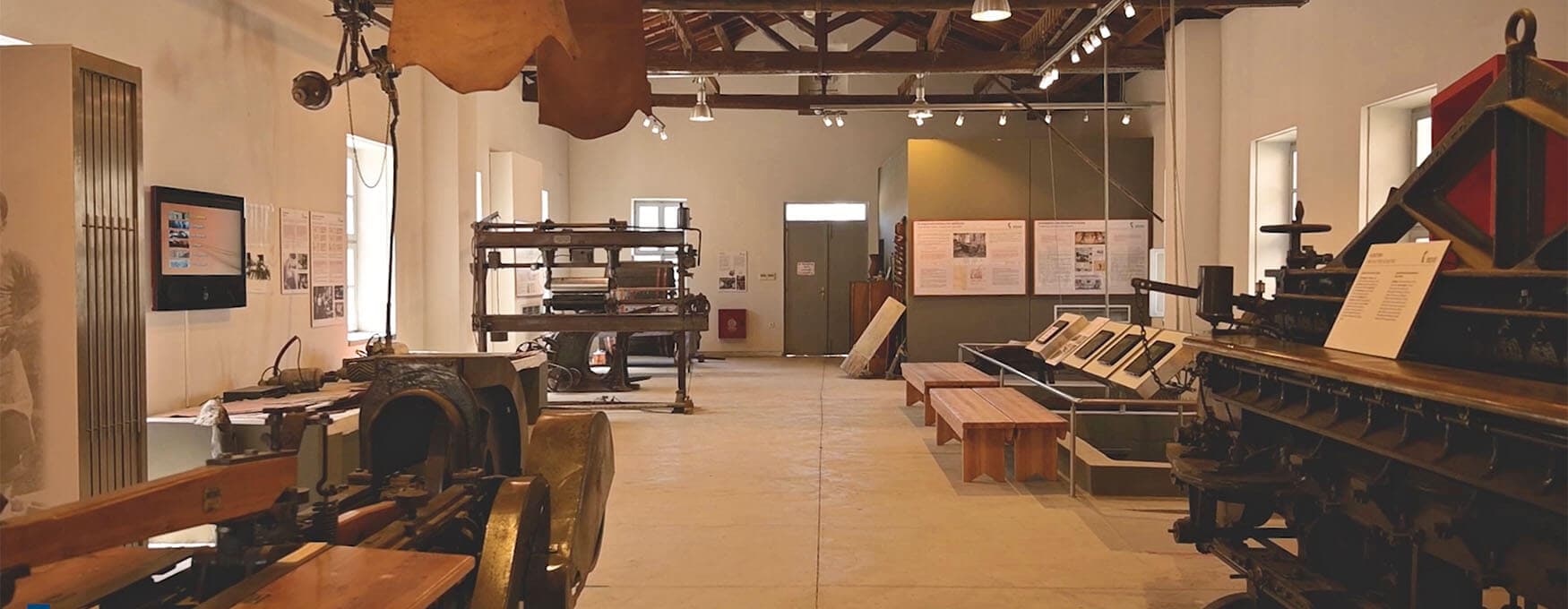
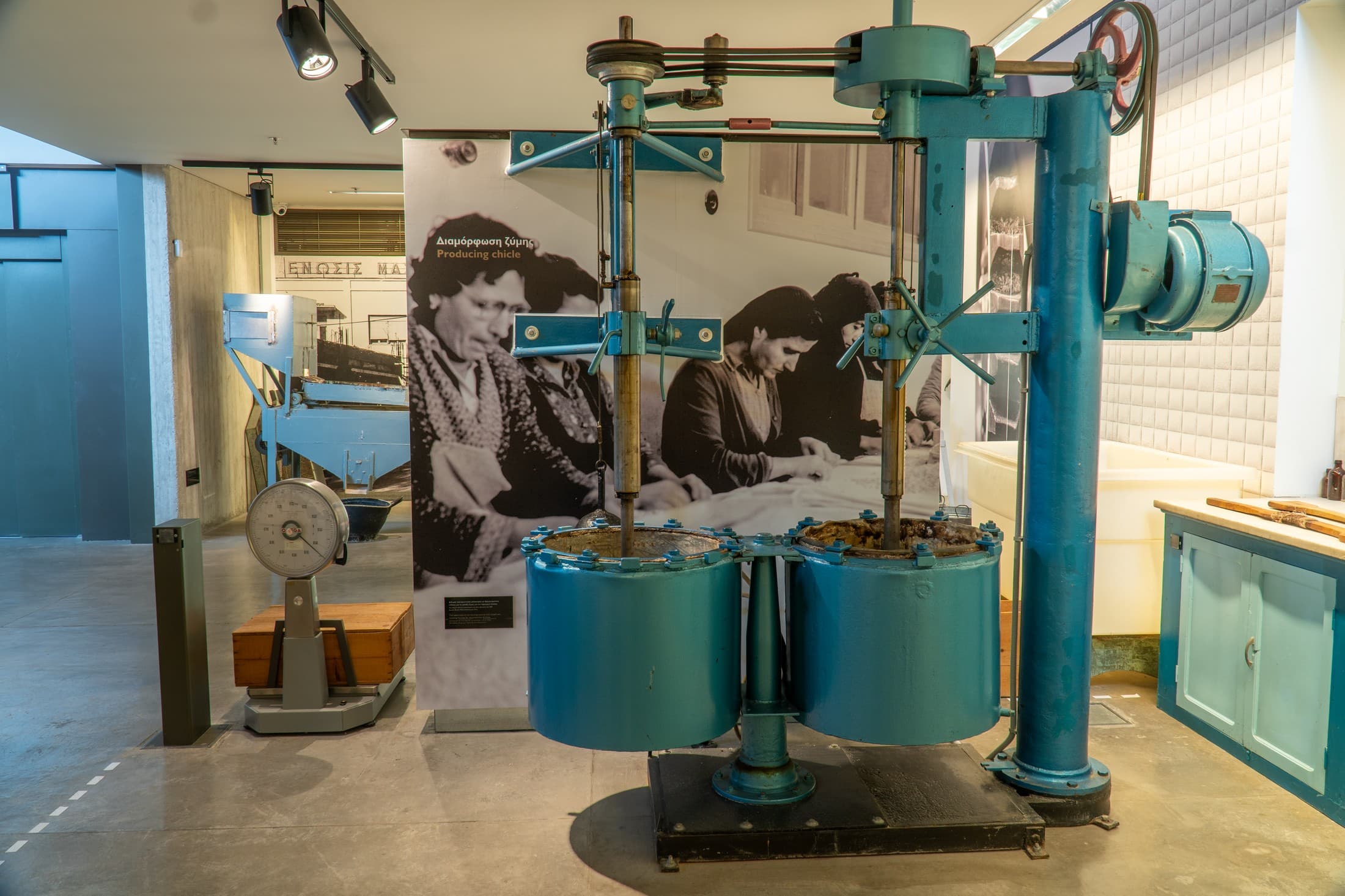
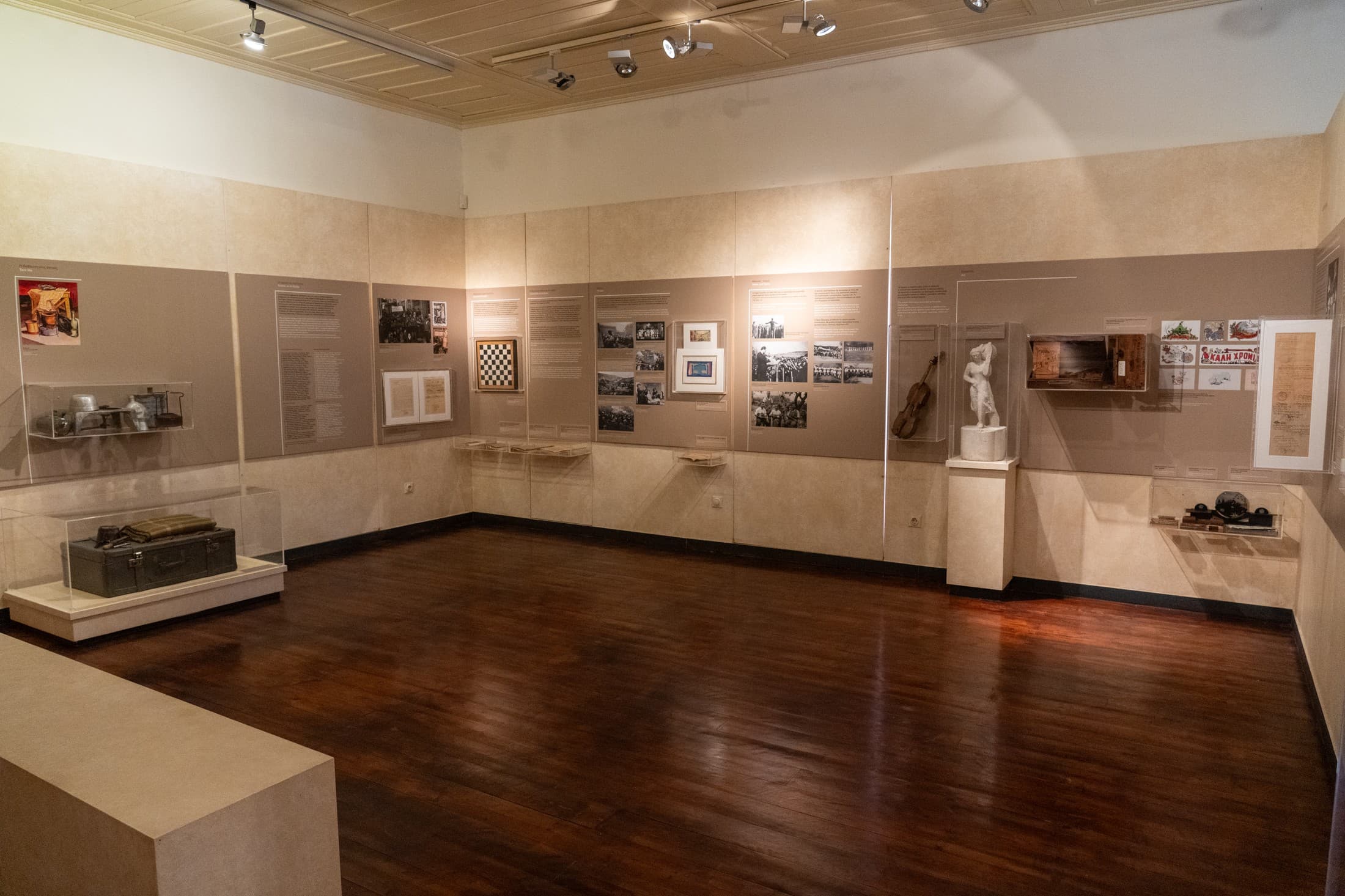
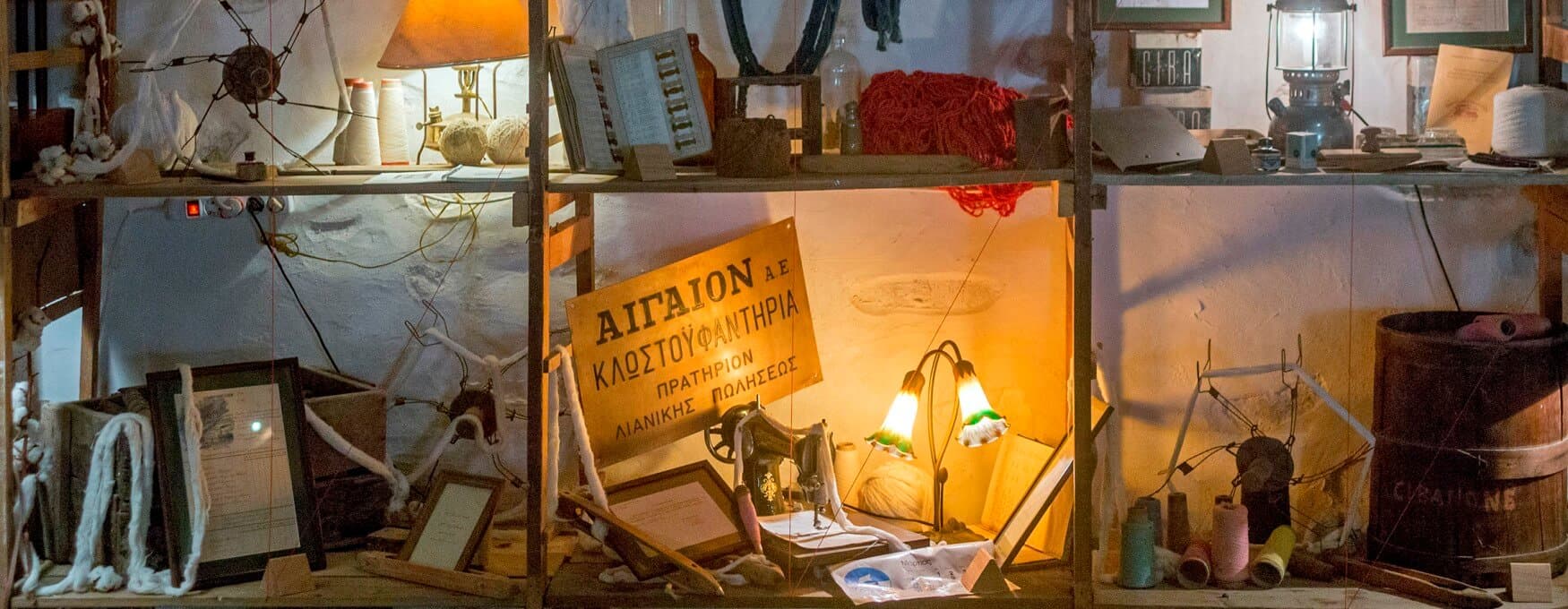
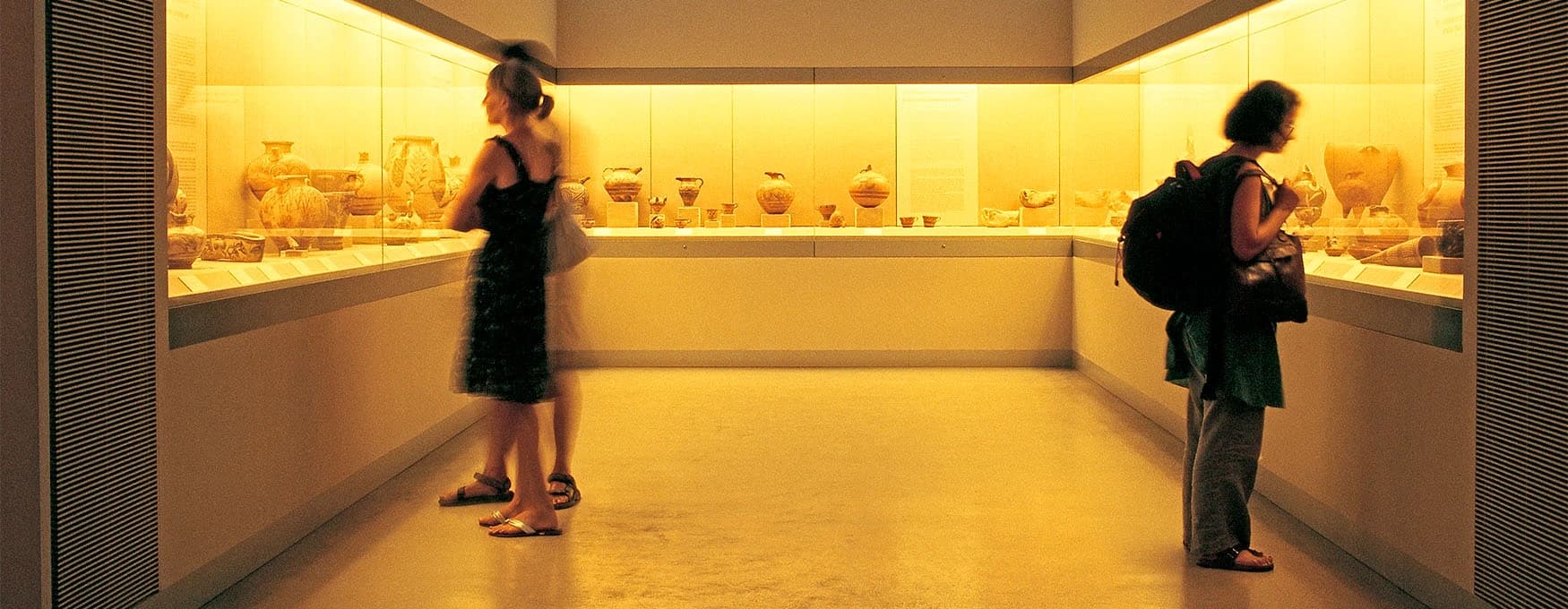
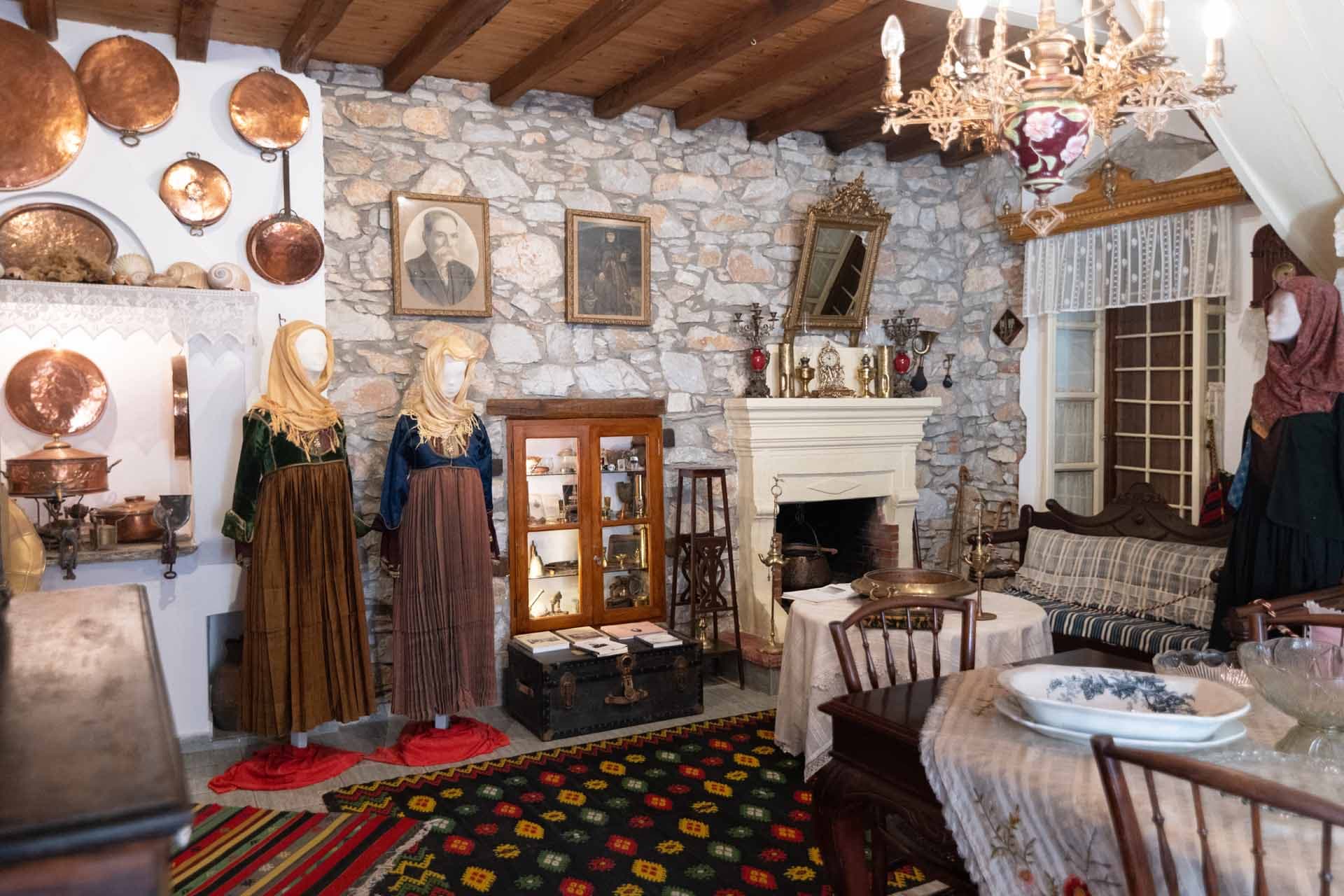
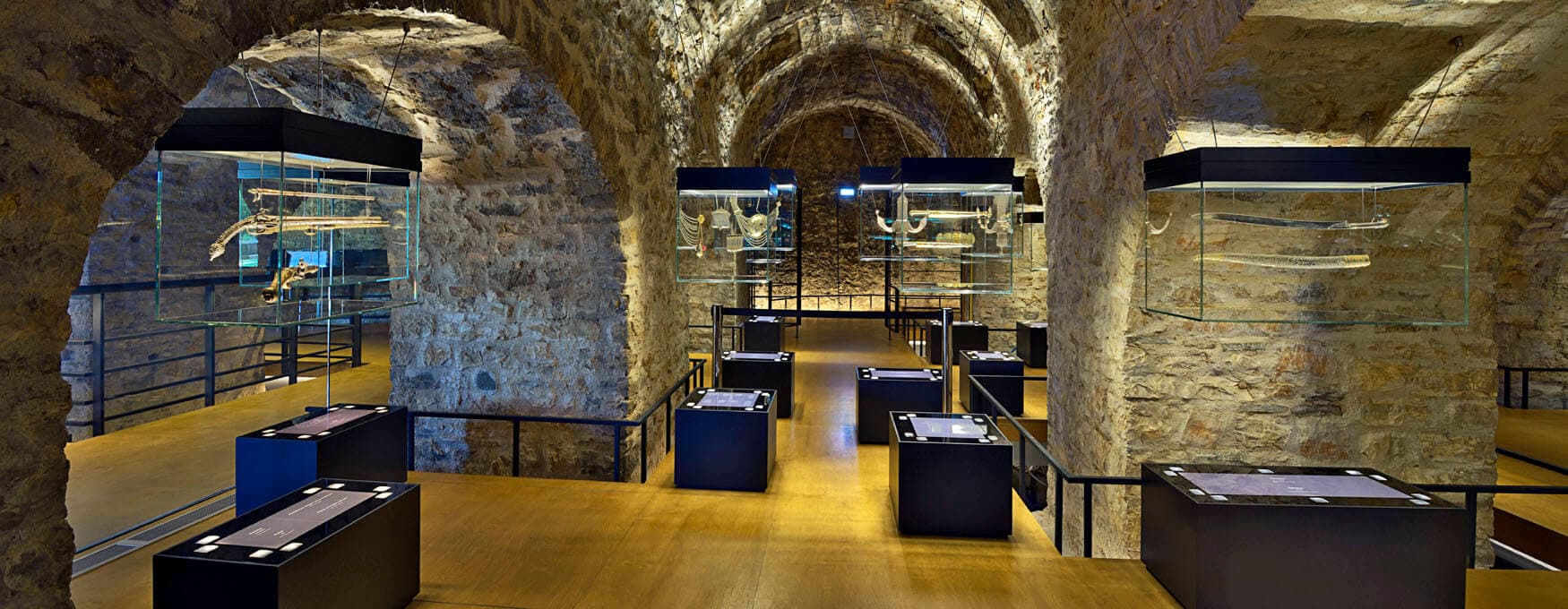
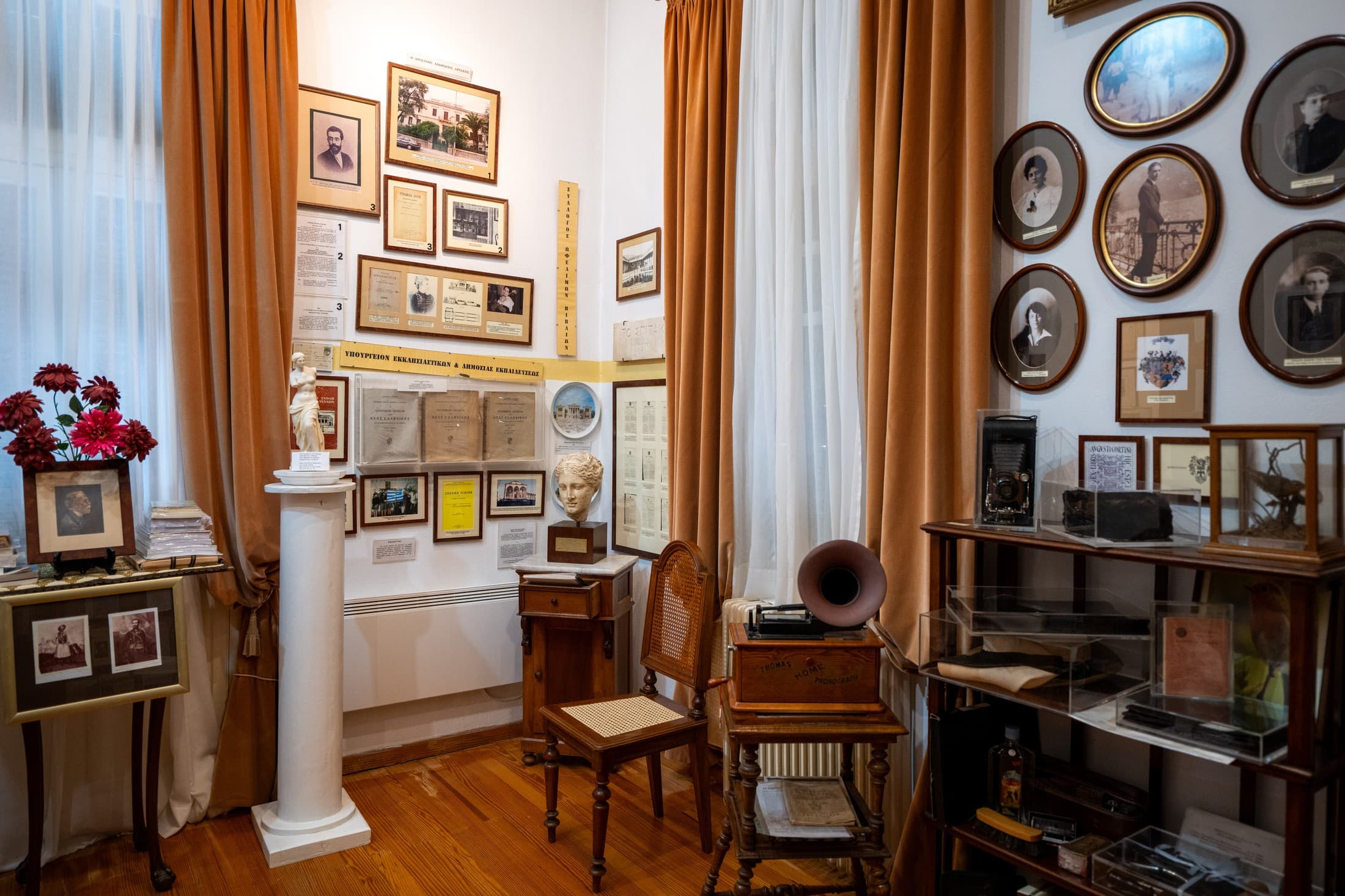
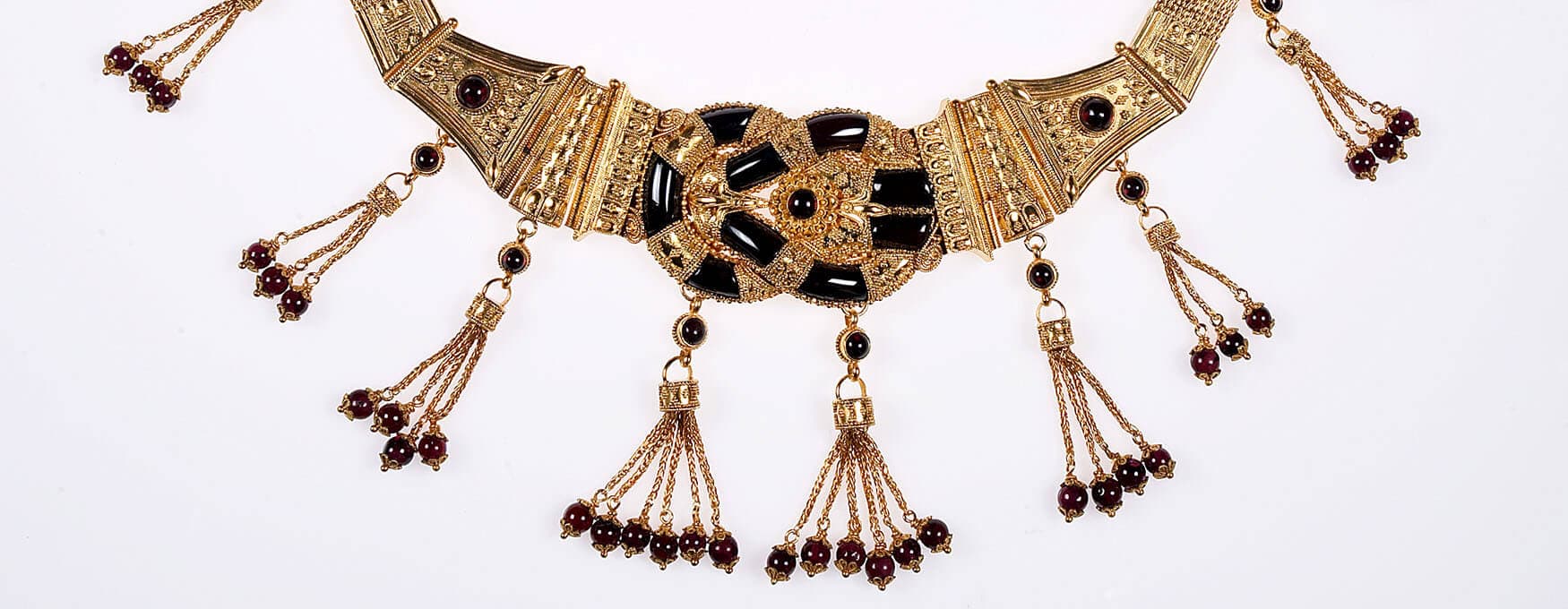
The exhibition spaces are spread across three levels, covering every aspect of local identity. The semi-basement highlights rural life and the hardships of agricultural work, while the upper floors are devoted to the elegance of urban society. In the galleries, visitors can admire rare traditional costumes from Thrace and Pontus, valuable jewellery, ornate clasps and historical documents that together form the mosaic of the region’s collective memory.
The Folklore Museum of Xanthi connects past and present through workshops and educational programmes that introduce students to local history. As you explore its rooms, you will feel as though history itself is “breathing”. It is an essential stop for anyone wishing to understand the depth and aesthetic richness of Xanthi’s cultural identity.
Its exterior captivates visitors with stone walls and twenty-six rectangular windows framed in sandstone. Inside, painted ceilings and intricately carved wooden features make it one of the most richly decorated restored residences in Northern Greece. In the rear courtyard, two traditional hammams with characteristic domed roofs have been preserved to this day, retaining their original oriental character.
A visit to the collections of the Folklore Museum of Xanthi offers a comprehensive journey through time. Efforts to preserve the region’s intangible heritage began as early as 1955, leading to the creation of an archive comprising more than 10,000 items.
The exhibition spaces are spread across three levels, covering every aspect of local identity. The semi-basement highlights rural life and the hardships of agricultural work, while the upper floors are devoted to the elegance of urban society. In the galleries, visitors can admire rare traditional costumes from Thrace and Pontus, valuable jewellery, ornate clasps and historical documents that together form the mosaic of the region’s collective memory.
The Folklore Museum of Xanthi connects past and present through workshops and educational programmes that introduce students to local history. As you explore its rooms, you will feel as though history itself is “breathing”. It is an essential stop for anyone wishing to understand the depth and aesthetic richness of Xanthi’s cultural identity.