The “biography” of the city
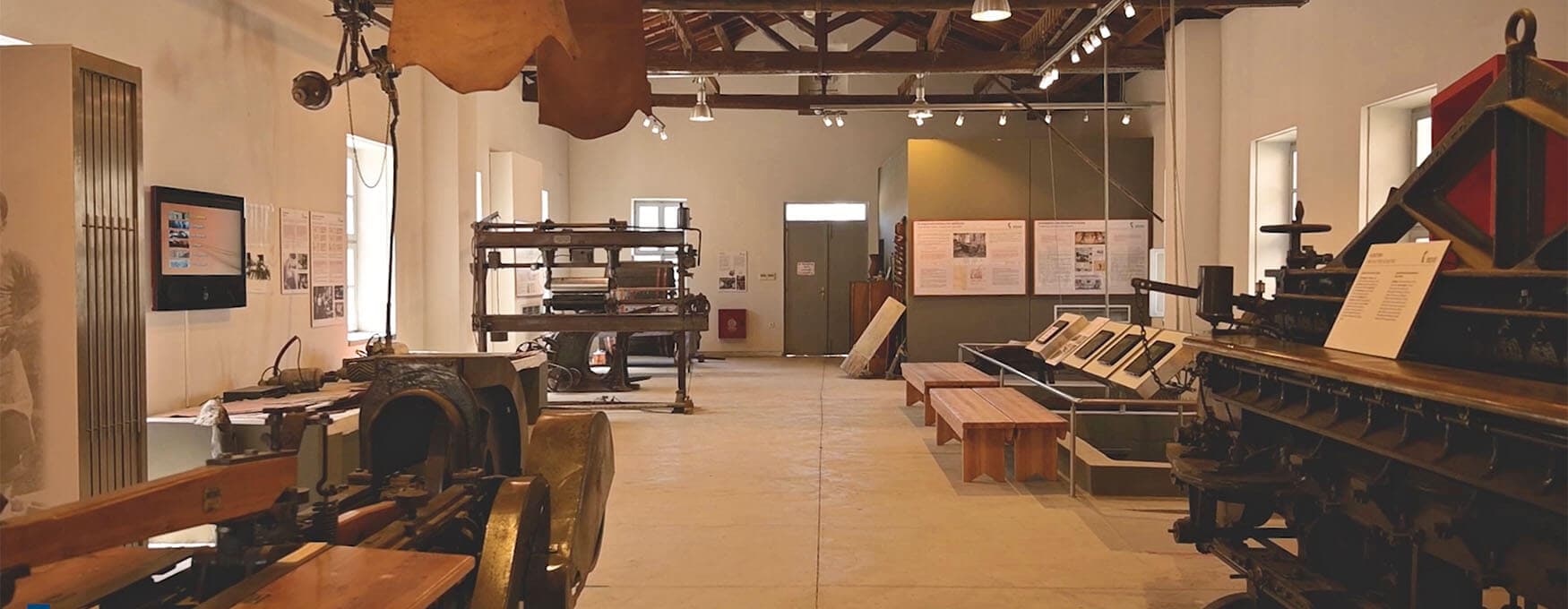
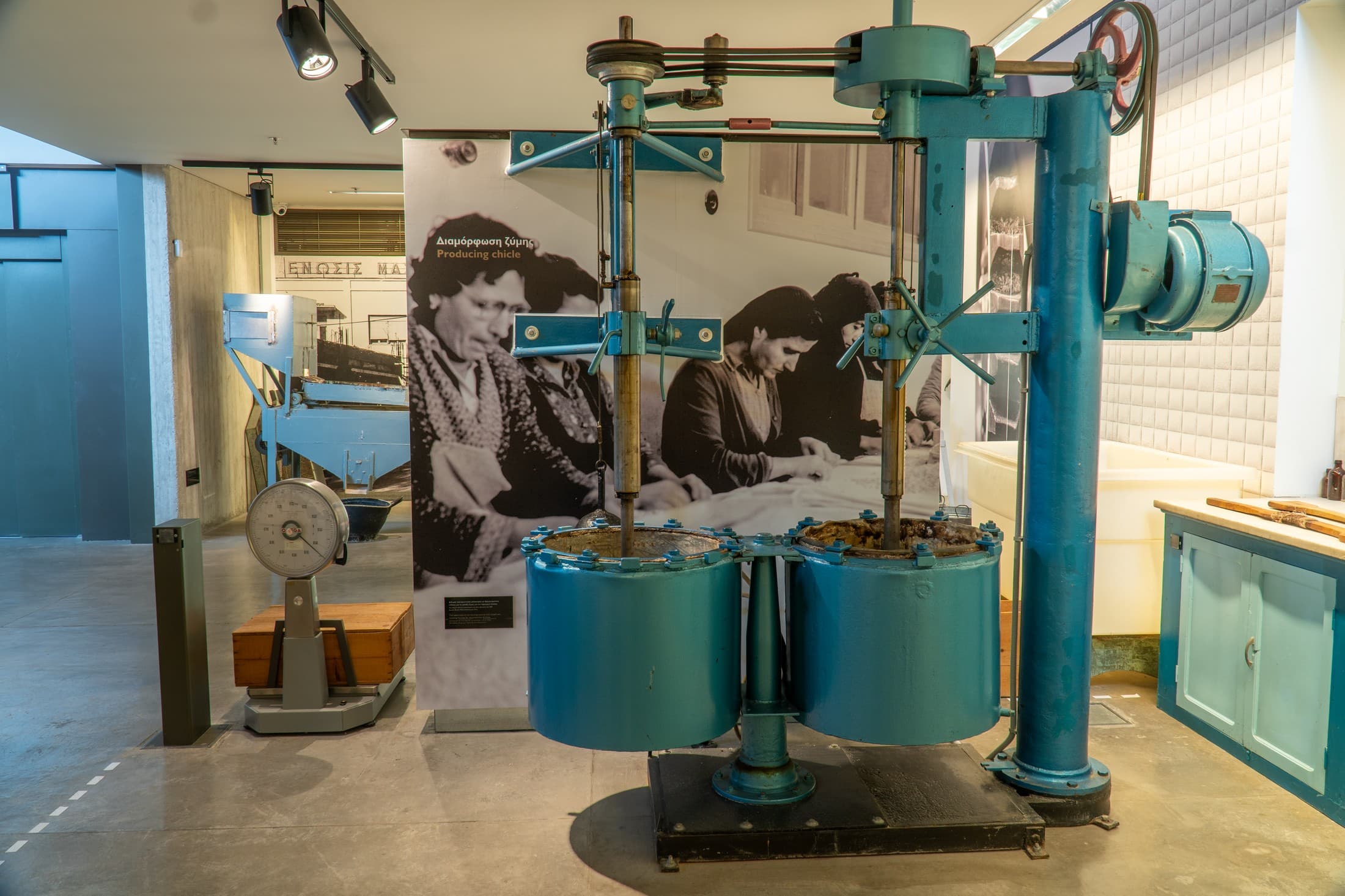
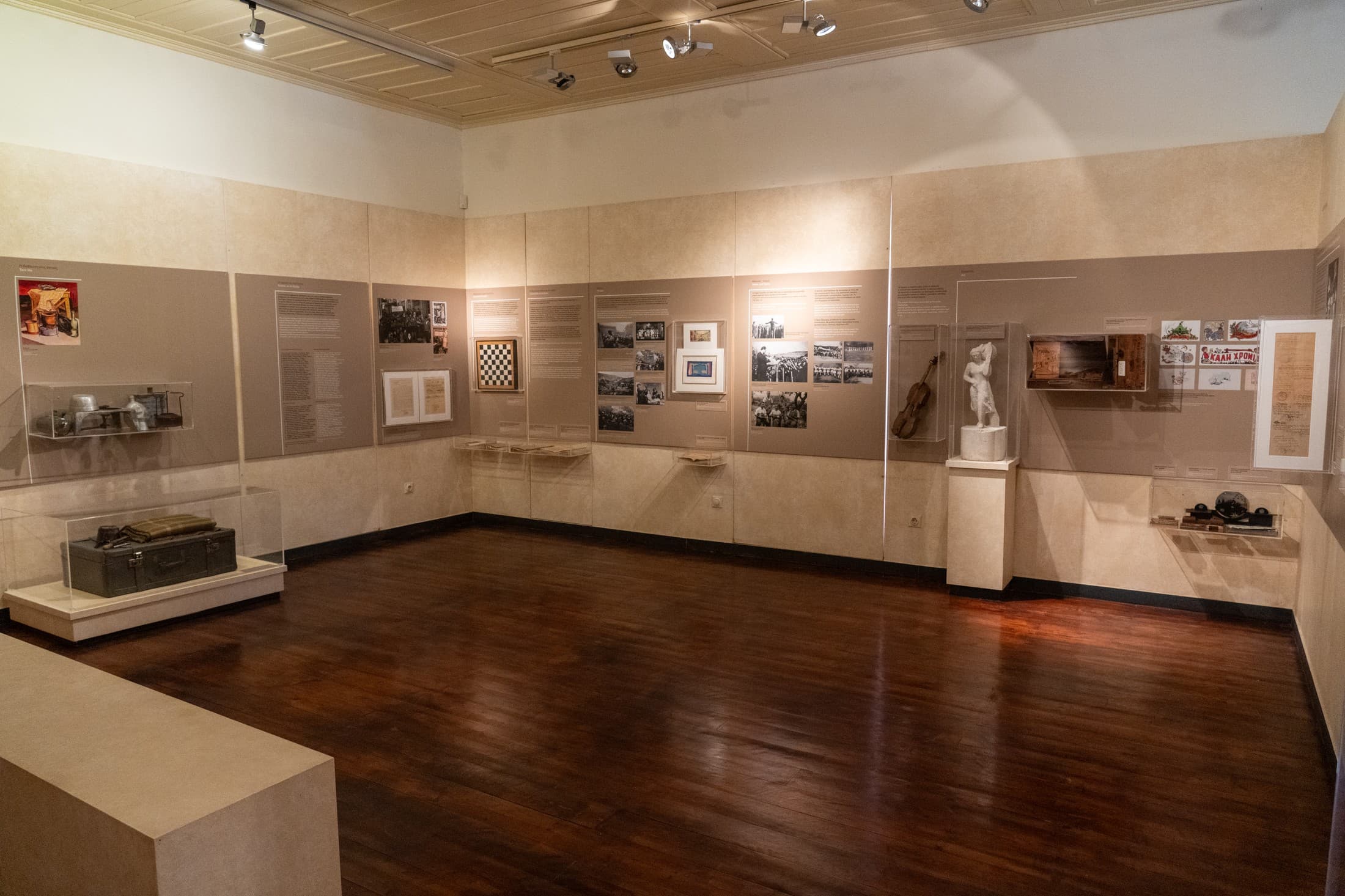
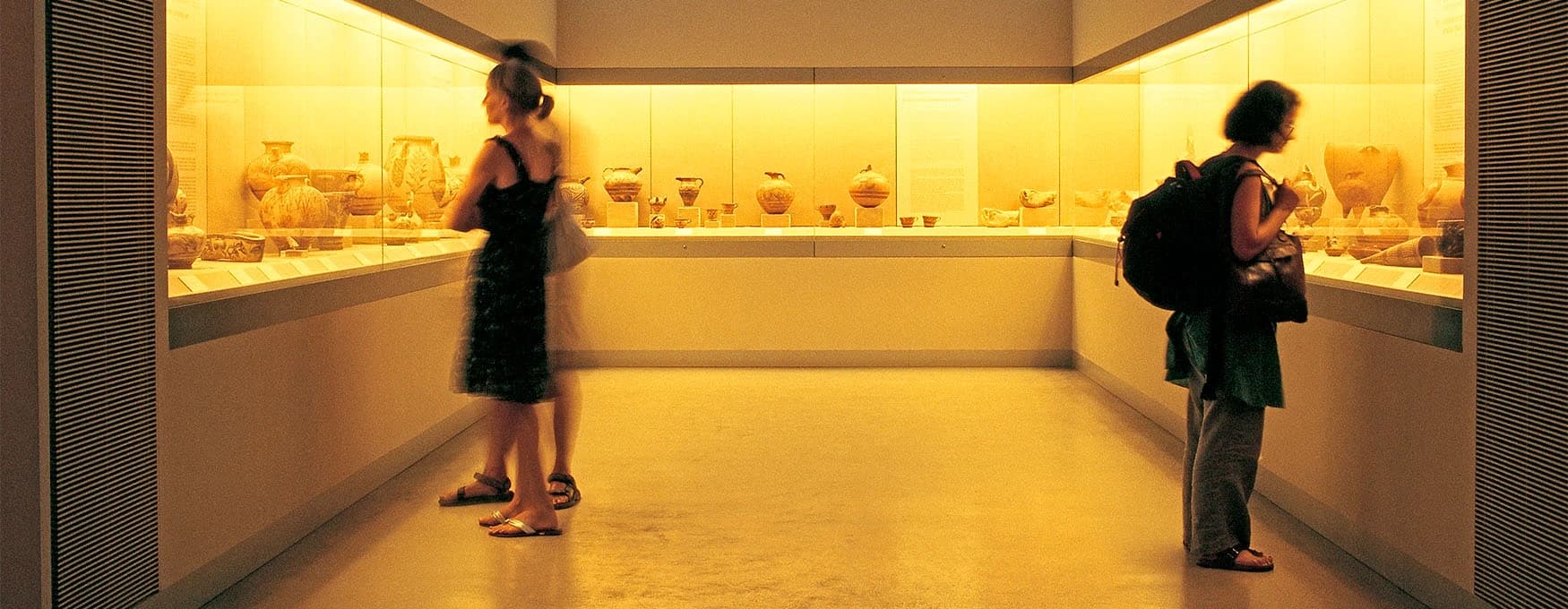
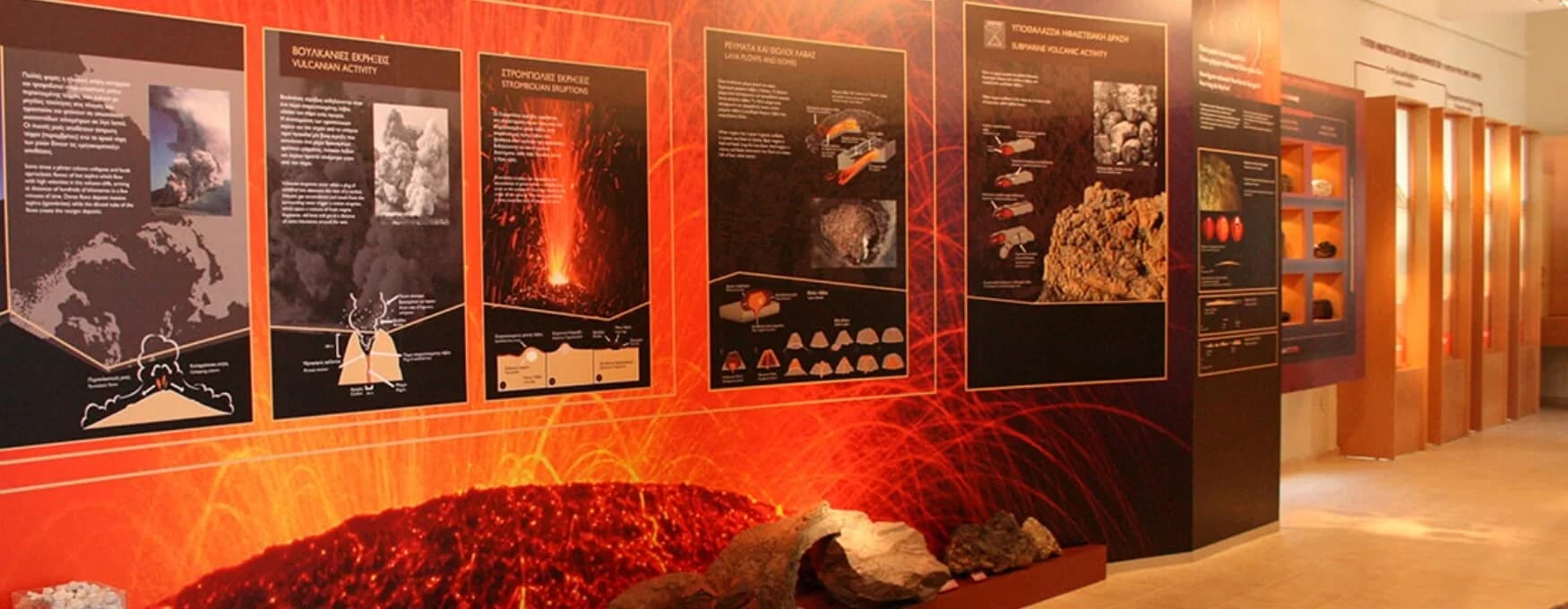
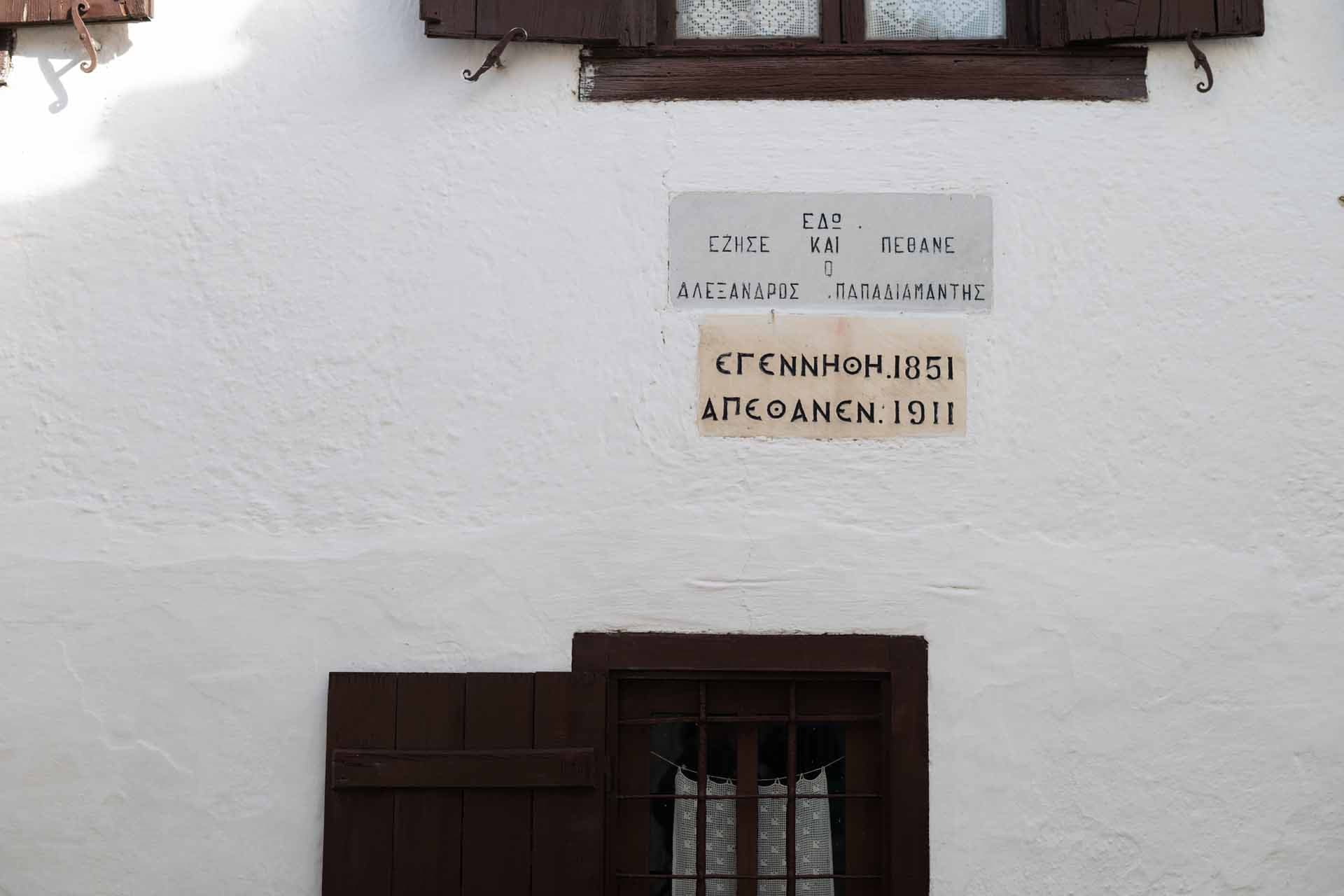
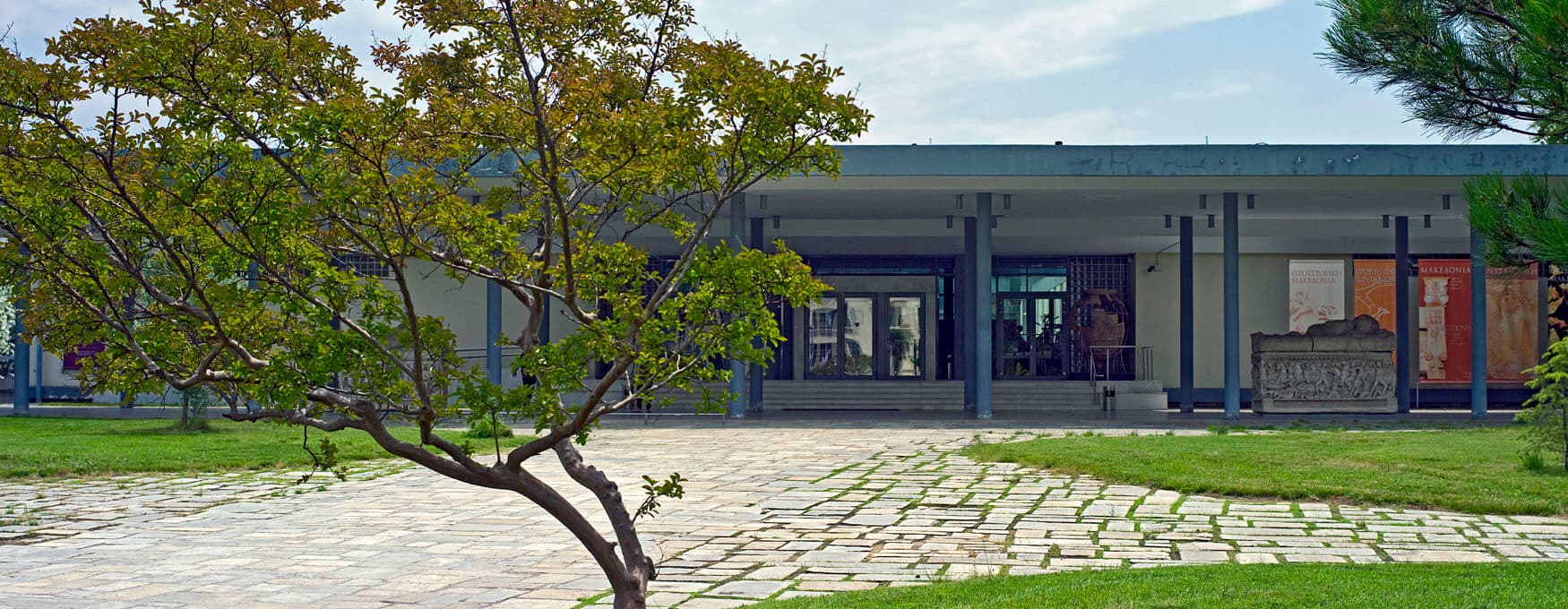
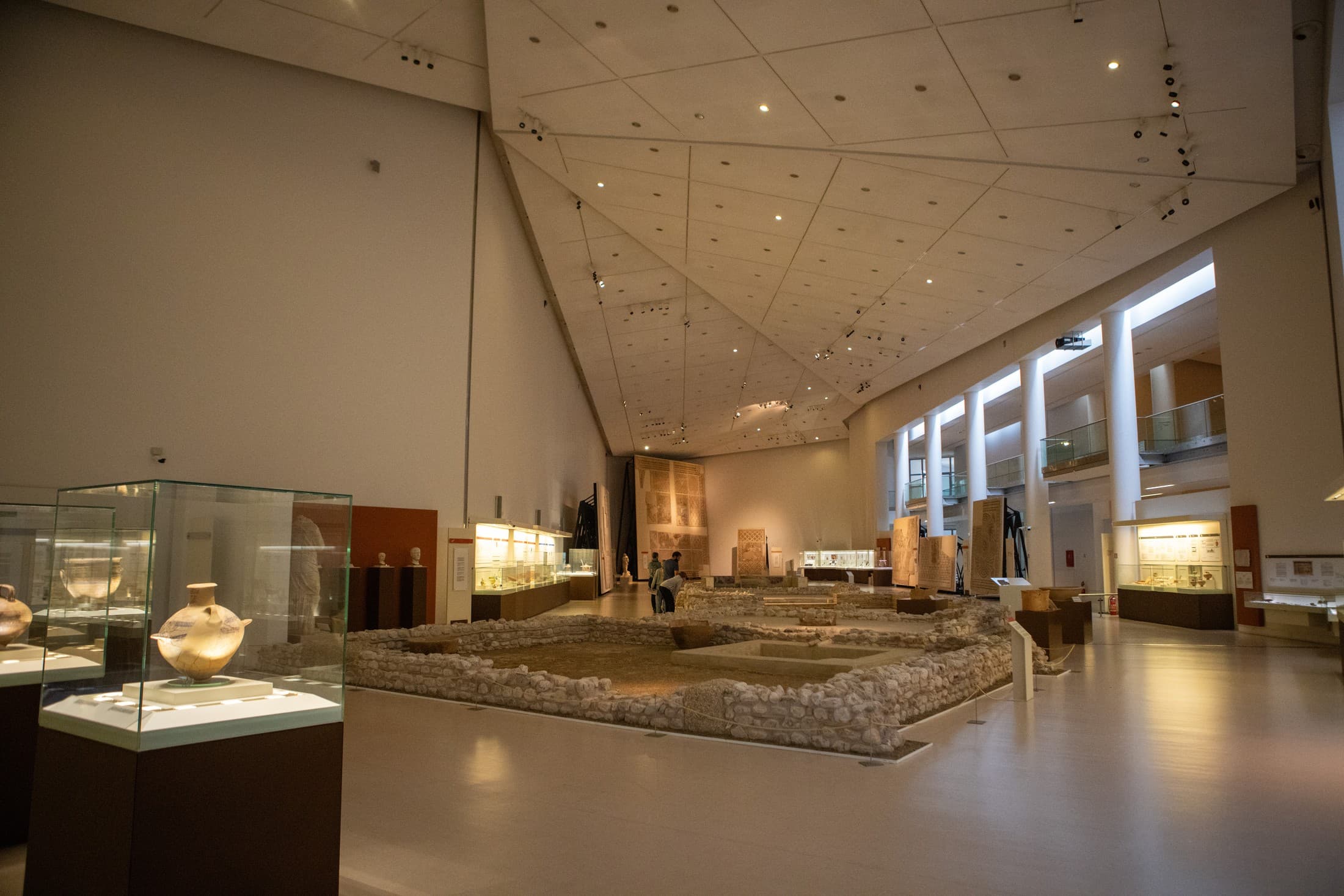
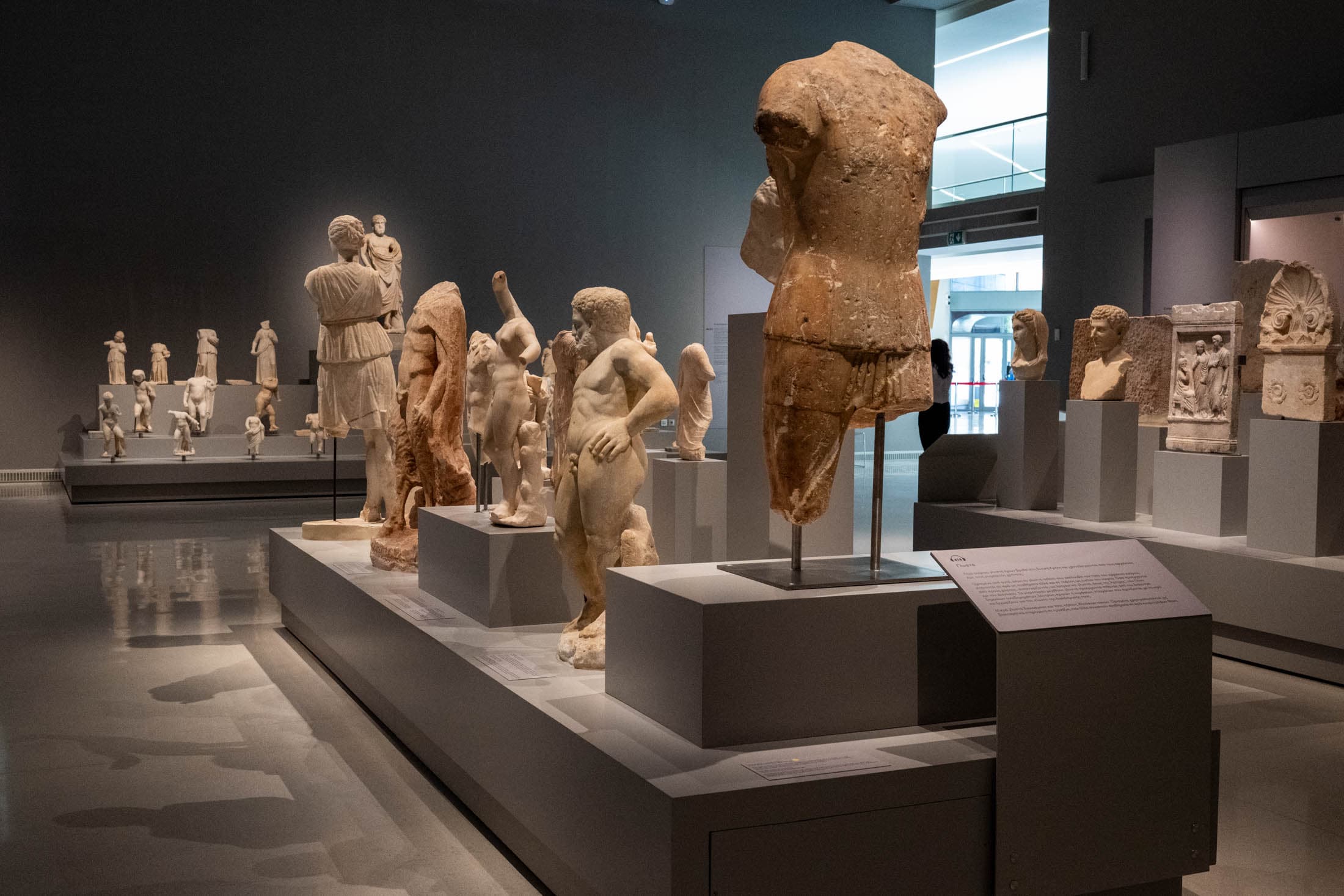
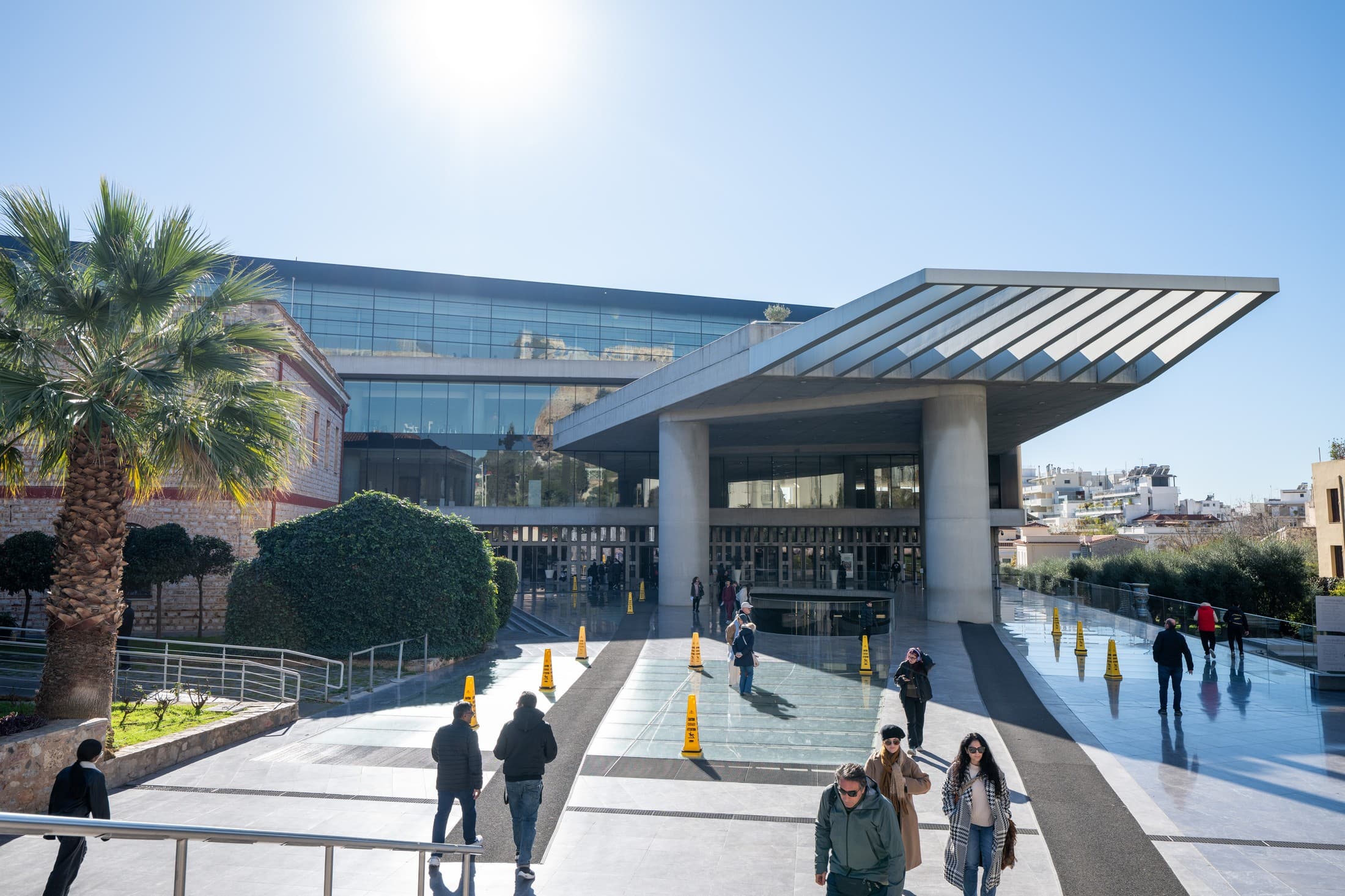
Museum of Alexandroupoli narrates the city’s journey from its early beginnings to the present day. Housed in a modern three-storey building, the museum serves as a reflection of local identity, combining historical research with artistic expression.
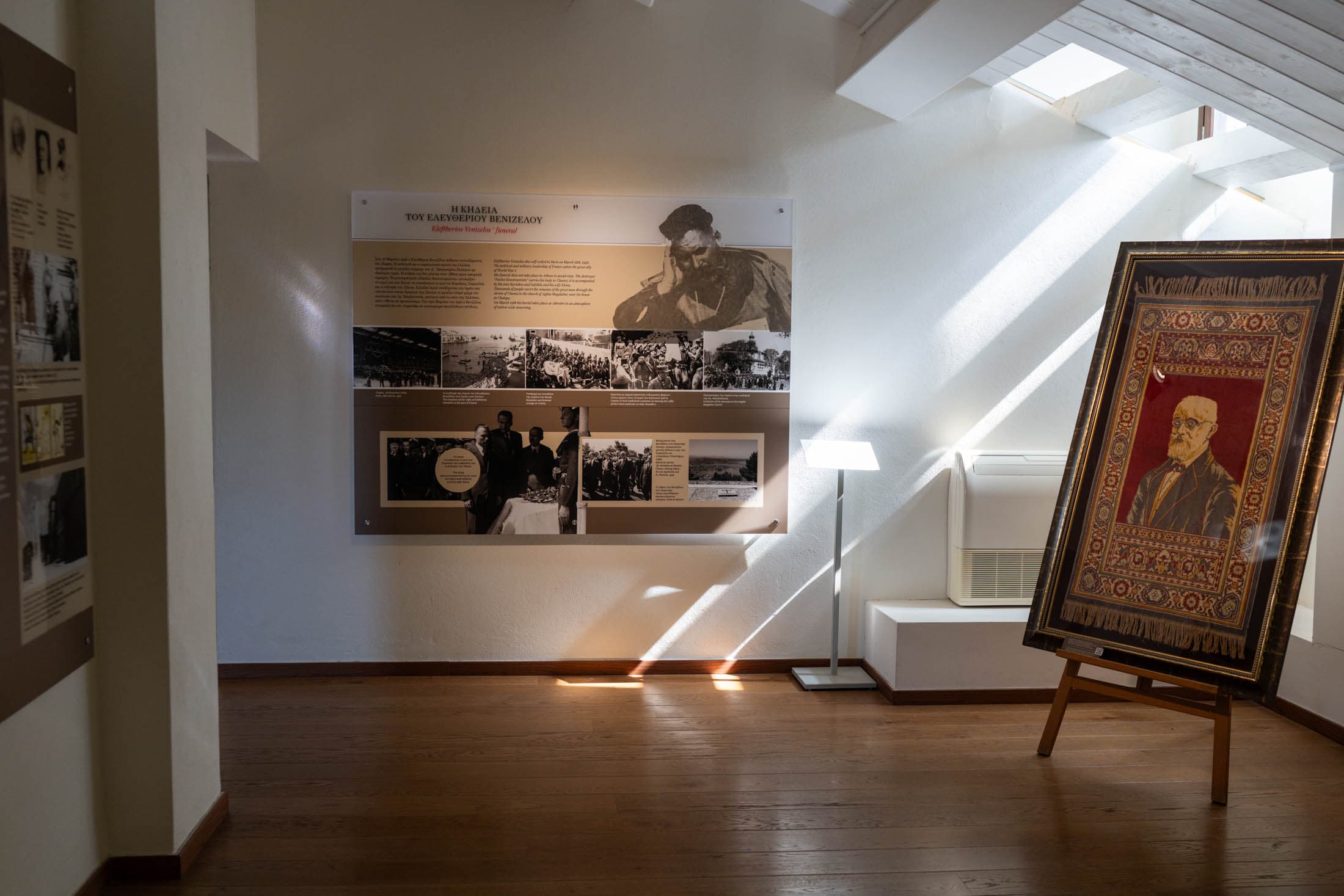
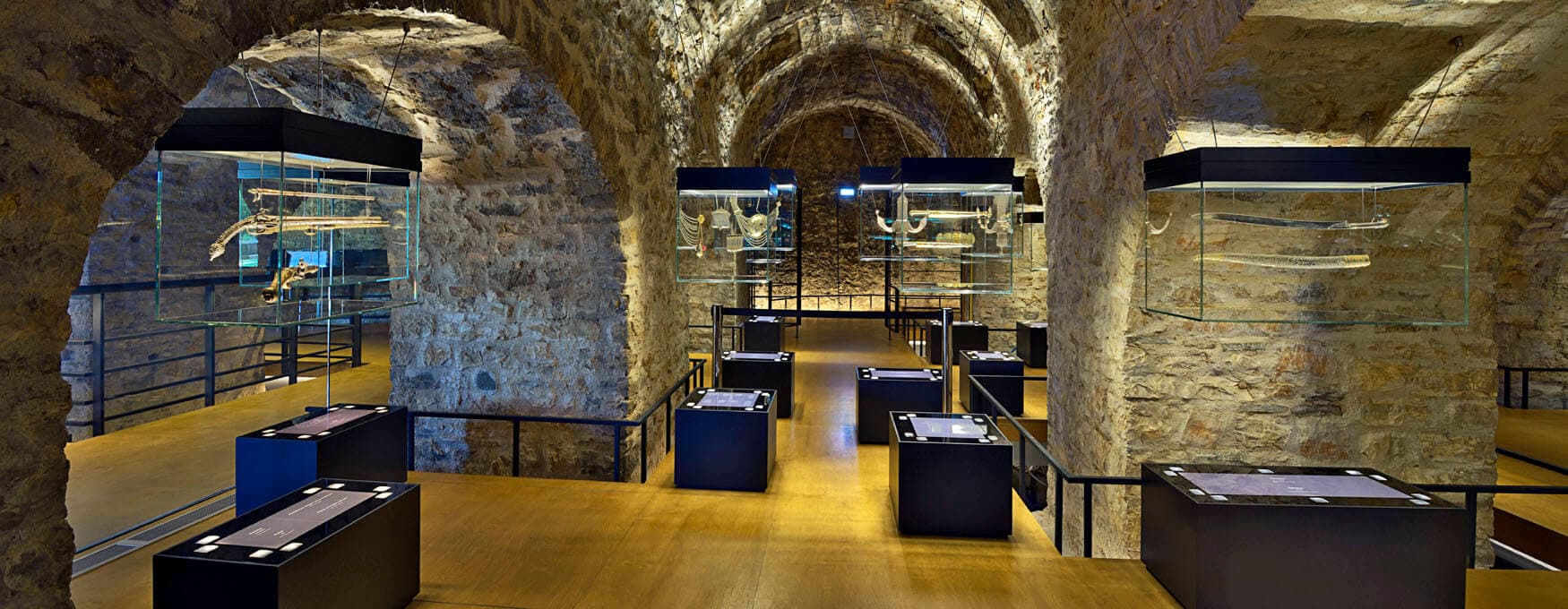
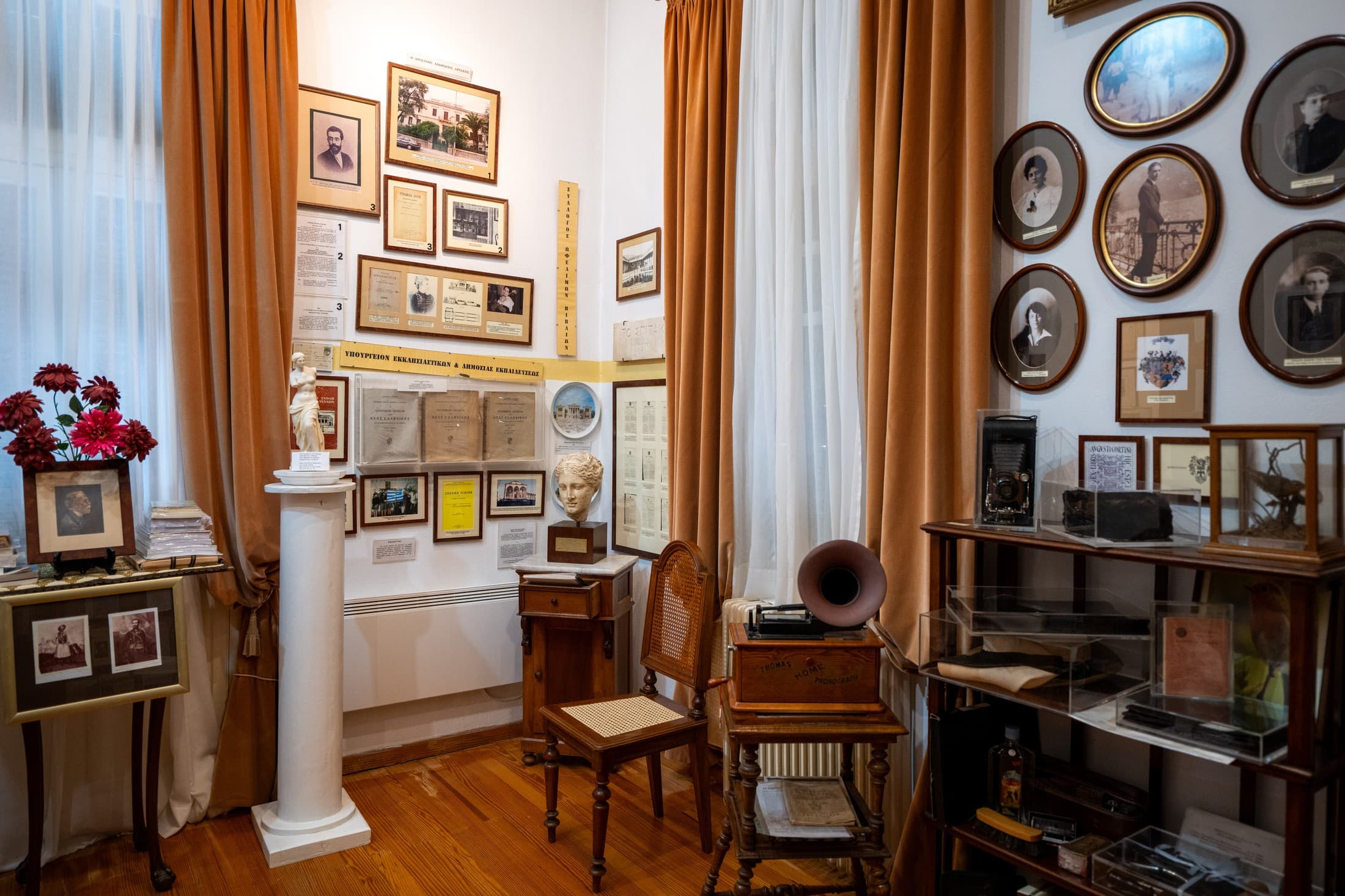
The visit begins on the ground floor, where the story of the city—formerly known as Dedeagatch—unfolds from the mid-19th century onwards. Through authentic documents, rare photographic material and historical artefacts, you will follow the transformation of a small settlement into a strategic hub, driven by the arrival of the railway and the development of the port.
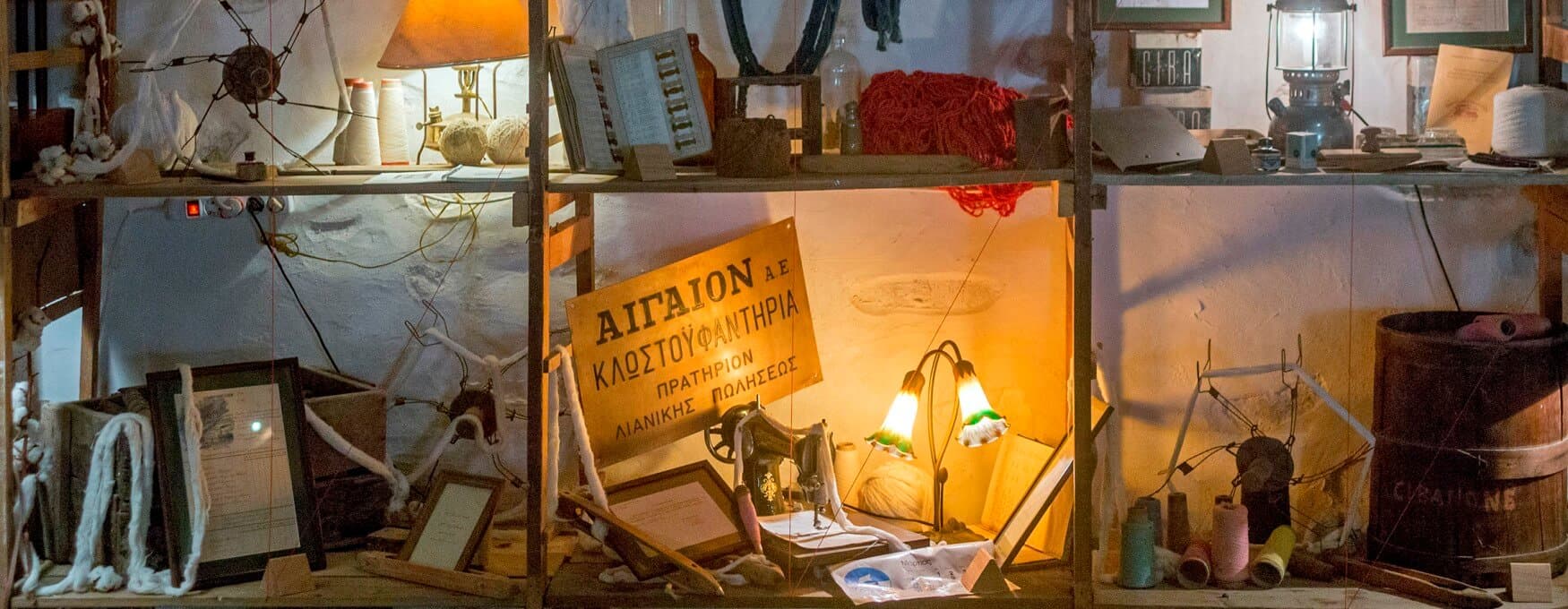
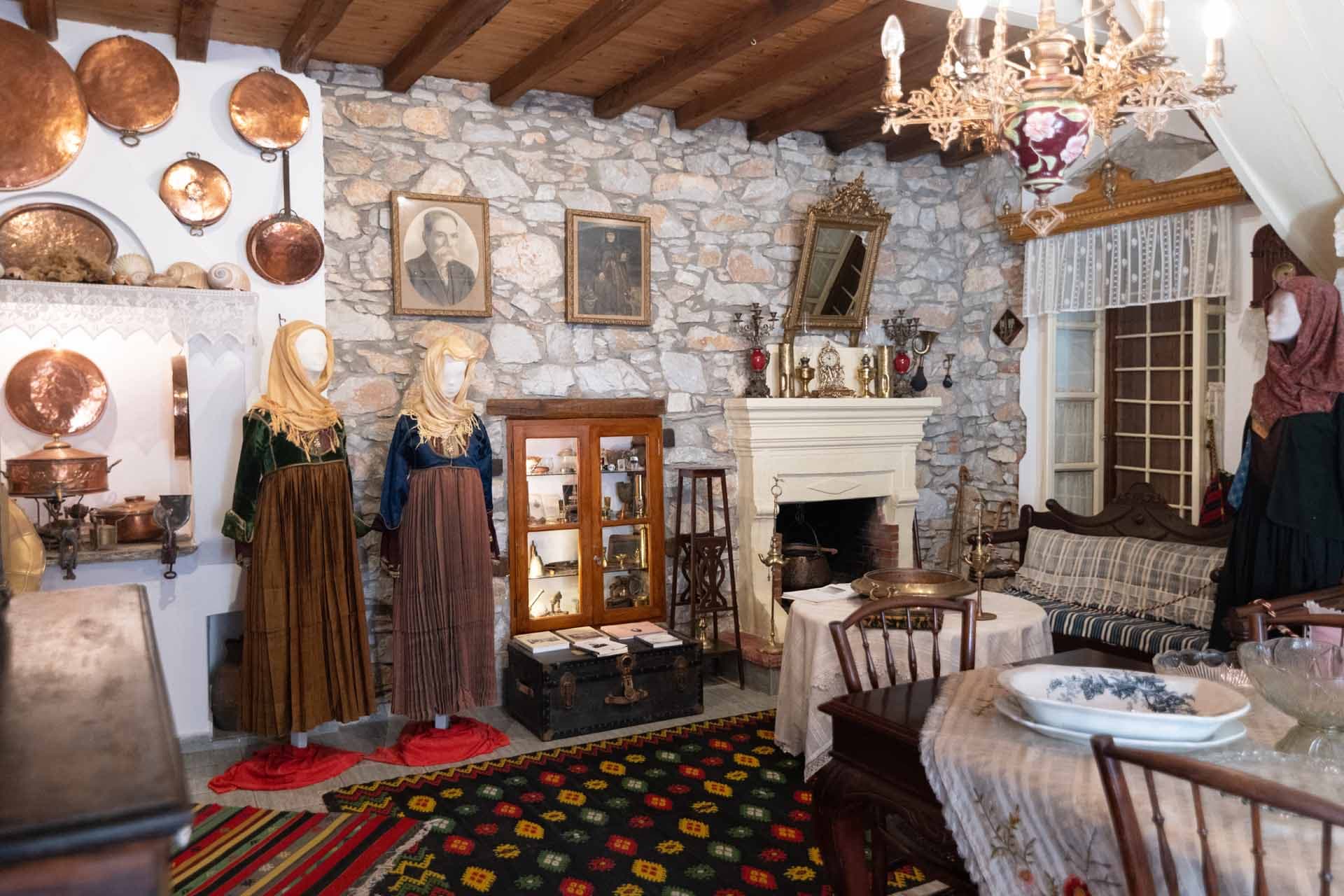
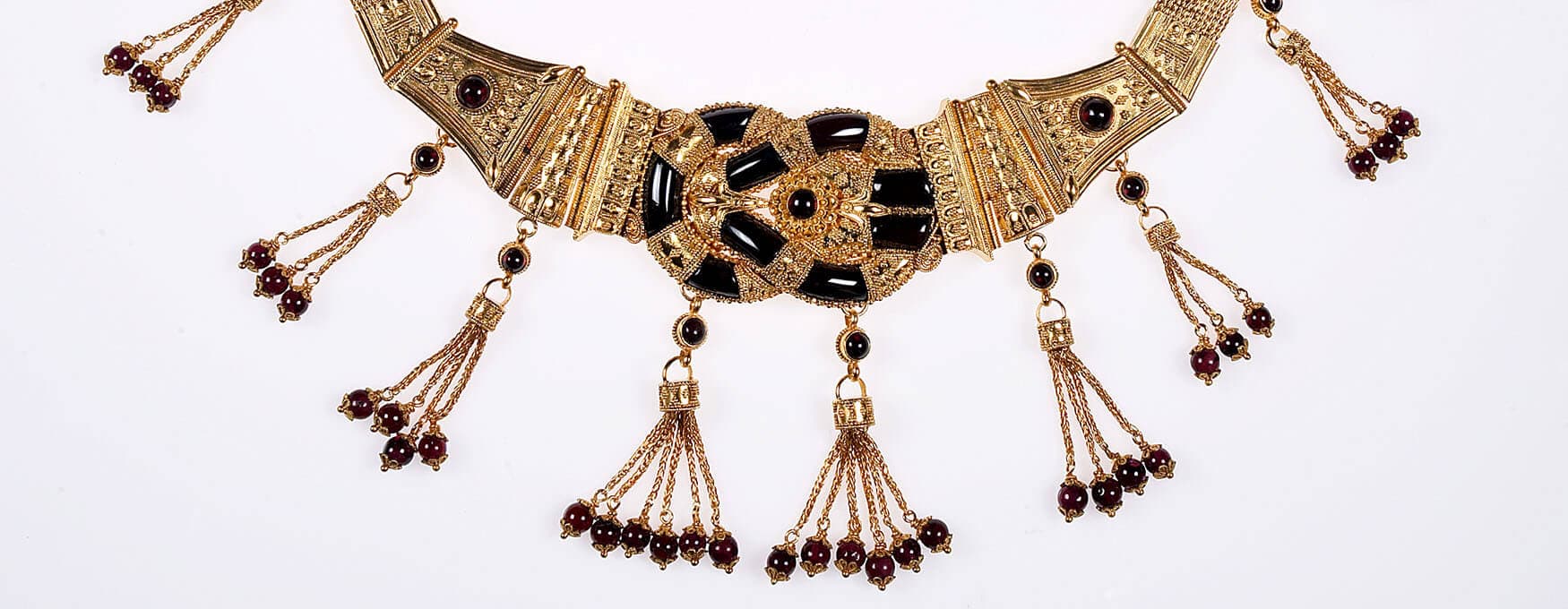
On the first floor, the focus shifts to tradition, featuring the remarkable Eleni Philippidi Collection. Here, the culture of the Sarakatsani people of Thrace comes to life through intricate textiles and traditional costumes, showcasing the richness of the region’s folk art.
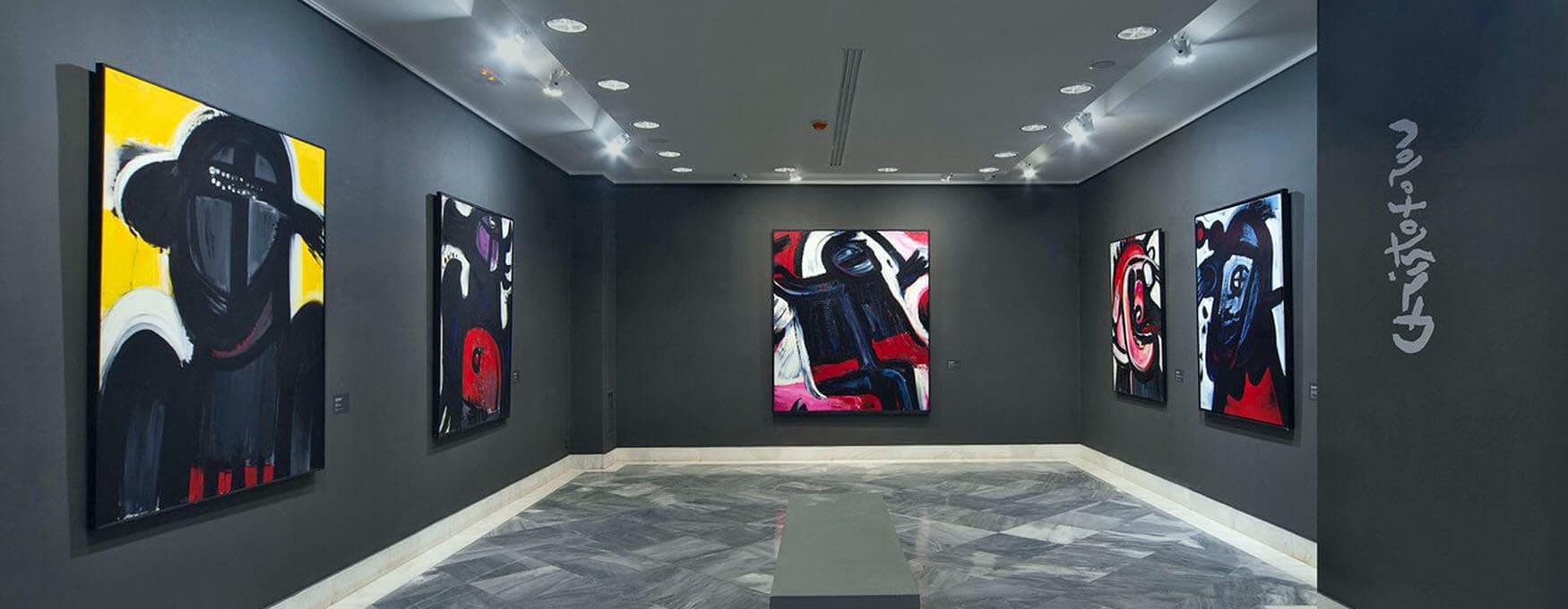
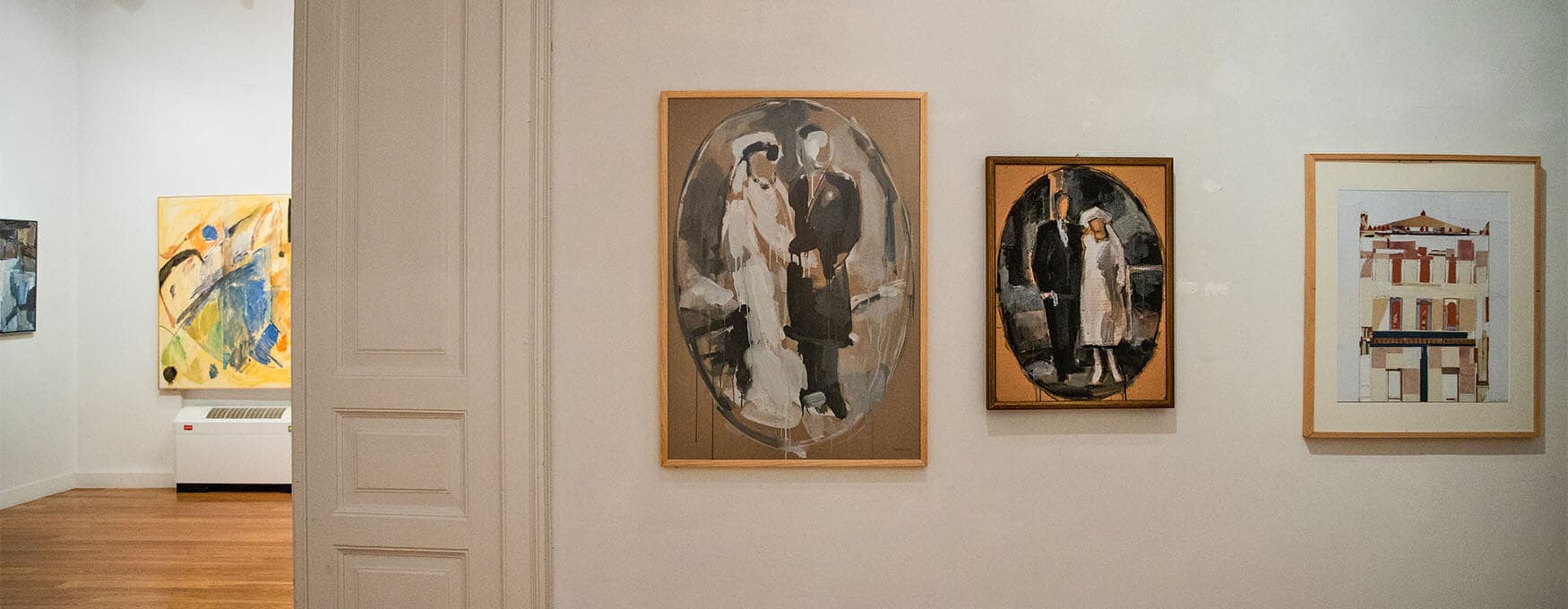
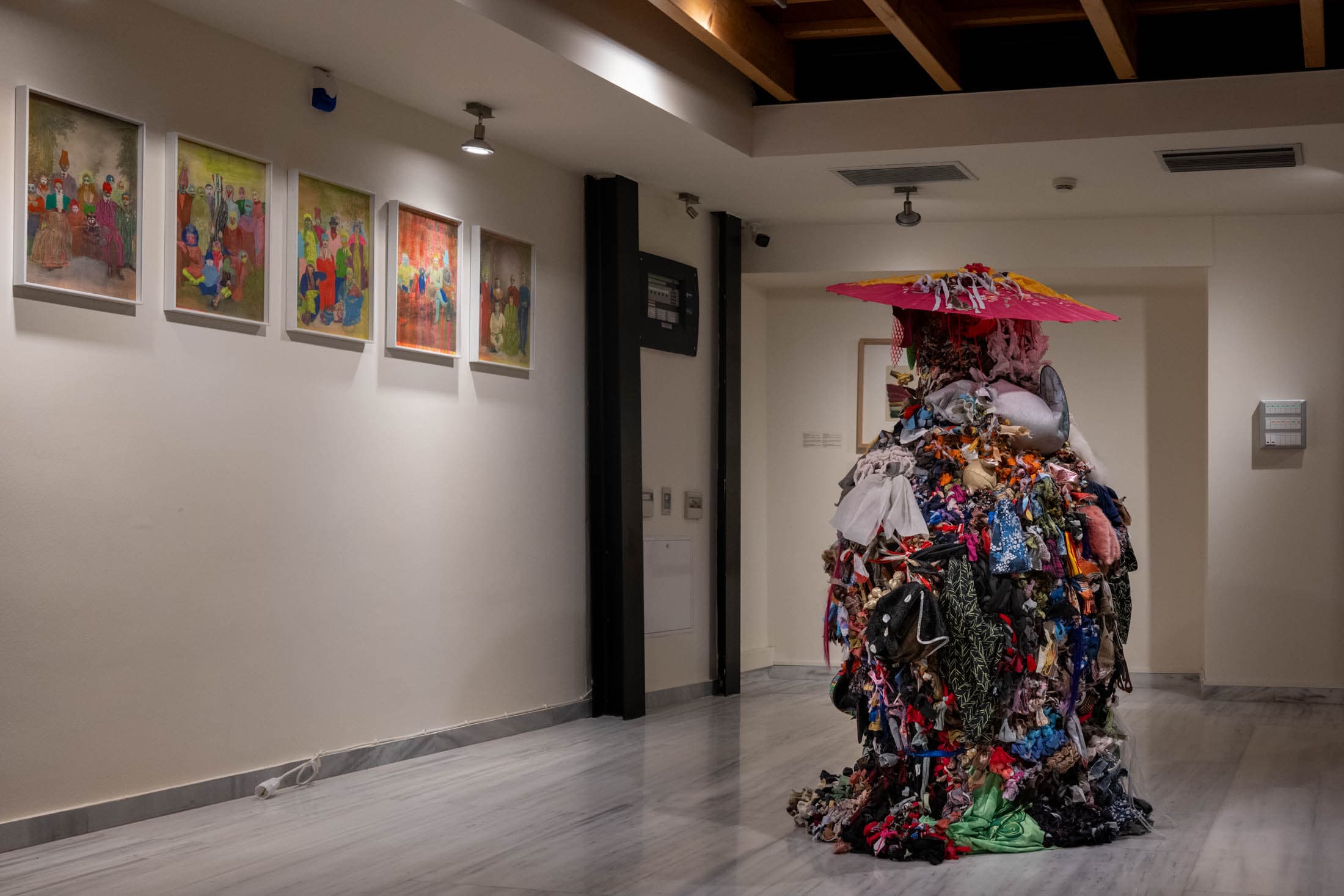
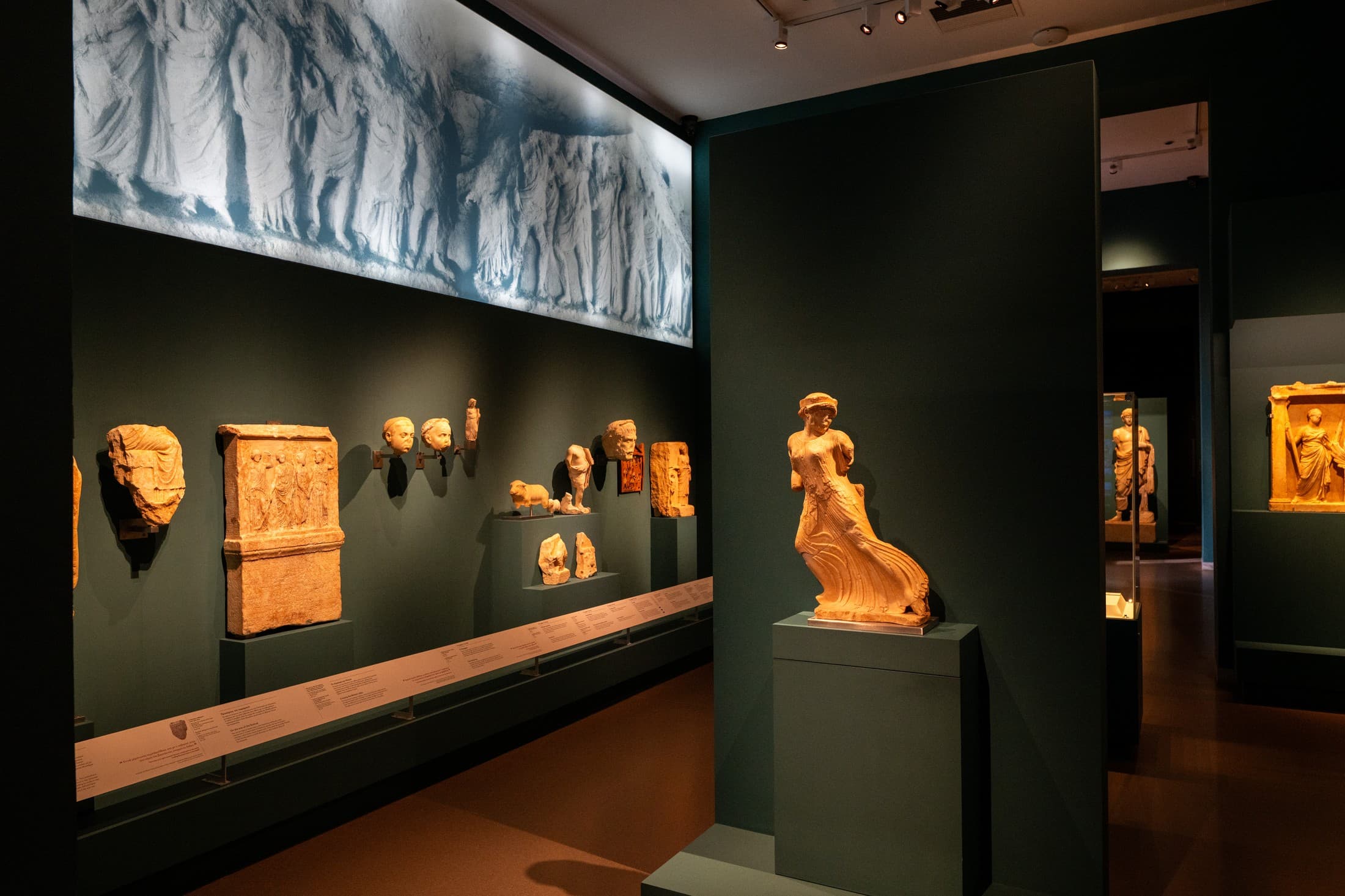
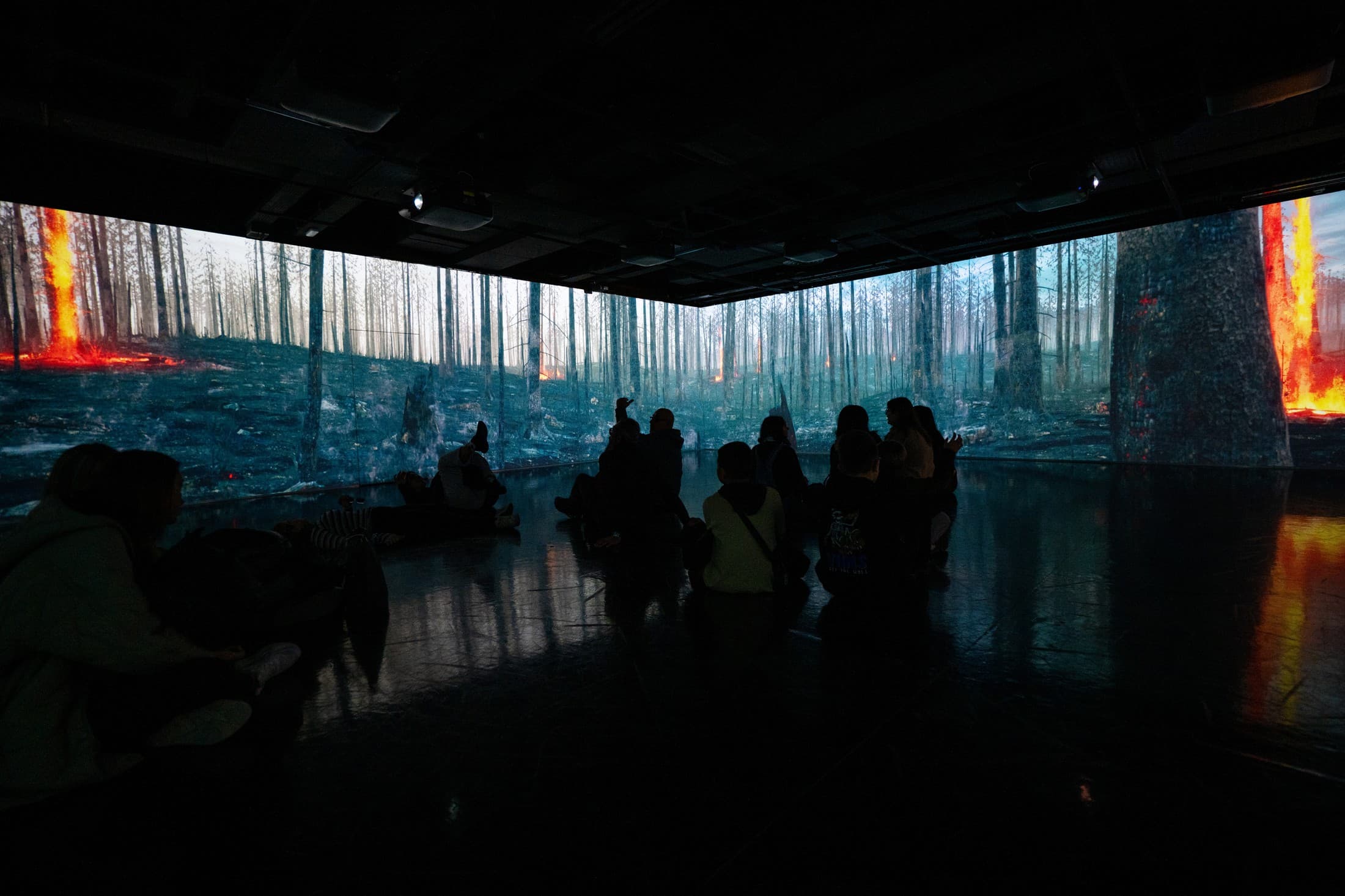
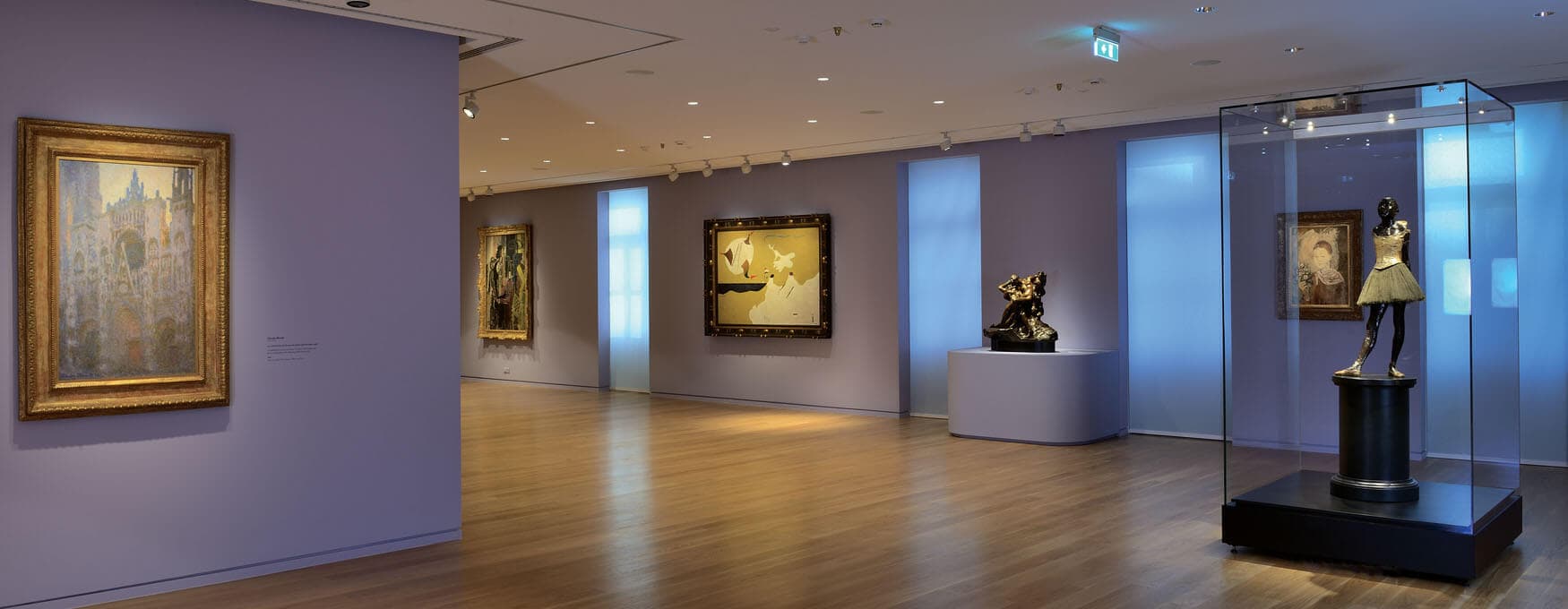
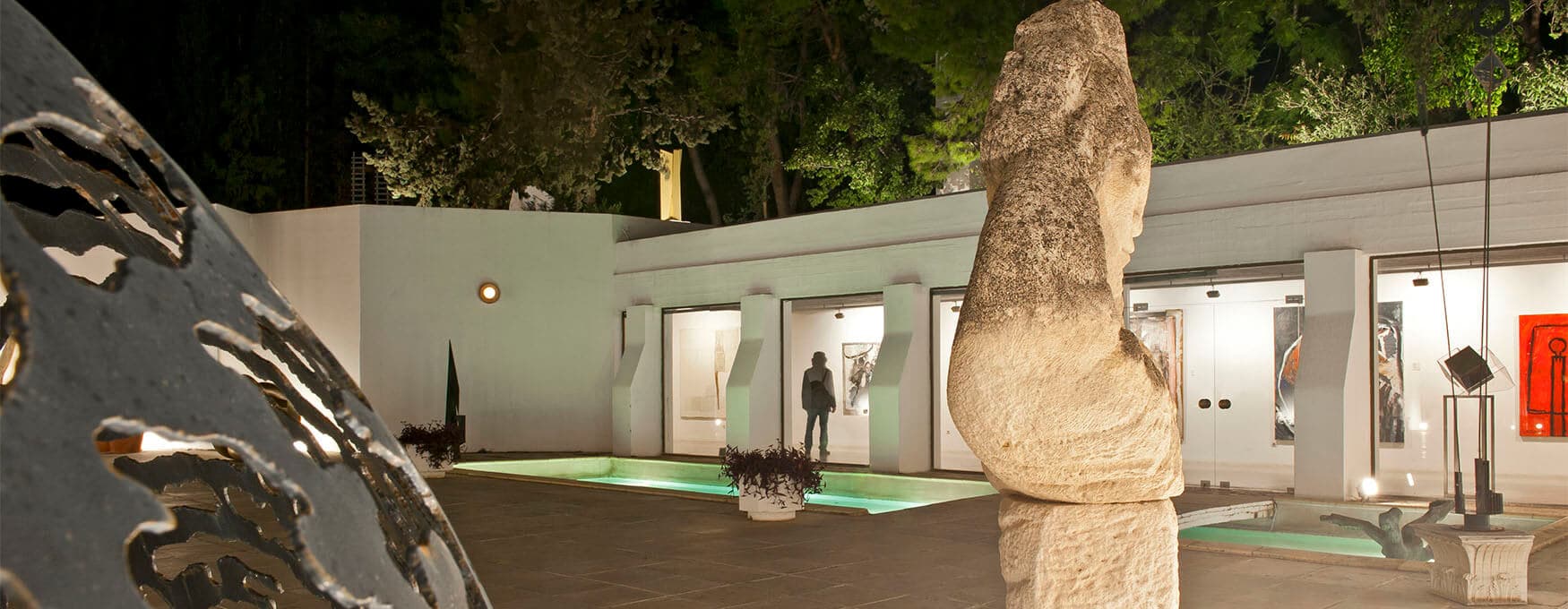
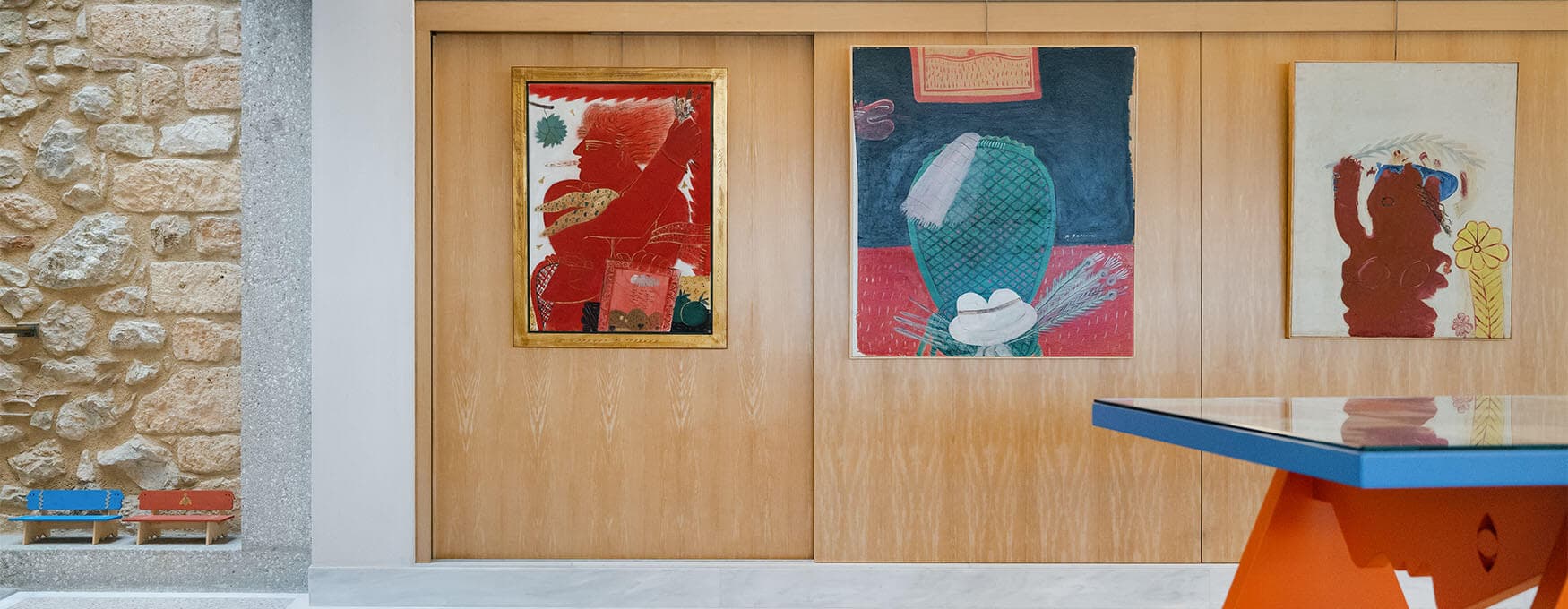
The museum remains a constantly evolving cultural hub thanks to its temporary exhibitions, which cover a wide range of themes, from photography to contemporary visual arts. At the same time, it plays an important educational role: the interactive programmes it organises aim to introduce children and young people to local heritage through hands-on experiences. It is a place that offers the “keys” to understanding the spirit and historical continuity of Alexandroupoli.
The visit begins on the ground floor, where the story of the city—formerly known as Dedeagatch—unfolds from the mid-19th century onwards. Through authentic documents, rare photographic material and historical artefacts, you will follow the transformation of a small settlement into a strategic hub, driven by the arrival of the railway and the development of the port.
On the first floor, the focus shifts to tradition, featuring the remarkable Eleni Philippidi Collection. Here, the culture of the Sarakatsani people of Thrace comes to life through intricate textiles and traditional costumes, showcasing the richness of the region’s folk art.
The museum remains a constantly evolving cultural hub thanks to its temporary exhibitions, which cover a wide range of themes, from photography to contemporary visual arts. At the same time, it plays an important educational role: the interactive programmes it organises aim to introduce children and young people to local heritage through hands-on experiences. It is a place that offers the “keys” to understanding the spirit and historical continuity of Alexandroupoli.