Main Course
Grandma’s Giouvarlakia
12/02/2024


Greece is often considered the cradle of modern civilization, and not without a reason. From Homer's Iliad and the Odyssey to the Parthenon, Greece has given Europe and the rest of the world the benchmark for what art and architecture should look like. About 13.1% of the Greek population is comprised of immigrants, adding to the diversity of the country. In modern times, becoming a Greek resident through the Golden Visa program is one of the best things that investors can aspire for themselves and their families. Greece is stunningly beautiful with its historical landmarks, scenic locales, amazing beaches, and splendid weather. And with their residency program, you can access multiple benefits and perks that will make investing in Greece one of the most important ones in your life. The Golden Visa program in Greece allows you Greek residency in a matter of months. However, how do you start the process? What kind of perks and benefits will you get through this Visa? What are the points that you need to keep in mind? In this article, I will tell you why considering the Golden Visa for Greece can be your most important investment ever. Perks of the Greece Golden Visa Program The Greece Golden Visa allows you to enjoy multiple benefits as an investor in 2024. If you are a business person, then here are some reasons why this Visa should interest you. Entry to Europe Entry to Europe and the European Union is difficult in the best of times. If you want to become a citizen of a European country through conventional methods, it could be very time-consuming. And even then, your application may be rejected on some grounds or the other. The Greece Golden Visa allows you to become a European resident, and you start to enjoy many of the benefits of a European citizen almost immediately. As a businessperson, it allows you to expand your business in the European market, something that others can only dream of. Low Investment Amount The investment amount in Greece is low compared to many other European states. Real estate is the best way to invest, although there are other avenues for investing as well. You can invest in real estate with as little as €250,000, and you have to show a bank deposit of €400,000. If you meet the other requirements, then you are eligible to apply for the residency program. This is a simpler process compared to many other European countries. Travel Benefits Having a Greece Golden Visa allows you to enjoy several travel benefits. You can travel to more than 190 countries visa-free. Visa processing takes time, and if you are a businessperson, wasting time waiting for your Visa to be approved is not an option. You can also travel with ease to countries of the Schengen Zone, and gaining access to those countries is otherwise quite difficult. You can travel for 90 days in the Schengen Zone for 90 days out of six months to countries like Switzerland, France, and Italy. Tax Benefits As an investor, tax benefits are important. Unlike other countries, Greece does not charge you based on your income. Hence, you do not have to pay higher taxes because you have a high income. You can just pay a flat annual tax of €100,000, and it does not matter how high your income is. You do not feel like you have to sacrifice your hard-earned money on taxes. There are other methods of tax savings as well. Easy Processing The Greece Golden Visa is easy to process. You have to meet the minimum requirements, of course, apart from the investment amount. You have to be at least 18 years old to apply, and you must have a clean criminal record. You also need to make sure that your money for investment comes from clean sources. The application process may include your partner, your children if they are under 21, and parents financially dependent on you. If all the documents are in place and you meet all the requirements, the process is completed in three to four months. Benefits You can Avail with Greece Golden Visa You can avail lots of benefits when you finally get your Golden Visa. Once you understand the extent of the benefits, you are sure to consider it as your dream destination. Amazing Lifestyle Greece is a welcoming country, and you get to enjoy an amazing lifestyle. Greece is traditional in its approach to life. So, if you are someone who wants to enjoy the good things in life, savor the luxuries, and enjoy the fruits of hard work instead of simply rushing through days, then Greece is for you. Moreover, English is widely spoken, and with the influx of immigrants and expats, Greece has a very cosmopolitan culture that is welcoming to everyone. Sell Real Estate In many countries, Citizenship by Investment program is a one-time investment. That means that once you invest in the country, you do not really get any returns on it, and you must have other sources of income. However, if you choose to invest in real estate in Greece, then you have the option to resell the property in five years. Hence, if you have invested a minimum amount of €250,000, then you can get it back by selling your property five years later. This is to give you the provision to leave in case you want to, but that hardly ever happens! You can also get rental returns, depending on the nature of the property. Minimal Fees The application process also does not cost you a lot of money. And you can pay that only after submitting the application. You have to pay only €220 for a family of four people. This is very little compared to the application fees of many other countries. Once you have completed the application, you have cleared the path of gaining EU citizenship in the near future. Conclusion The Greece Golden Visa has changed the lives of many investors. They have noticed unprecedented growth because of the opportunities and perks that the Greek government provides them with. In addition, the beauty and tranquility of Greece is so uplifting and emotionally satisfying. Greece is politically stable and offers you and your family a safe haven. You get to enjoy countless travel benefits within Europe and beyond and expand your business in just the way you want. Organizations like Global Residence Index can help you find out all about the application procedures and how to proceed with the application so that your investment goes on safely and smoothly.
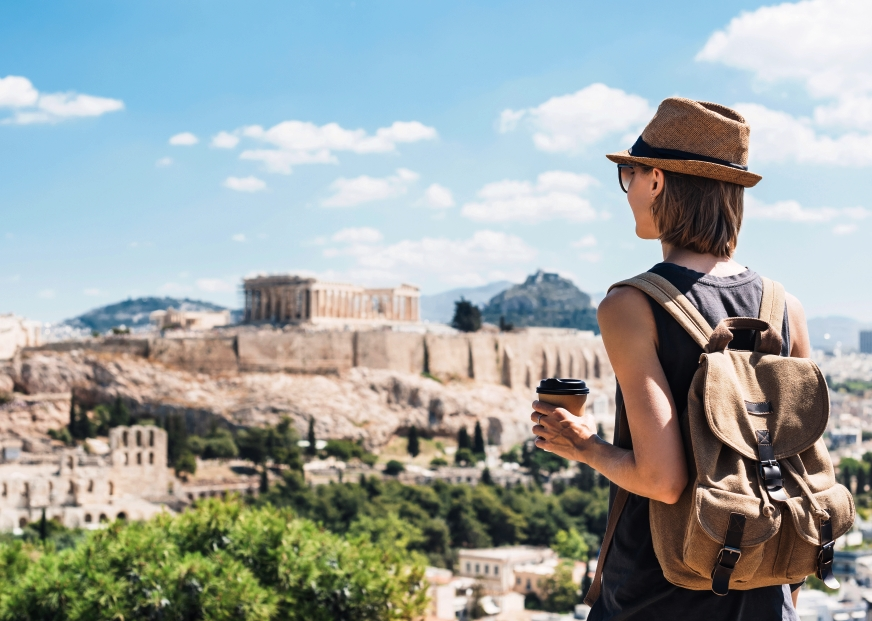
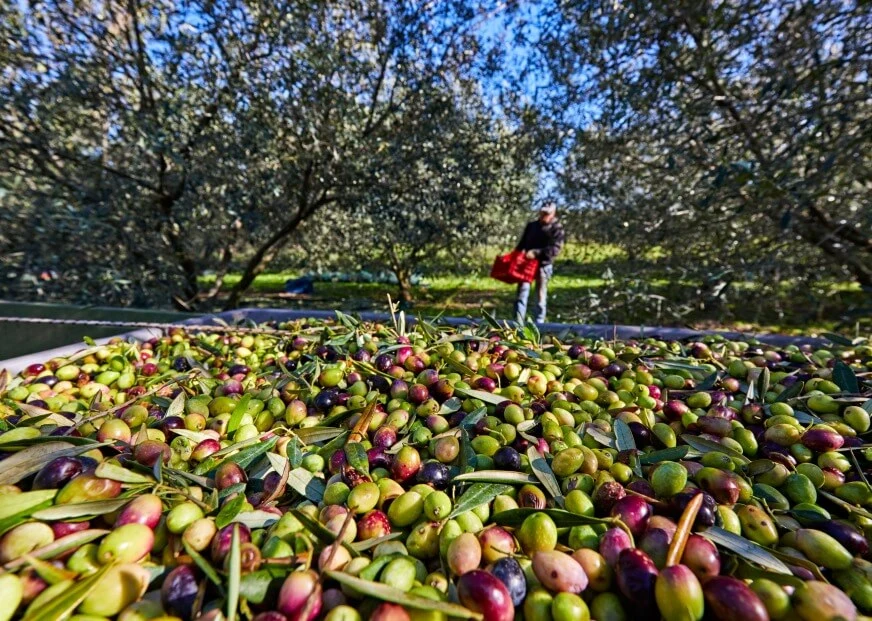
The history of culture in Greece spans several millennia. Come with us as we explore some aspects of this cultural legacy that are famous the world over. Native to this land, the olive tree has shaped a cultural route that goes back to the Bronze Age Minoan palaces in Crete, where the precious olive oil was produced in oil presses and kept in big storage containers to be traded across the then known world. The Greeks used it in rituals, artworks, and for religious & healing purposes. The so-called liquid gold of antiquity was also greatly valued for its medicinal properties that were known to promote good health, wellness, and beauty. According to the Greek Myth, goddess Athena presented the olive tree as a gift to the Athenians, and won the city over from god Poseidon who -like her- sought to become the sovereign deity of the city. The olive was the symbol of victory & peace, and it even appeared on Greek coins. So, it comes as no surprise that the Olympic Games winners – the most esteemed athletes of the ancient Greek world- were crowned with an olive branch wreath! Across the ages, the olive oil has been a staple food in Greece. In the olive mills across the country, you’re invited to take the tours & tasting trips offered in areas such as the Peloponnese, Crete, and Thessaly (Volos). Learn about the sustainable practices followed during the picking and milling process, the millennia-old history of the olive and the cultural impact on the local societies. To know more about it, visit the olive museums in Sparta, Peloponnese; Andros Island; Corfu Island; Thassos Island; and Ano Gatzea, Mt Pelion. To paraphrase a quote by Odysseus Elytis, a famous Greek poet and a Nobel prize winner, ‘If you were to take Greece apart, in the end you would be left with an olive tree, a vineyard, and a boat. That’s all you need to put it back together again’. The grapevine is a plant as old and celebrated as the olive tree. In ancient Greek mythology, Dionysus, son of Zeus, was the god of viniculture, feasting and fertility. The wine has been a part of the cultural heritage, religious traditions and popular customs of the Greeks, as far back as history records go. Explore the wine routes and visit wineries across the country. Discover natural sites of great beauty, enjoy wine tasting events, and try local cuisine dishes paired with palatable regional wines. Savvy or not about wine, here are a couple of places worth visiting during your next trip in Greece. If you travel to the North, the Wine & Vine Museum, in Naoussa, Macedonia and the Gerovassiliou Wine Museum in Epanomi, Thessaloniki are not to be missed. If you’re in Athens, book a guided tour at the Costa Lazaridi Wine Museum, in the northern outskirts of the city. On your next trip to Santorini Island, make sure you go to the Santorini Wine Museum, housed in a natural labyrinth formed inside the island’s volcanic rocks. Further south, on Crete Island, the Pnevmatikakis Winery and Wine Museum in Kissamos, Chania offers tours and insight on the local wine and spirit making traditions and techniques. Cheers to flavour!
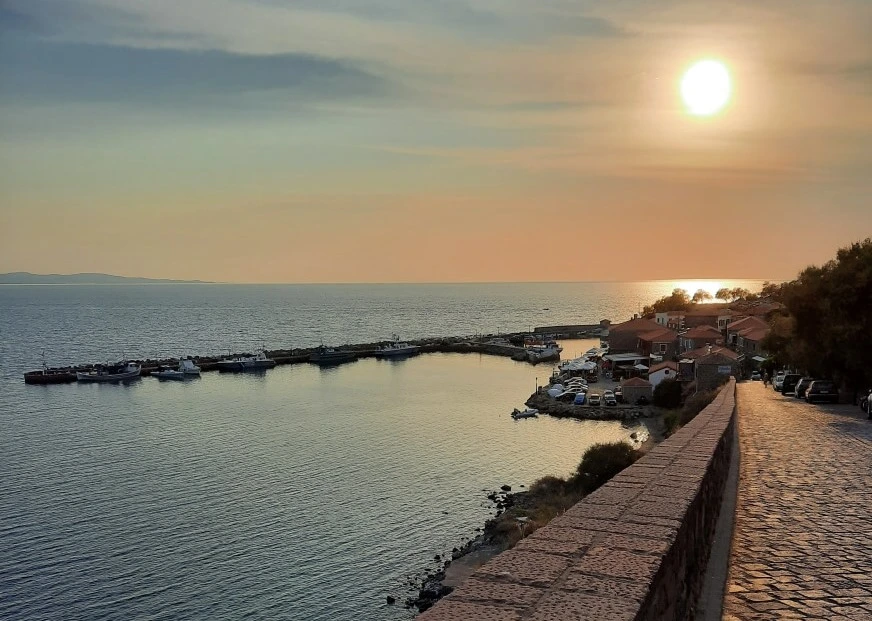
The island of Lesvos is a Greek island located in the northeastern part of the Aegean Sea and right off the east coast of Turkey. Also known as the homeland of Sappho, Lesvos is the third largest Greek island by surface area and the eighth in the Mediterranean. The capital of the island is Mytilene. Although less famous than other Greek islands, Lesvos has a unique character able to give you the most authentic holiday experience in Greece, as far as relaxation and gastronomy is concerned. So why visit the island of Lesvos on your next vacation? Here are some good reasons. 1. Visit Lesvos because it is the land of ouzo When it comes to Lesvos, one cannot help but think of ouzo. Ouzo is an aromatic aniseed distillate that is chosen by the Greeks to accompany appetizers and can be considered the national drink par excellence. Almost all of the Greek ouzo is produced right here, and also where the main national brands are based with their factories, mainly concentrated in the Plomari area. You can visit museums that tell the history of ouzo production and above all you can taste various types, which in other parts of Greece you would not be able to find. 2. Discover the richness of the island's many cultural sites Lesvos is rich in archaeological sites that are the result of a long history. You can venture to the castles of Molyvos, Mytilene and Sigri. Other ancient monuments are the theater of Mytilene, the temple of Klopedi, the sanctuary of Messa and the Roman aqueduct of Moria. A natural monument and world heritage site is the spectacular petrified forest in Sigri. You cannot miss some museums such as the Archaeological Museum, the Museum of Modern Arts or the Teriade Museum with masterpieces by the famous Greek painter Theofilos, located in Mytilene or many others that are scattered around the island. Finally, you can admire the architecture of some particular houses that resemble small castles and which are called Pyrgospita ("Pyrgos" means tower and "Spiti," means house); they are located at the entrance to the city of Mytilene and Thermi. 3. Because there are numerous kilometers of beaches to dive into The fact that the island is large guarantees many kilometers of coastline. Any corner is good for swimming and do not be surprised to see people jumping into the sea almost everywhere, because the quality of the sea is remarkable and of course, all beaches have free access. Having your own car is the best choice to move around the island and therefore you will not miss out on panoramic points or very nice isolated beaches. There are also large beaches, sandy or with pebbles, with organized beach bars such as those of Petra, Molyvos, Vatera, Charamida, Plomari or Skala Eressou. If you are a lover of thermal baths, there are many points with natural hot waters such as in Eftalou, in the Bay of Gera and in Polichnitos. The most organized and ready to pamper you is just outside the city of Mytilene overlooking the bay of Gera. 4. The island is the birthplace of the poet Sappho Sappho was born in Lesvos and lived there. Sappho was a famous poetess from the ancient greek times who sang the love between women. The current term "Lesbianism" derives from the name of the island itself thanks to the famous verses of Sappho. You will find statues representing the poet in both Mytilene and Skala Eressou. Lesvos is therefore a welcoming LGBT island and in particular Skala Eressou, the birthplace of Sappho, has become a meeting point and symbol of lesbians from all over the world (the International Women's Festival is held every September). 5. Because there is Molyvos (and beyond) which is a truly picturesque village Molyvos has always been a meeting point for poets, painters and intellectuals from all over the world because it is a place of inspiration thanks to its imposing castle, the harbor full of fishermen's boats and the historic center with the narrow streets of pebbles going up and down. Even today it has maintained these characteristics, thanks also to its UNESCO World Heritage Site status and offers unique views, especially at sunset. There is no shortage of typical taverns, bars and local art shops. In the surroundings of Molyvos there are other characteristic villages, among them Skala Sykaminias which is a tiny port with a famous church built on a rock in the sea, Vafios village, known for its culinary excellence of meat and the paths on foot and by bike and Petra with its particular church of the Madonna located on a large rock formation that stands out. 6. The Mediterranean gastronomy of Lesvos is unique There is certainly no lack of ouzo to drink, but what should one accompany it? With the island's natural products! The production of olive oil, which was called "liquid gold" at the not so very old times, is still very important and of high quality. Some local brands have won awards worldwide. After a few days on the island, you will easily realize that there are olive groves everywhere. Sardines are another typical product. The bay of Kalloni is famous for its tasty sardines (called "papalina"), so much so that every August there is a Festival dedicated at sardines. The most famous appetizer is the raw sardine in salt, called "pasti". The octopus is cooked with original and unique recipes of this island. There is no shortage of cheeses, such as Ladotiri (preserved in olive oil) and a category of dishes served called "stuffed" with fresh local ingredients. Finally, you can delight yourself with traditional sweets that will certainly include almonds in them. 7. It is one of the most authentic islands of Greece If you are looking for an island off the beaten track where you can spend a peaceful holiday, but especially if you want to experience a Greek island in its full originality, Lesvos is the ideal place. The island is also defined as "the other Aegean", precisely because it represents an alternative to the usual Greek islands, some of which have become too touristy during the high season months. The favorable Mediterranean climate, the many trekking or walking activities in the midst of nature and the hospitality of the locals, transmit a feeling of freedom and light-heartedness.
Greek cuisine is known for its rich and delicious flavours, and Christmas is a special time when many traditional sweets are enjoyed. Here are some popular Greek sweets that are often prepared during the Christmas holidays: Melomakarona: These are honey cookies made with flour, olive oil, honey, and chopped walnuts. After baking, they are soaked in a honey syrup and often sprinkled with additional nuts. Kourabiedes: These are almond shortbread cookies dusted with powdered sugar. They are often shaped into crescents or balls and are a staple during Christmas celebrations. Diples: Diples are thin sheets of dough that are deep-fried until golden and then drizzled with honey and sprinkled with chopped nuts. They are typically rolled into a cylindrical shape. Christopsomo: Christopsomo, or Christ's Bread, is a festive bread that is traditionally prepared for Christmas. It is enriched with various ingredients like raisins, nuts, and sometimes flavoured with aromatic spices. Amygdalota: These are almond cookies that are typically made with almond paste, sugar, and egg whites. They are shaped into small, round cookies and may be topped with a whole almond, granulated or powdered sugar. Karydopita: Karydopita is a moist dessert cake made from walnuts and cinnamon, bathed in sweet syrup and occasionally covered in rich chocolate. Kormos: Kormos, or Kormos tou Moria, is a popular Greek dessert that is enjoyed throughout the country. It's a type of chocolate salami or log, made with a mixture of crushed biscuits, cocoa, butter, and sometimes nuts. The name "Kormos" translates to "trunk" or "log," reflecting its cylindrical shape. Baklavas: Baklava is a rich, buttery sweet pastry consisting of many layers of crispy filo, filled with chopped nuts and sweetened with an aromatic syrup. It is absolutely delicious! Xerotigana: Xerotigana is a traditional Greek dessert, particularly popular in the region of Crete. It is actually the Cretan version of diples. The pastry is made from a simple dough consisting of flour, water, and sometimes olive oil. The dough is rolled out thin, cut into strips or shapes, and then deep-fried until golden brown. After frying, xerotigana are often sprinkled with powdered sugar and sometimes drizzled with honey or syrup to add sweetness. The name "xerotigana" is derived from the Greek words "xeros," meaning dry, and "tyganon," meaning frying. Vasilopita: Vasilopita is the traditional Greek cake or bread served at midnight on New Year's Eve. After baking the Vasilopita cake, a coin is inserted through the base. The person who finds the coin in their piece, is said to be granted luck for the rest of the year! These sweets are not only delicious but also carry a sense of tradition and festivity that adds to the joy of Christmas celebrations in Greece. Enjoy experimenting with these recipes and incorporating them into your own holiday traditions!

As the holiday spirit takes hold of the city of Thessaloniki, it undergoes a magical transformation where its lively streets turn into a festive wonderland. Discover an enchanting blend of shopping, dining, leisurely walks and cultural breaks that make Thessaloniki a must-visit destination this season. This cultural jewel on the northern Greek landscape is a city filled with museums that breathe life into the past; every step is a journey through time. History here is not just preserved; it's a vibrant, living entity that graces every corner, inviting you to be a part of its timeless narrative. Nevertheless, Thessaloniki's Christmas charm lies not only in its historic landmarks and cultural events but also in the vibrant markets and cosy corners that bring the city to life during the holiday season. Begin your festive adventure by taking a leisurely stroll in the heart of the city at Aristotelous Square. Adorned with twinkling lights and festive decorations, the square comes alive with the joyous atmosphere of Christmas. Shopping in Thessaloniki is a treat. Explore the charming markets, where local artisans showcase their crafts, and indulge in traditional Greek treats. Head to Modiano Market, a sensory feast during the holiday season. As you wander through the market, decorated with festive decorations, the air becomes infused with the scents of aromatic spices and traditional Greek delicacies. Just a stone's throw away from Modiano you’ll find yourself in Kapani Market, a vibrant bazaar that pulses with life throughout the Christmas season. Engage your senses in the lively atmosphere as vendors peddle an array of fresh produce, meats, and spices. Dive into the cultural tapestry of Thessaloniki as you interact with locals and sample seasonal delights. Pick up traditional Greek ornaments, olive oil products, or even a bottle of local wine to bring home a piece of Thessaloniki's Christmas magic. Escape the bustling markets and venture into the charming district of Ano Poli, the city's historic upper town, where Byzantine walls whisper stories of centuries gone by. In essence, Ano Poli is a living testament to Thessaloniki's cultural continuity, where the past seamlessly blends with the present. The neighbourhood invites you to step into a bygone era, fostering an appreciation for the city's history and the enduring spirit of its people. Wander through narrow, cobblestone streets adorned with twinkling lights, and discover traditional tavernas where the warmth of Greek hospitality meets the festive spirit. Extend your holiday journey to Thessaloniki's iconic waterfront. The White Tower stands proudly against the winter sky, lit up with lights that reflect on the calm waters of the Thermaic Gulf. Take a romantic stroll along the promenade, indulging in panoramic views of the city and enjoying the cool sea breeze. The waterfront becomes a magical realm during Christmas, inviting you to savour the simple joy of the season. Thessaloniki earned its place on the world stage as a UNESCO Creative City for Gastronomy. The culinary scene is a blend of tradition and innovation, ensuring that every meal is a delightful adventure for your taste buds. From Ladadika (a historic district known for its vibrant nightlife and diverse dining scene) to Ano Poli, sample dishes at local tavernas and modern eateries. Whether you are a mezze enthusiast, crave seafood delicacies, prefer the authenticity of an ouzeri taverna, or seek the innovation of creative cuisine, the city has something to satisfy every palate. Don’t leave Thessaloniki without indulging in its delectable sweets. Local dessert offerings are a delightful finale to your culinary adventure, promising a sweet taste of the city's culinary prowess. Thessaloniki, with its blend of festive fervour, rich culture, and delectable cuisine, invites you to experience the holidays like never before. Embrace the season's magic as you explore the city's enchanting corners and create cherished memories in this northern Greek gem.
The New Year holds new experiences and surprises for us all. Here’s our pick of places worth visiting and events you’ll enjoy attending in Greece in 2024. The new Maria Callas Museum is a great cultural asset to the Greek capital, and the only museum in the world dedicated to the world-famous 20th century prima donna, a.k.a. La Divina. Visit the beautiful renovated neoclassical building, which houses it at 44, Mitropoleos St., near Syntagma Square, Athens. You will explore various aspects of her personality and career as an opera singer via audio & visual means. It is best to start the tour from the second floor where the Norma, Tosca and La Traviata rooms are, while a fourth room on that floor is dedicated to her teaching period at the Julliard School in New York. Next, go down one floor to see exhibits dating to various stages of her cosmopolitan life and career, from her birth to her death, the influential people close to her, her teachers and mentors. There is a Shop and a Café on the ground floor if you’re interested in a souvenir or need a refreshment. This experience will no doubt be music to your ears! Next, we’ll take you on a trip to the Greek north. The new Polycentric Museum of Aigai is located in Vergina, Macedonia, at an 8 km distance SE of Veria Town (or 73 km W of Thessaloniki City). Visit the Central Museum Building, and the archaeological park (a UNESCO site) which includes the Ancient Theatre, the Palace of Aigai (the first capital of the Kingdom of Macedonia), and the Royal Tombs (the most notable one being that of King Philip II, father to Alexander the Great). See also the nearby 16th century Church of Saint Demetrius Palatitsion, whose impressive interior walls and columns are covered entirely by murals. The nature fans among you will appreciate our next suggestion. Visit Kokkinopilos, an unusual site of great beauty, located in Preveza region, Epirus, western Greece. It’s a chain of low hills, each about 100 to 150 m. high, with an impressive red colour that is broken here and there by green bushes and trees. This ancient depression area includes hills with gentle slopes and gullies that date back to the Old Stone Age, and they are of great geological and archaeological value. The soil is red clay that is rich in iron oxides, and you will see it wearing its most vivid hues in spring and summer, under the bright sunlight. So, plan your trip in the area and don’t forget your hiking gear! We’ve saved for last a summer event that’s scheduled to take place in Thessaloniki City. Mark the dates for Europride 2024: 21-29 June. There will be film screenings, conferences, and art exhibitions related to LGBTQI history and culture, as this year the city will be the Europride host for Southeast Europe. The venues will be the city dock area A, and the International Exhibition Centre. On the last day, the Europride Parade will take place in the city centre, and the White Tower will be lit up in the rainbow colours of the Pride festival. Let’s meet there!

The history of athletic excellence in Greece dates back some 2,500 years. It all began in the early 5th c. BC with the victory of the Greeks over the Persian Empire - a milestone in Greek and European history. According to historical records, an Athenian soldier & messenger, named Pheidippidis, was dispatched from Athens to Sparta, before the battle which was about to take place in Marathon, to deliver the news of the Persian invasion, and ask for help. He ran the 220 km distance between the two cities, in full armour, and returned to Athens with the reply. This ancient ultra distance runner has been associated with two international present-day running events: the Spartathlon, and the Athens Marathon – although Pheidippidis’ connection to the latter cannot be historically proven. Spartathlon ranks high among the famed ultra marathon races in the world, and it takes place annually, in late September. The runners cover the 245 km distance from Athens to Sparta City, and the cut-off time is 36 hours. The race ends at Sparta’s main square, and the finishers get crowned with an olive branch wreath –the ancient Greek symbol of peace, wisdom and victory – in commemoration of the award ceremony held for the Olympic Games winners in antiquity. The Marathon races are among the most famous running events across the world. The Athens Marathon -known as the Authentic- takes place every November, and it is the first Marathon in history: the 42 km course from Marathon to Athens was covered for the first time in 490 BC by an Athenian army messenger who ran to Athens to announce the Greek victory over the Persians to the anxious Athenians. The Marathon race has been included in the modern Olympic Games since their revival in 1896. Land sporting activities in Greece may have their devoted fans; but aquatics are equally -if not more- popular. It’s only natural, as the country is surrounded almost entirely by water. Water sports and games are very popular here, and fans can participate or watch the events that take place along and off the coastline and around the country’s numerous big and small islands. The Aegean 600 and the Aegean Regatta are two popular international yearly sailing races that take participants on an adventure across the Aegean Sea, in July and August – the course and destinations differ each year. There’s also a host of other water sports for you to try and enjoy, whether you’re a beginner or an experienced water sports fan. The same applies to the Ionian Sea, where the winds are generally milder and ideal for beginners. Lefkada Island is well-known for its water sports clubs & schools, and the islets southeast of Lefkada are ideal for exploration on any type of boat. For the experienced sailors among you, there’s the International Ionian Sailing Week, an annual event that takes place in late July – early August across the Ionian Sea. Whatever your favourite sport(s) might be, there’s a world of options for you in the Greek mainland and the islands; make the most of them!

“It takes a lifetime to discover Greece,
but it only takes an instant to fall in love with her.
—Henry Miller
Subscribe to our newsletter and discover unique ideas and hidden treasures for your next trip.