In the footsteps of Artemis and her ancient rites
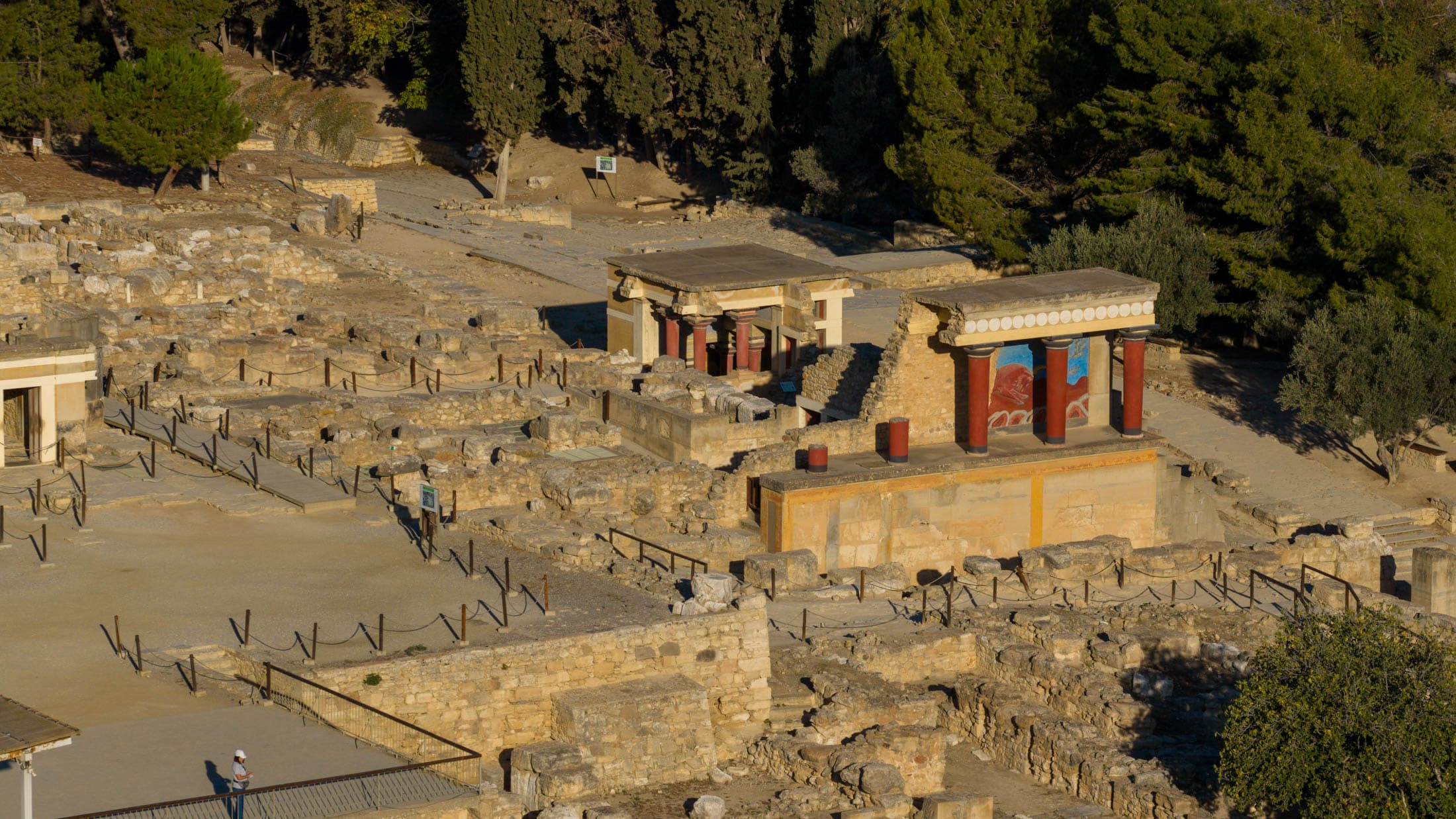
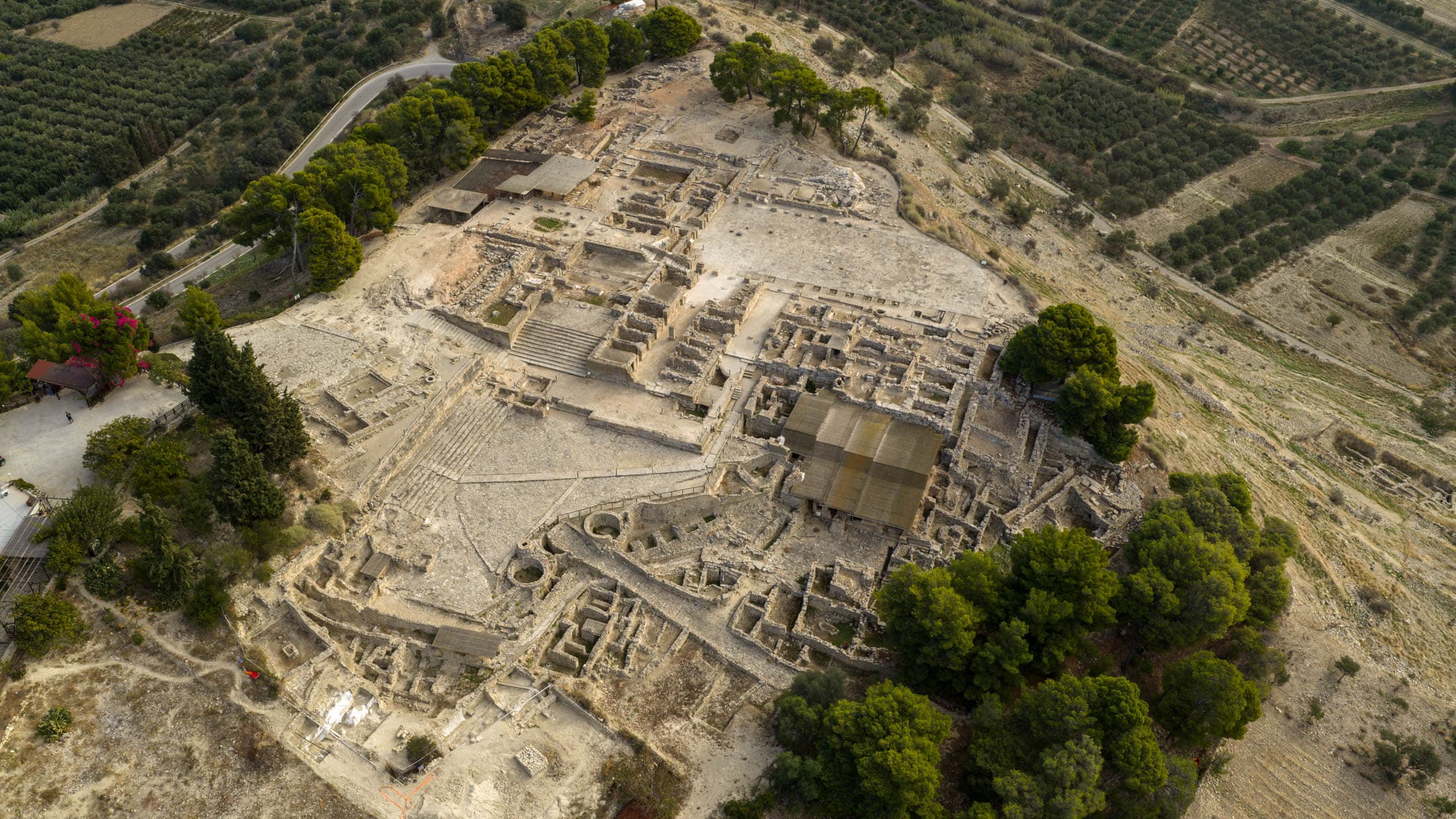
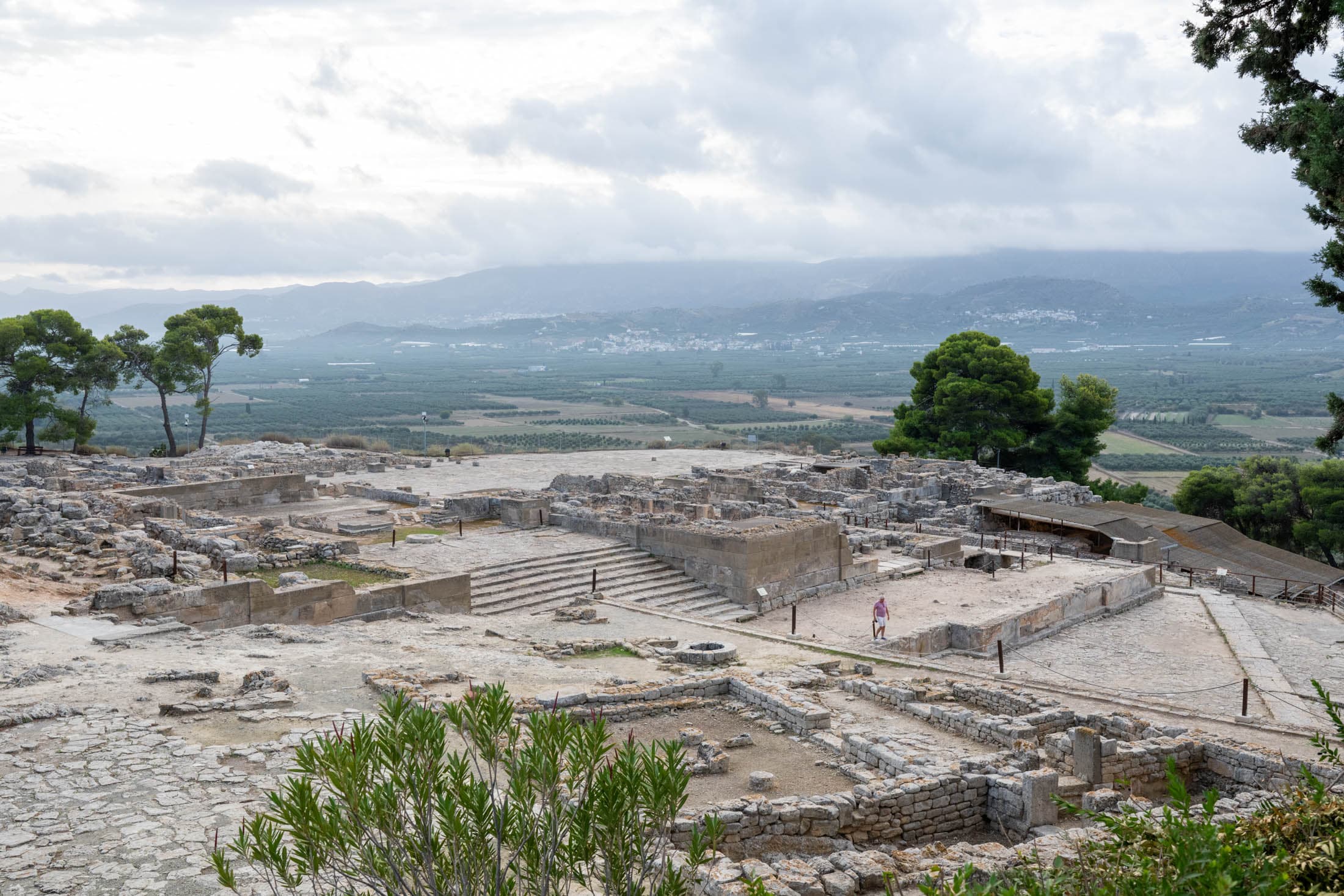
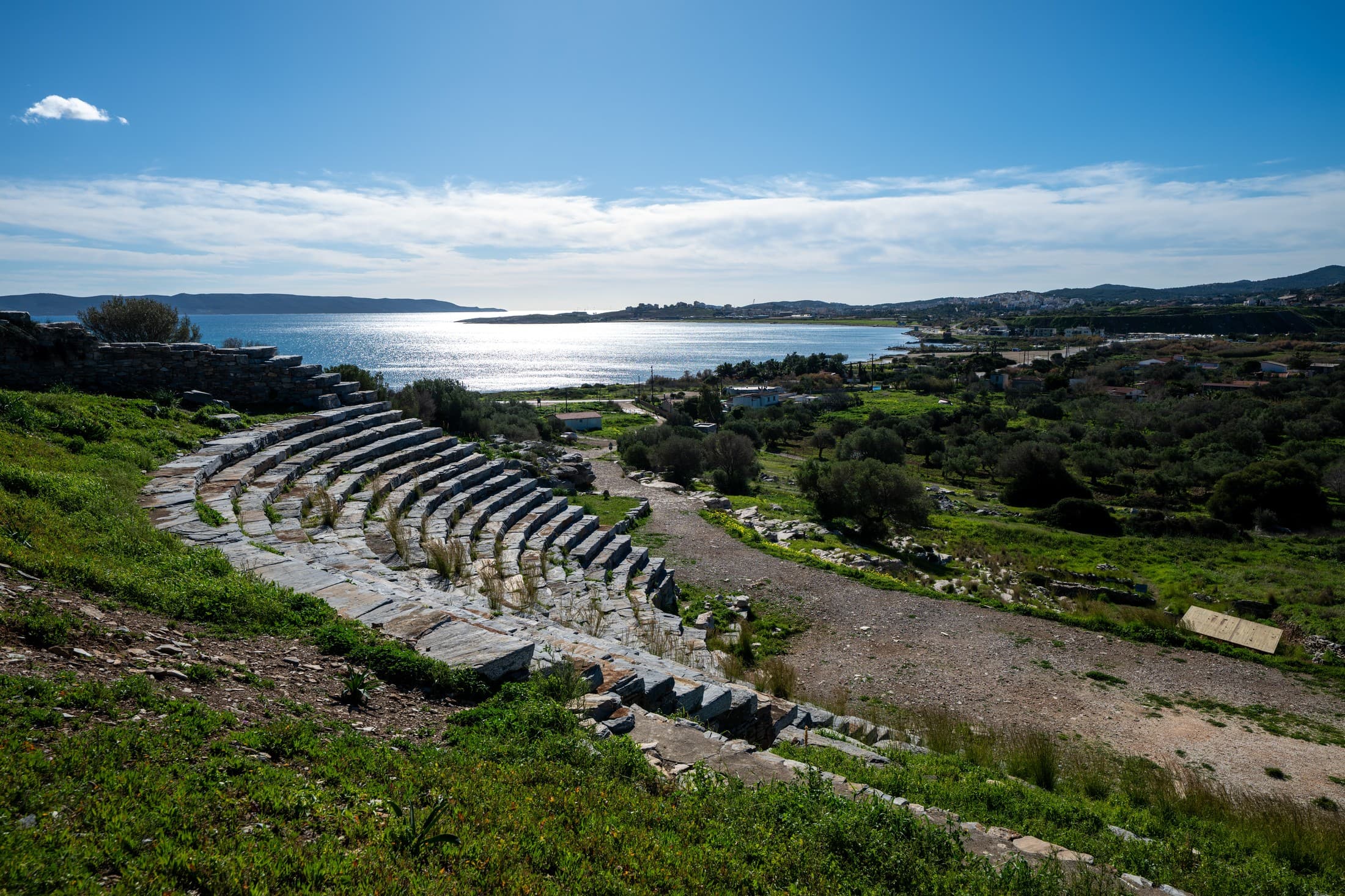
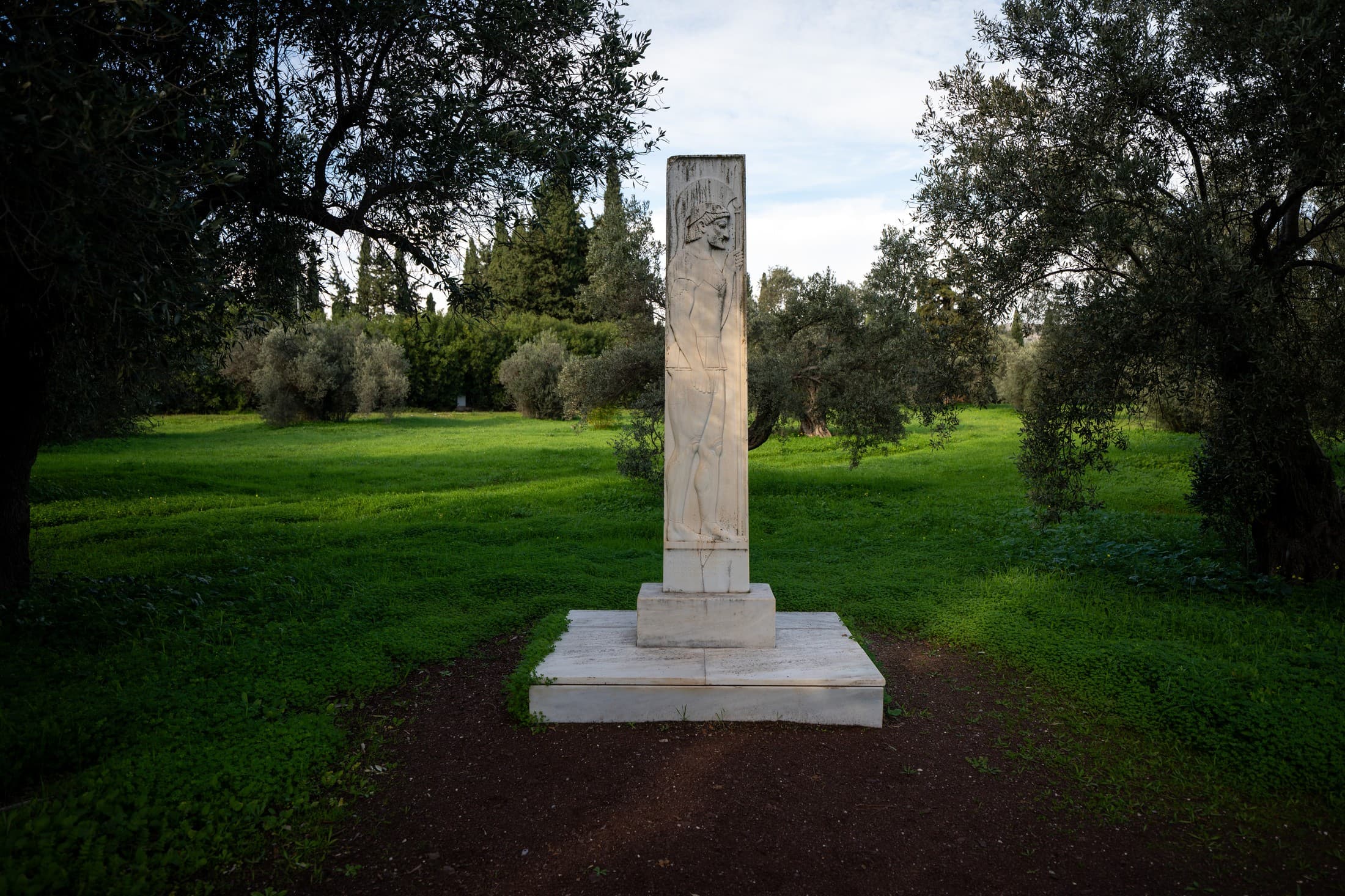
The archaeological site of Brauron is situated in eastern Attica, near the mouth of the Erasinos river, set within a tranquil and low-lying landscape. This was the site of one of antiquity’s most significant sanctuaries, dedicated to Artemis, the goddess of nature, childhood and the transition to adulthood.
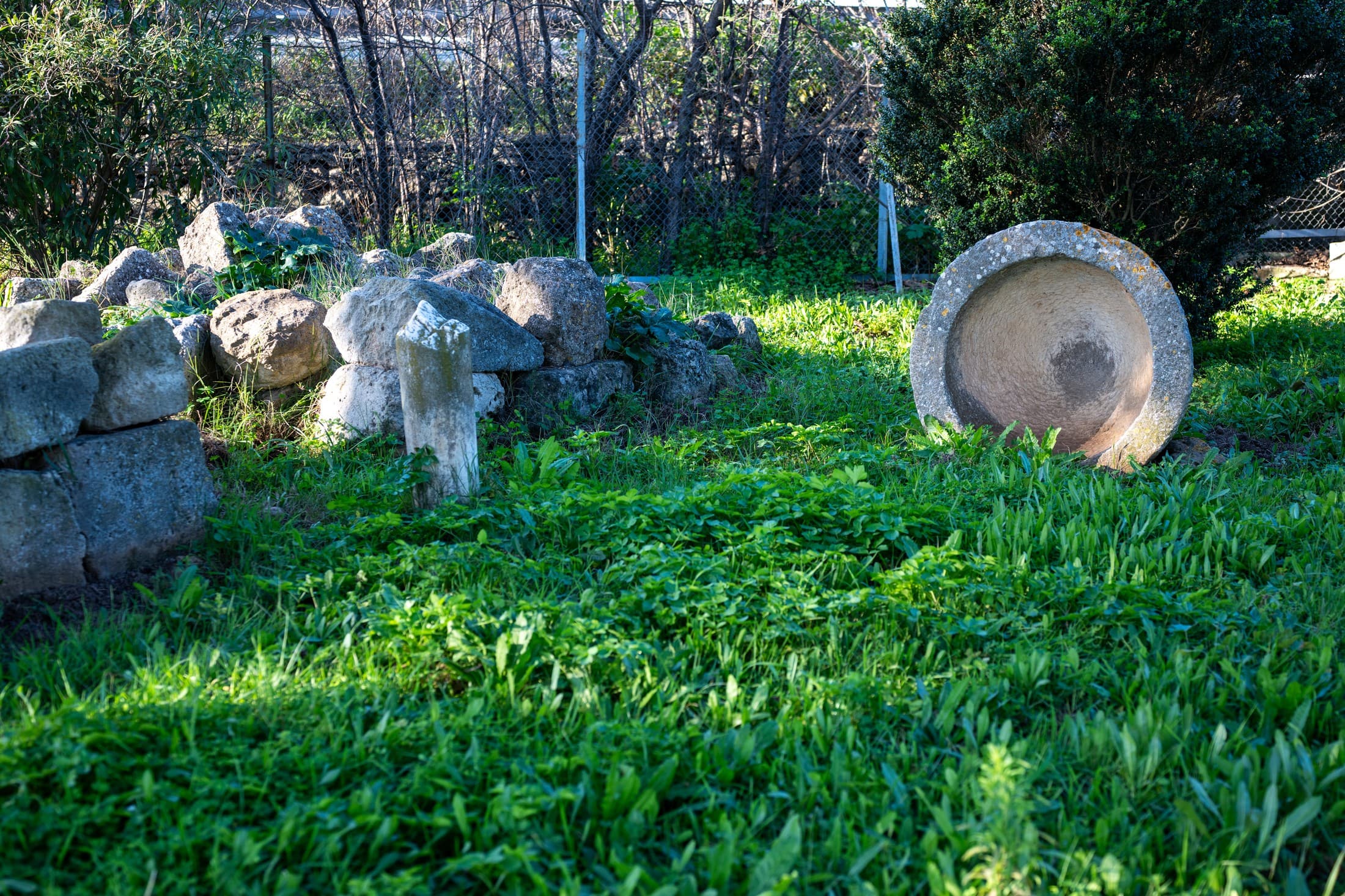
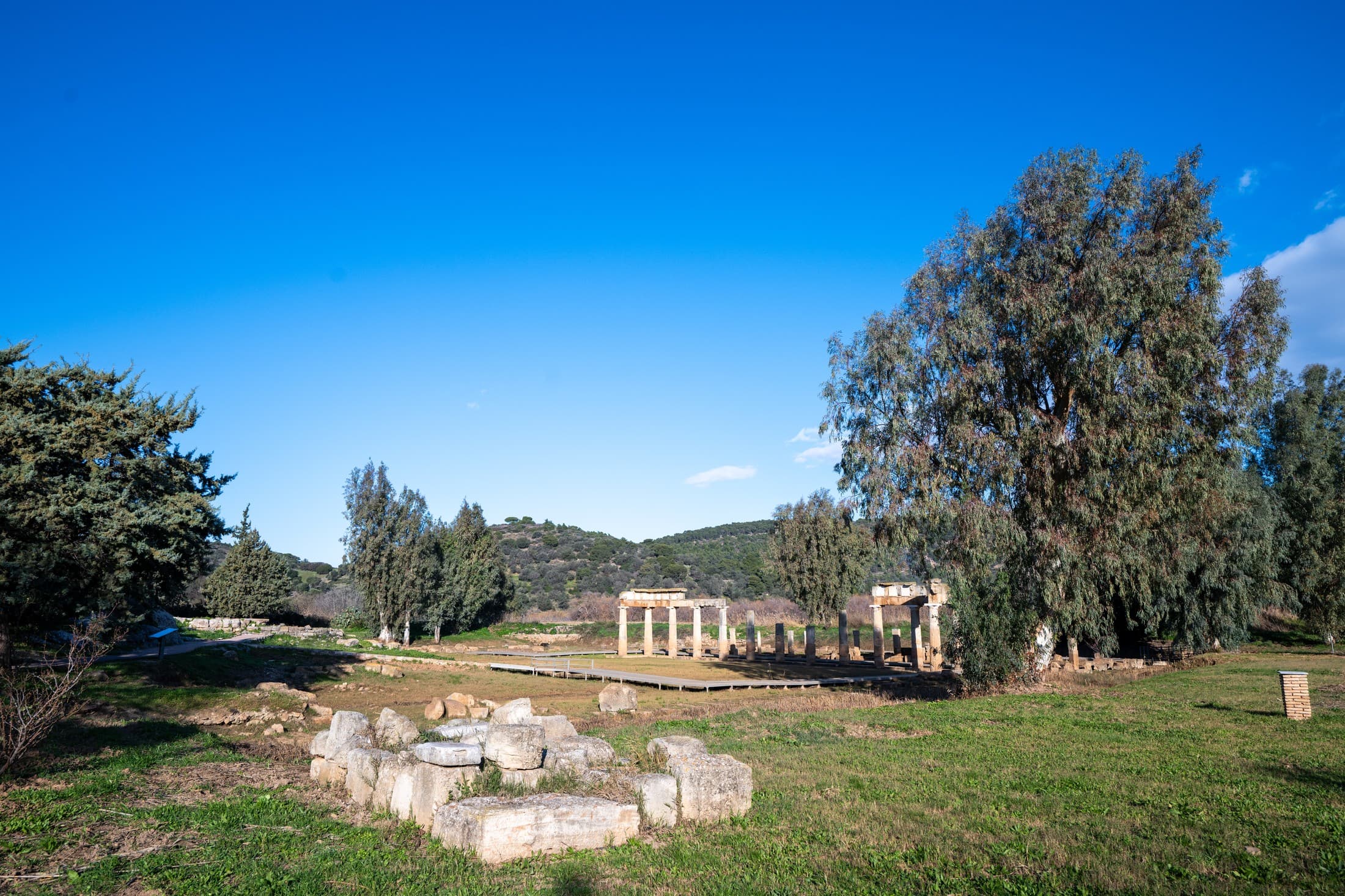
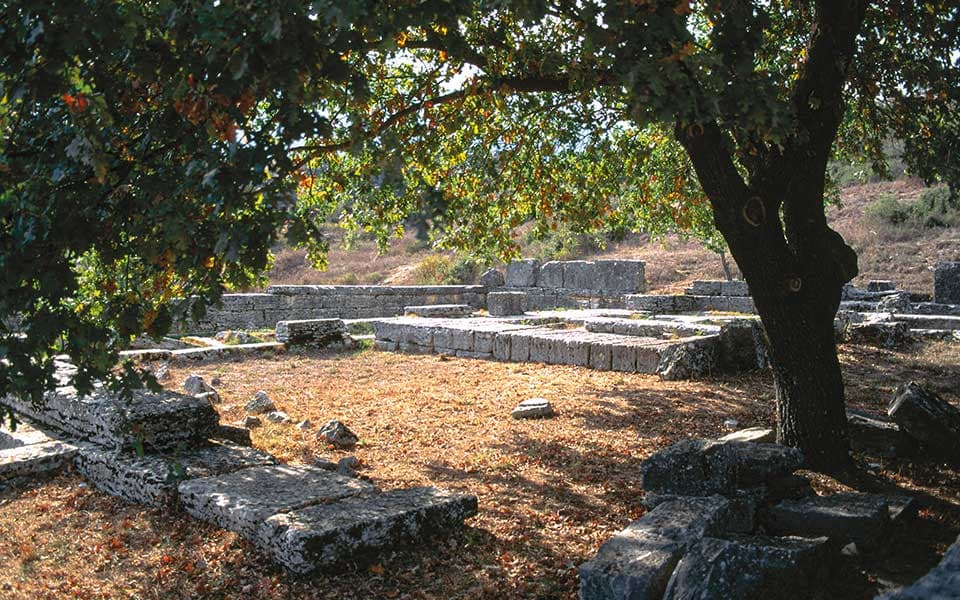
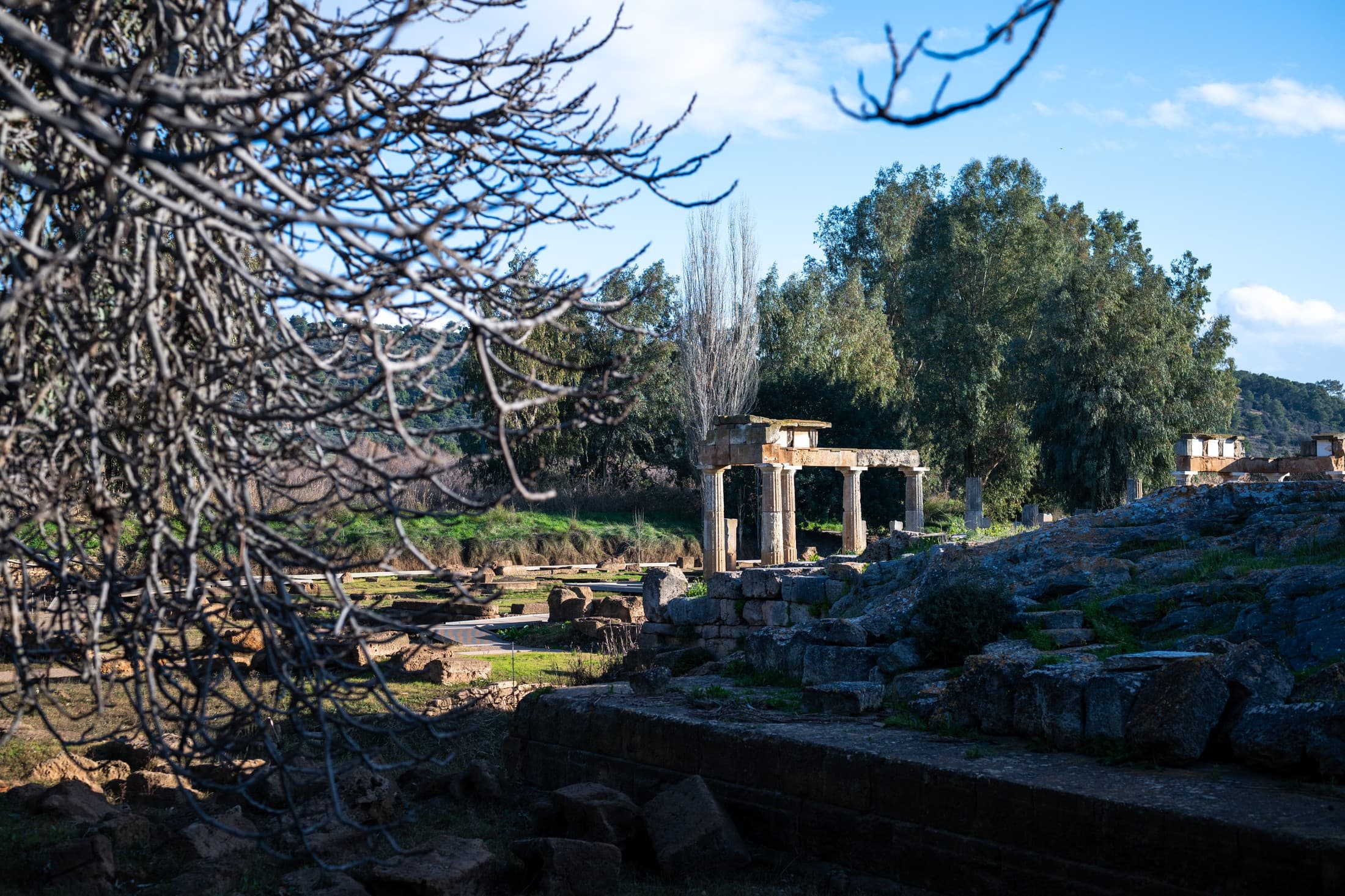
The cult of Artemis at Brauron dates back to Mycenaean times, and the sanctuary flourished particularly during the Archaic and Classical periods. The site you visit today is organised around the temple of the goddess, the stoa and ancillary buildings, all harmoniously positioned within the natural environment. The architecture is simple and low-profile without imposing height, a feature that reinforces the connection between the sanctuary and the landscape.
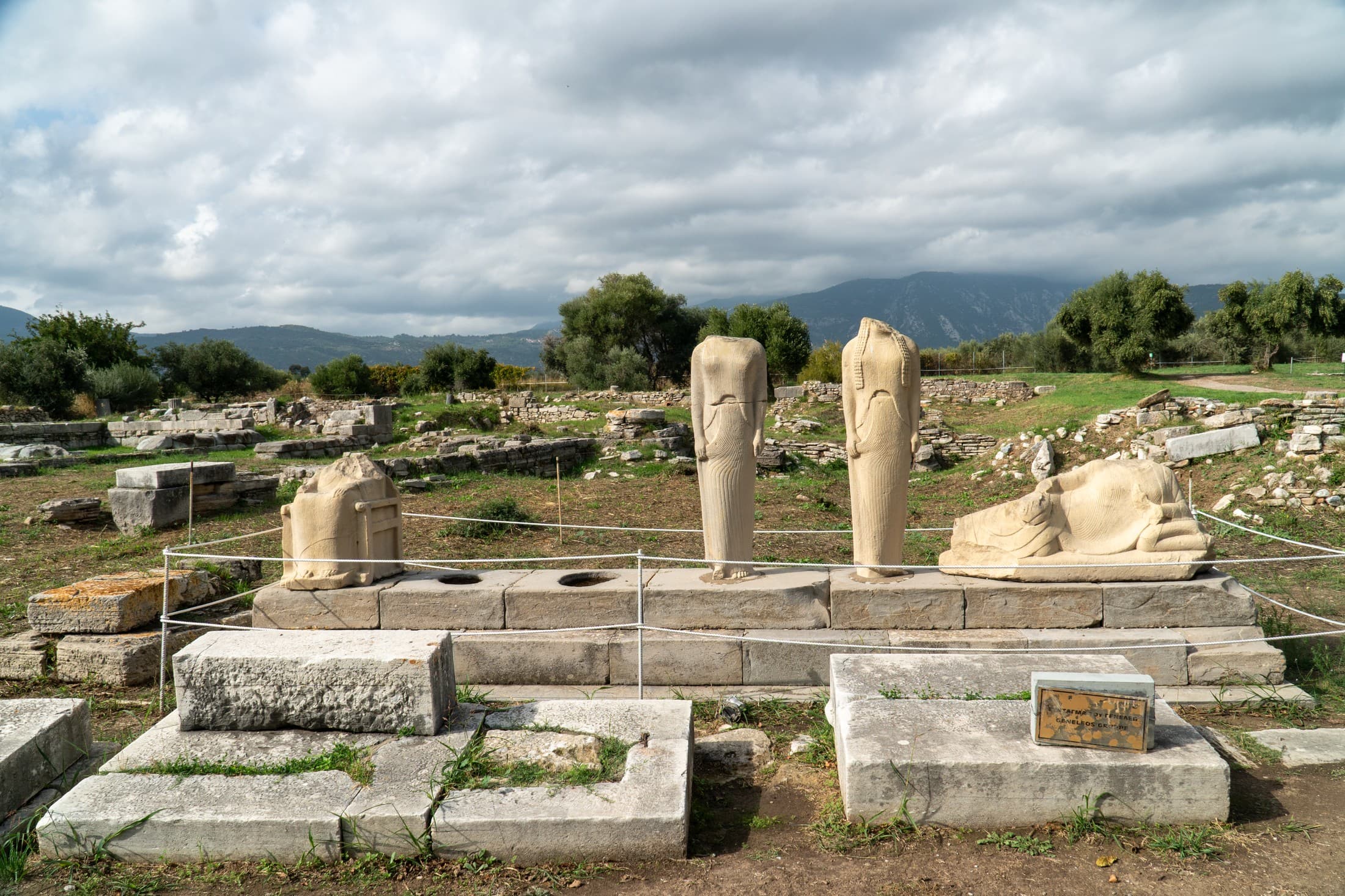
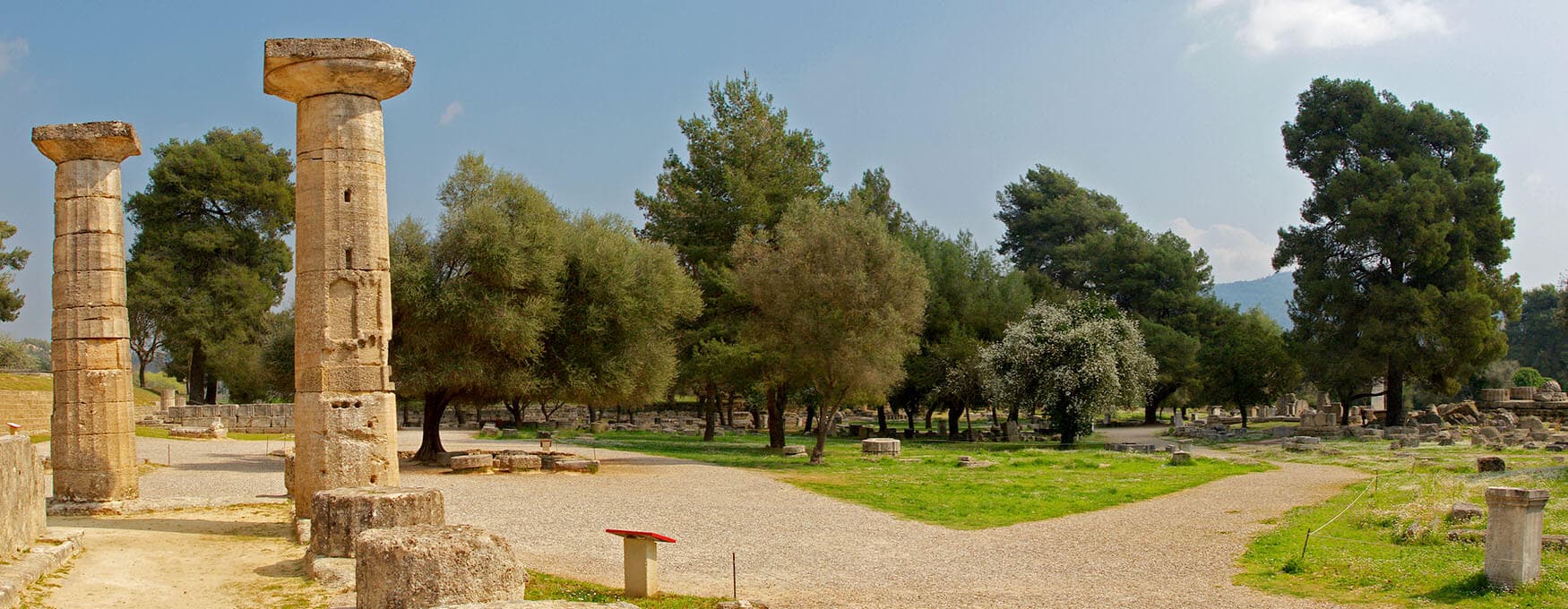
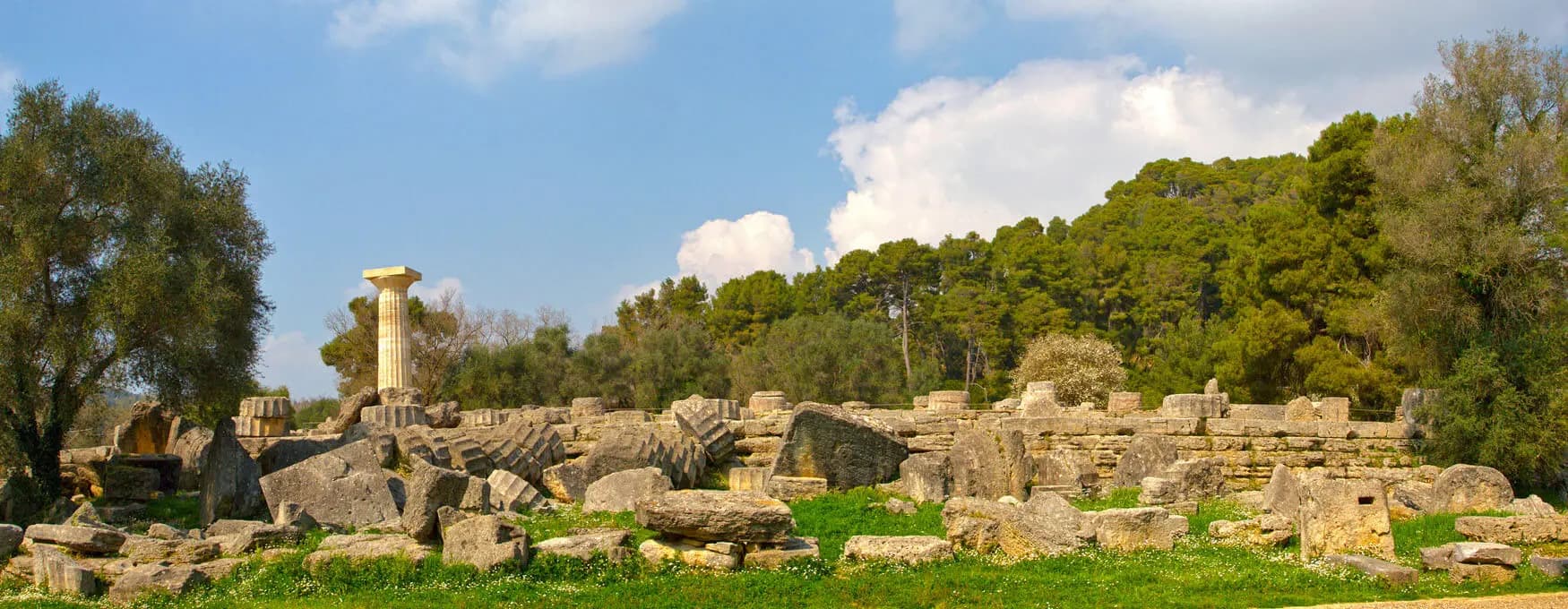
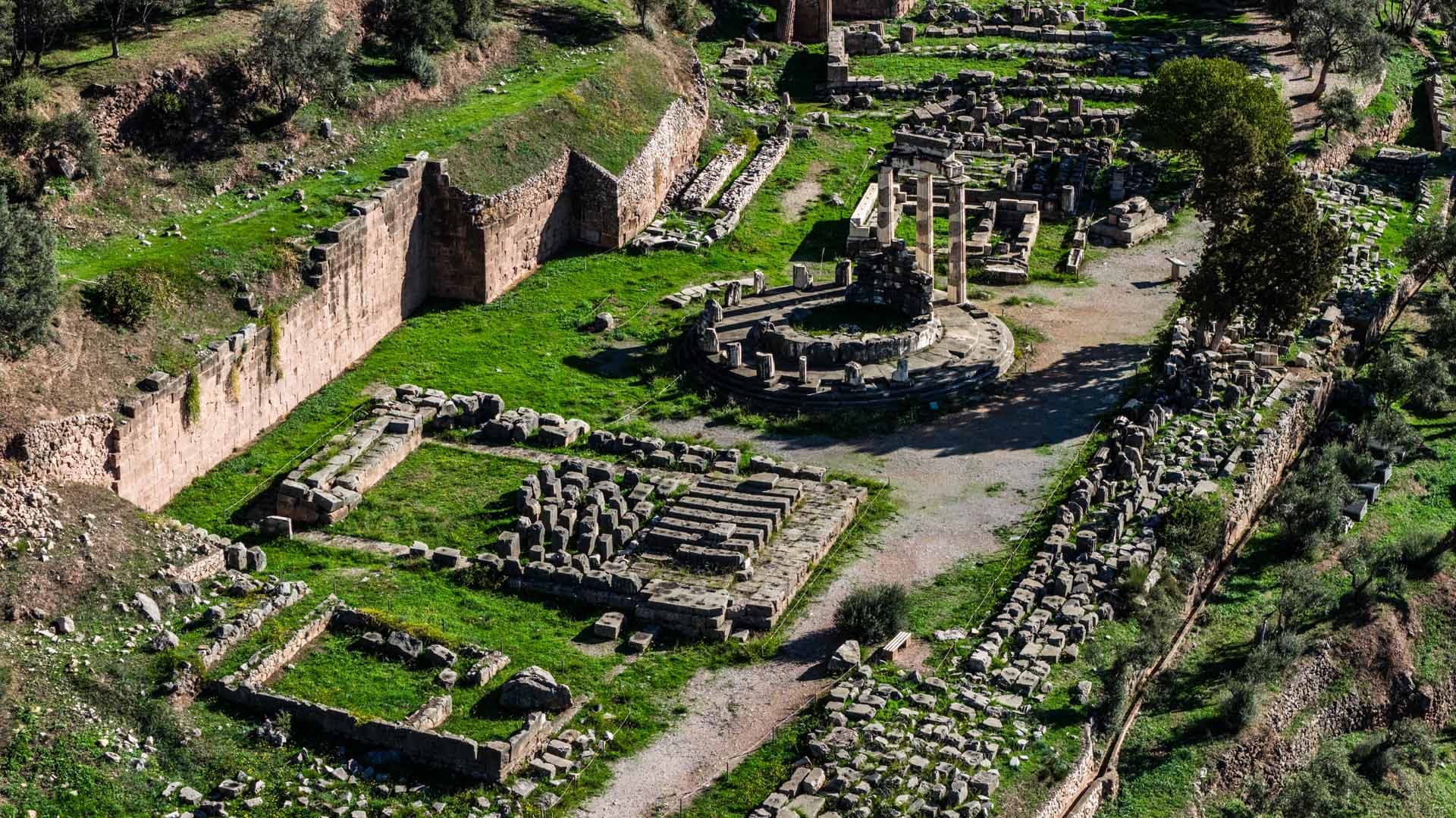
As you walk through the site, you can discern the remains of the 5th-century BC Doric temple, as well as the distinctive Pi-shaped stoa where the votive offerings of worshippers were once kept. The presence of water is of particular significance: the Erasinos river flows through the archaeological site, and stone bridges once facilitated movement within the sanctuary. This is no coincidence, as water is directly linked to the rituals of Artemis. Near the temple, the remains of a small shrine have been identified, which archaeologists associate with the cult of the mythical Iphigenia, daughter of Agamemnon, whom Artemis saved at Aulis just before she was to be sacrificed by her father.
Brauron is also renowned for the Arkteia ceremonies, during which young girls from Athens participated in ritual acts dedicated to the goddess, marking the passage from childhood to adolescence.
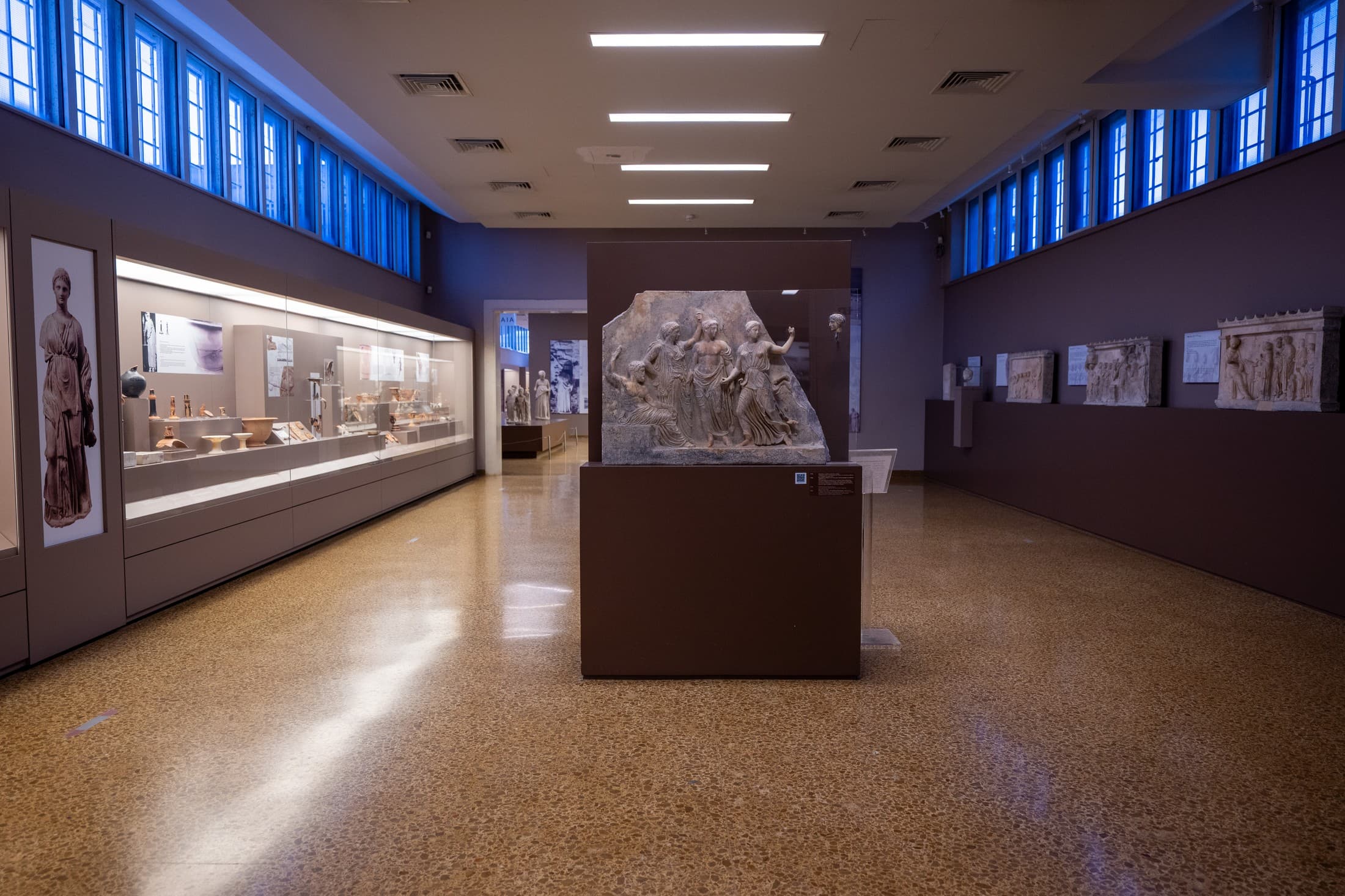
Combine your visit with a trip to the adjacent Archaeological Museum of Brauron to see the votive offerings that complete the story of what you observe in the open-air site.
The cult of Artemis at Brauron dates back to Mycenaean times, and the sanctuary flourished particularly during the Archaic and Classical periods. The site you visit today is organised around the temple of the goddess, the stoa and ancillary buildings, all harmoniously positioned within the natural environment. The architecture is simple and low-profile without imposing height, a feature that reinforces the connection between the sanctuary and the landscape.
As you walk through the site, you can discern the remains of the 5th-century BC Doric temple, as well as the distinctive Pi-shaped stoa where the votive offerings of worshippers were once kept. The presence of water is of particular significance: the Erasinos river flows through the archaeological site, and stone bridges once facilitated movement within the sanctuary. This is no coincidence, as water is directly linked to the rituals of Artemis. Near the temple, the remains of a small shrine have been identified, which archaeologists associate with the cult of the mythical Iphigenia, daughter of Agamemnon, whom Artemis saved at Aulis just before she was to be sacrificed by her father.
Brauron is also renowned for the Arkteia ceremonies, during which young girls from Athens participated in ritual acts dedicated to the goddess, marking the passage from childhood to adolescence.
Combine your visit with a trip to the adjacent Archaeological Museum of Brauron to see the votive offerings that complete the story of what you observe in the open-air site.