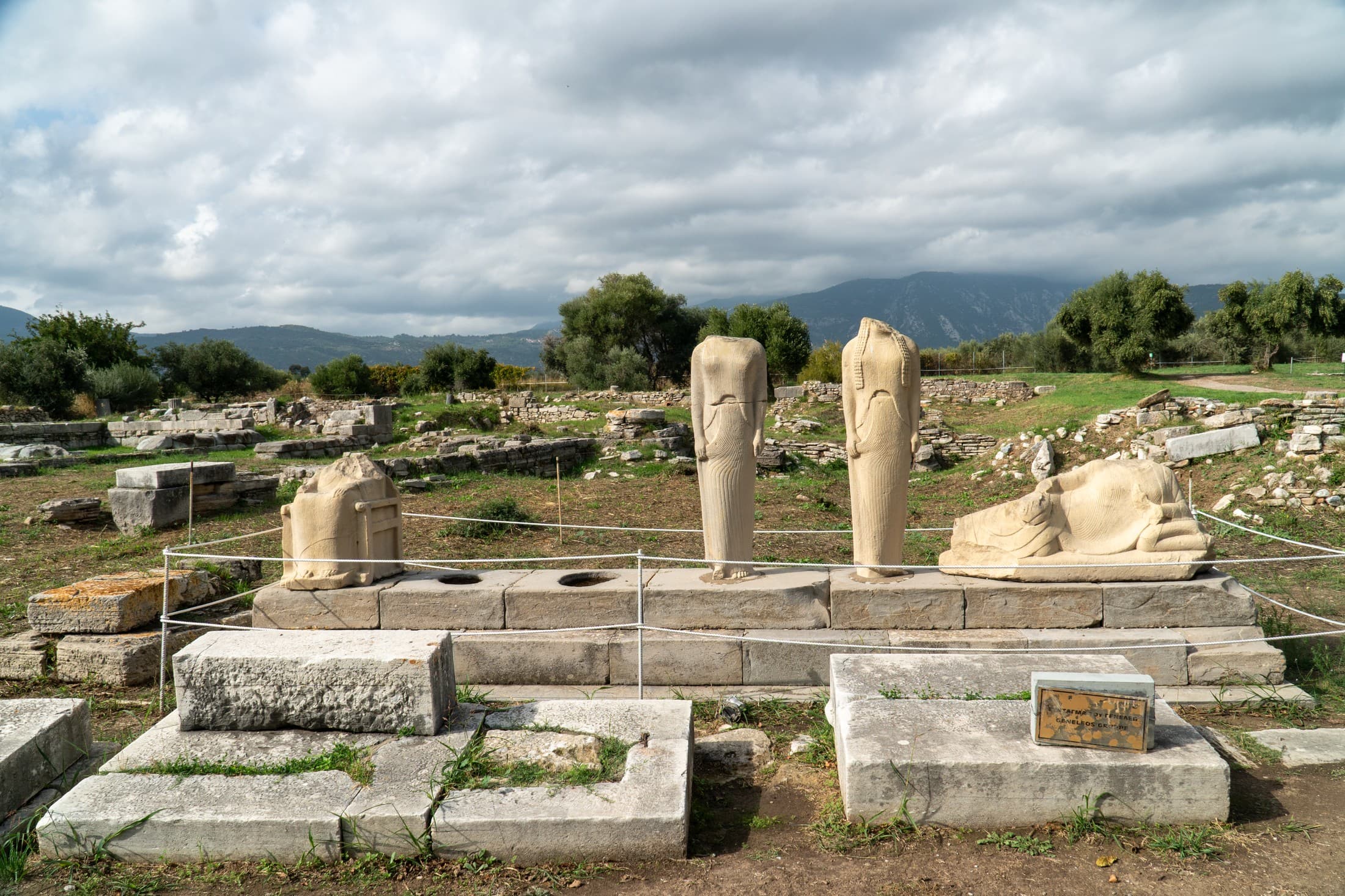
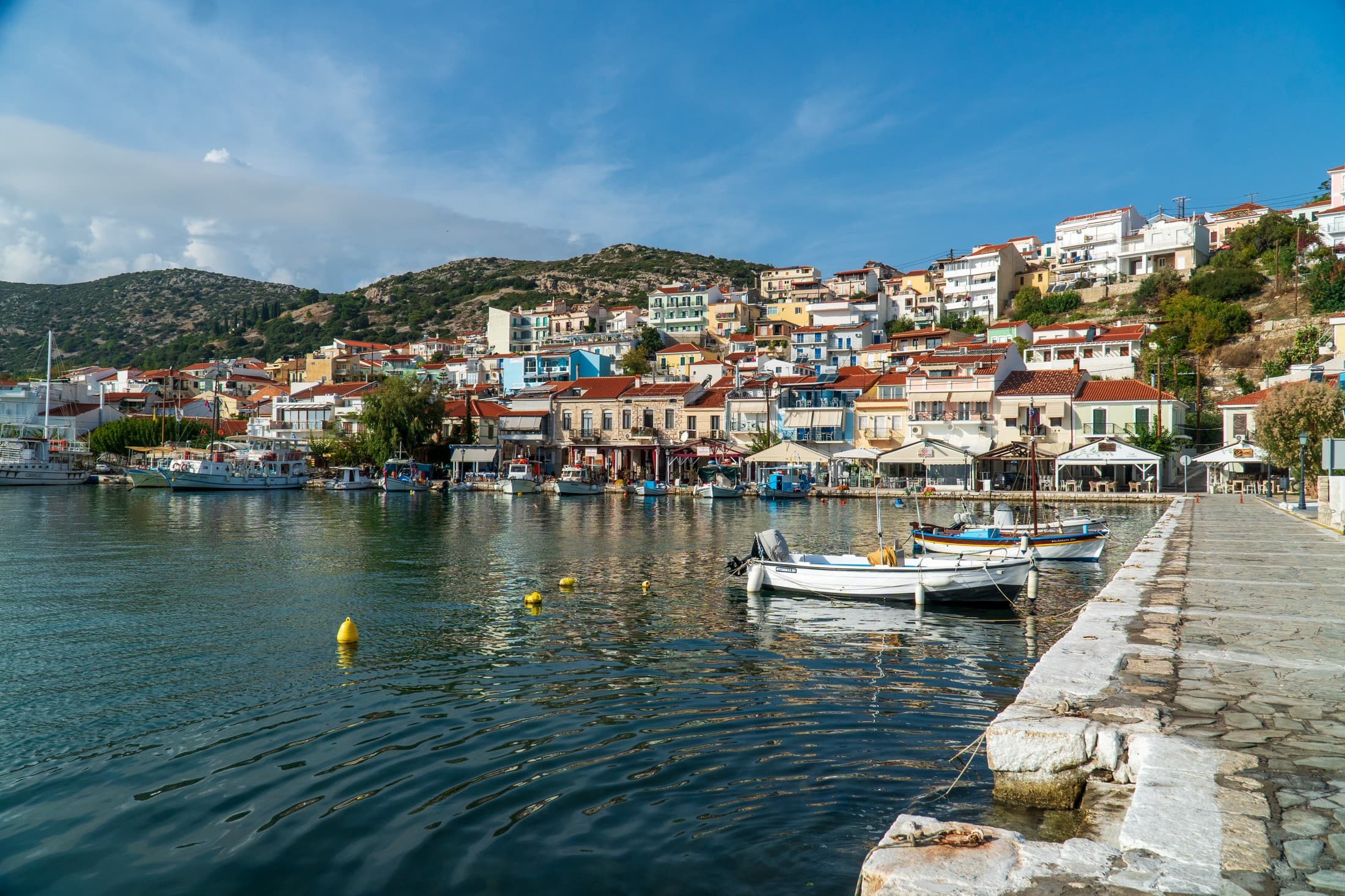
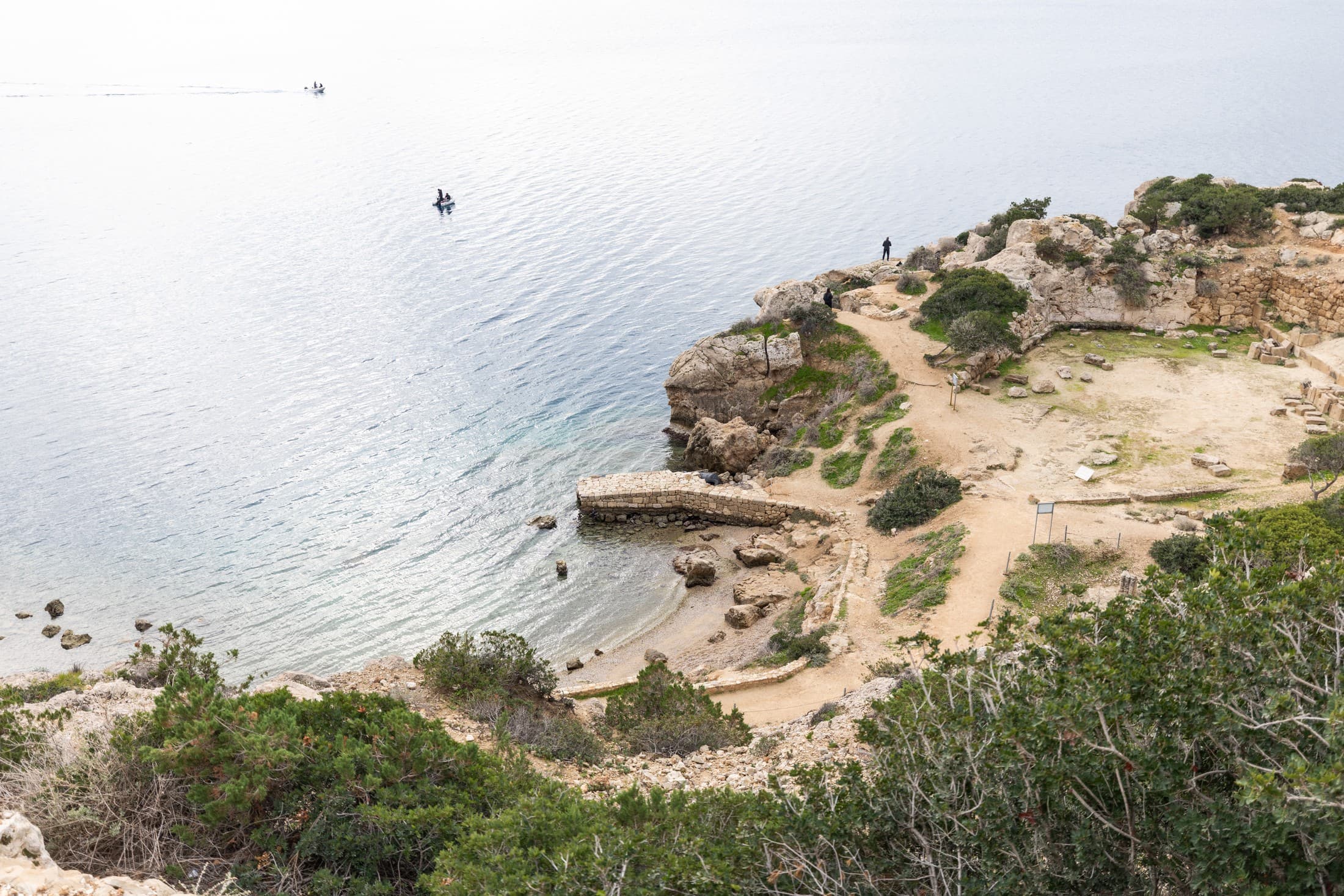
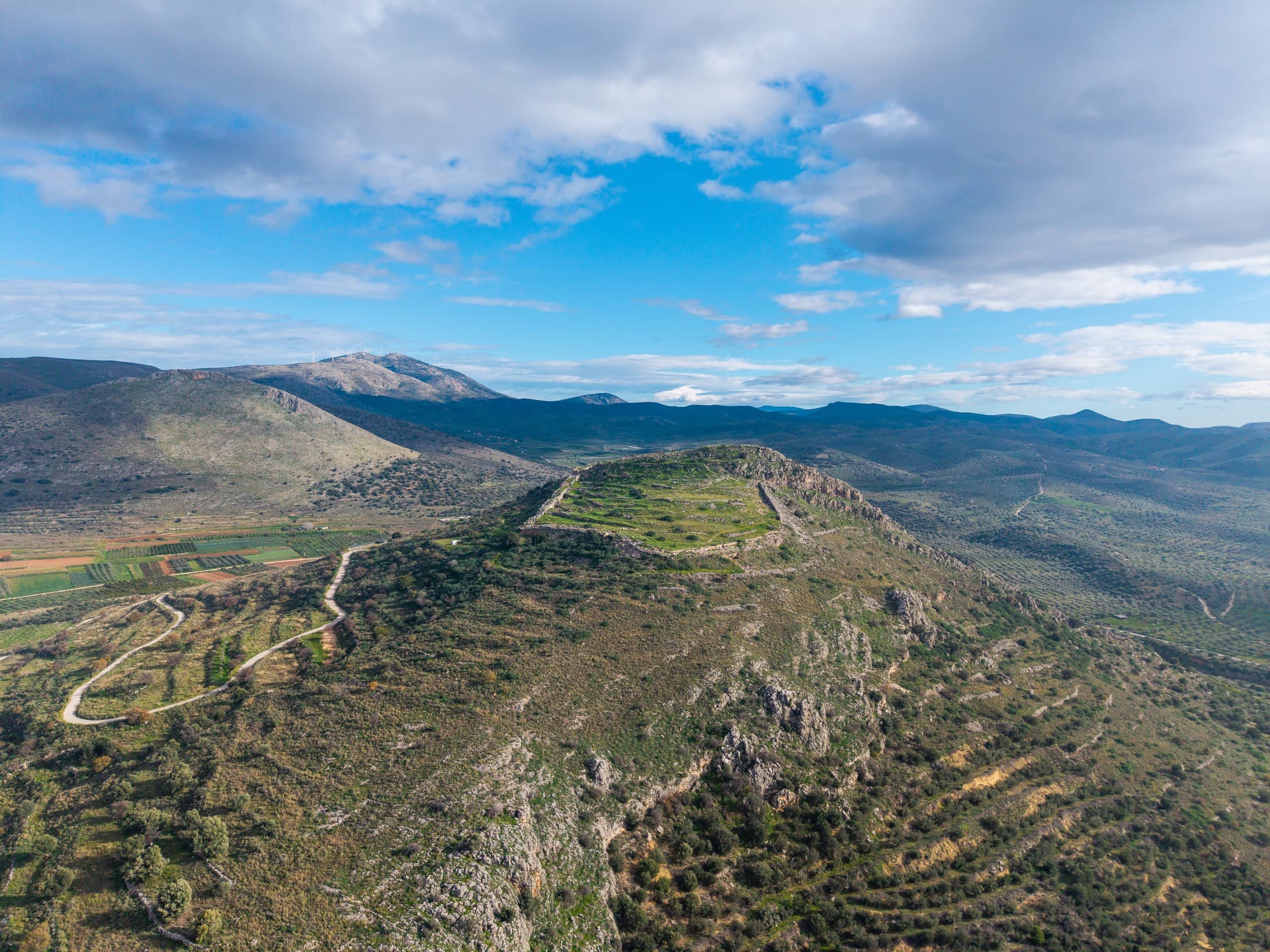
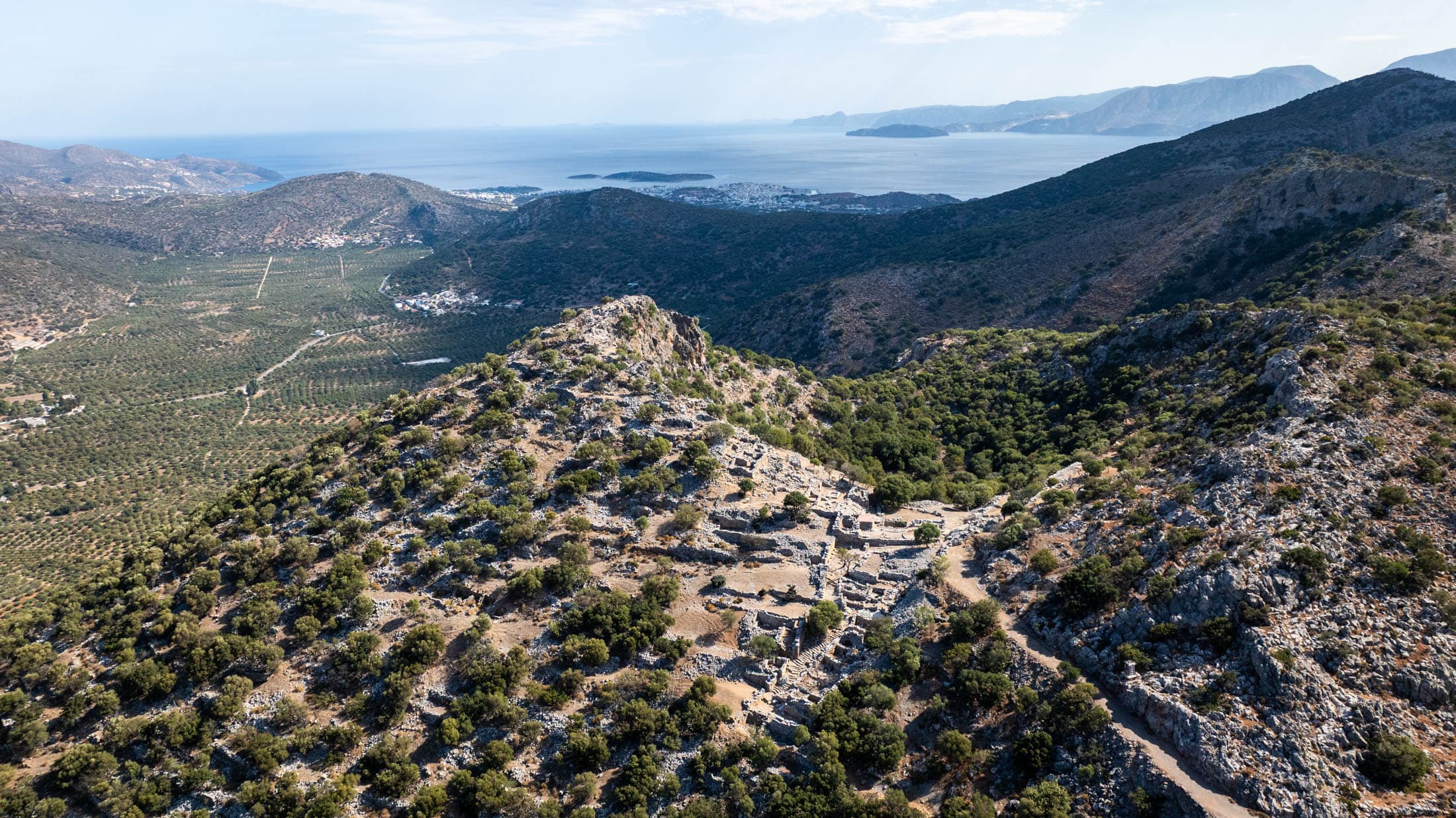
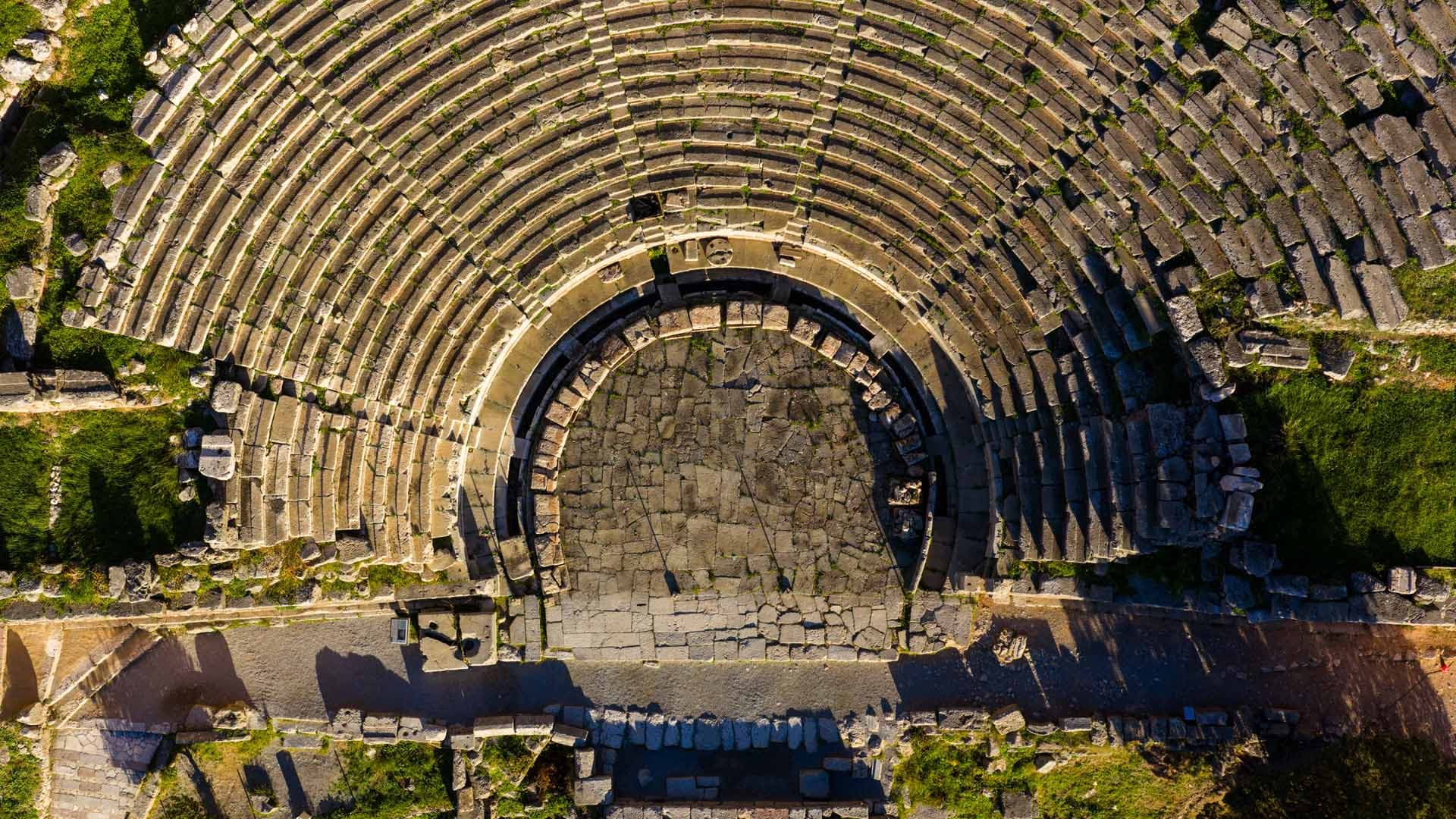
On an imposing plateau 15km from Hania stands Aptera, one of Crete’s most important city-states. With panoramic views of Souda Bay and two strategic harbours, the city evolved into a powerful commercial and political centre, even minting its own currency during its golden age (4th-3rd centuries BC).
Origins of the Name
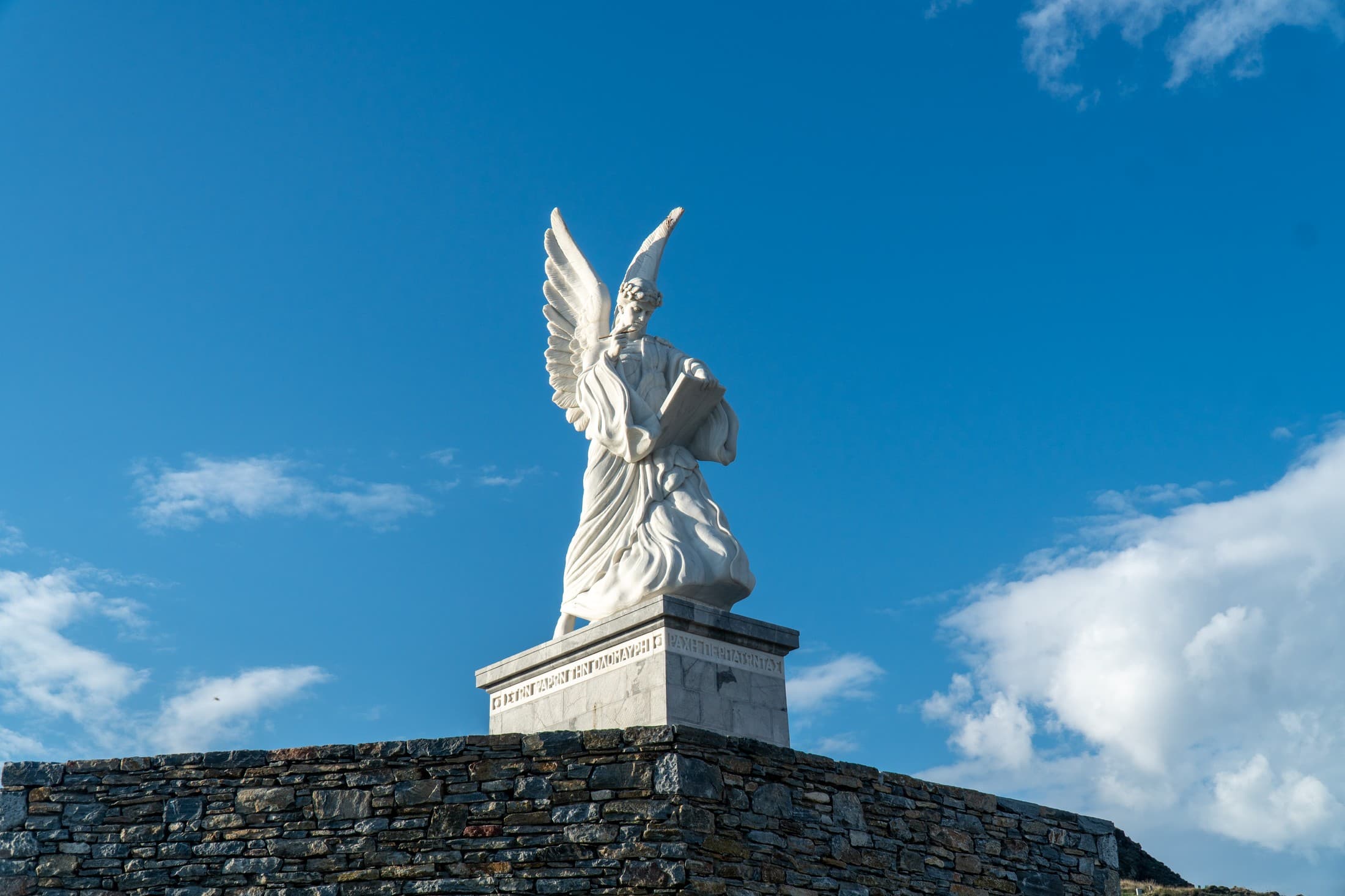
The name is attributed either to Artemis Aptera or to the mythical King Pteras. However, the most captivating myth tells of the Sirens being defeated here in a contest with the Muses, losing their wings (becoming apteres, wingless) and falling into the sea, forming the Lefkes islets.
Touring the Archaeological Site
Aptera is a unique mosaic of historical periods, from the Minoan to the Byzantine era:
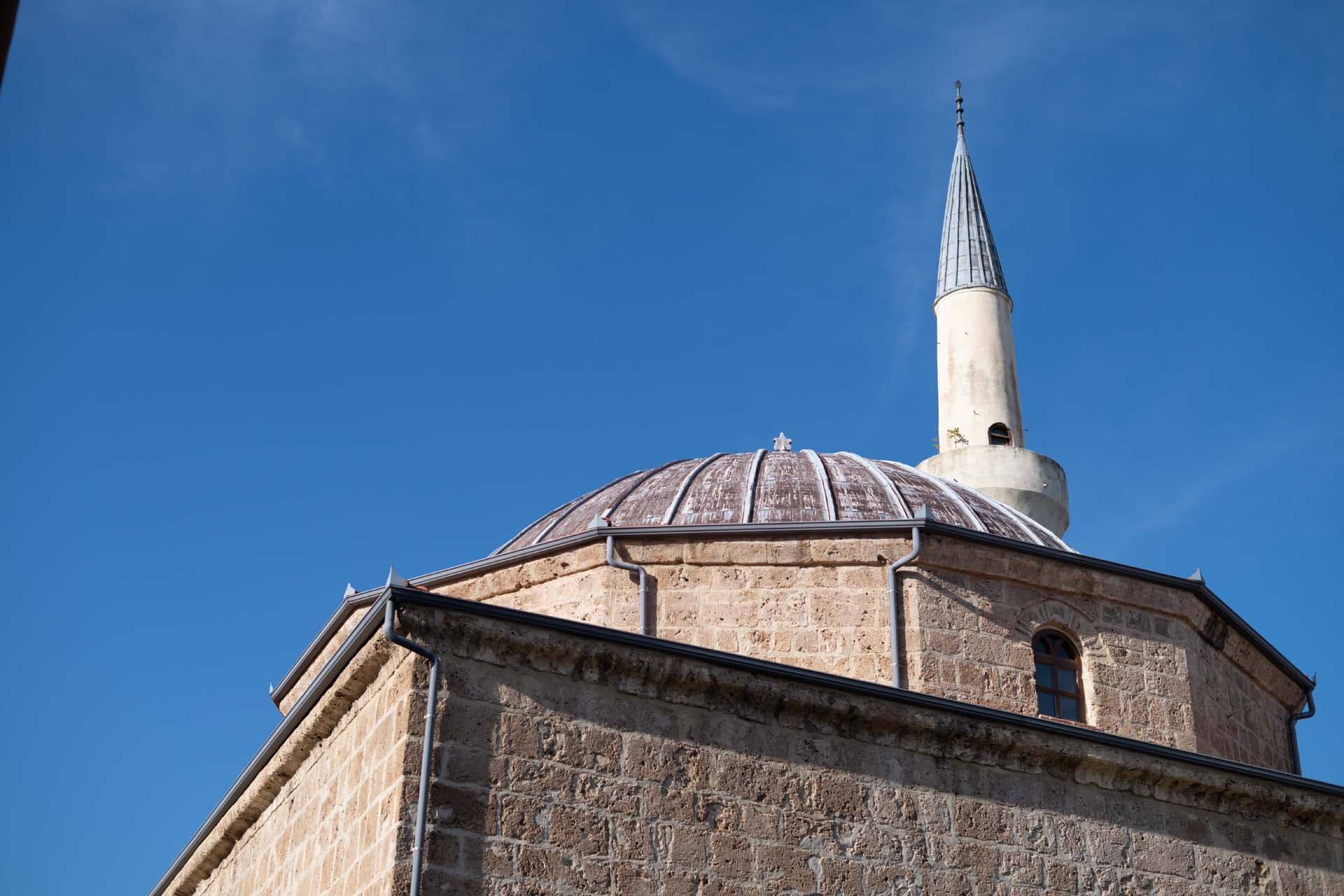
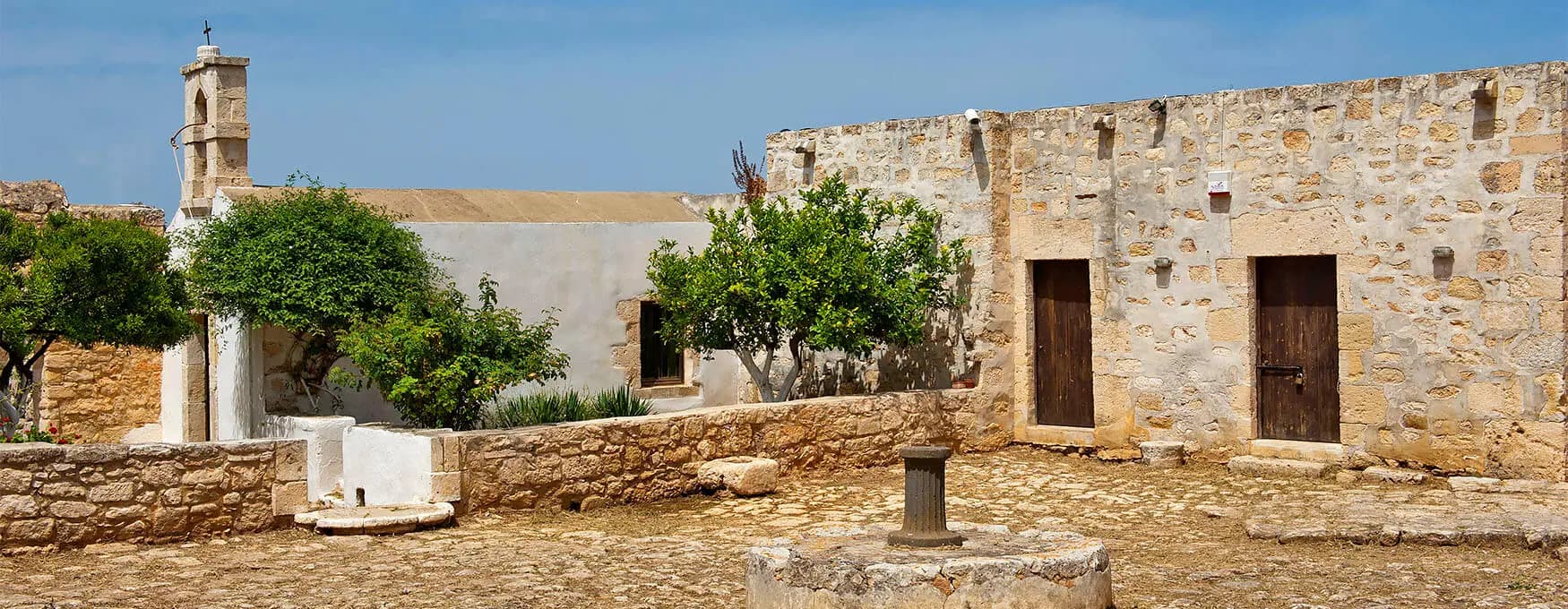
The site is also home to the Monastery of Agios Ioannis Theologos (Saint John the Theologian), constructed with materials from the ancient city, while two fortresses from the Ottoman era also stand in the area: Palekastro (Koules) and the Itzedin fortress.
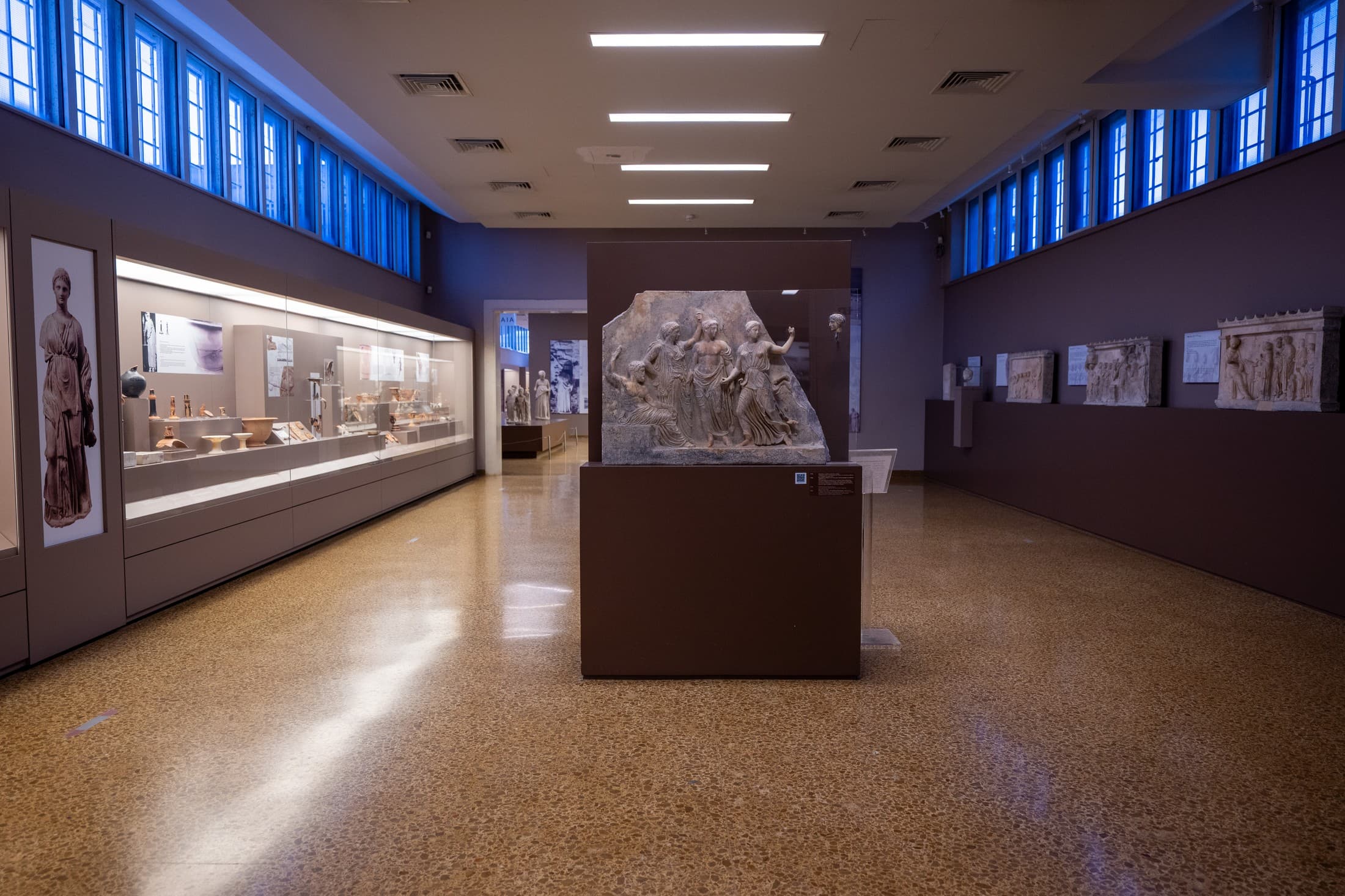
The numerous finds – vases, sculptures, and coins – are displayed at the Archaeological Museum of Hania. A visit to Aptera is a truly captivating experience that combines archaeological insight with the unparalleled natural beauty of the Cretan landscape.
Origins of the Name
The name is attributed either to Artemis Aptera or to the mythical King Pteras. However, the most captivating myth tells of the Sirens being defeated here in a contest with the Muses, losing their wings (becoming apteres, wingless) and falling into the sea, forming the Lefkes islets.
Touring the Archaeological Site
Aptera is a unique mosaic of historical periods, from the Minoan to the Byzantine era:
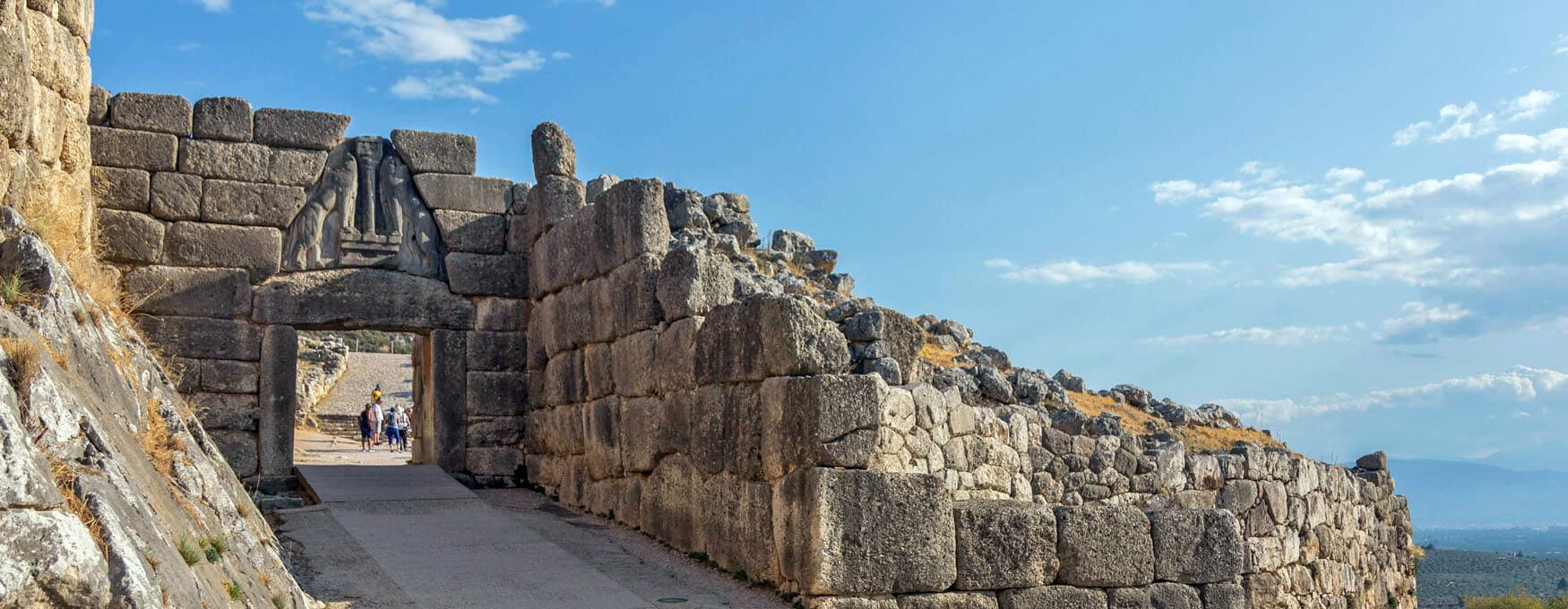
- The Fortification: 4km of walls attest to the city’s power during the Hellenistic period.
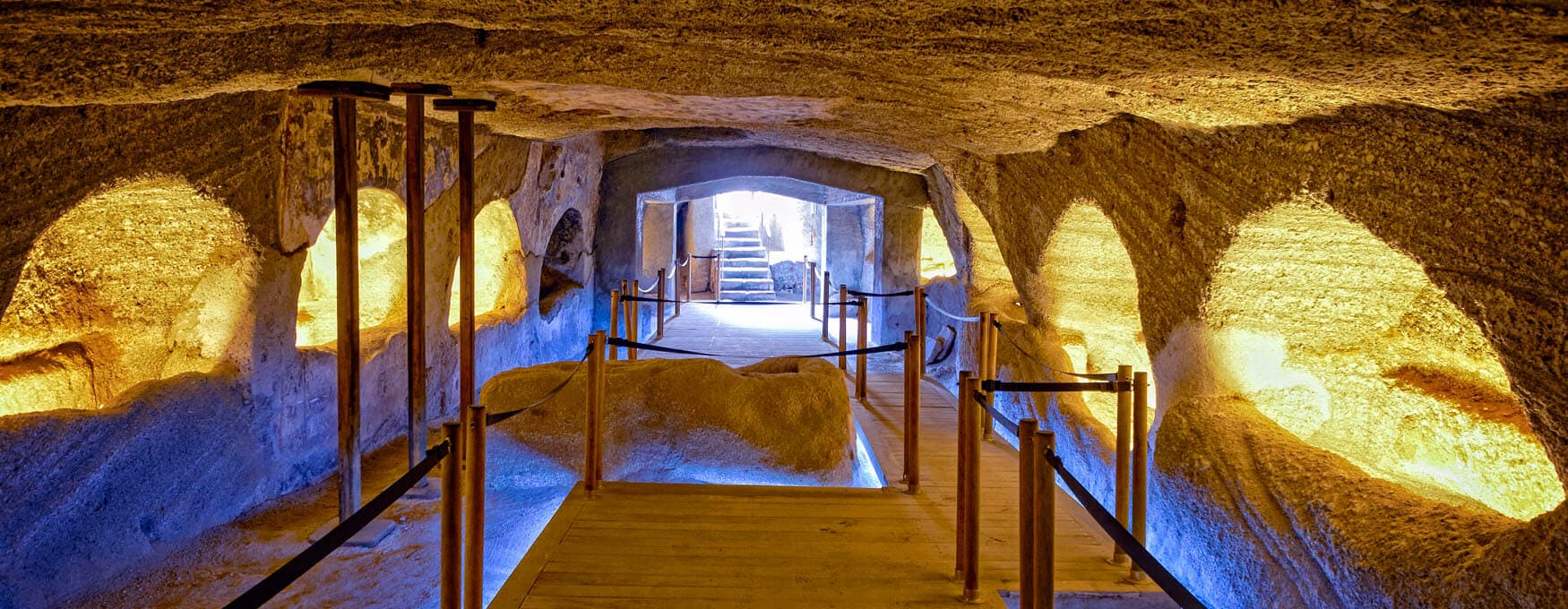
- Roman Cisterns: Imposing domed structures that supplied the public baths.
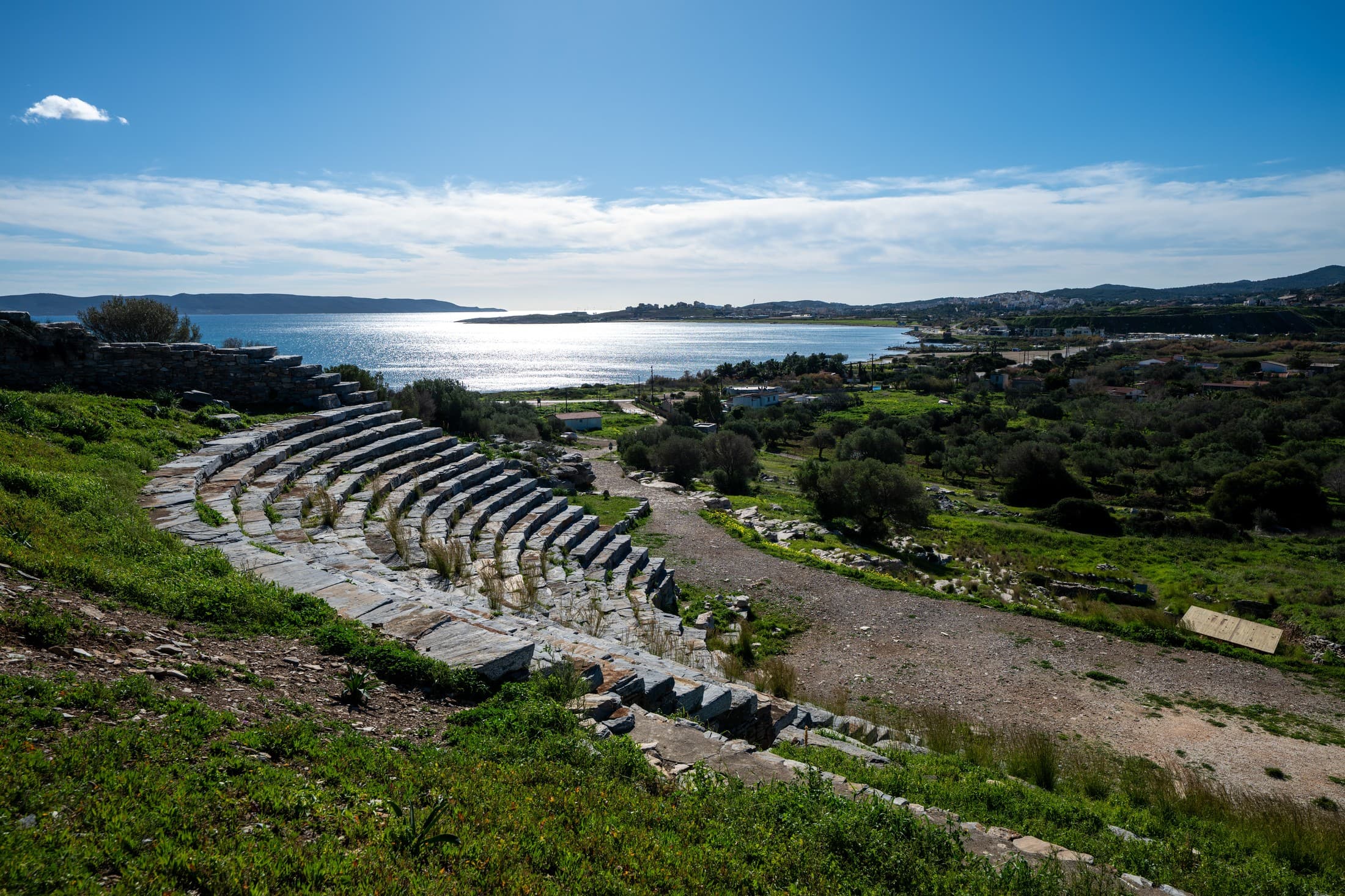
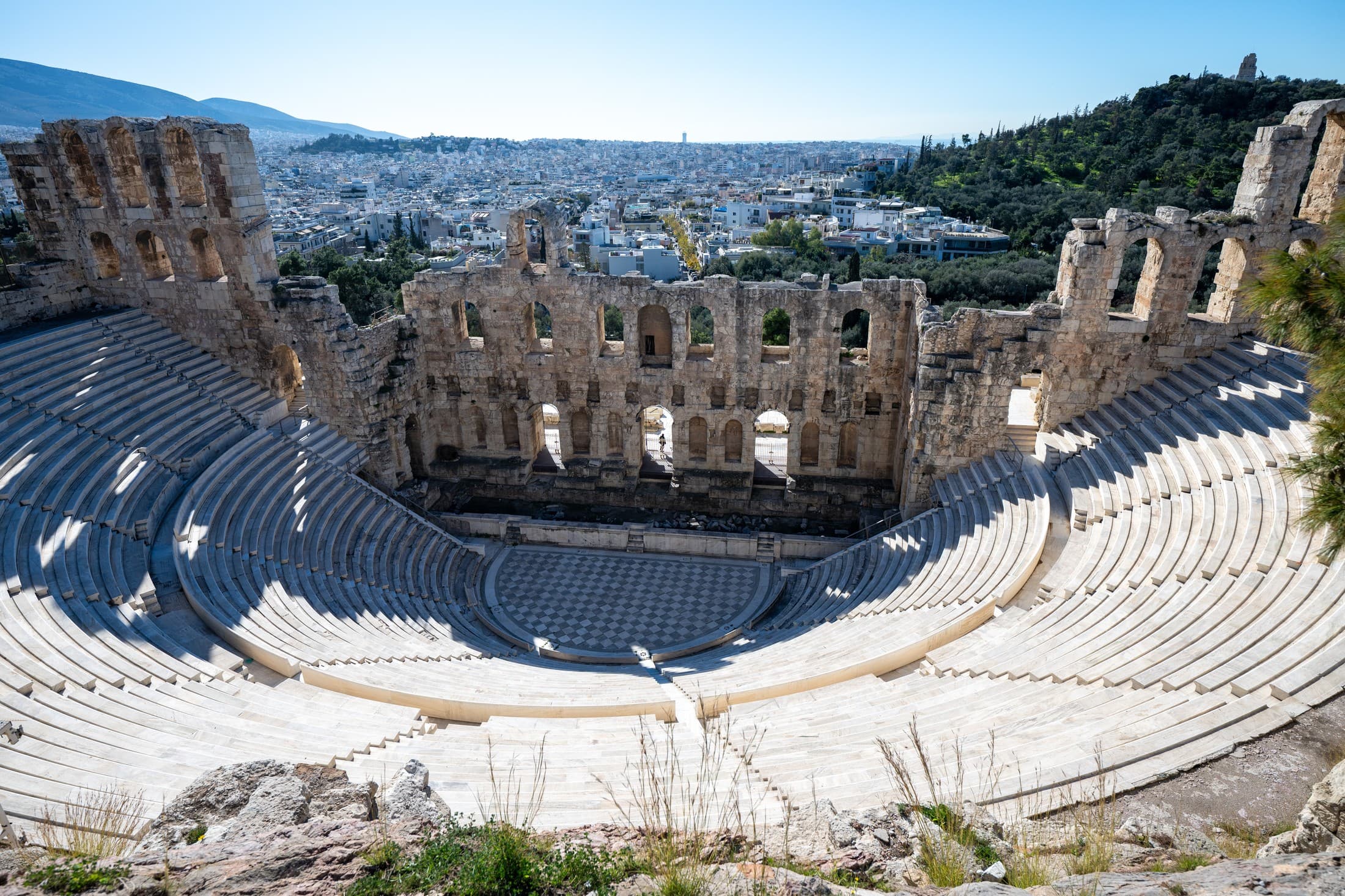
- Ancient Theatre: Constructed from tufa, with a unique view of the Lefka Ori (White Mountains).
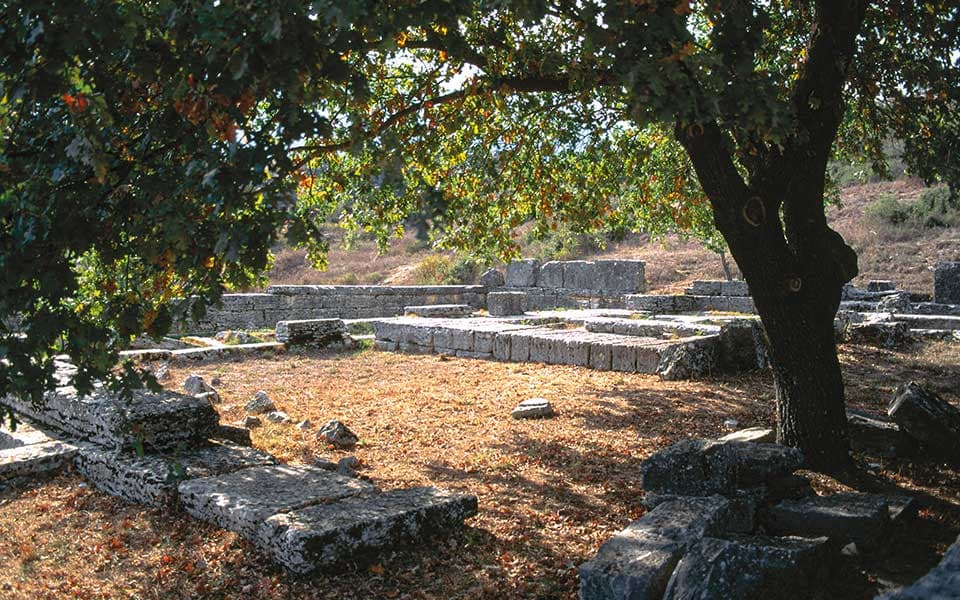
- Residential and Sacred Monuments: A Roman villa with a colonnaded courtyard, a three-aisled bouleuterion (assembly house), and a two-room sanctuary dating back to the 5th century BC.
- Necropolis: An expansive burial ground situated outside the city walls, with tombs from various historical periods.
The site is also home to the Monastery of Agios Ioannis Theologos (Saint John the Theologian), constructed with materials from the ancient city, while two fortresses from the Ottoman era also stand in the area: Palekastro (Koules) and the Itzedin fortress.
The numerous finds – vases, sculptures, and coins – are displayed at the Archaeological Museum of Hania. A visit to Aptera is a truly captivating experience that combines archaeological insight with the unparalleled natural beauty of the Cretan landscape.