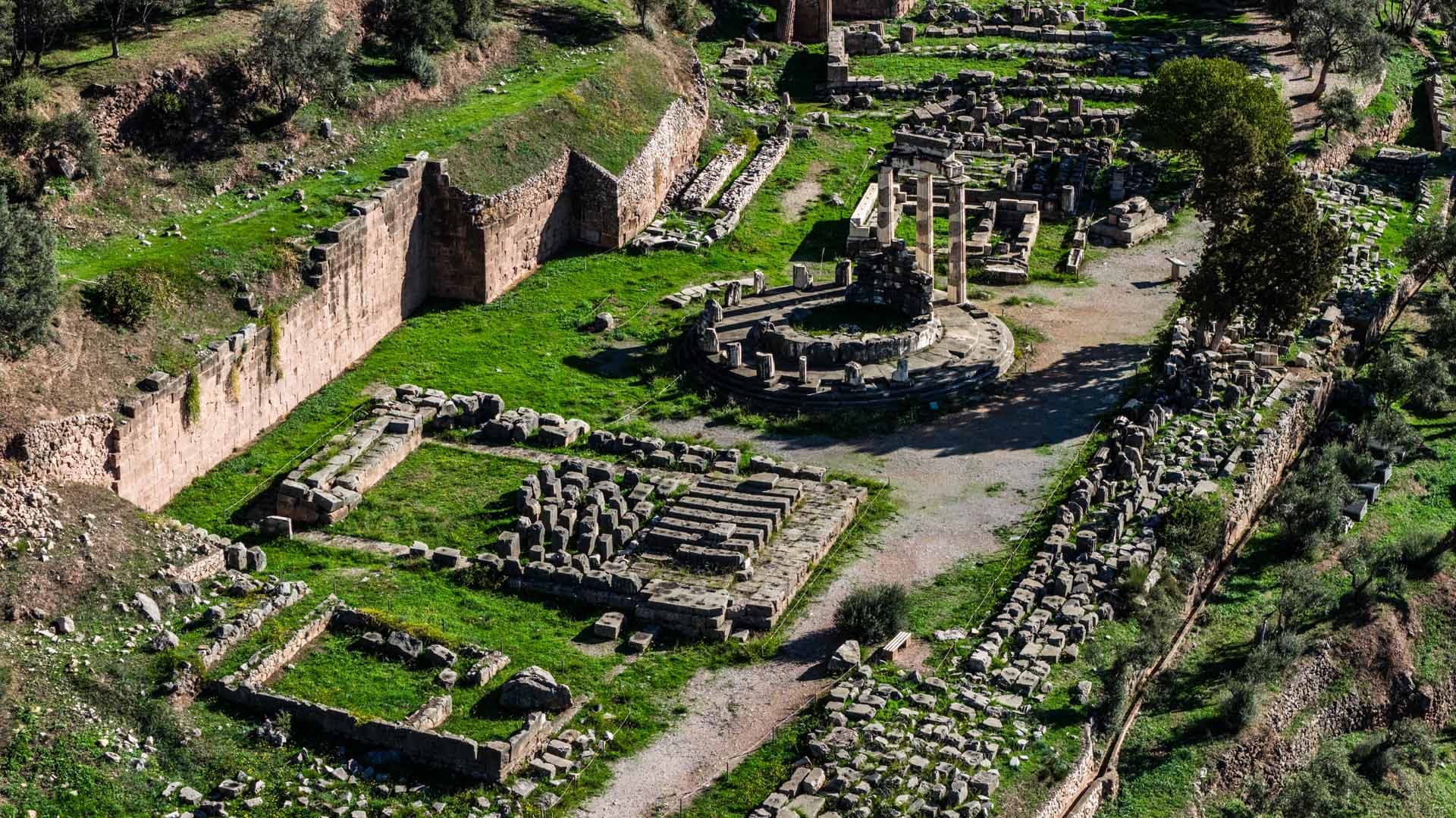
Twenty “Precious Gems”
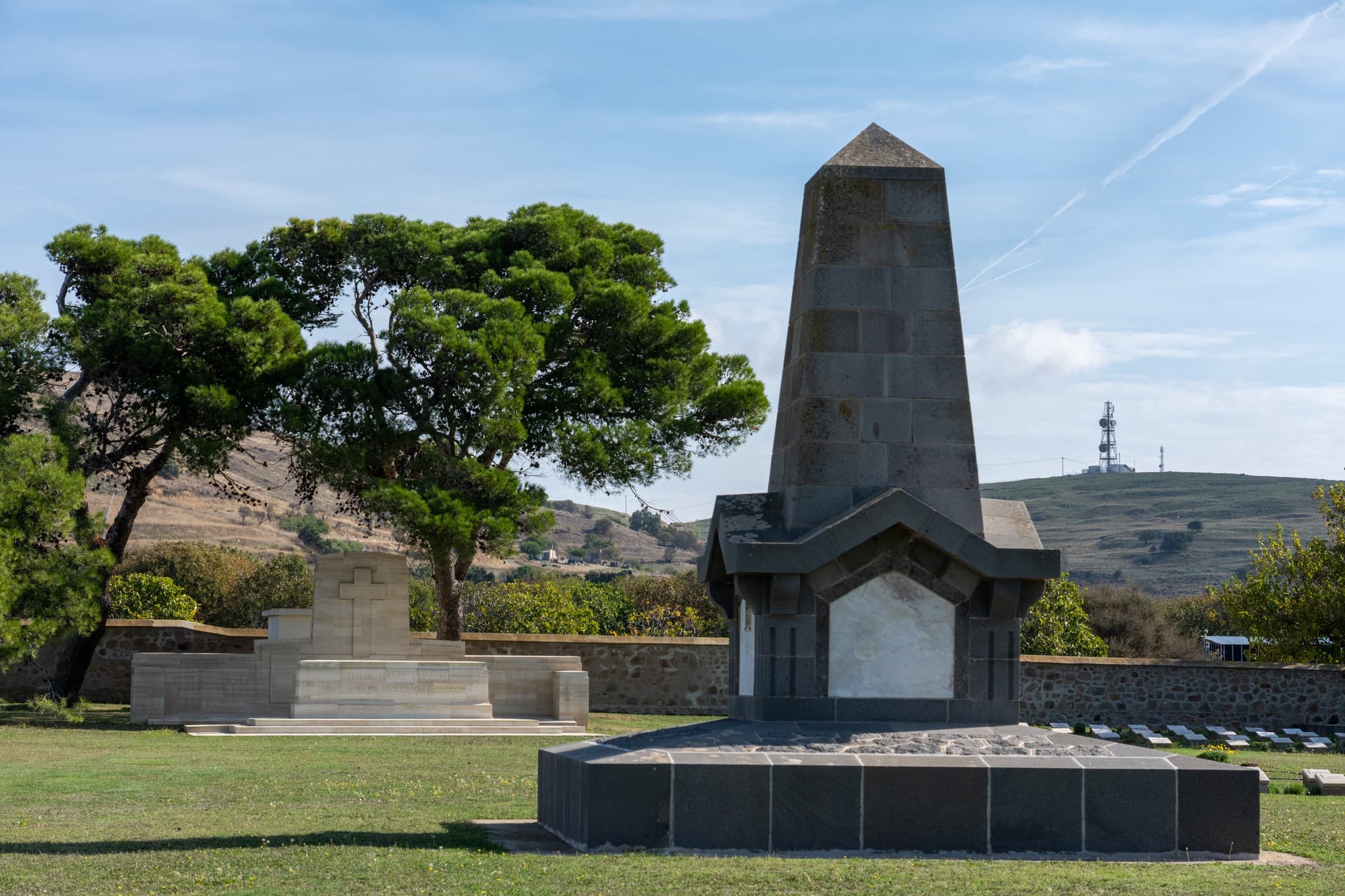
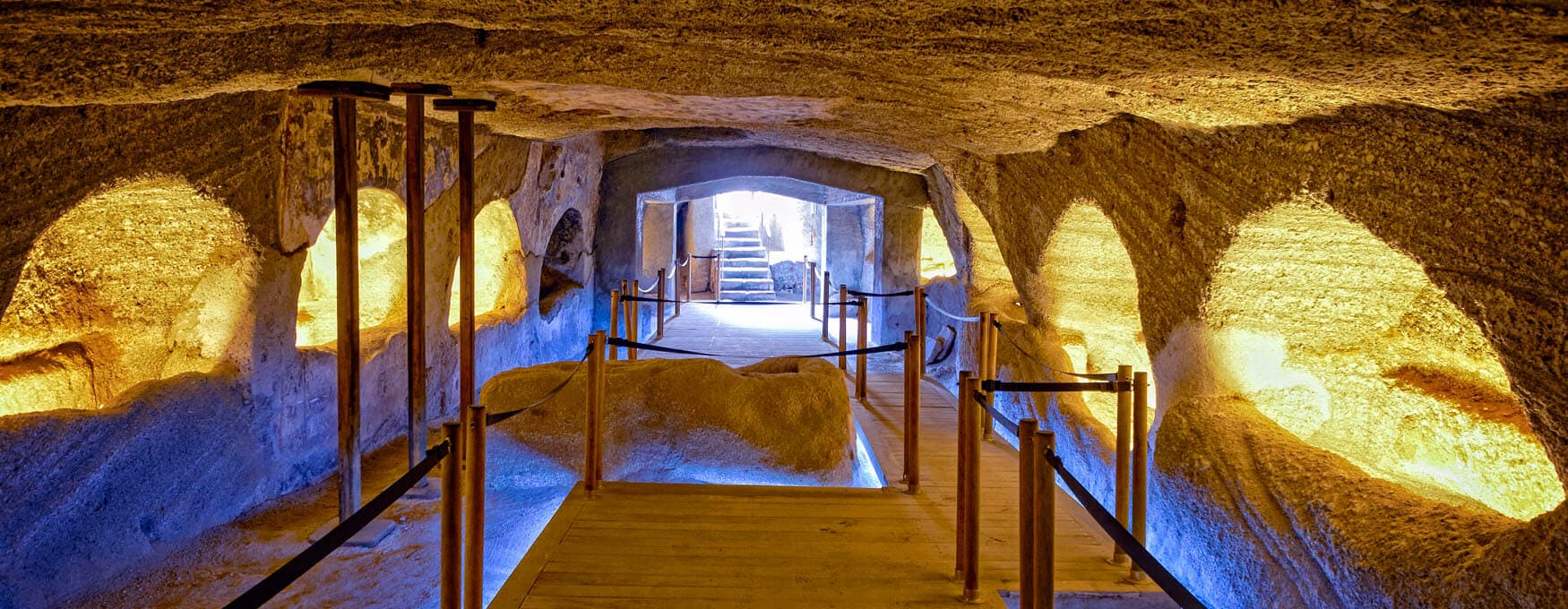
Greece, thanks to its geographical position, has long been a crossroads of civilisations, which have left their mark everywhere—in the architecture of monuments and settlements, in small-scale craftsmanship, in everyday life, in dietary habits, and in all forms of folk art across the country’s regions. Travellers can come into contact with this rich and vibrant mosaic through visits to heritage sites and journeys into Greece’s historical, cultural, artistic and folk tradition.
According to UNESCO’s official website:
“Properties inscribed on the World Heritage List are selected and approved on the basis of their value as the best examples of human creative genius. They bear testimony to a significant exchange of human values and provide a unique or at least exceptional testimony to a cultural tradition or to a civilisation which is living or has disappeared. They are directly associated with significant stages in human history and, for this reason, possess outstanding universal value and form part of the common heritage of humanity.”
Greece holds a privileged position on the UNESCO World Heritage List.
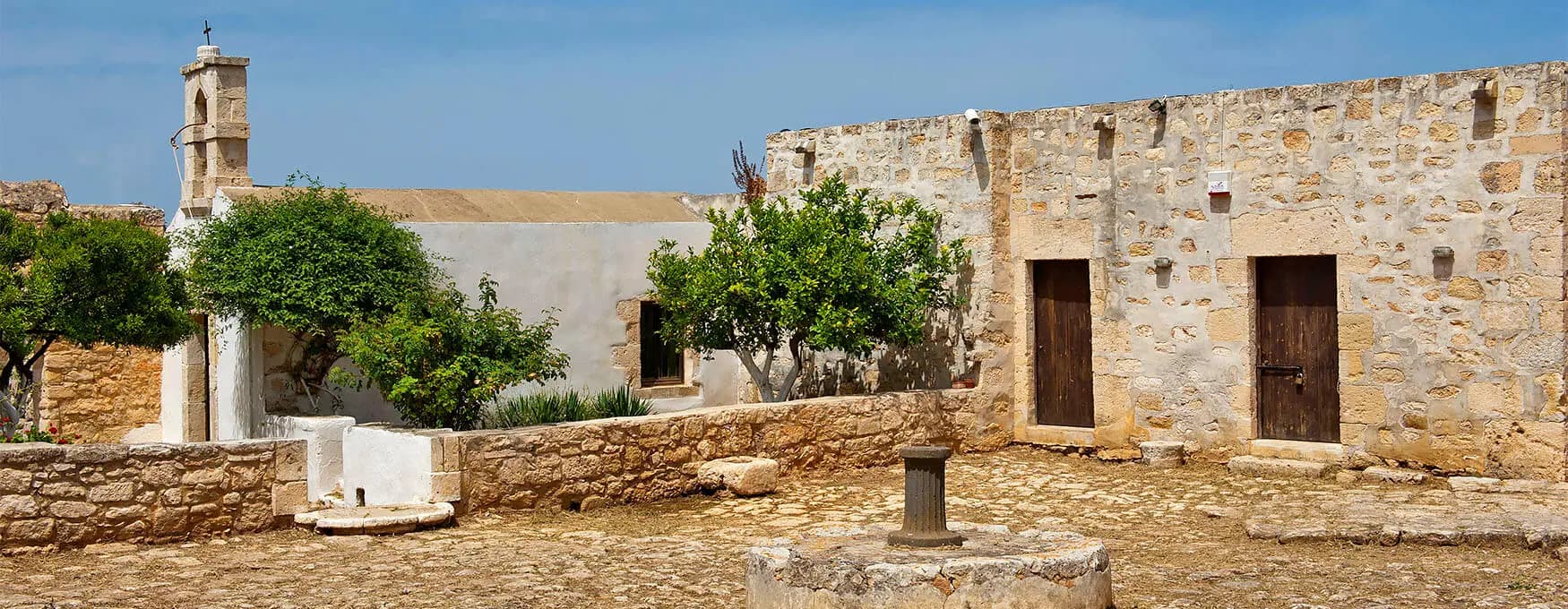
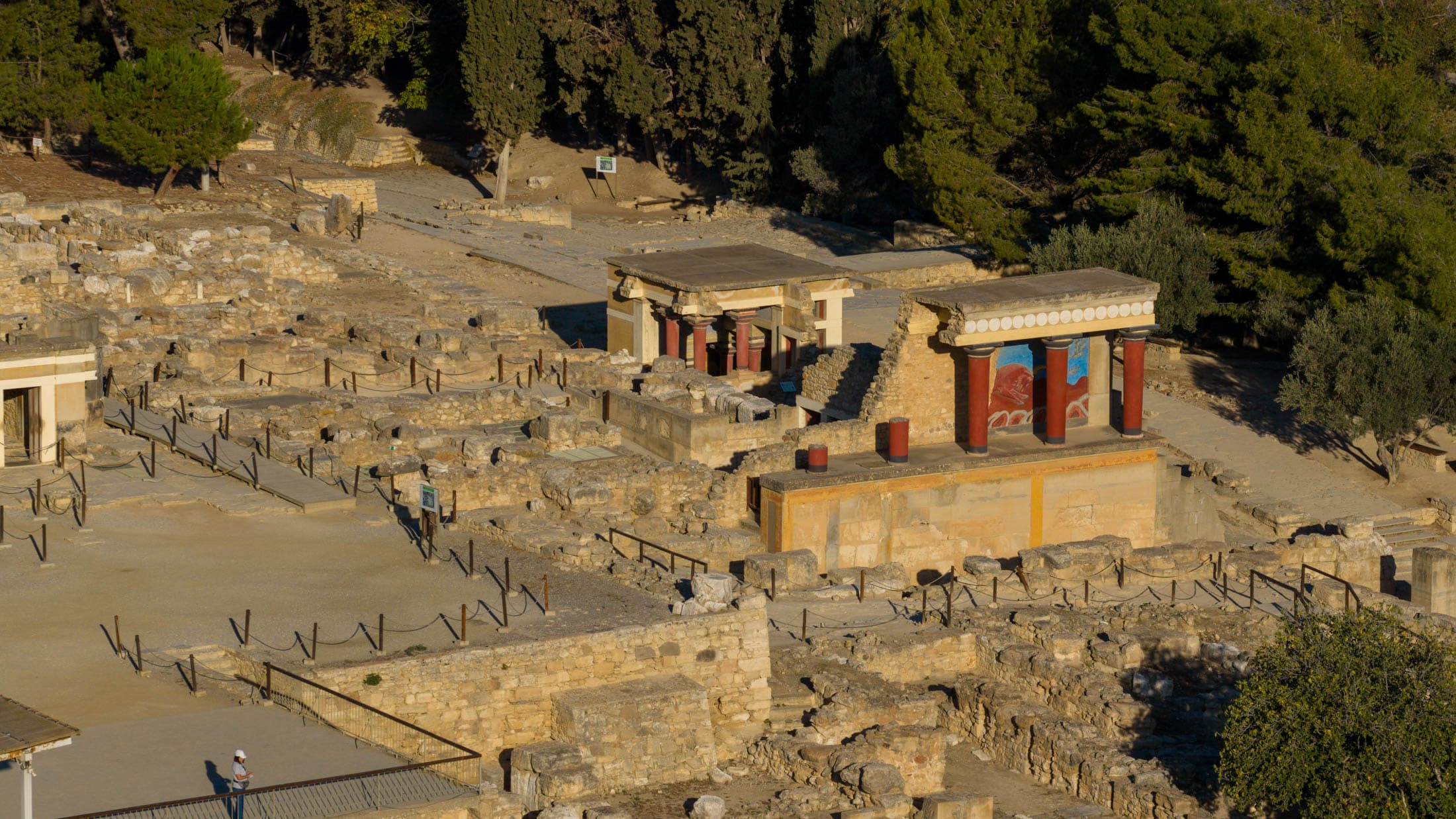
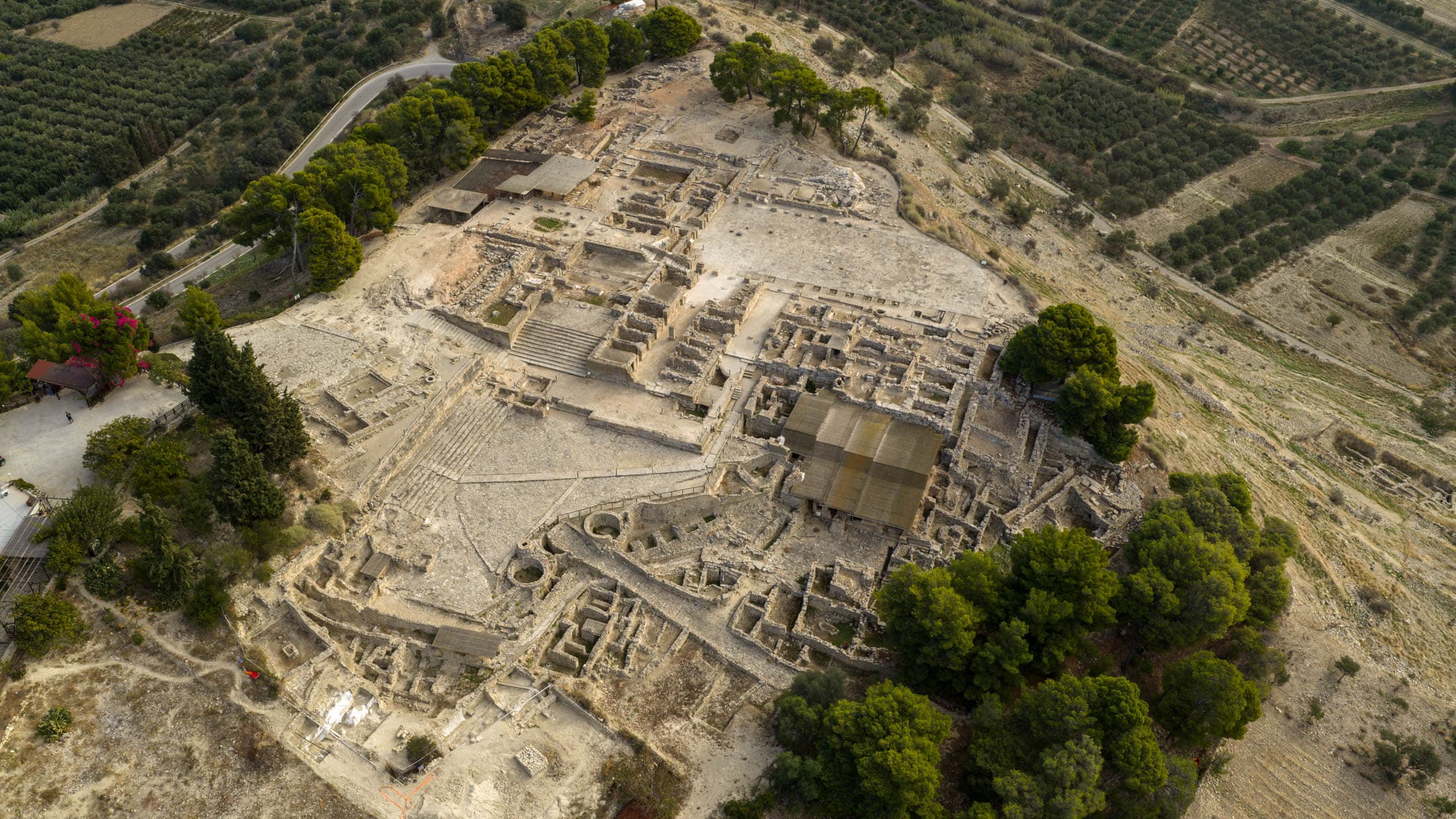
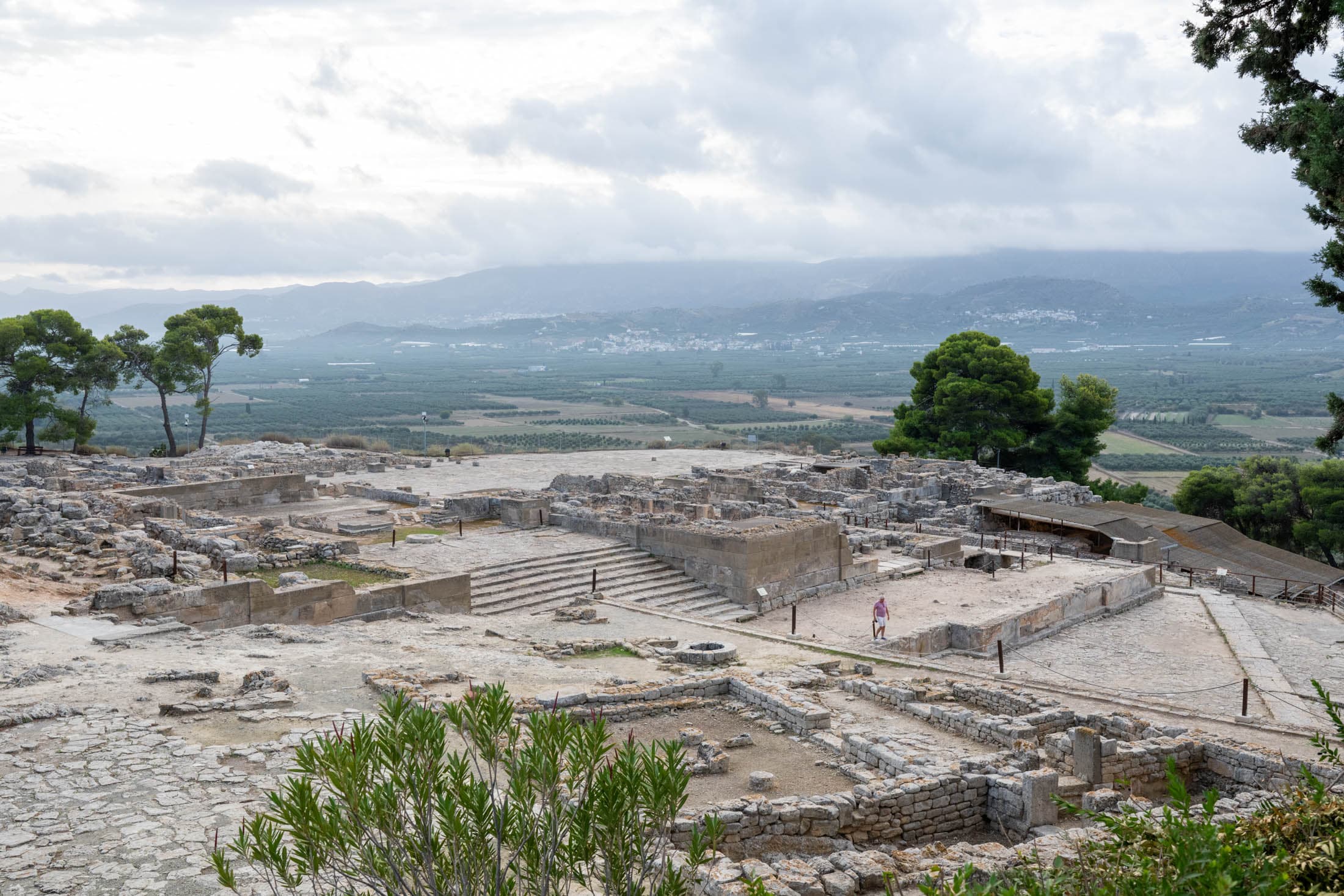
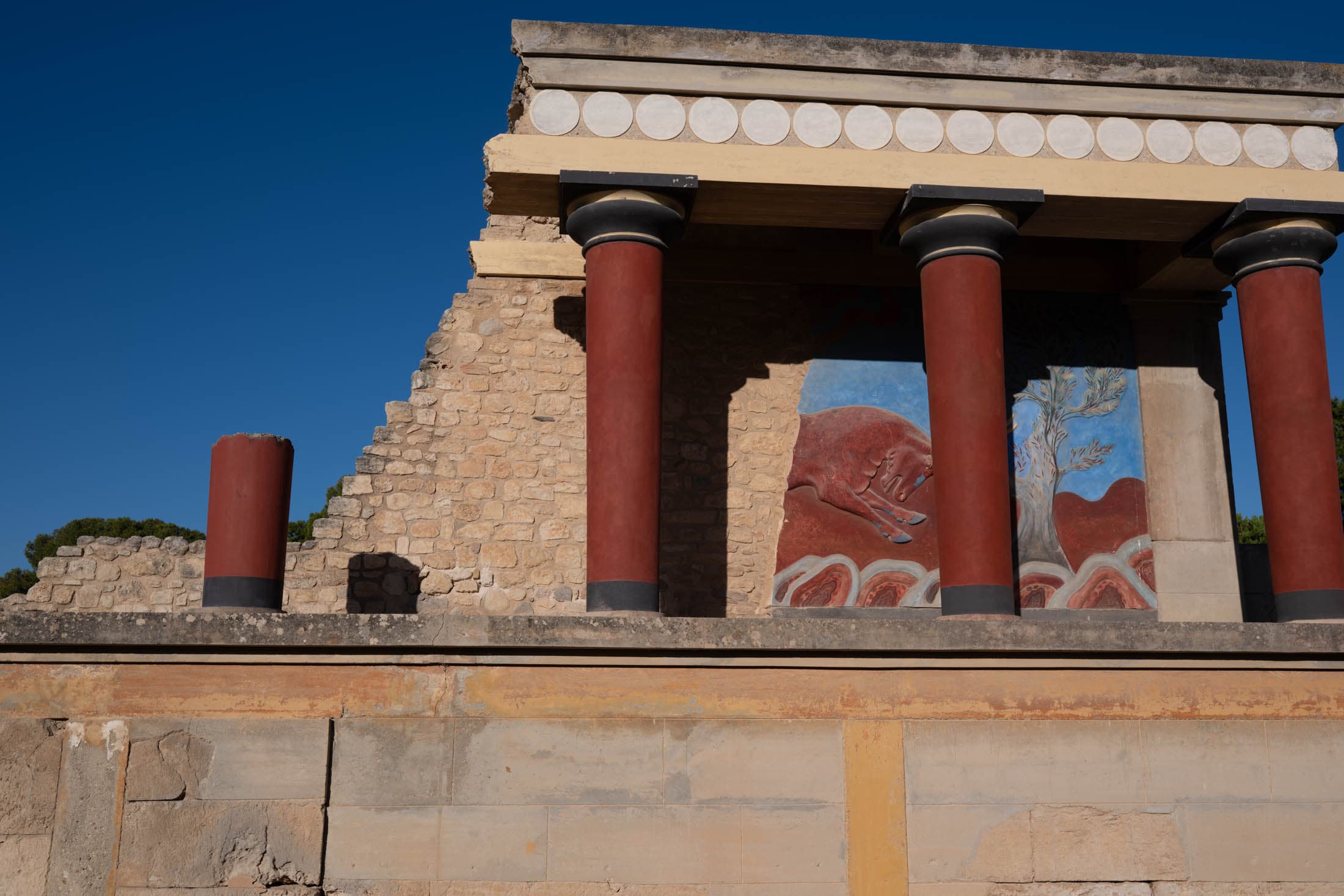
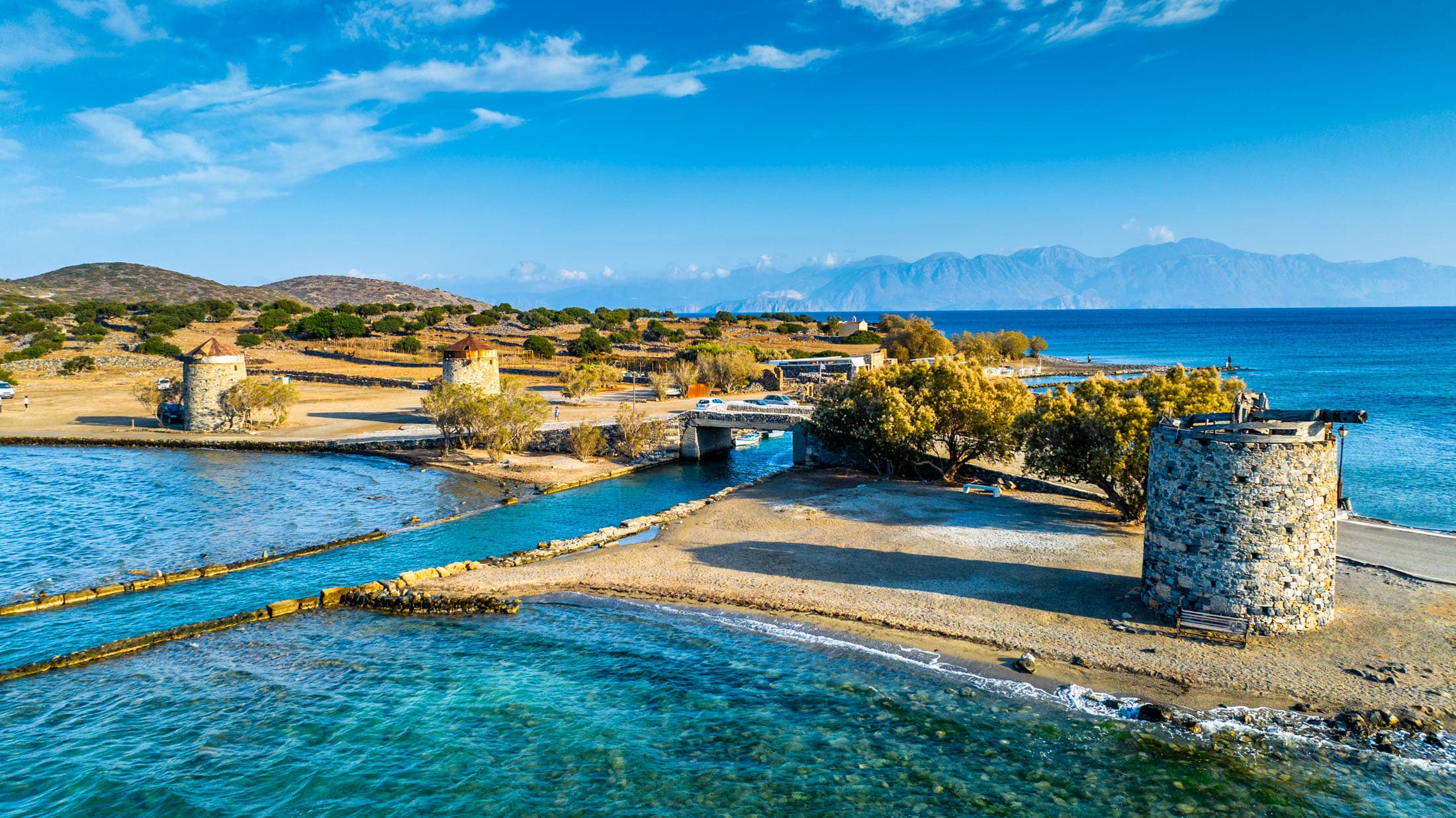
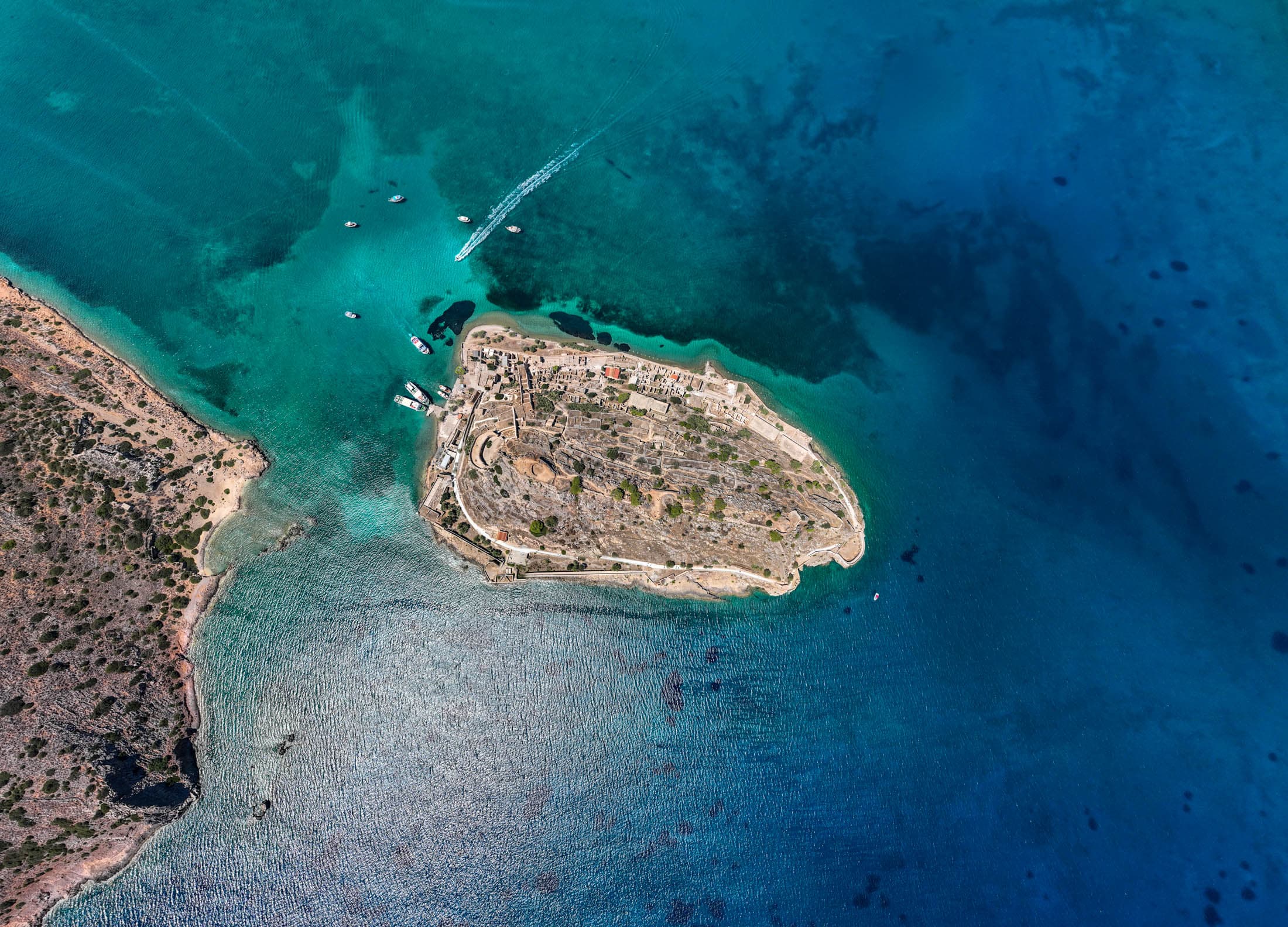
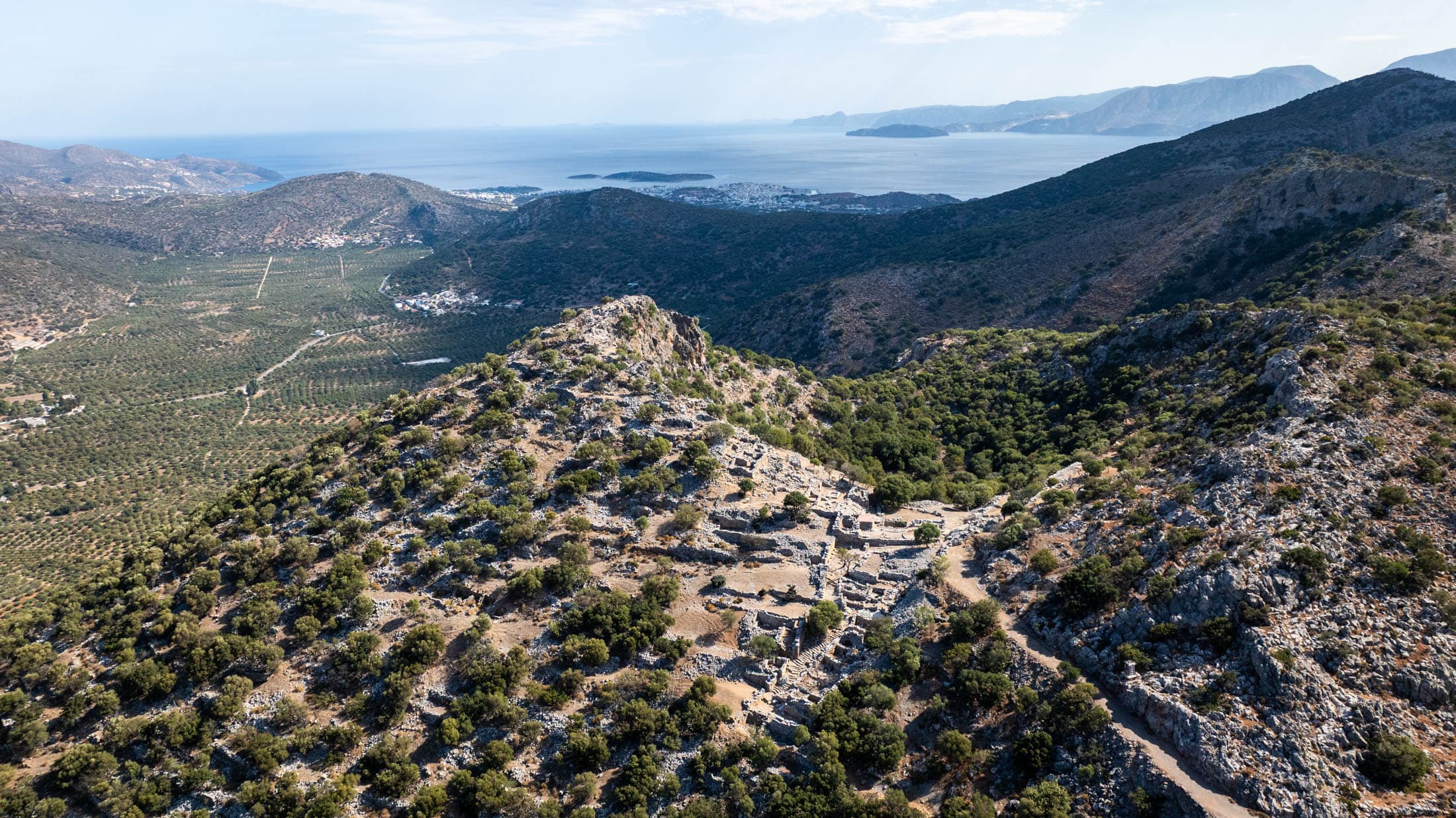
The first site in Greek territory to be inscribed was the Temple of Epicurean Apollo in 1986, while the Minoan Palace Centres represent the 20th Greek site to be added to the UNESCO list.
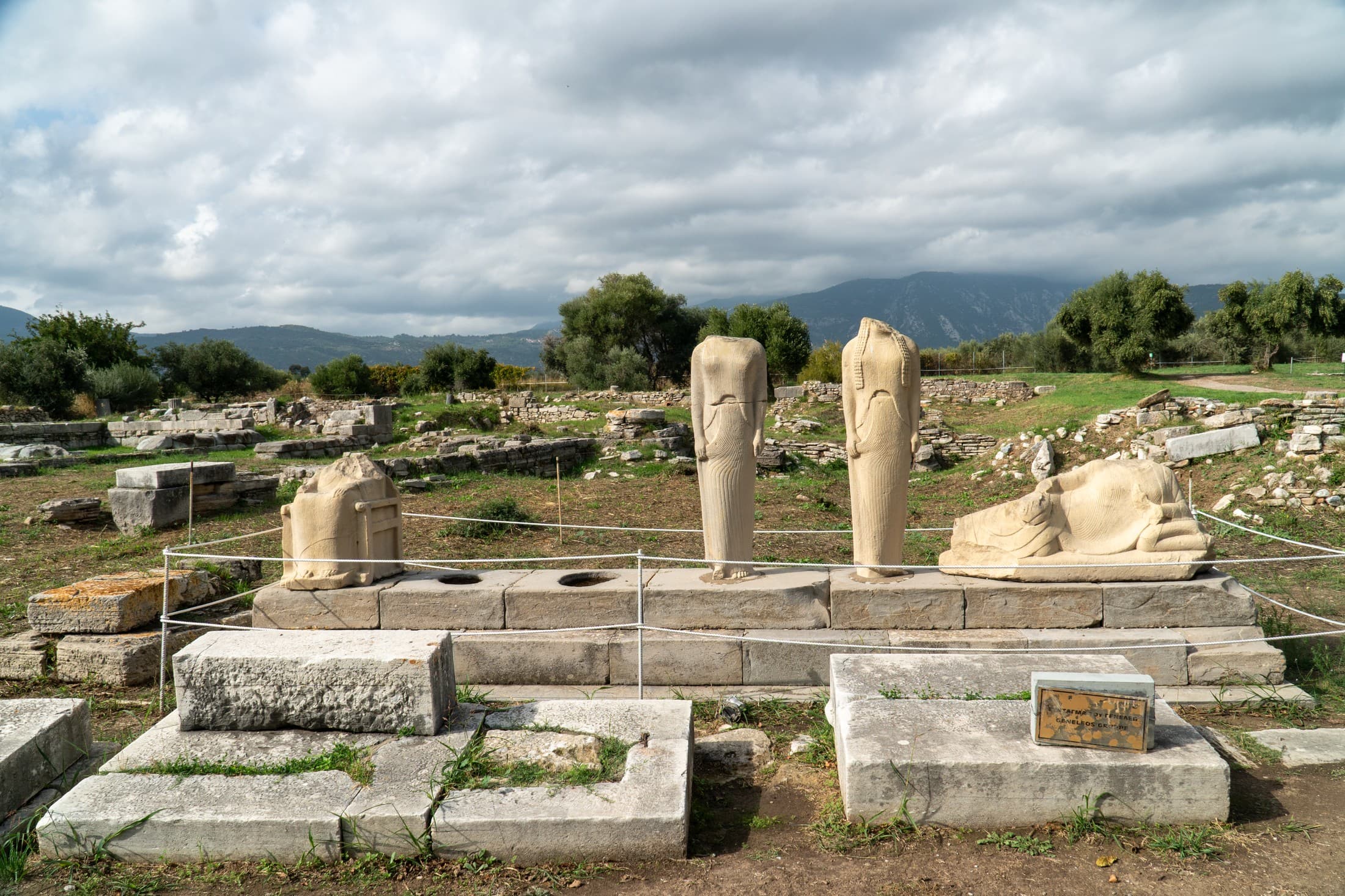
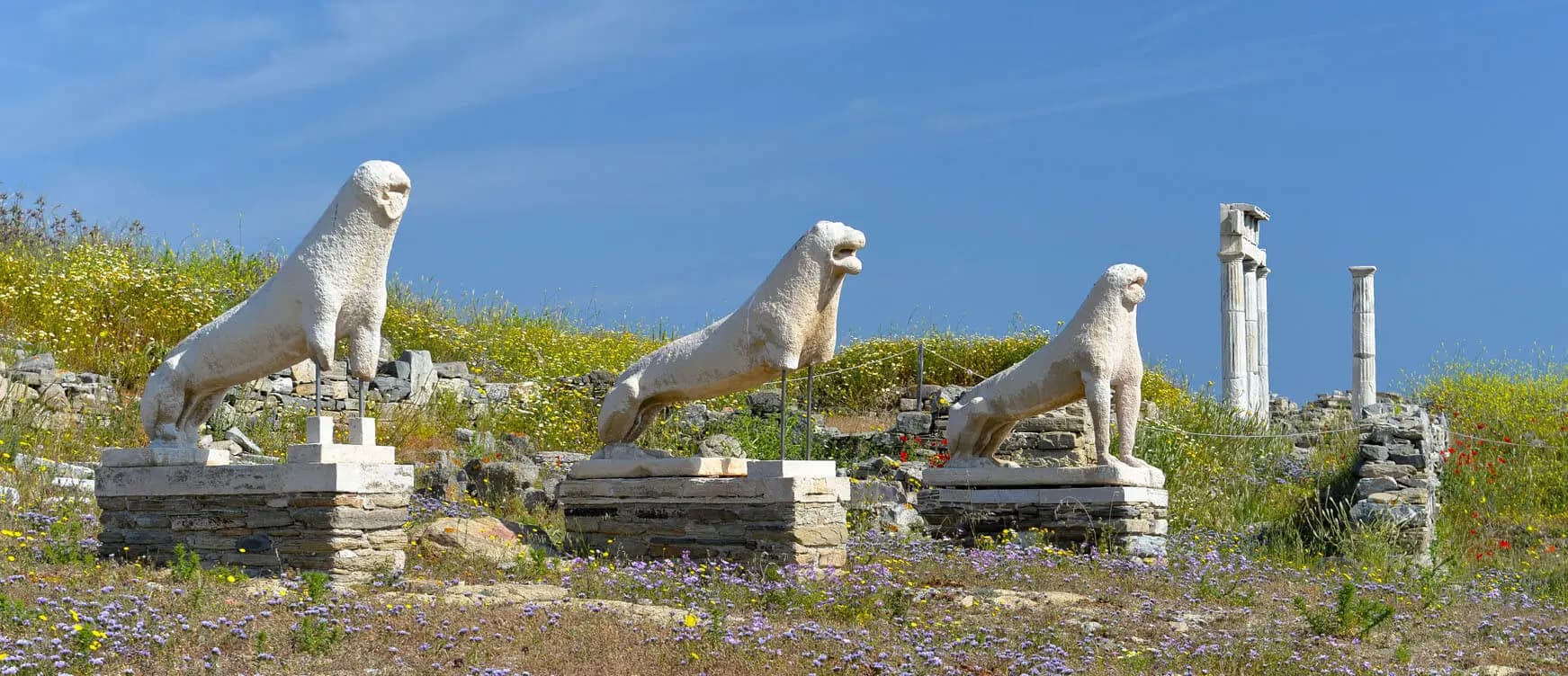
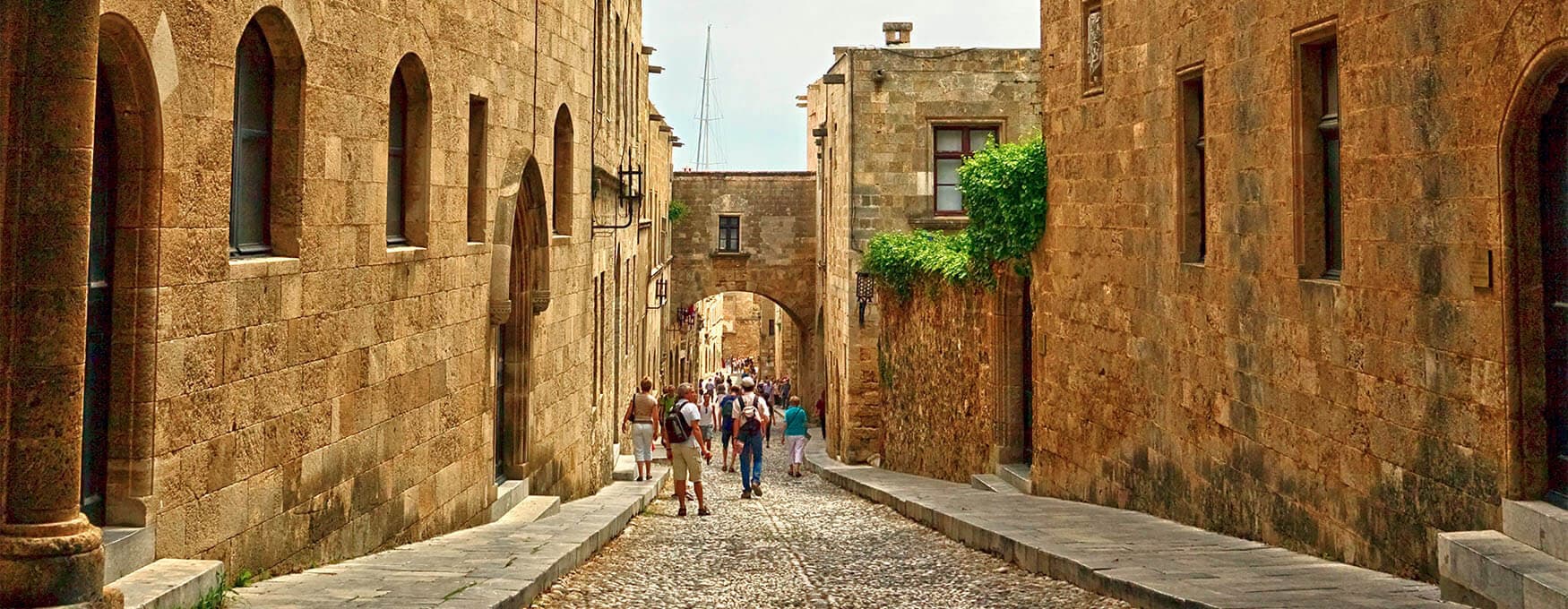
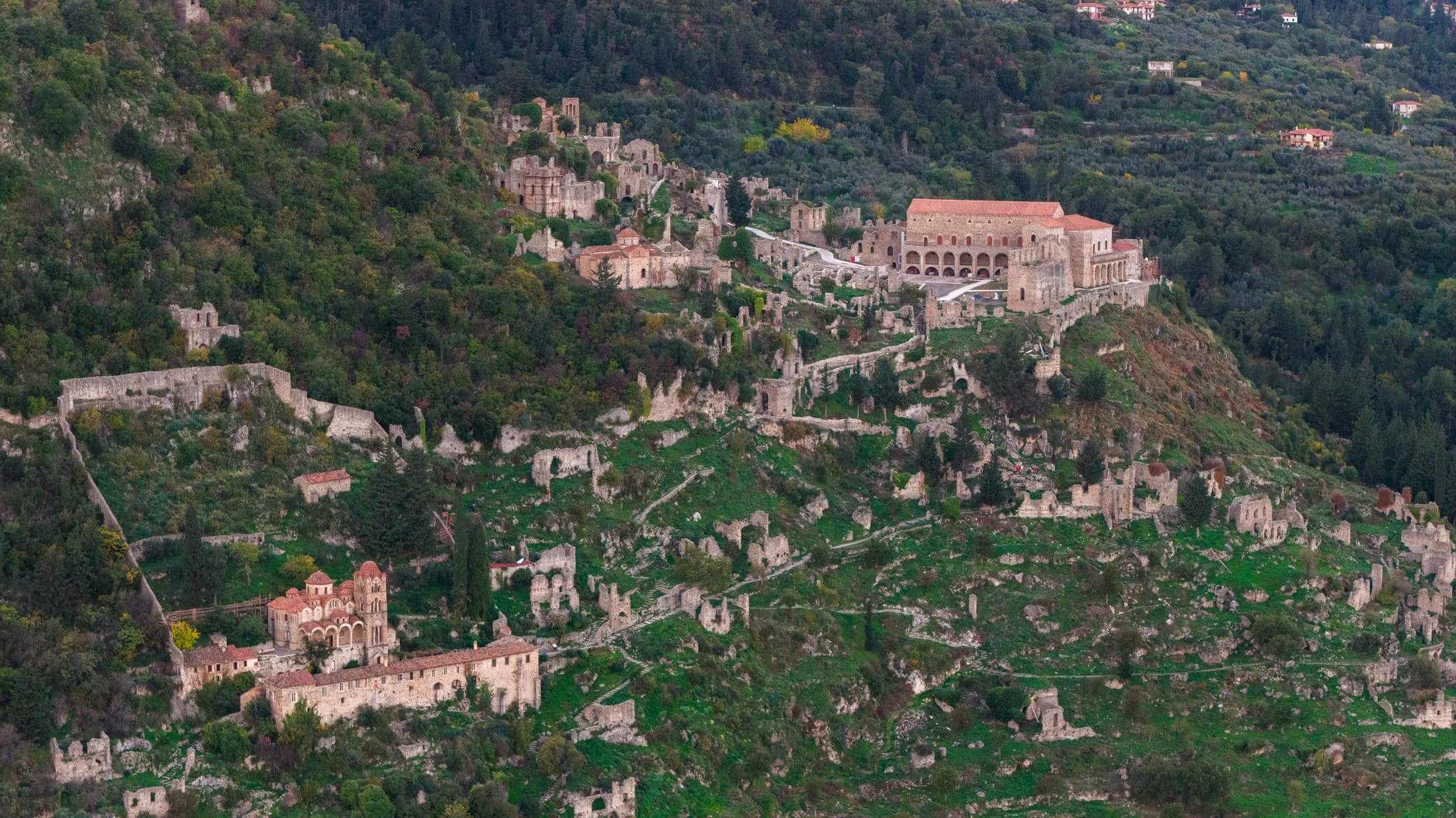
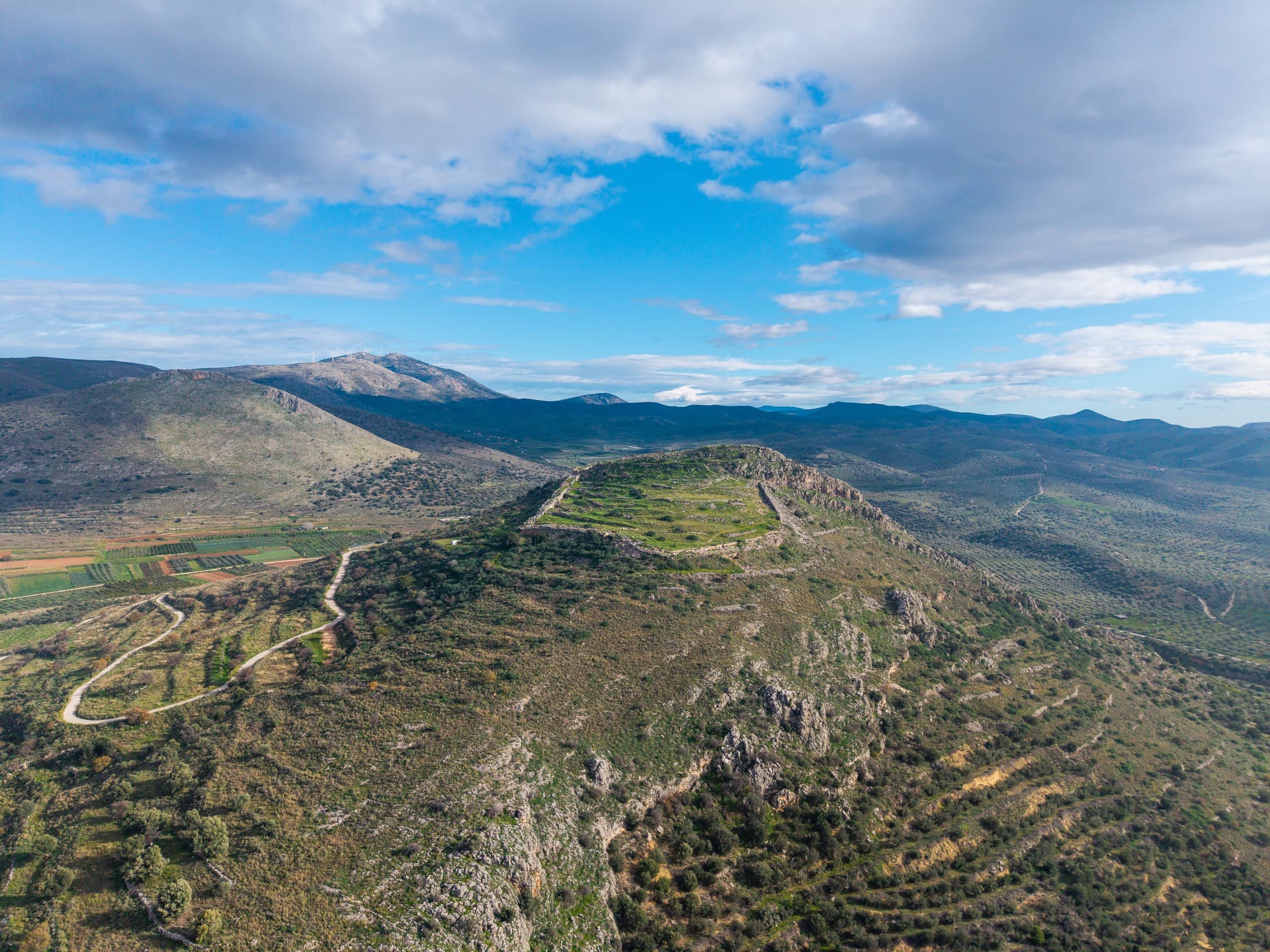
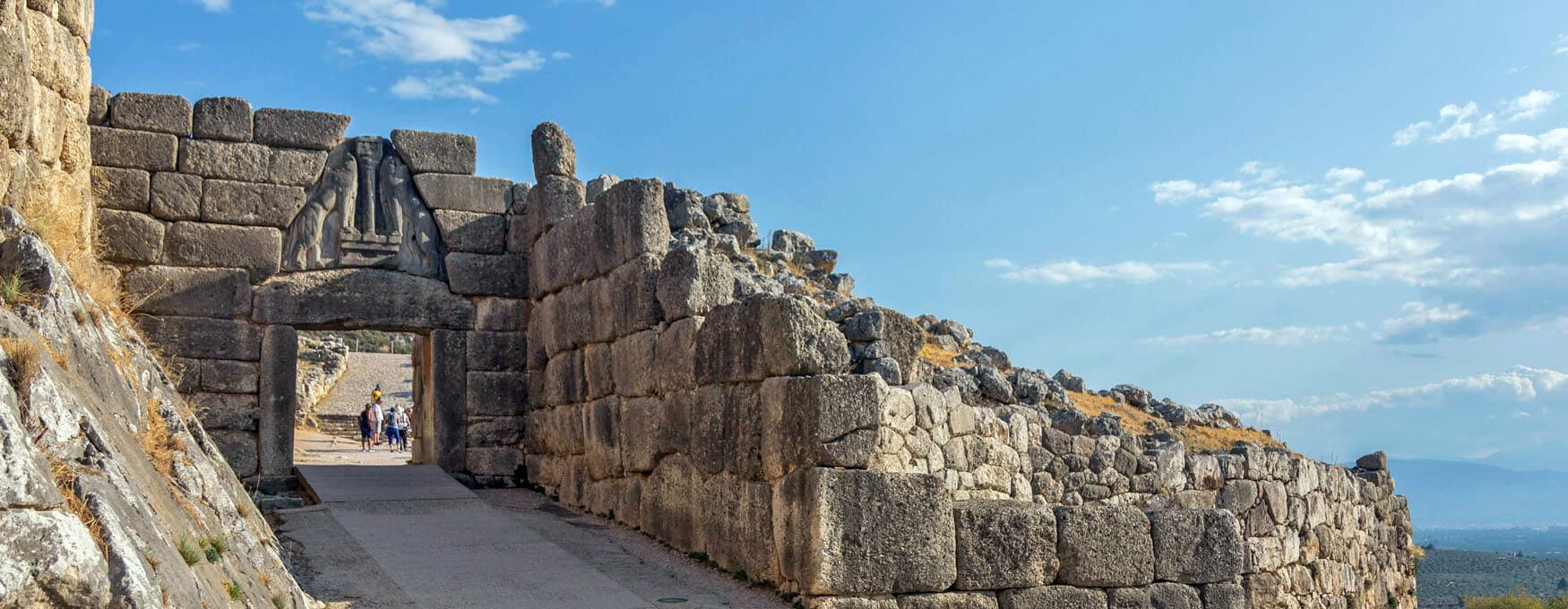
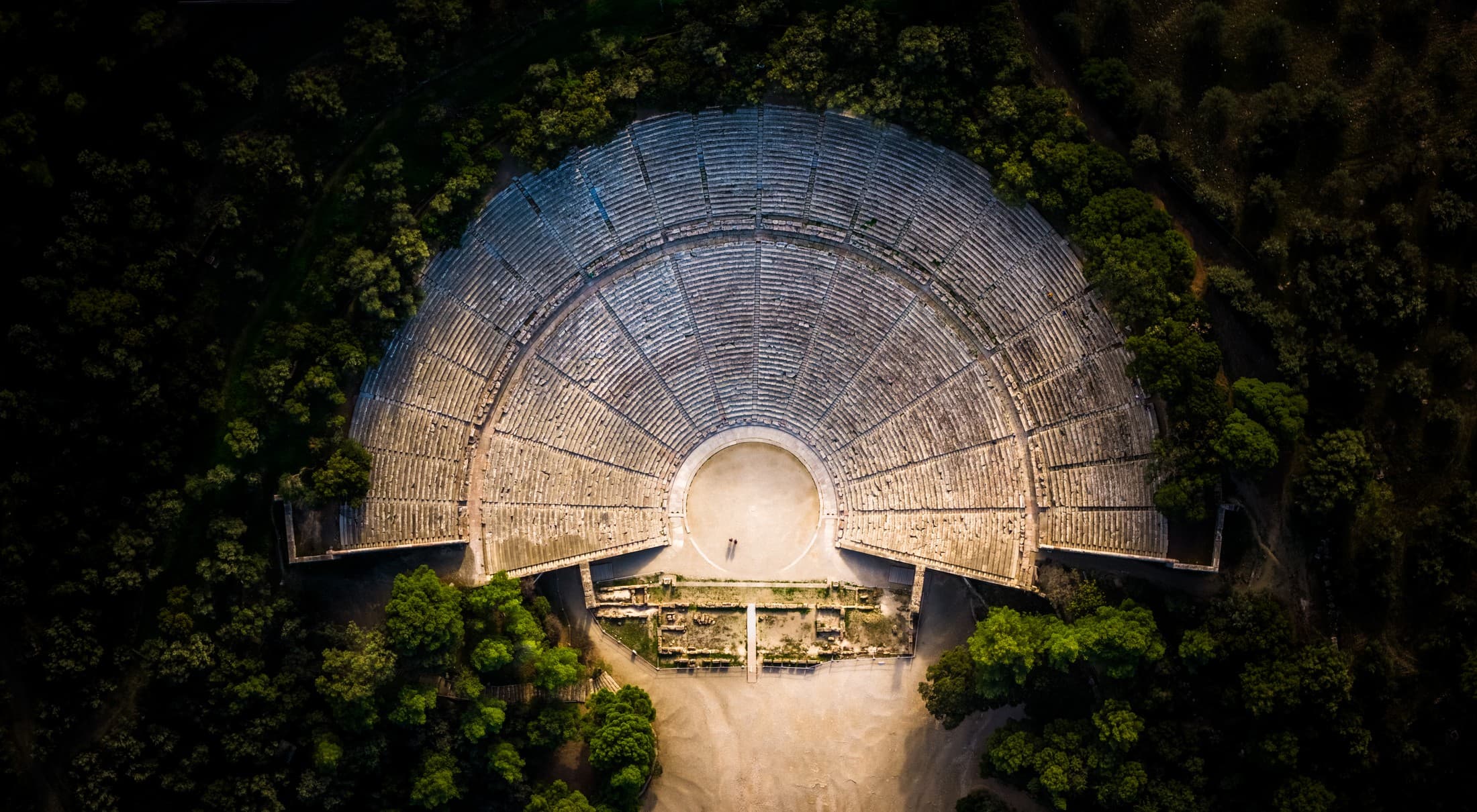
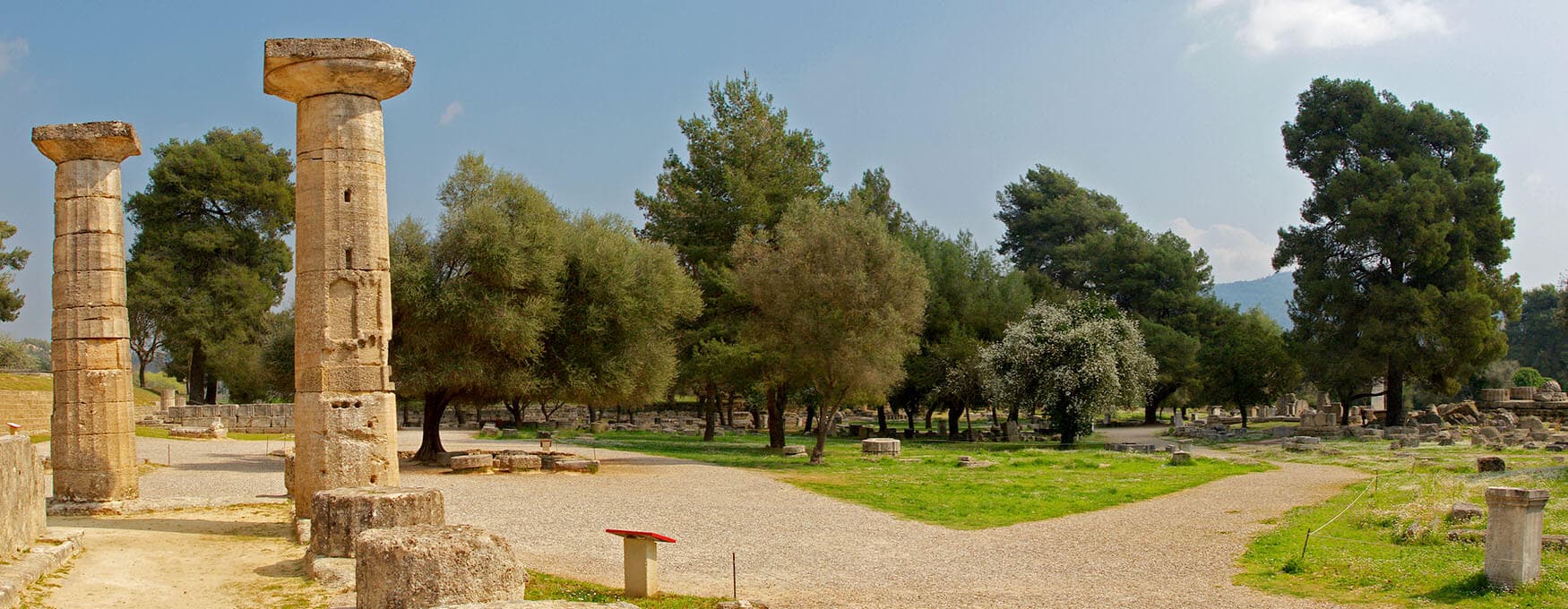
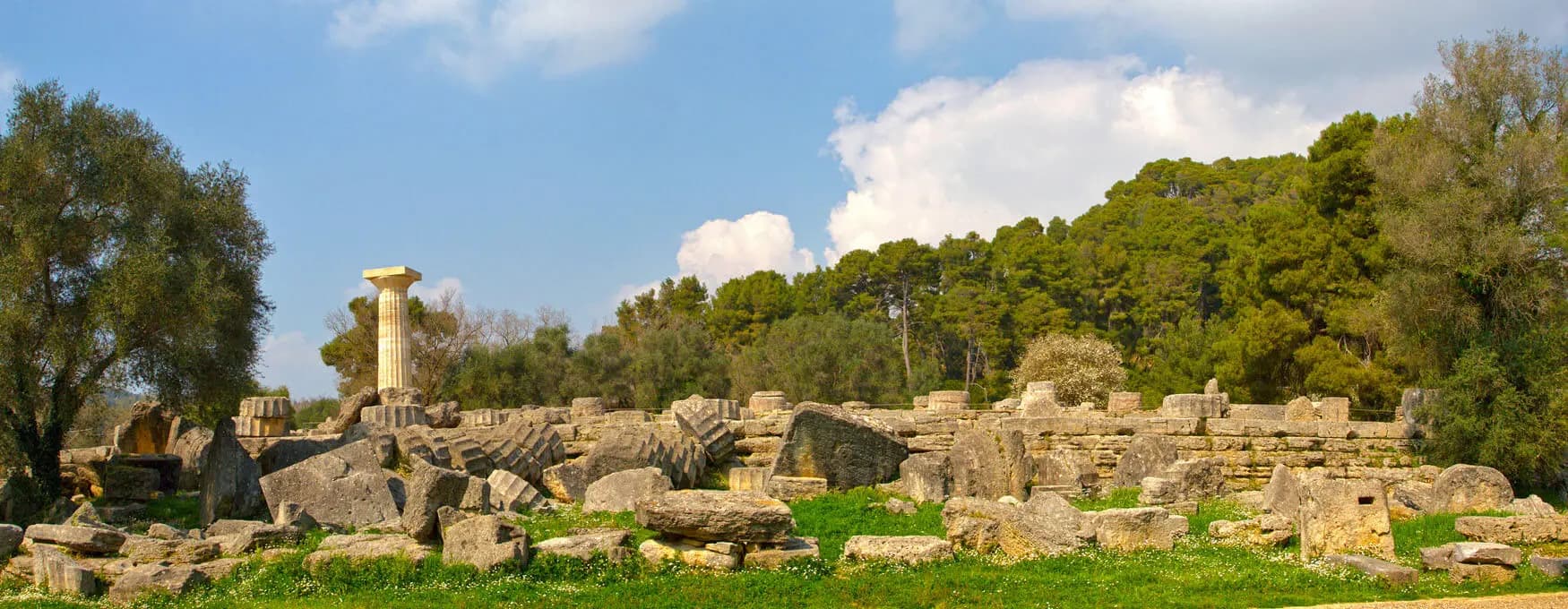
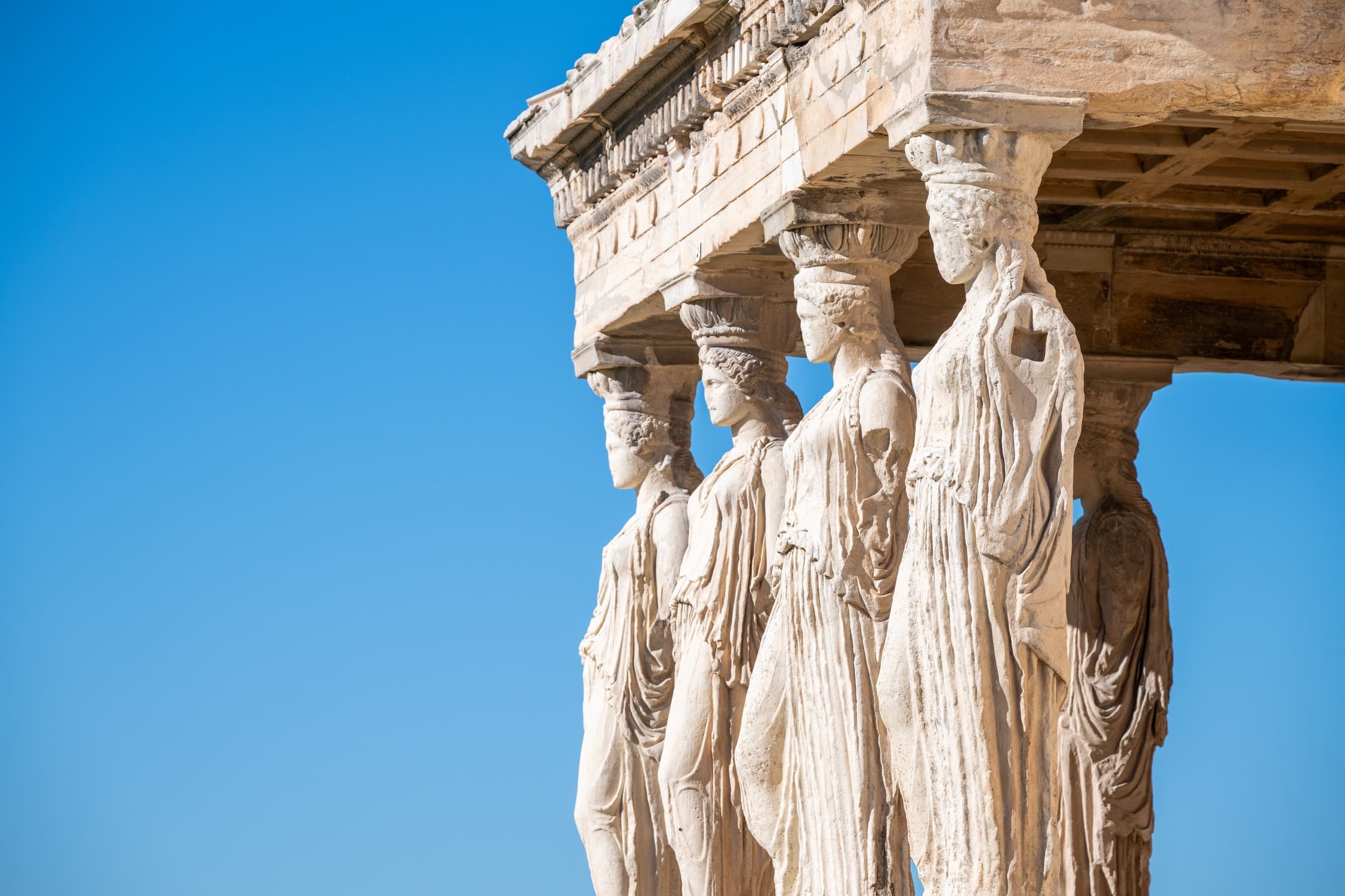
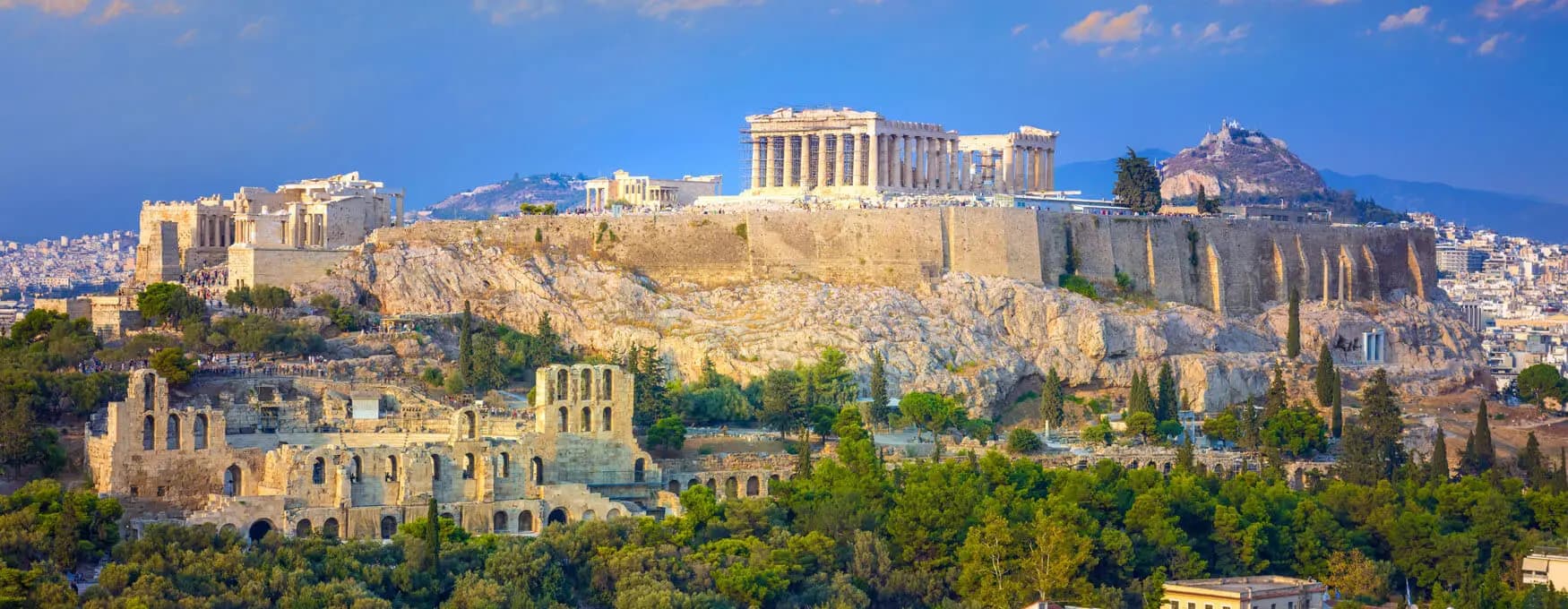
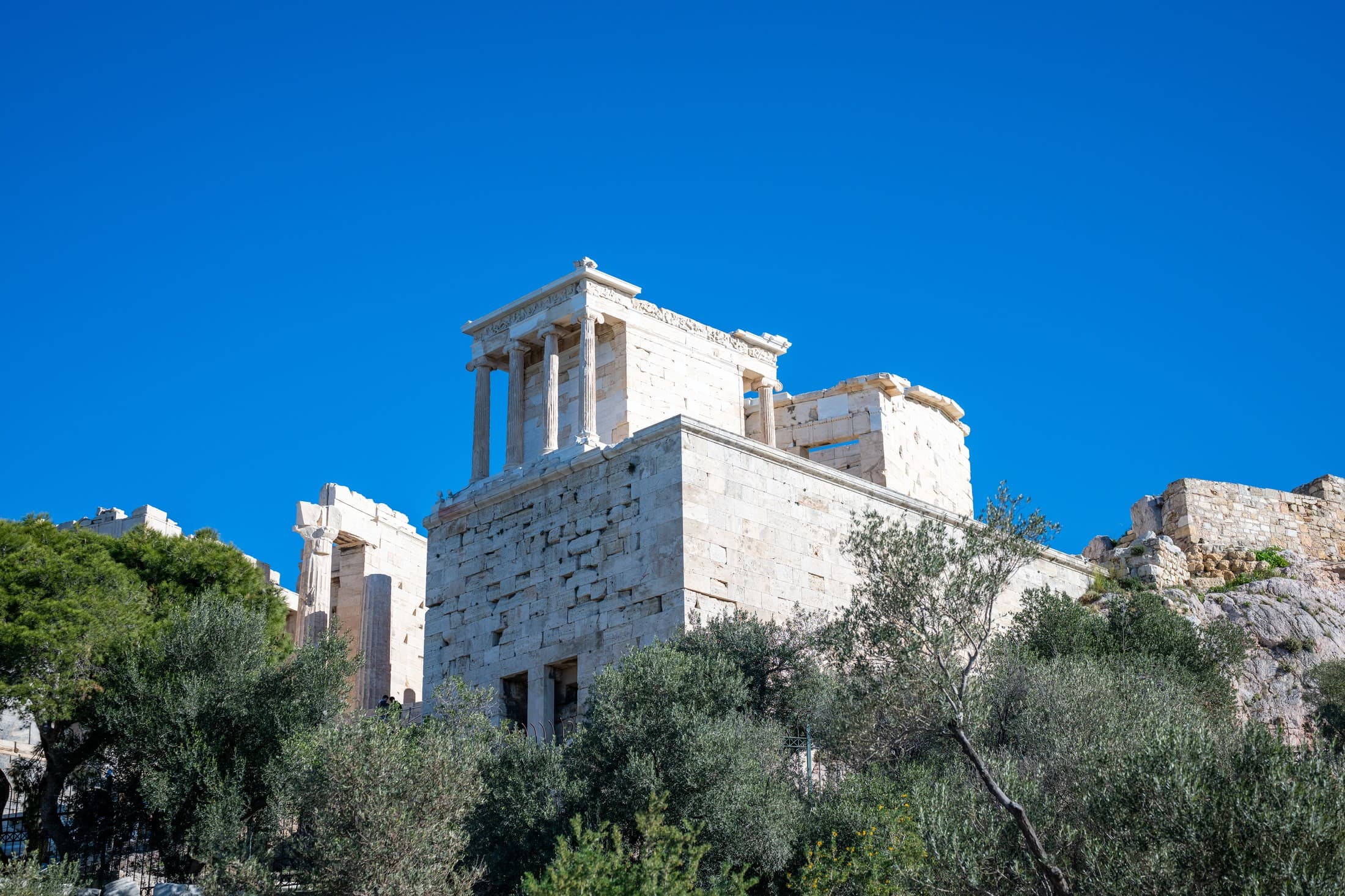
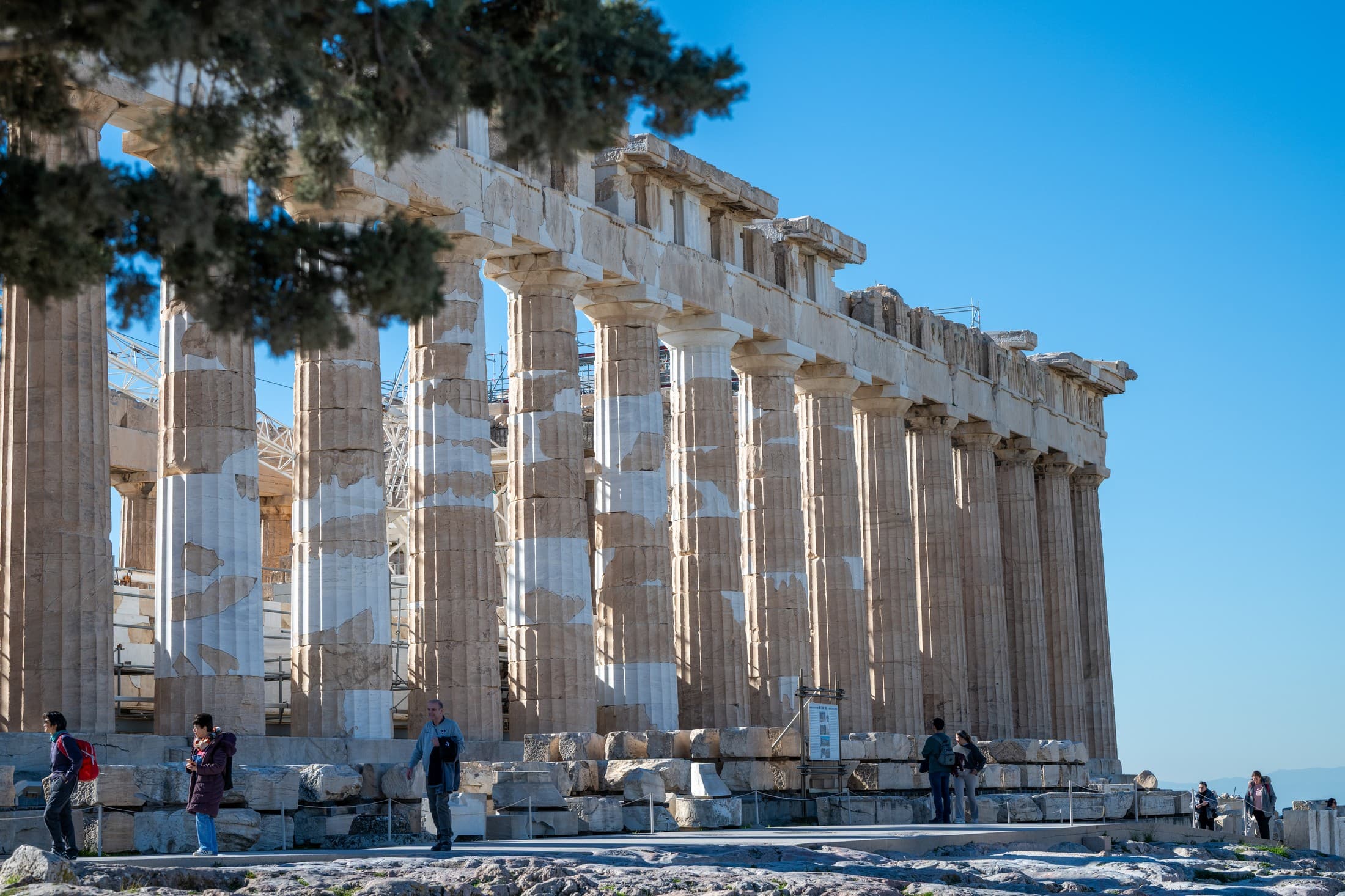
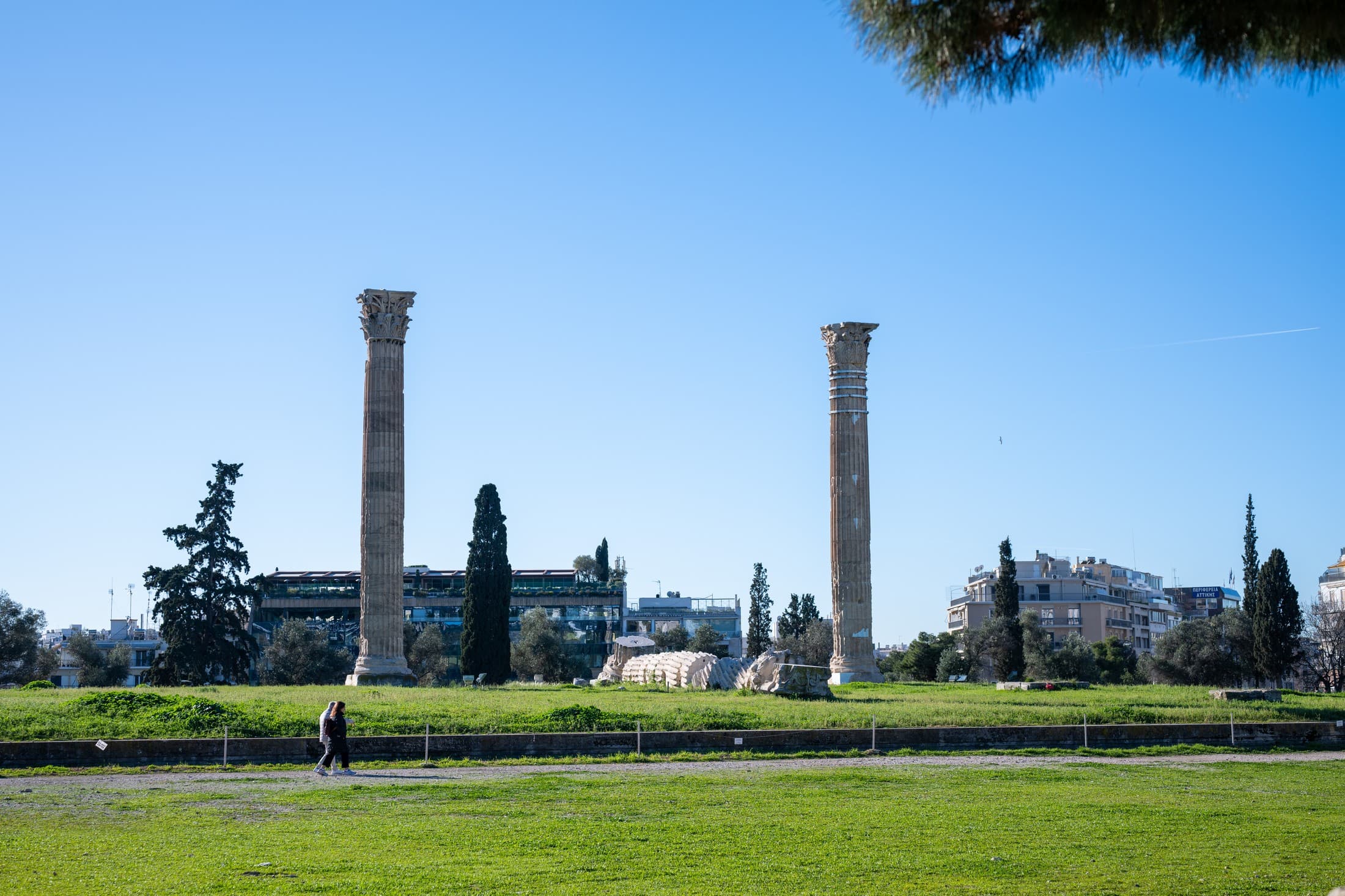
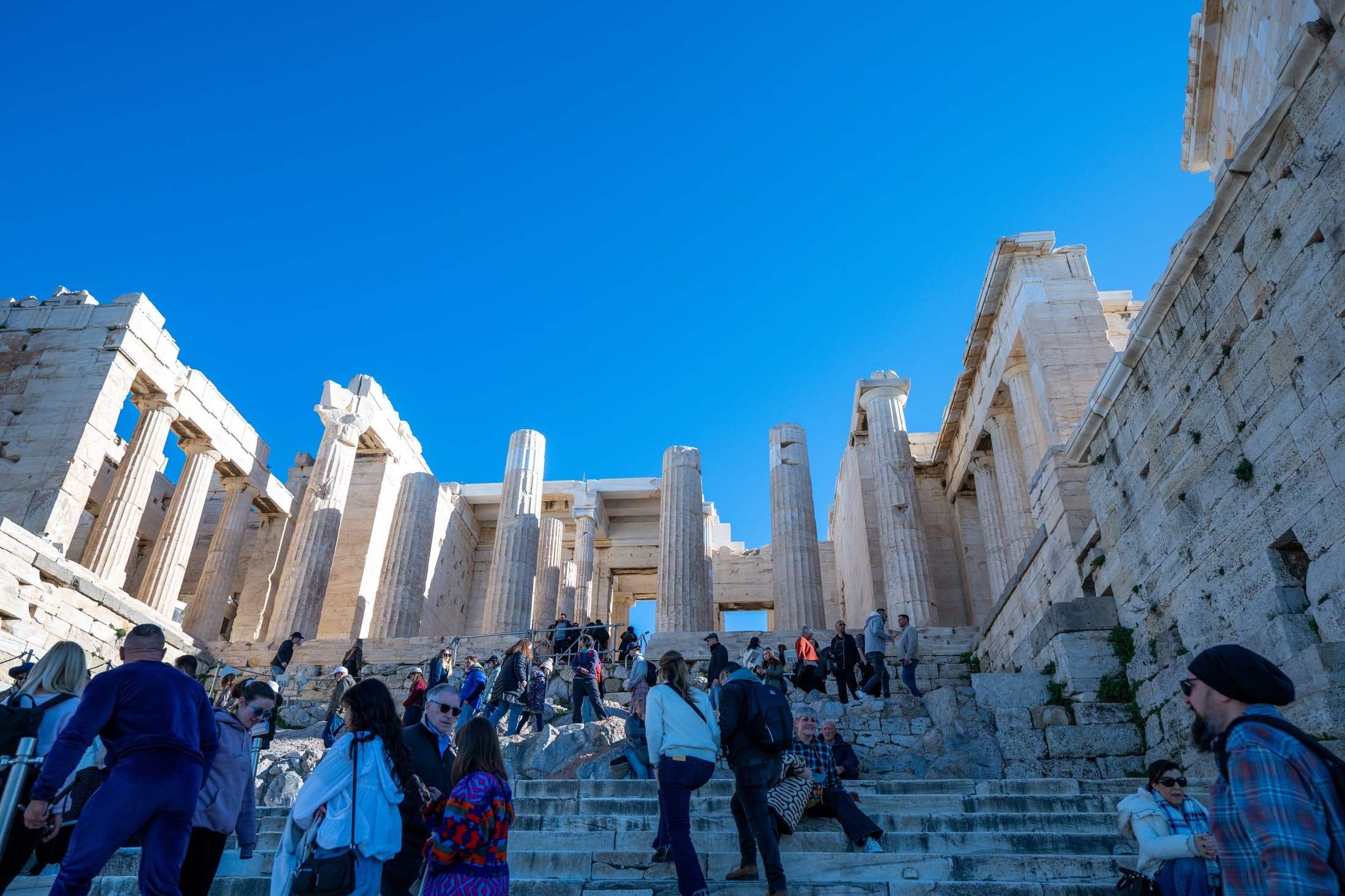
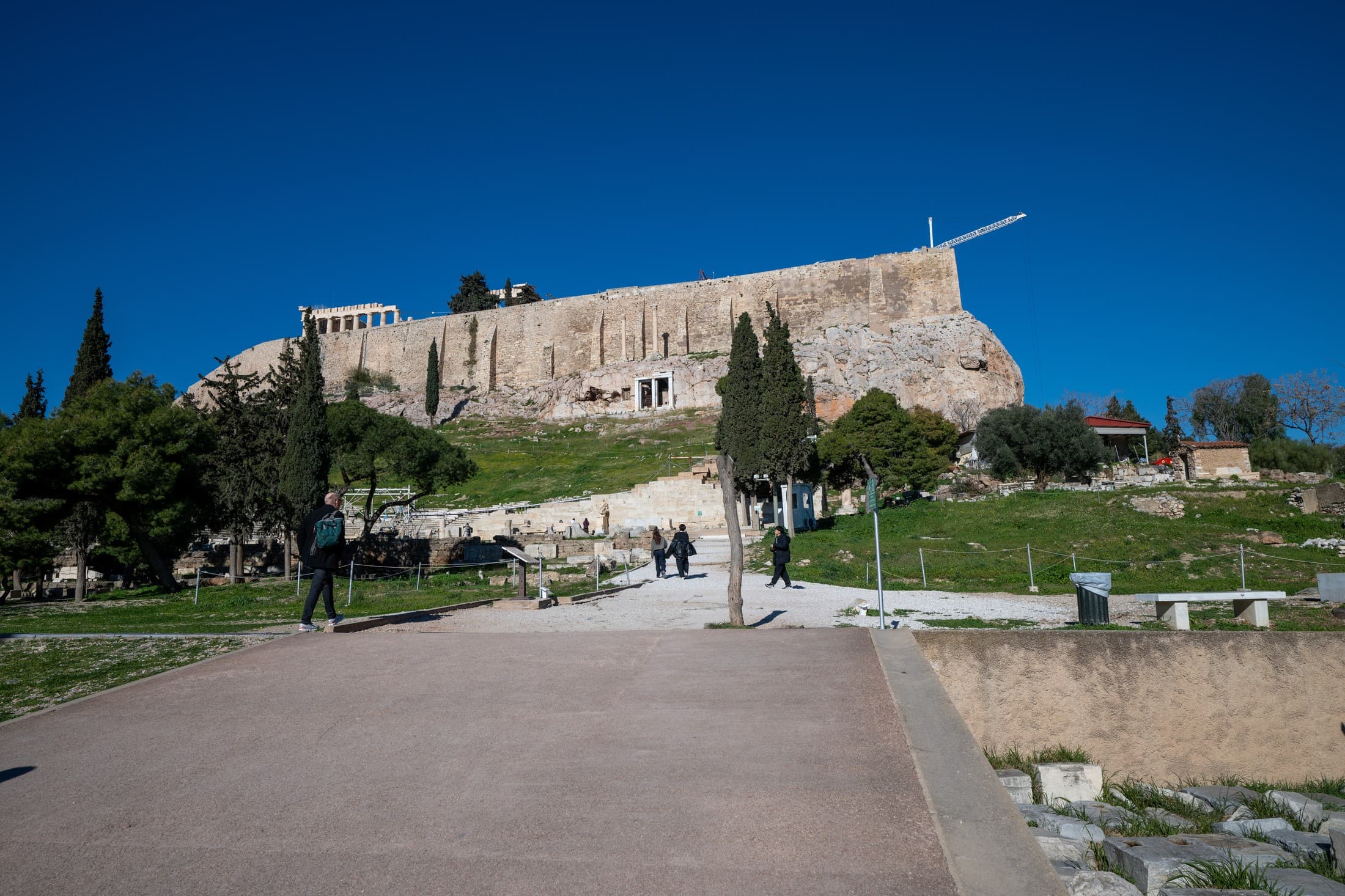
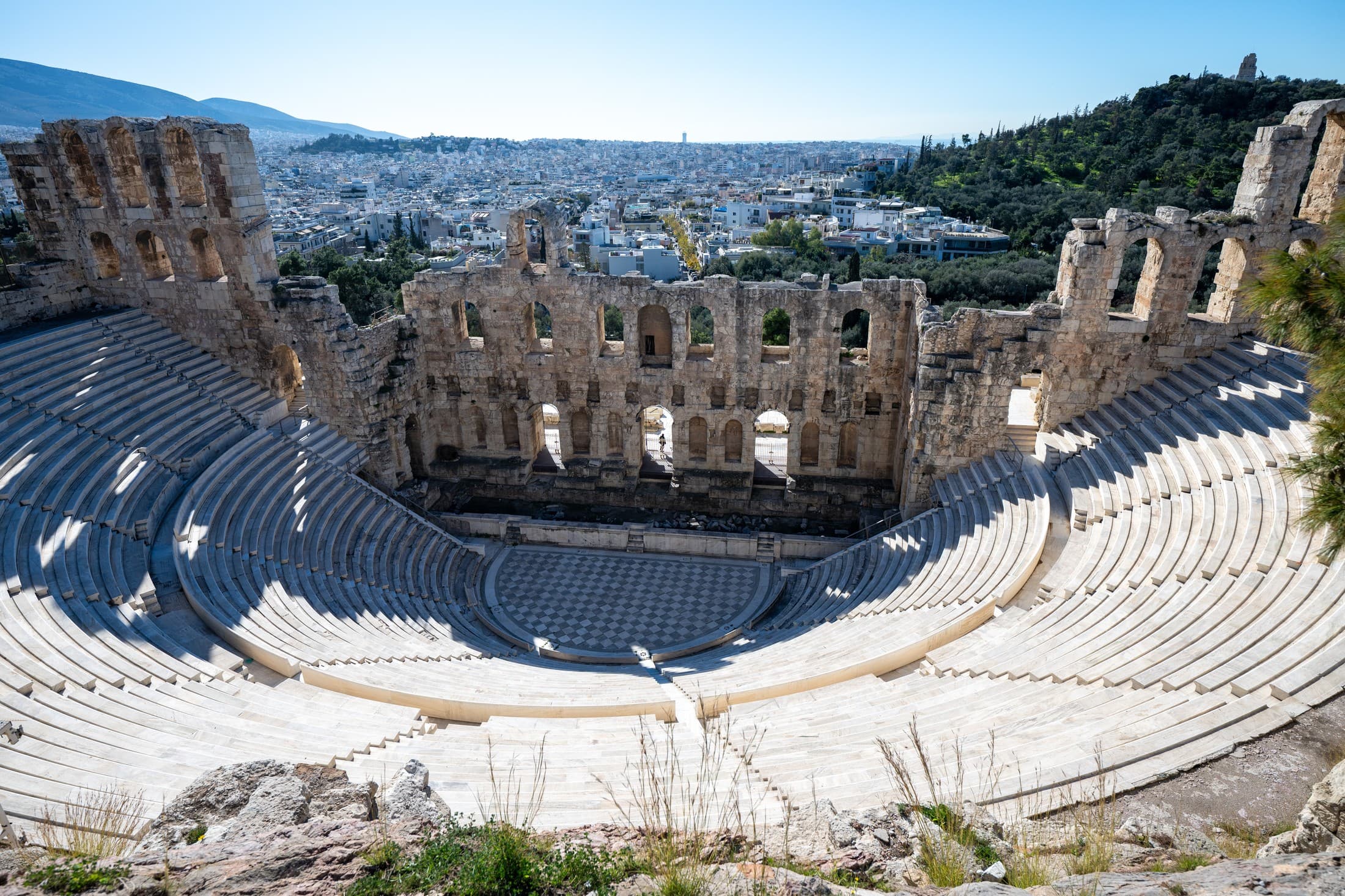
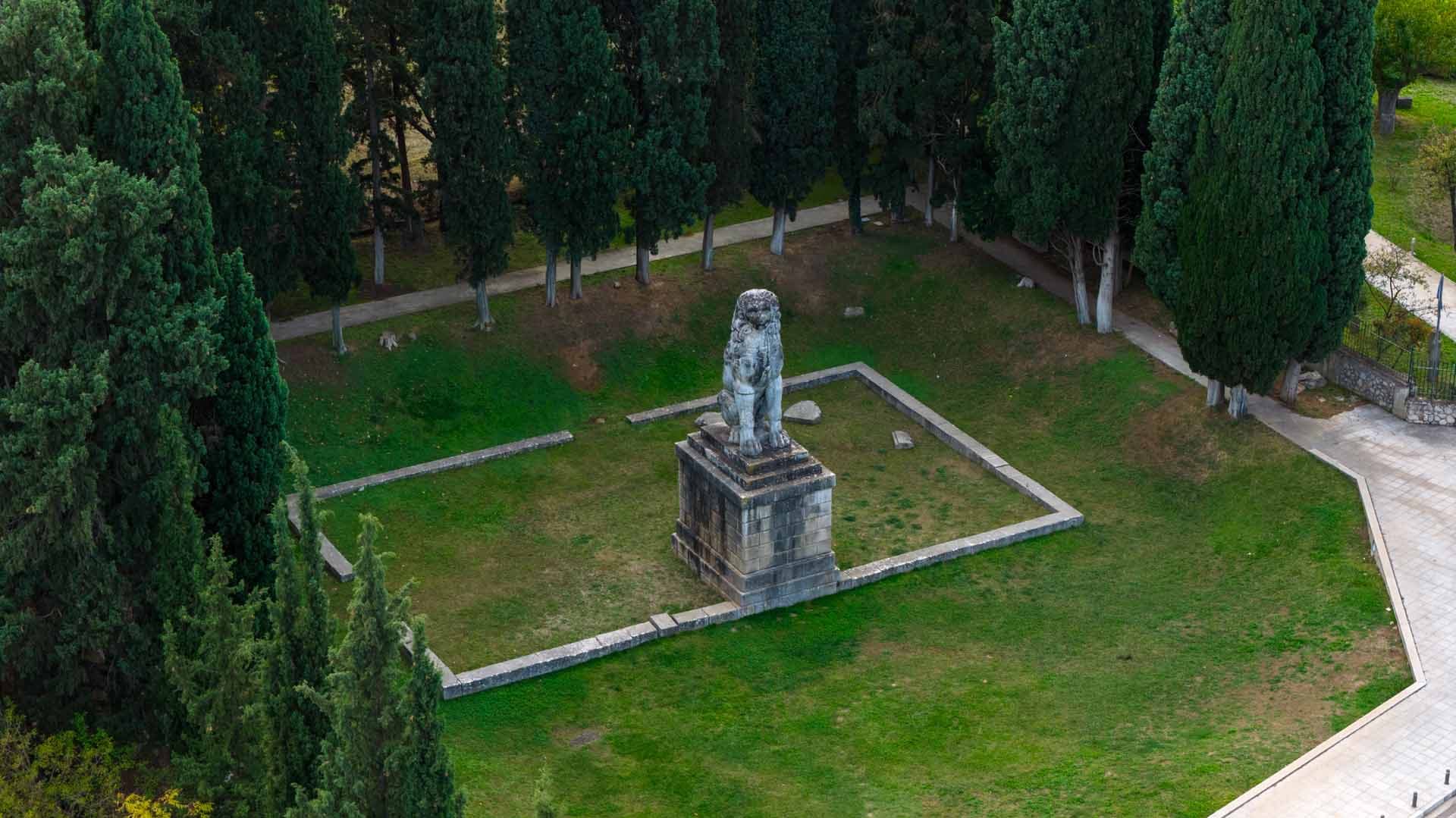
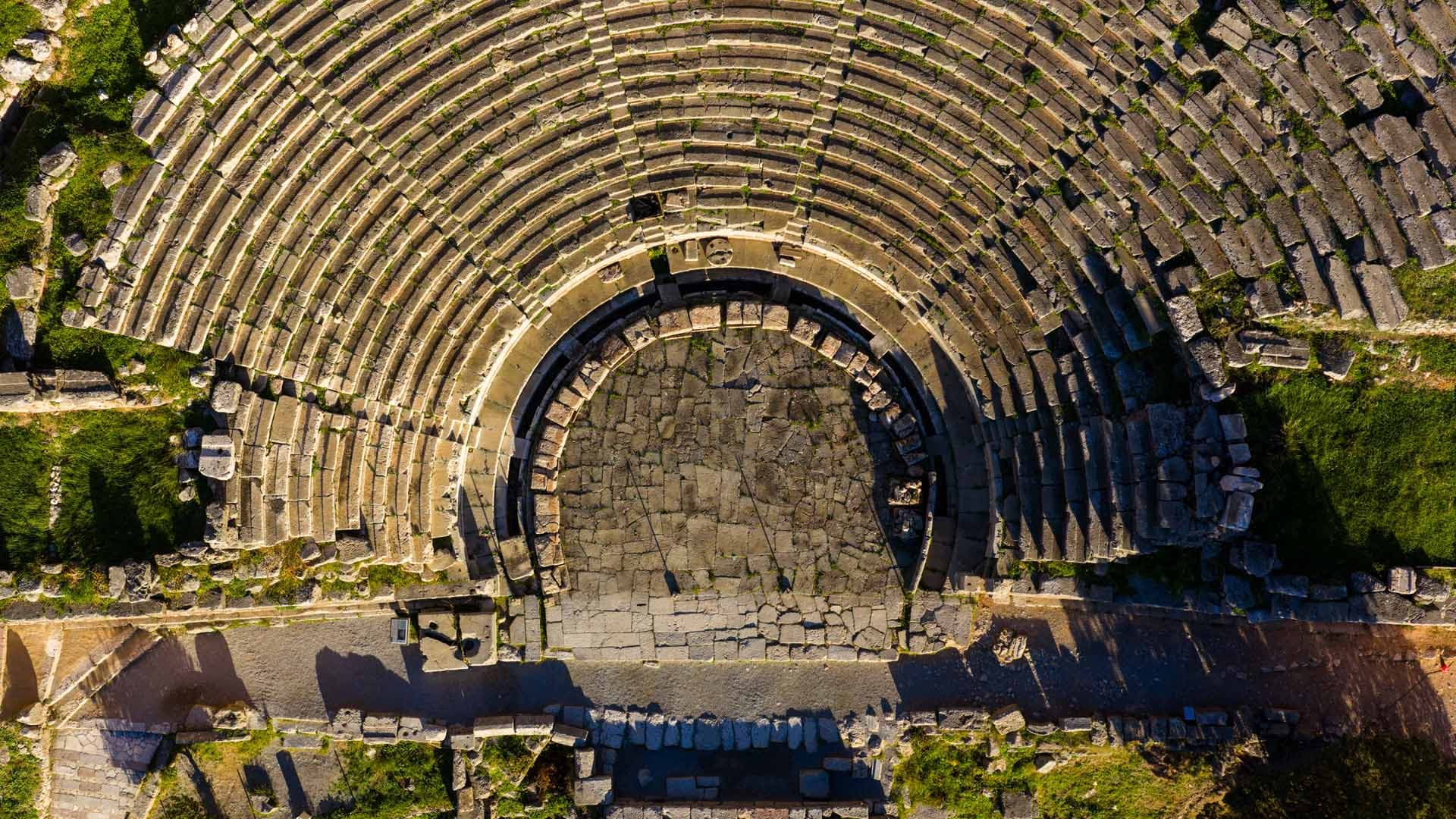
The remaining sites include the Temple of Epicurean Apollo at Bassae (Peloponnese), the Archaeological Site of Delphi (Central Greece), the Acropolis of Athens, Mount Athos (Macedonia), the Meteora (Thessaly), the Paleochristian and Byzantine monuments of Thessaloniki, the Sanctuary of Asclepius at Epidaurus (Peloponnese), the Medieval City of Rhodes (Dodecanese), the Archaeological Site of Mystras (Peloponnese), Ancient Olympia (Peloponnese), the island of Delos (Cyclades), the Byzantine monasteries of Daphni (Attica), Hosios Loukas (Central Greece) and Nea Moni of Chios, the Pythagoreion and Heraion of Samos, the Archaeological Site of Aigai (Vergina, Macedonia), the Archaeological Sites of Mycenae and Tiryns (Peloponnese), the Historic Centre (Chora), the Monastery of Saint John the Theologian and the Cave of the Apocalypse on Patmos, the Old Town of Corfu, the Archaeological Site of Philippi, and the Zagorochoria.
Culture
Inscription on the UNESCO World Heritage List entails the ongoing commitment of the international community to the preservation and promotion of these sites. Greece, a country that stands as a cradle of civilisation, takes care to showcase this extraordinary wealth. Travellers are invited to experience these remarkable monuments and reflect on the unparalleled human intellect that achieved such levels of cultural and architectural advancement. For detailed information on World Heritage Sites across the country, visitors may consult the website of the Greek National Commission for UNESCO.
Greece, thanks to its geographical position, has long been a crossroads of civilisations, which have left their mark everywhere—in the architecture of monuments and settlements, in small-scale craftsmanship, in everyday life, in dietary habits, and in all forms of folk art across the country’s regions. Travellers can come into contact with this rich and vibrant mosaic through visits to heritage sites and journeys into Greece’s historical, cultural, artistic and folk tradition.
According to UNESCO’s official website:
“Properties inscribed on the World Heritage List are selected and approved on the basis of their value as the best examples of human creative genius. They bear testimony to a significant exchange of human values and provide a unique or at least exceptional testimony to a cultural tradition or to a civilisation which is living or has disappeared. They are directly associated with significant stages in human history and, for this reason, possess outstanding universal value and form part of the common heritage of humanity.”
Greece holds a privileged position on the UNESCO World Heritage List.
The first site in Greek territory to be inscribed was the Temple of Epicurean Apollo in 1986, while the Minoan Palace Centres represent the 20th Greek site to be added to the UNESCO list.
The remaining sites include the Temple of Epicurean Apollo at Bassae (Peloponnese), the Archaeological Site of Delphi (Central Greece), the Acropolis of Athens, Mount Athos (Macedonia), the Meteora (Thessaly), the Paleochristian and Byzantine monuments of Thessaloniki, the Sanctuary of Asclepius at Epidaurus (Peloponnese), the Medieval City of Rhodes (Dodecanese), the Archaeological Site of Mystras (Peloponnese), Ancient Olympia (Peloponnese), the island of Delos (Cyclades), the Byzantine monasteries of Daphni (Attica), Hosios Loukas (Central Greece) and Nea Moni of Chios, the Pythagoreion and Heraion of Samos, the Archaeological Site of Aigai (Vergina, Macedonia), the Archaeological Sites of Mycenae and Tiryns (Peloponnese), the Historic Centre (Chora), the Monastery of Saint John the Theologian and the Cave of the Apocalypse on Patmos, the Old Town of Corfu, the Archaeological Site of Philippi, and the Zagorochoria.
Culture
Inscription on the UNESCO World Heritage List entails the ongoing commitment of the international community to the preservation and promotion of these sites. Greece, a country that stands as a cradle of civilisation, takes care to showcase this extraordinary wealth. Travellers are invited to experience these remarkable monuments and reflect on the unparalleled human intellect that achieved such levels of cultural and architectural advancement. For detailed information on World Heritage Sites across the country, visitors may consult the website of the Greek National Commission for UNESCO.