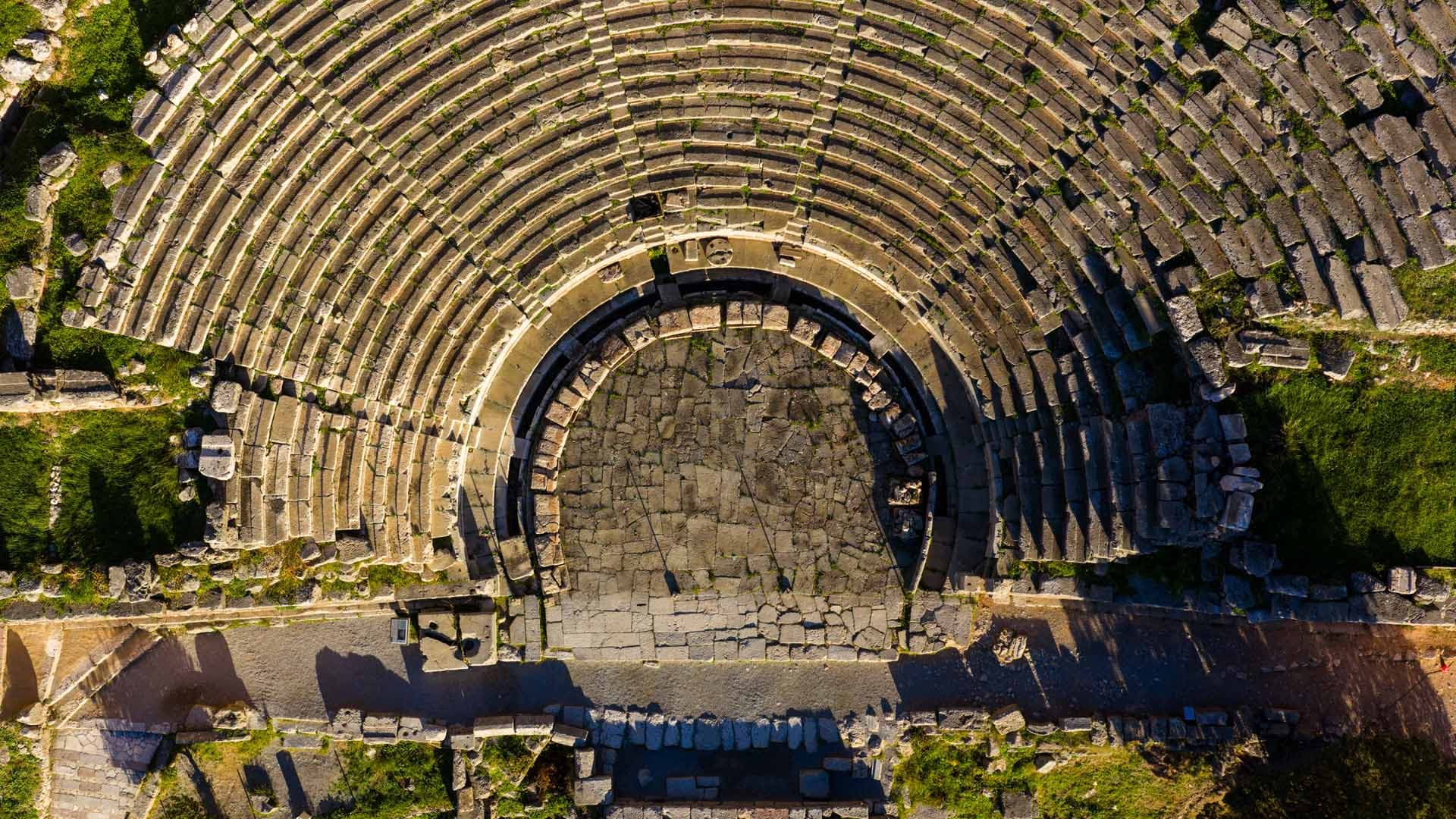
The Mycenaean Palace of Pylos
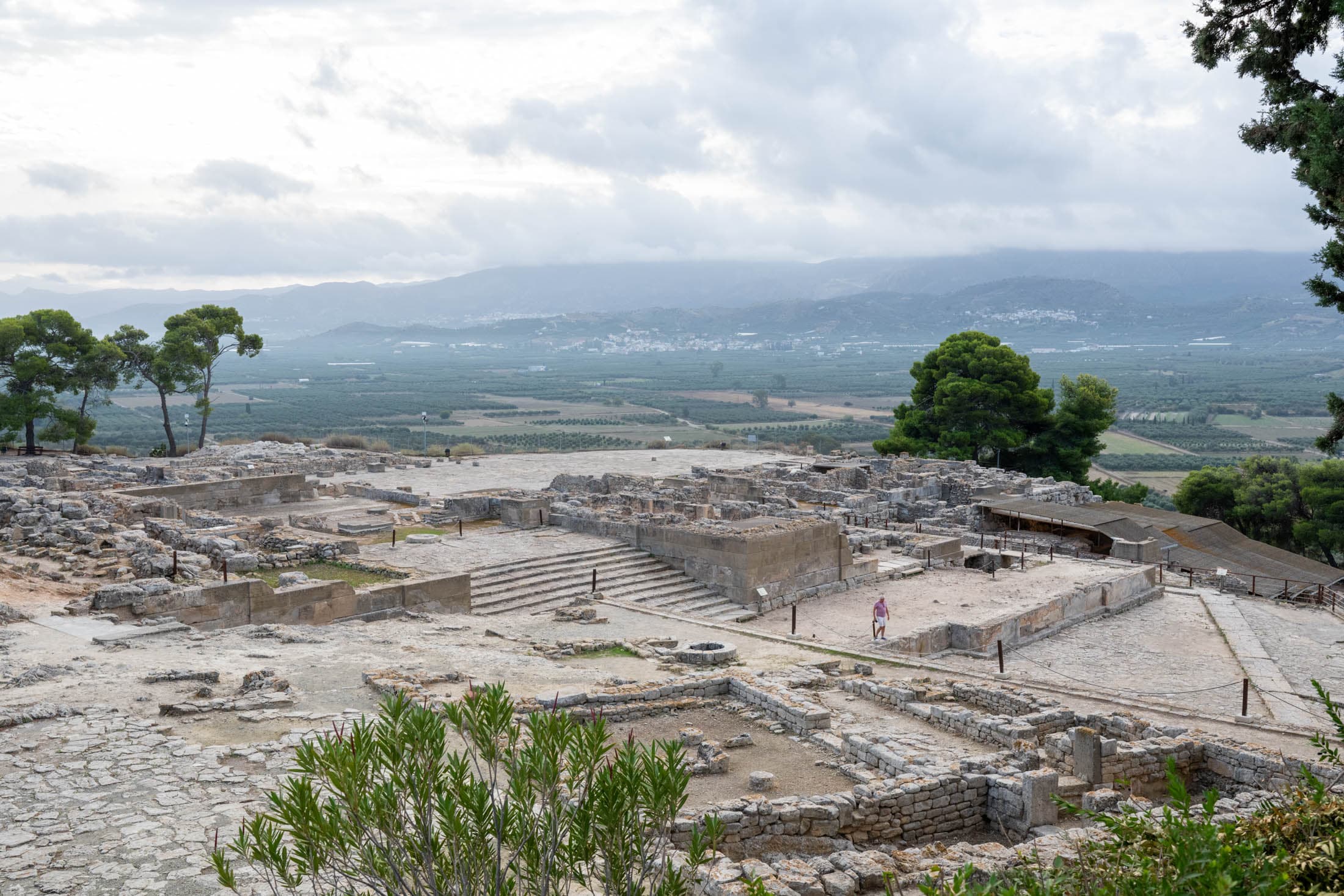
Perched upon the hill of Ano Englianos, with views stretching across the Messinian plain, the Palace of Nestor evokes the sense of a place where life was once vibrant and intense. Built in the 13th century BC, it served as one of the most important administrative centres of the era and is identified as the seat of the mythical King Nestor, who, according to Homer's Iliad, led 50 ships from Pylos to Troy.
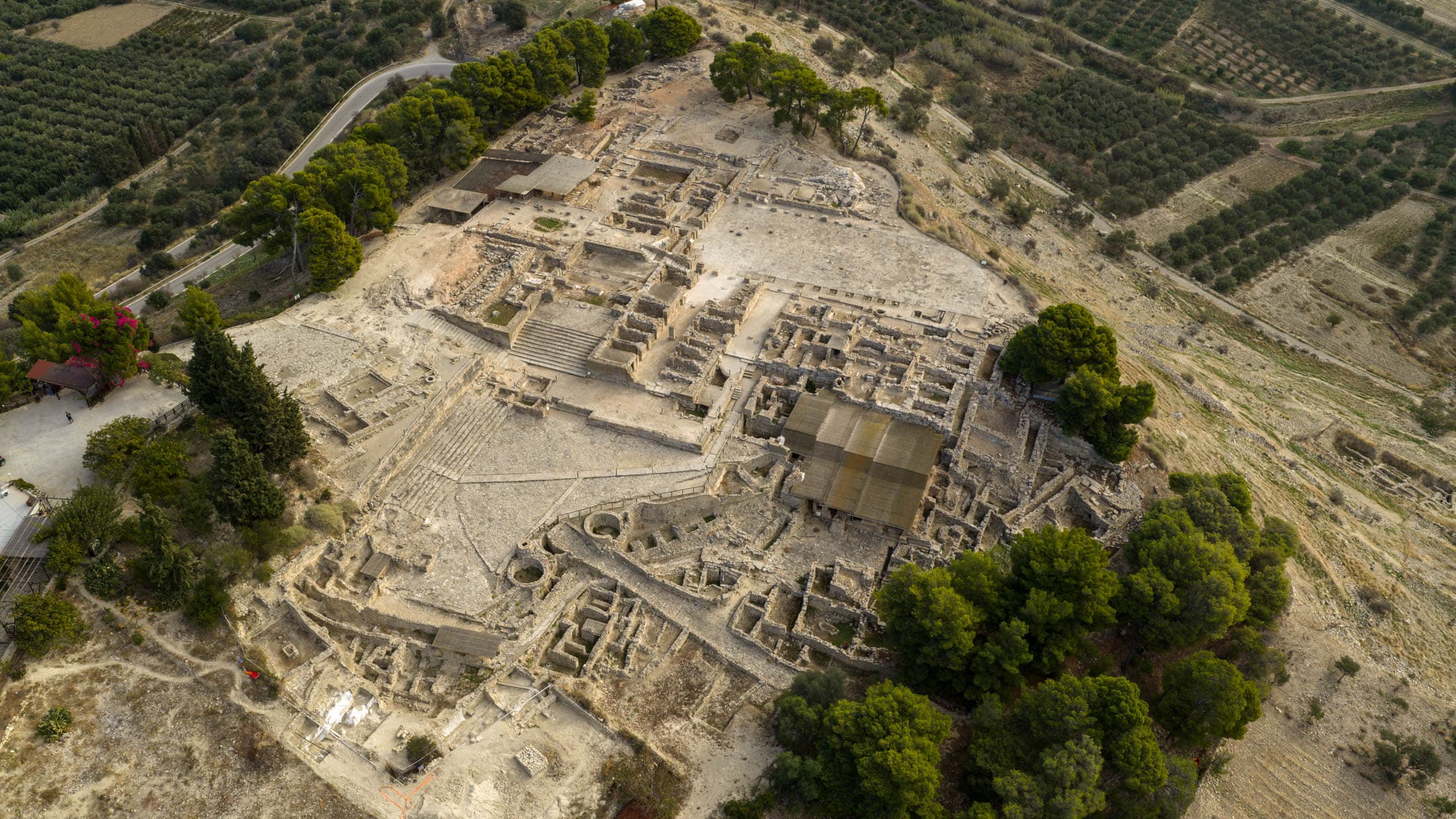
At the heart of the complex lies the megaron, the official seat of power and ceremonies, featuring a central hearth and frescoes that testify to the cosmopolitan nature of the Mycenaean world. Surrounding it are storehouses, workshops, baths, and archives—a finely-tuned administrative machine.
The famous Linear B tablets found here are considered among the most significant administrative archives of Mycenaean Greece. They record products, labour, and rituals, with olive oil holding a central position in the economy and daily life. The fire that destroyed the palace around 1200 BC unwittingly sealed its memory: the clay tablets were baked and preserved to this day.
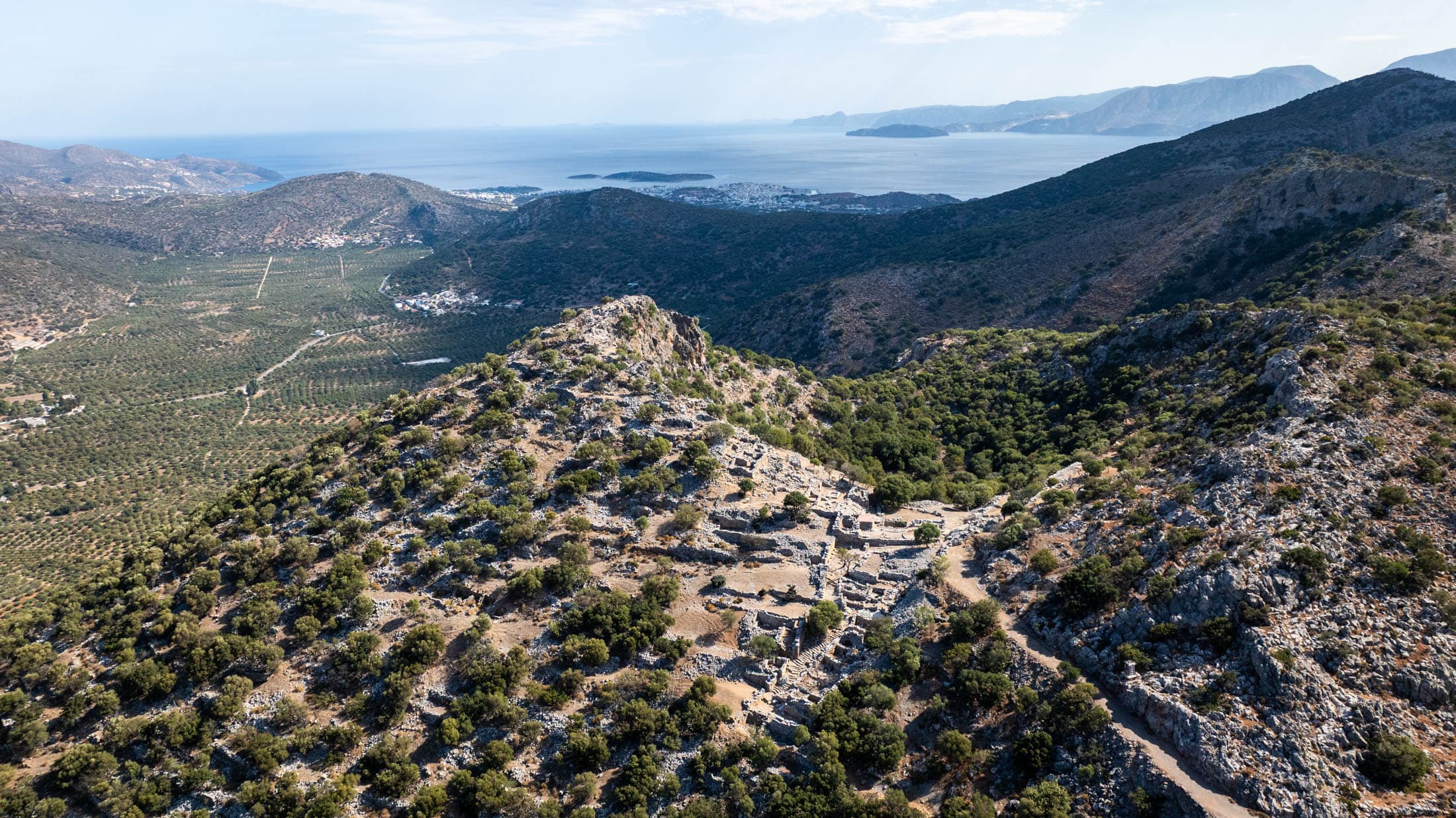
The modern protective shelter allows you to move comfortably and clearly perceive the scale and logic of the ancient city. Stand for a moment at the edge of the hill—the landscape helps you connect the palace with the olive groves and villages that surround it.
At the heart of the complex lies the megaron, the official seat of power and ceremonies, featuring a central hearth and frescoes that testify to the cosmopolitan nature of the Mycenaean world. Surrounding it are storehouses, workshops, baths, and archives—a finely-tuned administrative machine.
The famous Linear B tablets found here are considered among the most significant administrative archives of Mycenaean Greece. They record products, labour, and rituals, with olive oil holding a central position in the economy and daily life. The fire that destroyed the palace around 1200 BC unwittingly sealed its memory: the clay tablets were baked and preserved to this day.
The modern protective shelter allows you to move comfortably and clearly perceive the scale and logic of the ancient city. Stand for a moment at the edge of the hill—the landscape helps you connect the palace with the olive groves and villages that surround it.